Roman amphitheatre of El Jem
Roman amphitheatre of El Jem, Tunisia
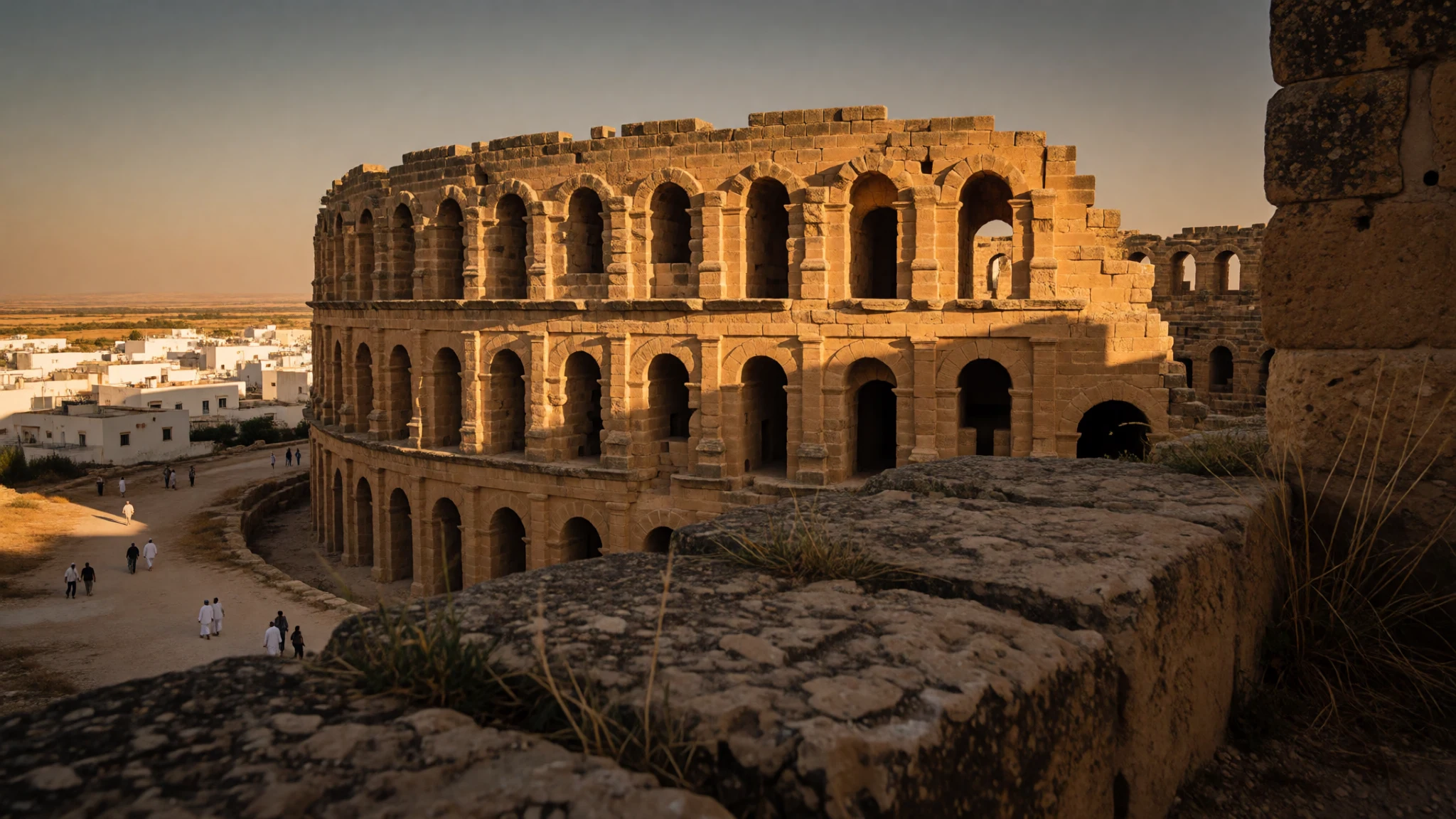
Go to El Jem for the feeling of scale—stone tiers still dominating the town and giving you a clear sense of Roman spectacle.
The place
Roman amphitheatre of El Jem stands in the modern town of El Djem, Tunisia, where the old Roman settlement of Thysdrus once sat in Africa Proconsularis. The amphitheatre itself is oval, built for crowds, and today it still does what it was designed to do: frame views, funnel attention, and make you look up at the layers of stone.
What makes this stop especially memorable is how directly the ruins relate to everyday life. You can walk out of the sightseeing zone and the town continues around the structure, so the amphitheatre never feels like a sealed-off museum. That closeness also means the experience comes with real travel texture—street heat in the daytime, breezes at dusk, and the steady rhythm of people turning up with phones, hats, and water bottles.
The site is well known enough that you’ll usually find other visitors during daylight hours, but it’s not the sort of place where you constantly feel shoulder-to-shoulder. Timing matters: the amphitheatre reads differently in morning light, when stone looks deeper and shadows carve out the tiers; and again near sunset, when the surrounding countryside starts to show through.
El Jem is also a practical cultural detour. Pair it with the local museum for context, and plan enough time to climb to higher levels and look back across the town. Even if Roman architecture isn’t your usual thing, the sheer, physical reality of the amphitheatre tends to win people over.
Its story
El Jem’s amphitheatre traces back to the Roman world, with construction associated with the mid-3rd century era of Thysdrus. Over time, the building became more than a venue: when the wider world changed, its strong stone shell could serve as shelter, and in the Middle Ages it functioned as a fortress-like refuge during periods of danger.
The amphitheatre’s story is also a story of “unfinished” ambitions. It’s said to be the third amphitheatre built on the same spot. Local politics and emperors loom in the background, but what you can actually verify on the ground is the result: a monumental structure that carries the mark of a long life, including periods when parts were not completed as originally intended.
This is where El Jem feels different from some Roman ruins that are only fragments. Here, large sections still stand, so you can imagine the movement of people—where they might have entered, how sightlines would have worked, and how the arena below would have drawn attention. Even the “extras” are part of the narrative: the amphitheatre’s connection to later centuries, including its use as a film location, underlines how the building remains visually powerful.
Convenience is right there: a public toilet is 150 m right from the entry. It’s a reminder that this is not only history—it’s a living stop on a travel route where you can take a breath, refill water, and keep moving.
What to see
- Amphitheatre — El Djem town centre
The Roman amphitheatre dominates El Djem and still reads like an arena, with tiers rising above the town. For photos, dawn or sunset gives softer light and longer shadows. Climbing up to higher levels makes the structure feel even larger and lets you take in the surrounding countryside.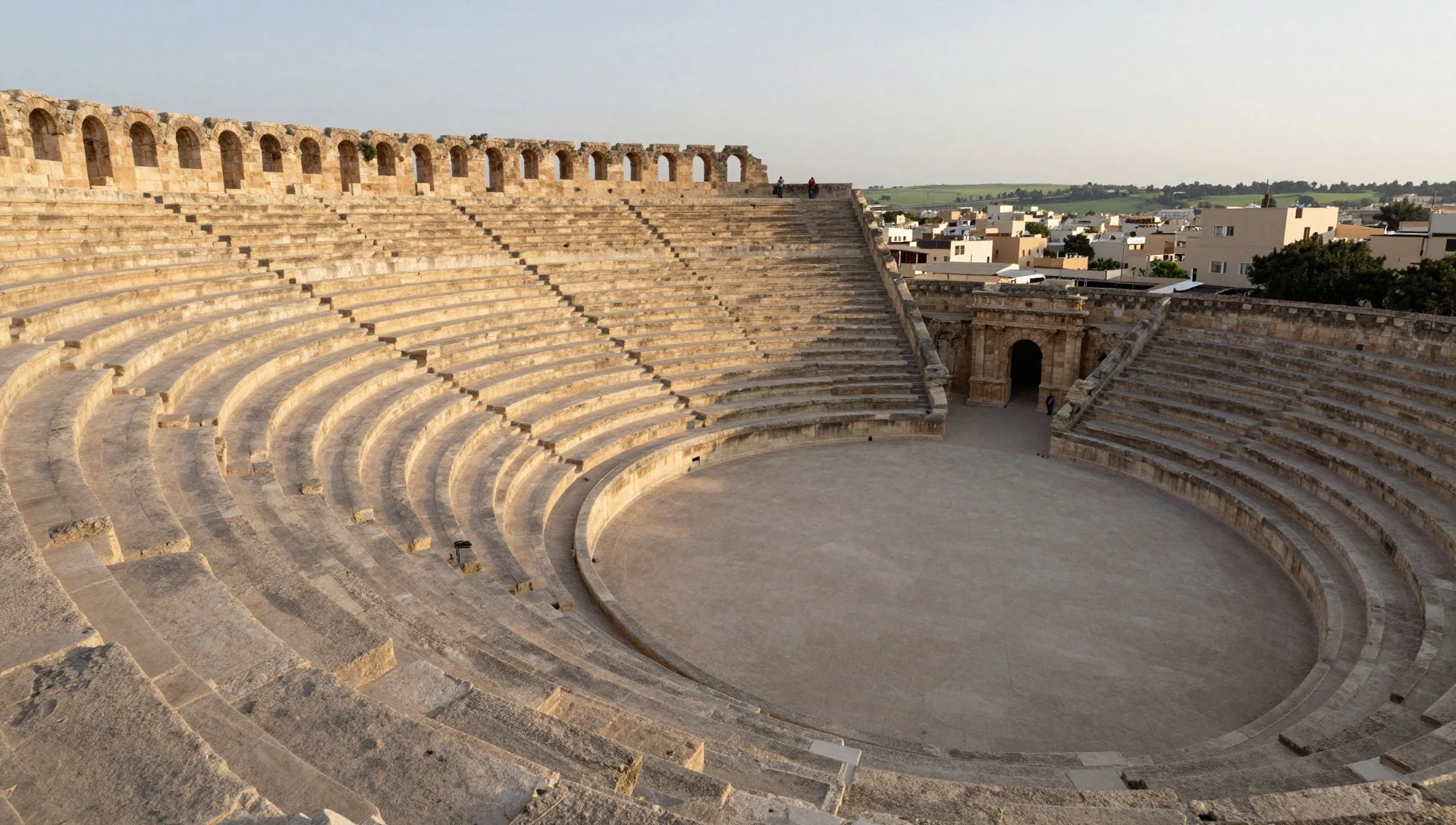
- Arena basement / caged-animal rooms — Inside the amphitheatre complex
If access is available, head down beneath the centre of the arena to see rooms associated with how animals for fights would once have been kept. This basement section is often more intact and can feel like a different level of the site—less about views, more about atmosphere and scale.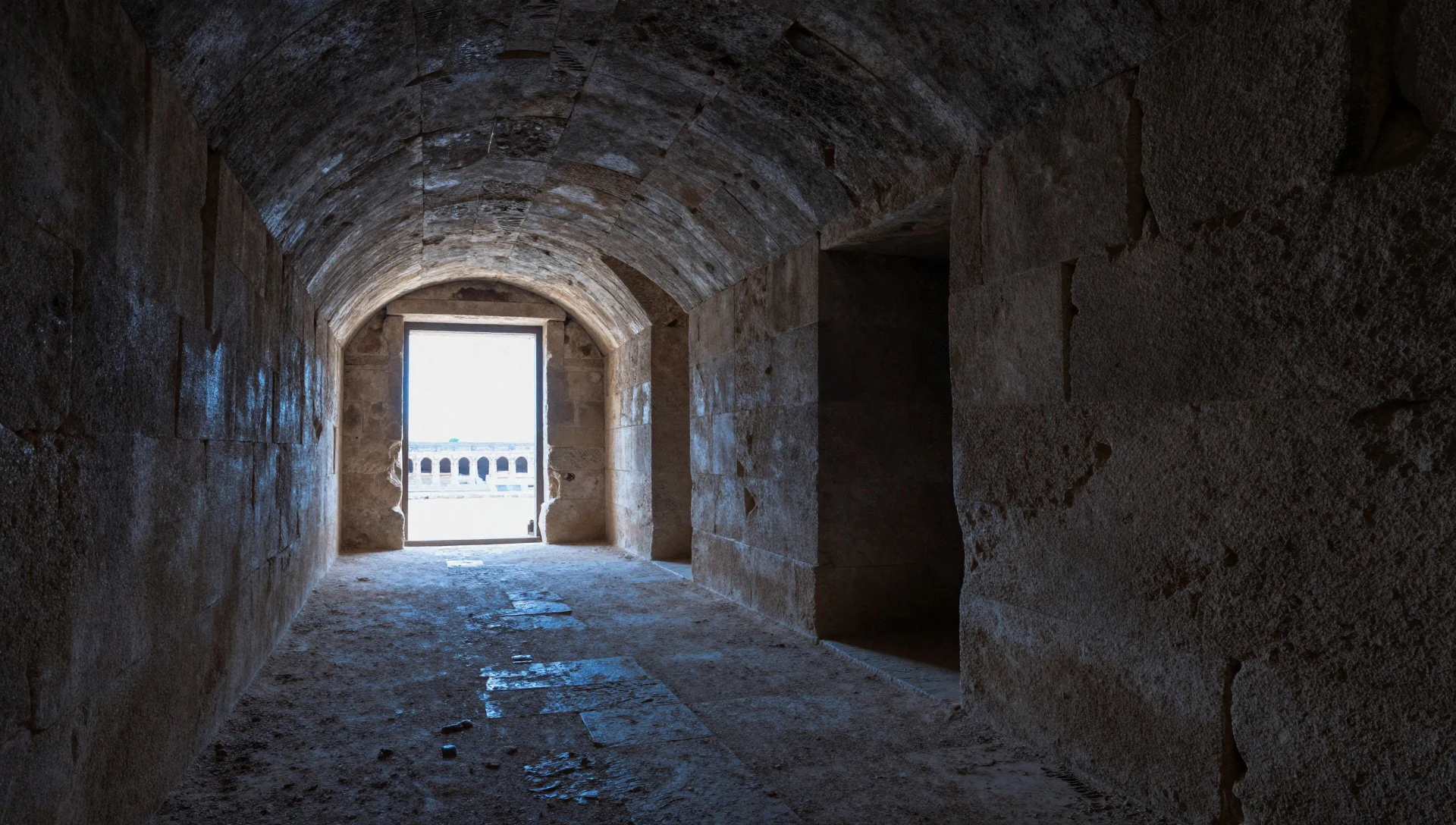
- El Jem Museum — Near the amphitheatre area
The El Jem Museum helps connect the amphitheatre to everyday Roman life. Expect mosaics and a restored Roman villa where mosaics remain in place, giving a sense of how rooms looked and how space was organised. It’s an easy add-on if you want more than just stone walls.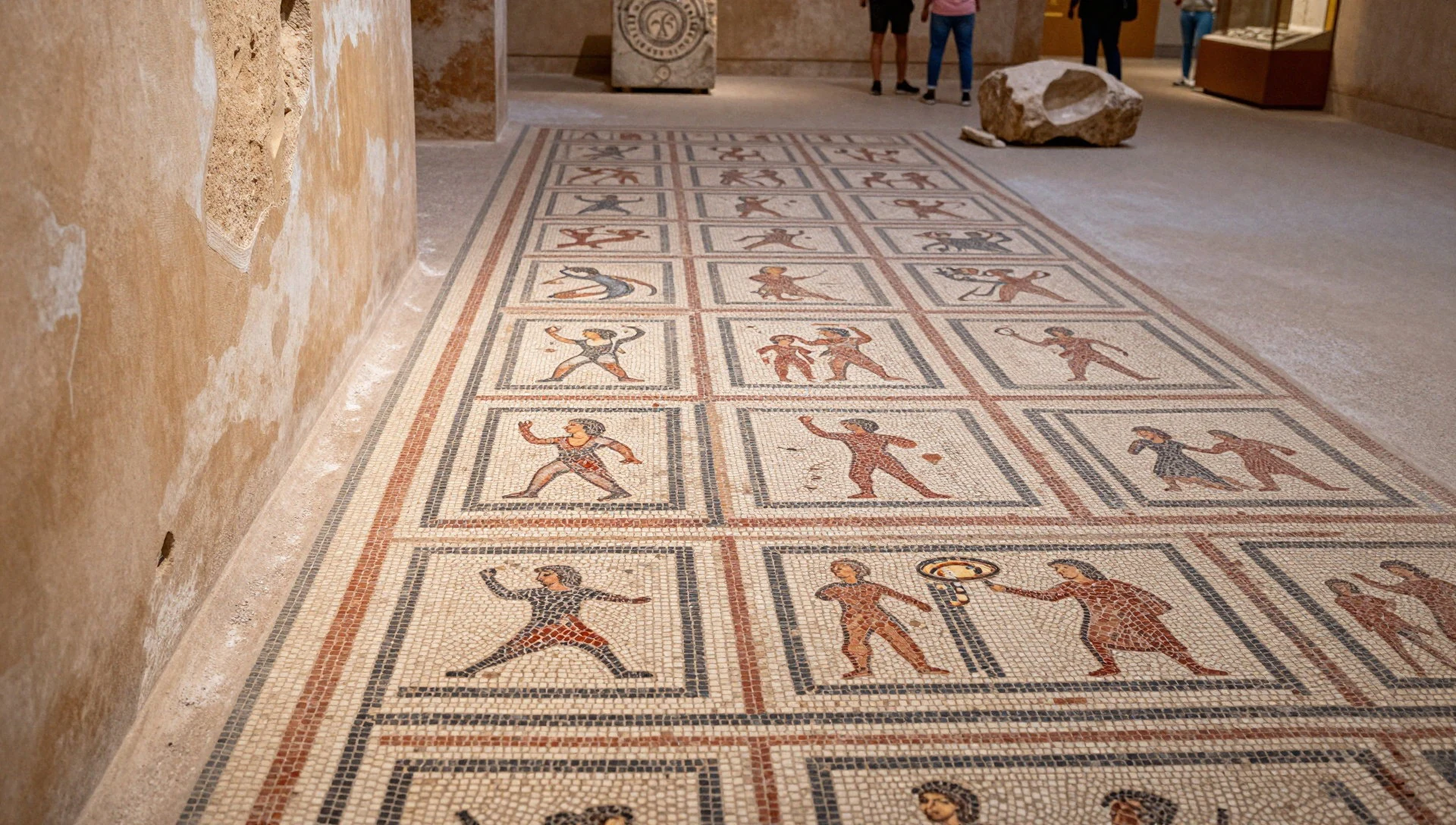
- Photo light viewpoints — Perimeter around the amphitheatre
El Jem is one of those places where the same angles can look completely different hour to hour. Walk around the perimeter for framing opportunities, then return to the main sightline near dawn or sunset. You’ll usually find a small cluster of photographers—nothing hectic, but it’s worth arriving early.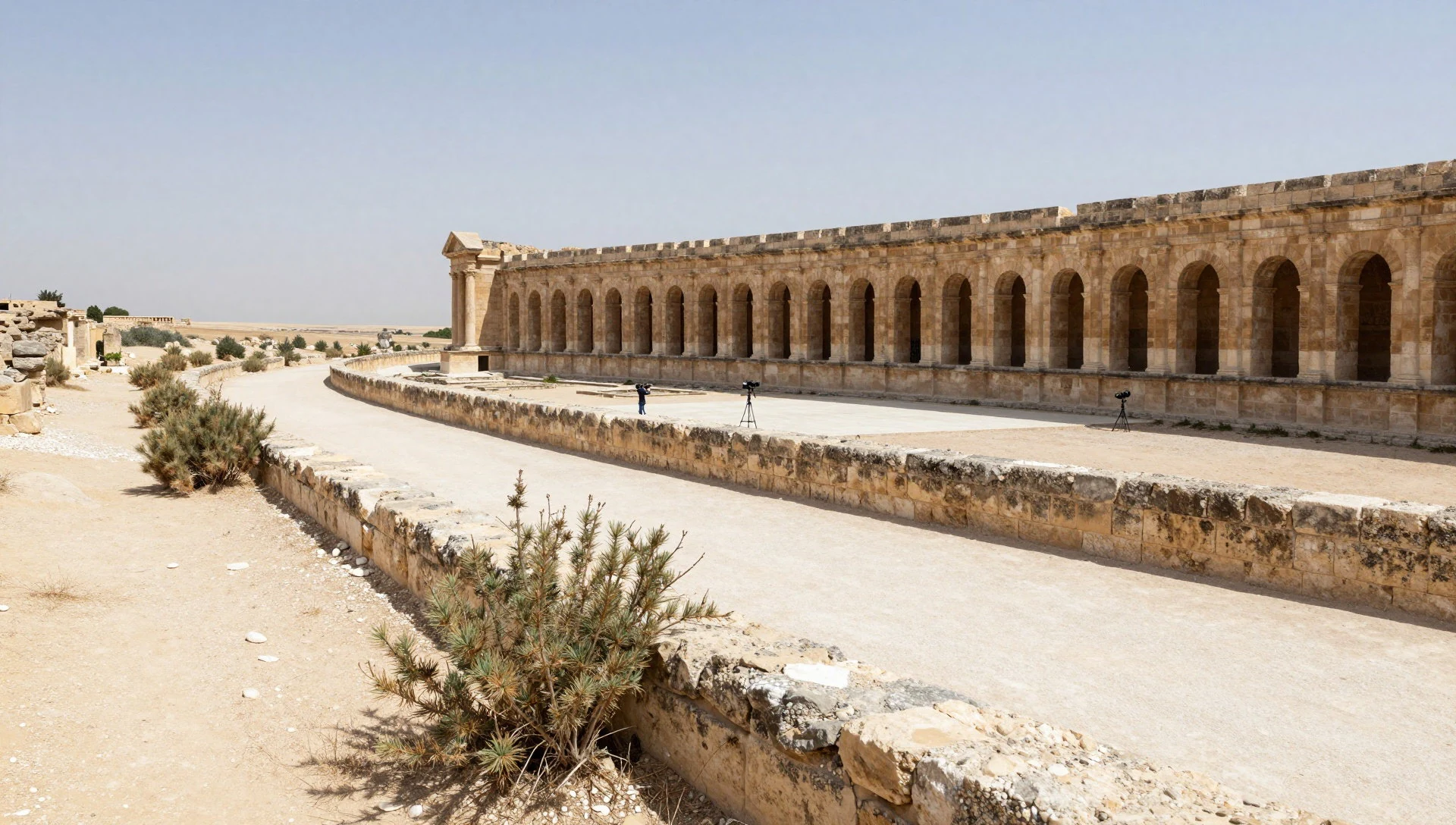
Culture
Roman amphitheatre of El Jem is a heritage site, so the vibe is part sightseeing and part respectful archaeology. Visitors tend to drift between open, sunny stretches and shaded areas near entrances, and the biggest practical issue is heat: the stone holds warmth, and you’ll feel it if you linger mid-day. If you’re coming in the warmer months, plan for slower walking, frequent breaks, and the basics—water and a hat—because shade inside the complex can be limited depending on where you are.
Crowds are usually manageable, but they can spike around the best photo windows (dawn and sunset). Keep your bearings so you’re not stopping in the middle of pedestrian flow, and remember that climbing to viewpoints means narrower pathways—move aside when people behind want to pass.
Also, this is an amphitheatre embedded in an active town, not a remote landmark. That means you’ll hear everyday life around you: casual conversations, traffic sounds beyond the site, and occasional souvenir chatter nearby. Treat people like they’re part of the landscape—politely keep walking if anyone tries to get too close.
Visitor-etiquette line: Dress comfortably but modestly and keep your voice down when you’re near entrances and guided spaces.
What to wear
In and around the Roman amphitheatre of El Jem, most visitors wear practical clothes rather than anything formal. Tunisia’s climate can be hot, and the amphitheatre is open-air, so breathable fabrics do the most work. In the warmer months, people often choose lightweight tops, long loose trousers or skirts, and comfortable sandals or sturdy trainers for the stone and uneven ground.
Traditional Tunisian dress is still worn for cultural events and sometimes in everyday life, but travellers usually won’t need to mirror it here. If you do want a more local feel, think in terms of covered shoulders and ankles—light, airy layers—rather than heavy fabrics. For religious sensitivity, particularly in Tunisia generally, it’s smart to avoid very revealing outfits even if the site itself is not a place of worship.
For what to wear now: a hat (or scarf), sunglasses, a light layer for late-day breeze, and shoes you don’t mind getting dusty. Avoid high heels; the terrain around heritage sites and approaches can be rough, and you’ll be tempted to climb for better views.
Visitor-ready outfit: breathable, modest layers + comfortable footwear that can handle stone steps.
What to eat
- Tea and coffee at a local café — Cafés around the amphitheatre entrance area
A café-stop is the easiest way to slow the pace after walking the amphitheatre. Look for a place where locals sit, chat, and play cards while staff serve tea and coffee, then stay long enough to cool down.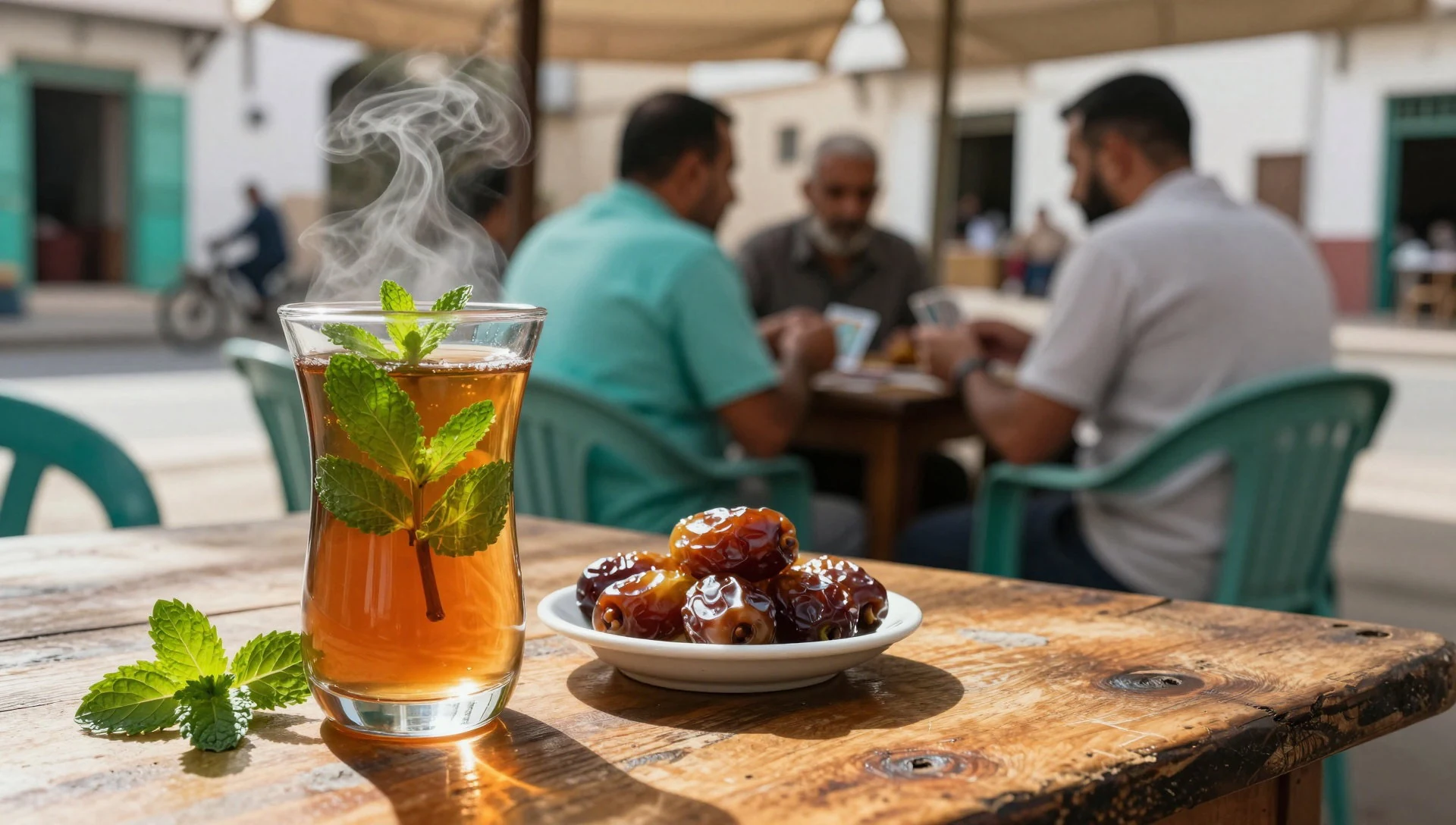
- Café-style snacks — Around the amphitheatre entrance
Near the site you’ll find tourist-focused cafés where polite hawkers often try to guide you in. This is usually the quickest option for a snack between viewpoints—ideal if you want something simple without hunting around the town.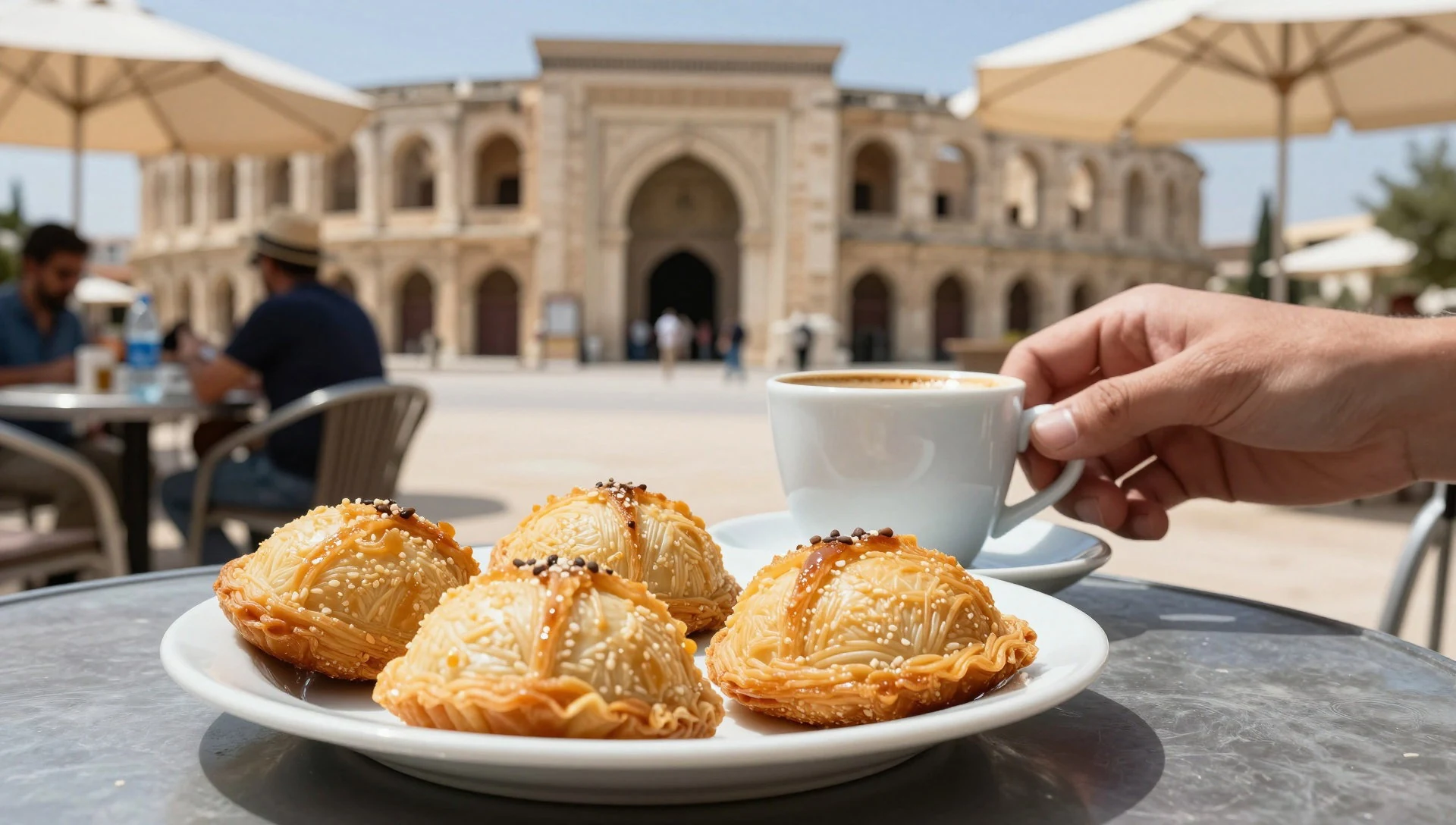
- Tea and “doing nothing” break inside the amphitheatre cafés — Inside the amphitheatre area
Some travellers prefer to keep their break contained by using cafés that operate within the amphitheatre grounds. It’s a good way to recharge without leaving the site and losing your place in the photo timing. - Picnic basics from a supermarket — Main road between the train station and the amphitheatre
For water and straightforward food for the road, pick up supplies at the supermarché on the stretch of road linking the train station and the amphitheatre. It’s practical, and it saves you from relying only on café menus.
Plan it
Best time. March–April and October–November are the most comfortable windows for exploring; summer can feel harsh in open stone spaces, and midday heat is a real factor. Aim for dawn or late afternoon for better light and less sun intensity.
How long. 2–3
Getting there. El Jem sits on the main road between Sousse and Sfax. You can get there by train via Gare El Jem (about 300 m from the amphitheatre), by louage from Sousse (change if coming from Kairouan via Sousse), or by car along the signed turn-off near the town.
Budget. mid
Tips
- Start your amphitheatre visit at dawn or during late afternoon for softer light and more comfortable walking.
- Climb to higher levels; it’s the quickest way to understand the full scale of the structure.
- If you’re doing a museum visit, bundle it with the amphitheatre on the same day so your route stays efficient.
- Carry cash for small purchases around the site; carry water because the complex is open-air and can feel hot.
- If souvenir sellers cluster as you arrive, stay calm and keep moving—refusing politely is normal.
Etiquette
- Plan time for queuing at popular photo spots; don’t block entrances or tight walkways while you shoot.
- Be respectful in any enclosed or basement areas—keep your voice down and follow staff guidance.
- If you’re offered items, it’s okay to decline without engaging further; don’t accept goods and then change your mind.
Nearby
Sources
- Wikidata Q2914326 (CC0)
- Wikipedia (rev 1378651984) (CC BY-SA 4.0)
- Wikivoyage (rev 5401597) (CC BY-SA 4.0)
- Photo photos/01-anfiteatro-el-jem-t-nez-2016-09-04-dd-55-66-hdr-pan.jpg (CC BY-SA 4.0)
- Photo photos/02-the-amphitheatre-of-el-jem-built-around-ad-238-in-thysdrus-i.jpg (CC BY-SA 2.0)
- Photo photos/06-anfiteatro-el-jem-t-nez-2016-09-04-dd-09.jpg (CC BY-SA 4.0)


