Rocky Mountain National Park
Rocky Mountain National Park, United States
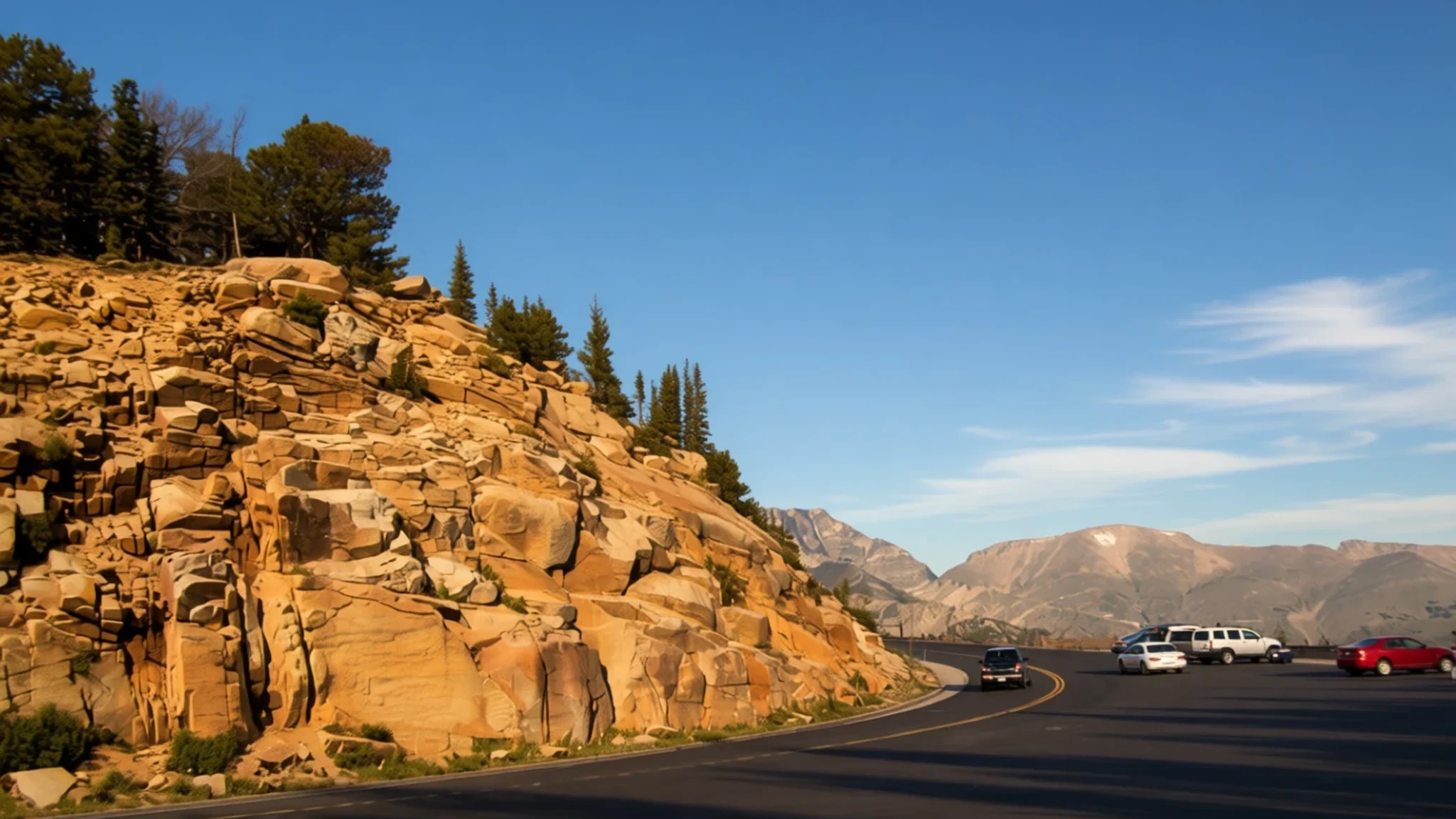
Rocky Mountain National Park offers towering peaks, pristine alpine tarns, and high-altitude wilderness along the Continental Divide in northern Colorado.
The place
Rocky Mountain National Park stands within the Front Range of the Rocky Mountains in north-central Colorado, positioned between the gateway communities of Estes Park on the eastern flank and Grand Lake on the western edge. The Continental Divide cuts right through the middle of the protected acreage, sending the headwaters of the Colorado River out toward the western border. Within these protected lands, ecosystems shift dramatically from dense pine woodlands up through sprawling meadows into cold alpine tundra where trees refuse to grow.
Automotive travel across the heights became possible thanks to the Civilian Conservation Corps, whose labourers carved out the sweeping route during the nineteen-thirties. Today, the reserve welcomes millions of recreational travellers every year, drawing visitors who come to witness dramatic peaks, glassy tarns, and resident wildlife such as elk and bighorn sheep. Managing visitor flow remains an ongoing priority for park administration, with several visitor information points dotted across the terrain to orient arrivals. The main administrative office operates from a notable structure designed by architectural students, anchoring the eastern approach. Weather here is famously changeable, as cold northern air masses collide with moist southern systems to create sudden shifts in conditions, particularly across the high mountain passes where snow can fall in almost any month of the year. Visitors crossing the park discover a landscape defined by glacial polish, steep valleys, and vast panoramic horizons that stretch across the American West.
Its story
Rocky Mountain National Park holds a long human history beginning with early indigenous hunter-gatherers who traversed high mountain routes to forage and track game long before European explorers arrived. Ute and Arapaho communities subsequently utilised the high valleys for seasonal camps and hunting grounds. Early official exploration expeditions approached the towering peaks via regional river routes, leading to local landmarks being named after expedition leaders. Mid-nineteenth-century homesteaders and prospectors soon followed, establishing brief mining settlements in remote western corners that were ultimately abandoned when mineral yields fell short of high hopes.
Prospector shanties gave way to preservation efforts spearheaded by passionate conservation advocates who campaigned to shield the fragile alpine environment from commercial exploitation. These efforts culminated when federal legislation officially protected the region. Road builders subsequently connected eastern and western valleys with high-altitude tarmac, opening the interior to leisure motorists and summer holidaymakers. Civilian work crews further shaped the infrastructure by constructing stone-and-timber lodges, trails, and administrative outposts during successive decades. UNESCO later recognised the ecological importance of the reserve by naming it an international biosphere reserve, ensuring that scientific study and conservation efforts would complement public enjoyment of the jagged summits and glacier-carved gorges for generations to come.
What to see
- Holzwarth Historic Site — Kawuneeche Valley
Holzwarth Historic Site preserves a preserved nineteen-twenties dude ranch where visitors can tour rustic cabins, experience early homesteading history, and imagine the simple routines of early mountain tourism in the quiet western valley.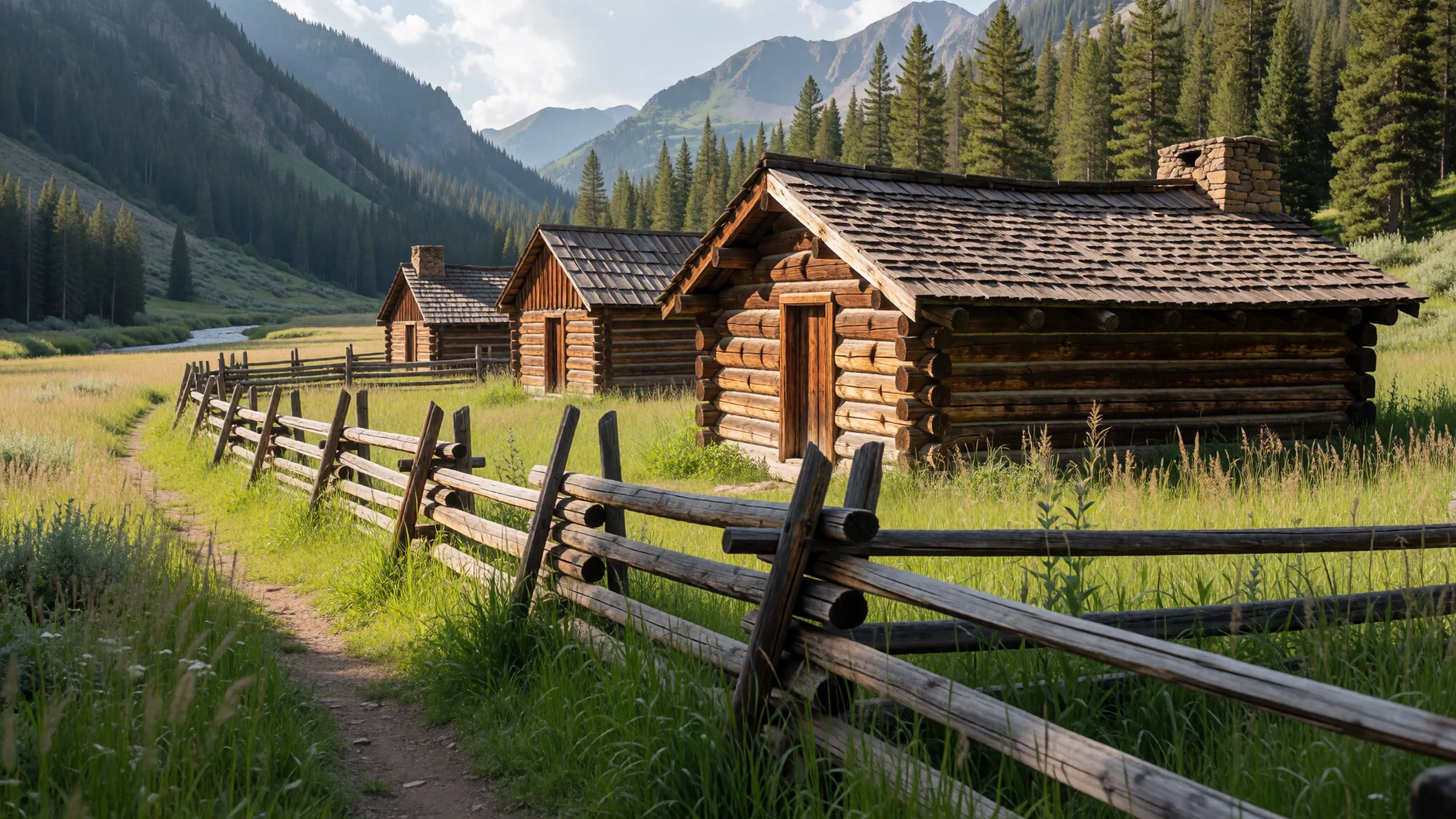
- Bierstadt Lake — Bear Lake corridor
Bierstadt Lake sits atop a glacial moraine, offering a peaceful morning walk through pine woods that opens out to brilliant, expansive vistas of the Front Range peaks reflecting across the calm surface.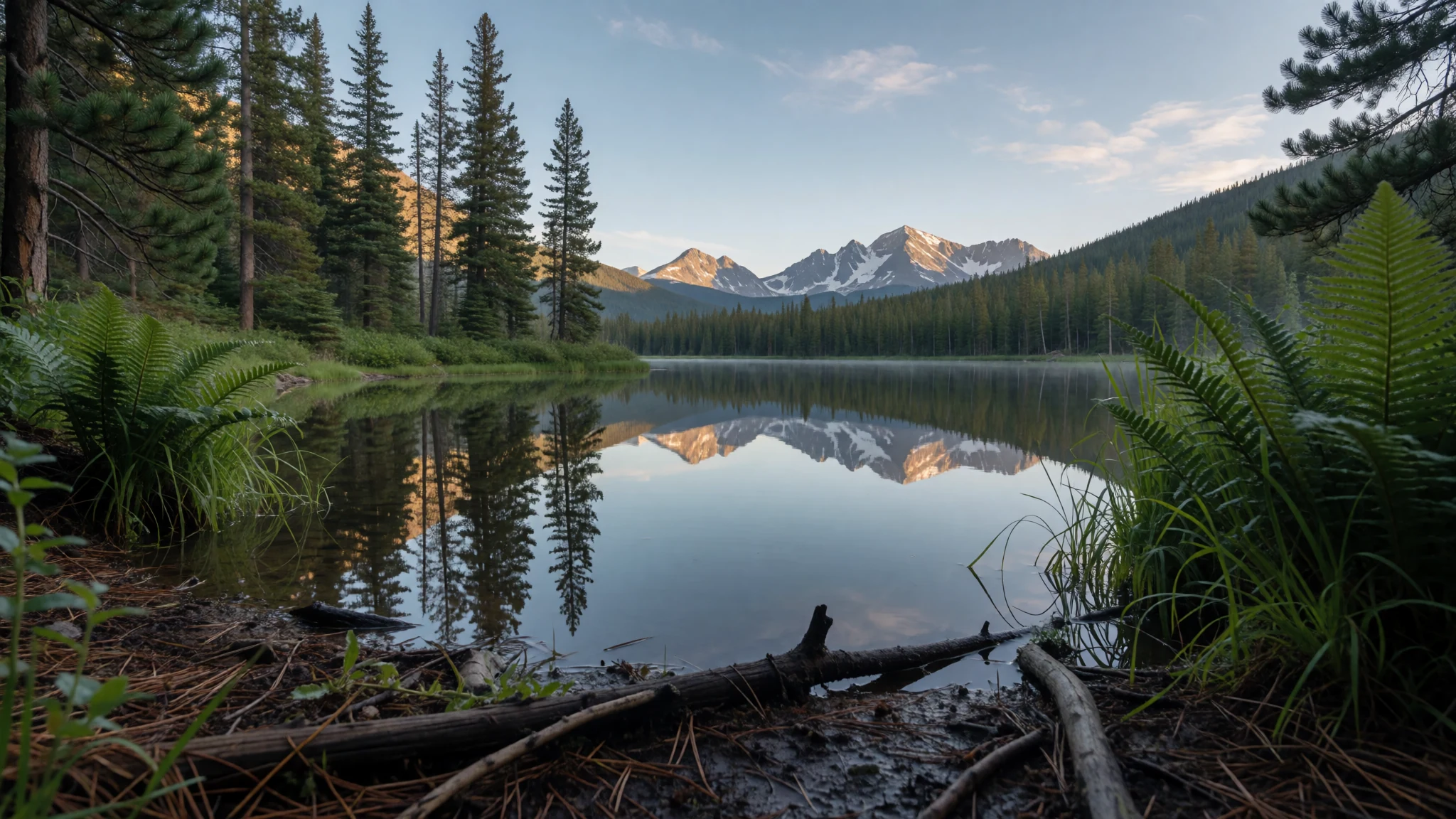
- Lily Mountain — Eastern park boundary
Lily Mountain delivers a rewarding excursion up a granite foothill near the park boundary, climbing through shaded forest before culminating in panoramic views across the eastern mountain slopes.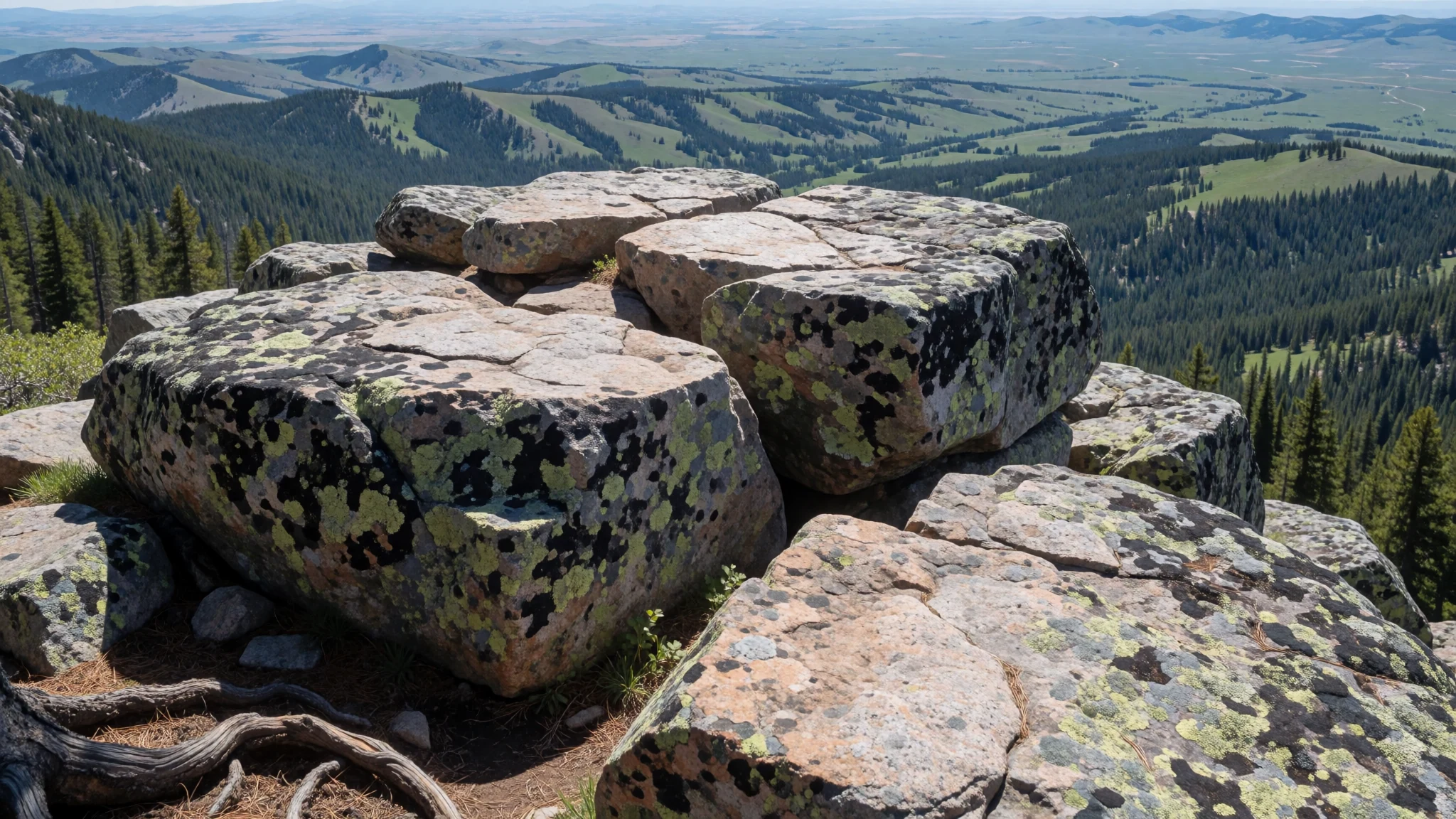
- Emerald Lake — Bear Lake trailhead
Emerald Lake rewards hikers with a stunning alpine tarn nestled directly beneath steep rock walls, reached by following a well-trodden trail past several other picturesque mountain lakes.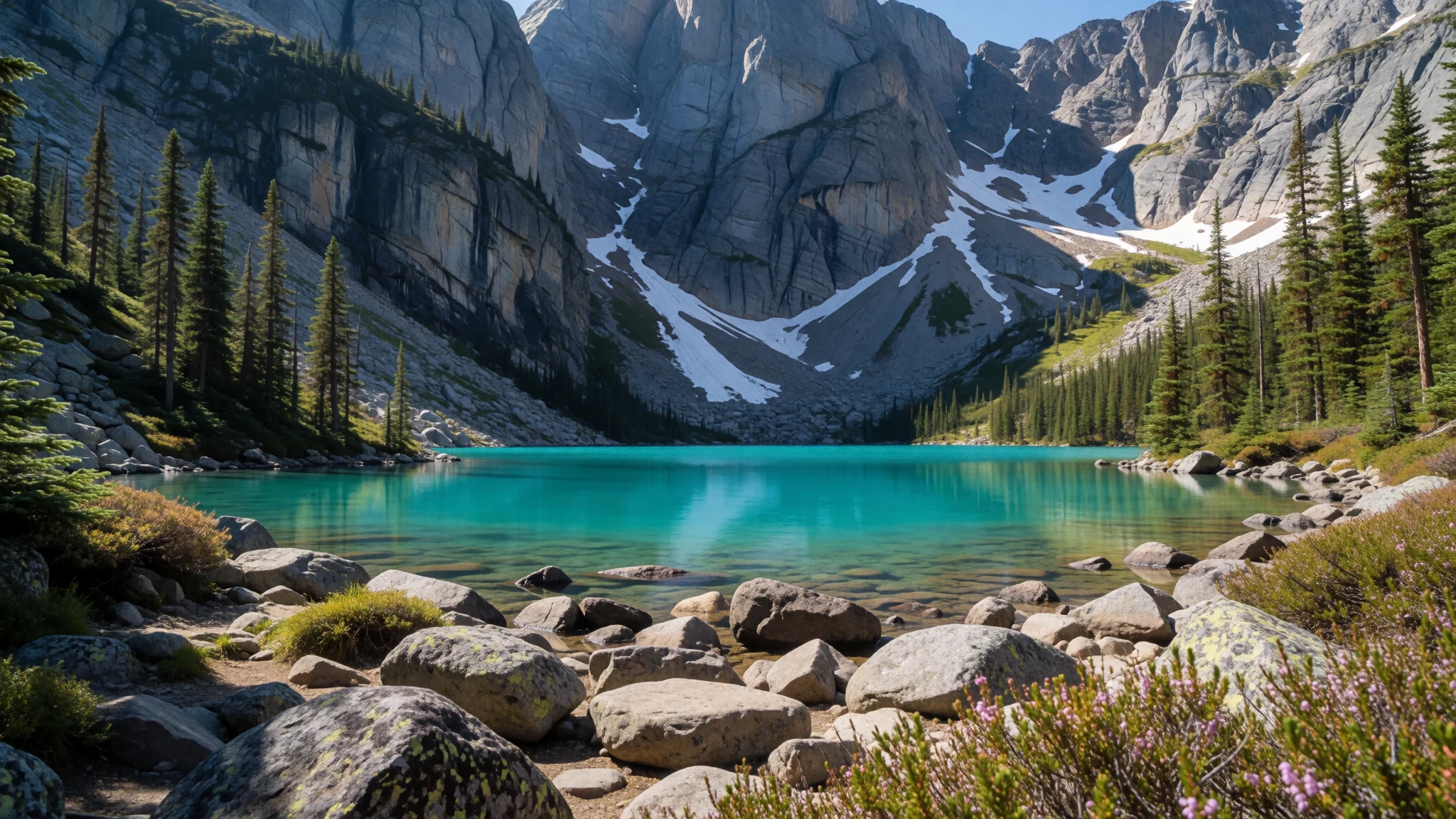
- Sky Pond — Glacier Gorge
Sky Pond is among the most popular high-altitude journeys in Rocky Mountain National Park, leading energetic walkers past roaring waterfalls and a dramatic stone gorge to a glacier-fed alpine basin.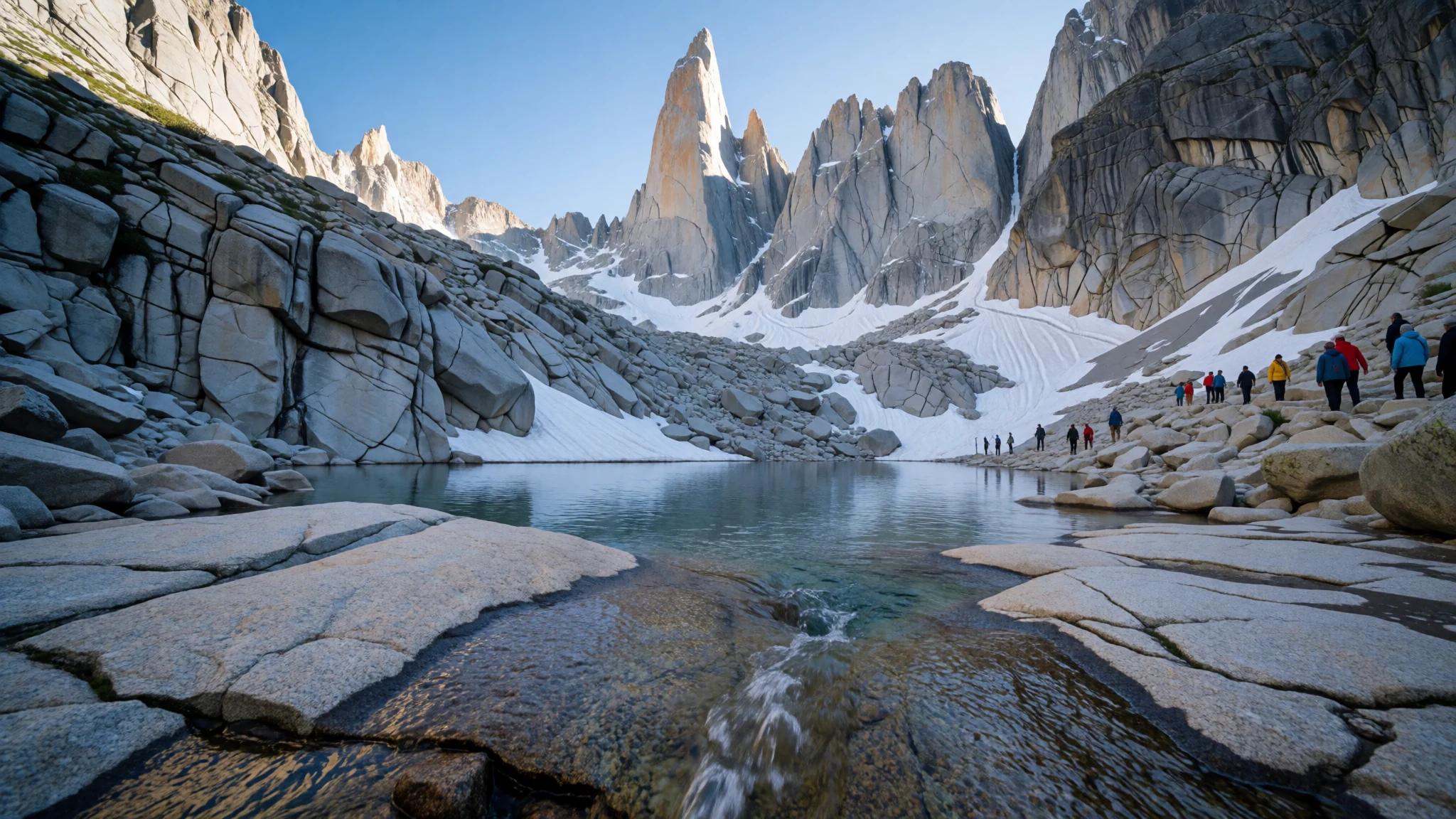
Culture
Rocky Mountain National Park represents a treasured American wilderness where outdoor stewardship and respect for fragile alpine ecosystems form the bedrock of local visitor culture. Mountain culture here is shaped by an outdoor-loving community of hikers, naturalists, and conservationists who treat the rugged terrain with reverence. Traditional local heritage draws from the pioneer spirit of early homesteaders, ranchers, and indigenous nations who understood the rhythms of high-altitude weather and wildlife. Today, travellers and park staff share a deep commitment to Leave No Trace principles, protecting delicate tundra flora that takes decades to recover from a single footprint. Visitors are encouraged to maintain a quiet, observant posture on the trails, allowing wildlife space and keeping noise levels low to preserve the natural atmosphere of the peaks. Respect local wildlife viewing guidelines by keeping a safe distance from elk, bighorn sheep, and bears at all times.
What to wear
Rocky Mountain National Park fashion reflects practical alpine utility rather than traditional folk costume, blending outdoor sporting heritage with functional layering needs. Historically, early homesteaders, guides, and loggers wore sturdy wool trousers, heavy flannel shirts, and leather boots designed to withstand biting winds and heavy snowdrifts. Modern visitors and local outdoor guides continue this utilitarian tradition, dressing in technical synthetic layers, moisture-wicking fleeces, and windproof outer shells designed to cope with rapidly shifting mountain weather. Because temperatures can plummet drastically within minutes when storms roll over the Continental Divide, sensible clothing choices are essential for safety and comfort. Visitors should always pack thermal base layers, waterproof jackets, UV-blocking sunglasses, and wide-brimmed hats regardless of the season. Footwear must be sturdy and broken-in, such as waterproof walking boots with good grip for navigating rocky scree slopes, muddy forest tracks, and occasional patches of lingering snow.
What to eat
- Visitor Centre Snacks — Alpine Visitor Centre and Fall River Visitor Centre
Visitor Centre snack bars provide quick refreshments, light sweets, and hot drinks for travellers needing an instant energy boost before tackling the high-altitude trails. - Gateway Town Cafes — Estes Park and Grand Lake village centres
Gateway town cafes in neighbouring settlements serve hearty breakfasts, artisan coffee, and filling comfort food to fuel hikers before they enter the park boundaries. - Mountain Bakery Pastries — Local bakeries in nearby mountain communities
Mountain bakery pastries offer portable sweet rolls and artisan bread loaves ideal for packing into rucksacks ahead of a long day exploring remote glacial valleys. - Trailside Packed Lunch — Any scenic viewpoint or lake shore along the trails
Trailside packed lunches enjoyed beside an alpine lake provide simple provisions like sandwiches, dried fruit, and nuts carried in by hikers respecting park conservation rules.
Plan it
Best time. July to August offers snow-free high trails and wildflowers, while September brings golden aspen leaves and quieter paths.
How long. 3–4
Getting there. Fly into Denver International Airport, hire a car, and drive roughly two hours northwest toward Estes Park or Grand Lake.
Budget. mid
Tips
- Arrive before dawn to secure parking at popular trailheads like Bear Lake
- Drink plenty of water and ascend gradually to avoid altitude sickness
- Check weather forecasts constantly as mountain storms develop rapidly
- Book timed-entry vehicle permits well in advance during peak summer months
Etiquette
- Never feed wildlife or approach nesting birds and grazing elk
- Stay strictly on designated trails to protect fragile tundra plants
Nearby
Sources
- Wikidata Q777183 (CC0)
- Wikipedia (CC-BY-SA 4.0)
- Wikivoyage (CC-BY-SA 4.0)