Rock of Cashel
Rock of Cashel, Ireland
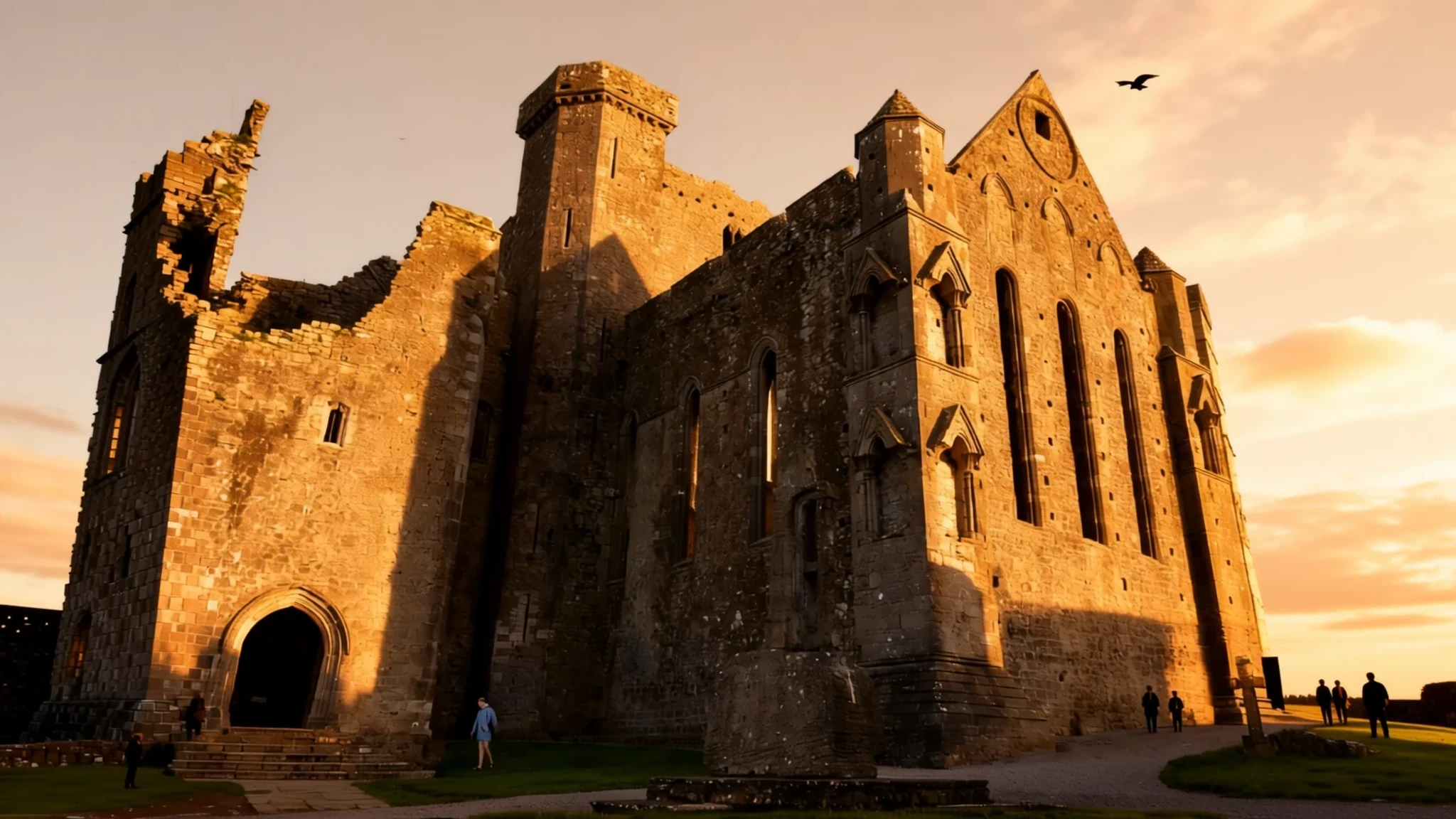
Rise above the Tipperary plains to explore an ancient royal fortress and monastic stronghold crowned by medieval ruins.
The place
The Rock of Cashel stands high above the flat green pastures of County Tipperary, presenting one of the most striking medieval silhouettes in Europe. Also known as St. Patrick's Rock or Carraig Phádraig, this limestone outcrop has served as a landmark and stronghold for ages. Visitors approaching the town see the massive walled enclosure looming overhead, filled with stone towers, roofless Gothic arches, and ancient crosses that weather the Atlantic winds. Below the fortress, the town of Cashel spreads out with colourful shopfronts and traditional pubs along its main streets. The natural elevation offers sweeping views across the surrounding countryside, making the approach as memorable as the arrival at the summit gates. This dramatic defensive position commanded vital trade routes through the fertile plains long before stone walls were raised on its crest. Today, travellers walk the same paths once trodden by tribal kings, clergy, and rebel fighters, experiencing a landscape where every acre of turf holds centuries of layered memory. The immediate vicinity mixes lively local trade with quiet historical corners, inviting slow exploration on foot away from the main tourist paths.
Its story
The history of the Rock of Cashel is steeped in a mixture of folklore, royal ambition, and violent conflict. According to local legend, the monumental rock was bitten out of a distant mountain when St. Patrick banished Satan from a cave, leaving behind a crater known as the Devil's Bit. Long before written chronicles, the site was chosen as the traditional seat of the kings of Munster, starting with the Eóganachta clan who established a secure fortress here. In the fifth century, Saint Patrick reportedly visited and baptized the local king, cementing the rocky outcrop's spiritual importance. Centuries later, Brian Boru was crowned king here before making the stronghold his capital. In a pivotal shift, the local ruler donated the fortress to the Church, paving the way for magnificent medieval construction. The peaceful era ended centuries later when English Parliamentarian troops under Lord Inchiquin sacked Cashel during the turbulent wars of the mid-seventeenth century, massacring clergy and defenders alike. Later, an Anglican archbishop deliberately removed the main cathedral roof, turning the grand building into a ruin. Despite these scars, the complex survived political upheavals, peasant agitations by the Whiteboy movement, and modern royal visits to remain a powerful symbol of Ireland's past.
What to see
- Rock of Cashel
The defining landmark of the region, this walled fortress complex crowns a steep limestone outcrop. It features an array of medieval structures including a round tower, a Romanesque chapel, and a roofless cathedral. Expect large crowds of visitors during the peak summer months, especially when bus tours arrive around midday.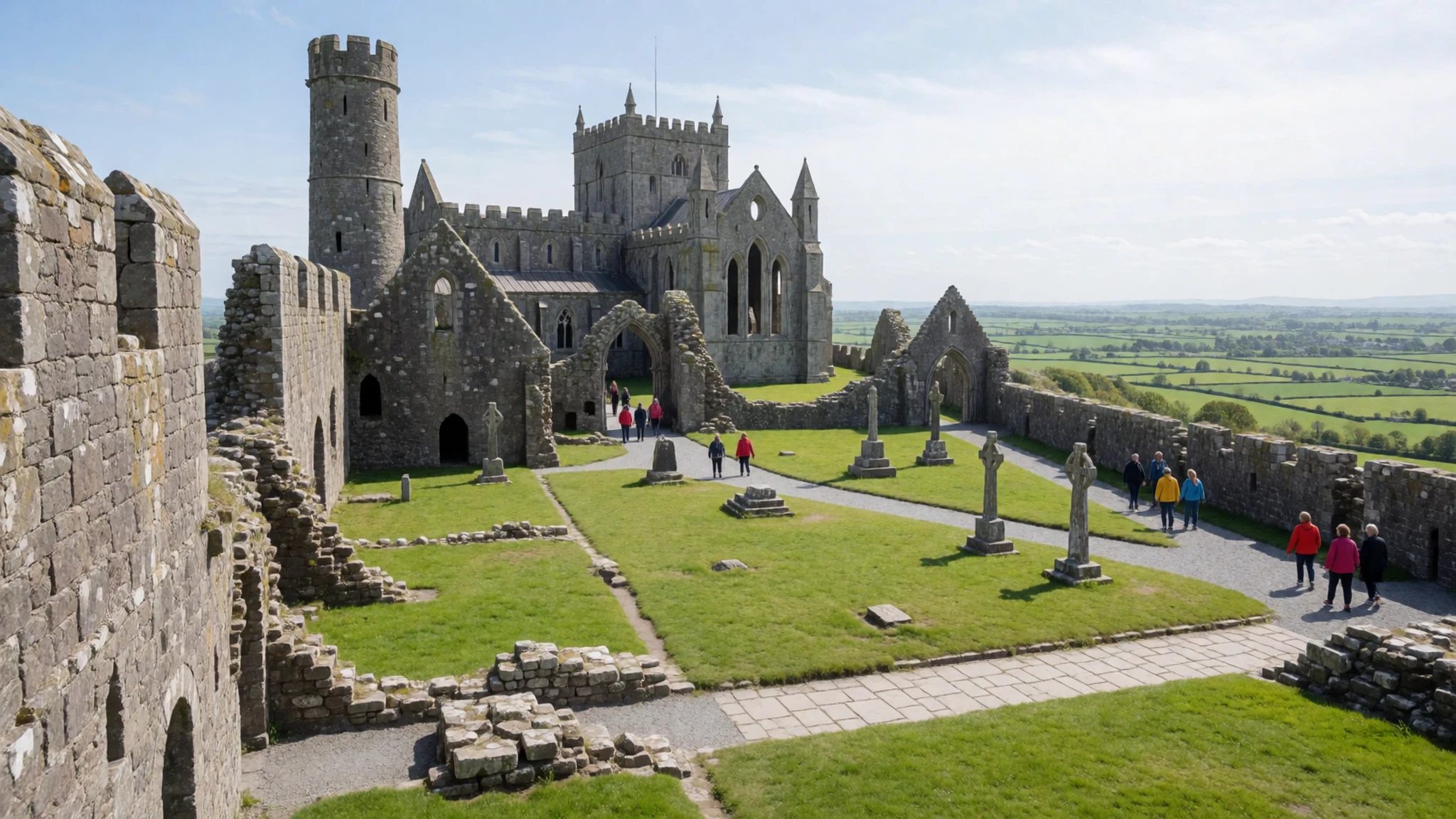
- Cormac's Chapel
Tucked against the main cathedral, this small structure is celebrated for its intricate stone carvings, vaulted ceilings, and rare surviving frescoes. The Romanesque architecture features distinctive blind arcading and decorative portals. Conservation limits visitor numbers inside at any one time, so you may need to wait briefly for entry during peak hours.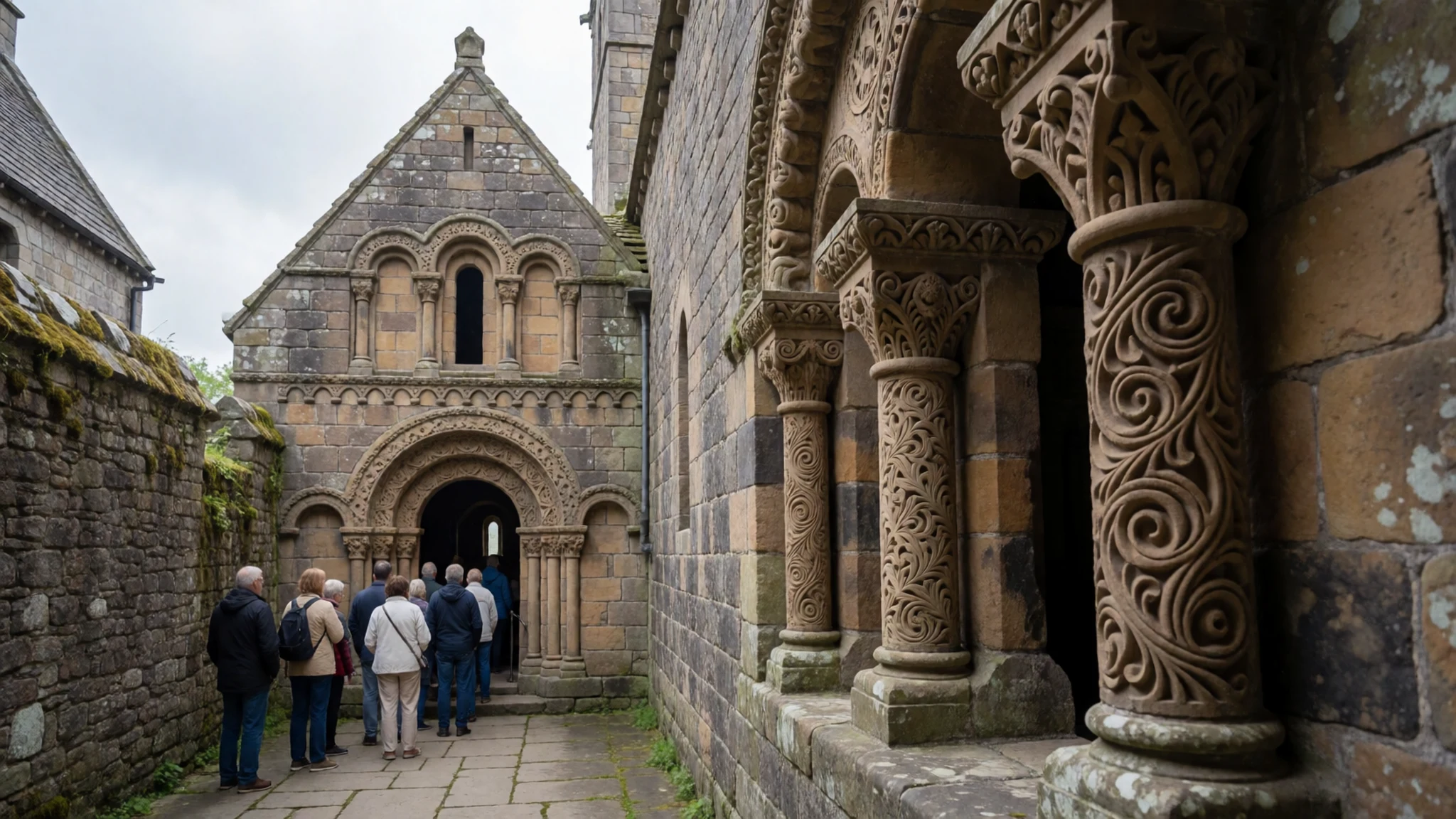
- Cashel Folk Village
Located just a short walk from the base of the main hill, this privately run museum reconstructs traditional thatched village shops, a working forge, and a penal chapel. Exhibits also cover turbulent twentieth-century political history with an IRA museum and displays dedicated to local events from past decades.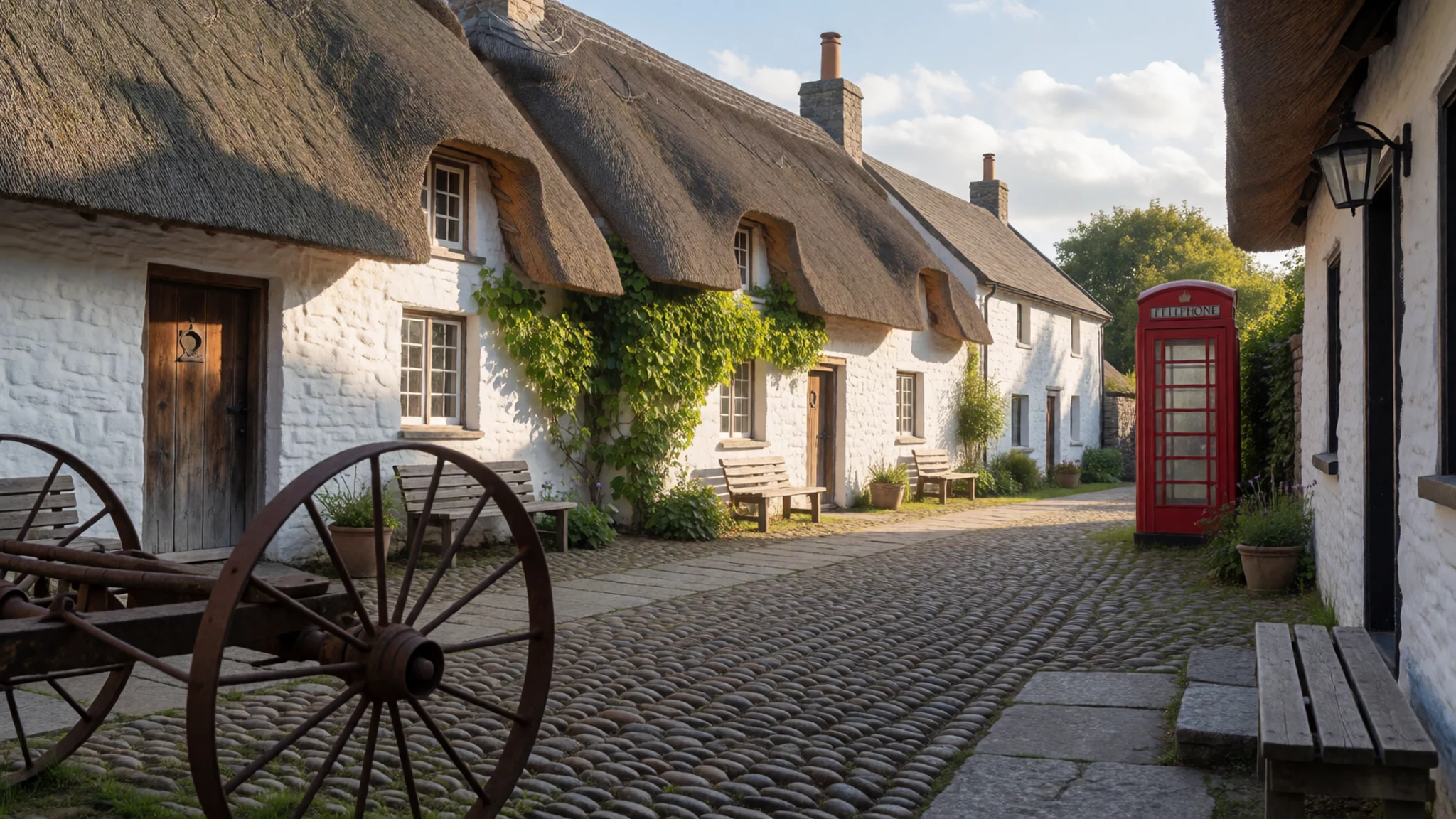
- Hore Abbey
Positioned in the quiet fields below the great rock, these atmospheric monastic ruins date back to the late medieval period. Originally founded for Benedictine monks, the site was later transferred to the Cistercians following colourful local legends of betrayal. Walking across the damp pasture to reach the roofless aisles offers a peaceful escape from the busier hilltop crowds.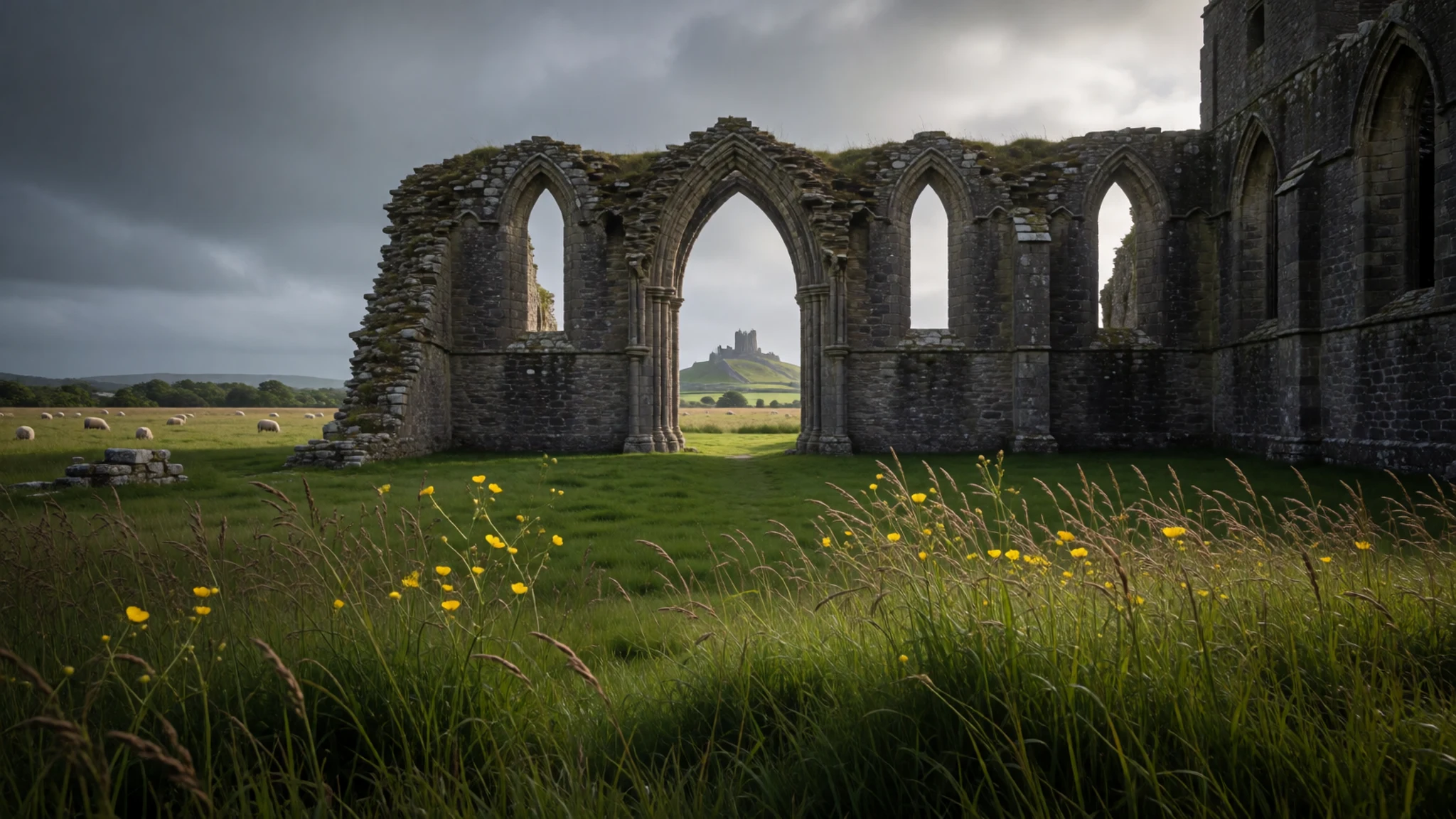
- St Dominic's Abbey
Found tucked away on Dominic Street a short distance southeast of the main tourist attractions, this ruined friary dates back to the thirteenth century. Although visitors cannot enter the fenced interior, the surviving gable walls and window frames stand as poignant reminders of the extensive monastic network that once flourished across Tipperary.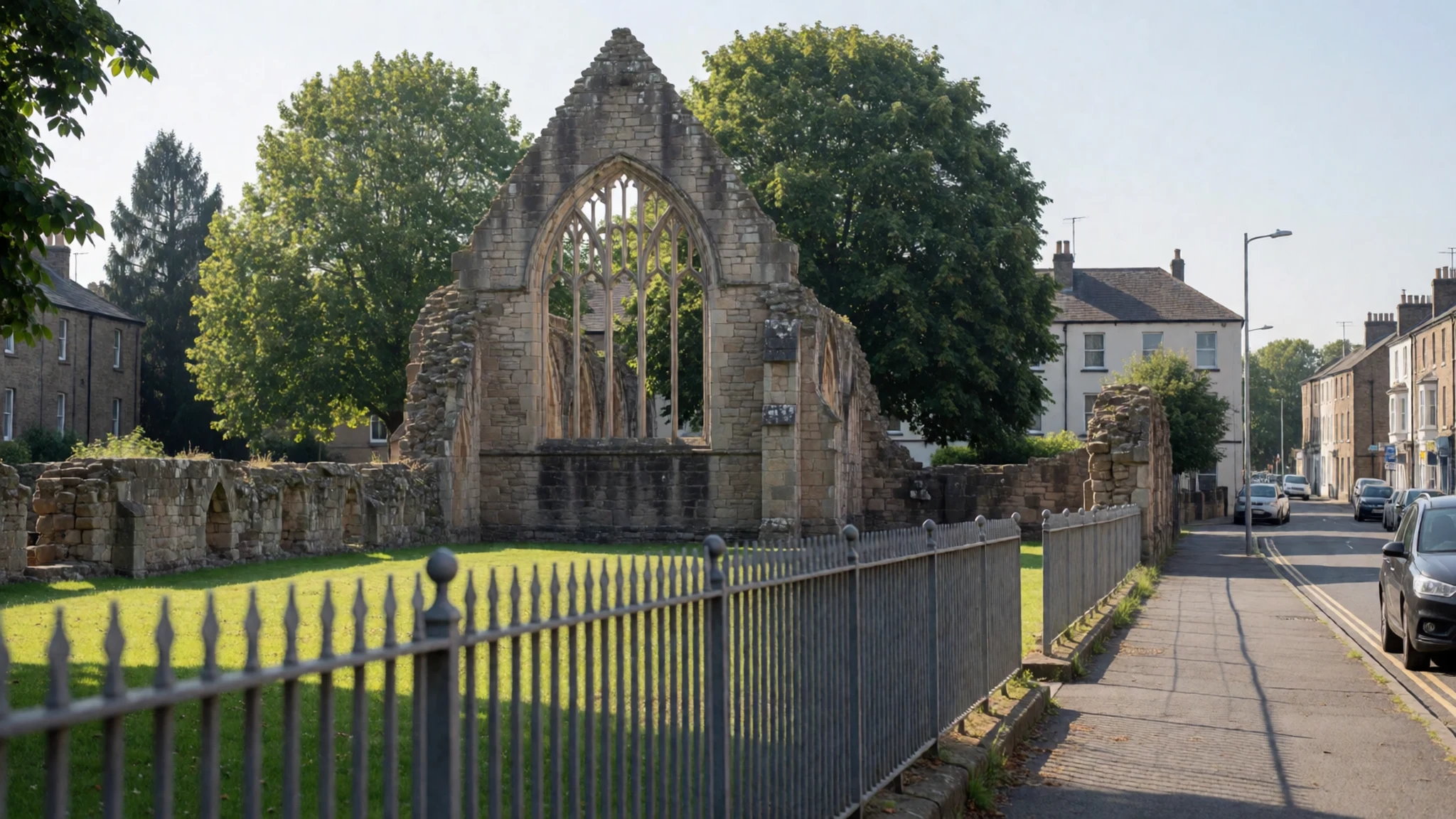
Culture
Life in Cashel revolves around a deep sense of local community, traditional music sessions in neighbourhood pubs, and agricultural roots that stretch back generations. The town maintains a welcoming atmosphere where hurling matches dominate local conversation and weekend gatherings bring people together over hearty food and storytelling. Traditional arts are celebrated year-round, with fiddle tunes and folk songs filling local venues during evening events. Visitors often find that locals are eager to share tales about the ancient kings and the turbulent local history that shaped the county. When entering local churches, historic chapels, or sacred burial grounds across Cashel, maintain a quiet respectful tone and keep voices lowered at all times.
What to wear
Traditional dress in County Tipperary historically featured sturdy woollen garments, heavy tweed jackets, and handcrafted linen items designed to withstand damp, windy Irish weather. Today, locals in Cashel dress in practical, contemporary casual clothing much like the rest of Western Europe, with jeans, trainers, and waterproof jackets being everyday staples for running errands or socialising in town. For travellers exploring the Rock of Cashel, practical attire is essential due to the exposed, breezy hilltop location and uneven medieval flagstones. Sturdy walking shoes with good grip are necessary for navigating slippery grass, steep paths, and ancient stone staircases. Packing layers, including a reliable windproof and waterproof jacket, will ensure comfort regardless of sudden weather changes during outdoor sightseeing.
What to eat
- Traditional Irish Stew — Traditional pubs along Main Street
A comforting local staple simmered with tender lamb, potatoes, onions, and root vegetables in a rich broth. Find this warming dish served heartily in traditional pubs and family-run eateries along Main Street after a chilly morning outdoors.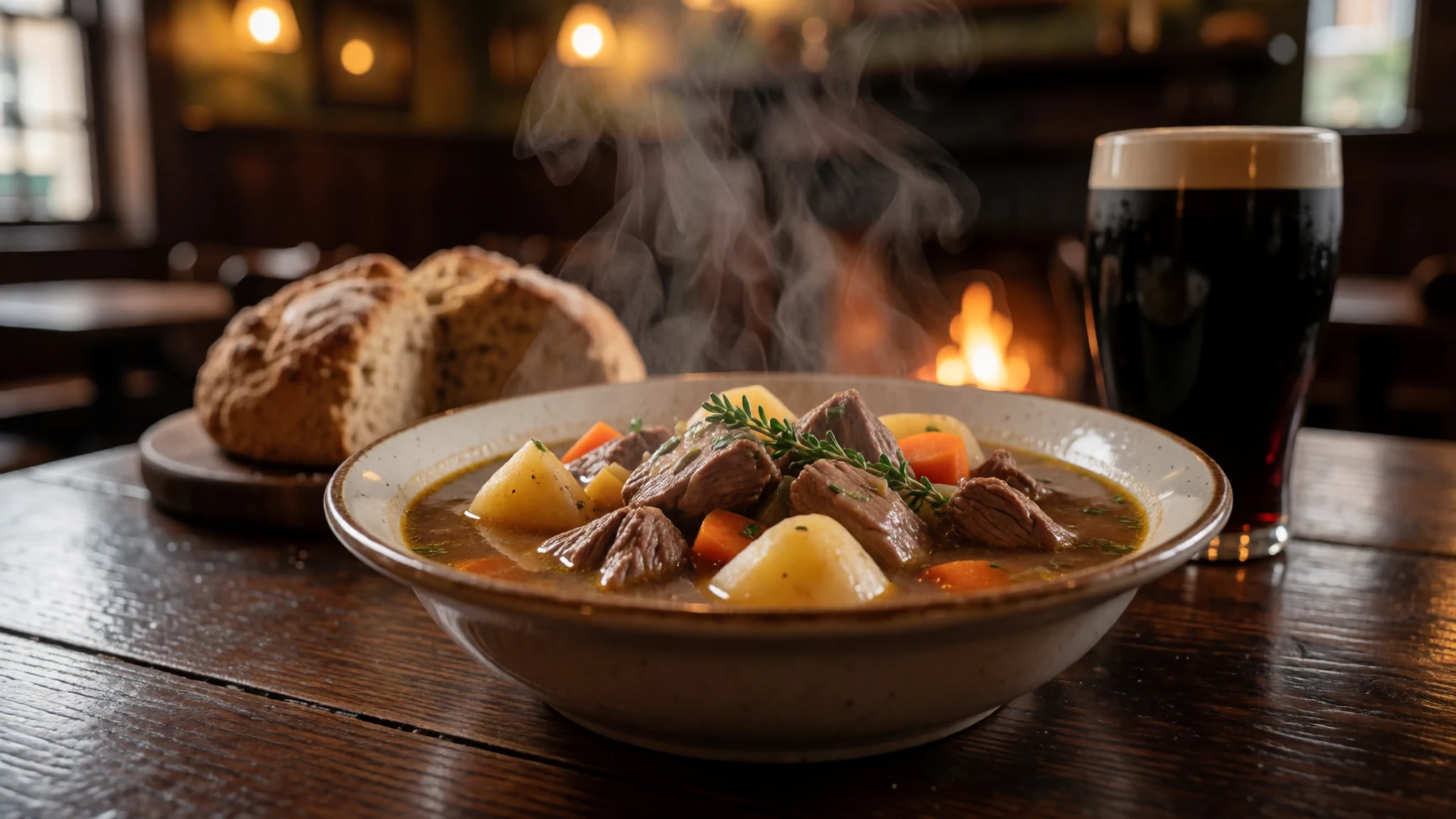
- Artisanal Local Cheese — Local cafes and specialty food shops in Cashel
County Tipperary produces exceptional farmhouse cheeses crafted from rich local dairy herds, featuring distinctive mature cheddars and creamy soft varieties. Sample plates are widely offered in upmarket dining rooms and local cafes across the town centre.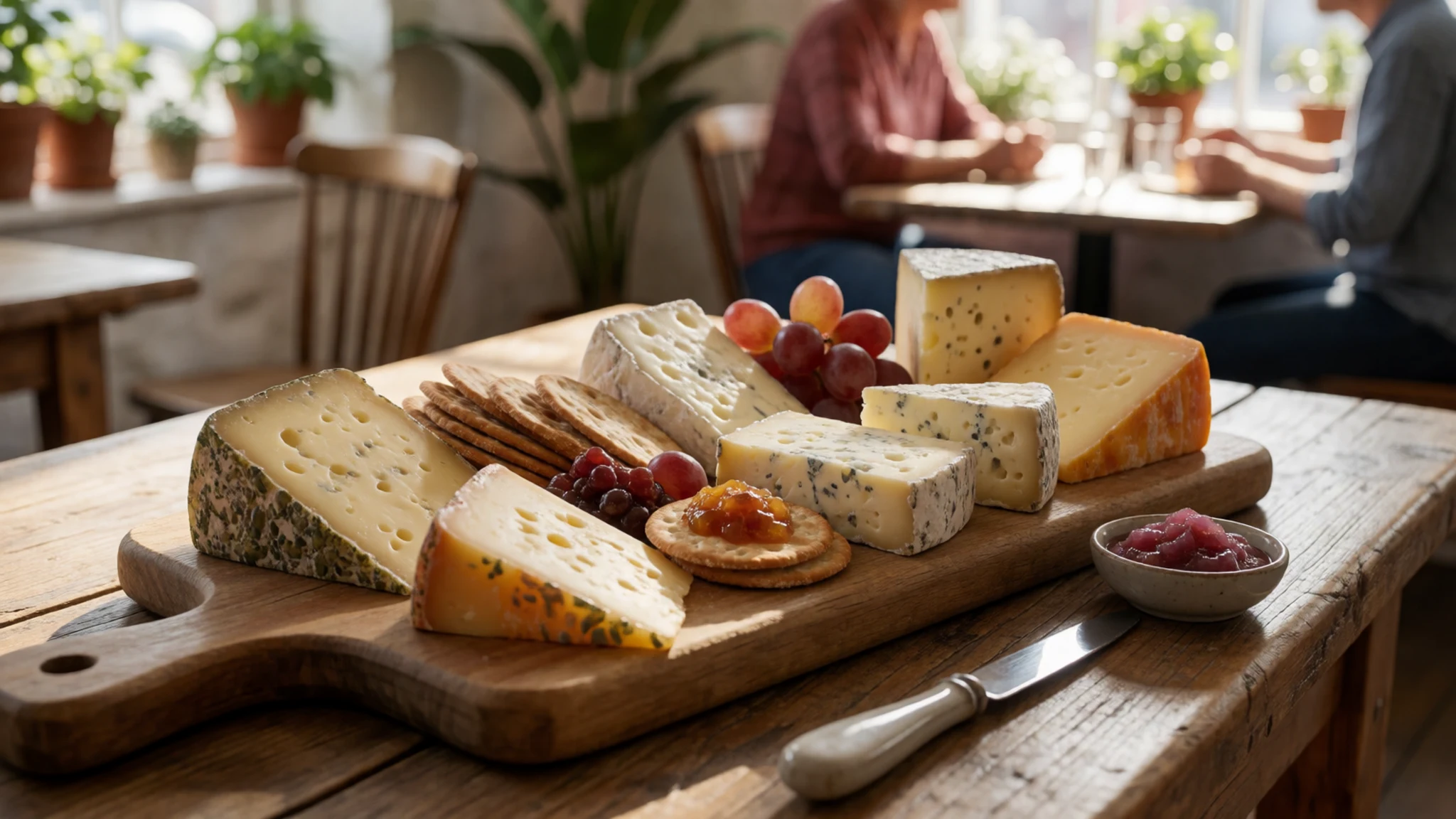
- Fresh Soda Bread — Local tearooms and bakery counters in town
A traditional quick bread baked daily using buttermilk and baking soda instead of yeast, resulting in a dense crumb and crisp crust. Enjoy it freshly sliced and generously buttered with hearty homemade soups at local tearooms. - Upmarket Irish Dining — Converted historic restaurants on the main drag
Local chefs elevate traditional ingredients by pairing fresh Atlantic seafood and pasture-reared meats with modern culinary techniques. Enjoy refined multi-course menus featuring seasonal regional produce within converted historic buildings in the town centre.
Plan it
Best time. May to September brings the most agreeable weather for outdoor exploration and longer daylight hours, though July and August see the heaviest concentration of coach tours.
How long. 1–2
Getting there. Drive via the M8 motorway from Dublin or Cork, or take Bus Éireann route 245X directly from Dublin Busáras and Heuston station to Main Street in Cashel.
Budget. mid
Tips
- Arrive early in the morning before the tour buses pull in to enjoy the ruins in relative quiet
- Wear sturdy walking shoes with reliable grip for uneven ancient stone steps and slippery grass
- Keep some cash handy for smaller independent shops, museum entries, and rural bus fares
- Check weather forecasts and bring a reliable waterproof jacket as Atlantic showers arrive quickly
Etiquette
- Keep voices lowered and respect sacred spaces when exploring historic chapels and graveyards
- Ask permission before photographing local craftspeople or participants in traditional music sessions
Nearby
Sources
- Wikidata Q1255597 (CC0)
- Wikipedia (rev 1364977308) (CC BY-SA 4.0)
- Wikivoyage (rev 5397077) (CC BY-SA 4.0)