Riyadh
Riyadh, Saudi Arabia
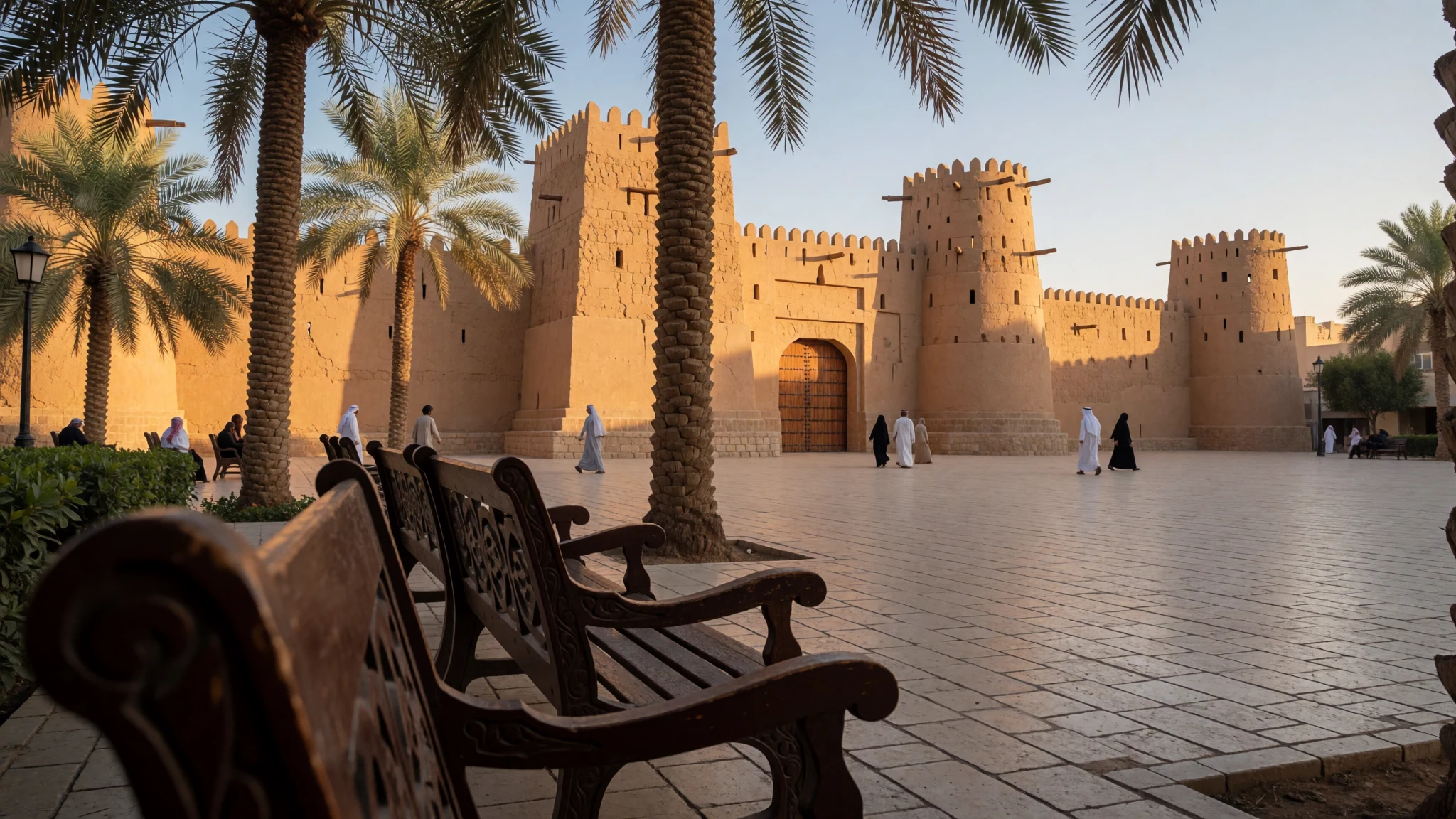
Riyadh, Saudi Arabia's capital, pairs a mud-brick old town with a wide modern desert city and a busy festival calendar.
The place
Riyadh is the capital of Saudi Arabia and the country's largest city, standing on the central plateau at an elevation of 612 metres. About 7 million people live here. The same city administers Riyadh Province and the Riyadh Emirate, so ministries, provincial offices and ordinary neighbourhoods share one very large urban area. It sits far from the coast, which is why the capital feels like a desert grid of districts rather than a waterside city.
The climate is hot desert. Summers are long and extremely hot, while winters are short and can turn cold under air that has travelled from far to the north. Little rain falls in most months; November is the wettest, then December and January. Dust storms come with that climate. On a bad day the air is thick enough to hide the towers, flights pause and ordinary movement slows. Through the worst heat, daily life withdraws into cooled buildings and returns to the street after dark.
Today's Riyadh is largely a product of the mid-twentieth century. It grew outward from a small walled town of the eighteenth century once those defences were taken down and building was free to run across the plateau. The older fabric remains, compact, around its mud-brick strongholds. Beyond them the capital is organised as fourteen branch municipalities, plus the Diplomatic Quarter. Distances are serious, driving shapes the day, and glass business districts sit in the same city as the low historic centre. Practical visitor details belong on the municipal website.
Its story
Riyadh occupies a site that belonged first to an older city called Hajr (حجر). Tradition among the Banu Hanifa treats the tribe as Hajr's founders. Hajr headed Al-Yamama, and from it Umayyad and later Abbasid governors watched over much of central and eastern Arabia. Abbasid authority there ended in 866. The Banu Ukhaidhir then held the region and governed from Al-Kharj, not from Hajr. The older city shrank and went quiet.
In the fourteenth century the North African traveller Ibn Battuta still met a functioning town. He used the name Hajr, linked it with Al-Yamama, and wrote of water channels, trees and a population made up mostly of Banu Hanifa. He left in their leader's company, bound for Mecca and the Hajj. In later generations the one town came apart. People lived on separate estates; Migrin (also Muqrin) and Mi'kal are the names that histories keep. Poets, meanwhile, went on saying Hajr.
Riyadh, as a name, arrives late. A seventeenth-century chronicle is the earliest known text to use it, recalling an event of 1590. Dahham ibn Dawwas, coming from the neighbouring town of Manfuhah, seized the place in 1737. The Wahhab–Saud alliance dates from 1744, and the town capitulated in 1774. From 1824 the town was where the Second Saudi State placed its government, the choice that fixed Riyadh as the Saudi capital. The rulers of that era knew a walled settlement of modest size. The expansive city of offices and towers appeared only after the walls came down in the twentieth century.
What to see
- Masmak Fortress — Old Riyadh
Masmak Fortress is the mud-brick stronghold at the centre of old Riyadh. Thick walls, a small gate and a squat profile still show a building made to be held, not displayed. King Abdul Aziz's men took the fort in 1902 and, with it, the town. Inside, the rooms set out that assault and the settlement that once pressed against the walls.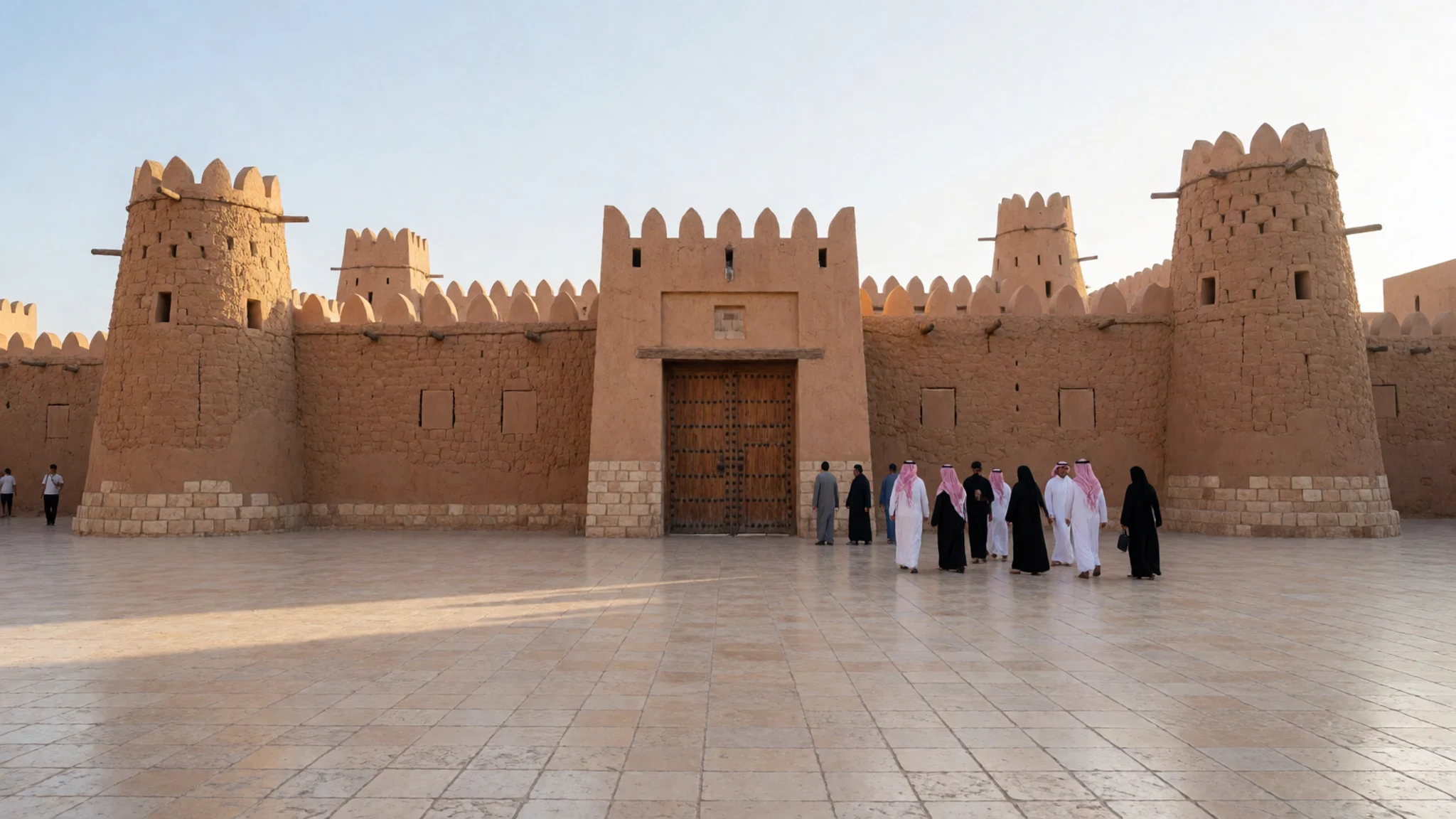
- Murabba Palace — Historic centre
Murabba Palace is Riyadh's second historic mud-brick residence, raised for King Abdul Aziz after Masmak had fallen. Where the fortress is a tight defensive box, Murabba spreads as a palace of courtyards and broader domestic quarters, a building for a ruler who held the town and meant to remain. The material is the same sun-dried mud as the older fort, arranged for a household rather than a siege.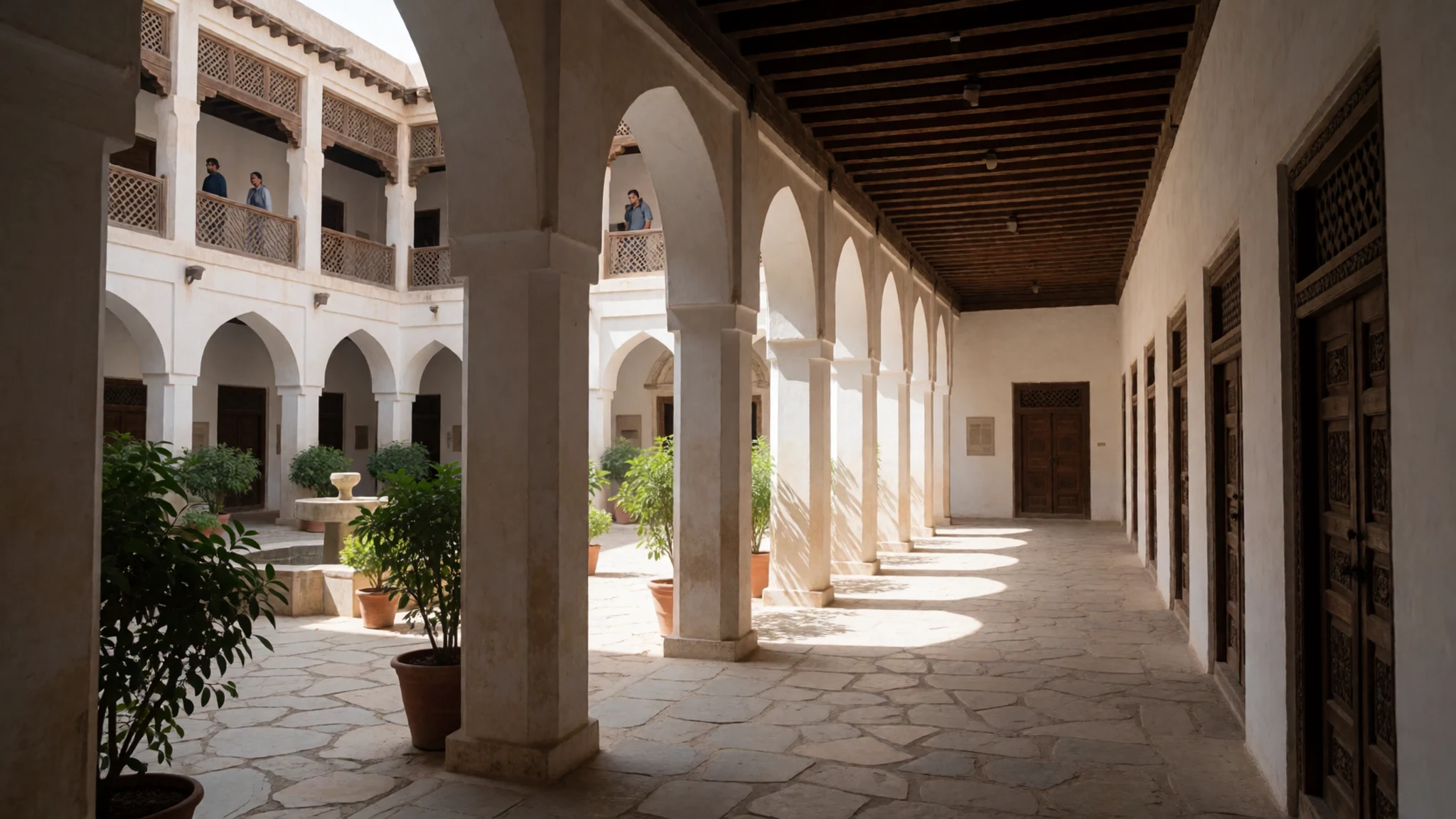
- National Museum — Beside the historic centre
The National Museum in Riyadh opened in 1999 and was planned around visitors who do not read Arabic. Displays use recent exhibition technology, and nearly every explanation is available in English. It is the practical place to put the capital's story in order before walking the mud-brick monuments a short distance away. Opening days should be confirmed on the official site, since hours are not fixed in a guide.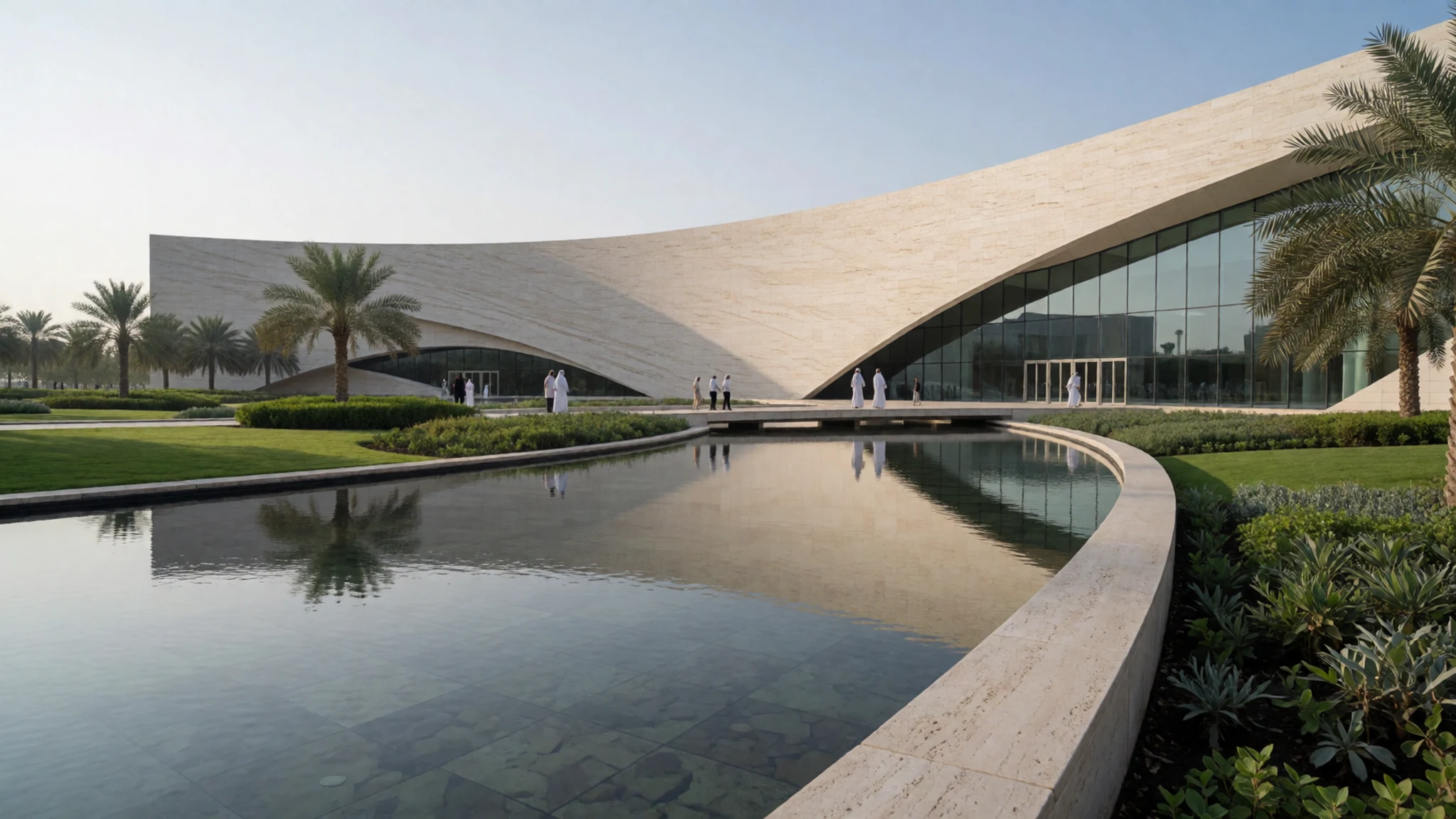
- Royal Saudi Airforce Museum — Elsewhere in the city
The Royal Saudi Airforce Museum in Riyadh presents the story of the Royal Saudi Air Force and of aviation in the Kingdom across the decades. It is a change of scale from the mud-brick centre: machines and service history rather than forts and courtyards. It asks for a separate half-day and does not belong on the old-town walk. Opening days should be confirmed before crossing the city.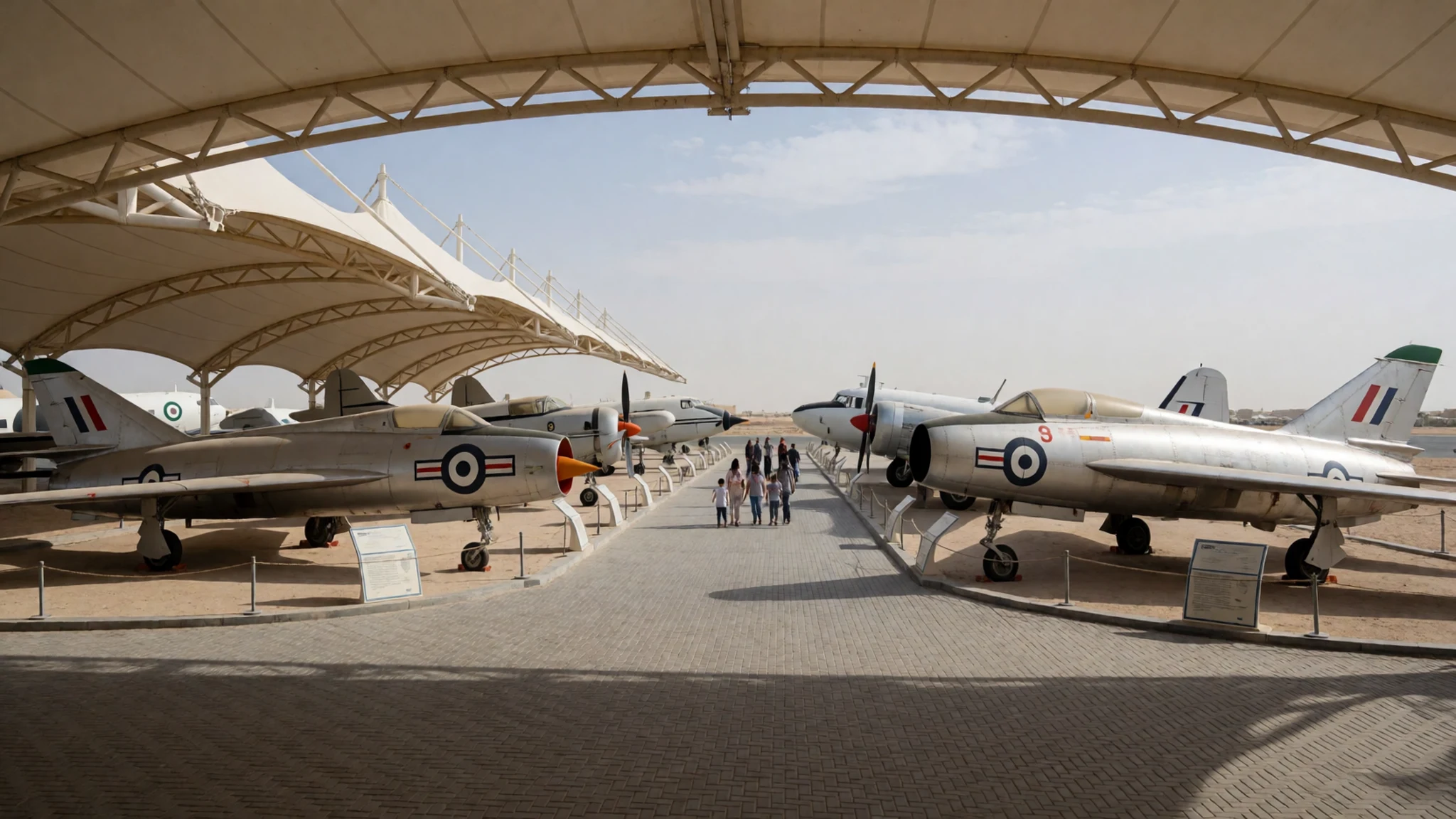
Culture
Riyadh keeps a year-round public calendar that runs from local heritage fairs to international business forums. Cultural programmes, contemporary art and high-level summits share the same city, so a week of investment meetings can sit next to a week of poetry and craft. The point of the mix is scale: this is the national capital, and it uses festivals both to show the country to itself and to invite guests in.
Jenadriyah is the heritage festival, staged annually on dedicated village grounds near Riyadh. Folk dances, among them the Ardah, are performed in the open; poets read; and provinces set out stalls of regional crafts. The grounds are also known for heritage sport, above all camel races held each year. For a visitor the value is concentration. Dress, verse and handwork that are easy to miss on ordinary commercial streets are gathered in one place for the length of the fair.
The Riyadh International Book Fair, held every year in the city, is the other fixed point on that cultural map. Publishers and readers fill it, and for its run the capital talks about books as loudly as it talks about towers. Around these anchors, seasonal entertainment districts — Boulevard Riyadh City among them — add performances, food stalls and designed public space, a newer layer of city culture beside the heritage village.
Ask before you photograph people, and dress so that shoulders and knees are covered when you enter a mosque or a heritage gathering.
What to wear
Riyadh still dresses, on formal and everyday occasions, in the Najdi men's ensemble: a long white thobe, a ghutra headcloth held by a black agal, and, for ceremonies, weddings and winter evenings, a bisht cloak edged in gold thread over the shoulders. Women's traditional public dress is the black abaya, often with a head covering. Textiles for the home and for festive wear run to heavier embroidery and metallic thread, and at the Jenadriyah heritage fair and at weddings the provinces bring brighter regional costumes into the capital.
On an ordinary weekday the picture splits. Many Saudi men keep the thobe for work, the mosque and family visits, and change to tailored shirts and trousers in the offices of the business districts. Women in malls and universities mix the abaya with contemporary cuts, or wear modest trousers and long sleeves from international labels. Glass-tower evenings look internationally cut, while a heritage festival is dressed on purpose in local cloth.
Visitors do best in loose, covering clothes. Lightweight cotton or linen copes with the heat, and a layer is worth packing for winter nights, which turn cold. At mosques, arms and legs should be covered, women should bring a scarf, and shoes come off at the door. Shorts and transparent cloth look wrong in the historic centre. Closed, comfortable shoes matter more than smart heels on uneven ground by the forts and on long walks between malls.
What to eat
- Shawarma — juice-and-shawarma shops on main roads
Shawarma in Riyadh is sliced meat rolled in bread with sauce, sold from counters that also blend thick fresh juice. It belongs to main roads rather than to one famous street: a busy juice-and-shawarma shop is the place. It fills the gap between far-apart districts.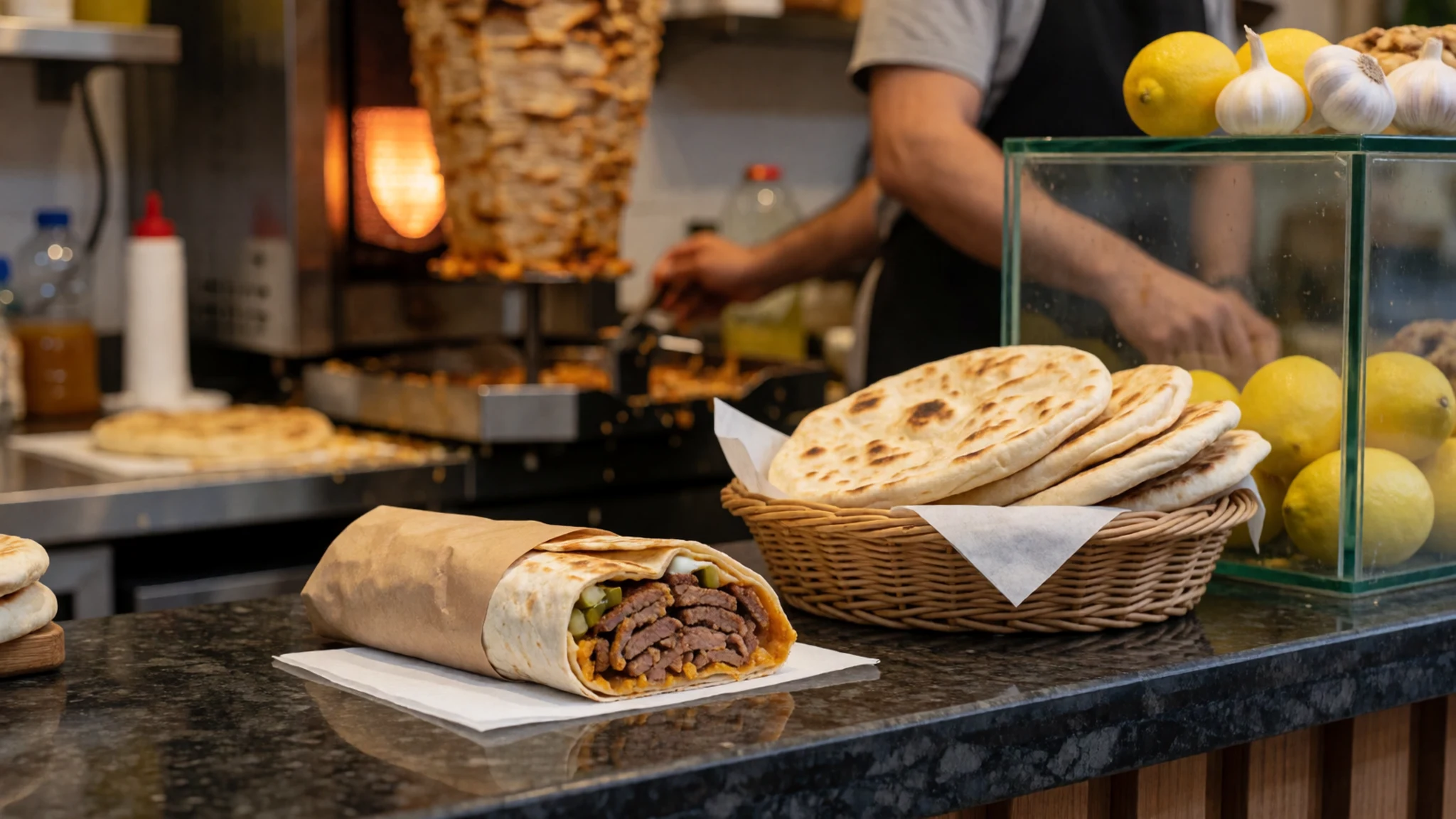
- Fresh juice — juice centres on commercial streets
Fresh juice in Riyadh is blended to order at the same counters that sell shawarma, and the glasses are thick with fruit rather than thin and icy. Mixed cocktails are the draw in the hot months, when a cold drink matters as much as the meal.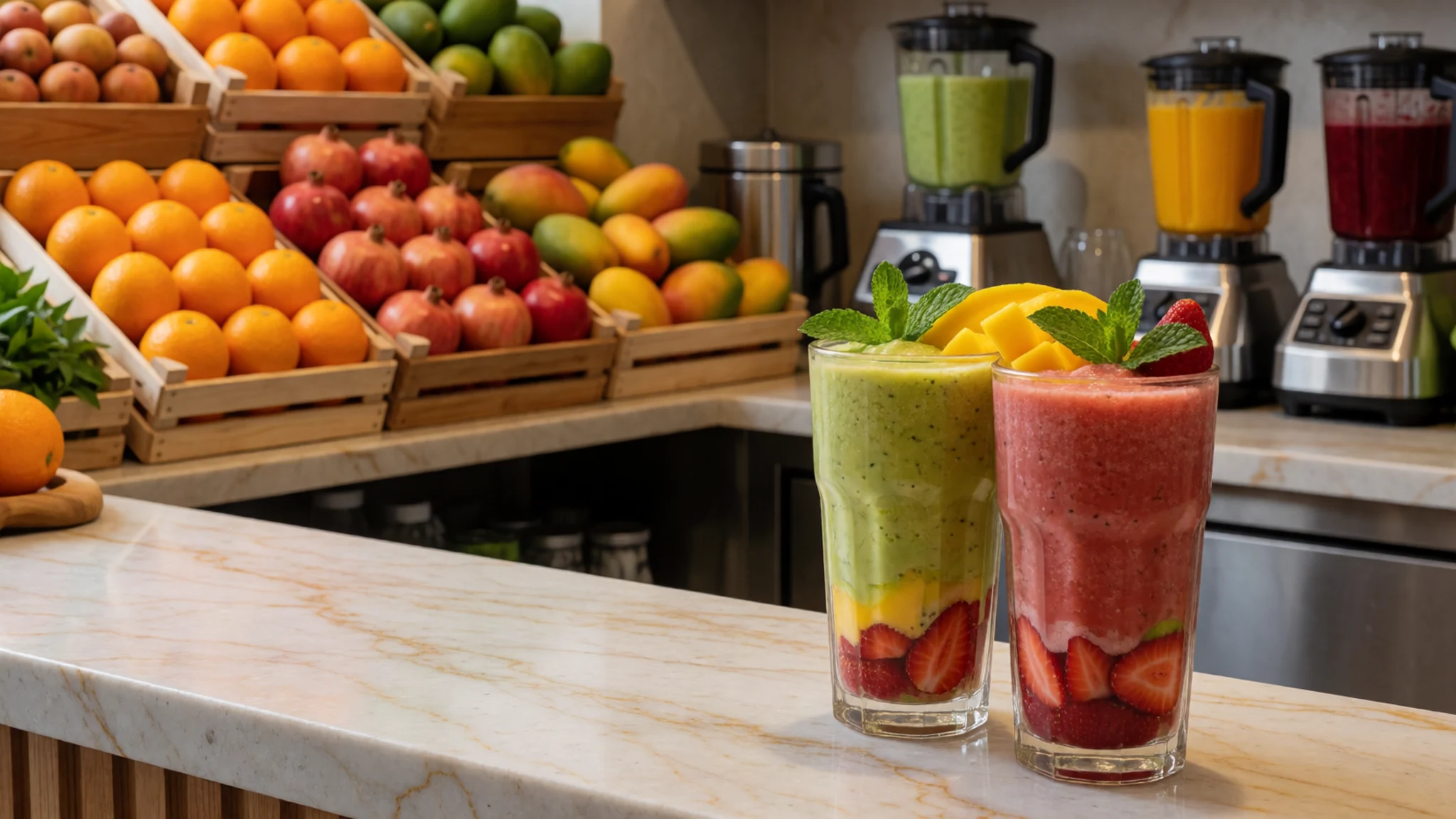
- Malabar biryani — family restaurants in residential districts
Biryani in the Malabar style is a Riyadh staple in family restaurants that also cook other South Indian, North Indian and Chinese dishes. The rice arrives spiced and heavy, meant for sharing, and it is the reliable order when a group wants one familiar centre to the table. - Kudukka biryani — Malabar family restaurants
Kudukka biryani in Riyadh is biryani brought to the table in the cooking pot, a Malabar presentation at family restaurants that specialise in that coast's food. The pot, rather than a plated serving, suits several people and stays hot in Riyadh's air-conditioned dining rooms. - Malabar-style fish — South Indian eateries in residential neighbourhoods
Fish cooked in a traditional Malabar style shares the menu with biryani at family restaurants in Riyadh. It is there for diners who want something other than rice, and it is commonly ordered as a shared plate. The place to look is a South Indian eatery in a residential neighbourhood.
Plan it
Best time. Riyadh is at its most comfortable from December to February, when the short desert winter brings the mildest days for time outdoors. November is the wettest month, with December and January close behind, though dust is possible. July is the hottest month, with August and June close behind, and outdoor sightseeing shrinks to early mornings and evenings.
How long. 3–4
Getting there. Riyadh lies a long way from most other cities, so the journey almost always ends on a plane. Direct flights from outside the Gulf and South Asia are fewer than the capital's size might suggest, and a large share of international passengers connect through Dubai, which has several services a day. Within Saudi Arabia, Riyadh is a main hub, with frequent flights to Jeddah and links to other parts of the Kingdom. Border formalities are usually straightforward, more so than at Jeddah, unless the arrival computers have failed. The wrong immigration queue can mean starting the wait again.
Budget. mid
Tips
- Group the old forts and the museum in one morning; the city is too wide for zigzagging.
- In the hot months, keep outdoor time for early morning and after sunset.
- Carry some cash as well as a card; small counters do not all take plastic.
- Leave slack on an arrival day in spring; dust can disrupt flights and outdoor plans.
- Check current advice on the city website before you go: https://riyadh.sa/en/.
Etiquette
- Dress modestly in public, with arms and legs covered at mosques and heritage events.
- Ask before photographing anyone, especially at prayer or during a family outing.
- Remove shoes wherever a step up, a rack or a guard indicates it.
- Keep voices down and avoid walking through a group that has gathered to pray.
Nearby
Sources
- Wikidata Q3692 (CC0)
- Wikipedia (rev 1384118198) (CC BY-SA 4.0)
- Wikivoyage (rev 5415858) (CC BY-SA 4.0)
- Photo photos/01-riyadh-skyline.jpg (CC BY-SA 4.0)
- Photo photos/02-boulevard-riyadh-city.jpg (CC0 1.0)
- Photo photos/03-qasr-al-hokm-metro-station-riyadh-saudi-arabia-259.jpg (CC0)
- Photo photos/04-kafd-5.jpg (CC0 1.0)
- Photo photos/05-masmak-fort-12753717253.jpg (CC BY 2.5)
- Photo photos/06-.jpg (CC BY-SA 4.0)
- Photo photos/07-1922-map-riyadh-by-philby.png (Public domain)
- Photo photos/08-workers-breaking-old-city-walls-of-riyadh.jpg (Public domain)


