Qutb Minar
Qutb Minar, India
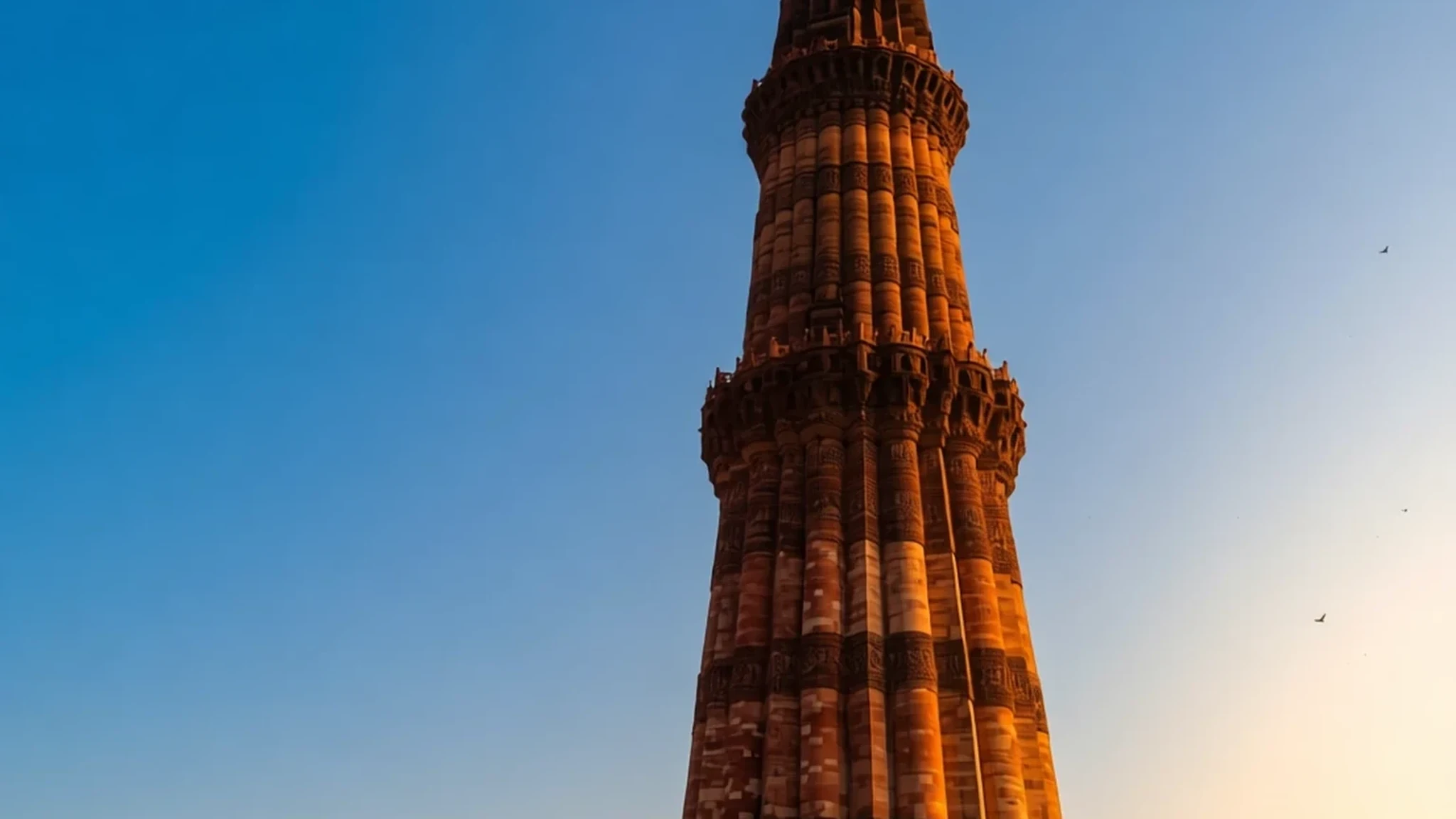
Visit Qutb Minar to stand beneath an ancient sandstone victory tower that marks the dawn of Islamic architecture in Delhi.
The place
Qutb Minar stands in the Mehrauli area of South Delhi as a soaring monument to early medieval conquest and craftsmanship. Commissioned as a towering victory landmark, the structure anchors a protected archaeological zone that draws crowds of curious visitors every day. Travellers arriving from overseas may find the wider capital environment intense, noisy, and occasionally heavy with atmospheric haze, yet stepping inside this walled garden enclave reveals an astonishingly tranquil pocket of medieval stone preservation. The complex brings together centuries of dynastic ambition, demonstrating how incoming rulers adapted local artisanal skills to create a distinct architectural idiom. The grounds are expansive, shaded by mature trees that offer welcome relief from the midday sun, while the surrounding district carries the layered dust of many empires. Visitors walk across weathered stone courtyards where centuries of footsteps have polished the flagstones. The air often carries the scent of dry earth mixed with blooming jasmine from nearby gardens, creating a sensory backdrop that feels entirely separate from the frantic traffic circulating just outside the gates. It remains a focal point for understanding how Delhi grew from a fortified citadel into the sprawling capital region known today.
Its story
Qutb Minar was established over the dismantled remains of an earlier Hindu citadel known as Lal Kot, marking a profound political shift in the region. The ruler who initiated its construction intended the towering shaft to declare undisputed supremacy following a decisive military victory over local kingdoms. Rather than erasing previous traditions entirely, the builders repurposed carved pillars from surrounding shrines to construct the earliest mosque within the enclosure. Subsequent rulers of successive dynasties each added their own architectural layers, altering the height, adding arched screens, and repairing earthquake damage over hundreds of years. Scholars continue to debate whether the soaring minaret takes its name from the commander who laid its foundations or from a revered Sufi mystic whose spiritual presence drew numerous devotees to the neighbourhood. Later monarchs expanded the enclosure further, adding monumental gateways, tombs, and a residential seminary designed to train scholars in theology and jurisprudence. Every generation left a distinct signature in stone, turning the complex into an open-air ledger of medieval craftsmanship. The endurance of these red sandstone carvings through centuries of climatic extremes testifies to the exceptional skill of the masons who shaped them under royal patronage.
What to see
- Qutb Minar — Mehrauli archaeological complex
Qutb Minar is the main towering minaret of red and buff sandstone, featuring elaborately carved balconies supported by stalactite brackets, detailed geometric patterns, and bands of Arabic calligraphy running vertically along its tapering fluted exterior tiers.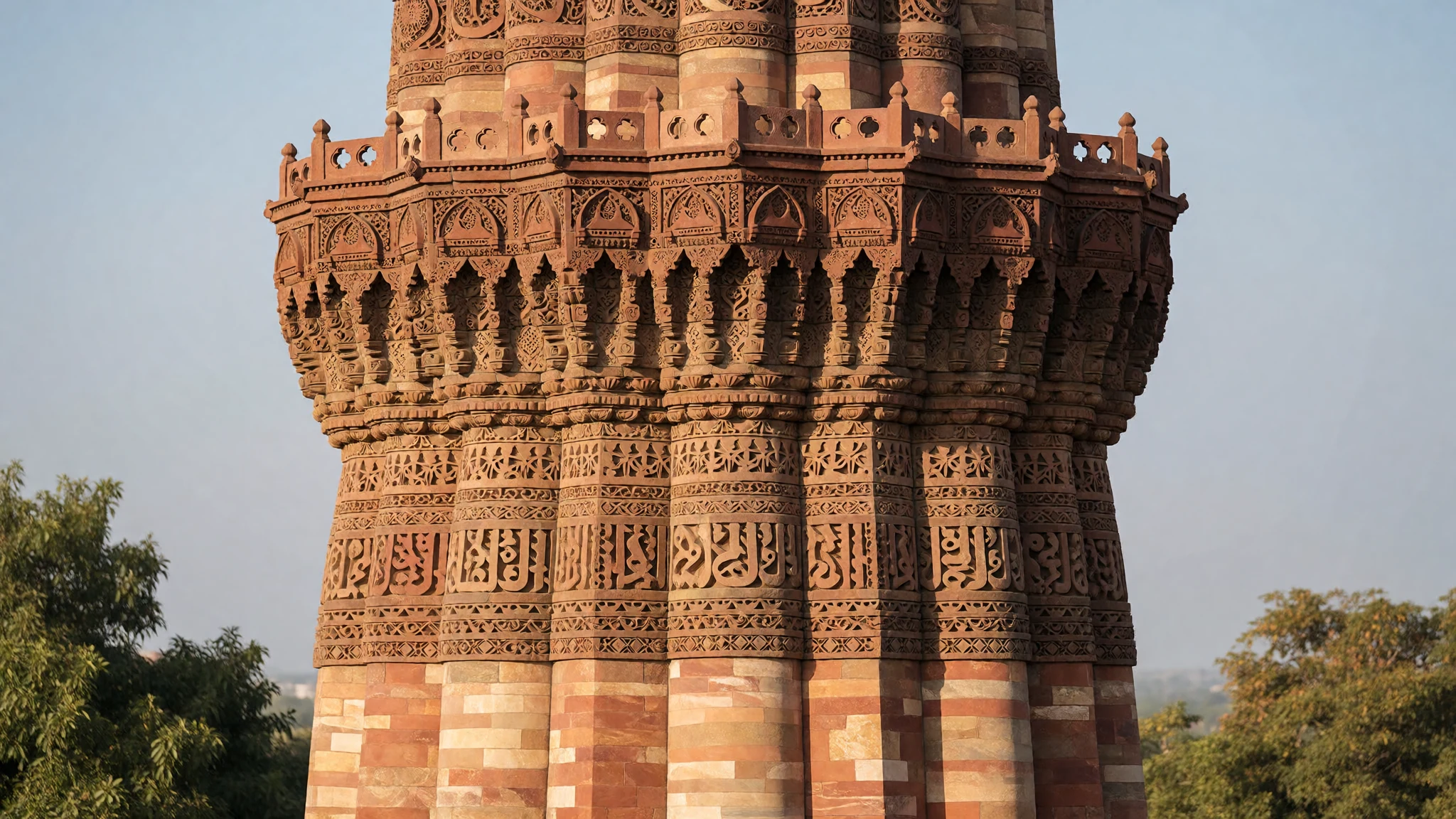
- Quwwat-ul-Islam Mosque — Mehrauli archaeological complex
Quwwat-ul-Islam Mosque stands as the earliest surviving mosque built by the early sultans, constructed using carved stone pillars and architectural elements salvaged from dozens of demolished local temples as recorded in contemporary foundation inscriptions.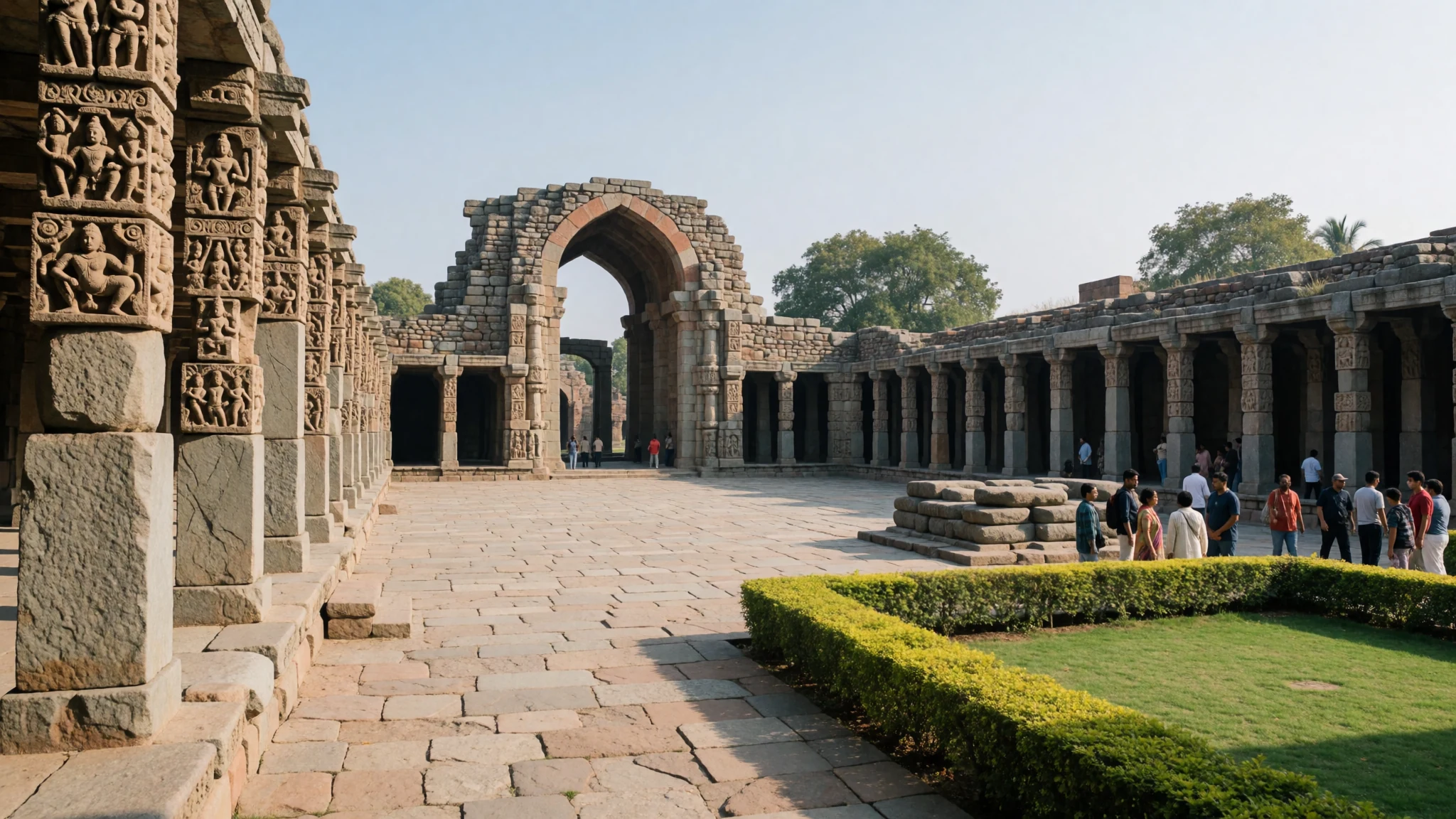
- The Iron Pillar — Mehrauli archaeological complex
The Iron Pillar is an ancient rust-resistant metal column standing upright within the mosque courtyard, renowned among metallurgists for its remarkable purity and ability to withstand centuries of weathering without significant corrosion.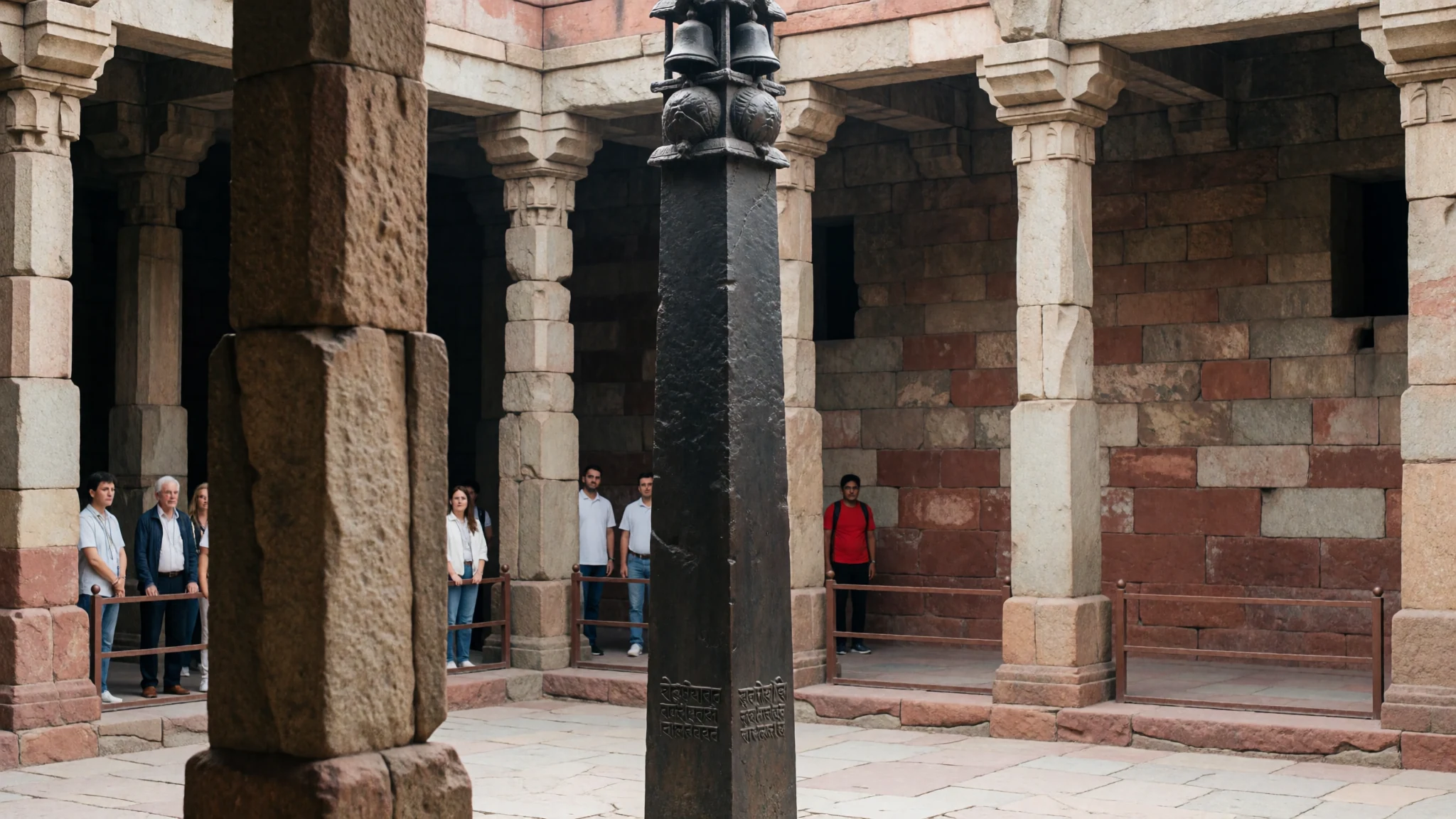
- Tomb of Alauddin Khalji and Madrasa — Mehrauli archaeological complex
Tomb of Alauddin Khalji and Madrasa represents an important ruined royal school and mausoleum complex added by a later sultan, showcasing early domes and vaulted chambers constructed around a central open courtyard.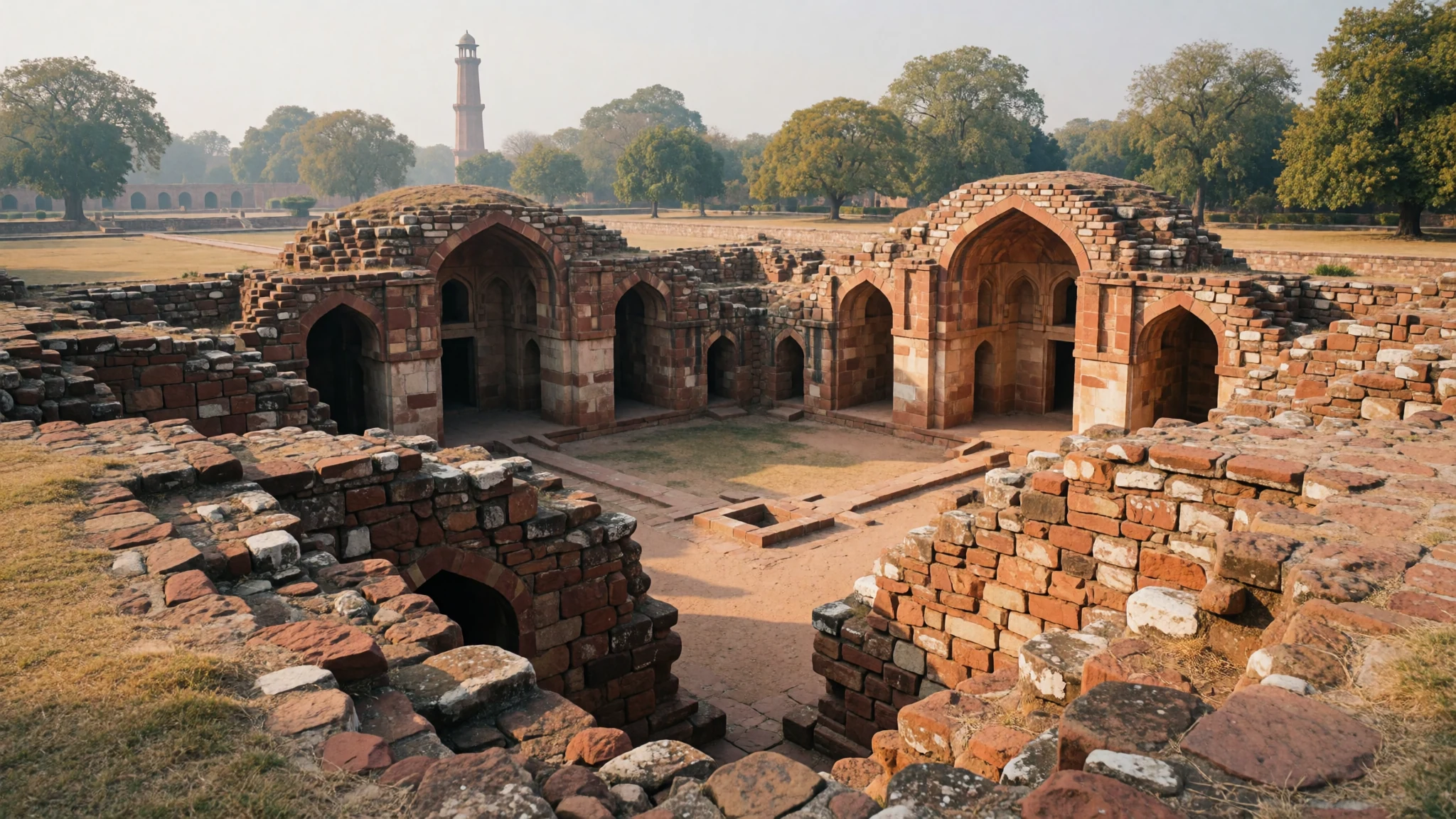
Culture
Qutb Minar sits within a society where religious pluralism and traditional hospitality shape daily interactions. Visitors in Delhi will encounter a vibrant mix of ancient customs and modern urban life, where family structures remain strong and community festivals draw millions into the streets. When greeting locals, a traditional gesture involves placing the palms together in a respectful gesture, though handshakes are common in professional and cosmopolitan settings. Dress codes near historical monuments and religious sanctuaries call for modesty, ensuring shoulders and knees remain covered out of respect for local sensitivities. Photography of people should always be approached with courtesy, asking permission before taking portraits of strangers or local families enjoying a day out. Tipping is customary in sit-down eateries and for helpful guides, usually amounting to a modest percentage of the bill. Navigating crowded public spaces requires patience, as personal space norms differ noticeably from Western standards. Always remove your footwear when stepping inside designated prayer spaces or active shrines.
What to wear
Qutb Minar visitors will observe a fascinating sartorial blend across the city, where traditional garments exist side-by-side with contemporary global styles. Traditional attire for women across North India includes the elegant salwar kameez, a tunic paired with trousers and a flowing scarf, alongside the timeless draped sari crafted from cotton, silk, or georgette depending on the season and occasion. Men often wear loose-fitting kurtas paired with pyjamas during festivals or formal gatherings, though casual western trousers and shirts dominate daily urban wear among younger generations. For travellers exploring the monumental heritage zones, practicality and modesty are paramount. Lightweight, breathable cotton or linen clothing helps manage the intense seasonal heat, while ensuring shoulders and knees stay covered to adhere to local cultural norms. Sturdy, comfortable walking shoes are essential for navigating uneven ancient flagstones and dusty gravel pathways across archaeological sites. A light scarf is also useful for sun protection or entering sensitive areas.
What to eat
- Stuffed Parathas — Paranthe Wali Gali in Chandni Chowk
Crispy, griddle-fried flatbreads stuffed with spiced potatoes, cauliflower, or paneer, served hot with butter and pickles.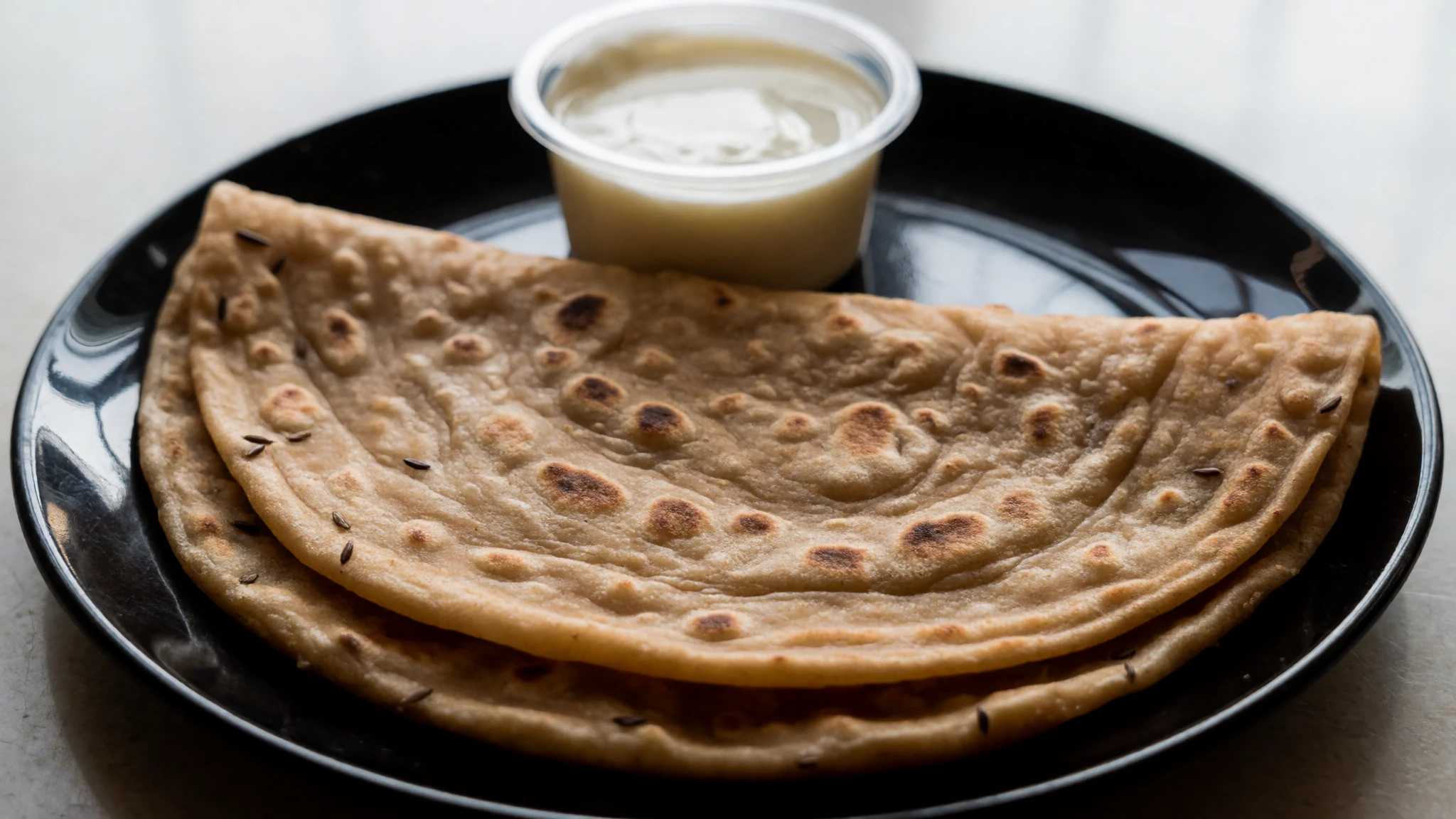
- Mughlai Kebabs — Old Delhi street stalls and traditional eateries
Marinated minced meat skewers grilled over charcoal, offering rich aromatic spices inherited from imperial palace kitchens.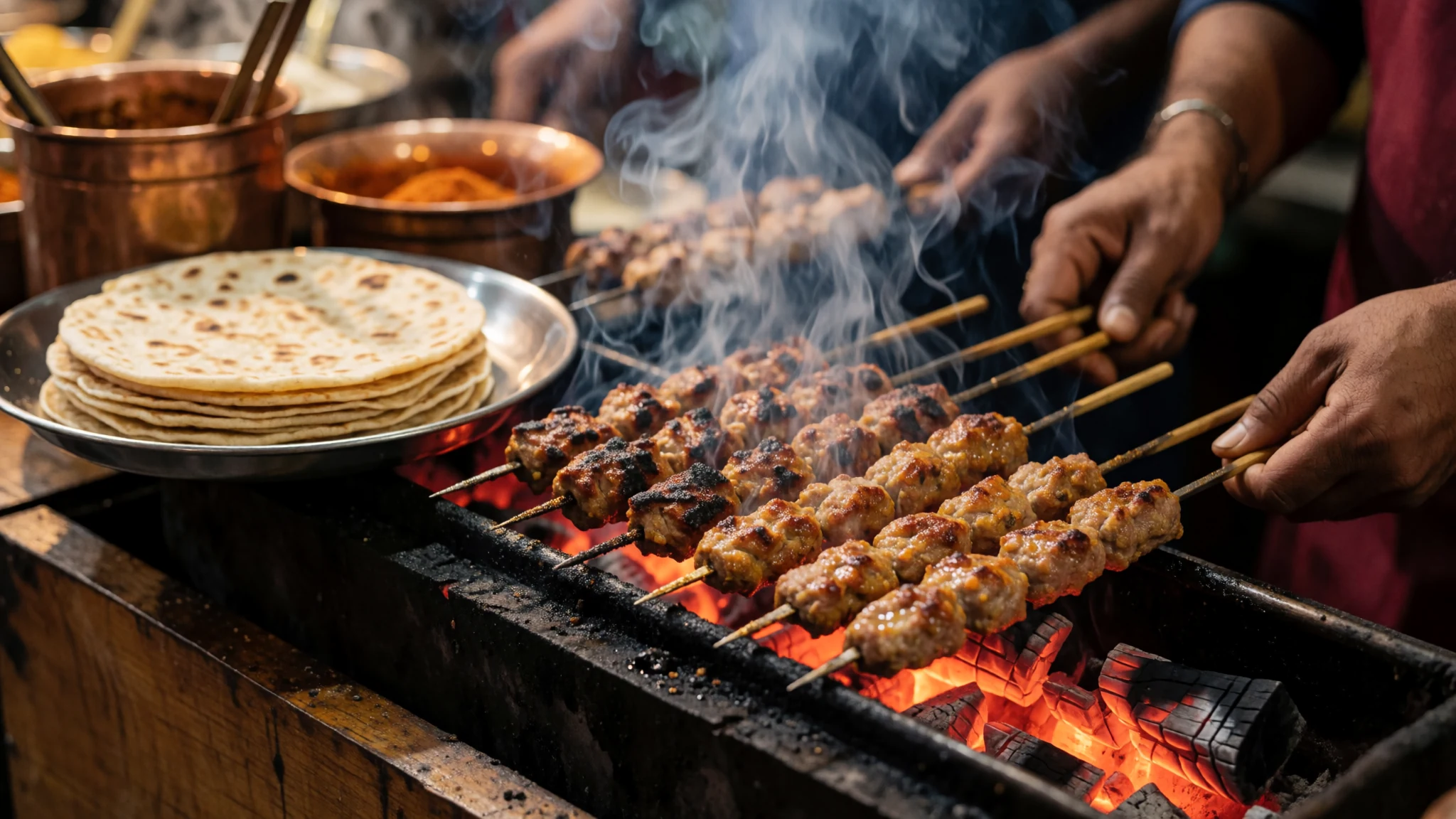
- Chole Bhature — Local roadside diners and neighbourhood markets across Delhi
Spicy chickpea curry paired with fluffy, deep-fried leavened bread, enjoyed widely as a hearty breakfast or lunch.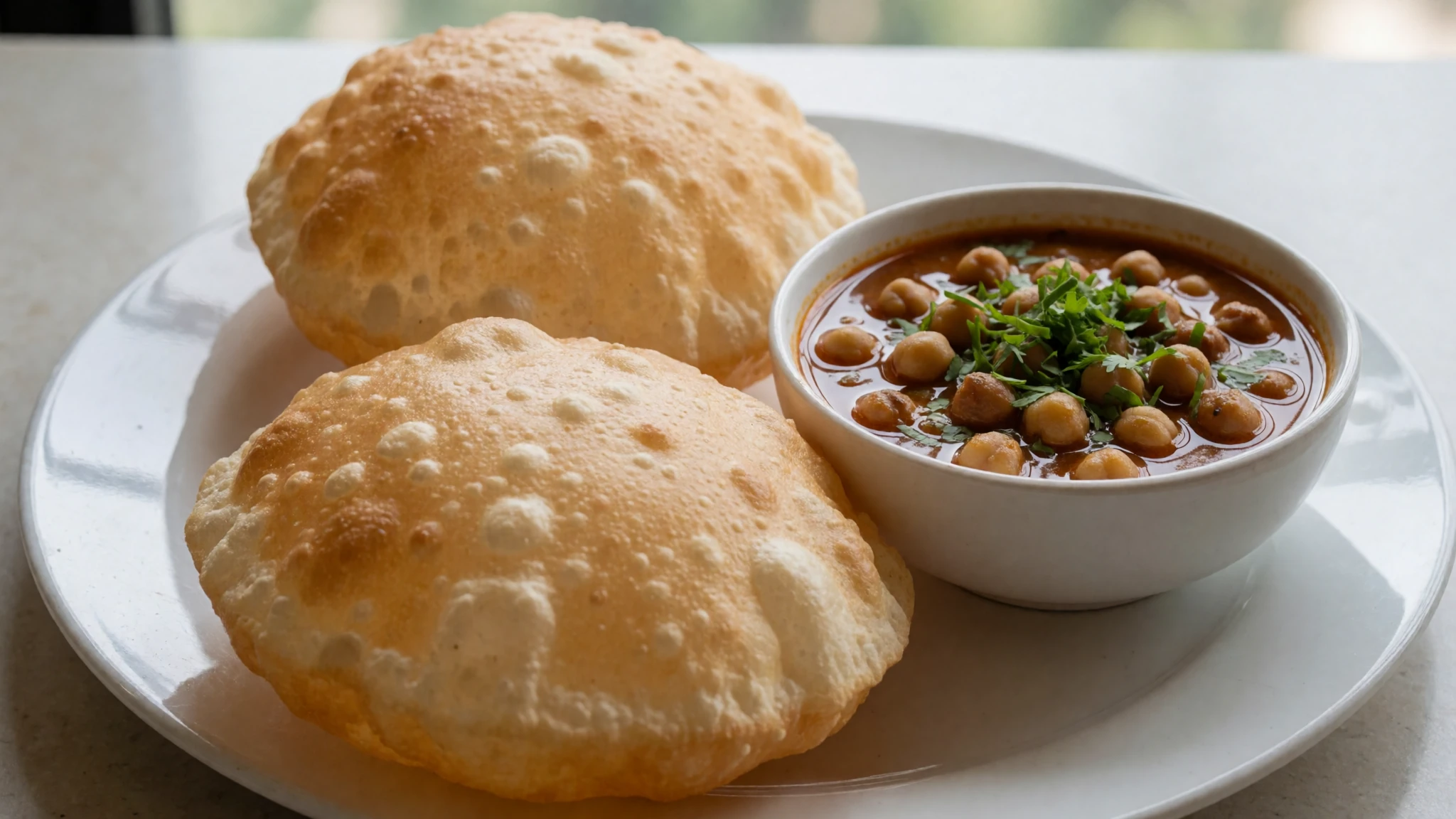
- Dahi Bhalla — Chandni Chowk street food stalls
Soft lentil fritters soaked in creamy yoghurt and topped with sweet tamarind chutney and tangy spice powders.
Plan it
Best time. December to February offers the most comfortable daytime temperatures and driest skies, whereas March through June brings intense, blistering heat, and July to September brings heavy monsoon rain.
How long. 2–3
Getting there. Fly into Indira Gandhi International Airport, then take the Delhi Metro or a pre-paid taxi directly to South Delhi.
Budget. mid
Tips
- Arrive early in the morning to beat the heavy midday heat and afternoon crowds
- Keep bottled water handy and stay hydrated throughout your explorations
- Ignore unsolicited offers for tour guides or platform assistance at transit hubs
- Carry sufficient small-denomination cash for entry tickets and small vendors
Etiquette
- Dress modestly with shoulders and knees covered when visiting historical and religious sites
- Remove your shoes before entering any sacred structures or active prayer areas
Nearby
Sources
- Wikidata Q187635 (CC0)
- Wikipedia (CC-BY-SA 4.0)
- Wikivoyage (CC-BY-SA 4.0)