Puerto Vallarta
Puerto Vallarta, Mexico
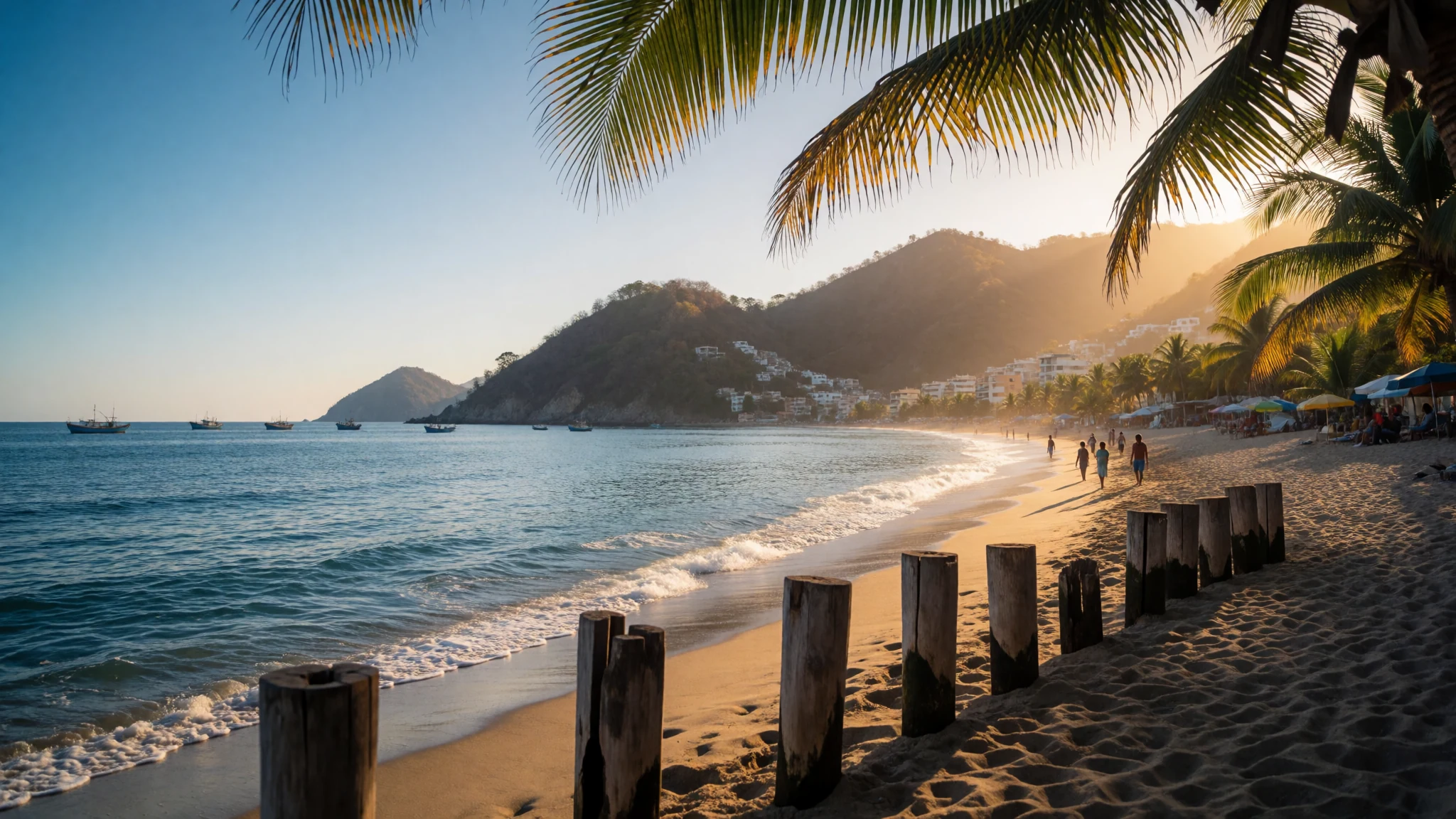
Relax on golden Pacific beaches, stroll a lively historic promenade lined with open-air art, and feast on incredible street tacos.
The place
Puerto Vallarta sits along the wide expanse of Banderas Bay on Mexico's Pacific coast, serving as a major municipal seat within the state of Jalisco. The urban area occupies a narrow coastal plain tightly squeezed between the warm ocean waters and the steep, wooded slopes of the Sierra Madre Occidental, specifically the Cuale and San Sebastián ranges. Three primary rivers — the Cuale, the Pitillal, and the Ameca — descend from these mountain heights across the valleys to the sea, shaping the topography of the wider municipality. The geography creates a distinctive climate where sea breezes temper the tropical warmth, while nearby river valleys and arroyos support densely populated neighbourhoods. Known to locals simply as Vallarta and to English speakers as P.V., the city balances its identity as a bustling regional hub with its enduring reputation as a relaxed coastal resort destination. While the northern sectors feature wide coastal stretches and modern developments catering to holidaymakers, the central districts maintain a traditional character with cobblestone lanes, whitewashed walls, and terracotta roofs climbing the green foothills. Life here naturally gravitates toward the water, where daily routines are marked by golden sunsets over the ocean, artisanal vendors setting up along the shore, and the gentle hum of coastal town life carrying across the bay.
Its story
Long before resort hotels lined the shore, the sweeping curve of Banderas Bay witnessed centuries of maritime tension, exploration, and trade. Early in the sixteenth century, the wider Pacific coast of Mexico saw rogue Spanish conquistadores and their captive labourers turn to piracy, using newly established bases in Panama to launch raiding expeditions. These turbulent beginnings instilled a deep wariness of outsiders among indigenous communities inhabiting the coastal valleys. In fifteen twenty-four, the nephew of Hernán Cortés led the first official Spanish land expedition into the Tintoque region, marching with a troop of soldiers into a local village. The explorers were immediately surrounded by an angry crowd of armed indigenous warriors defending their homes against historic pirate depredations. According to regional tradition, as the confrontation reached a tense peak, an accompanying Catholic friar began fervent prayers for intervention. Legend holds that the warriors suddenly lowered their weapons, entirely mesmerised by the colourful military flags carried by the Spanish troops, allowing the party to pass without further bloodshed. Centuries later, the modern settlement grew from these historical roots, eventually taking its current name in honour of Ignacio Vallarta, a respected former governor of Jalisco. The city transformed steadily from an isolated coastal cove into an international port and vibrant cultural crossroads, while retaining the echoes of its dramatic maritime past in local folklore and street names.
What to see
- Los Muertos Beach — Zona Romántica
A lively stretch of sand in the heart of the Zona Romántica, flanked by beachfront eateries featuring shaded palapa roofs. It serves as a central gathering point where travellers and locals swim, socialise, and enjoy the buzzing seaside atmosphere.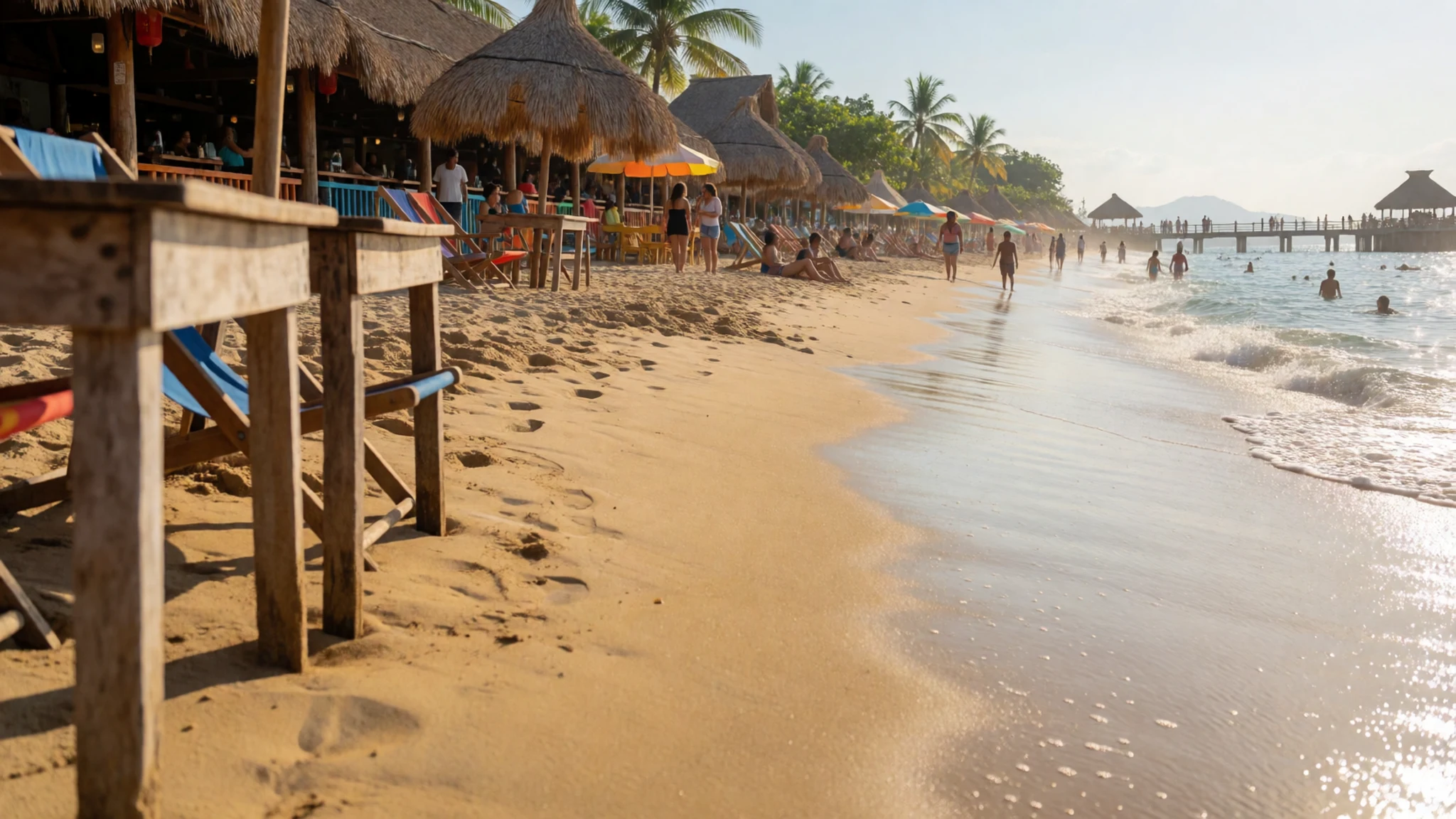
- Muelle de Playa Los Muertos — Zona Romántica
A striking pedestrian pier stretching out into the ocean with a sleek, contemporary design that lights up in changing colours after sunset. It functions both as a working boat landing and a popular scenic walkway above the waves.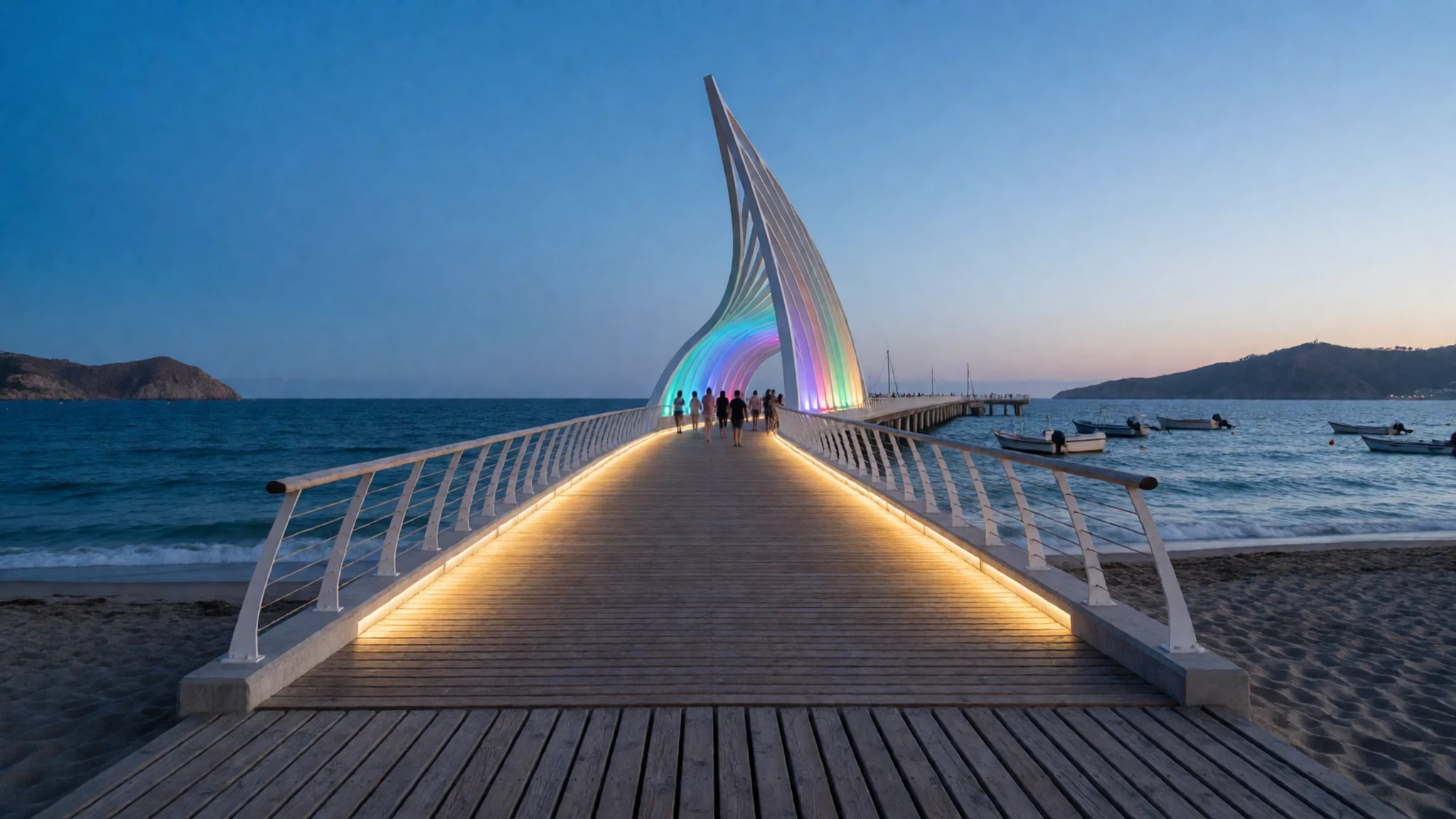
- Malecón — Centro
A sweeping beachfront pedestrian promenade stretching over twelve blocks through the historic centre. Originally constructed decades ago, it displays an open-air collection of bronze sculptures, artisan craft stalls, and bustling street performers against ocean views.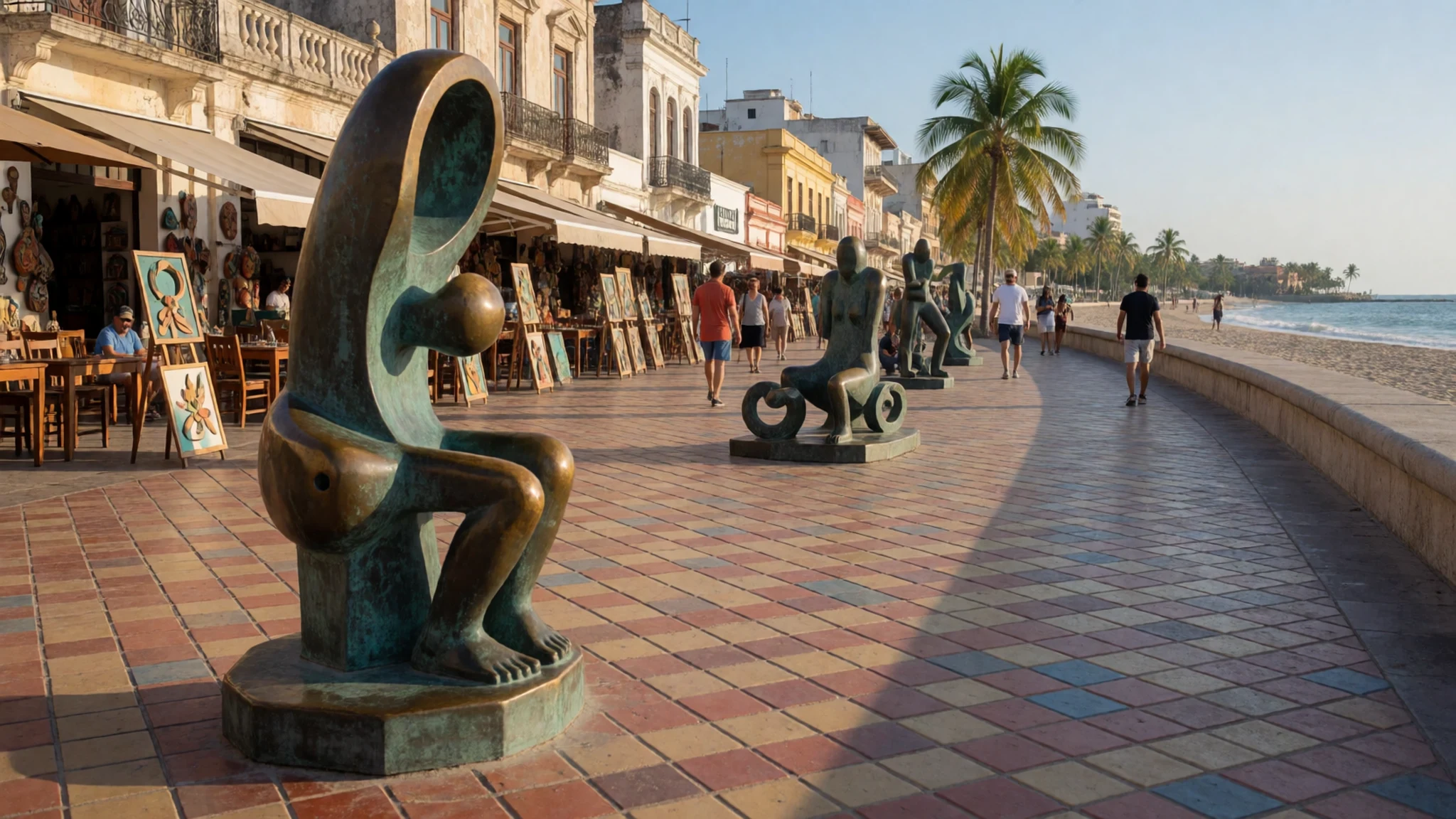
- Los Arcos — Centro
Four monumental stone arches positioned directly on the Malecón facing the sea. This architectural landmark doubles as an open-air amphitheatre hosting free evening concerts, cultural festivals, and traditional folk dance performances.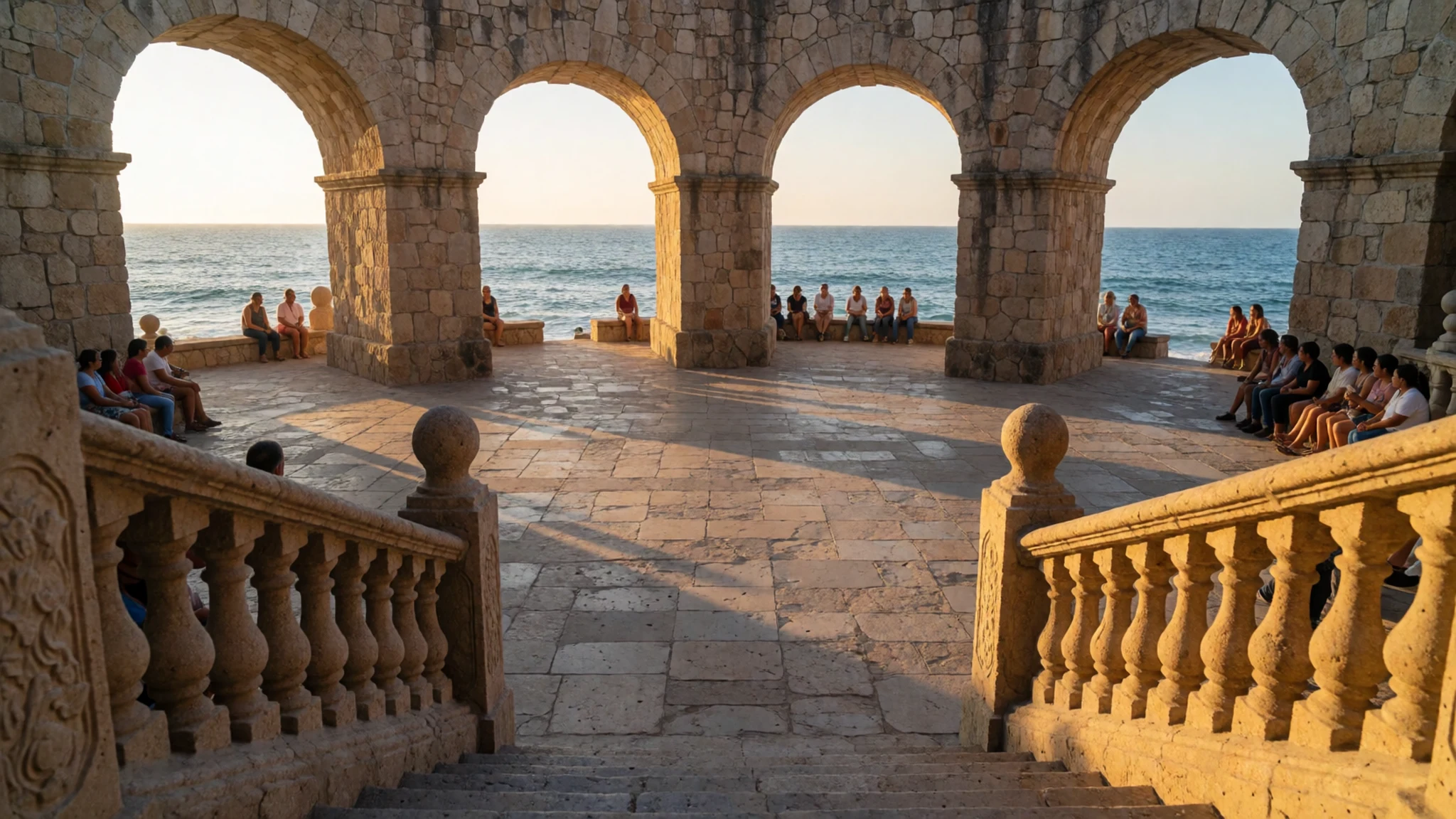
- Playa De Oro — Hotel Zone
A northern coastal stretch situated near the convergence of various resort developments. It offers a convenient waterfront setting for swimming and water sports away from the denser downtown crowds.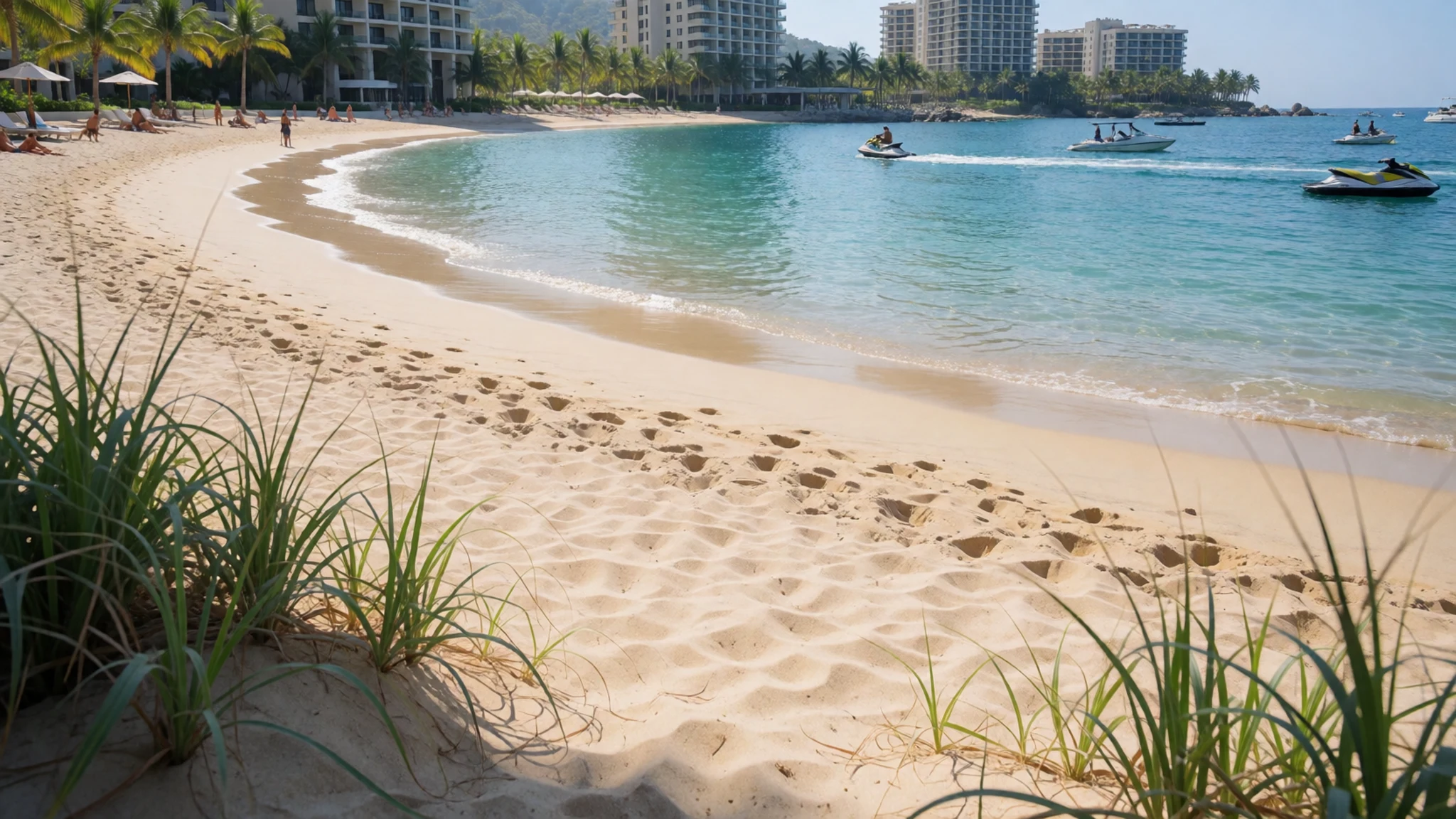
Culture
Daily life in Puerto Vallarta moves to a warm, unhurried rhythm shaped by coastal traditions, family gatherings, and community celebrations. Music drifts from open doorways, plazas fill with families in the cool evening hours, and public art is woven directly into the fabric of the streets. The local community takes immense pride in its artistic heritage, welcoming visitors to galleries, workshops, and waterfront performances. Festivals regularly animate the historic centre, blending indigenous customs with religious celebrations through dance, food, and pageantry. Spanish is spoken everywhere, though English is widely understood in tourist areas due to decades of international connection. Tipping is customary in restaurants, bars, and for tour guides, generally ranging from ten to fifteen percent for good service. When entering churches or traditional neighbourhoods away from the sand, dress modestly out of respect for local residents. Always greet shopkeepers and service workers with a polite 'Buenos días' or 'Buenas tardes' before launching into requests.
What to wear
Traditional dress across Jalisco reflects a vibrant blend of colonial heritage and indigenous craftsmanship, famously exemplified by colourful folk dance attire featuring flowing ribbons, embroidered blouses, and wide pleated skirts for women, alongside classic charro suits adorned with intricate silver buttons for men. These garments are traditionally fashioned from sturdy cottons and wools, reserved today for national holidays, civic celebrations, and folkloric performances. In daily contemporary life, residents dress for the warm tropical climate, favouring lightweight, breathable fabrics such as linen shirts, cotton sundresses, and comfortable shorts or trousers in light neutral shades. Visitors should pack loose, airy clothing to stay cool under the sun, alongside sturdy walking shoes or sandals for navigating uneven cobblestone streets in the historic centre. Beachwear such as swimsuits and flip-flops belongs strictly on the sand or by the pool; cover-ups, shirts, and proper footwear are expected when stepping away from the beach into local shops, markets, and restaurants.
What to eat
- Tacos Chilo — Calle Honduras and Colombia
A humble neighbourhood spot known for serving simple, traditional street-style tacos at remarkably low prices. It is an unpretentious local favourite found tucked away in the residential streets.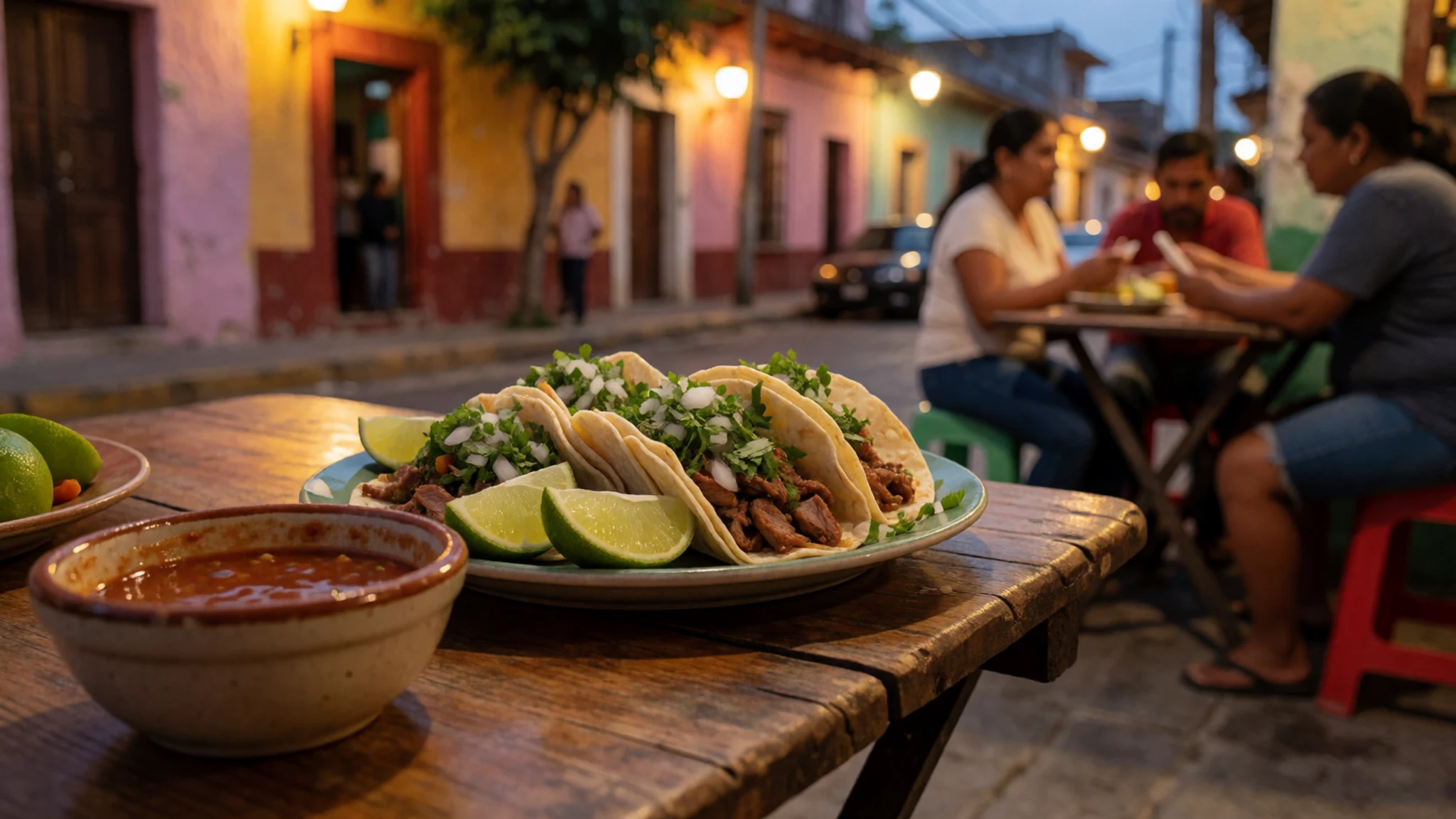
- Street food on the Plaza del Pitillal — Plaza del Pitillal
A bustling evening plaza gathering where local vendors roll out carts offering an authentic variety of regional Mexican specialities and sweet treats rarely found in tourist-centric eateries.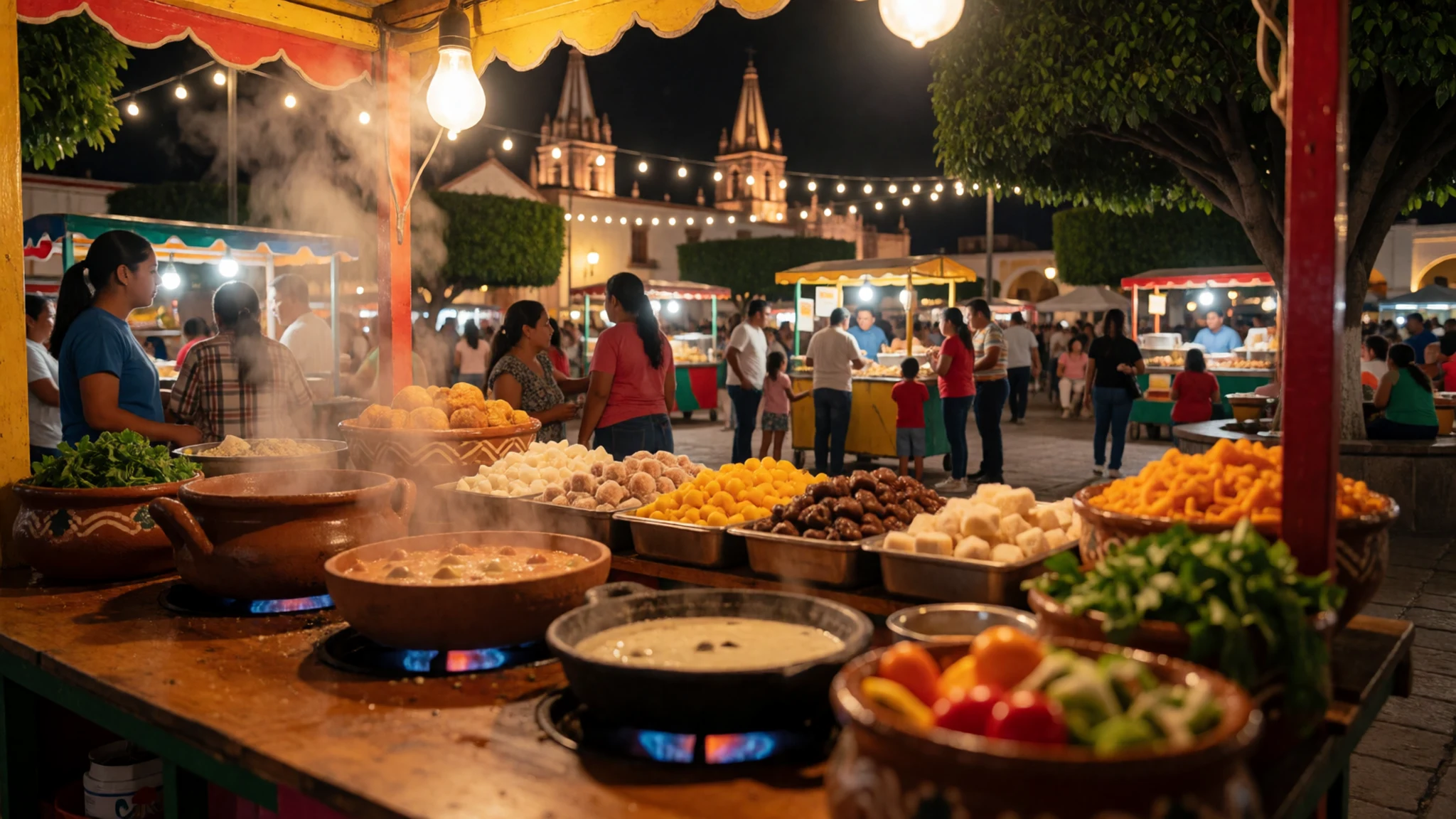
- Cafe de Olla — Centro
A welcoming, unpretentious eatery dishing up comforting homestyle Mexican comfort food. Hearty plates of spiced pork ribs, tender chicken, and traditional stews draw hungry locals and travellers alike. - Takos Panchos — Zona Romántica
A celebrated evening institution famous for its exceptionally spiced al pastor tacos carved straight from the vertical spit. Doors open in the evening and stay busy late into the night. - Maria Baja — Zona Romántica
A casual eatery specialising in crispy, Baja-style fried fish tacos paired with fresh salsas, alongside generously proportioned fish burritos wrapped in warm flour tortillas.
Plan it
Best time. November through April brings the most pleasant weather, with warm, dry days and cool evening breezes. The summer months from June onward bring heavy seasonal rains, higher humidity, and warmer temperatures.
How long. 3–4
Getting there. Fly into Gustavo Díaz Ordaz International Airport, located just north of the city centre, then take an authorised airport taxi or public bus onward to your accommodation.
Budget. mid
Tips
- Ignore the timeshare hucksters stationed immediately outside the customs exit at the airport and walk straight past them.
- Arrive early at popular evening taco stands and restaurants to secure a table without a long wait.
- Carry small Mexican Peso denominations in cash for street vendors, local buses, and modest markets.
- Wear comfortable flat shoes with good grip for walking on steep, uneven cobblestone streets in the old town.
- Drink bottled or purified water rather than tap water throughout your stay.
Etiquette
- Always greet shopkeepers and service staff with a courteous 'Buenos días' or 'Buenas tardes' before asking questions.
- Dress modestly with a shirt and cover-up when leaving the immediate beach areas to explore residential and historic streets.
Nearby
Sources
- Wikidata Q853258 (CC0)
- Wikipedia (CC BY-SA 4.0)
- Wikivoyage (CC BY-SA 4.0)