Puerto Princesa Subterranean River National Park
Puerto Princesa Subterranean River National Park, Philippines
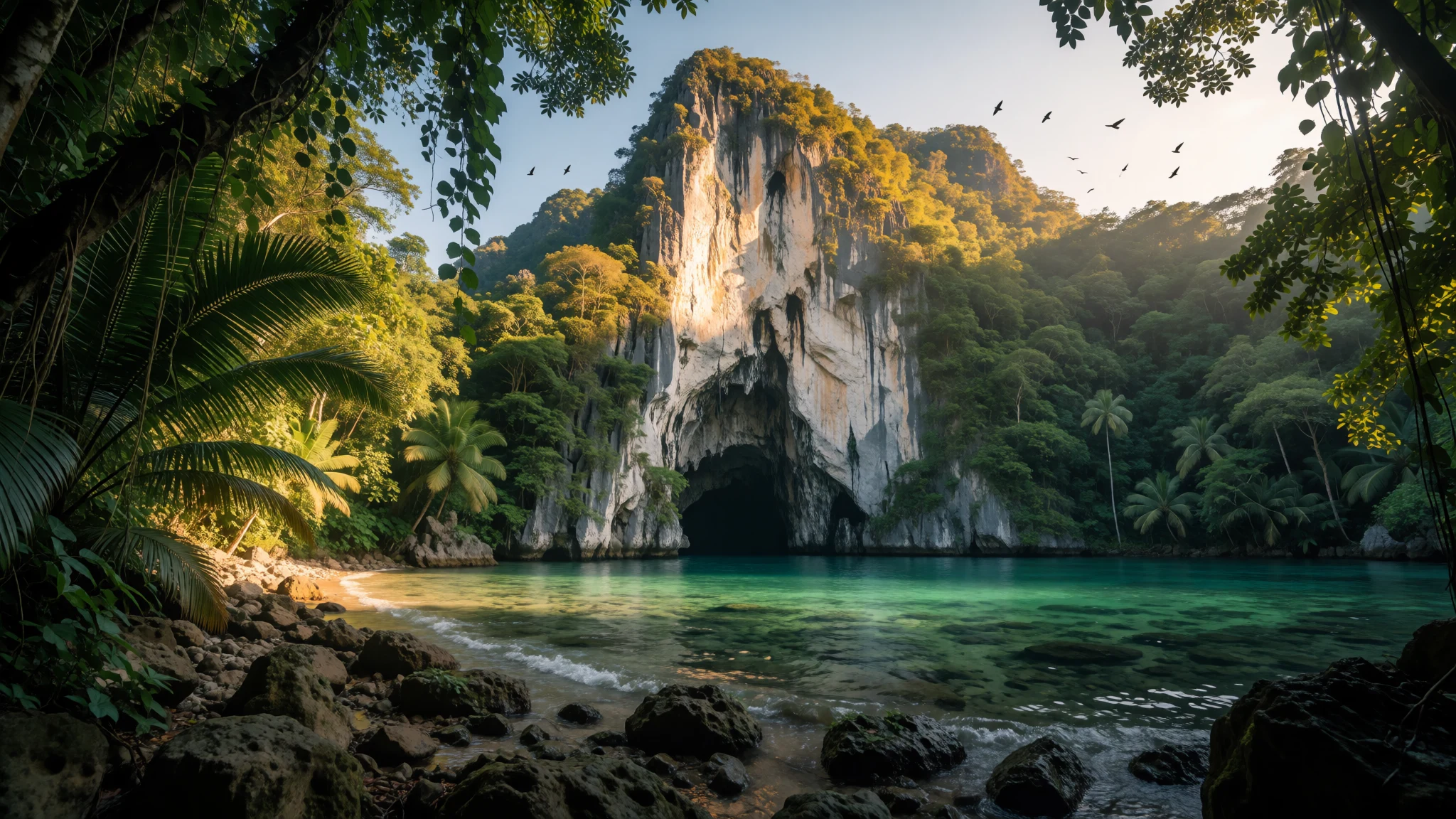
Puerto Princesa Subterranean River is a rare mix of rainforest scenery and a cave river route that feels both wild and oddly intimate.
The place
Puerto Princesa Subterranean River National Park sits on Palawan’s western coast, within the Saint Paul Mountain Range. The park is best known for the Puerto Princesa Subterranean River (often called the Underground River): a river system that runs out of the cave and into the South China Sea.
Most visits are done by road first, then by boat from the seaside village of Sabang. From there, visitors follow kayaks (bangkas) into the park area and into the cave entrance that holds the river route. It’s a practical setup—less hiking, more time in transit—so the experience is about atmosphere: darkness, damp rock, and the sense of being far from the bright world outside.
Crowds matter here. This is a major destination, and the route is popular enough that bus groups can bunch up around the same departure times. That means the calmest-feeling trips usually start early, and waiting is part of the day.
In terms of geography, the cave system isn’t just a single tunnel. It includes a long underground section of the Cabayugan River, and the water’s mix of salt and freshwater shifts within the cave—especially noticeable when conditions change, because heavy rain can disrupt what’s going on inside.
There’s also a wider “park” feel beyond the cave ride: the area is managed by the Puerto Princesa city government, and it became a UNESCO World Heritage Site in 1999. Expect humidity, shade during the overland parts, and cooler air once you enter the cave.
Its story
Puerto Princesa’s Underground River became famous for more than just the idea of a river in a cave. In 2010, researchers and environmentalists discovered that the system had a “second floor”, with places where small waterfalls appear inside the cave. They also reported a large dome-like space above the underground river, plus rock formations and big bat activity.
That same wave of exploration added detail to what’s physically possible to see. Not every section is equally accessible: deeper parts are said to be almost impossible to explore because of limited oxygen. So the attraction you experience on a typical visit is shaped by both geology and safety realities.
The story then turns public and celebratory. Puerto Princesa Underground River was named among the New 7 Wonders of Nature in 2011, and the confirmation followed in early 2012. It’s a reminder that this isn’t only a local natural space—it’s been packaged into global attention.
Even with all the headlines, the real drama remains in the cave itself. The underground river’s route winds through an extensive cave system, and saltwater and freshwater mixing creates conditions that change with weather. Heavy rain can temporarily disrupt the stratification, so water behaviour changes in the cave and you may notice those differences during the ride.
What to see
- Puerto Princesa Subterranean River (Underground River) route — Cave river area near the Sabang access point
The cave river ride is the heart of Puerto Princesa Subterranean River National Park. Expect a boat/kayak journey that moves along a long underground section of the Cabayugan River before the water reaches the sea outside the cave.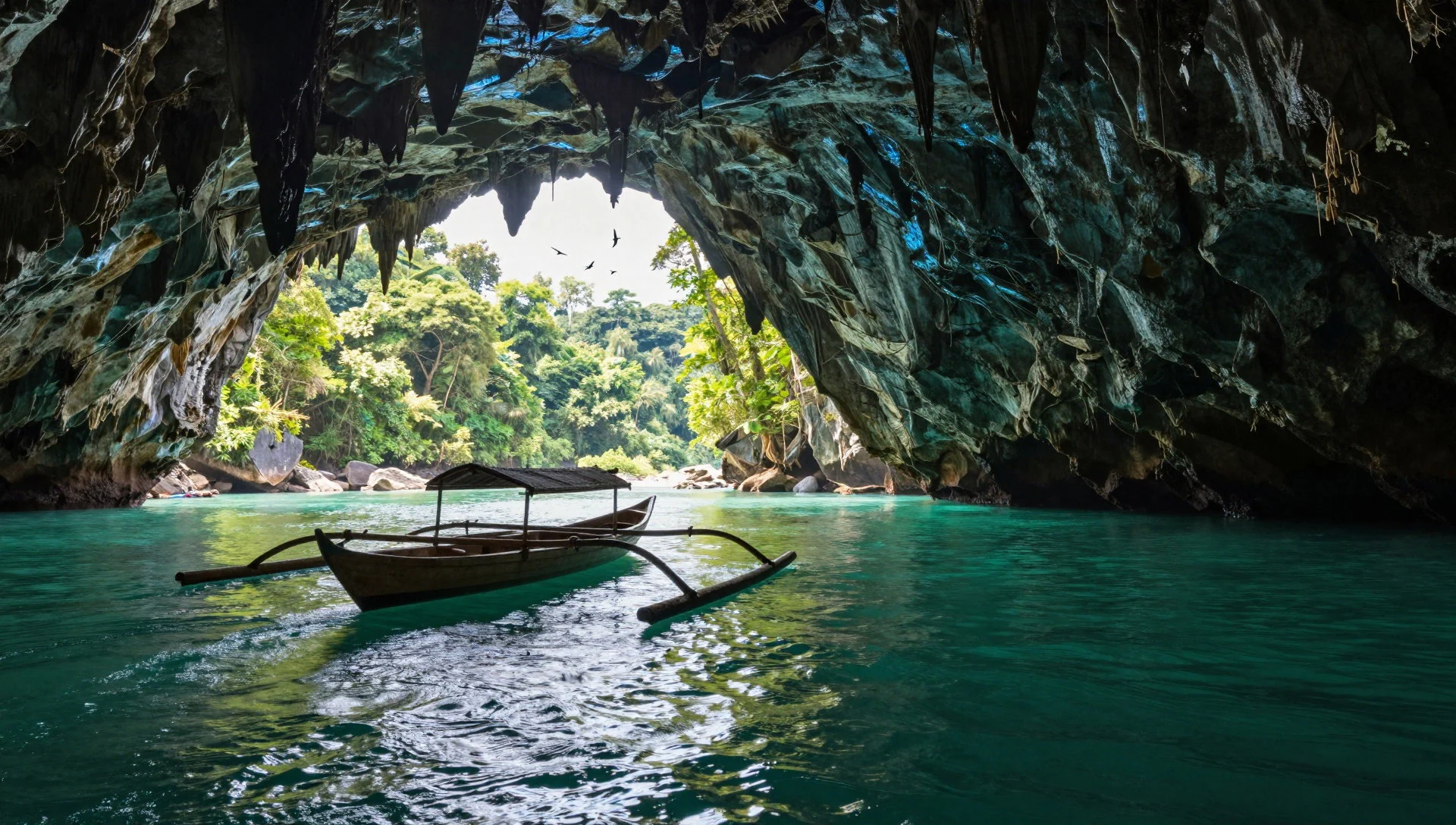
- Cave formations and the “second floor” zones — Cave interior
Inside, the cave isn’t one flat corridor. Recent exploration described additional levels, rock formations and areas where small waterfalls can appear, which changes the sense of scale compared to a simple tunnel.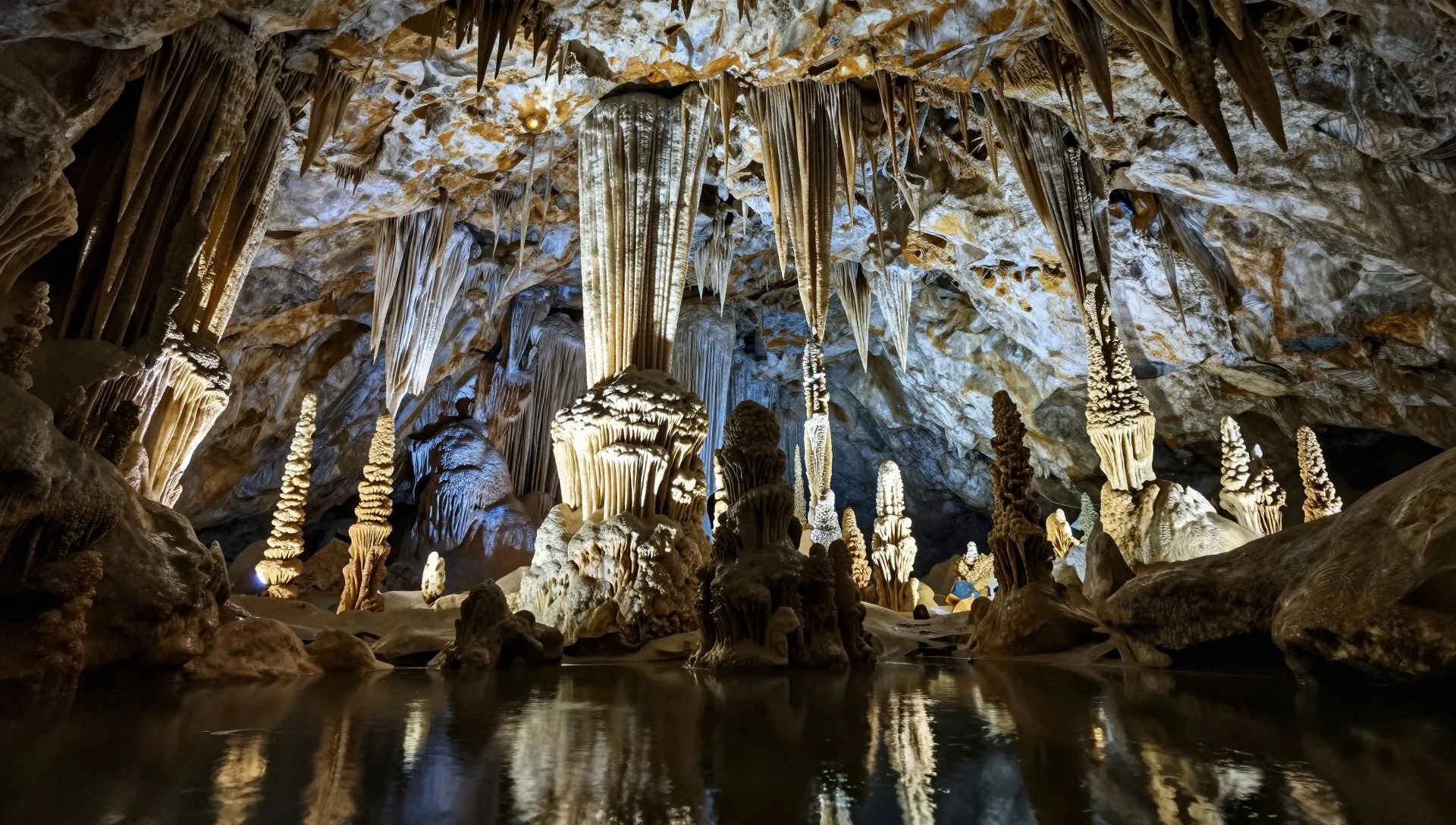
- Saltwater–freshwater mixing in the cave — Underground river sections
A distinctive feature of the Underground River is how salt and freshwater mix inside the cave system. During heavy rain, flooding can sweep away the seawater influence, altering the internal water layers.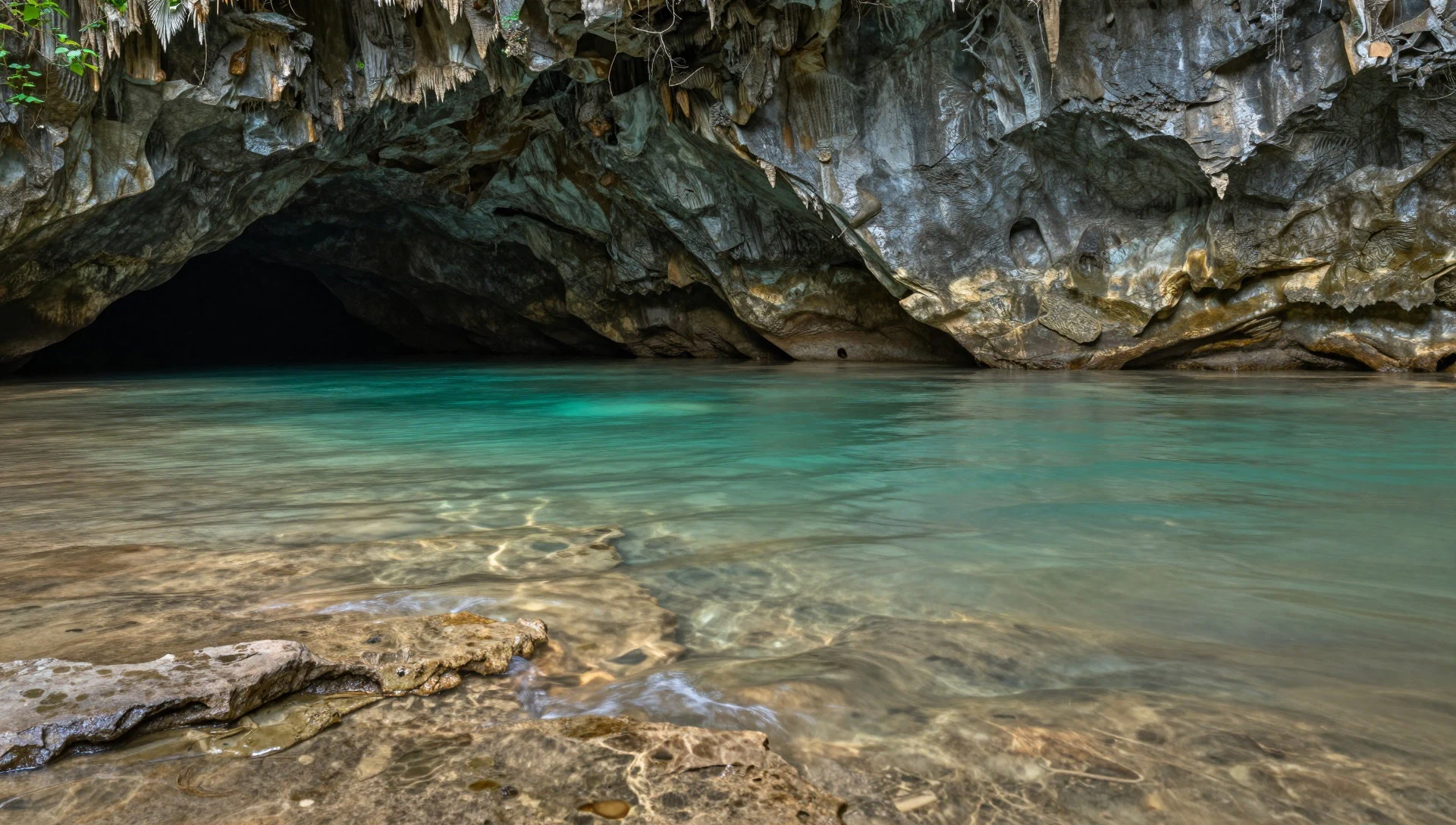
- Honda Bay (optional add-on) — Honda Bay area
Honda Bay is a popular counterpoint to the cave visit: several islets and sheltered water for swimming and snorkelling, plus straightforward island-hopping vibes from the main access area.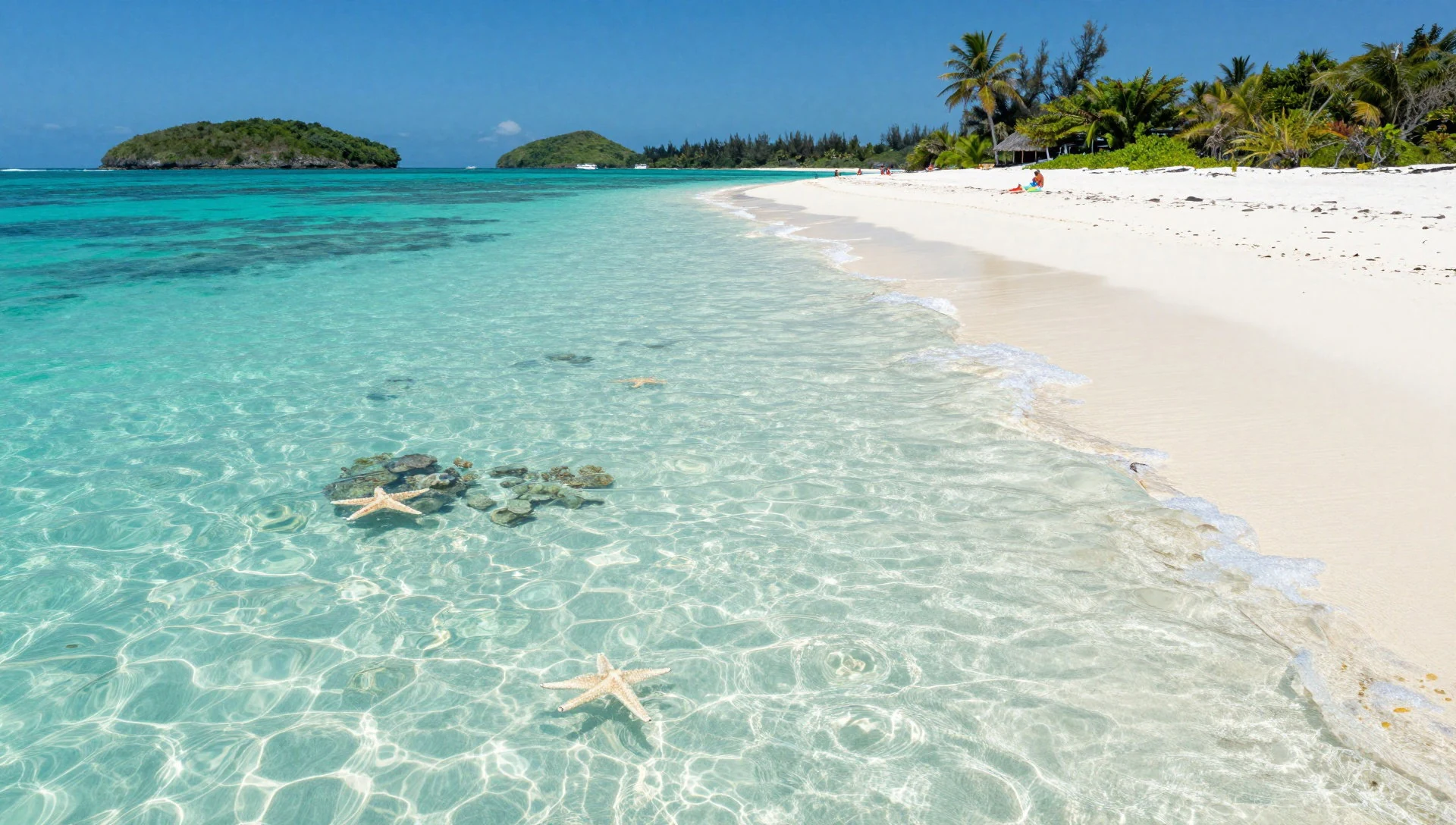
- Ugong Rock (karst landscape near the area) — Karst countryside near the Underground River
Ugong Rock is a limestone formation set in farmlands and karst forest around the Underground River region. It’s an easy way to swap cave darkness for bright limestone scenery for part of a day.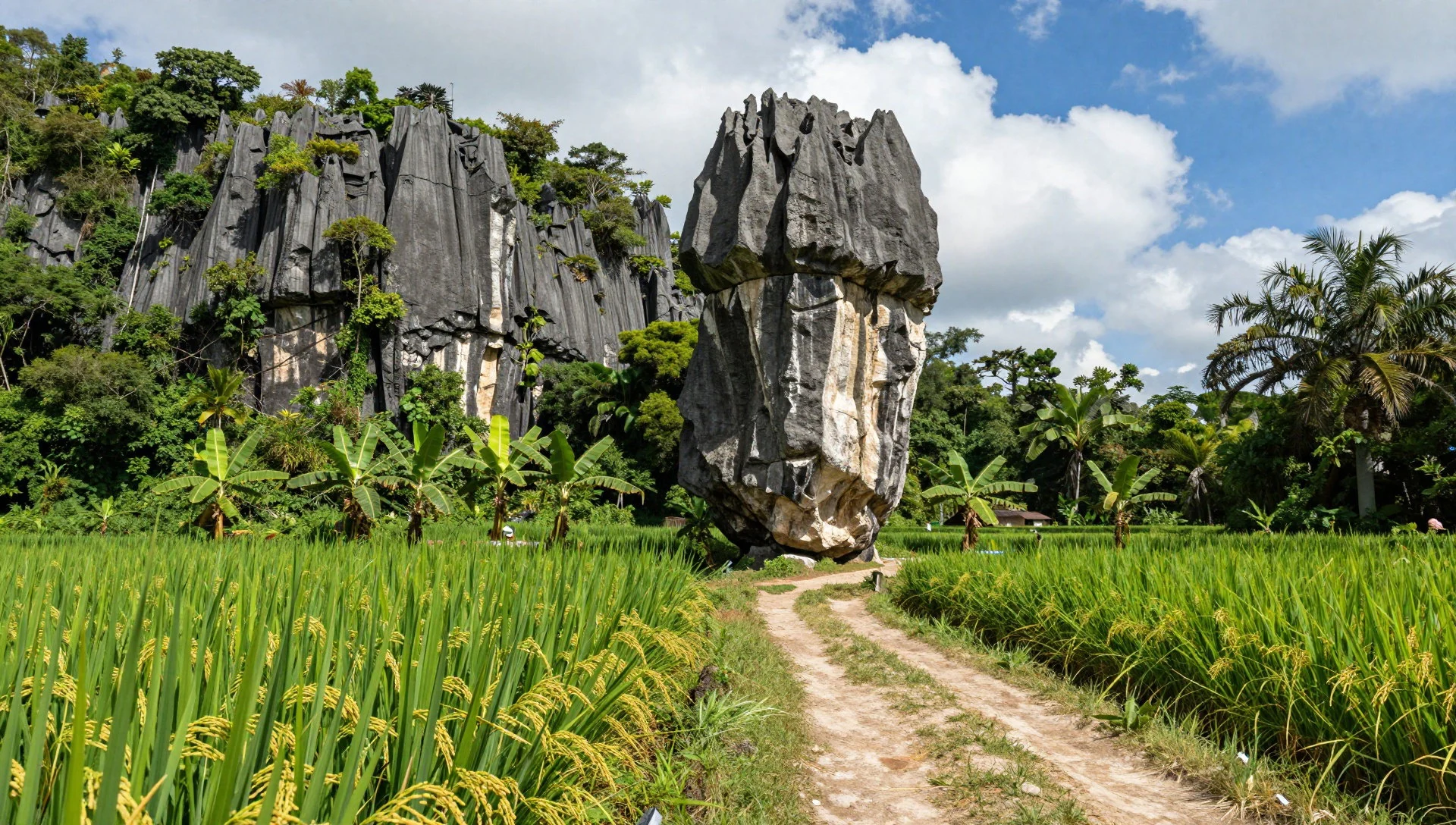
Culture
Puerto Princesa Subterranean River National Park is about respecting a place that’s fragile, enclosed, and frequently visited. The cave environment is dark and damp, and the river ride depends on careful boat operation—so it’s not the setting for loudness or “let’s see what happens” behaviour.
Because the park has a major tourist pipeline, queues can form at the access point, and waiting time is part of the rhythm. Being patient helps everyone: guides and boat crews need the flow to be steady, and other visitors are also there to enjoy the same route.
Photography is usually fine in many natural attractions, but here the cave interior can be sensitive—faces and close shots in confined spaces should be avoided. If there’s a chance of blocking the path or distracting other people in the boat, it’s better to pause and let the moment pass.
Also remember that the cave experience is shaped by weather. Heavy rain can change how water behaves underground, so conditions can affect what you’re able to do and how comfortable you feel. Dress for humidity and keep your belongings secured.
Visitor etiquette: Keep voices low in the cave, avoid blocking anyone during the boat ride, and follow your guide’s instructions about where and when to stop.
What to wear
For Puerto Princesa Subterranean River National Park, clothing is less about style and more about humidity, slip risk and comfort during transfers. The overland parts and the time waiting near the access area can feel warm and damp, while the cave environment is cooler and wetter.
Traditional dress in Palawan is not something most visitors wear day-to-day on the Underground River route, and you’ll mainly see modern, practical clothing. Locals often dress for tropical conditions—light shirts or blouses, breathable trousers or skirts, sandals or trainers—depending on the day’s plans.
What to wear as a visitor: light, quick-drying clothing is ideal; long sleeves can help with sun and insects during the daylight approach. Choose footwear you can walk in comfortably on uneven, potentially slippery surfaces—sandals can work if they’re secure, but proper grip shoes/trainers are usually safer. Bring a light waterproof layer or poncho for the cave ride, because splash and mist are common in enclosed water settings.
If you’re passing through church or community spots on the same trip, keep things modest: shoulders covered and shorts/very short hems avoided, especially when entering religious spaces.
What to eat
- Seafood dishes — Puerto Princesa town, around the main restaurant areas
For a post-cave reward, look for seafood-focused meals at established local restaurants in Puerto Princesa. Expect lots of grilled or stir-fried options and simple sides that suit a humid day and long travel.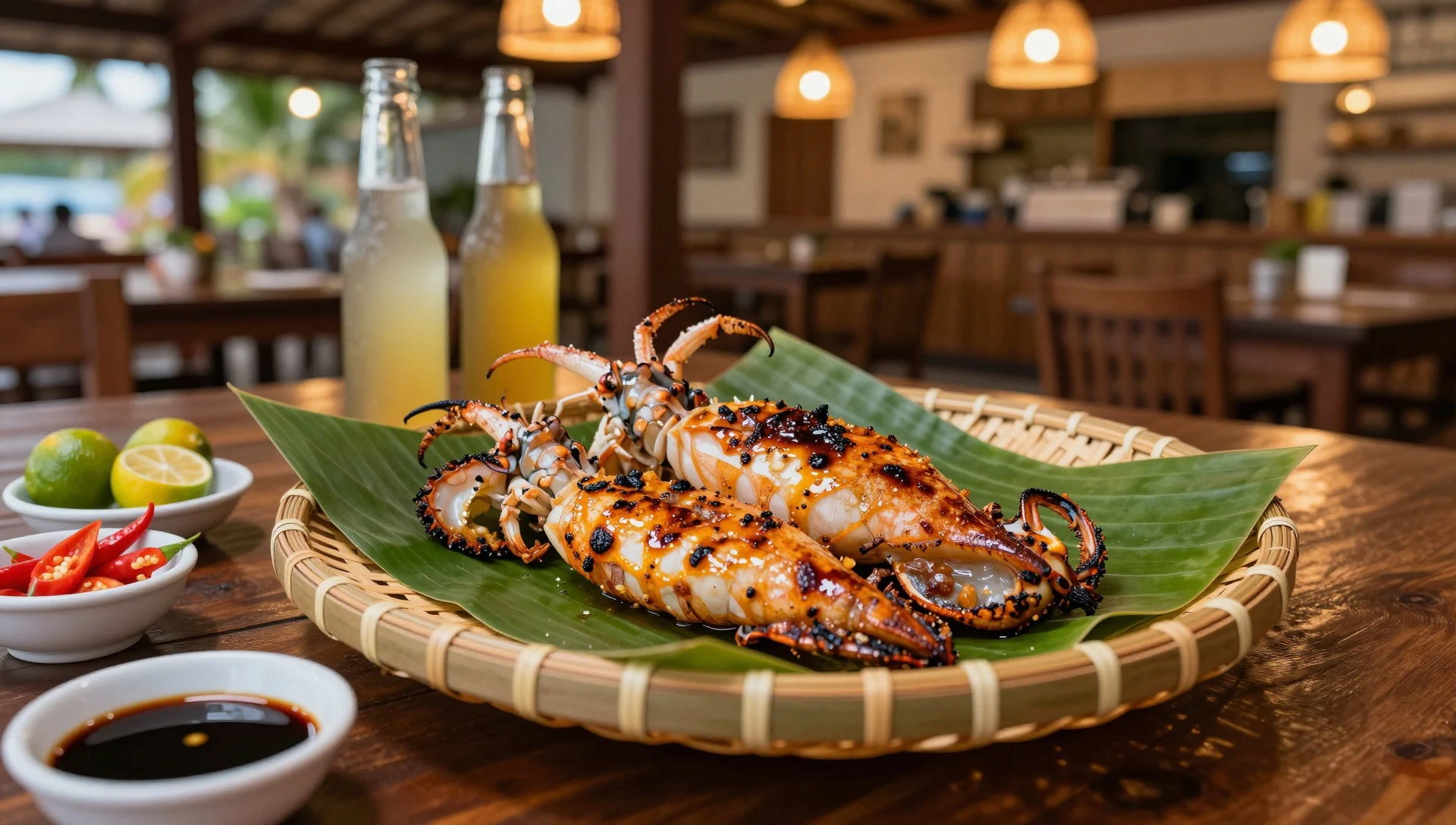
- Filipino-style comfort meals (rice + mains) — Everyday eateries across Puerto Princesa and Sabang
Between road trips and cave schedules, rice-based lunches are the easiest bet—usually with a meat or fish dish plus a vegetable side. It’s filling without being too heavy for the heat.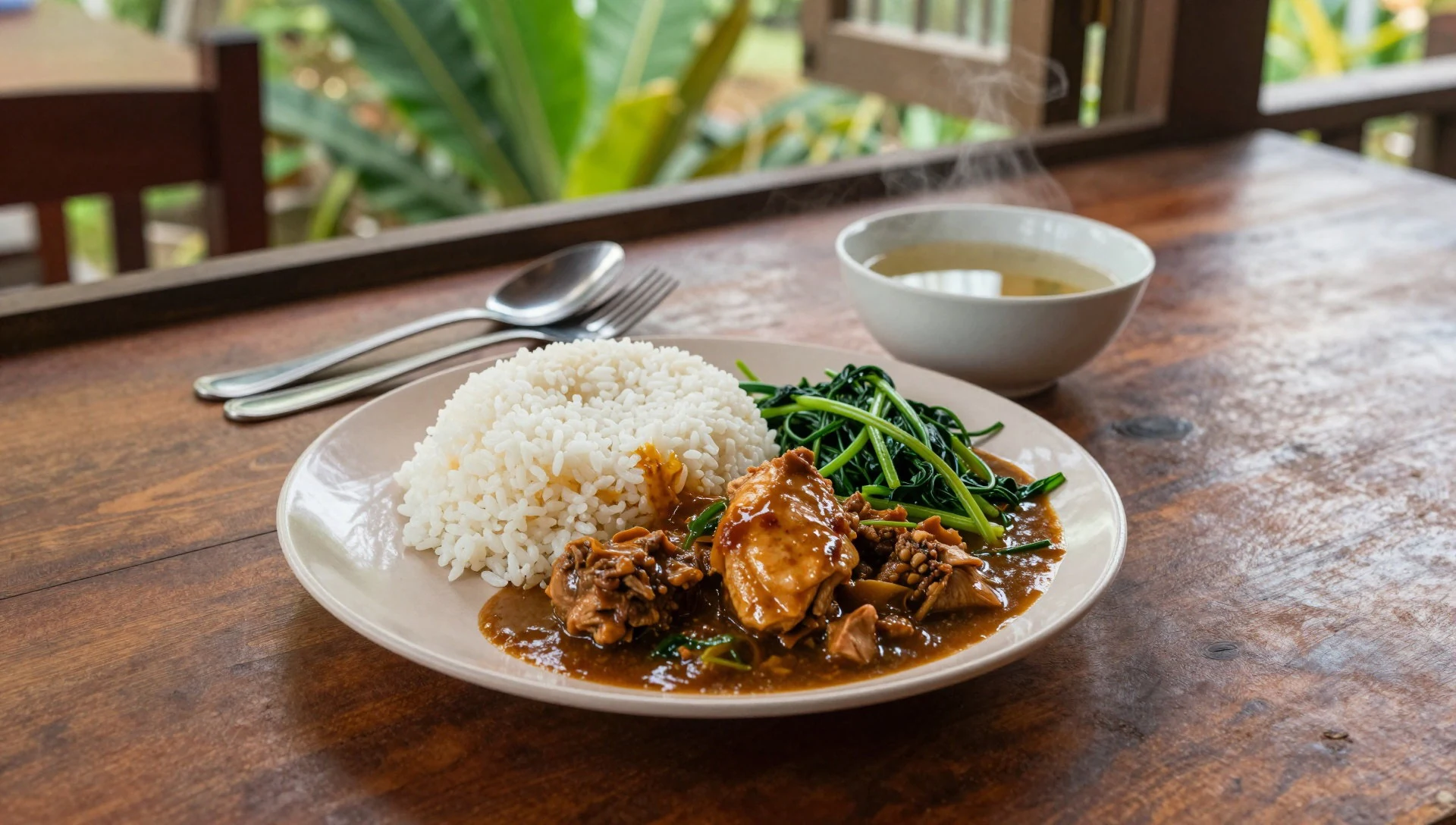
- Vegetarian options — Puerto Princesa, vegetarian-friendly restaurants
If the group wants something lighter, vegetarian meals are available and can be a welcome change from seafood-heavy menus. Think vegetable mains with rice or simple sides, useful when the day feels long. - Cakes, coffee and shakes — Puerto Princesa, cafés and dessert spots
After all the transit, a café-style stop—cakes, coffee and blended drinks—feels like a reset. Order a shake or dessert, then rest before heading back out. - French-style or Western meals (backup plan) — Puerto Princesa city-centre restaurants
On a day when local food feels like too much variety, French or Western-style restaurants can be a comfortable alternative. It’s often a good plan if you’re travelling with people who need familiar flavours.
Plan it
Best time. March–April and October–November are the most comfortable months for visiting because they’re outside the rainy peak and tend to bring steadier conditions; June is the rainy season and August is hot and humid.
How long. 2–3
Getting there. Fly into Puerto Princesa airport, then take the road transfer toward Sabang for the park access and the boat/kayak to the Underground River cave route.
Budget. mid
Tips
- Plan an early start from Sabang to reduce waiting time around the cave ride
- Expect the day to be shaped by weather—heavy rain can change conditions inside the cave
- Keep a small amount of cash on hand for small purchases and snacks during transitions
- Pack a light waterproof layer for the boat section and secure your phone/camera
Etiquette
- Follow your guide’s instructions about where to sit and when to move during the boat ride
- Avoid loud talking or sudden movements inside the cave environment
- Be mindful with photos so you don’t block other visitors’ views in the confined space
Nearby
Sources
- Wikidata Q824602 (CC0)
- Wikipedia (rev 1382163161) (CC BY-SA 4.0)
- Wikivoyage (rev 5415164) (CC BY-SA 4.0)
- File:Puerto_Princesa_Underground_River.jpg (CC BY 3.0)
- File:Puerto-Princesa_Subterranean_River_National_Park-112012.jpg (CC BY-SA 3.0 igo)
- File:Puerto_Princesa_Subterranean_River_Cave%2C_Stalactites%2C_Stalagmites%2C_Palawan%2C_Philippines.jpg (CC BY 4.0)
- File:Puerto_Princesa_Subterranean_River_-_PuertoPrincesaSR1755.jpg (CC0 1.0)
- File:Puerto_Princesa_Subterranean_River_National_park_02.jpg (CC BY-SA 4.0)
- File:Underground_River_in_Puerto_Princesa%2C_Palawan_02.JPG (CC BY-SA 4.0)
- File:Puerto_Princesa_Subterranean_River_National_Park_geologic_marker.jpg (CC BY-SA 4.0)
- File:Puerto_Princesa_Subterranean_River_National_Park_new_7_wonders_of_nature_marker.jpg (CC BY-SA 4.0)


