Port Douglas
Port Douglas, Australia
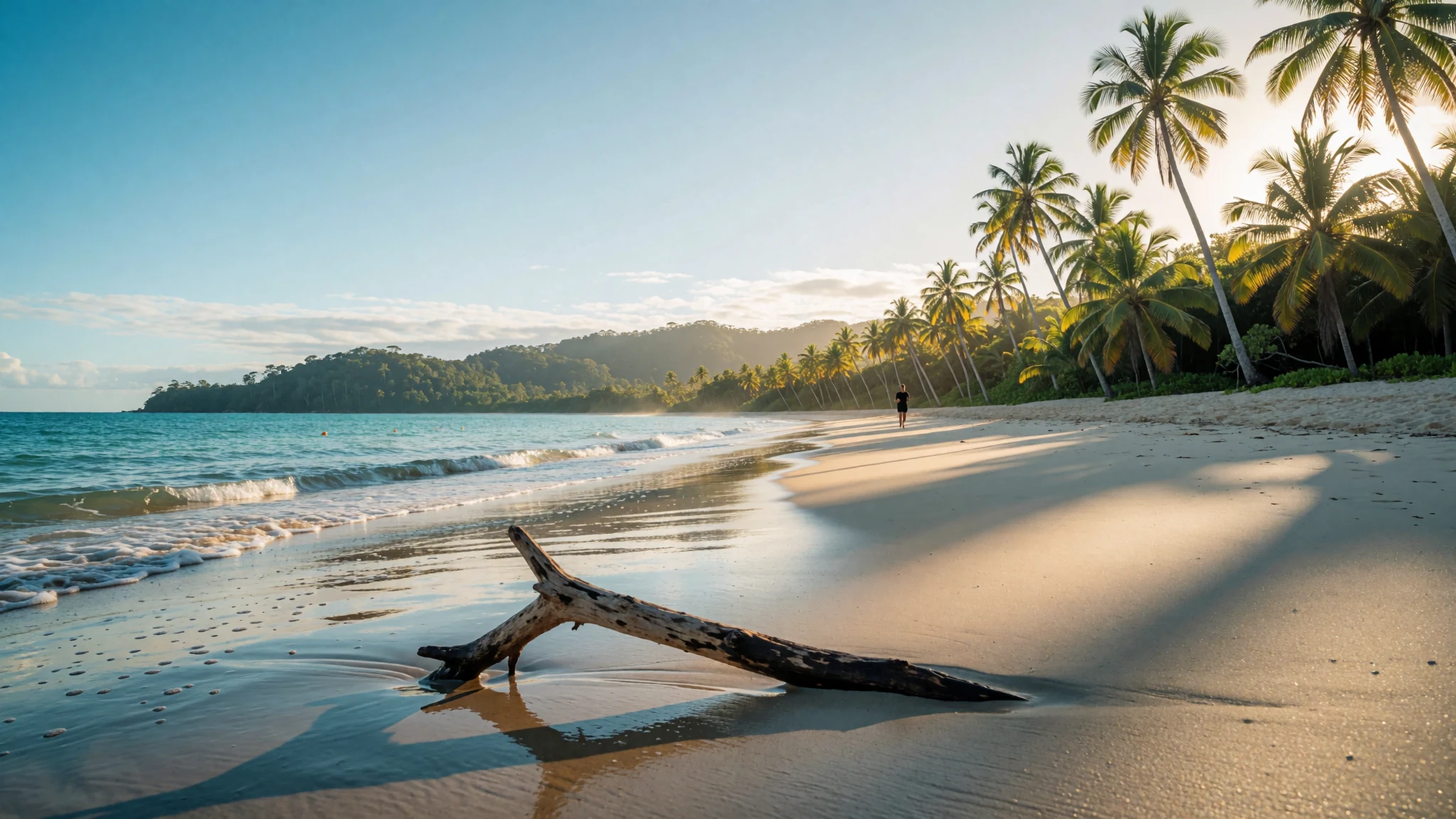
Port Douglas is where two ancient realms meet on the Coral Sea, offering direct access to both the Great Barrier Reef and the Daintree Rainforest.
The place
Port Douglas sits on a coastal ridge in Far North Queensland, acting as a gateway to two UNESCO-listed wonders. The town maintains a relaxed village atmosphere despite its international standing as a premier tropical escape. Low-rise architecture, lined by mature palm trees and flowering poincianas, defines Macrossan Street, where open-air dining and boutique shops draw travellers away from the shoreline. Four Mile Beach curves south from the rocky headland of Island Point, providing a broad expanse of sand bordered by shallow coastal waters and coastal vegetation. The surrounding landscape is shaped by heavy seasonal rainfall and high humidity, nurturing lush greenery that presses right up against the town limits. Life here moves to a distinctly unhurried tropical rhythm, influenced by the warmth of the Coral Sea and the sheltering presence of nearby coastal ranges. Visitors share the environment with a rich variety of native fauna, from lorikeets and fruit bats in the canopy to marine life offshore. While tourism drives the local economy, the community retains a strong connection to its maritime and frontier roots, visible in the historic weatherboard buildings and the working harbour at the Dickson Inlet. The local population remains modest, creating an intimate scale that contrasts sharply with the vast natural wilderness surrounding it on all sides.
Its story
Port Douglas began its modern existence as a frontier boomtown following the discovery of gold on the Hodgkinson goldfield. Prospectors needed a viable shipping route that bypassed difficult northern terrain, prompting the establishment of a port at Island Point. Christened in honour of a former Premier of Queensland, the settlement grew at a furious pace during the late nineteenth century as merchants and miners rushed to secure supplies and claims. Wharves and timber hotels crowded the waterfront, eclipsing rival settlements as the primary maritime conduit for the region. This initial prosperity proved fleeting as railway links were established elsewhere, diverting commercial traffic inland and leaving the township to settle into a sleepy maritime backwater for decades. For nearly a century, life in Port Douglas revolved around quiet fishing fleets, sugar cane farming, and timber cutting. The transformation into an international destination began when adventurous travellers rediscovered its natural assets, leading to a tourism revival that turned quiet streets into a sophisticated tropical retreat. Historic structures like St Mary's by the Sea survived these transitions, standing as wooden testaments to the town's nineteenth-century origins. Today, the heritage of the early gold rush and the maritime trade blends with modern conservation efforts, shaping a community deeply aware of its fragile ecological position between reef and rainforest.
What to see
- The Rainforest Habitat Wildlife Sanctuary — Port Douglas Road
Wander along elevated boardwalks through distinct ecosystems where koalas, birds, and reptiles roam freely in recreated natural habitats. The sanctuary offers immersive wildlife encounters, allowing visitors to observe native Australian fauna up close within lush, planted environments designed to replicate tropical wetlands and dense forest floors.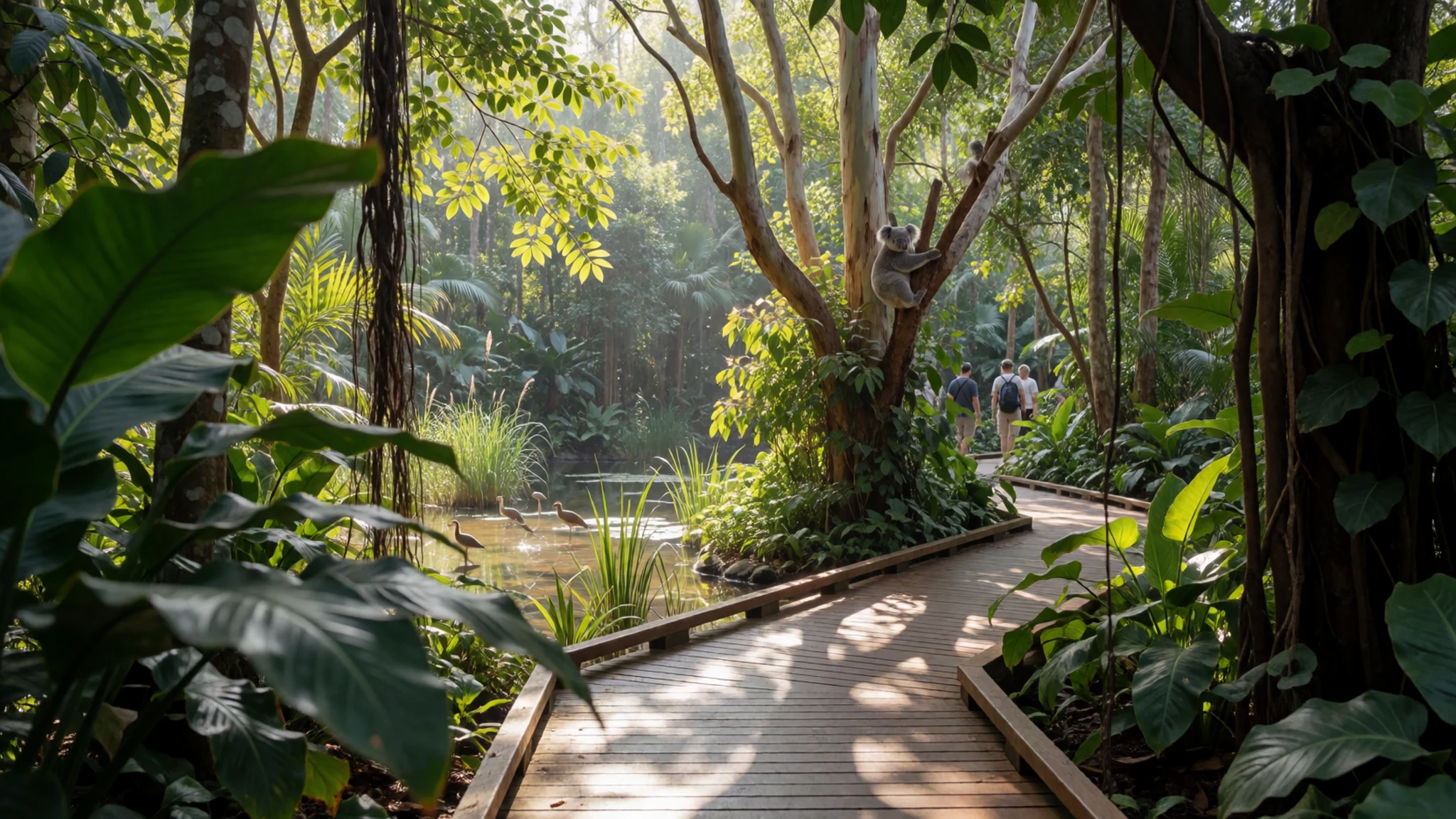
- Four Mile Beach — Eastern coastline
A broad, sweeping stretch of pale sand bordered by coconut palms and gentle coastal waves. It provides a scenic space for morning walks and ocean views, though visitors must remain mindful of seasonal marine stingers and local wildlife warnings near the shoreline during warmer months.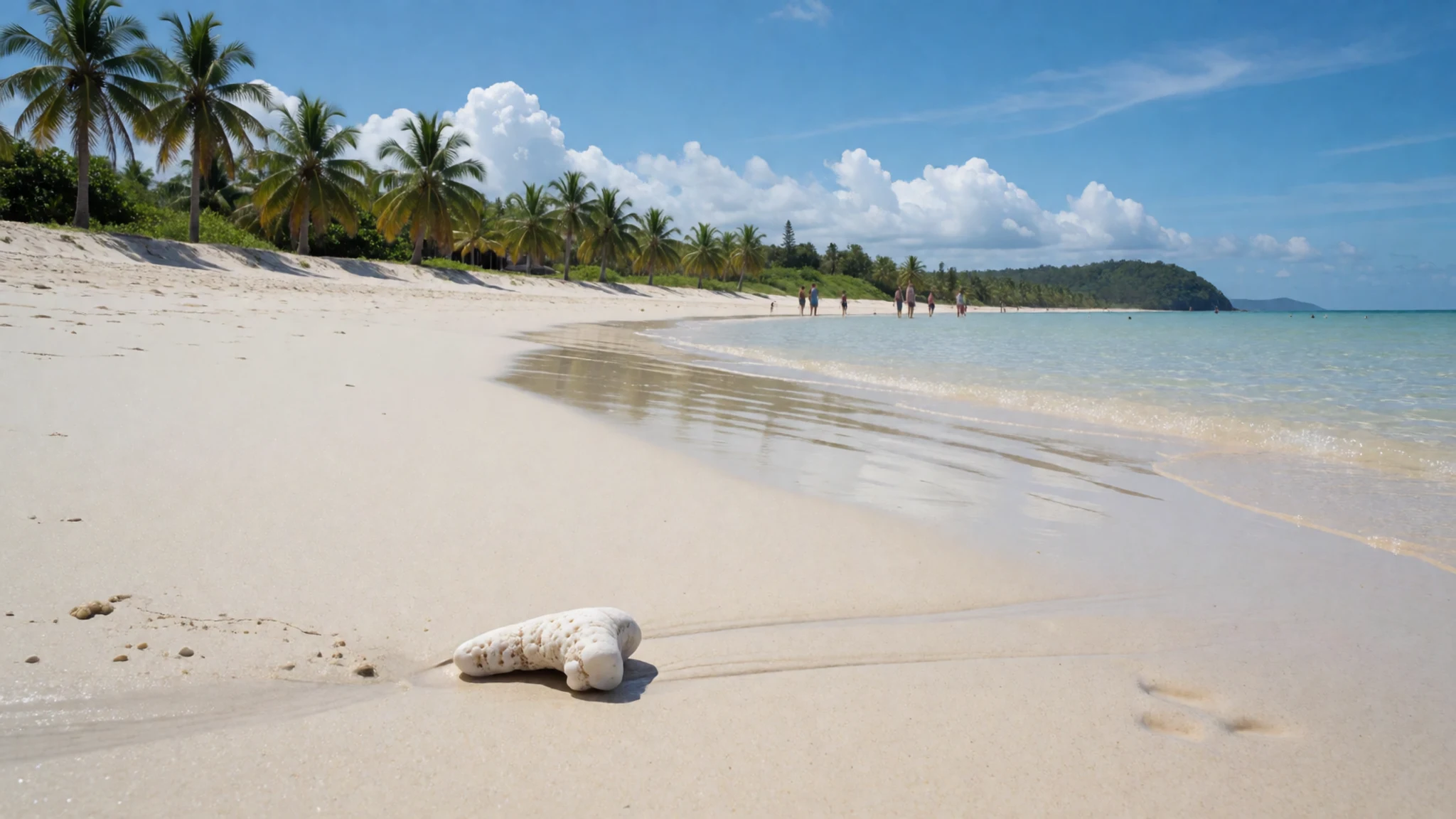
- St Mary's by the Sea — Macrossan Street waterfront
A historic timber church built during the late nineteenth century, featuring large stained-glass windows framing views of the Coral Sea. It stands as a carefully preserved architectural landmark from the early settlement era, currently serving as a popular venue for quiet reflection and local ceremonies.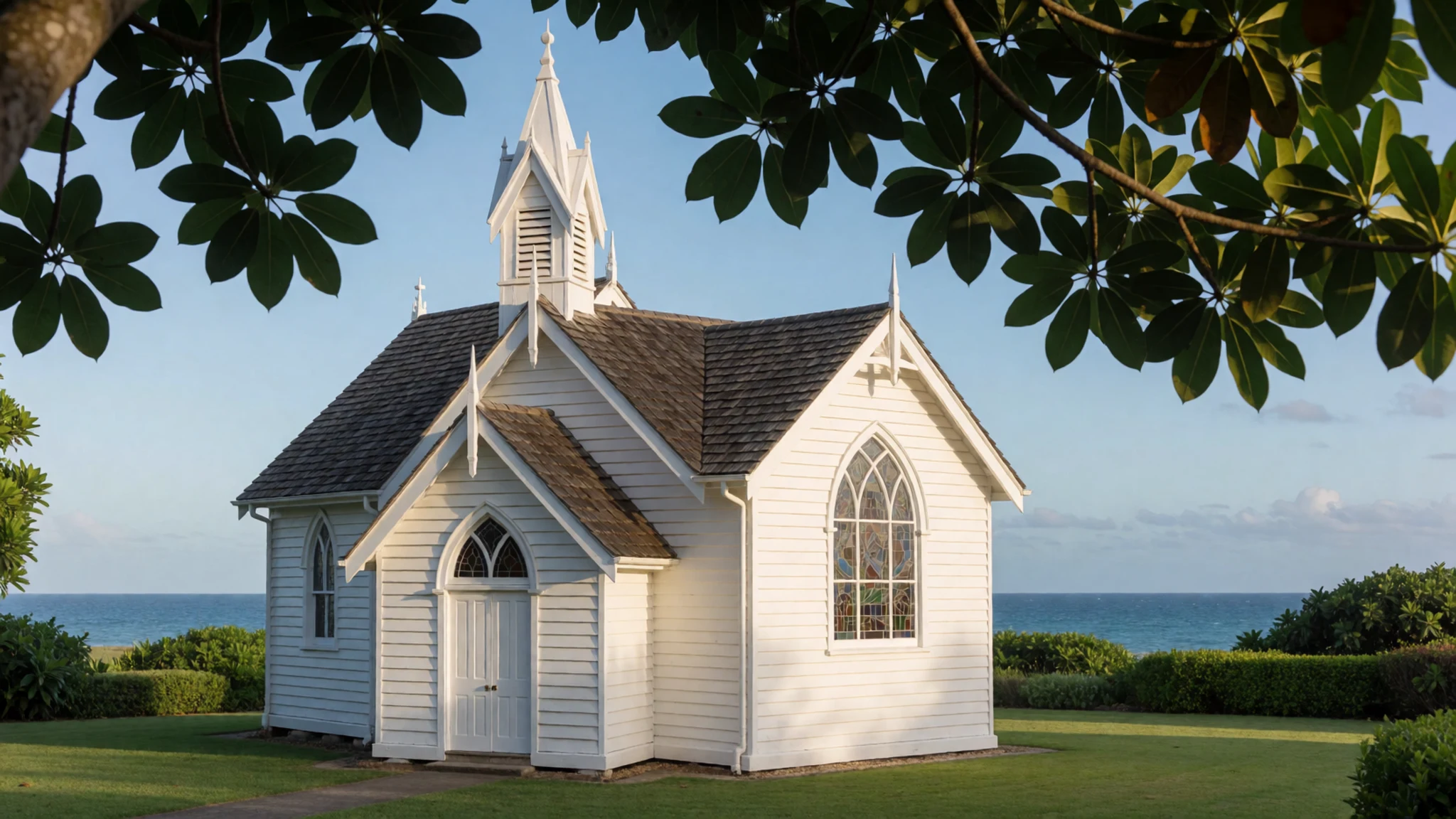
- Rex Smeal Park — Wharf Street
A grassy headland park at the northern end of town shaded by giant fig trees, overlooking the busy waters of Dickson Inlet. It serves as the lively venue for Sunday markets and offers panoramic sunset vistas across the water toward distant mountain ranges.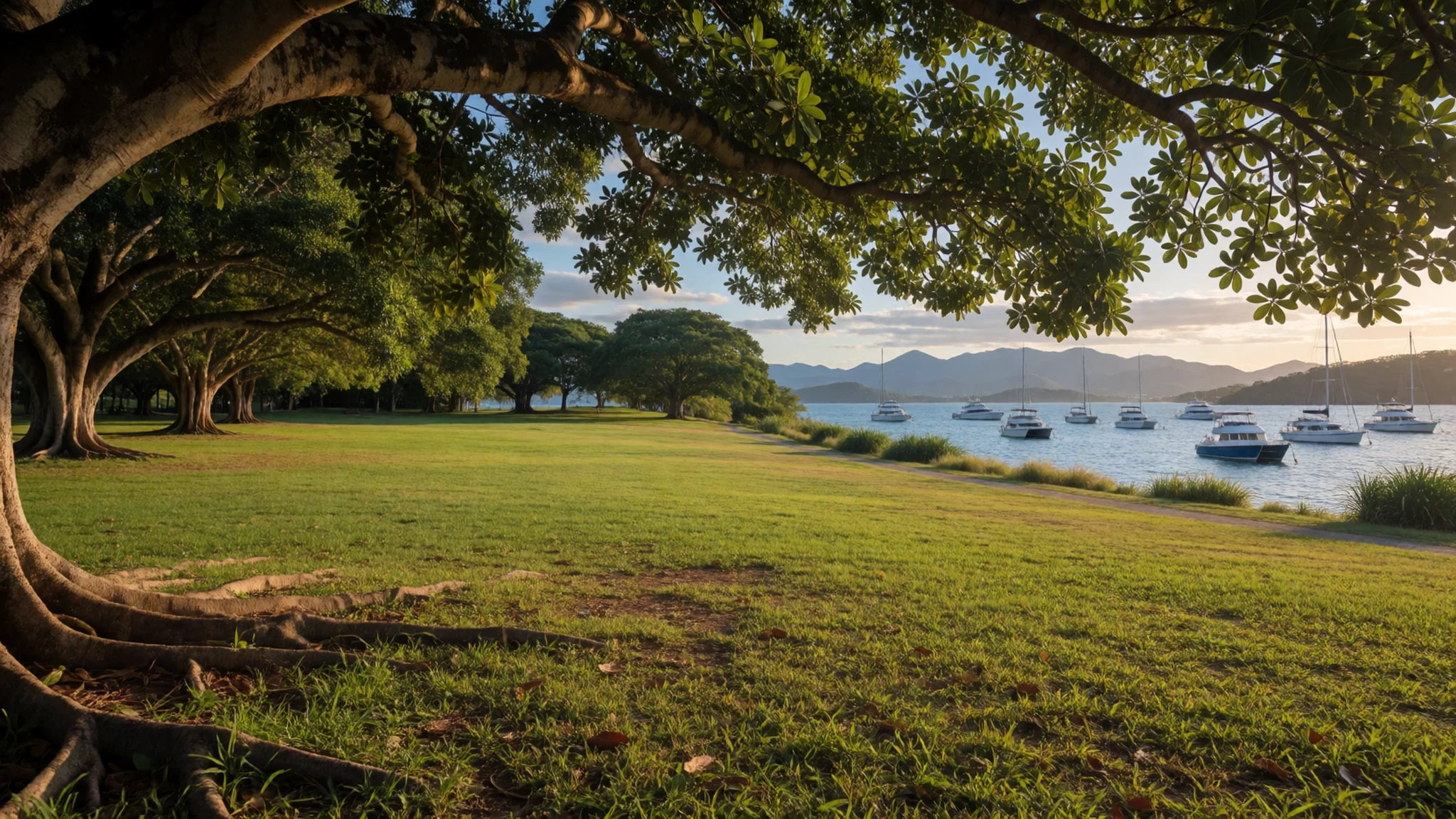
Culture
The cultural fabric of Port Douglas is shaped by a unique blend of coastal Australian laid-back attitudes, deep-rooted Indigenous heritage, and pioneering history. Long before European prospectors arrived, the traditional custodians, the Kuku-Yalanji people, managed these coastal and rainforest lands through sophisticated seasonal practices and deep ecological knowledge. Today, that stewardship endures through community arts, guided country walks, and shared stories of the surrounding landscape. Contemporary local culture revolves around an outdoor lifestyle intimately tied to the rhythms of the tides, the seasonal monsoons, and the marine environment. Residents and visitors alike embrace an unpretentious pace where casual attire is the norm and evening socialising often takes place on open-air verandahs overlooking the marina. Environmental awareness runs deep within the community, driven by the daily reality of living adjacent to fragile World Heritage marine and forest ecosystems. Visitors are encouraged to engage respectfully with local Indigenous tourism operators, support conservation initiatives, and maintain mindfulness toward the surrounding natural habitats. Always follow local safety signage regarding marine stingers and saltwater crocodiles before entering any natural waterways or coastal beaches.
What to wear
Traditional clothing in this tropical climate has always prioritised breathability and protection from the harsh sun and heavy seasonal rains. Historically, early settlers and bush workers wore durable cottons, wide-brimmed hats, and sturdy workwear suited to humid conditions and rugged outdoor labour. Today, everyday wear across Port Douglas remains decidedly casual, functional, and light. Locals and visitors typically dress in loose linen shirts, cotton shorts, sundresses, and comfortable sandals or deck shoes designed to handle warm coastal temperatures and sudden tropical downpours. Swimwear and rash guards are essential for anyone heading out on the water, alongside reliable sun hats and polarised sunglasses to combat the intense equatorial glare. For evening dining at local restaurants, smart-casual attire—such as lightweight trousers or a neat summer dress—is standard, though overly formal clothing is rarely needed or comfortable in the humidity. Visitors should pack light, breathable natural fabrics, a lightweight waterproof jacket for the wet season, and sturdy footwear if venturing onto rainforest tracks or unpaved walking trails.
What to eat
- Local Reef Fish and Chips — Takeaway shops near the beachfront
Freshly caught local coral trout or barramundi, battered and fried to a golden crisp, served with hot chips and lemon. Enjoy this classic coastal meal as a takeaway package down on the sand at Four Mile Beach.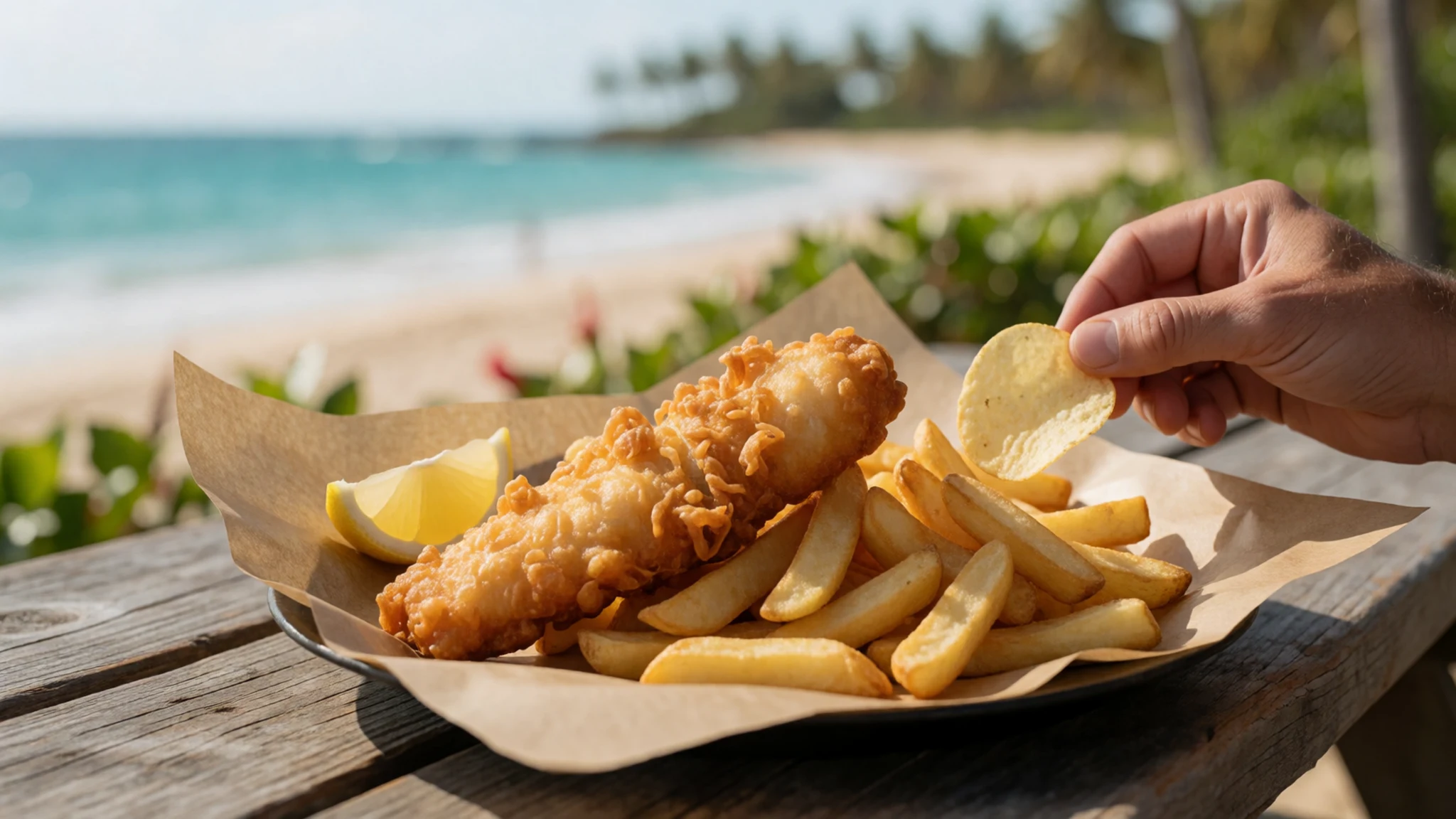
- Wild-Caught Barramundi — Waterfront seafood restaurants along Wharf Street
A prized regional river and estuary fish prepared in various styles, from pan-fried fillets with herb butter to Asian-inspired chilli and ginger sauces. Sample it at open-air seafood eateries overlooking the marina and inlet waters.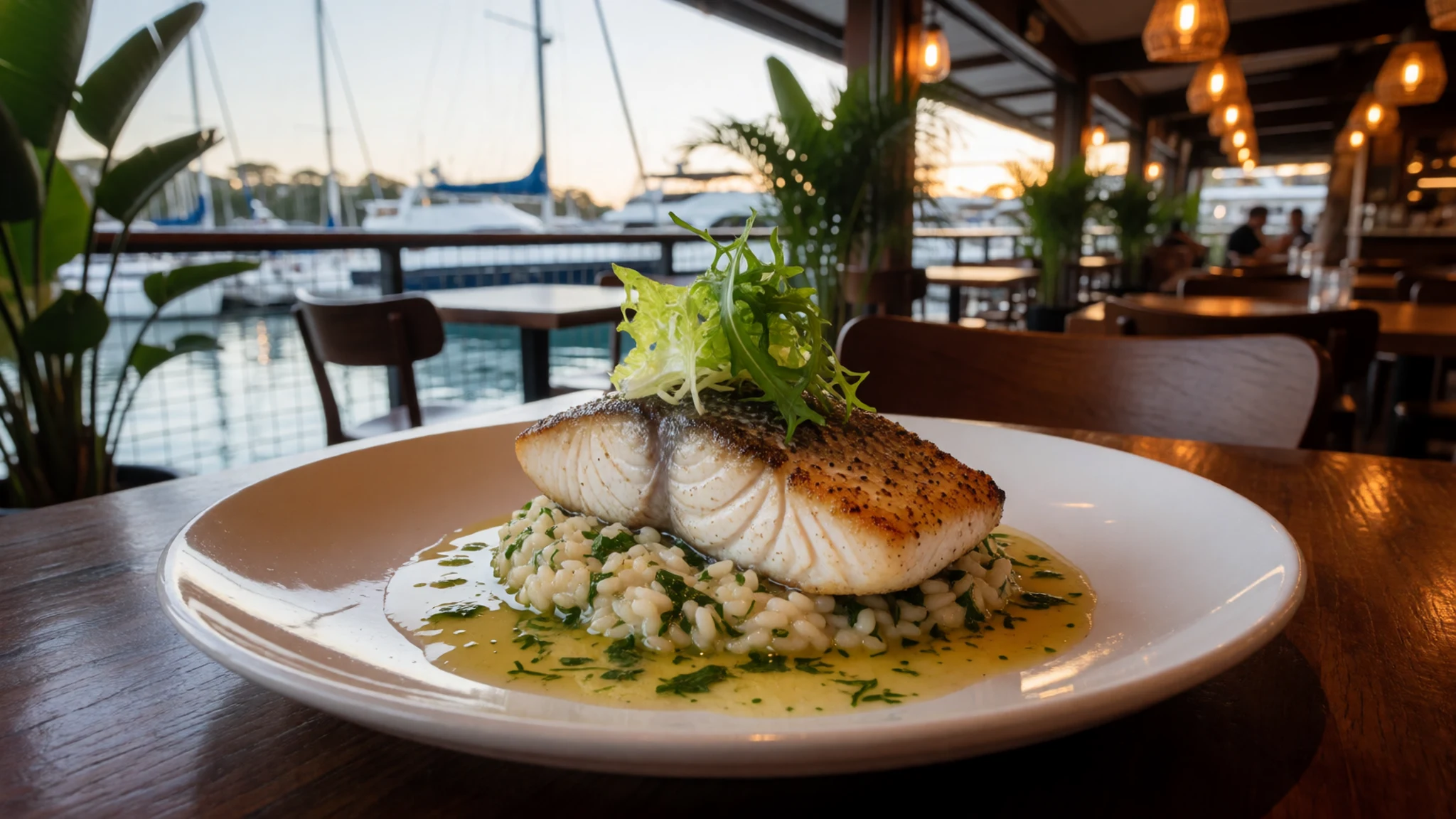
- Asian-Inspired Plant-Based Street Food — Macrossan Street eateries
Creative, vibrant vegetable dishes drawing on Southeast Asian flavour profiles, utilising fresh local tropical herbs, crisp greens, and aromatic spices. Find these innovative plates at popular local dining spots along the main commercial strip. - Tropical Fruit Platters — Sunday markets at Rex Smeal Park
An abundant selection of locally grown seasonal fruits such as pawpaw, mango, lychees, and dragon fruit, harvested from the surrounding fertile tablelands. These feature heavily in breakfast menus and open-air market stalls across town. - Craft Beer — Local heritage brewery near the inlet
Locally brewed ales and lagers crafted on-site using pure regional water and distinctive Australian ingredients, offering a refreshing counterpart to the tropical heat. Enjoy a cold schooner in the expansive courtyard of the local heritage brewery.
Plan it
Best time. May to October offers the most comfortable weather, featuring lower humidity, minimal rainfall, and pleasant daytime temperatures outside the wet summer monsoon.
How long. 3–4
Getting there. Fly into Cairns Airport, then take a scenic one-hour drive north along the Captain Cook Highway via rental car or scheduled coach transfer.
Budget. mid
Tips
- Book reef cruises and sanctuary visits well in advance during the peak dry season
- Swim only in designated patrolled netted areas on Four Mile Beach during stinger season
- Keep a safe distance from all water edges due to potential saltwater crocodile habitats
- Carry a reusable water bottle and stay hydrated in the high tropical humidity
- Pack a lightweight rain jacket regardless of the season due to sudden tropical showers
Etiquette
- Respect all marine stingers and crocodile warning signs near natural waterways
- Support local Indigenous-owned cultural tours and enterprises with cultural sensitivity
Nearby
Sources
- Wikidata Q1364325 (CC0)
- Wikipedia (rev 1372979354) (CC BY-SA 4.0)
- Wikivoyage (rev 5366104) (CC BY-SA 4.0)