Pompeii
Pompeii, Italy
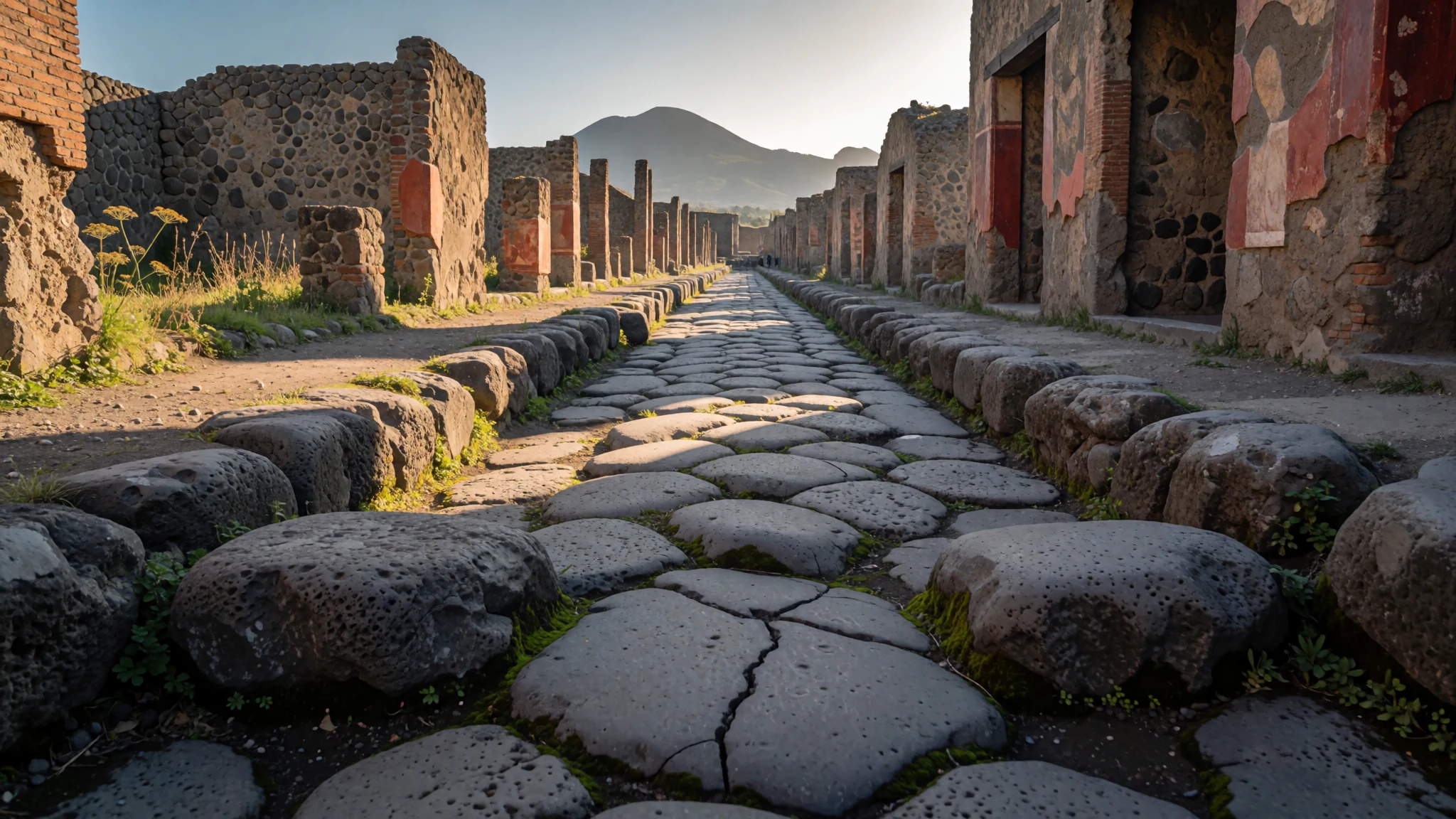
Walk through an entire ancient Roman city preserved beneath volcanic ash, offering an unmatched window into daily life in antiquity.
The place
Pompeii stands near modern Naples in the Campania region of Italy, occupying a vast archaeological site that captures an entire municipality frozen at the moment of disaster. When Mount Vesuvius erupted, burying the settlement under thick layers of volcanic ash and pumice, it inadvertently preserved streets, villas, shops and public spaces with astonishing clarity. Visitors today walk along chariot-grooved stone paving slabs, passing through residential doorways into courtyards once decorated with vivid wall paintings and elaborate floor mosaics. The urban layout reveals ancient civic planning, featuring public squares, temples, theatres and commercial districts that once bustled with thousands of residents. Excavations over the centuries have uncovered not only grand marble-columned structures but also humble workshops, bakeries and taverns carrying political slogans and personal graffiti scratched onto exterior walls. Organic remains trapped within the hardened ash layers eventually decayed, allowing researchers to pour liquid plaster into the voids and cast the exact final shapes of human victims and animals in their last moments. This catastrophic preservation makes Pompeii an invaluable archaeological archive, revealing intimate details of Roman domestic arrangements, social hierarchies, dietary habits and religious practices across different strata of ancient society. Far from being a static collection of broken stones, the site sprawls across hectares of open landscape against the looming silhouette of the volcano that destroyed it, inviting travellers to step directly into the ancient Mediterranean world without the filter of centuries of subsequent rebuilding.
Its story
Pompeii possesses a history stretching centuries before the famous Roman catastrophe, evolving from a small Oscan farming settlement into a wealthy trading hub influenced by diverse Mediterranean cultures. The earliest stable communities arrived in the area during ancient times, establishing small agricultural villages that gradually merged into a unified community around a central crossroad linking important regional centres. As Greek sailors and traders arrived in Campania, the settlement fell into the Hellenic orbit, introducing distinctive architectural elements such as the Doric temple that later formed part of the Triangular Forum. During subsequent centuries, the community constructed an impressive fortification wall enclosing a much larger area than the original nucleus, demonstrating early wealth and civic ambition. Maritime trade flourished following the establishment of a small river port, connecting local producers with wider commercial routes across the sea. Control of the region shifted through various regional powers before the community was fully integrated into the Roman world, undergoing significant urban expansion, monumental building projects and the installation of sophisticated water distribution systems. Earthquakes preceded the final volcanic disaster, testing the resilience of the local population as they repaired damaged temples and public spaces. When the mountain finally discharged its deadly burden of pumice, ash and superheated gas, it brought centuries of continuous urban evolution to an end over two days, first with a long rain of pumice and then with deadly surges of hot gas that struck during the night or the following morning, sealing the ancient buildings beneath protective strata that kept them hidden from view until modern antiquarians began the slow process of unearthing them.
What to see
- Amphitheatre — Eastern sector near Sarno Gate
Located in the eastern corner of the site near the Sarno Gate entrance, this remarkably preserved stone arena is among the oldest known Roman amphitheatres. It once hosted gladiatorial combats and public spectacles for thousands of spectators, standing apart from the main civic centre with its own dedicated access routes and robust structural design.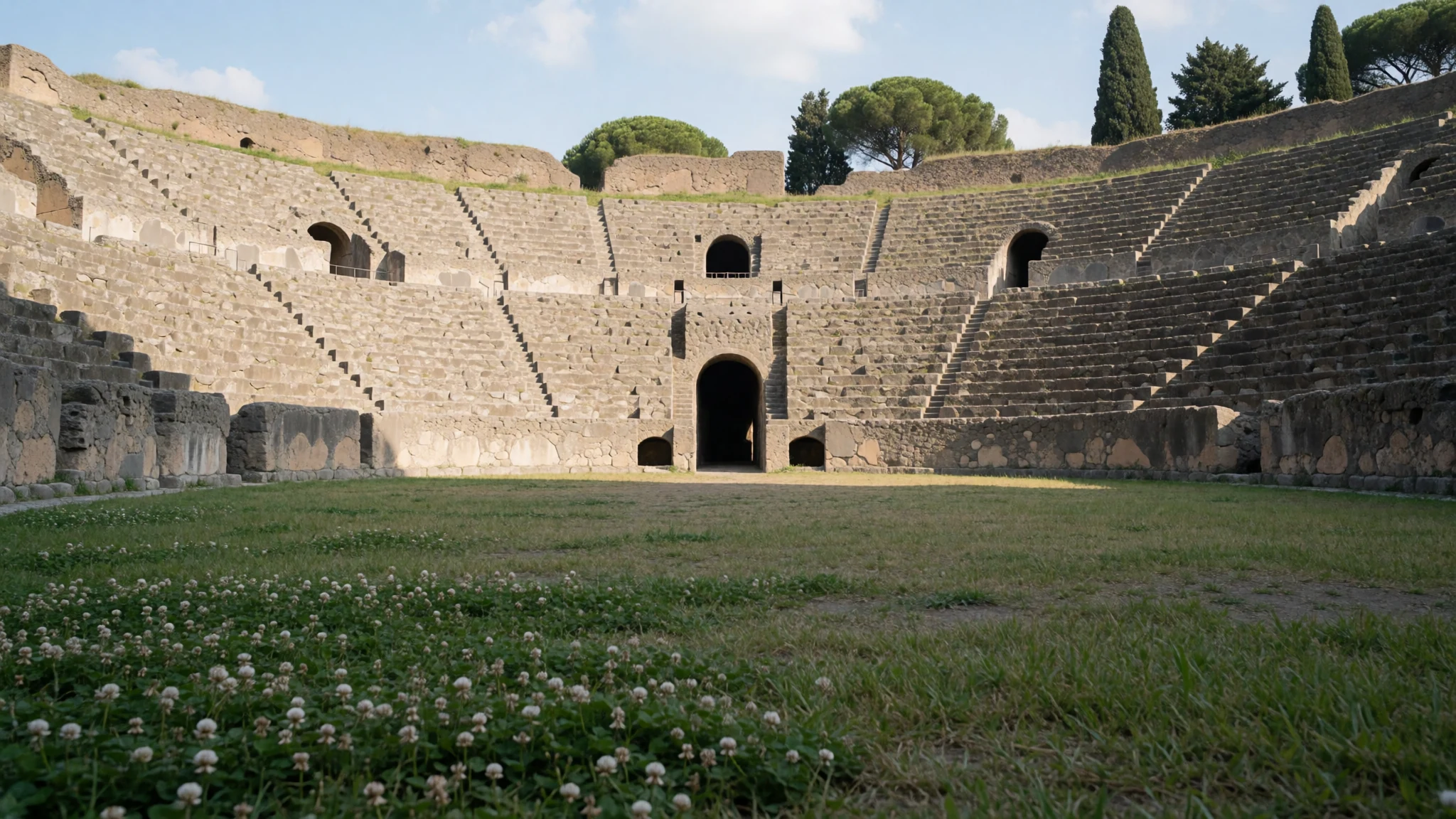
- Great Palaestra — Eastern district near the amphitheatre
Positioned directly opposite the amphitheatre, this expansive open-air sporting facility features a large central exercise ground surrounded by lengthy internal porticos on three sides. An elongated swimming pool sits at the heart of the complex, reflecting the importance placed on physical training, recreation and social gathering among citizens.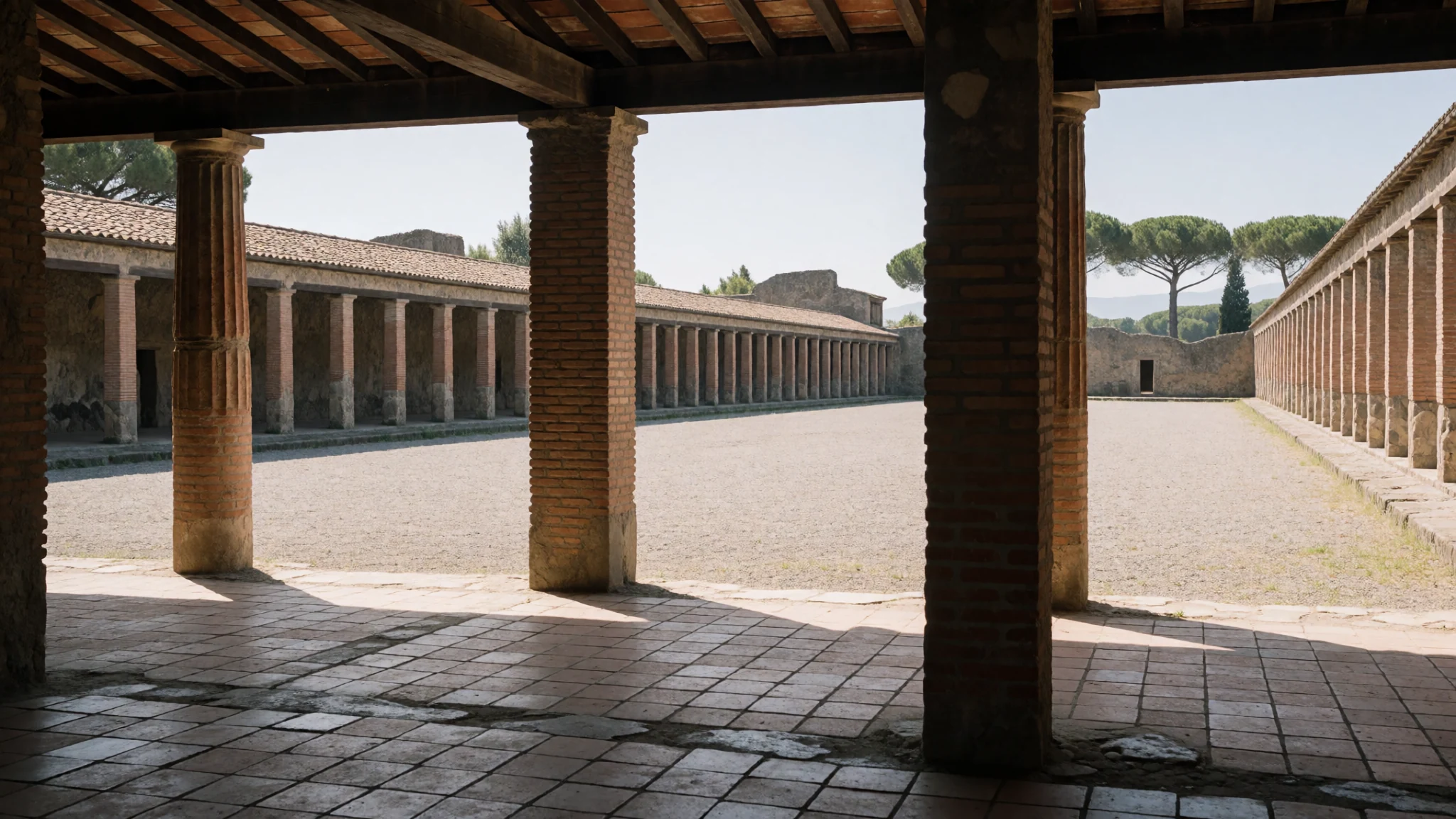
- House of the Vettii — Northern residential sector
Situated in the residential quarter, this opulent townhouse belonged to two brothers who rose from enslaved origins to become exceptionally affluent merchants. The property is celebrated for its remarkably well-preserved mythological frescoes, elegant reception rooms and a peristyle garden adorned with marble fountains and statues.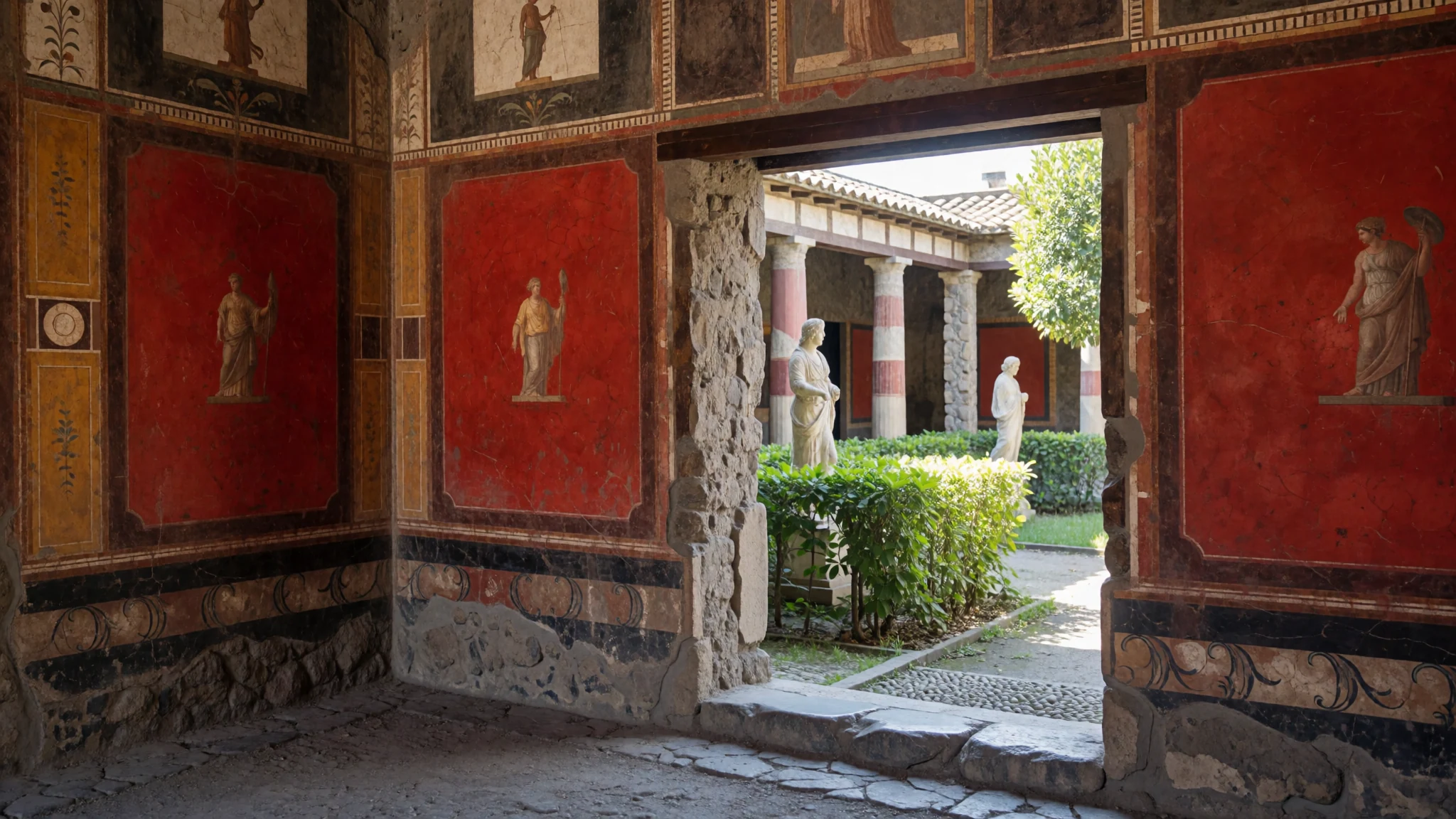
- House of the Faun — Central residential quarter
Occupying an entire city block, this sprawling aristocratic residence derives its name from the bronze figurine of a dancing faun discovered within its impluvium pool. It stands as an architectural masterpiece representing the fusion of traditional Italian room layouts with expansive Hellenic peristyle styling and intricate mosaic floors.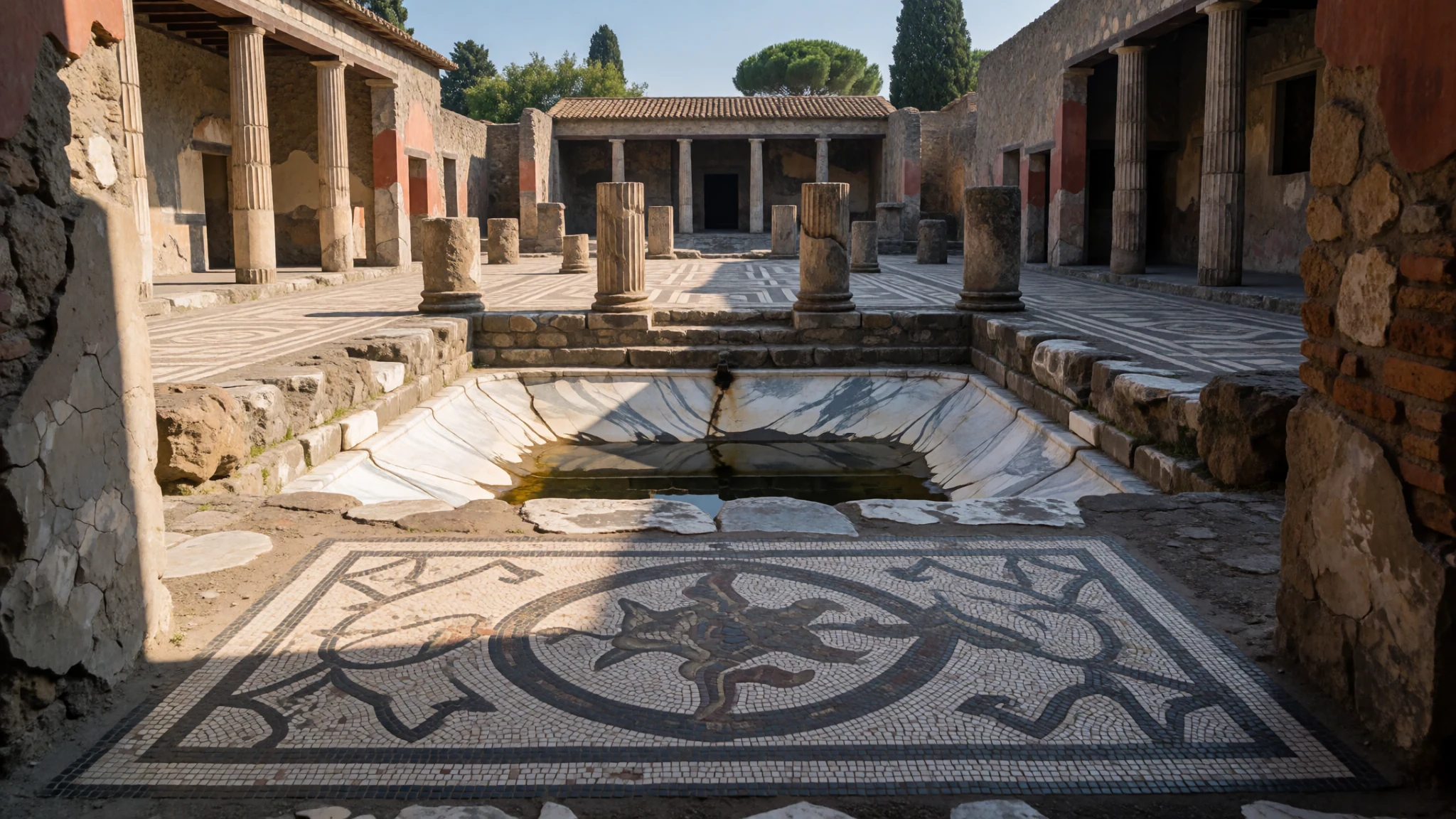
- Forum — Southwestern civic centre
Positioned in the southwestern part of the excavated zone, this sweeping paved square served as the historic beating heart of public, religious, judicial and commercial life. Towering columns and fragmented foundations outline the major civic basilicas, municipal offices and sacred enclosures that once commanded the civic affairs of the municipality.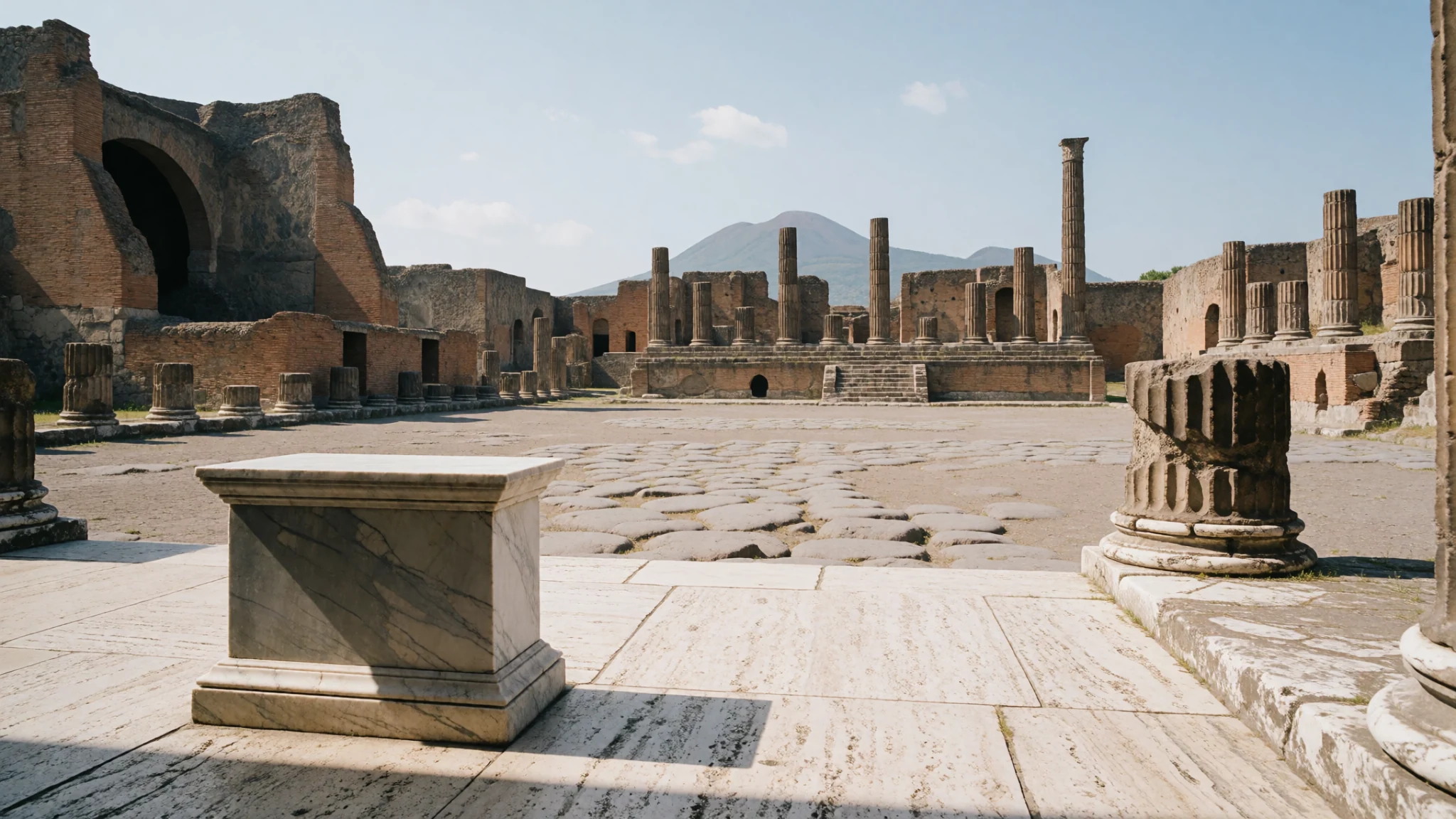
- Temple of Apollo — Western side of the Forum
Resting just north of the basilica on the western side of the main public square, this sacred sanctuary honours the deity associated with the early Greek presence in the area. Upstanding tufa columns and a surviving bronze statue mark an enclosure that blended foreign religious traditions with local Roman worship.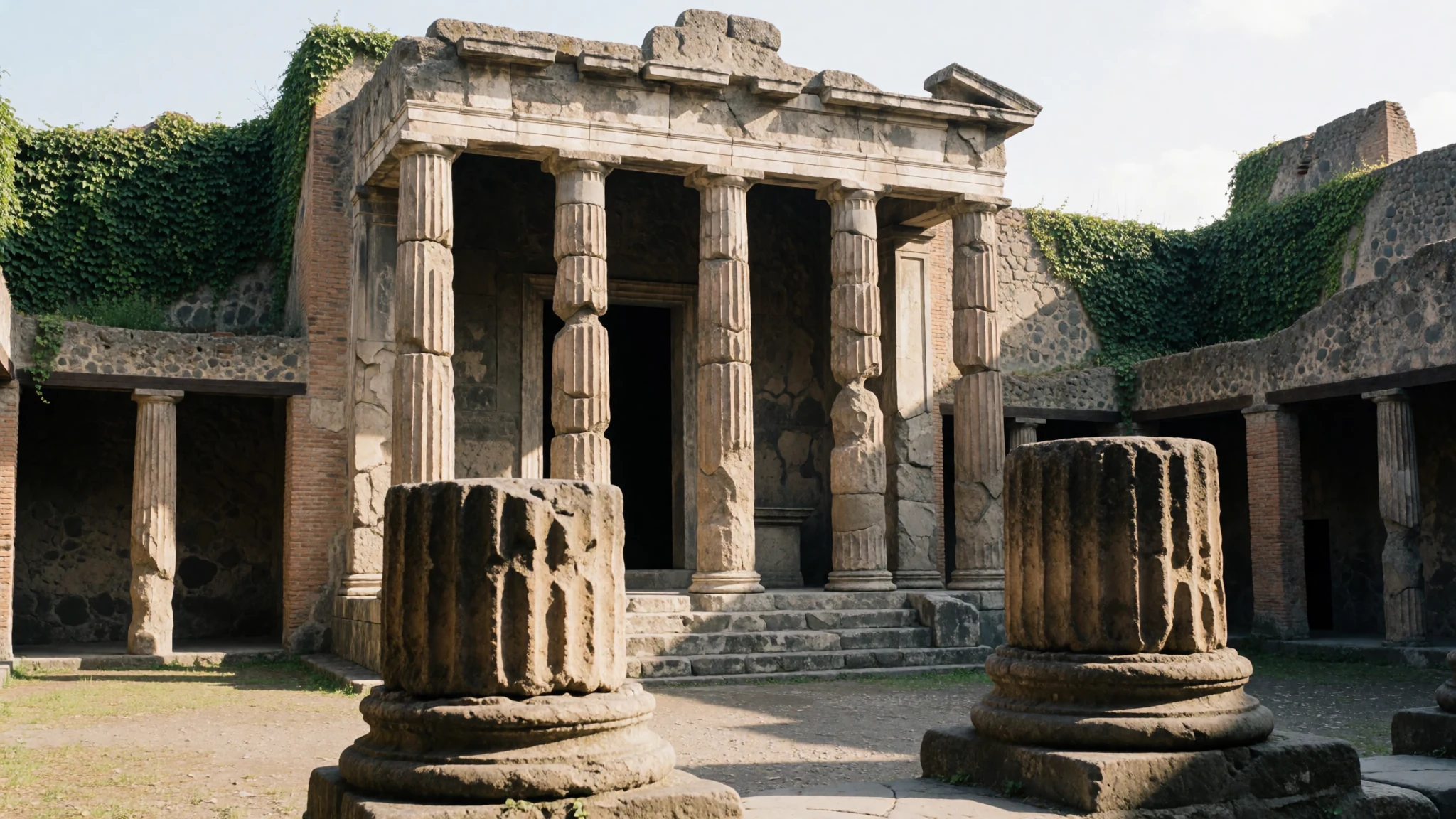
Culture
Pompeii occupies a unique space in modern Italian culture, serving as a solemn open-air monument to ancient Mediterranean civilization while functioning as a major archaeological laboratory. The surrounding Campania region maintains a distinct local identity defined by vibrant dialects, agricultural traditions linked to volcanic soils, and a deep-rooted pride in classical heritage. Contemporary visitors encounter a landscape where academic researchers work side-by-side with international tourists, preserving fragile frescoes and fragile structural remains against the elements. Local artisans and tour guides keep the memory of the ancient municipality alive through traditional crafts, storytelling, and regional hospitality rooted in nearby towns and villages. Respect for the solemnity of the archaeological context is paramount, as many areas within the ruins served as final resting places for ancient inhabitants. Visitors must stay strictly on marked pathways, refrain from touching delicate wall paintings or climbing on ancient masonry, and dress respectfully when exploring sacred temple enclosures.
What to wear
Traditional dress in historic Campania reflected Mediterranean climates and Roman influences, utilizing lightweight linens, wools and draped garments secured with pins rather than complex tailoring. Modern residents of the surrounding modern municipality dress in contemporary European styles, favouring smart-casual attire, lightweight trousers, shirts, and comfortable footwear suitable for daily life and seasonal shifts in temperature. Travellers visiting Pompeii should prioritise practicality above all else, choosing sturdy walking shoes or trainers with good grip to navigate uneven stone streets, ancient paving blocks and steep thresholds. Because the extensive archaeological park offers very little shelter from the Mediterranean sun, lightweight, breathable fabrics, sun hats, and sunglasses are essential gear during warmer months. Layering is recommended for spring and autumn visits when morning breezes give way to warm afternoon sun. Modest clothing that covers shoulders and knees is appreciated when visiting sacred temple sites within the complex, ensuring a respectful approach to ancient spaces of worship.
What to eat
- Panino from Porta Marina stands — Kiosks near the Porta Marina entrance
Grab a freshly prepared filled bread roll from the kiosks near the main gates. These substantial sandwiches make ideal portable fuel for walking the extensive ruins.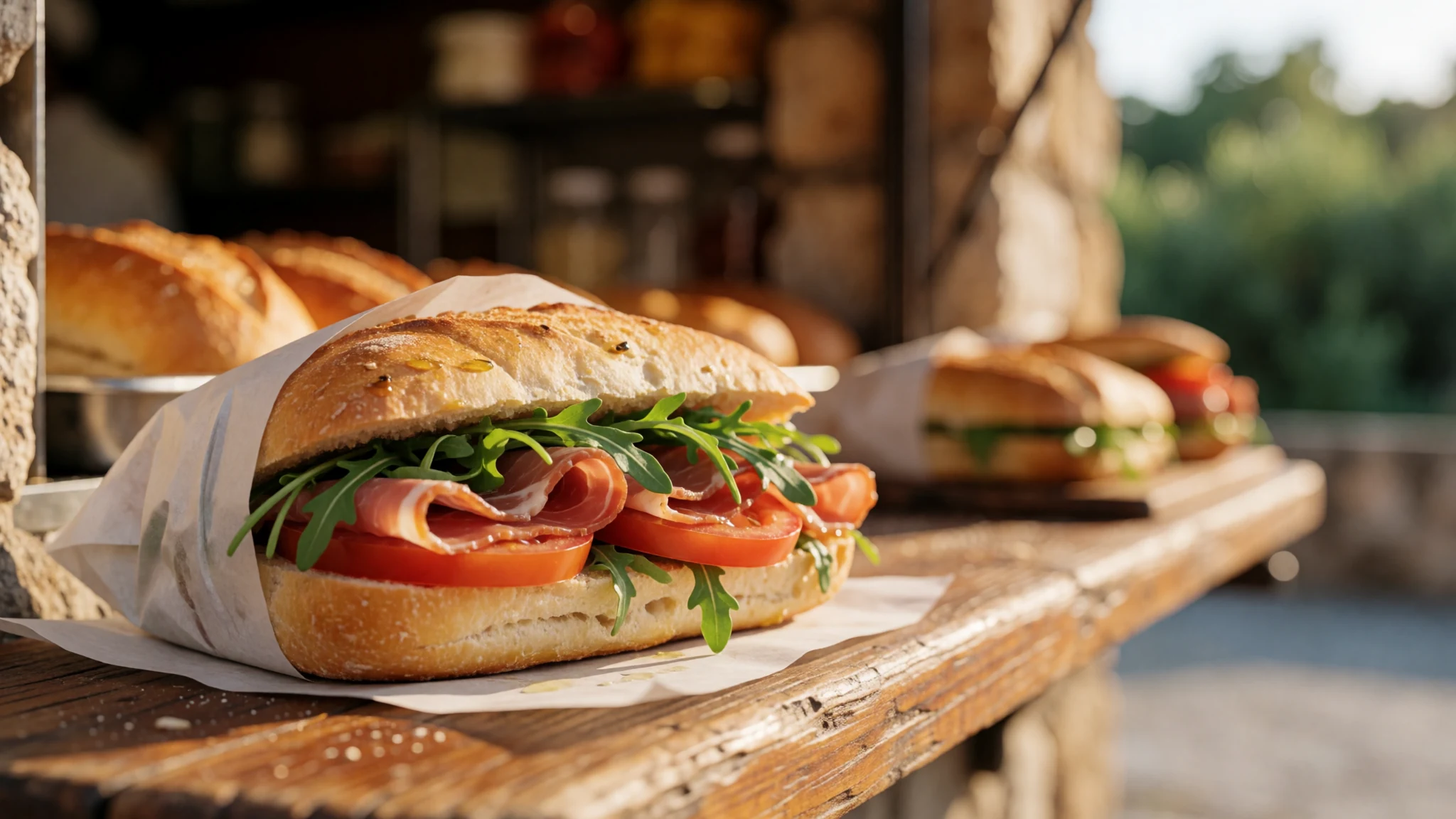
- Fresh citrus juices — Street vendors outside station approaches and gates
Sip freshly pressed orange and lemon juices sold from street carts and station shops. They offer vital, vitamin-rich refreshment during hot days exploring dusty archaeological paths.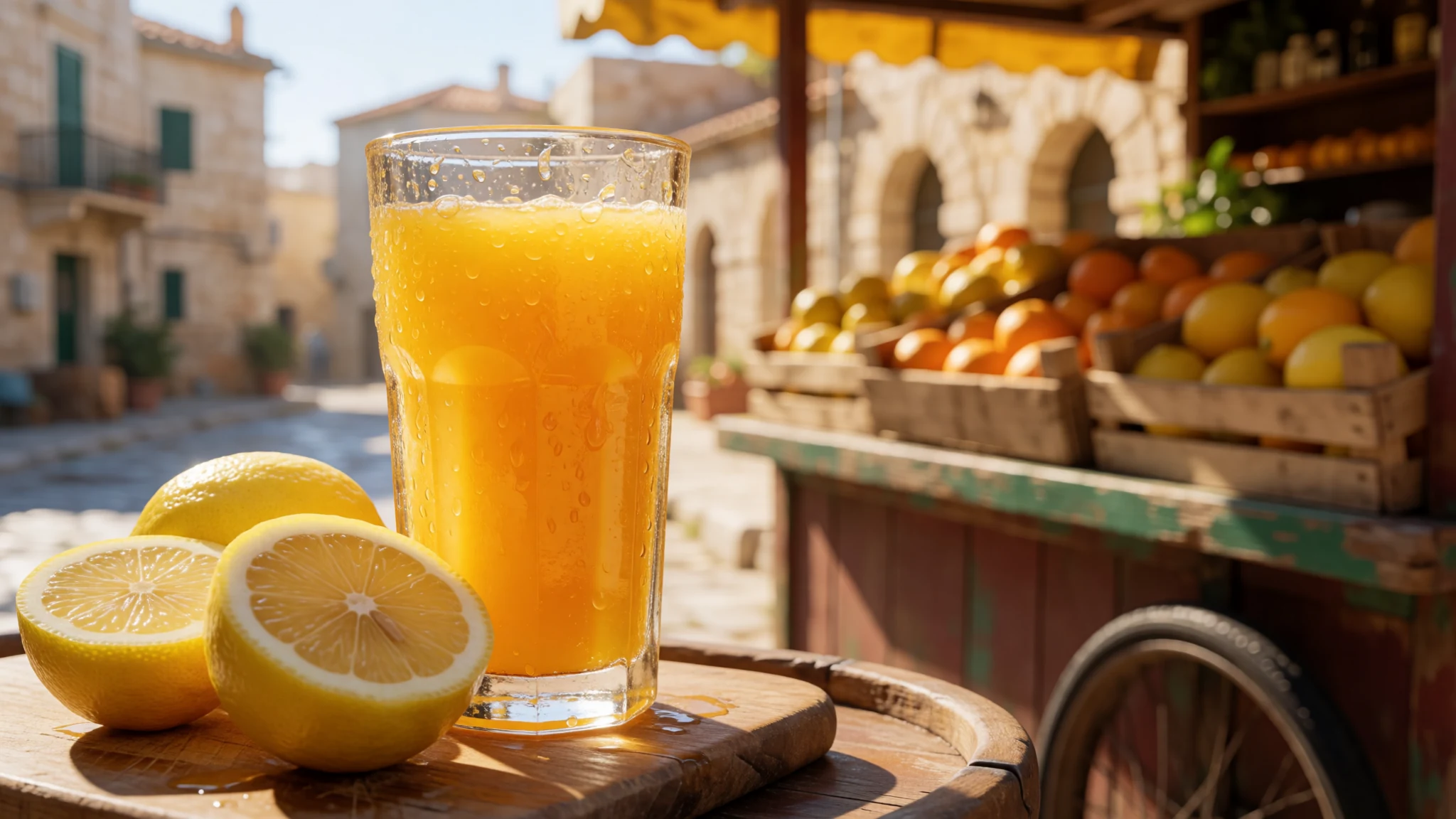
- Gelato from service windows — Service windows facing the street near the Forum
Cool down with Italian ice cream purchased from street-facing service windows near the central site restaurant. It provides a sweet, immediate remedy against summer heatwaves. - Forum café snacks — Café area just north of the Forum
Take a restorative break at the cafeteria located just north of the main public square. While simple, it offers air-conditioned seating and essential restroom facilities.
Plan it
Best time. March for mild spring warmth before the summer heat builds, or October to November for cooler walking weather without peak summer crowds, though October still runs warm; June through August brings intense heat and strong sun.
How long. 1–2
Getting there. Arrive by train via Trenitalia to Pompei or Pompei-Scavi stations, or take the Circumvesuviana railway to Pompei Santuario, followed by a short walk to the ruins.
Budget. mid
Tips
- Wear sturdy walking shoes to cope with uneven ancient stone pavements and high steps
- Bring a refillable water bottle and sun protection, as shade inside the open archaeological park is limited
- Arrive early in the morning to beat tour bus crowds and midday heat
- Check the official website for current opening hours, ticket information and exhibition updates
Etiquette
- Stay strictly on designated paths and do not touch ancient frescoes or stonework
- Maintain a respectful tone throughout the site, recognizing its history as an ancient burial ground
Nearby
Sources
- Wikidata Q43332 (CC0)
- Wikipedia (rev 1377727528) (CC BY-SA 4.0)
- Wikivoyage (rev 5386068) (CC BY-SA 4.0)