Pollino National Park
Pollino National Park, Italy
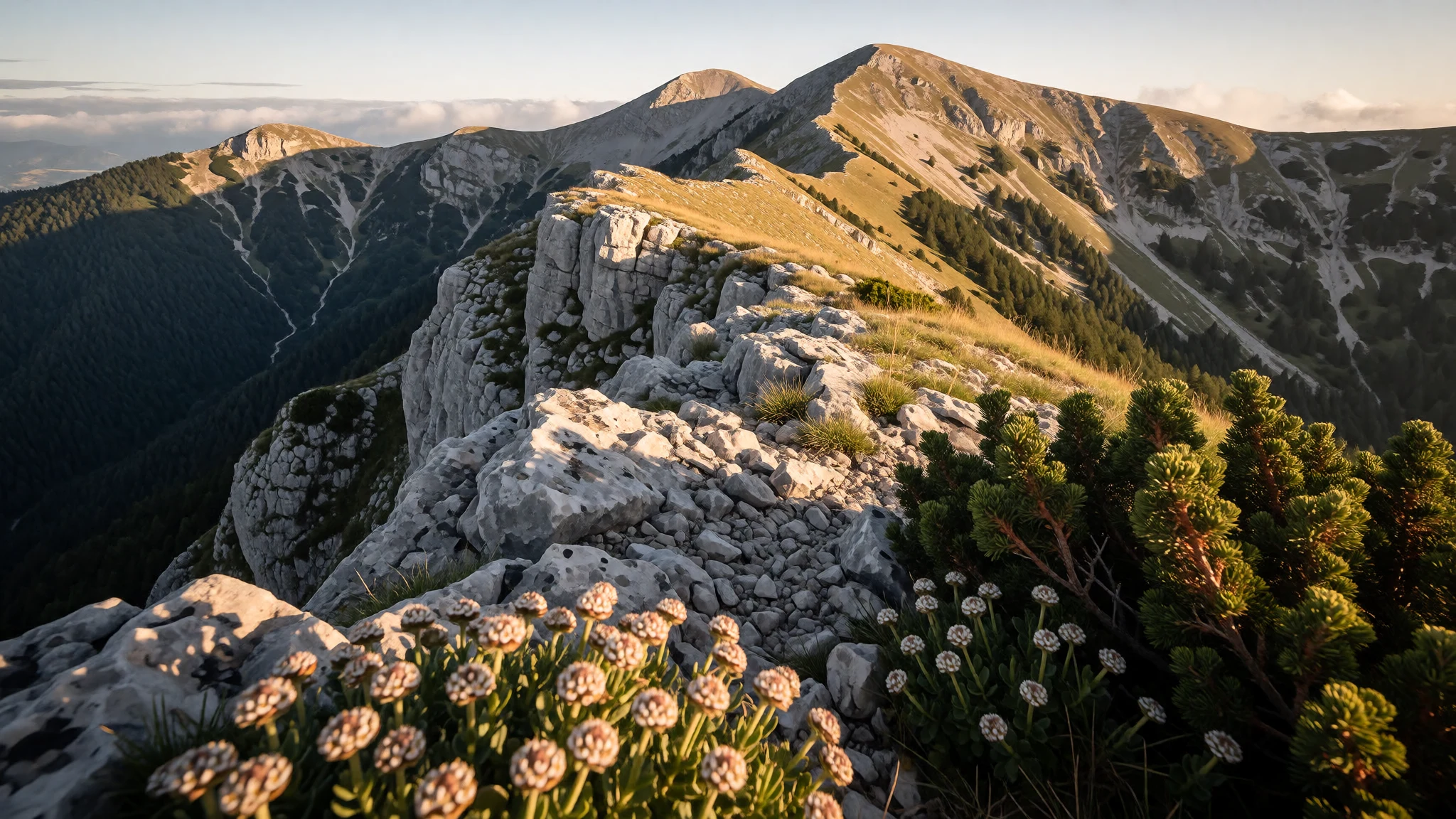
Pollino National Park is a high southern massif of pine ridges, beech woods, river gorges and Albanian-speaking villages between Calabria and Basilicata.
The place
Pollino National Park, the Parco Nazionale del Pollino, covers the southern Italian peninsula where the provinces of Cosenza, Matera and Potenza meet. The park takes its name from the Pollino massif, the long ridge that forms the border country between Calabria and Basilicata. Founded in 1988, it is a national park and a UNESCO Global Geopark. Day-to-day running is set out at https://parconazionalepollino.it/.
Beech is the tree that fills most of the woods, a closed canopy on the middle slopes that turns a dull copper in autumn. Above that belt, Heldreich's pine, the Bosnian pine, grows in scattered stands on thin soil and is the park's emblem. Open ground also carries medicinal herbs, among them milk thistle. Water leaves the massif by the Lao, the Sinni, the Coscile, the Garga and the Raganello.
Castrovillari, Morano Calabro, Mormanno, Laino Borgo, Laino Castello, Papasidero, Civita and Cerchiara sit on the Calabrian approaches; Rotonda and San Severino Lucano face the Lucanian pastures and the falls at Bosco Magnano. San Paolo Albanese, San Costantino Albanese and a few nearby communes still speak Albanian at home. Italian wolf and red deer use the higher woods, while golden eagles, peregrine and lanner falcons, red kites and Egyptian vulture hunt the open slopes. Rivers hold the European otter. Beech stands shelter the Calabrian black squirrel, the forest dormouse and the black woodpecker, and choughs stay near the rock. Roe deer, wild boar and red fox share the lower woods. In the Valle del Mercure, excavations have found bones of Elephas antiquus and Hippopotamus major, animals of a much older river plain.
Its story
Pollino National Park took its name from the massif long before it took a legal boundary. Shepherds, woodcutters and the Albanian-speaking villages of the high communes already treated the ridge as one country, even though the map split it between Calabria and Basilicata. The woods, the pine stands and the river gorges were the shared ground. Formal protection arrived in 1988, when the Italian state drew a national park around that existing landscape rather than around a city or a monument.
The story the park tells on its own slopes is older than the statute. In the Valle del Mercure, remains of Elephas antiquus and Hippopotamus major show a warm, wet plain where elephants and hippopotamuses lived before the mountains wore their present shape. Later, beech occupied the middle heights and the Bosnian pine held on where the wind and the rock left little soil. That pine became the emblem: rare, slow, and easy to lose if the high pastures were opened without care.
People's history sits in the towns. Morano Calabro keeps the convent of Colloreto; Cerchiara keeps the church of Madonna delle Armi; Civita, San Paolo Albanese and San Costantino Albanese keep a language and a calendar of their own. The Lucanian and Calabrian sides still cook, marry and keep feast days differently, and the park's job has been to hold the ridge in common without flattening those differences. Recognition as a UNESCO Global Geopark added a geological reading to that human one: the massif is valued for how it was built, not only for the trees on top of it.
What to see
- Monte Pollino and Serra Dolcedorme — Pollino massif
Monte Pollino and Serra Dolcedorme are the high pair at the centre of Pollino National Park, seen from the approach over Serra del Prete as a long pale crest above the woods. The walk up is the usual way to read the massif: beech giving way to open rock and to the Bosnian pines that mark the park.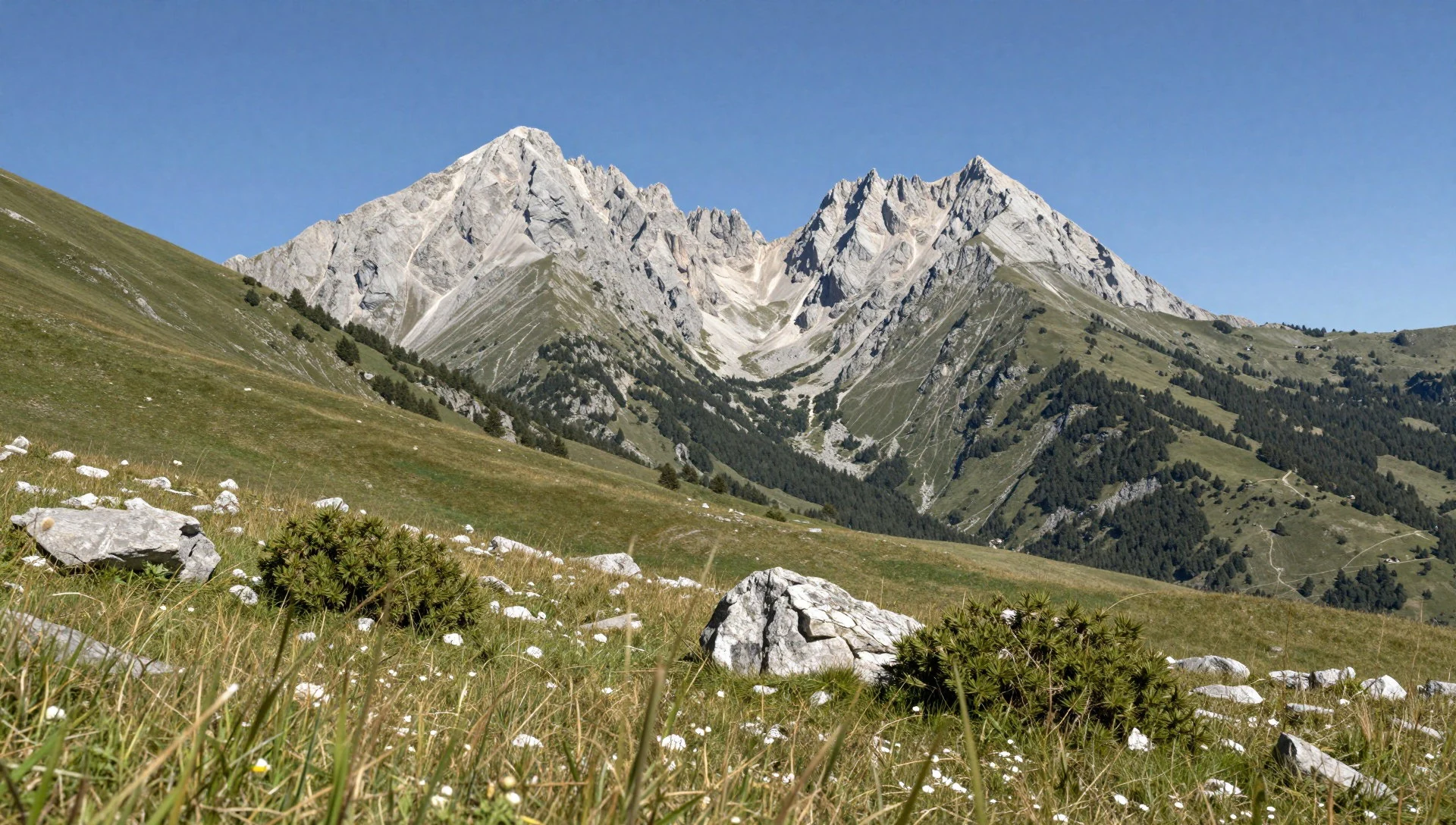
- Beech woods — Middle slopes of the massif
The beech woods of Pollino National Park cover the middle slopes and turn a dull copper in autumn. Common beech fills more of these woods than any other tree, in tall, even stands with a quiet floor of leaf litter. Walks here suit a cool day: the canopy breaks the sun, and side paths drop toward streams. Black woodpecker and forest dormouse use the same stands.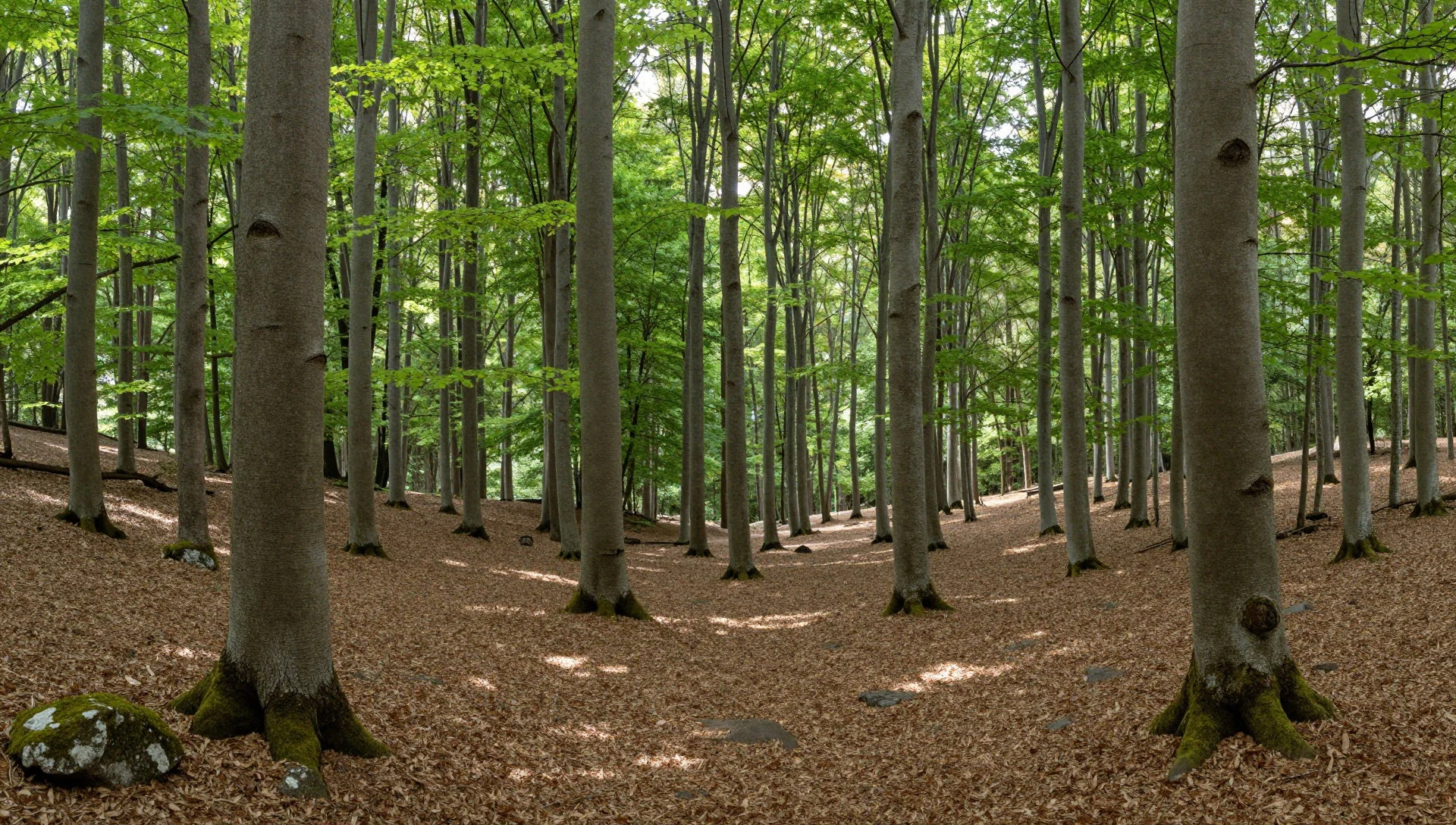
- Bosnian pines — High ridges
The old trees of Pollino National Park are the Bosnian pines on the high ground, Heldreich's pine, the tree the park chose for its mark. They stand apart from the beech, often with a thick trunk and a flat, wind-trained crown. A visit is a short walk from the roadheads rather than a single fenced monument.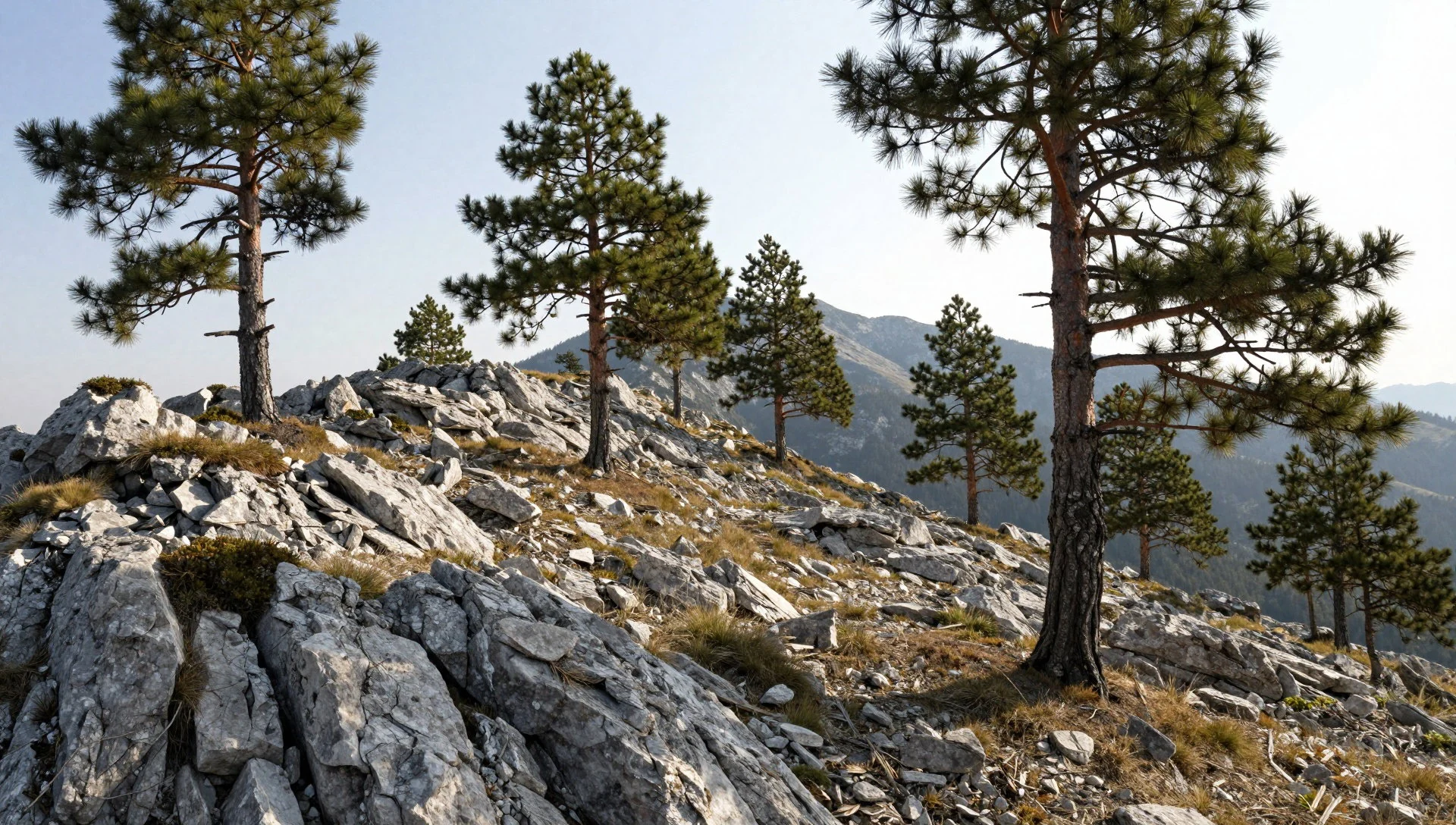
- Bosco Magnano waterfalls — San Severino Lucano, Basilicata
The waterfalls of Bosco Magnano lie in Pollino National Park on the Lucanian side, in the comune of San Severino Lucano, in the province of Potenza. A path through the wood leads to a drop where the stream falls in stages among moss and shade. The walk is shorter than the ridge routes, and it suits a morning when cloud is down on the summits.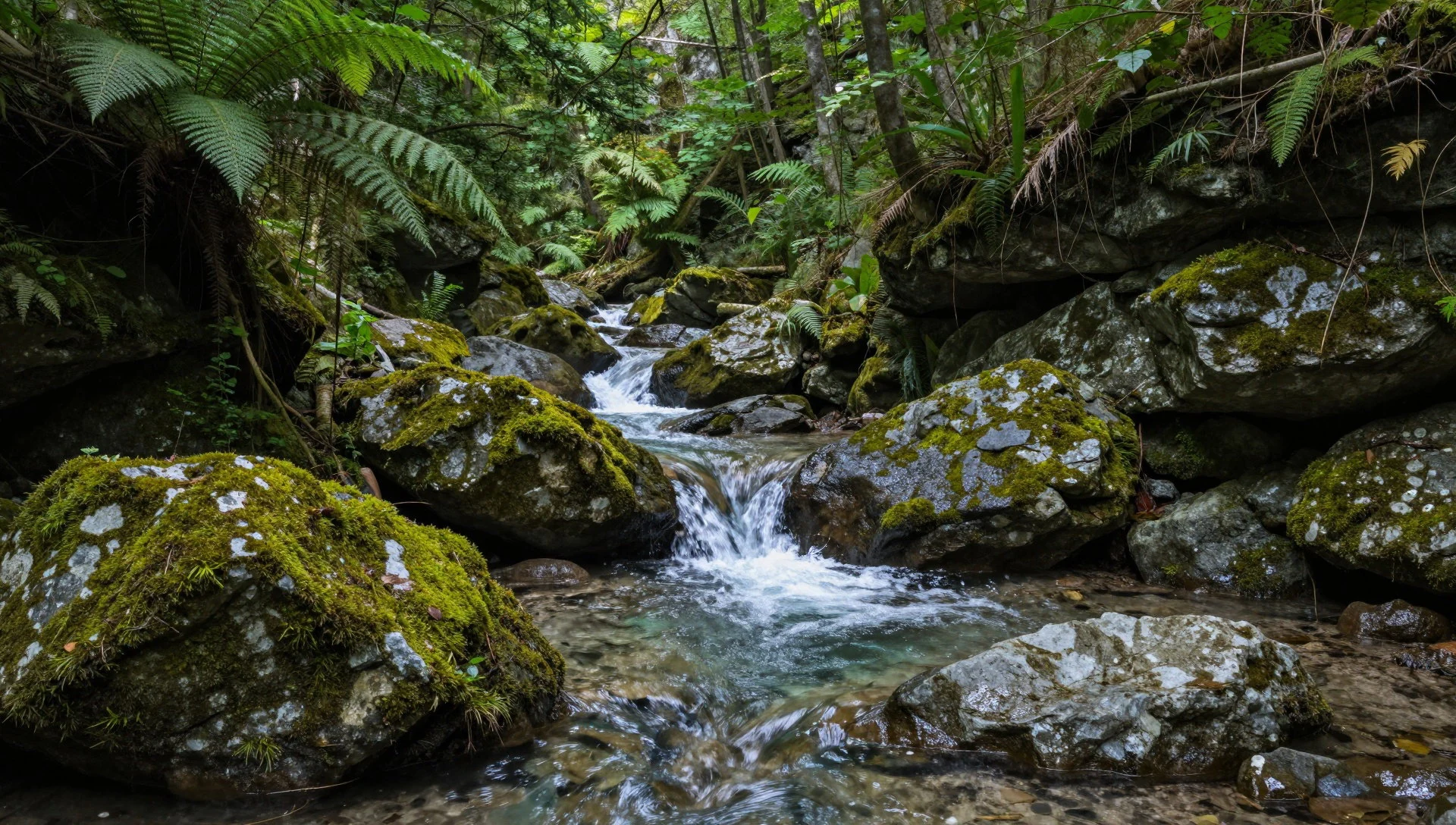
- Serra delle Ciavole — Serra delle Ciavole
Serra delle Ciavole, in Pollino National Park, is a long ridge where dawn arrives through a band of haze before the valleys clear. The view is less a single peak than a series of wooded shoulders, with the beech line below and open sky above. The same path later in the day is a high walk between pastures, and the crest cools quickly once the sun drops.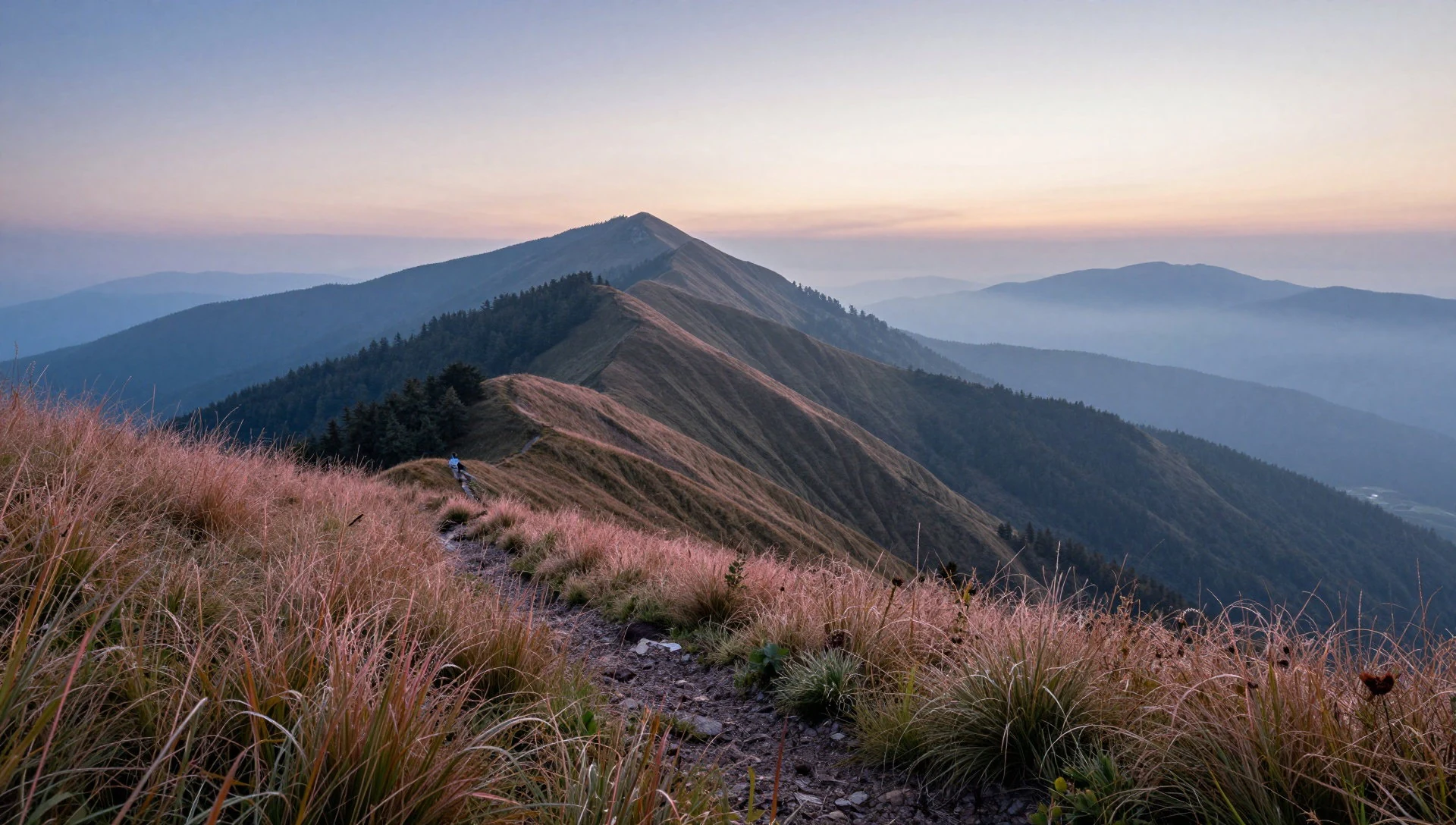
Culture
Pollino National Park is lived in, not only visited. The Calabrian and Lucanian sides share the ridge and keep separate habits: different patron saints, different kitchens, and an unhurried daily pace. In communes such as San Paolo Albanese, San Costantino Albanese and Civita, Albanian is still spoken, and feast days bring out dress, song and a calendar that does not match the Italian one next door. Cross one ridge and the language at the bakery can change. Morano Calabro's convent of Colloreto and Cerchiara's church of Madonna delle Armi are part of that same parish life, not separate tourist sites. Small towns such as Rotonda, Mormanno, Laino Borgo and Castrovillari do the ordinary work of the park: schools, markets, trailheads and the evening walk.
The landscape is part of the culture. Beech wood, pine and pasture shaped how people farmed, and medicinal plants, including milk thistle, still grow where houses thin out. Ask before you photograph people at a feast or in a village street, and do not pick pines, herbs or flowers: they are protected, and the park asks you to leave them where they grow.
What to wear
Dress in Pollino National Park still splits between feast days and the working week. In the Albanian-speaking communes — Civita, San Paolo Albanese, San Costantino Albanese — women bring out festival costume for weddings and patron-saint days: long skirts, embroidered aprons, silk or velvet touched with gold thread, and a structured headdress. Those clothes are textiles with a job, worn for the dance and the procession, then stored. On the Lucanian and Calabrian sides, heavy wool once marked shepherds on the high pastures and still appears as a winter cape, though it is no longer everyday wear.
What people wear now is ordinary Italian clothing, chosen for weather rather than for display. In Castrovillari, Rotonda and Morano Calabro that means jackets, jeans and trainers on the street, and proper boots once the path leaves the square. On the ridges, hikers wear synthetic layers, a windproof shell and a sun hat.
Visitors need sturdy boots with a tread for wet beech leaves and slick rock at the waterfalls, a warm layer even in late spring, and a rain shell. Churches such as Madonna delle Armi and the convent of Colloreto expect covered shoulders and knees. Shoes come off if a step and a pair of slippers say so. Festival costume belongs to the families who own it; visitors do better to watch than to copy it.
What to eat
- Peperoni cruschi — Village grocers and Sunday markets in Rotonda and the Sinni valley
Peperoni cruschi are the dried sweet peppers of Basilicata, made from the Peperone di Senise and fried until they blister. On the Lucanian side of Pollino National Park they are crumbled over pasta or eaten whole. Village grocers and Sunday markets around Rotonda and the Sinni valley sell them loose.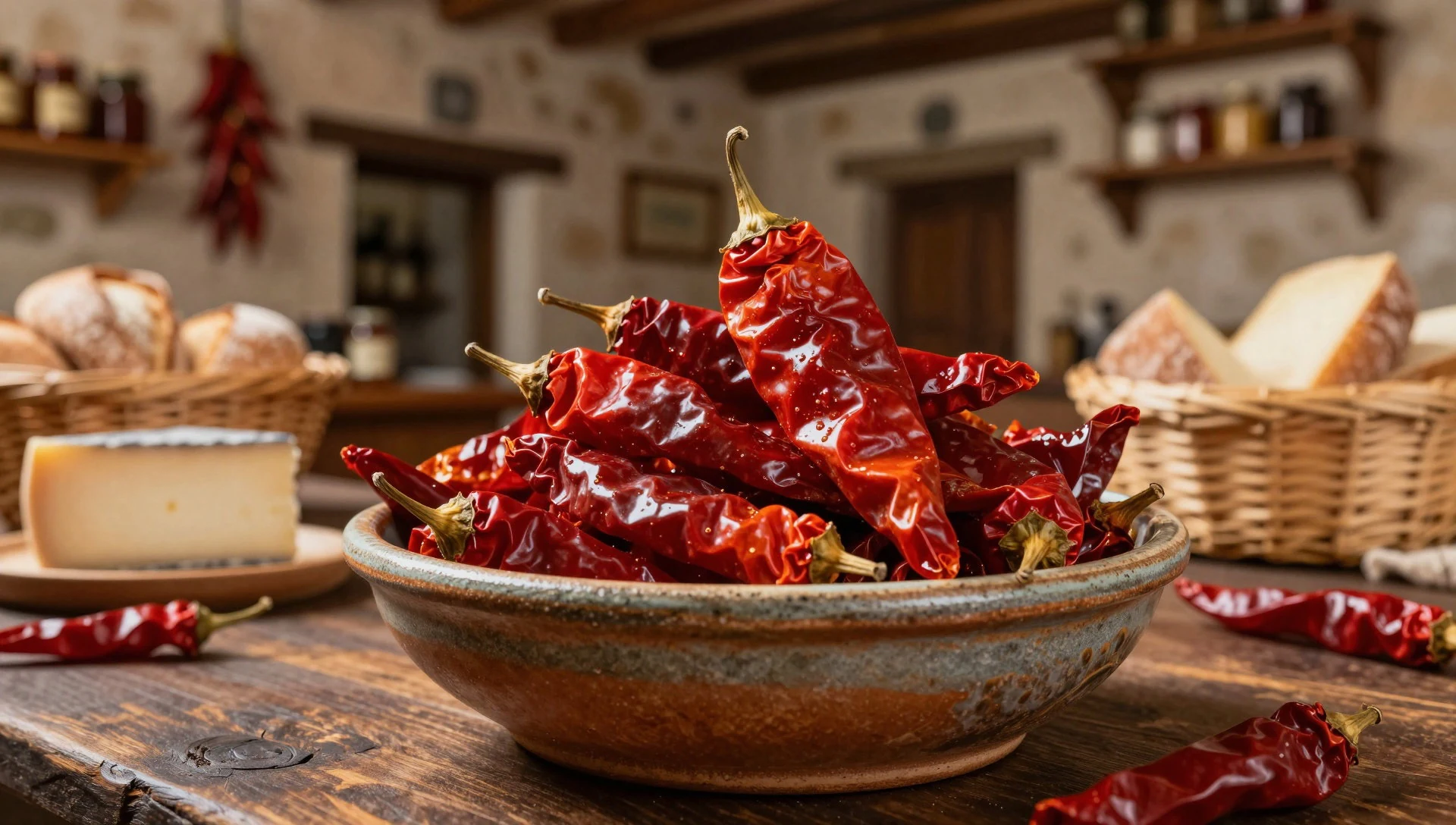
- Lucanica — Butchers and trattorie in Castrovillari, Rotonda and nearby Lucanian towns
Lucanica is the pork sausage of Basilicata, seasoned and hung to dry, and it is a fair way to start a meal in Pollino National Park. Butchers in Castrovillari, Rotonda and the smaller Lucanian towns sell it to cook at a rented kitchen or to eat grilled at a trattoria.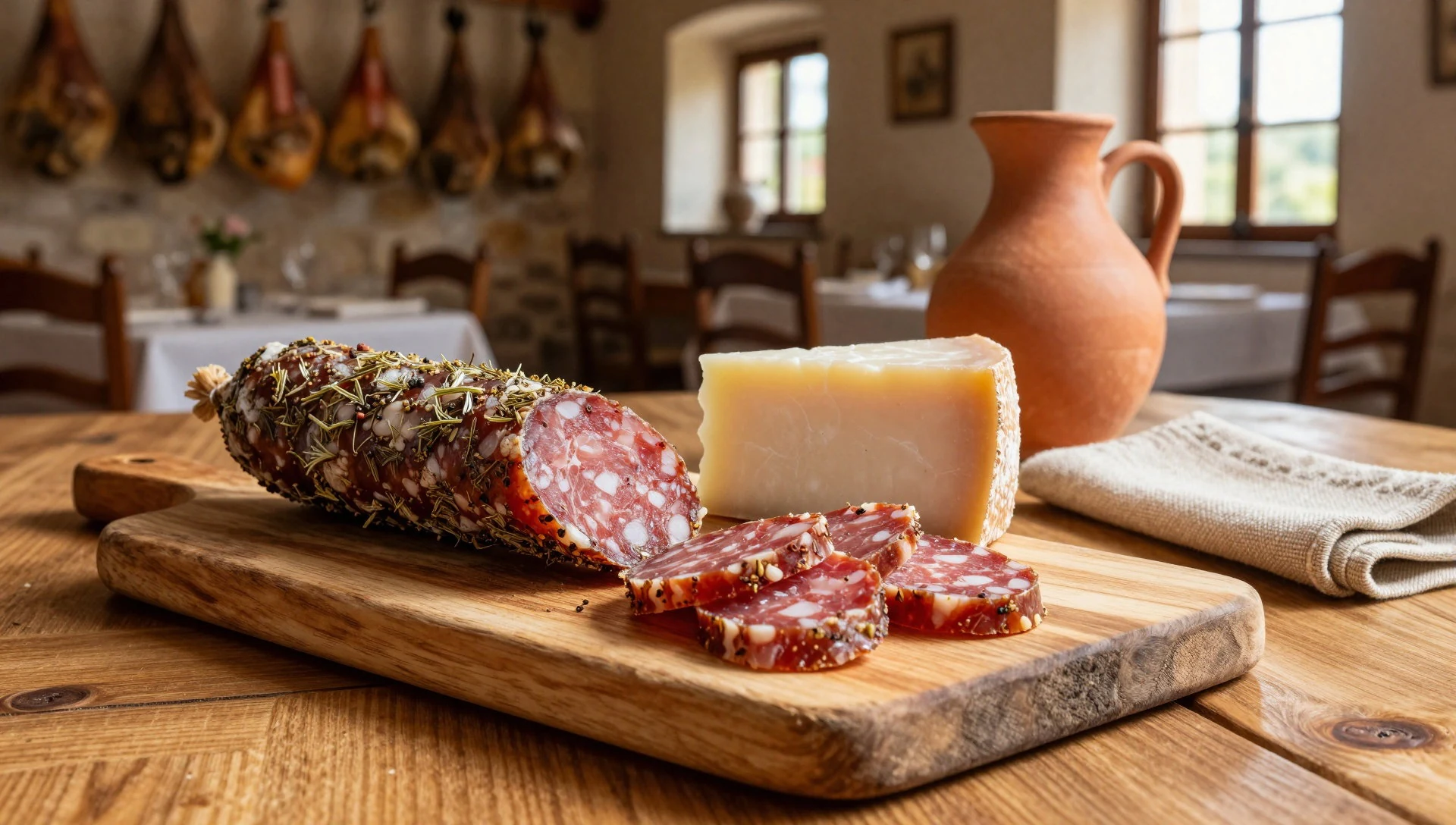
- Canestrato di Moliterno — Grocers and market stalls in Rotonda and the northern park towns
Canestrato di Moliterno is a hard sheep's cheese from the Lucanian uplands beside Pollino National Park. Grocers and market stalls in Rotonda and other northern park towns sell it in wedges, to grate over pasta or to eat with bread. It keeps well in a pack. - Breadcrumbs, chilli and horseradish — Trattorie in Morano Calabro, Rotonda and Castrovillari
Breadcrumbs, chilli and horseradish mark home cooking around Pollino National Park. Stale bread is grated and fried as a condiment, dried chilli brings the heat, and horseradish adds a sharper note. Trattorie in Morano Calabro, Rotonda and Castrovillari still cook this way at lunch. - Pane di Matera — Bakeries and grocers on the Lucanian side, including Rotonda and the Sinni valley
Pane di Matera is the bread of Matera, and it travels into Pollino National Park through bakeries and grocers on the Lucanian side. Shops in Rotonda and the Sinni valley towns often have a loaf or a local bread made in the same spirit.
Plan it
Best time. March, April and November are the comfortable months for walking in Pollino National Park, with fresh leaves or autumn colour in the beech and long daylight on the ridges. July and August are hotter in the valley towns and busier at weekends.
How long. 3–4
Getting there. Naples and Bari are the useful airports, and the last leg into Pollino National Park is by road. The A2 motorway from Salerno toward Reggio Calabria passes through the southern part of the park. Trains from Rome reach Potenza with a change at Salerno; a bus or a car then continues to Rotonda, Castrovillari or Morano Calabro. Check https://parconazionalepollino.it/ for which trailhead roads are open.
Budget. mid
Tips
- Read the park website for path closures before a ridge day.
- Begin long walks early, before afternoon cloud settles on the crest.
- Carry cash; village shops and small eateries often cannot take a card.
- Book a room in Rotonda, Morano Calabro or Castrovillari ahead of summer weekends.
- Carry water; springs on the upper paths are not signed as reliable.
Etiquette
- Ask permission before photographing residents, above all during feasts in the Albanian-speaking villages.
- Leave the Bosnian pines and any medicinal plants untouched, including milk thistle.
- In churches, cover shoulders and knees, and remove shoes where a step and slippers are waiting.
Nearby
Sources
- Wikidata Q1072838 (CC0)
- Wikipedia (rev 1362895236) (CC BY-SA 4.0)
- Wikivoyage (rev 5286170) (CC BY-SA 4.0)
- Monte Pollino and Serra Dolcedorme (Potito m. petrone) (CC BY-SA 1.0)
- Dawn haze on Serra delle Ciavole (Phildrum) (CC BY-SA 4.0)
- Old trees in Pollino National Park (Luangiphoto) (CC BY-SA 4.0)
- Beech woods on the Pollino massif (Potito m. petrone) (CC BY 3.0)
- Bosco Magnano waterfall (Abbrey82) (CC BY-SA 4.0)
- Milk thistle in Pollino National Park (Maud.eldritch) (CC BY-SA 4.0)
- Bosco Magnano waterfall, San Severino Lucano (Salva.Aba) (CC BY-SA 4.0)
- Cascata di Bosco Magnano (Mfran22) (CC BY-SA 4.0)


