Poblet Monastery
Poblet Monastery, Spain
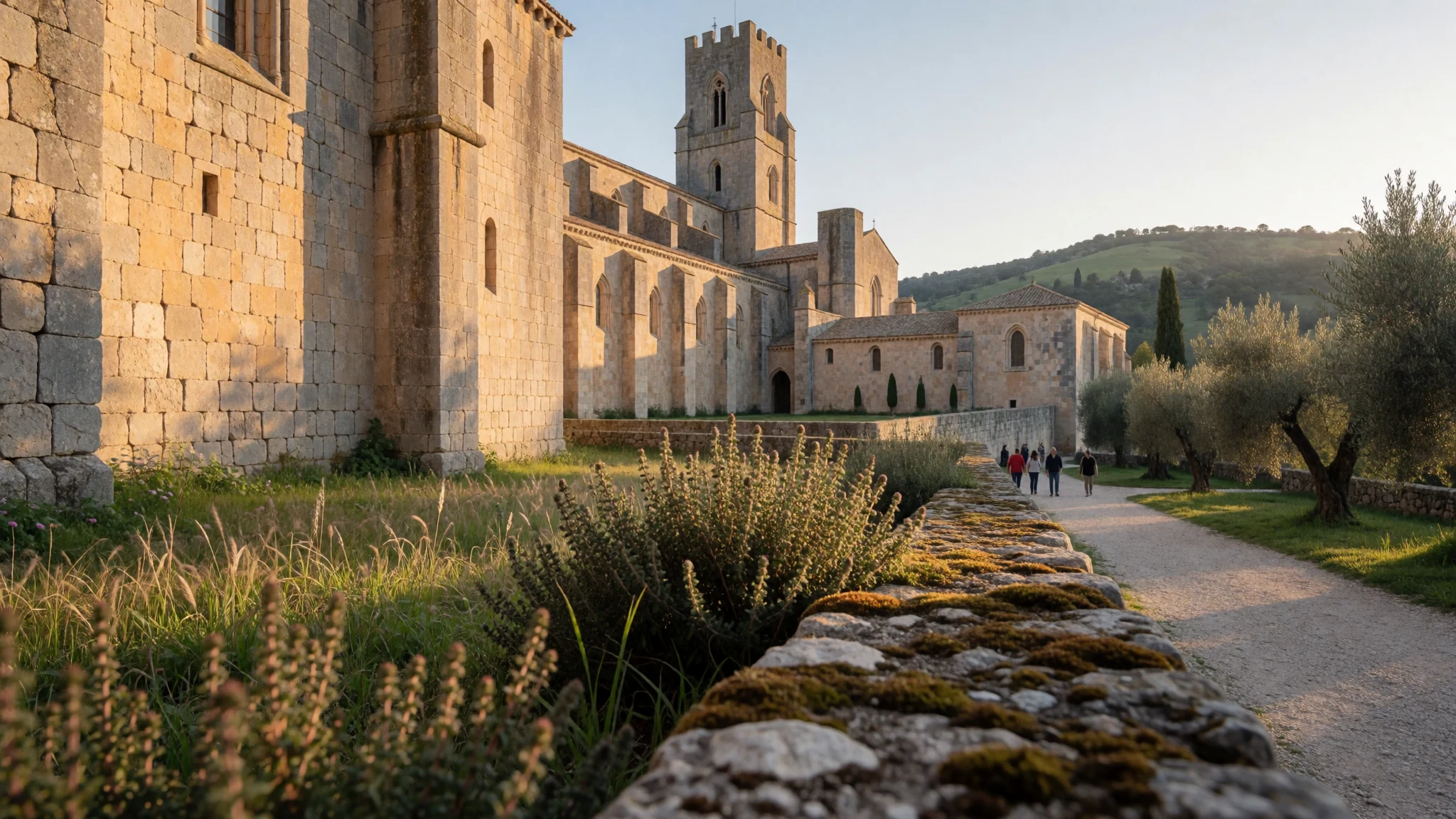
Poblet Monastery feels like a working time capsule: Cistercian calm, royal tombs and a monastery still alive with monks.
The place
Poblet Monastery—also known as the Royal Abbey of Santa Maria de Poblet (Reial Monestir de Santa Maria de Poblet)—sits at the foot of the Prades Mountains in Catalonia, Spain. This is a Cistercian monastery, founded in the mid-12th century, with an active community of monks and the steady rhythm that comes from a place designed for work, prayer and routine.
What makes Poblet stand out is how the complex layers history onto everyday stillness. The monastery’s cloistered spaces, stonework and layout aren’t just “pretty ruins”; they’re functional and lived-in. And because Poblet was tied to royal patronage, it also became a resting place for important figures—so you can move from quiet corners of monastic life to the solemn atmosphere of tombs without the visit ever feeling like a museum performance.
The setting helps, too. The monastery is tucked into a broader landscape of small towns, vineyards and nature around Conca de Barberà, including protected areas and hiking routes associated with the Cistercian heritage. The approach by road feels countryside-simple rather than city-slick, and that’s part of the charm: you arrive expecting stone and silence, and you get it.
Practical note: Poblet can be busy at peak hours, but it doesn’t feel like a theme-park crowd. The most comfortable experience usually comes from arriving early in the day, when the light sits gently on the walls and tour groups are still arriving.
Its story
Poblet’s story begins with Cistercian ambition—religious, but also political in a practical medieval sense. The monastery was founded by Cistercian monks from France, and it quickly became part of a wider network of sister houses. In Catalonia, these monasteries formed what’s often called the Cistercian triangle, a trio that helped consolidate power across the region in the 12th century.
By the time you walk through Poblet today, that history doesn’t feel like an abstract textbook idea. You can see it in the way the monastery’s spaces are organised for daily monastic life—enough structure to support routine, yet calm enough that you notice small sounds: footsteps on stone, a door closing, voices echoing in an arcade. The monastery’s focus on order and restraint is unmistakable.
Poblet also gained a distinctly royal layer. Being the Royal Abbey shaped its long-term importance: it wasn’t only a religious site but also a place where people connected to power wanted to be remembered. That’s where the tone changes as you encounter tombs and memorials—still solemn, but with a different kind of weight than the monastic spaces around them.
There’s another kind of continuity, too: Poblet isn’t just a stop on a cultural route. It has an active monastic community, so the monastery stays rooted in ongoing practice rather than becoming solely a heritage stage. For many visitors, that’s the emotional difference: Poblet doesn’t just tell you about the past; it lets you share a little of the present-day discipline that survived.
What to see
- Royal Monastery of Santa Maria de Poblet (Poblet Abbey), Vimbodí i Poblet — Poblet (Vimbodí i Poblet), Conca de Barberà
Start with the main monastic complex. Poblet is a Cistercian monastery with an active community of monks, so expect atmosphere rather than crowd noise. Focus on the cloistered spaces, the sense of symmetry, and the quiet rhythm that still shapes how the buildings feel.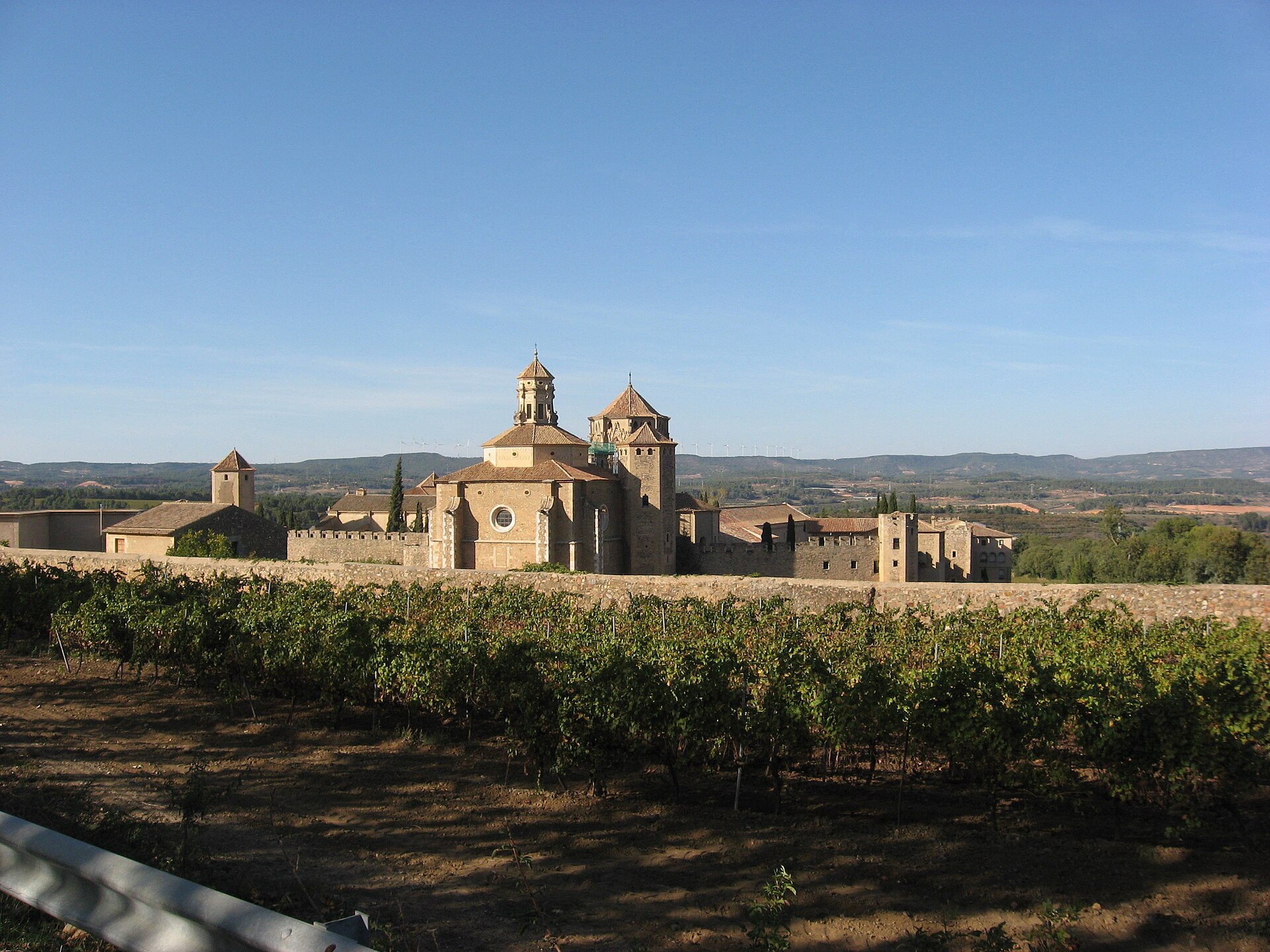
- Poblet tombs and memorial areas — Inside the monastery precinct, Poblet
Royal connections bring solemn tomb spaces into the visit. The contrast is part of the experience: monastic calm alongside royal commemoration. Walk slowly, because the details—stonework, placement and light—make the memorials feel integrated into the monastery rather than tacked on.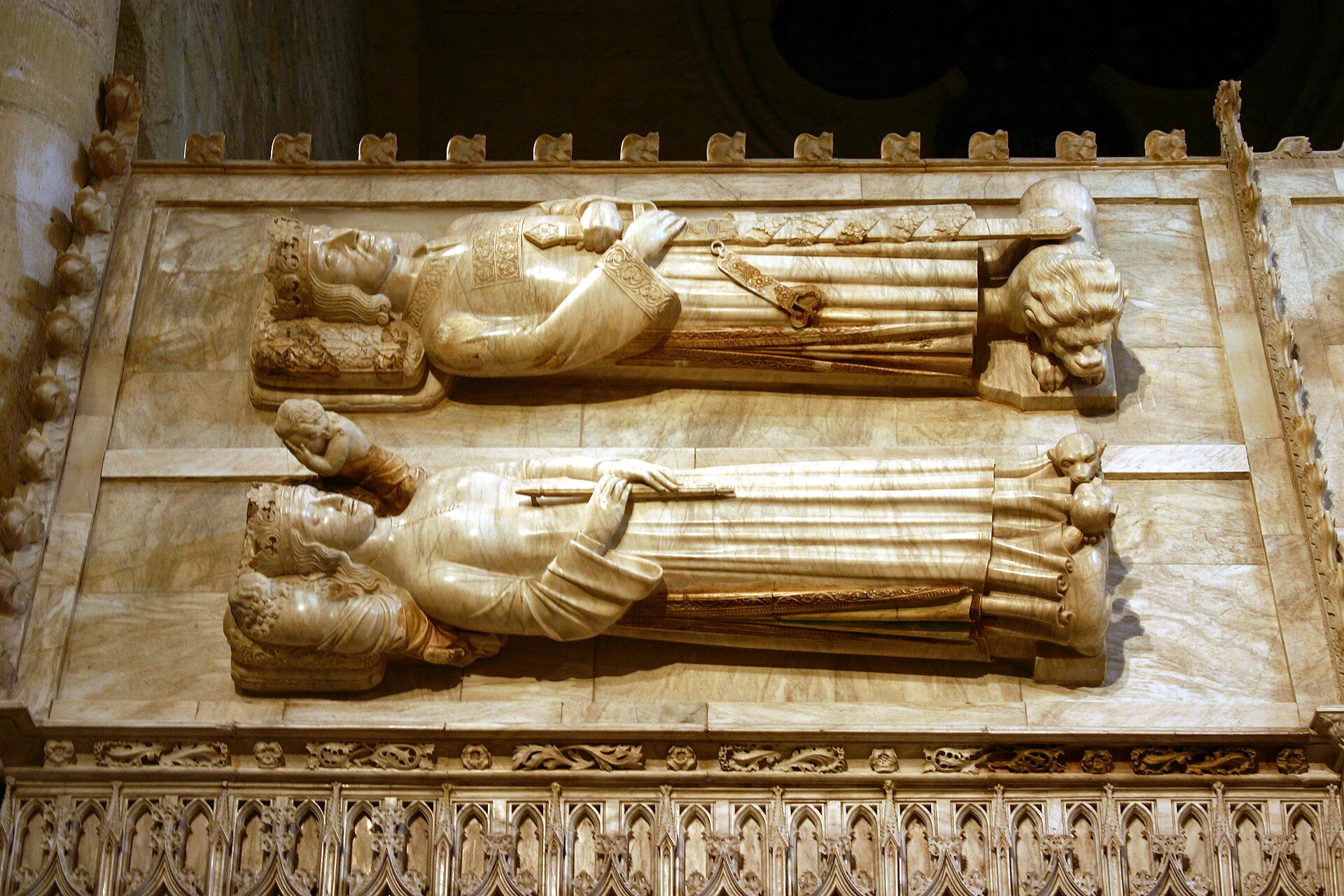
- Plano de Poblet (monastery plan display / layout reference) — Poblet monastery area
Before or after exploring the buildings, use the on-site layout reference to orient yourself. The monastery’s scale can trick your sense of time; a quick look at the plan helps you understand how spaces connect—cloisters, corridors and the flow between worship and daily life.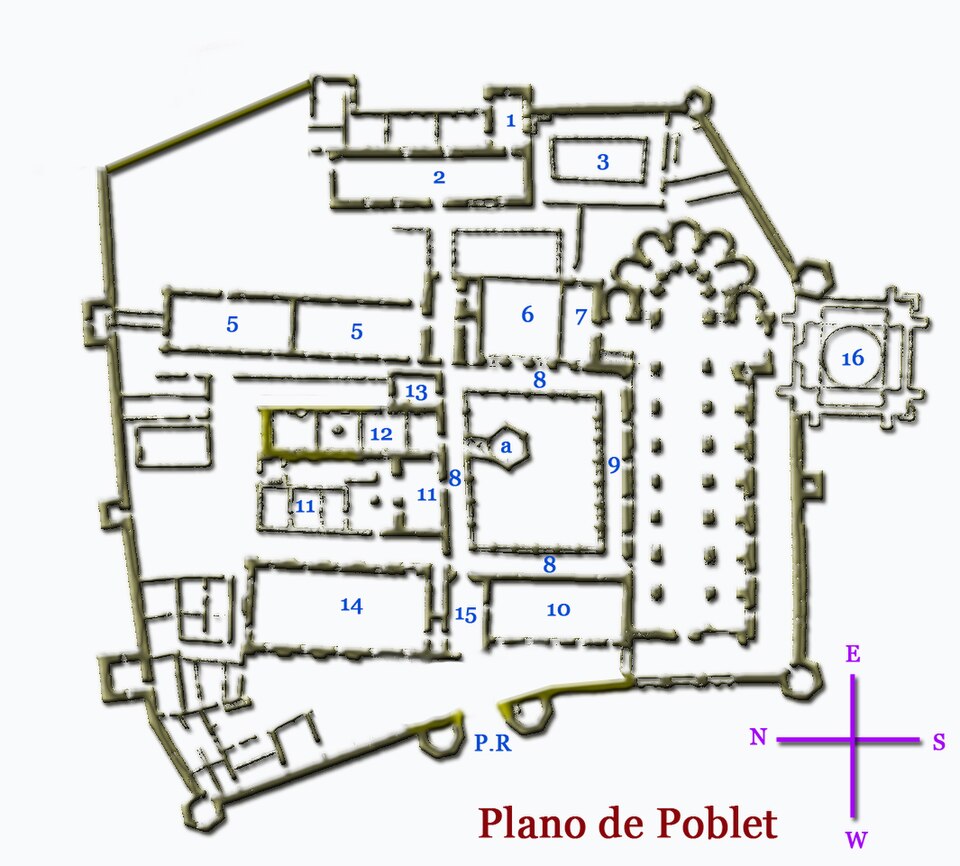
- Monastery entrance and façades — Main entrance zone, Poblet
The approach matters here. The entrance and surrounding façade lines give you a sense of the fortress-like calm of Poblet—stone, order and restraint. If the light is right, you’ll notice how colour and shadow carve the surfaces, especially in the morning.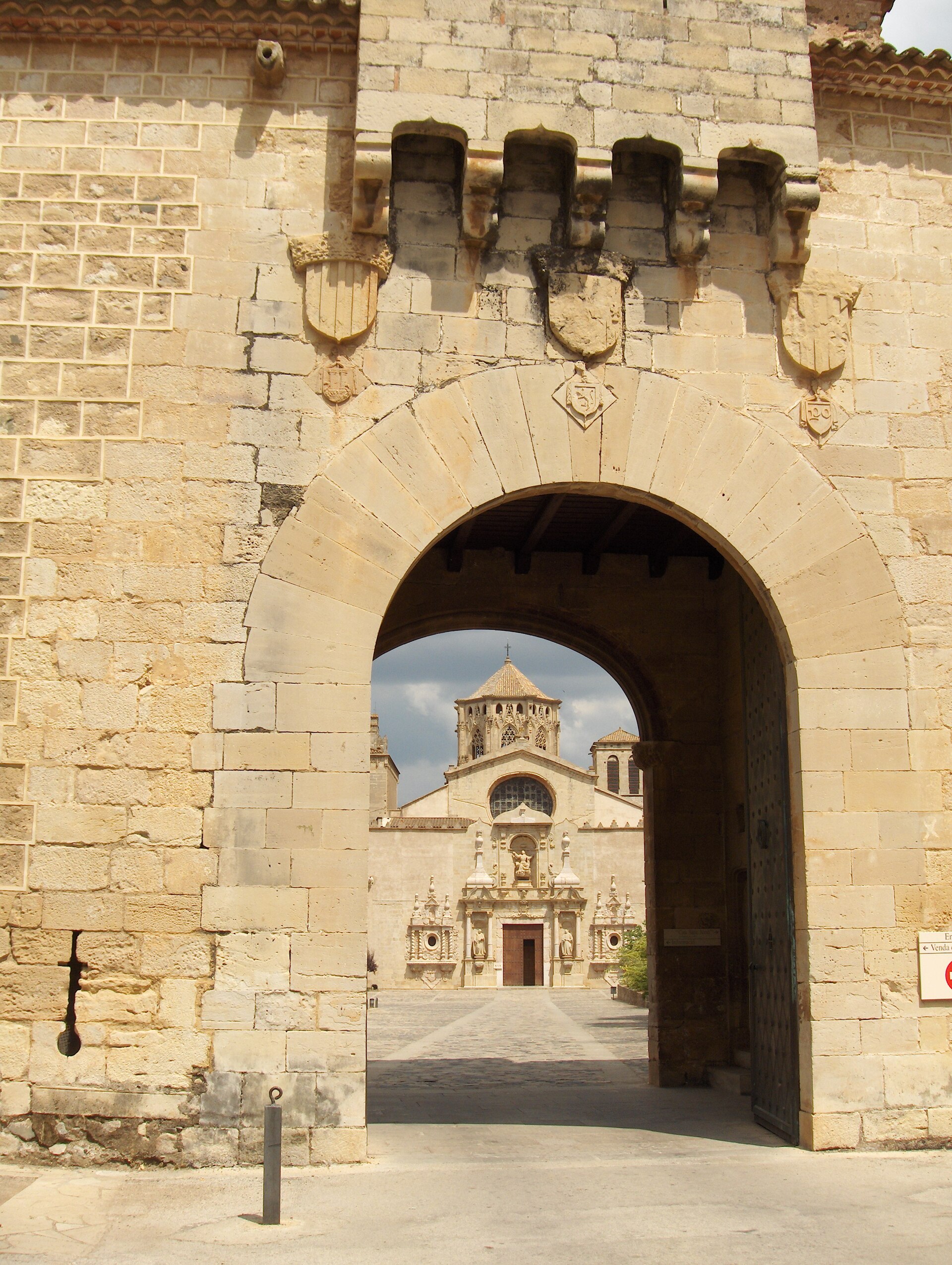
- A second viewpoint of the monastery (Barandilla area) — Within the Poblet precinct, Conca de Barberà
Look for another angle within the precinct—places like the Barandilla area help you see the monastery as a composition rather than a set of rooms. Step back a little, take in the architecture at once, and then return inside with a better sense of perspective.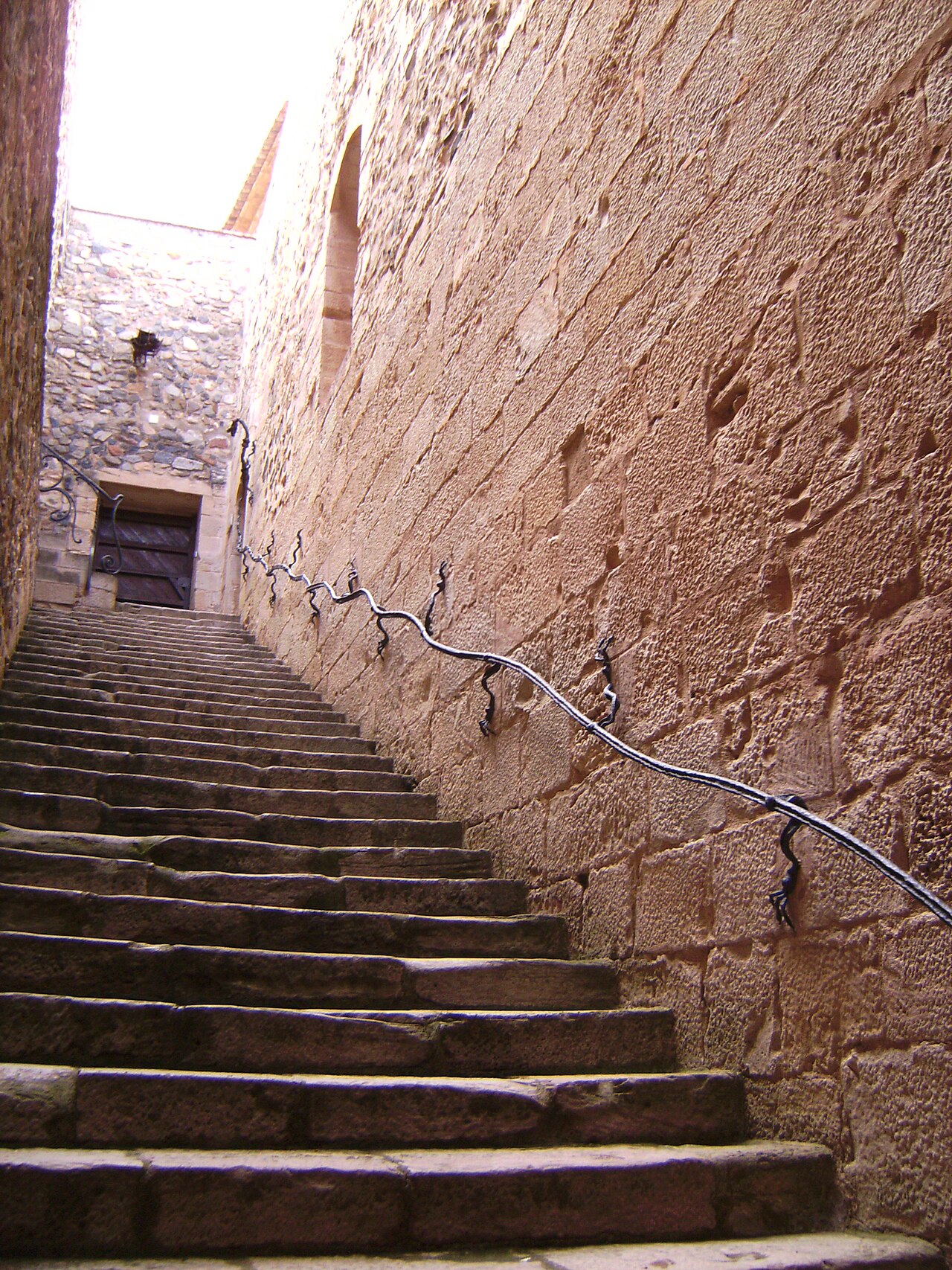
Culture
Poblet Monastery is still a monastery with monks, so the main cultural rule is simple: match the place’s pace. Keep voices down in cloisters and corridors, and let your movement be unhurried; the atmosphere here depends on people not turning quiet spaces into chatting zones.
Dress is about respect and practicality rather than fashion. While you’ll see ordinary visitors, temples and religious interiors generally favour covered shoulders and clothing that isn’t overly revealing. Also watch your footing: stone floors can be slippery, and the ground around the buildings is not always smooth.
Photography is where things get sensitive. It’s usually safest to avoid photographing people up close, especially in areas where monks are moving through their routines. If you notice signage or staff guidance, follow it even if you’ve visited other religious sites—rules can differ.
Finally, remember that Poblet’s real “heritage” isn’t just the architecture; it’s the ongoing monastic life. Treat the visit like you would a church service—observe, don’t disrupt, and you’ll get more out of it.
Visitor etiquette: keep your voice low, cover shoulders if asked, and don’t photograph monks or close-up without permission.
What to wear
Poblet Monastery sits in a Cistercian context where the buildings are calm and austere, so what works best is modest, comfortable clothing. The monastery isn’t a place where you’ll be judged for being a visitor, but it is a religious site, so aim for shoulders covered and clothes that don’t look like beachwear.
If you want to lean into tradition, Catalan rural life often includes simple, practical textiles—think natural fabrics such as cotton or linen in muted colours, and layers you can adjust. Around the monastery, however, most people wear modern everyday outfits: trainers or sturdy shoes, long trousers or breathable lightweight layers, and a light jacket for morning and late-day breeze.
For your visit, wear footwear with good grip. Even though you’re not scaling mountains, monastery precincts involve walking on stone and uneven paths, and you’ll want stability for a long, slow wander.
In warmer months, bring something light and breathable but not sleeveless. In cooler months, a thin layer under a jacket helps you stay comfortable through long interior visits. And carry a small scarf or shawl in your bag—useful for covering shoulders if you step into a more formal space.
What to eat
- Catalan-style set menus at local restaurants — Vimbodí i Poblet and surrounding villages near Conca de Barberà
After a monastery morning, look for a simple menu del día-style eatery in nearby towns. The best options are usually the ones with a steady lunch crowd and straightforward Catalan cooking—think hearty mains and seasonal sides. - Wine tastings linked to the Conca de Barberà DO — Winery stops across Conca de Barberà (including towns around Poblet)
Conca de Barberà is known for wine, and wine tastings are a common visitor activity. Expect guided tastings that pair well with slow afternoon browsing—perfect when you want something cultural without rushing the day. - Market produce and local cheeses (seasonal platter vibe) — Local markets and town centres in Conca de Barberà
For a lighter meal, build a simple picnic using local produce and regional cheeses. The feeling is less restaurant, more “local pantry”: bread, fruit or veg, and something creamy or salty to share. - Caves-and-country cooking near l'Espluga de Francolí — l'Espluga de Francolí area
If you pair Poblet with a nearby cave visit, plan lunch in the same wider area. You’ll usually find traditional dishes that suit walking days—warm plates, filling mains, and comforting desserts. - Coffee and pastries during town strolls — Cafés in Montblanc and nearby medieval streets
Between sights around Montblanc or nearby towns, pause for coffee and a pastry. It’s a good way to reset after monastery stone-and-shade walking and keep your timing flexible with tour groups.
Plan it
Best time. March–April and October–November for comfortable walking temperatures and calmer sightseeing; spring and autumn also make the Prades-Mountains setting feel vivid. June is the rainy season, and August tends to be hot and humid.
How long. 2–3
Getting there. Fly into Barcelona, then take the onward journey into Conca de Barberà. By train, use Rodalies stations at l'Espluga de Francolí or Vimbodí (lines R13 and R14), then cover the last leg by local transport or taxi.
Budget. mid
Tips
- Aim for an early start so the monastery feels quieter before coach groups arrive.
- If you’re pairing sights, group them geographically: Poblet by itself in the morning and nearby towns (like Montblanc) later.
- Plan some indoor time for slower moments—monastic spaces are cooler and calmer.
- Carry a bit of cash for smaller purchases in rural towns and markets.
- Wear grippy shoes and bring a light layer for shaded interiors.
Etiquette
- Keep voices low and move gently inside the monastic buildings.
- Dress modestly (cover shoulders) and avoid overly revealing clothing.
- Be careful with photography of people and monks—skip close-ups unless you’re clearly permitted.
Nearby
Sources
- Wikidata Q645157 (CC0)
- Wikipedia (rev 1369170036) (CC BY-SA 4.0)
- Wikivoyage (rev 5336606) (CC BY-SA 4.0)
- Photo photos/01-monestir-de-poblet.jpg (CC BY 3.0)
- Photo photos/02-plano-poblet224.jpg (CC BY 3.0)
- Photo photos/03-spain-pobletmonastry-entrance.jpg (Public domain)
- Photo photos/04-poblet-reial-monestir-de-poblet-15.jpg (CC BY 2.5)
- Photo photos/05-tombs-of-ferdinand-i-of-aragon-and-eleanor-of-albuquerque-mo.jpg (CC BY 3.0)
- Photo photos/06-tomb-of-james-i-of-aragon-monastery-of-poblet-catalonia-2014.jpg (CC BY 3.0)
- Photo photos/07-real-monasterio-de-santa-maria-de-poblet-barandilla-3.jpg (CC BY-SA 3.0 es)
- Photo photos/08-mariano-bay-n-nueva-hospeder-a-del-monasterio-de-poblet.jpg (CC BY-SA 4.0)


