Plymouth
Plymouth, United Kingdom
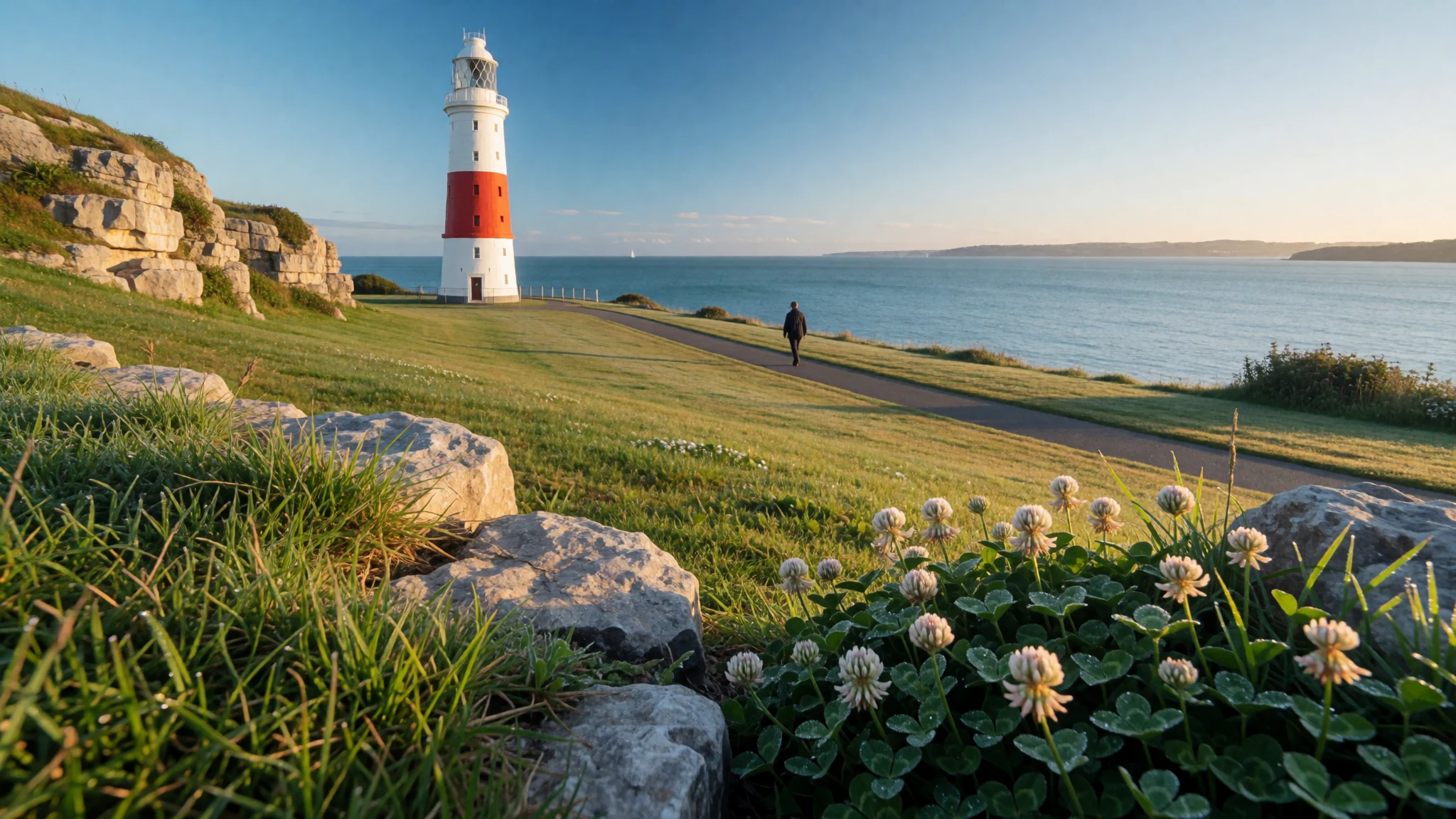
Plymouth offers a rich maritime heritage, dramatic coastal vistas, historic waterfront architecture, and resilient naval traditions on the south coast of Devon.
The place
Plymouth is a prominent port settlement situated in Devon on the south coast of England, positioned between the estuaries of the River Plym and the River Tamar. Home to a population of approximately 267,000 residents, it functions as the most populous urban centre in the county. The municipal footprint stretches along sweeping natural harbours and estuaries that have defined its maritime character for centuries. Geography here is inextricably tied to the sea, offering sweeping views across the Sound toward distant headlands and breakwaters.
The municipal area encompasses distinct districts, from the ancient waterside alleys of the harbour quarters to expansive public green spaces on elevated ridges overlooking the water. While severe wartime destruction reshaped portions of the urban core through mid-century reconstruction projects, pockets of deep antiquity survive alongside striking modern waterfront developments. Visitors walking through the municipal territory encounter a landscape shaped equally by medieval trade, naval dominance, and modern civic planning. The oceanic climate brings frequent Atlantic weather fronts, ensuring mild winters and cool, breezy summers that keep the surrounding Devon countryside remarkably green.
Its story
Human presence in the local area stretches back deep into prehistory, with upper Palaeolithic remains discovered in nearby limestone caverns. Ancient trading posts at Mount Batten thrived during the Bronze and Iron Ages, acting as critical hubs for continental commerce across the Channel. By the medieval era, silting forced merchants downstream from Plympton to a smaller fishing village originally known as Sutton, meaning south town. As maritime trade expanded, the growing port earned royal charters and changed its designation to reflect its position at the mouth of the river.
Over subsequent centuries, the community cemented its standing in national affairs. An English fleet anchored in these waters successfully confronted the Spanish Armada, while later generations watched the departure of the Pilgrim Fathers toward North America. The English Civil War brought a prolonged Parliamentary defence against royalist sieges, followed by the establishment of a major Royal Navy dockyard on the Tamar. Industrial growth and strategic military importance turned the port into a powerhouse of shipbuilding and global exploration. Extensive bomb damage during the twentieth-century Blitz prompted massive civic rebuilding, creating the distinct post-war layout seen across the central commercial avenues today.
What to see
- The National Marine Aquarium
Positioned near the historic Barbican precinct, this facility stands as the largest aquarium in Britain and ranks among the deepest in all of Europe. Visitors wander through extensive marine exhibits showcasing hundreds of native and global aquatic species, ranging from small coastal invertebrates to massive sharks gliding overhead in cavernous oceanic display tanks. - Plymouth Hoe
This expansive public park sits proudly upon high limestone cliffs overlooking the vast blue waters of the Sound. Local folklore credits this scenic waterfront esplanade as the legendary site where Sir Francis Drake calmly finished his game of bowls before sailing out to engage the approaching Spanish Armada in combat. - Smeaton's Tower
Standing prominently on the high ground of the Hoe, this striking red-and-white banded beacon originally guided ships on the treacherous Eddystone reef miles offshore. Built by pioneering engineer John Smeaton, the historic structure was later dismantled and painstakingly reassembled stone by stone on the grassy clifftop as an enduring local landmark. - The Barbican
Retaining its narrow Tudor-era street layout, this historic harbour quarter escaped major wartime devastation and remains the vibrant heart of the city. Cobbled lanes wind past centuries-old merchant buildings, independent art galleries, bustling pubs, and artisan shops overlooking the bobbing fishing boats moored tightly in the ancient stone basin. - The Mayflower Steps
Located near the historic harbor, this modest 20th-century memorial marks the symbolic departure point where weary religious separatists boarded their repaired vessel to cross the Atlantic. A granite portico adorned with flags commemorates the historic voyage that forever linked this Devon port to the early history of North America.
Culture
Religious life across the municipal area reflects a long history of diverse Christian denominations and minority faiths. Scores of active churches dot the districts, ranging from Roman Catholic sanctuaries to ancient Anglican parish buildings that have gathered local worshippers for over a millennium. Non-conformist movements also left deep roots here; the Christian fellowship known widely as the Brethren established its first English assembly in the locality during the early nineteenth century. Furthermore, Jewish merchants and sailors have contributed to the cultural fabric since Elizabethan voyages, leading to the establishment of a historic Ashkenazi synagogue that remains a cherished architectural landmark.
Local customs emphasise maritime traditions, naval pride, and community resilience through changing economic tides. Residents value their coastal identity and participate enthusiastically in summer regattas, historical commemorations, and maritime festivals that celebrate the sea. When visiting historic places of worship or local community events, maintain a respectful quiet tone and dress modestly.
What to wear
Traditional attire in this coastal region historically reflected the practical needs of maritime workers, fishermen, and naval personnel. Heavy woollen jerseys, durable canvas trousers, and waterproof garments were standard gear for those braving the unpredictable weather of the English Channel. While historical textiles like sturdy British wool and sailcloth dominated past centuries, traditional regional dress has largely given way to contemporary styles in daily life.
Today, locals dress in practical, casual clothing suited for an active seaside environment. Jeans, comfortable knitwear, fleece jackets, and sturdy trainers or walking boots are everyday staples for navigating steep hills, coastal paths, and breezy waterfront promenades. Visitors should pack versatile layers, including a windproof and waterproof jacket, as coastal weather can shift rapidly from bright sunshine to sudden Atlantic showers. Comfortable footwear with good grip is essential for exploring cobbled alleys and clifftop trails. Modest casual wear is universally accepted across restaurants, museums, and public spaces, with smarter attire reserved for upscale dining or evening entertainment.
What to eat
- Harbourside Fish and Chips — The Barbican
Situated right on the historic waterfront, this popular eatery serves classic British portions of freshly caught white fish fried in crisp batter, accompanied by thick-cut chips, mushy peas, and homemade tartar sauce, best enjoyed outdoors overlooking the moored boats. - Cap'n Jasper's — The Barbican
An iconic harborside kiosk beloved by locals and visitors alike, serving substantial grilled burgers, hot dogs, and traditional fast food snacks from a legendary outdoor hatch right on the stone quay with sweeping views of the marina. - Cornwall Street Fish Bar — City centre
A traditional local takeaway located in the central commercial district, offering classic fried seafood, battered sausage, and piping hot chips wrapped in paper for a quick, satisfying midday meal while exploring the shops. - Union Rooms — City centre
Housed in a grand historic building within the central district, this spacious establishment operates as a welcoming pub offering hearty traditional grill meals, burgers, and comforting British pub classics at accessible prices.
Plan it
Best time. May through September offers the most pleasant weather for coastal walks and outdoor events, though July and August bring larger crowds to the waterfront.
How long. 2–3
Getting there. Arrive by train via the Cornish Main Line into Plymouth station from major UK hubs, or fly into Exeter Airport or Bristol Airport and complete the journey by connecting coach or train.
Budget. mid
Tips
- Wear sturdy walking shoes to comfortably navigate the steep streets and clifftop paths.
- Bring a reliable waterproof jacket as coastal rain showers can arrive unexpectedly.
- Book accommodations well in advance if visiting during peak summer festival weekends.
- Check official websites for updated opening hours before visiting historic monuments.
Etiquette
- Keep noise levels low when visiting residential neighbourhoods and historic places of worship.
- Queue politely when waiting for public transport, buses, or service at busy waterfront kiosks.
Nearby
Sources
- Wikidata Q43382 (CC0)
- Wikipedia (CC-BY-SA 4.0)
- Wikivoyage (CC-BY-SA 4.0)