Plitvice Lakes
Plitvice Lakes, Croatia
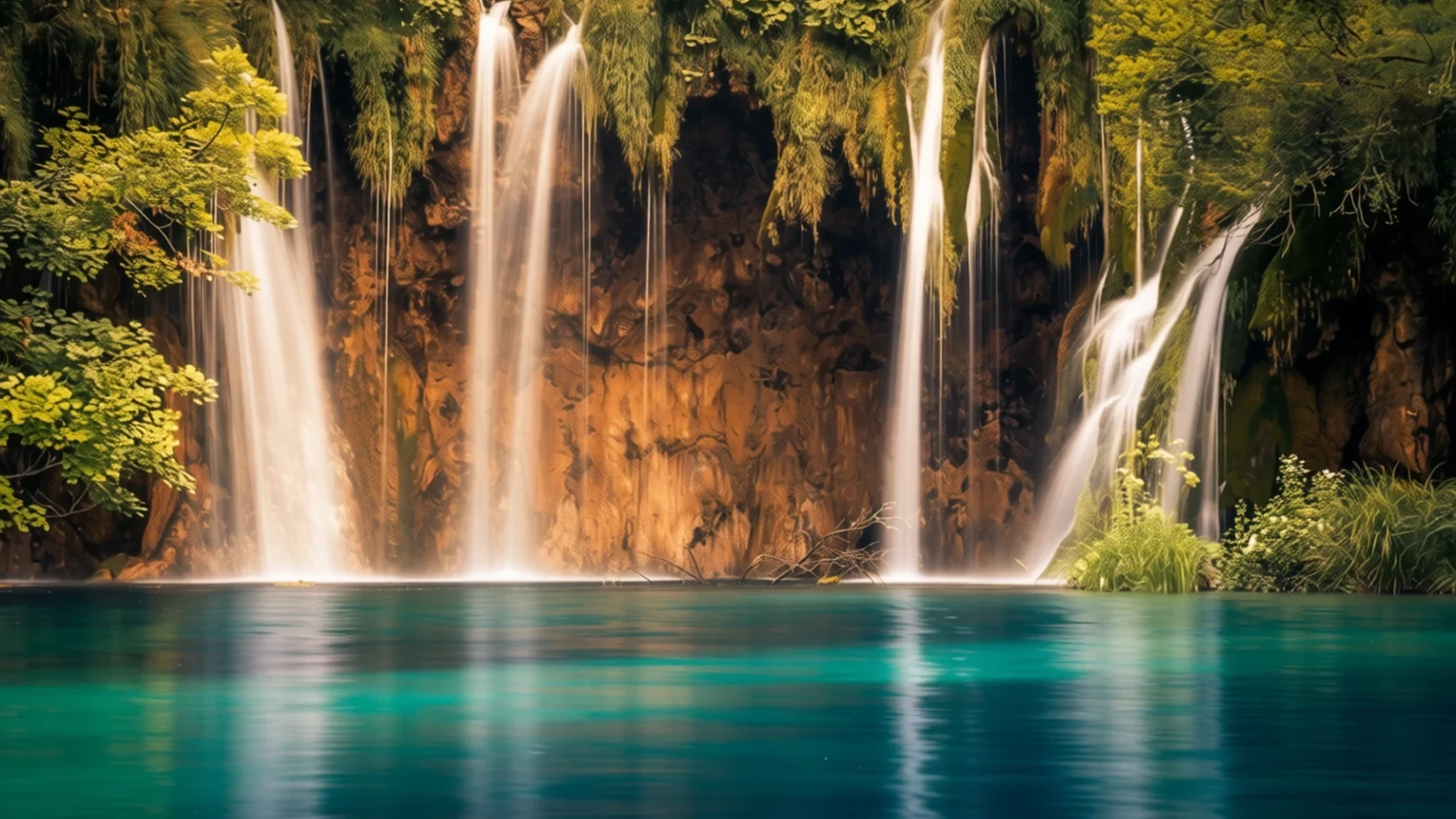
Plitvice Lakes offers an extraordinary labyrinth of cascading turquoise waters, travertine barriers, and wooden boardwalks winding through ancient forests.
The place
Plitvice Lakes National Park sits within the mountainous karst terrain of central Croatia, occupying a rugged landscape where water constantly carves and reshapes the earth. Established in the mid-twentieth century, this protected sanctuary is celebrated globally for its interconnected series of tufa-formed lakes, underground caves, and foaming waterfalls that tumble from one pool into the next. The protected territory spans a vast expanse across forested uplands, with the vast majority falling within Lika-Senj County and a smaller portion lying in Karlovac County. A vital national transport route cuts through this natural domain, linking the continental interior of Croatia with the scenic Adriatic coastline. The water bodies themselves range from gentle, shallow basins to deep, sapphire expanses framed by steep limestone canyon walls. Throughout the park, water flows continuously over natural travertine dams formed by moss, algae, and bacterial action, creating a dynamic aquatic sculpture garden that evolves continually over time. Visitors navigating the area encounter a meticulously planned network of timber footpaths that hover directly above the crystal-clear currents, allowing intimate views of submerged tree trunks, darting fish, and lush marginal vegetation. The surrounding hills are clad in dense beech and fir woodland, providing a cool, sheltered habitat for local wildlife. While summer brings crowds and warmth to the lower and upper basins, shoulder seasons reveal a quieter, misty atmosphere where the sheer volume of rushing water creates a constant, soothing soundtrack across the entire valley floor.
Its story
The history of Plitvice Lakes is written through centuries of shifting borders, migrations, and strategic conflicts across the rugged frontiers of central Europe. Human presence in this mountainous watershed stretches back deep into antiquity, leaving behind traces of ancient Illyrian, Thracian, Celtic, and Japod settlements before Roman legions absorbed the territory into their vast empire. As classical authority crumbled, the region witnessed the restless passage of migrating tribes, including Avars and Slavic groups who eventually established permanent roots in the surrounding valleys and forests. During the medieval era, constant threats from invading Mongol forces kept the local population in a state of perpetual watchfulness, shaping a culture of resilience among the communities inhabiting the uplands. Under the rule of prominent Croatian noble families, pockets of economic recovery took hold, and religious foundations began to appear near the waters, including a monastic site built upon ancient Roman and Japod remnants using durable travertine rock. By the early sixteenth century, the advancing Ottoman Empire seized control of the region, plunging the wider borderlands into decades of profound turbulence and military struggle. When the Austrian Empire recaptured the territory a century and a half later, the imperial administration repopulated the abandoned zones with frontier guards and refugees fleeing Ottoman rule, tasking them with permanent military defence. Known historically during these turbulent eras as a harsh and unforgiving territory, the landscape eventually transitioned from a militarised buffer zone into a celebrated destination for travellers when early accommodation was established at Velika Poljana during the nineteenth century.
What to see
- Veliki Slap — Lower Lakes canyon area
Veliki Slap stands as the tallest waterfall within Plitvice Lakes National Park, plunging dramatically into the lower canyon near the entrance area. The sheer force of the falling water sends up a constant mist that cools the surrounding gorge, where wooden trails bring visitors right to the foot of the roaring cascade.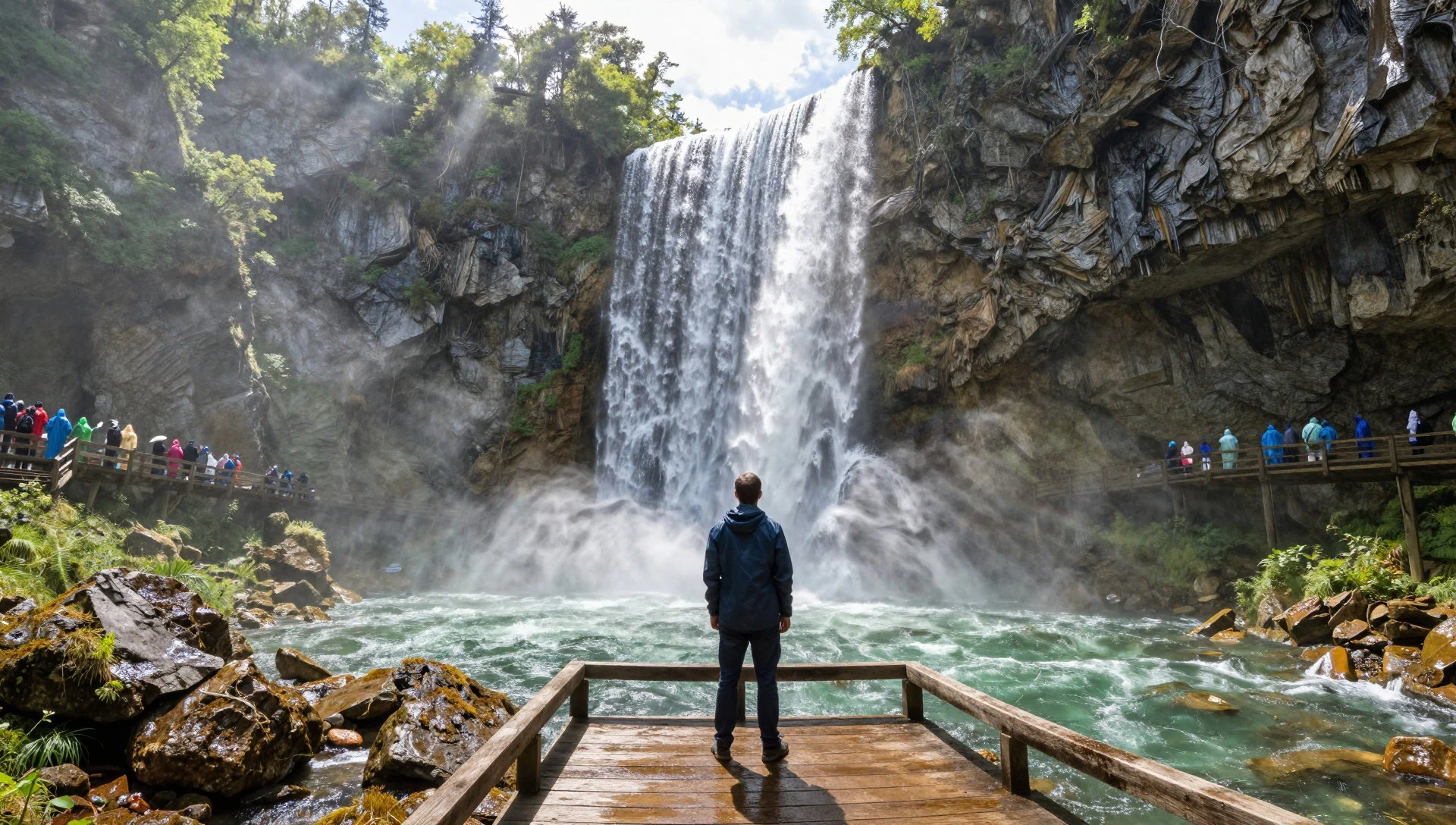
- Šupljara Cave — Lower Lakes between Gavanovac and Kaluderovac
Šupljara Cave forms a fascinating subterranean passage nestled between Gavanovac and Kaluderovac lakes in the lower park section. Steep stone staircases have been carved directly into the damp rock walls, offering visitors a chance to climb from the waterside pathways up to the dramatic upper canyon ridges.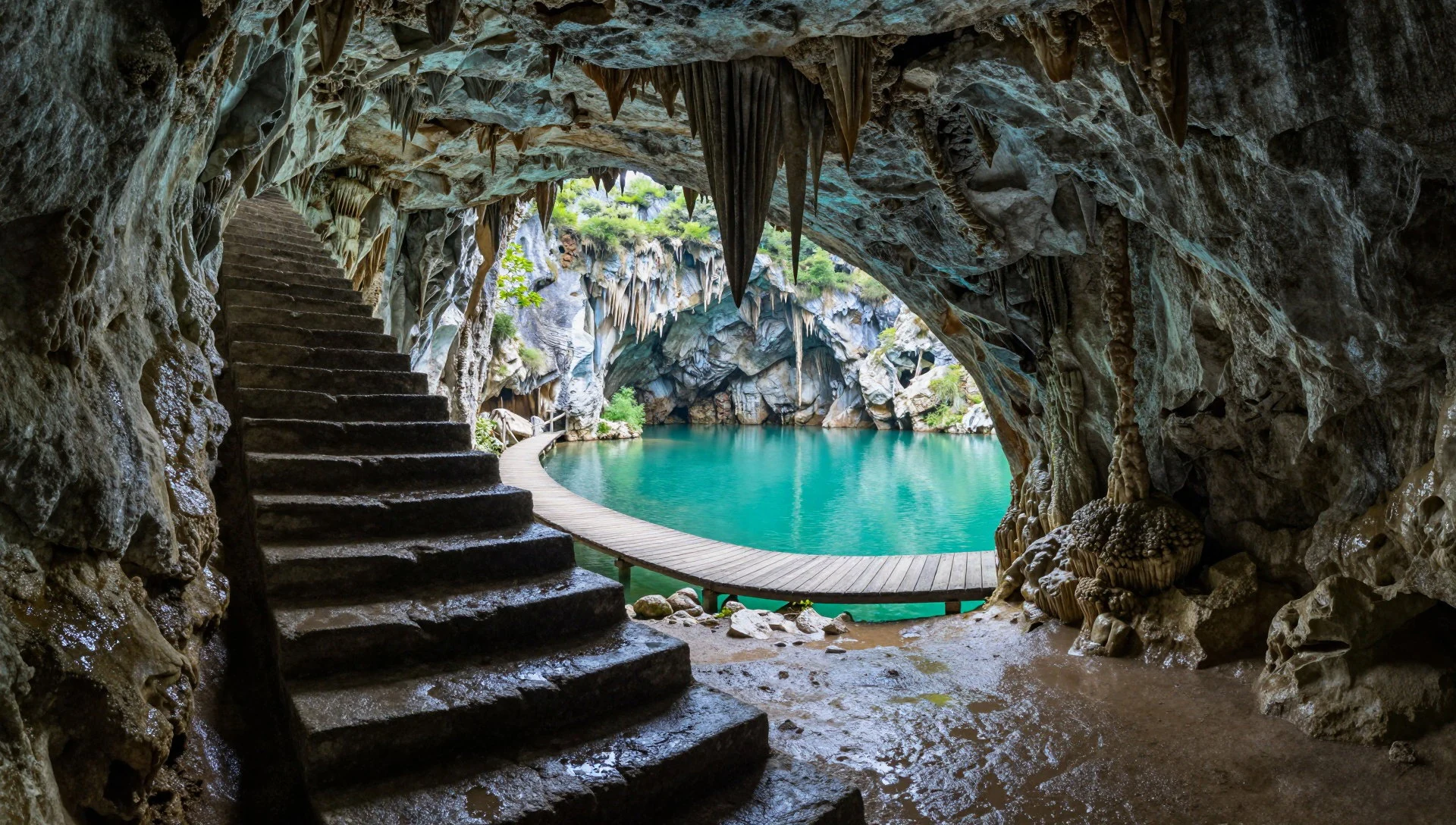
- Kozjak Lake Boat Rental — Kozjak Lake ferry terminals
Kozjak Lake Boat Rental gives visitors the opportunity to hire traditional wooden rowing vessels to explore the largest lake in the park from the water. Gliding across the calm surface reveals sunbathing water snakes draped over submerged branches and provides a completely different perspective on the surrounding forested shores.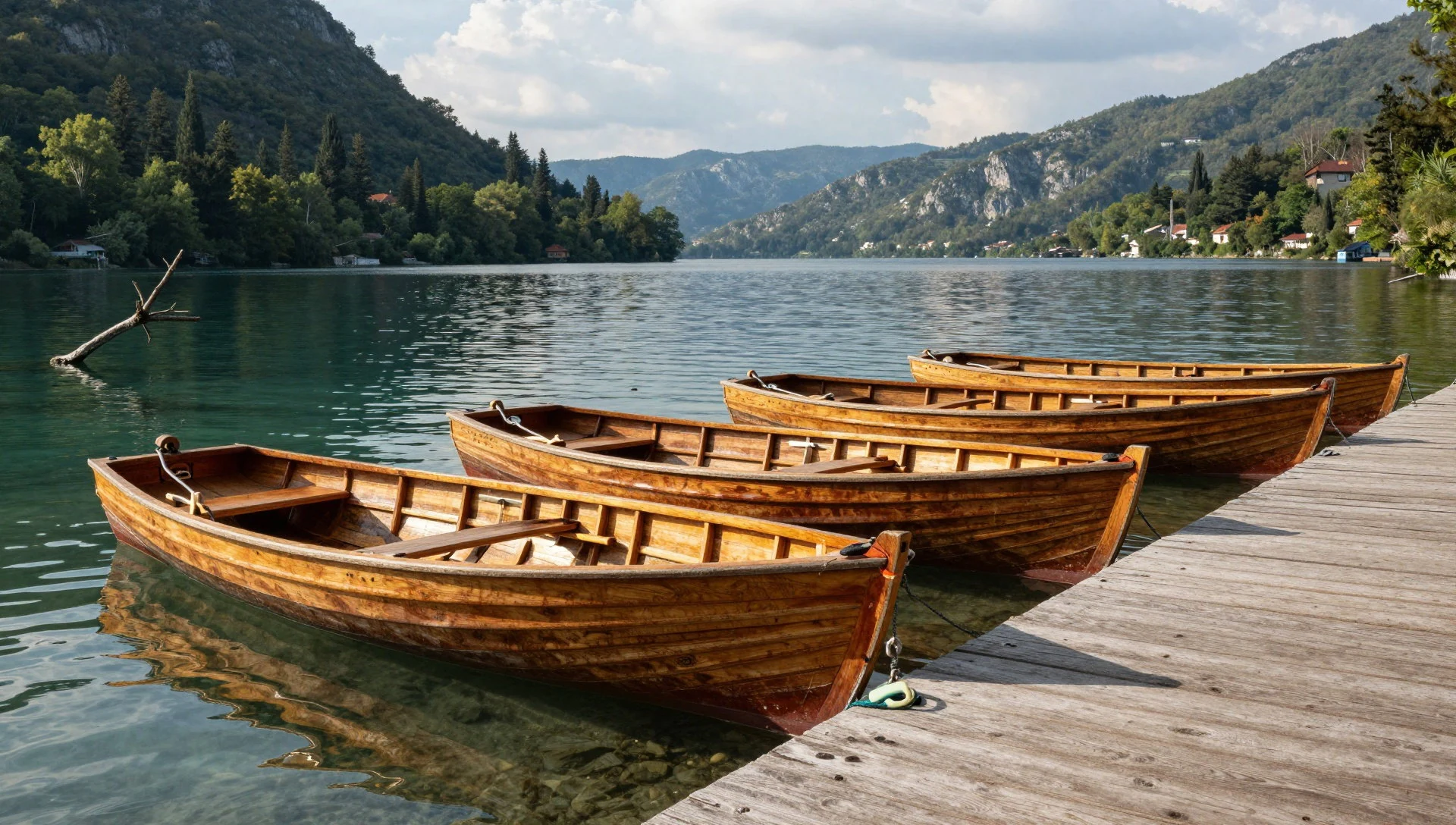
- Mukinje Ski Centre — Mukinje village
Mukinje Ski Centre operates during the winter months when snow blankets the Plitvice Lakes region, providing local residents and visitors with three gentle ski slopes totalling one kilometre in length. Located right in the centre of Mukinje village, the facility offers equipment rental and is primarily geared towards beginners and families.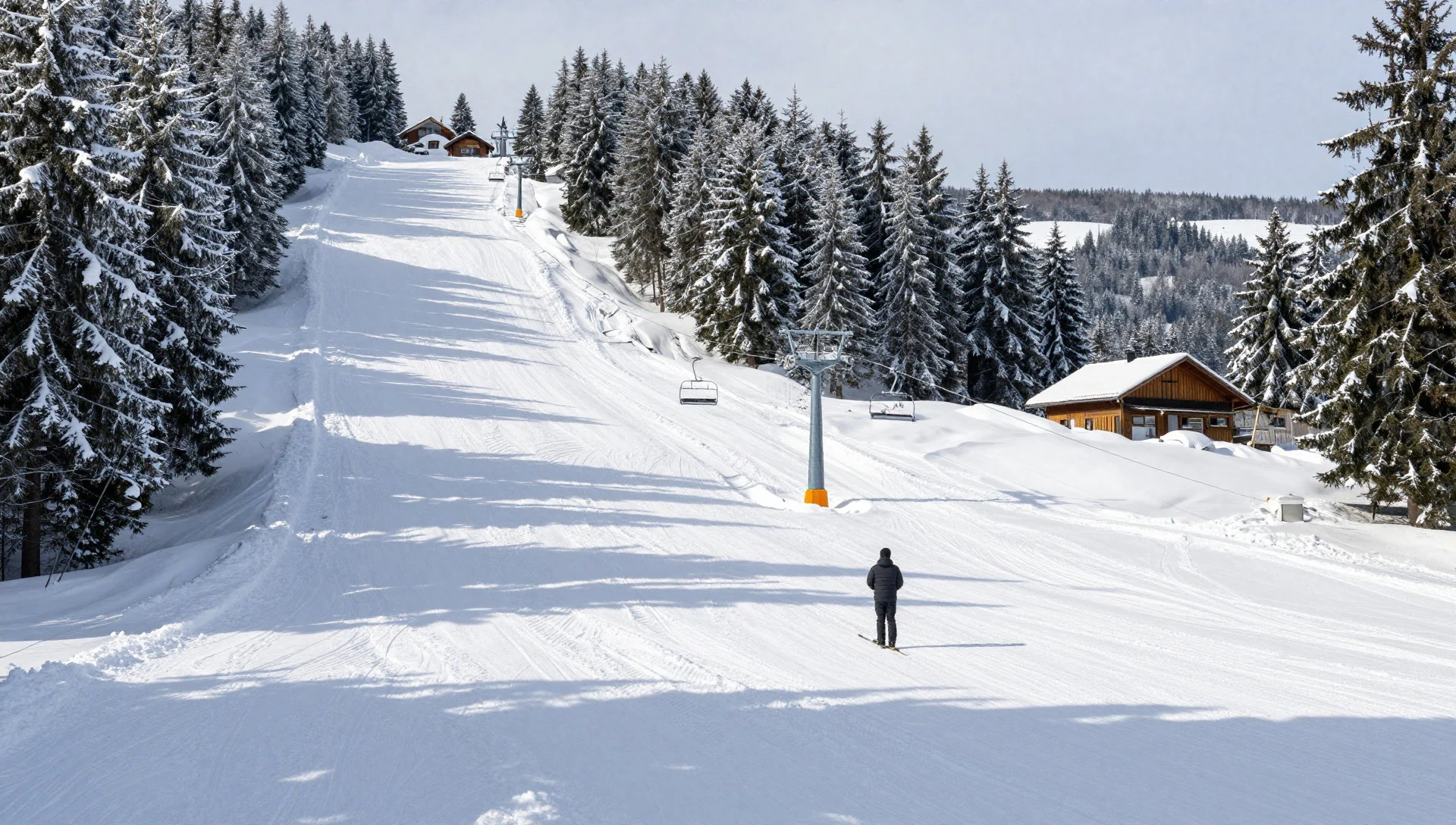
- Upper Lakes Network — Upper Lakes section
The Upper Lakes network comprises a magnificent series of smaller, interconnected basins stretching between Prošćansko Lake and Kozjak Lake. Dozens of cascading waterfalls spill between these crystal-clear pools, accessed by an extensive network of marked hiking routes and wooden footbridges that wind through the dense forest canopy.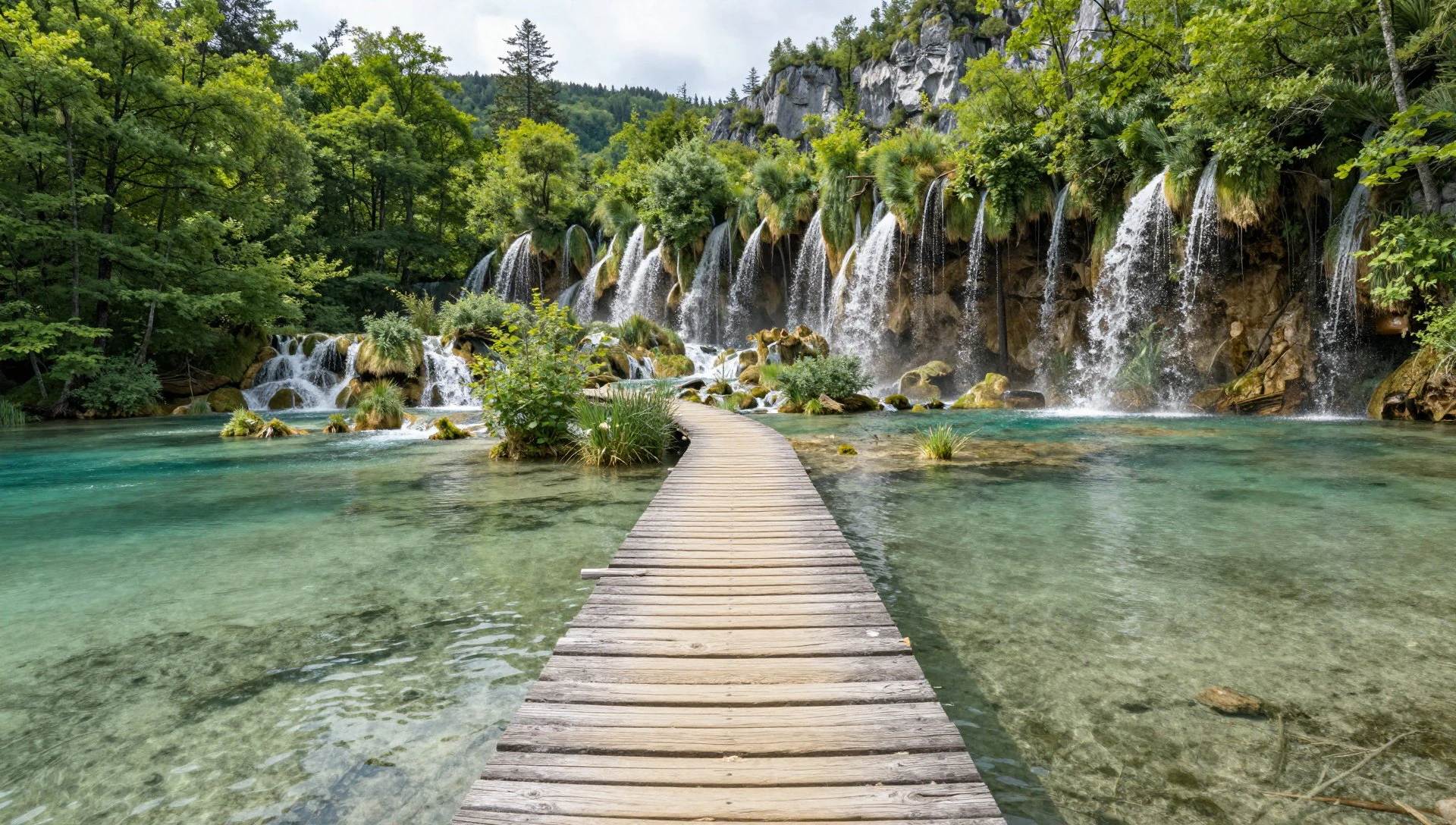
Culture
Plitvice Lakes reflects the rich cultural traditions of the Lika region, where mountainous isolation fostered strong community bonds, pastoral folkways, and distinctive acoustic vocal traditions rooted in rural life. Historically, the inhabitants of these rugged uplands wore heavy woollen garments and embroidered linen shirts designed to withstand harsh winters and demanding outdoor labour. Today, while modern European attire dominates daily life, local heritage groups proudly preserve traditional costumes, folk dances, and handcrafts during community festivals and religious celebrations. The surrounding communities maintain a deep connection to the natural landscape, passing down ancestral knowledge concerning forestry, beekeeping, and traditional regional cuisine through generations. Visitors often notice a respectful, quiet appreciation among travellers who come to experience the unique natural acoustics and pristine environment of the park. When exploring the boardwalks and forest paths at Plitvice Lakes, always stay strictly on the designated wooden walkways to protect the fragile tufa barriers and delicate aquatic ecosystems from erosion.
What to wear
Traditional fashion at Plitvice Lakes and the surrounding Lika region historically featured sturdy, practical garments crafted from heavy homespun wool and durable linen to endure cold winters and rugged outdoor work. Men typically wore dark wool trousers and embroidered waistcoats paired with distinctive felt caps, while women donned layered linen skirts, intricately patterned aprons, and fringed shawls adorned with traditional regional needlework. Today, locals dressing for daily life wear standard contemporary European clothing, though traditional folk attire is still donned for cultural festivals, weddings, and folkloric performances. Visitors exploring Plitvice Lakes should prioritise functional outdoor clothing and footwear above all else. Because the park involves hours of walking on damp wooden boardwalks, uneven stone paths, and forest dirt trails, sturdy walking shoes or hiking boots with good grip are essential. Layered clothing is highly recommended, as temperatures in the forested karst canyons can feel significantly cooler than the surrounding open countryside, and sudden mountain rain showers are common throughout the year. Waterproof jackets and comfortable trousers will ensure you stay dry and warm while navigating the misty waterfall spray.
What to eat
- Bistro Vučnica Pizza — Mukinje village centre, a short walk from park entrance 2
Bistro Vučnica serves a selection of freshly baked pizzas with various classic toppings, offering a straightforward dining option after a long day of hiking through the nearby park trails.
- Robni Centar Supermarket Pastries — Mukinje commercial area
Robni Centar provides travellers with a convenient spot to pick up energy bars, fresh croissants, local baked pastries, and sandwich ingredients for an impromptu picnic by the water.
- Traditional Lika Cheese — Local markets and food stalls around park entrances
Traditional Lika cheese represents the rustic dairy heritage of the mountainous region, offering a rich, robust flavour derived from local sheep or cow milk produced in the surrounding uplands. - Park Picnic Fare — Ferry terminal picnic grounds
Park picnic fare consists of simple packed provisions such as crusty bread, cured meats, and fresh fruit enjoyed at the designated picnic areas located near the ferry terminals.
Plan it
Best time. May to June and September to October offer pleasant weather and manageable crowds, avoiding the intense summer tourist rush and winter freezing temperatures.
How long. 2
Getting there. Accessible by car or bus from Zagreb, Zadar, Rijeka, or Split via the D1 highway, which runs directly past the park's two main entrances.
Budget. mid
Tips
- Arrive early in the morning before tour buses reach the entrances to enjoy the boardwalks in relative peace
- Wear sturdy walking shoes with reliable grip for wet wooden boardwalks and stone steps
- Check the official national park website in advance to purchase tickets and plan your specific walking route
- Bring a refillable water bottle and snacks, as dining options within the park are limited and often crowded
Etiquette
- Stay strictly on the designated wooden boardwalks and hiking paths to protect fragile tufa formations
- Respect the natural environment by carrying all rubbish out with you and avoiding loud noises
- Do not swim in the lakes, as swimming is strictly prohibited to preserve the delicate ecosystem
Nearby
Sources
- Wikidata Q189849 (CC0)
- Wikipedia (CC-BY-SA 4.0)
- Wikivoyage (CC-BY-SA 4.0)