Playa del Carmen
Playa del Carmen, Mexico
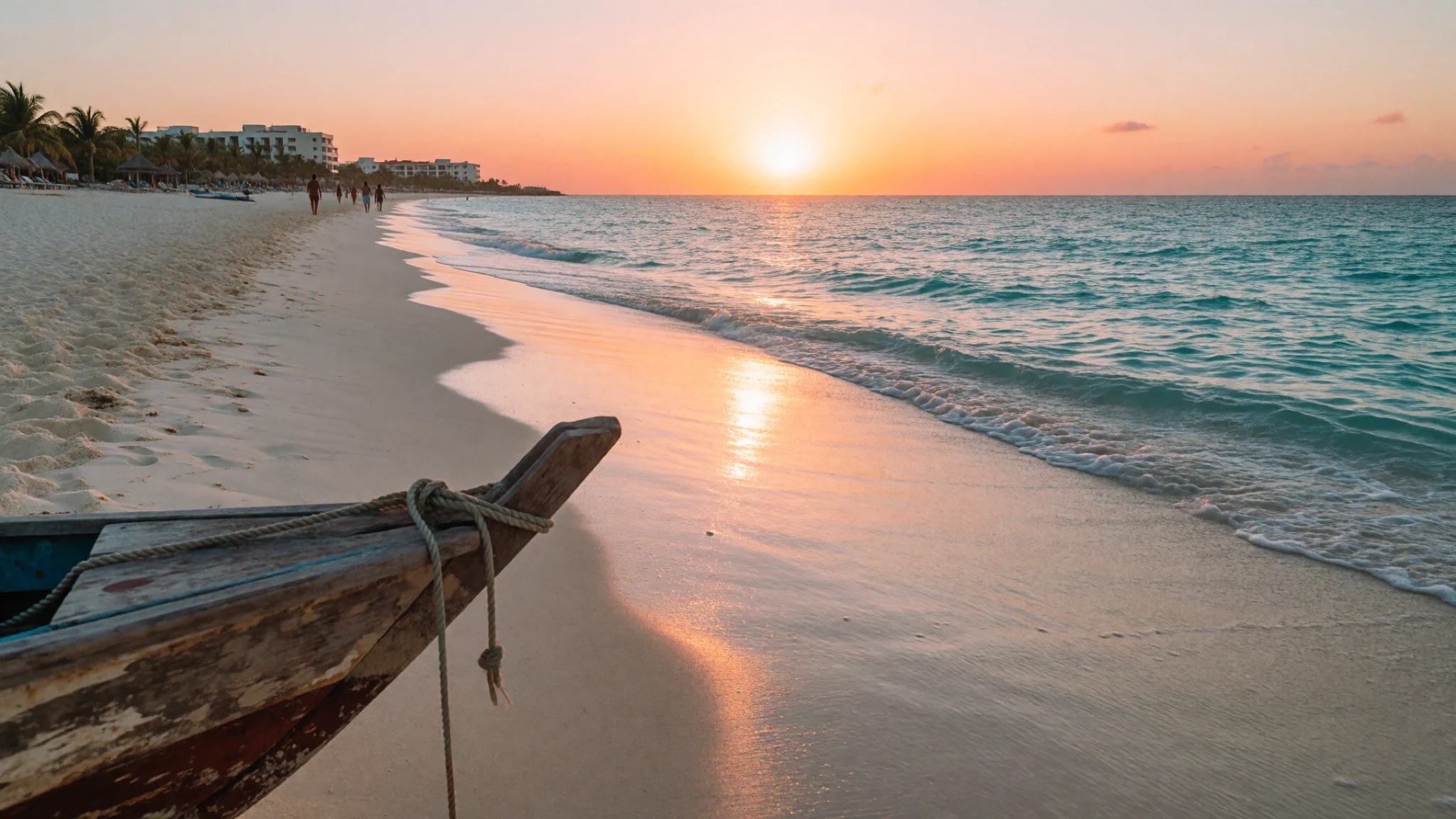
Playa del Carmen offers white sand beaches and turquoise waters alongside a lively coastal strip in the heart of the Riviera Maya.
The place
Playa del Carmen sits along the turquoise waters of the Caribbean Sea in the southeastern Mexican state of Quintana Roo. Functioning as a municipal seat and a vibrant resort city, it is home to a population of just over 304,942 residents, making it the second-largest urban centre in the state behind nearby Cancun. The settlement occupies a narrow coastal strip where white sand shores meet surrounding tropical rainforests, offering a warm climate year-round that draws travellers seeking sun and sea. The heart of daily life and visitor activity converges on Quinta Avenida, a pedestrian thoroughfare stretching parallel to the shoreline, packed with independent shops, eateries, and social spots. While the coastal edge hosts numerous resorts and vacation complexes, the municipality also acts as the primary gateway for exploring the wider Riviera Maya, extending from south of Cancun down toward Tulum and protected natural reserves. Visitors arrive primarily through the regional airport to the north, travelling down the coastal highway to reach the downtown grid. Despite rapid expansion over recent decades, the city retains its distinct coastal identity, balancing lively commercial districts with relaxed stretches of sand where Caribbean sunrises colour the morning air before the tropical heat settles over the streets for the afternoon.
Its story
Playa del Carmen exists as a striking example of rapid modern transformation along the eastern coast of the Yucatan Peninsula. For most of its history, the location functioned merely as a quiet fishing hamlet and a modest departure point for travellers crossing the channel to the island of Cozumel. The modern identity of Playa del Carmen began to take formal shape following its origins as a small fishing town and part of a 1970s master plan, though it remained a sleepy outpost for decades. Everything shifted when regional planners designated the eastern strip of the peninsula for tourism development, sparking an economic boom that turned the quiet settlement into one of the fastest-growing communities in Latin America. As international interest surged through the late twentieth century, the permanent population multiplied rapidly to house workers arriving from across the country to support the hospitality sector. Amid this modern growth, remnants of ancient history remain visible in small architectural traces scattered around nearby residential enclaves like the Playacar gated community, offering quiet reminders of the early indigenous civilisations that once inhabited the shores. Natural forces have also tested the community's resilience over the decades. In October 2005, a powerful storm passed directly over the settlement from the Caribbean, lingering in the vicinity for two days and causing substantial superficial damage to beachfront structures. The community rebuilt rapidly, restoring local infrastructure within weeks and cementing its reputation for enduring coastal vitality.
What to see
- Portal Maya
Portal Maya is an oceanfront bronze sculpture and archway set directly against the Caribbean horizon. The monumental artwork depicts figures entwined in swirling currents of wind and water, serving as a striking visual landmark for visitors strolling along the shore.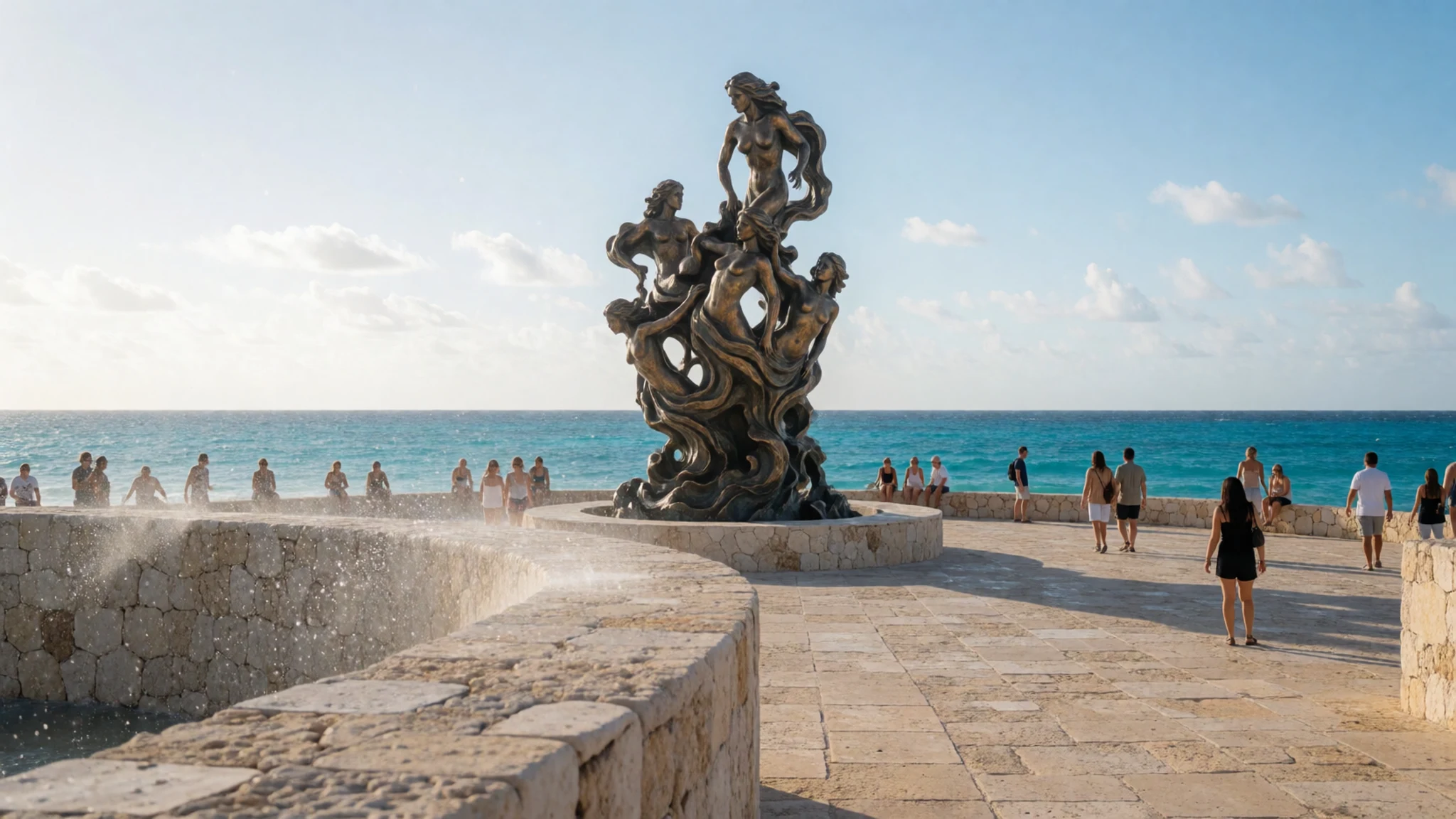
- La Quinta Avenida
La Quinta Avenida functions as the primary pedestrian corridor running parallel to the coastline. Lined with shops, restaurants, and clubs, the paved thoroughfare is closed to motor vehicles, allowing pedestrians to wander freely through the commercial centre from morning until late evening.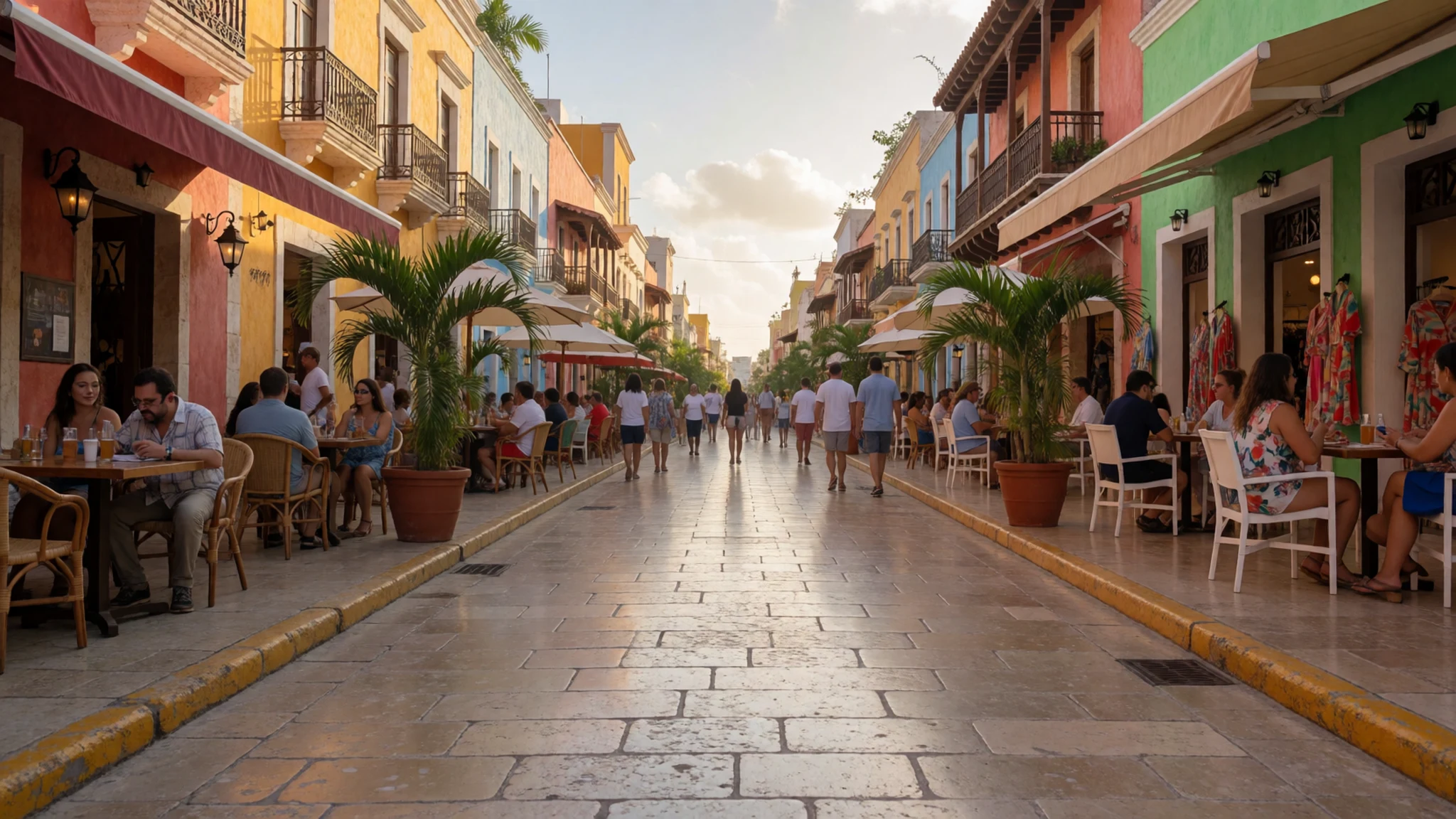
- Parroquia de Nuestra Señora del Carmen
Parroquia de Nuestra Señora del Carmen is a central neighbourhood church located just blocks from the shoreline. The welcoming parish features open architectural sides that let in coastal breezes while parishioners and visitors gather for services within the downtown grid.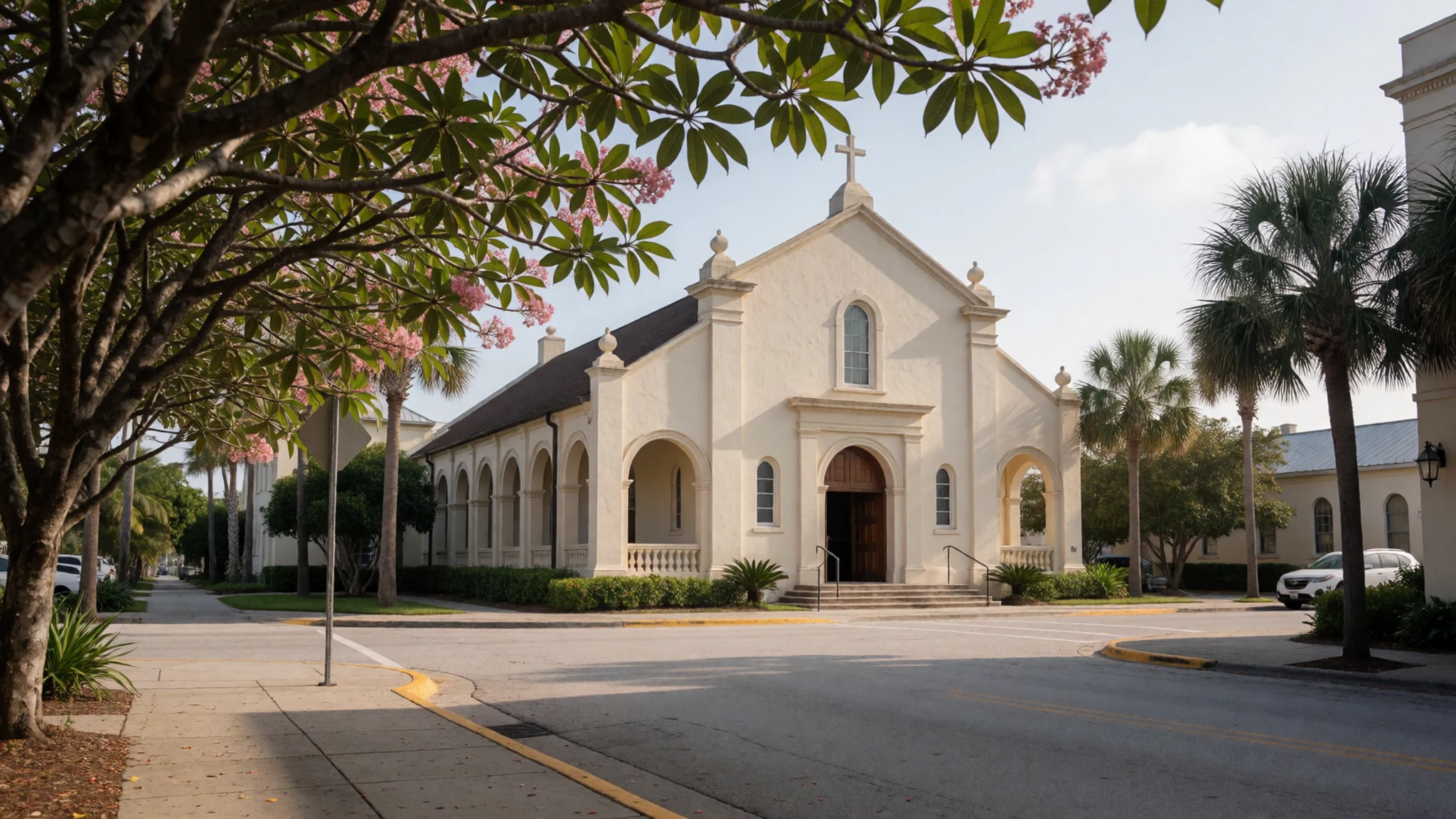
- Playa del Carmen Lighthouse
Playa del Carmen Lighthouse stands near the shoreline, offering a functional navigational beacon and a prominent meeting point for walkers. The elevated structure overlooks the coastal expanse and provides clear views out toward the island of Cozumel across the channel.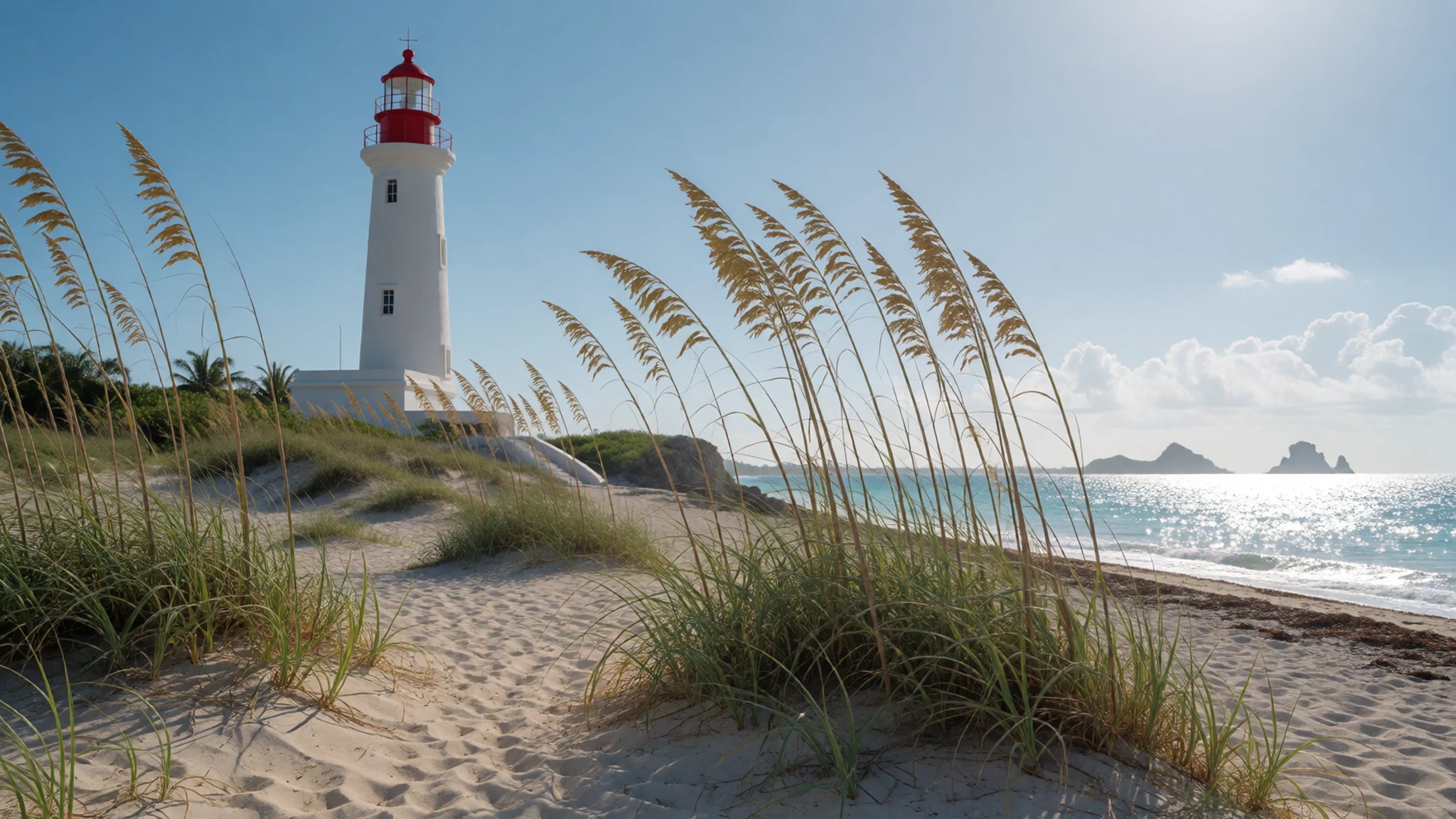
- Parque La Ceiba
Parque La Ceiba is a shaded community green space tucked away from the busy beachfront avenues. Named after the sacred native tree, the park provides walking paths, community workshops, and a quiet outdoor refuge beneath a dense canopy of tropical foliage.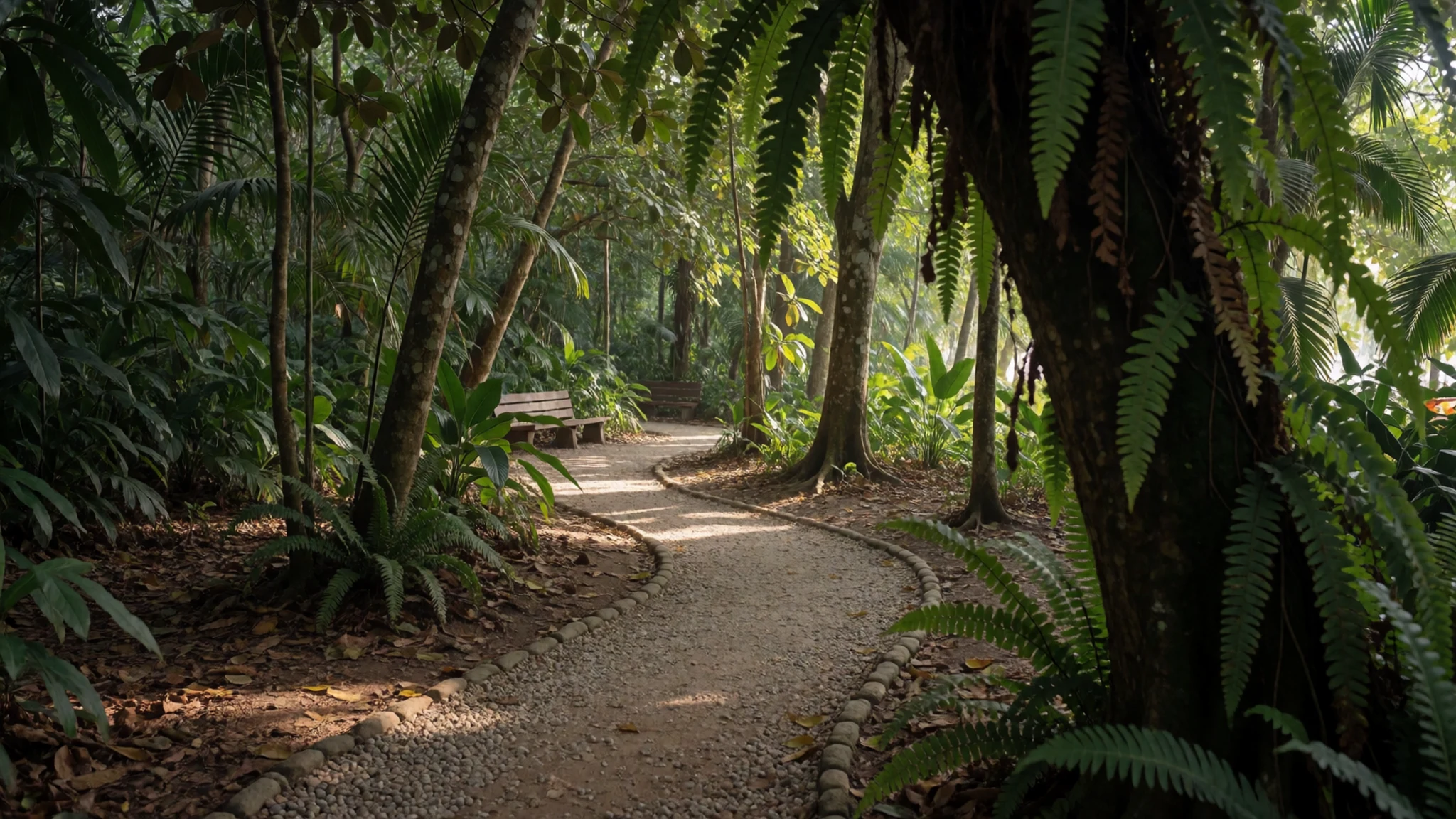
Culture
Playa del Carmen reflects a dynamic cultural blend shaped by waves of domestic migration from various Mexican states alongside international expatriates who have made the Caribbean coast their home. Traditional Yucatecan customs mingle with contemporary coastal lifestyles, creating an atmosphere that balances relaxed beach culture with lively urban commerce. Spanish is the primary language spoken throughout the municipality, though English is widely understood in tourist districts and hospitality establishments. Local celebrations often feature traditional music, regional culinary fairs, and community gatherings centred around public plazas and neighbourhood parks. Respect for local customs remains important, particularly when visiting neighbourhood churches or residential areas away from the main resort zones. Always greet local shopkeepers and service workers with a polite 'buenos días' or 'buenas tardes' before making inquiries or placing orders.
What to wear
Playa del Carmen fashion reflects its tropical climate and relaxed coastal environment. Traditional regional dress in the broader Yucatan Peninsula includes embroidered cotton garments known as huipiles for women, featuring colourful floral motifs stitched by hand, and light guayabera shirts for men, suited for warm weather. Today, locals and residents in Playa del Carmen wear casual, lightweight clothing such as linen shirts, shorts, and sundresses suited to the high year-round temperatures. Visitors should pack breathable cotton or linen fabrics, comfortable walking sandals for pedestrian avenues, and swimwear for the beach. When leaving the immediate shoreline to visit neighbourhood churches, local markets, or residential streets away from the resort zones, dress modestly by covering shoulders and knees out of respect for local traditions.
What to eat
- El Fogón — Downtown streets
El Fogón serves exceptional pork tacos al pastor carved directly from the spit, accompanied by fresh guacamole and varied regional salsas. Located within the downtown grid, the lively eatery offers generous portions and is recognised in international dining guides.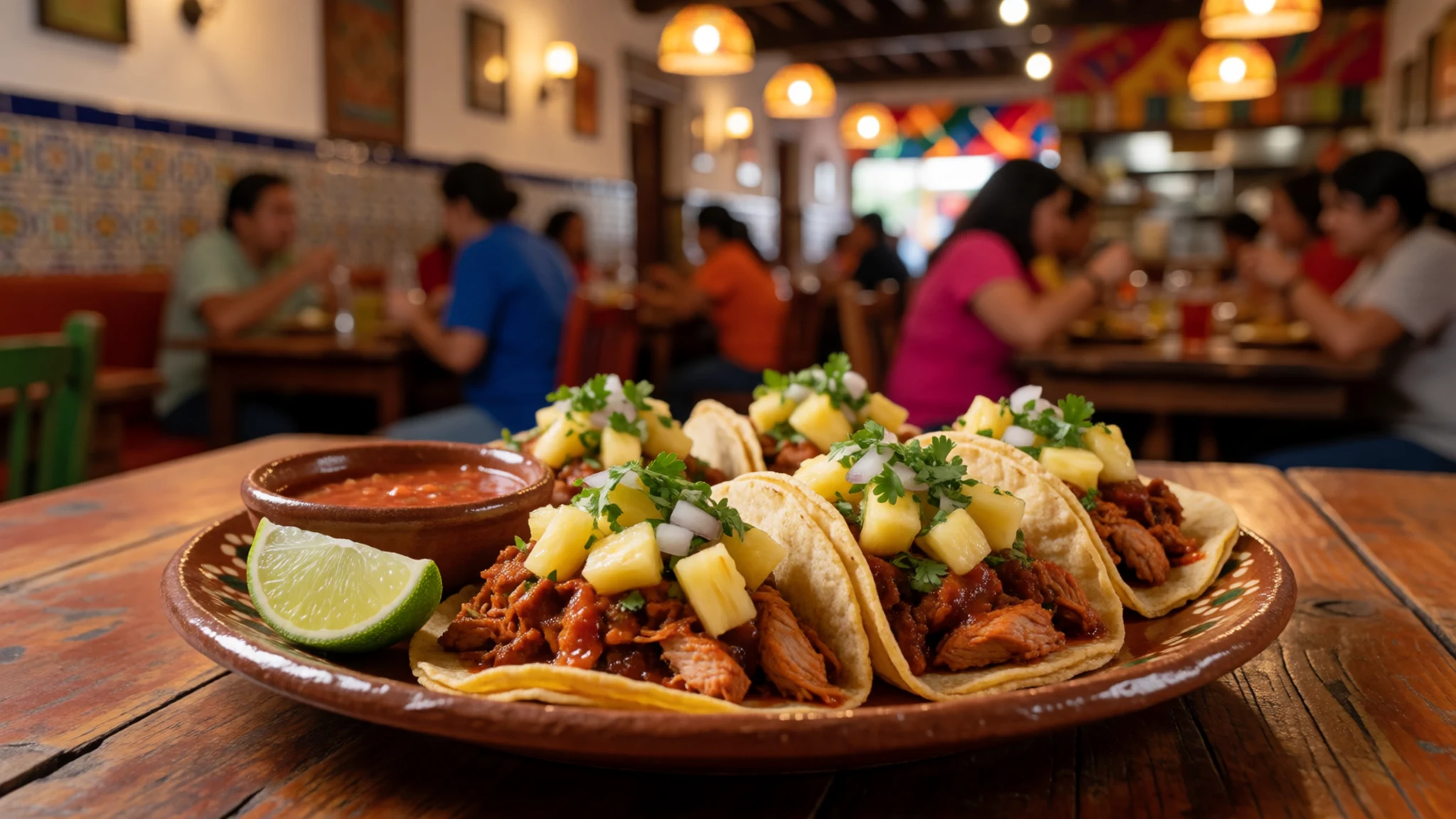
- La Cochi Loka — Residential side streets
La Cochi Loka is a modest neighbourhood eatery specialising in cochinita pibil tacos featuring slow-roasted pork prepared with traditional Yucatan seasonings. Visitors can enjoy their meals on a quiet, shady patio tucked away from the busier commercial avenues.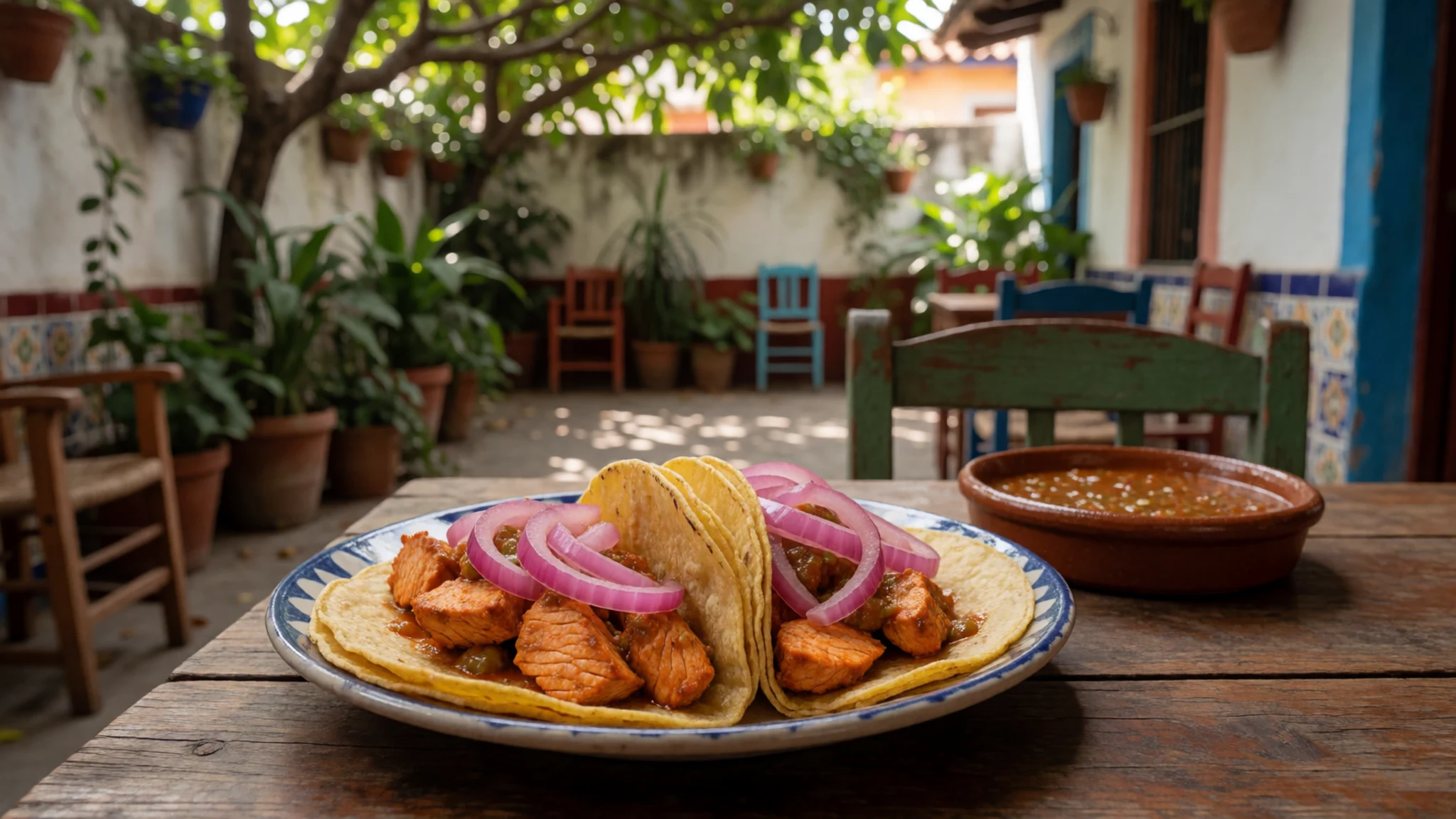
- Asadero el Pollo — Local neighbourhood avenues
Asadero el Pollo is a casual neighbourhood grill where workers and locals gather for charcoal-roasted chicken served with warm tortillas, pickled onions, and fiery house salsas. The interior is unpretentious, focusing entirely on flavorful, rustic poultry dishes. - Falafel Nessya — Central pedestrian district
Falafel Nessya offers freshly prepared falafel wraps and smooth, creamy hummus served by a friendly team. The small downtown counter provides quick, flavourful vegetarian options for travellers seeking a lighter bite between beach outings. - Morning Street Food Stalls — Downtown street corners
Morning street food carts assemble at dawn to serve local shop workers and service staff before the day warms up. These mobile stalls offer traditional breakfast fare, local snacks, and hot coffee from early morning until late morning.
Plan it
Best time. November to April offers the most pleasant weather with lower humidity and drier days, while summer and winter holidays bring peak tourist crowds and higher temperatures.
How long. 3–4
Getting there. Fly into Cancún International Airport, then take an ADO bus or pre-booked private transfer directly south to the terminal turistica in Playa del Carmen.
Budget. mid
Tips
- Purchase bus tickets in local currency at airport kiosks to save money
- Explore pedestrian avenues early in the morning before daytime crowds arrive
- Carry cash in pesos for small street food stalls and neighbourhood shops
- Drink bottled water rather than tap water throughout your stay
Etiquette
- Greet local workers with polite Spanish pleasantries before asking questions
- Cover shoulders and knees when visiting churches or non-beach areas
- Ask permission before photographing local residents in neighbourhood streets
Nearby
Sources
- Wikidata Q989988 (CC0)
- Wikipedia (CC-BY-SA 4.0)
- Wikivoyage (CC-BY-SA 4.0)