Plain of Jars
Plain of Jars, Laos

Discover thousands of mysterious ancient stone vessels scattered across dramatic upland valleys in one of Southeast Asia's most compelling prehistoric landscapes.
The place
The Plain of Jars unfolds across the upland valleys and lower foothills of the high Xiangkhoang Plateau in Laos. Positioned near the northern boundary of the mountain system dividing Indochina, this extraordinary megalithic landscape features thousands of carved stone vessels resting in clusters that vary from single specimens to hundreds grouped together. The environment is defined by rolling green hills, sweeping grasslands, and wide horizons that shift dramatically from misty mornings to bright afternoon sun. Visitors traversing these elevated meadows encounter an otherworldly terrain where massive containers carved from sandstone, granite, and conglomerate stone have rested for millennia. The air is generally crisp and cooler than the tropical lowlands due to the significant elevation above sea level, making walks across the plateau refreshing. Surrounding the archaeological zones, rural farming communities tend cattle and rice fields, while nearby Phonsavan acts as the main gateway for travellers exploring the region. The landscape bears deep physical reminders of mid-century conflicts, creating a poignant juxtaposition between ancient ritual history and the resilience of modern mountain life. Walking among the scattered stone formations reveals quiet vistas of distant ridges and valleys that remain largely untouched by modern commercial development, offering an introspective journey into deep antiquity.
Its story
The Plain of Jars holds deep secrets regarding the prehistoric civilisations that inhabited the interior of Southeast Asia long before recorded regional histories began. Early twentieth-century researchers advanced the theory that the heavy stone vessels played a central role in ancient mortuary rituals. Subsequent investigations by international and local archaeological teams uncovered human skeletal elements, burial artefacts, and ceramic vessels in the immediate vicinity of the containers, confirming their funerary purpose. Scientific testing methods suggest the large vessels were positioned across the landscape during ancient periods, while geological analyses indicate that workers transported certain heavy stones from quarries situated kilometres away from their current resting places. Local oral traditions and legends offer imaginative explanations for the vessels, suggesting they were crafted by giants to store rice wine for victorious celebrations. During the twentieth century, the region experienced severe disruption as intense aerial bombardment scarred the plateau, leaving behind unexploded ordnance that posed severe hazards to local residents and visitors alike. Dedicated international clearance teams have worked tirelessly for decades to clear pathways around the main heritage zones. Today, local residents incorporate salvaged metal fragments into everyday objects and architecture, transforming remnants of conflict into sustainable elements of daily living while preserving their ancient heritage.
What to see
- Jar Site 1
Jar Site 1 stands as the most accessible and heavily visited concentration of ancient stone vessels, featuring hundreds of scattered cylinders alongside a dramatic limestone cave historically used for cremations. Visitors can easily explore marked walking tracks that wind between the massive stone containers while taking in sweeping valley views.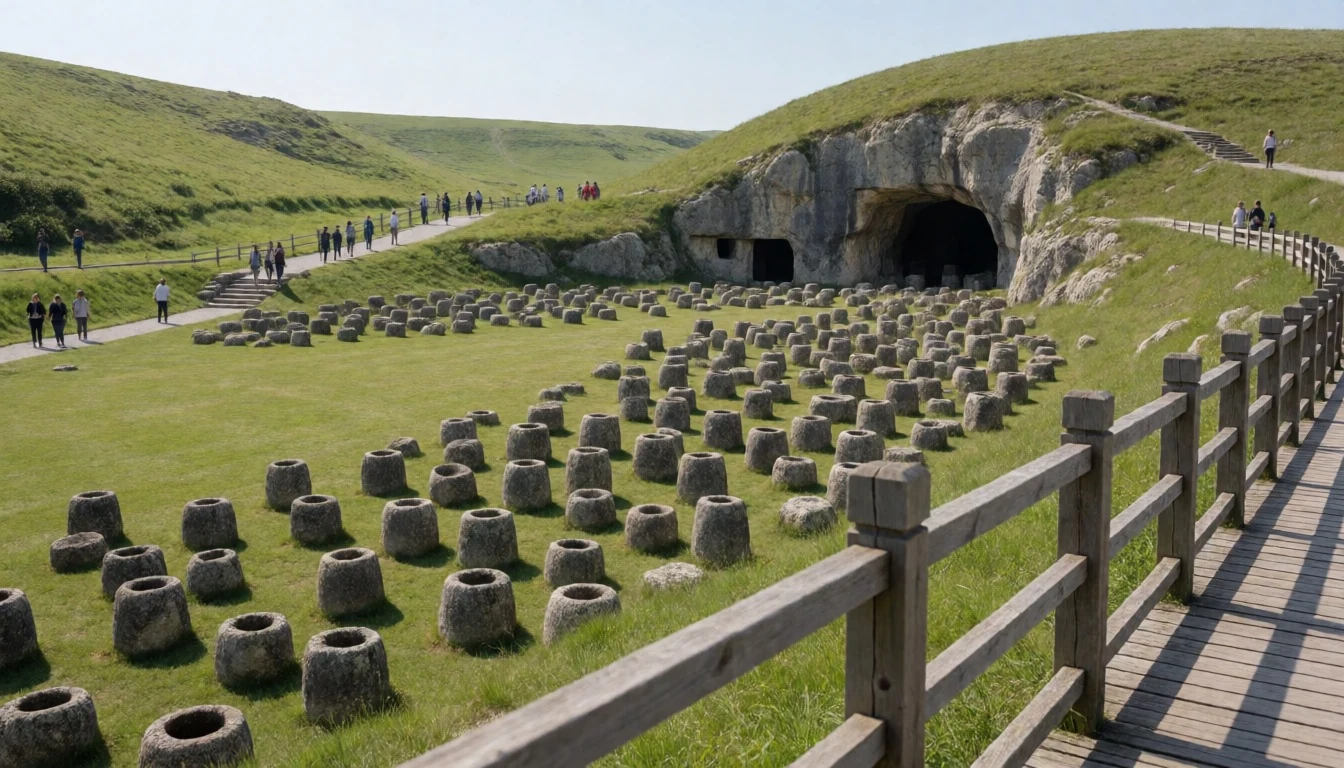
- Jar Sites Further Afield
Jar Sites 2 and 3 offer quieter encounters with the megalithic landscape, requiring short journeys through surrounding agricultural fields and forested hills. These secondary locations feature weathered stone containers resting peacefully among tall grasses and offer rewarding panoramic vistas away from the main tourist paths.
- Demarcated Safety Zones
Demarcated safety zones managed by international demining organisations allow visitors to witness active post-conflict recovery firsthand through characteristic red and white boundary markers. Walking strictly within these cleared lanes ensures complete safety while offering a profound understanding of modern regional history.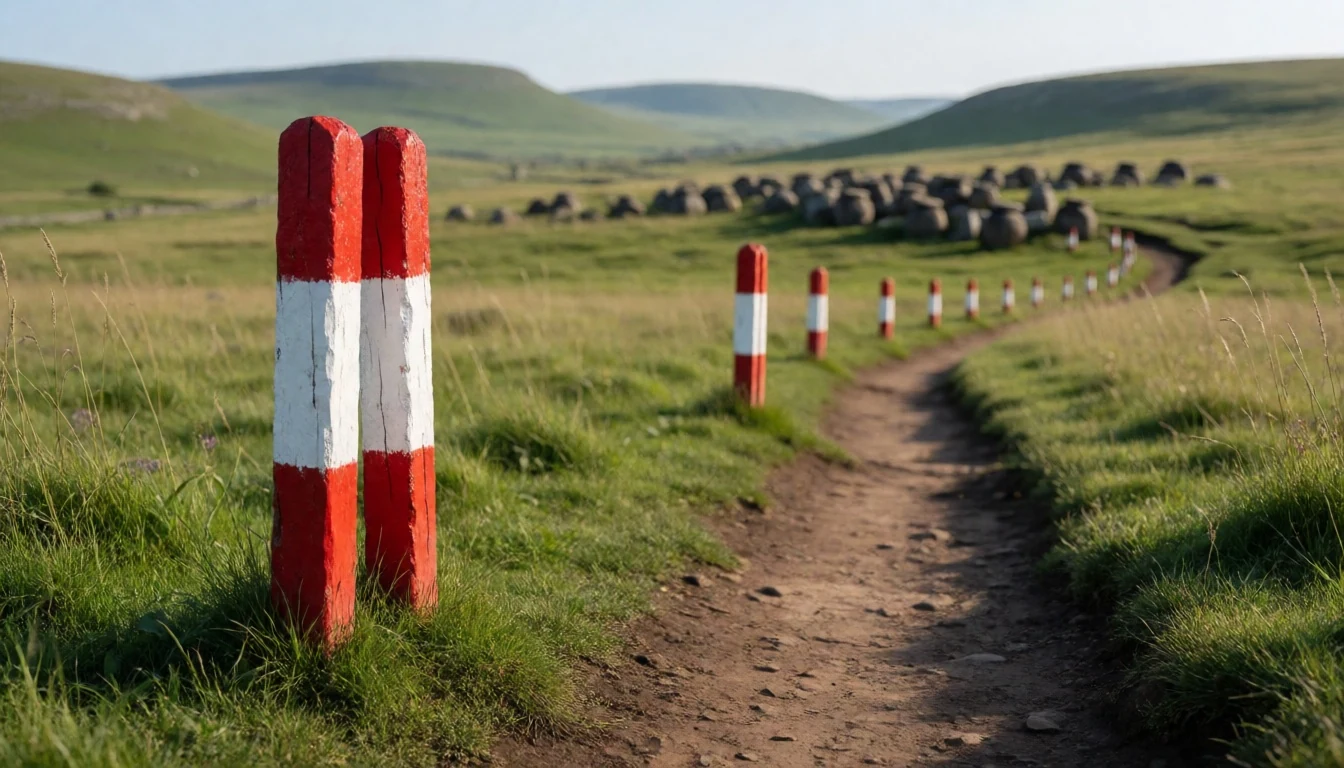
- Phonsavan Town Centre
Phonsavan town centre serves as the cultural hub for travellers exploring the Xiangkhoang Plateau, featuring bustling local markets, vibrant textile shops, and unique architecture incorporating salvaged metal materials. Visitors can interact with friendly residents and arrange local transport to outlying valleys.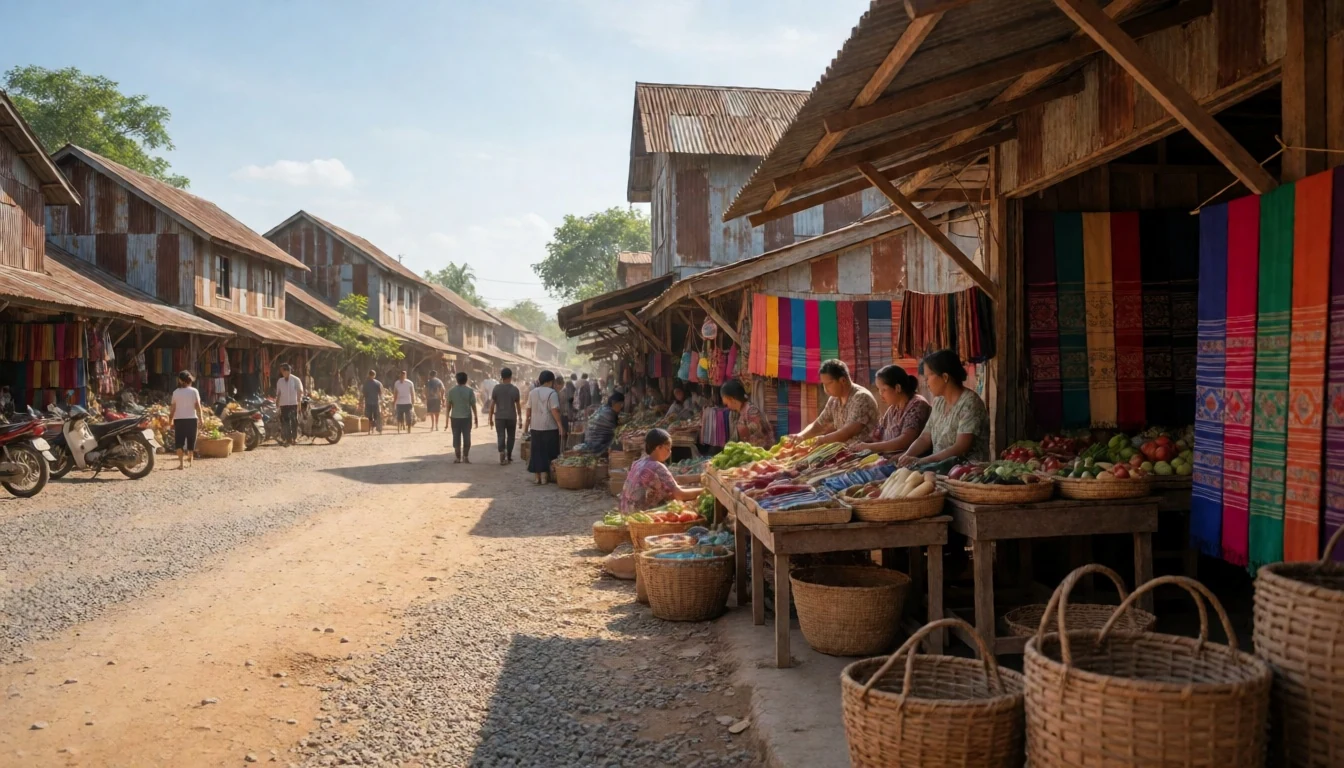
- Local Salabeers and Lakes
Local salabeers situated around small lakes near Phonsavan provide tranquil spots to unwind in the afternoon and sample regional dishes. These relaxing lakeside venues offer scenic views across the water and act as popular gathering spots for travellers and locals alike.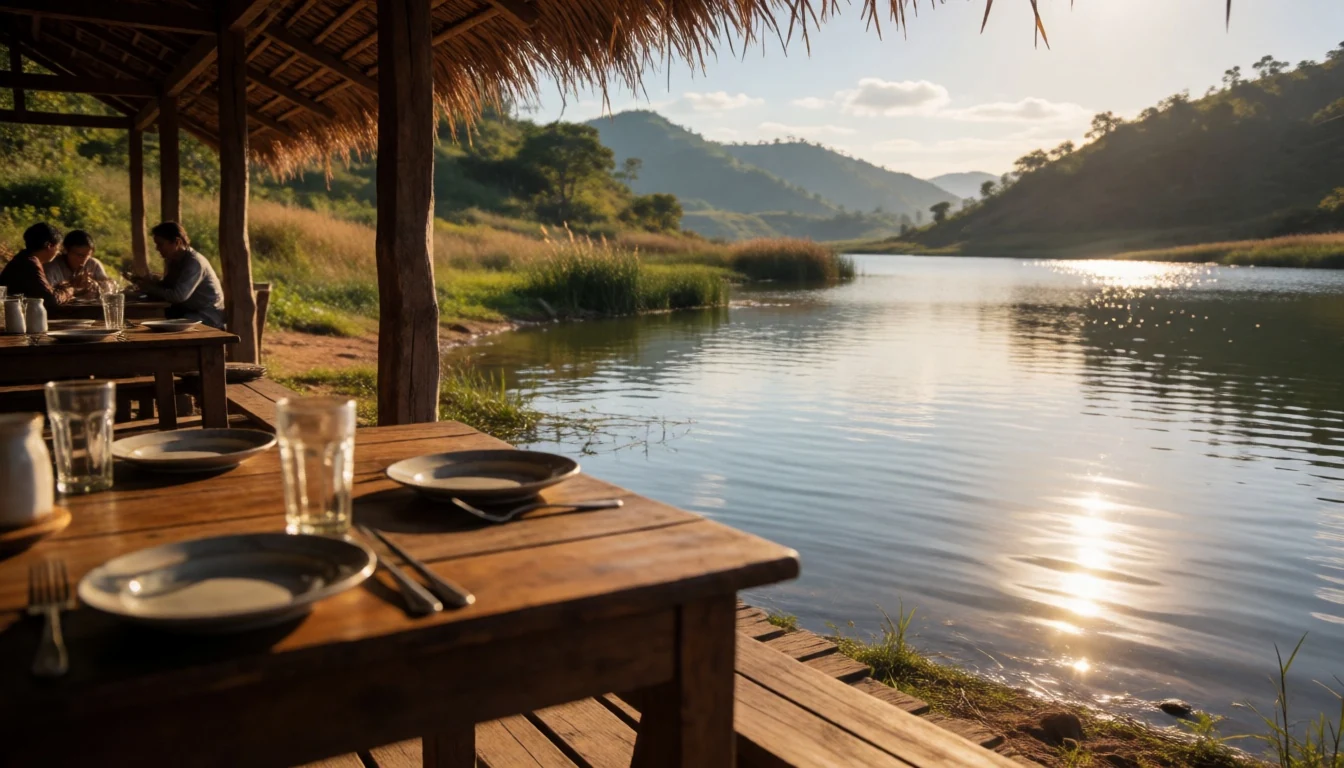
Culture
The Plain of Jars reflects the rich cultural diversity of the Xiangkhoang Plateau, where Phuan, Hmong, Khmu, and Tai Dam communities live alongside one another, each maintaining distinct traditions, linguistic roots, and festive customs. Traditional village life remains closely tied to upland agriculture, seasonal harvests, and intricate textile craftsmanship passed down through generations. Community gatherings often feature traditional music played on bamboo instruments and communal sharing of meals centred around glutinous rice. Visitors to the Plain of Jars will encounter a resilient population that maintains deep pride in their heritage despite decades of historical hardship. Travellers are welcomed with genuine warmth and hospitality, though cultural sensitivities regarding sacred spaces and post-conflict history should always be respected. Always remove your footwear before entering village homes or local temples, and dress modestly with covered shoulders and knees out of respect for local customs.
What to wear
Fashion and dress across the Plain of Jars balance traditional mountain heritage with practical everyday clothing suited for cool upland weather. Traditional textiles worn during festivals and special occasions by local ethnic minority communities feature intricate hand-woven patterns, indigo-dyed cottons, embroidered skirts, and silver jewellery that signify ancestral lineage and group identity. In daily life around Phonsavan and surrounding farming villages, residents generally wear practical modern garments such as trousers, comfortable shirts, and lightweight jackets or jumpers, especially during cooler morning and evening hours when mountain breezes sweep across the plateau. Visitors exploring the archaeological sites should dress comfortably for outdoor walking while maintaining cultural modesty. Sturdy walking shoes or trainers are essential for navigating uneven grassy terrain and dirt footpaths between the stone containers. Lightweight layers work best for daytime sun protection, while a warm fleece or windproof jacket is recommended for chilly mountain evenings.
What to eat
- Lao Sticky Rice — Any local market or eatery in Phonsavan
Lao sticky rice forms the foundation of nearly every meal across the plateau, traditionally served in small woven bamboo baskets and eaten by hand to accompany savoury dishes at local markets and family-run eateries.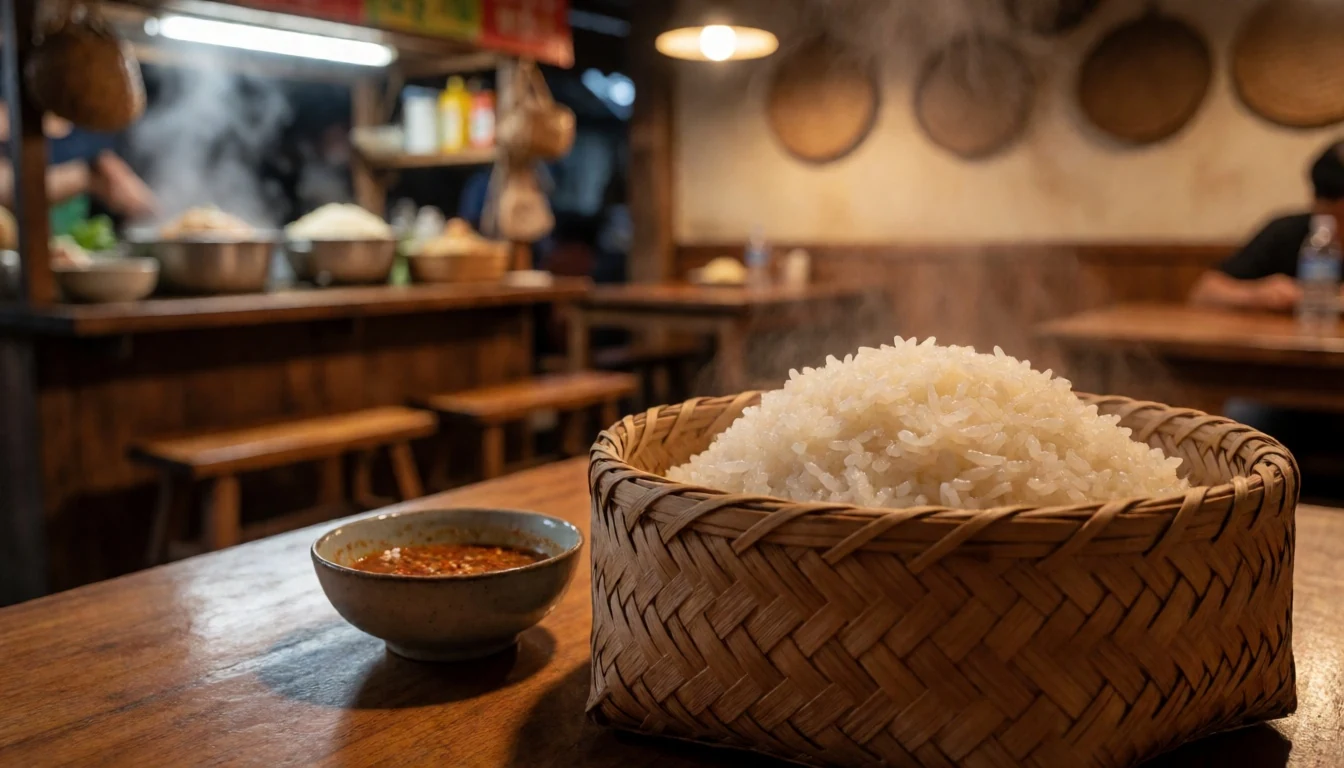
- Regional Larb — Traditional restaurants in Phonsavan town
Regional larb is a fragrant minced meat or herb salad tossed with toasted rice powder, fresh mint, lemongrass, and chilli, offering a refreshing and spicy flavour profile typical of highland Lao cooking.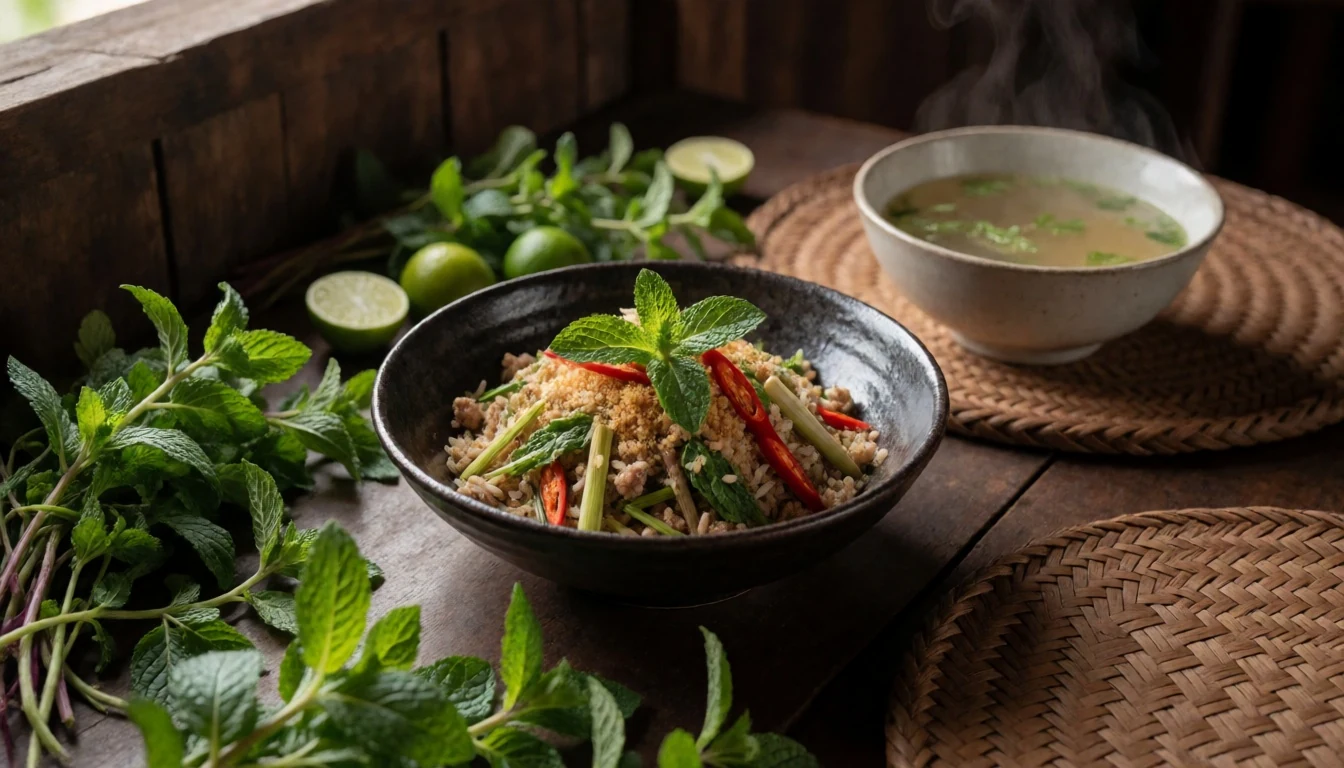
- Lao Noodle Soup — Morning market stalls in Phonsavan
Lao noodle soup features steaming broth poured over rice noodles, garnished with fresh herbs, lime, bean sprouts, and local greens, making it a popular and warming breakfast choice in local markets. - Local River Fish Dishes — Salabeers overlooking lakes near Phonsavan
Local river fish dishes showcase fresh catches from surrounding waterways, frequently grilled with aromatic herbs and lemongrass or simmered in savoury regional stews.
Plan it
Best time. November to April offers the most pleasant weather with clear skies and comfortable daytime temperatures, whereas the rainy season brings muddy paths and humid conditions.
How long. 2–3
Getting there. Fly from Vientiane to Phonsavan airport, or take a long-distance bus or minivan from Vientiane, Vang Vieng, or Luang Prabang along winding mountain roads.
Budget. mid
Tips
- Always stick strictly to marked paths and white-sided MAG marker bricks to ensure safety from unexploded ordnance.
- Hire a local guide or driver in Phonsavan to navigate the unpaved rural roads leading to outlying jar sites.
- Carry sufficient cash, as automated teller machines can be unreliable outside the main town centre.
- Start your visits early in the morning to enjoy cooler temperatures and avoid afternoon heat on the open plateau.
Etiquette
- Remove your footwear before entering village homes or local religious buildings.
- Ask permission before photographing local residents and minority community members.
- Dress modestly with covered shoulders and knees when visiting sacred or community spaces.
Nearby
Sources
- Wikidata Q870258 (CC0)
- Wikipedia (rev 1375512965) (CC BY-SA 4.0)
- Wikivoyage (rev 5267185) (CC BY-SA 4.0)
- Photo 01-20171115-plain-of-jars-laos-2540-dxo.jpg (CC BY-SA 4.0)
- Photo 02-plainofjars-2.jpg (CC BY-SA 2.5)
- Photo 08-mag-marker-brick.jpg (Public domain)


