Philae
Philae, Egypt
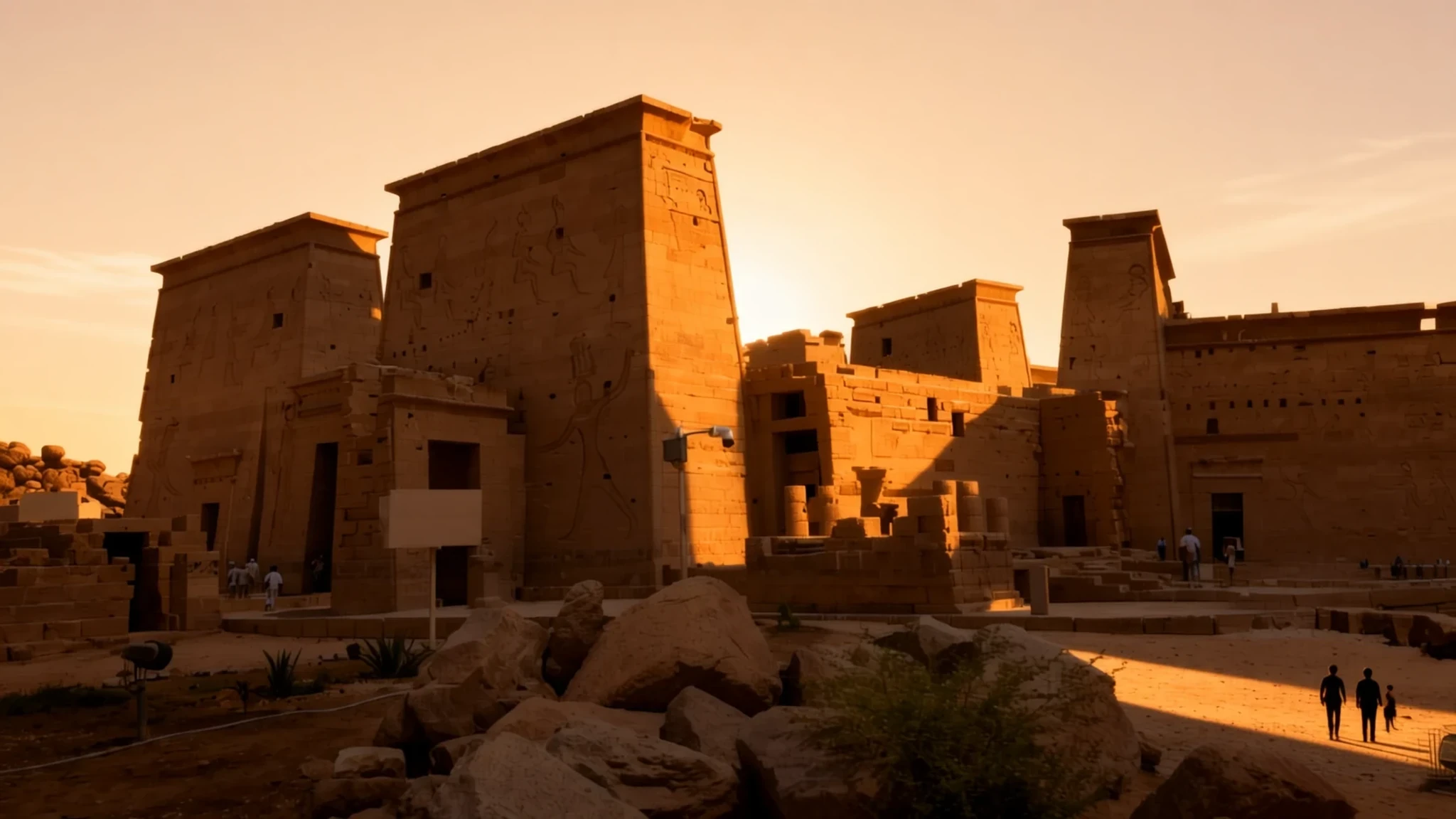
Visit Philae to witness a magnificent ancient temple complex rescued from rising river waters and rebuilt on a nearby rocky island.
The place
Philae sits within the southern boundaries of Egypt, positioned near the ancient cataracts of the great river that defines the nation's geography. Egypt itself is a vast transcontinental territory stretching across North Africa and touching the Middle East, characterised by arid expanses broken only by the life-giving ribbon of the Nile valley. The country is bounded by the Mediterranean Sea to the north and the Red Sea towards the east, flanked by expansive deserts on either side of the cultivated riverbanks. Philae originally occupied a rocky outcrop in Upper Egypt near the First Cataract, a stretch of granite boulders and rushing water that historically marked the southern frontier of the land. Because of major twentieth-century engineering works along the river, the original island was submerged beneath the reservoir waters. Today, the relocated temple architecture stands upon Agilkia Island, preserving a vital sanctuary that once welcomed pilgrims traveling along the southern borders of the ancient kingdom. Visitors arriving here today take a short motorboat journey across the blue waters to step ashore among colonnades, carved stone walls, and towering pylons that have withstood centuries of environmental transformation, political change, and shifting shorelines along the legendary African waterway.
Its story
Philae has witnessed some of the most dramatic physical transformations in the history of archaeological preservation. In antiquity, the island served as a sacred centre dedicated to the goddess Isis, functioning as a vital place of worship for ancient Egyptians and Nubians alike. As Christianity spread through the region, Philae endured as one of the very last active outposts where traditional polytheistic religious practices continued long after the official conversion of the surrounding empire. The sacred site remained operational until imperial decrees ordered its formal closure, ending millennia of continuous ritual devotion. Centuries later, the landscape around the sanctuary changed forever with the construction of regional dams designed to control the annual flooding of the valley. Successive barrages caused seasonal and eventually permanent inundation of the ancient ruins, threatening to erase the stone monuments beneath the rising lake waters. To save the heritage of Philae from total destruction, an international salvage operation was mounted. Engineers and conservationists constructed a protective cofferdam around the flooded monuments, pumped out the water, meticulously dismantled every stone block, and rebuilt the entire complex on the higher elevation of nearby Agilkia Island. This monumental relocation ensured that the temples survived for modern travellers, turning an engineering rescue mission into an enduring chapter in the preservation of world heritage.
What to see
- Temple of Isis at Agilkia — Agilkia Island
The Temple of Isis at Philae stands as the magnificent anchor of the relocated complex on Agilkia Island, featuring beautifully carved stone walls, grand pylons, and sacred inner chambers dedicated to the ancient goddess of healing, magic, and motherhood.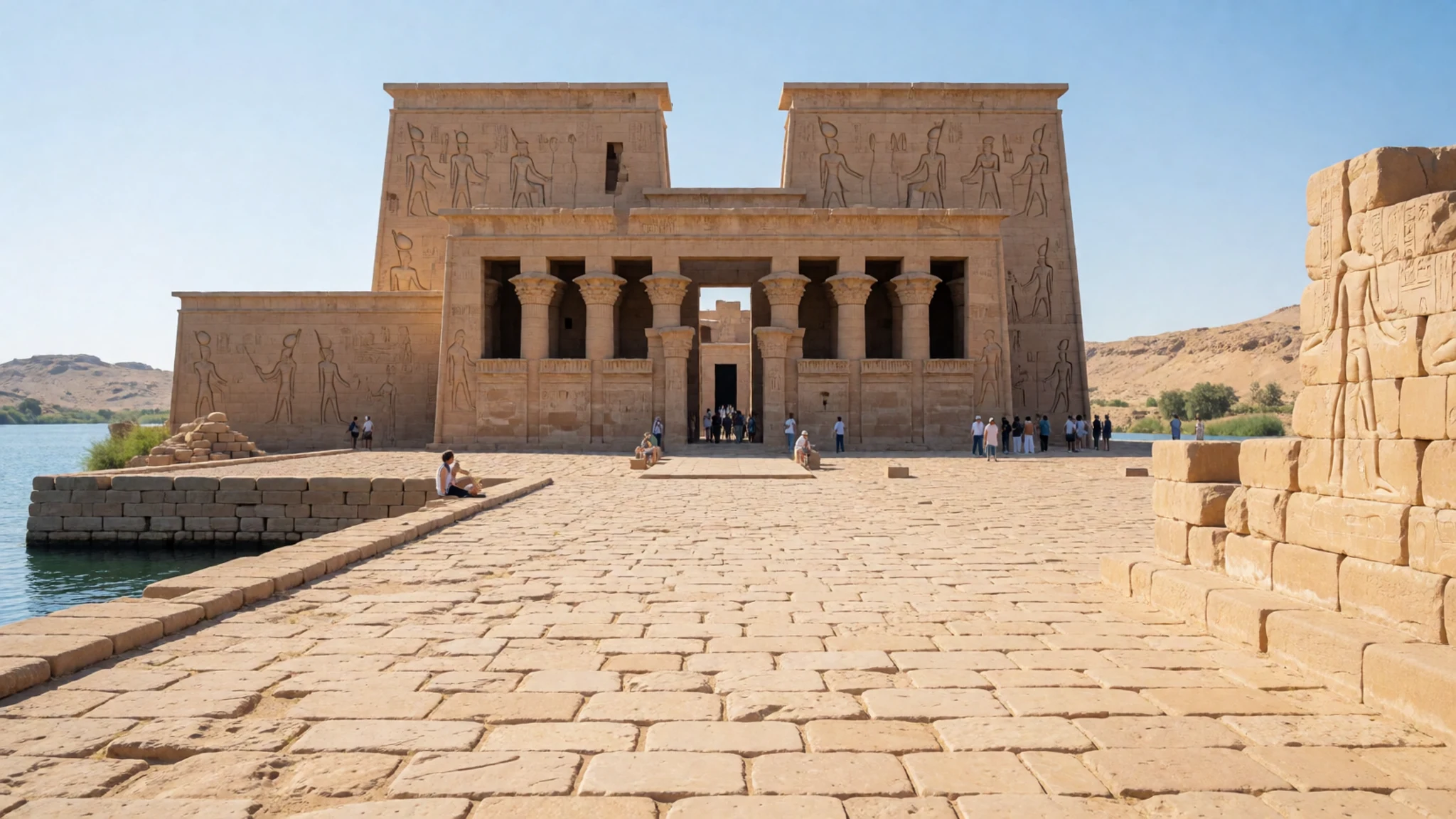
- Trajan's Kiosks — Agilkia Island
Trajan's Kiosk at Philae is an iconic roofless pavilion featuring fourteen soaring stone columns with elaborate floral capitals, once serving as a grand landing stage for processions arriving by boat from the riverbanks during ancient festivals.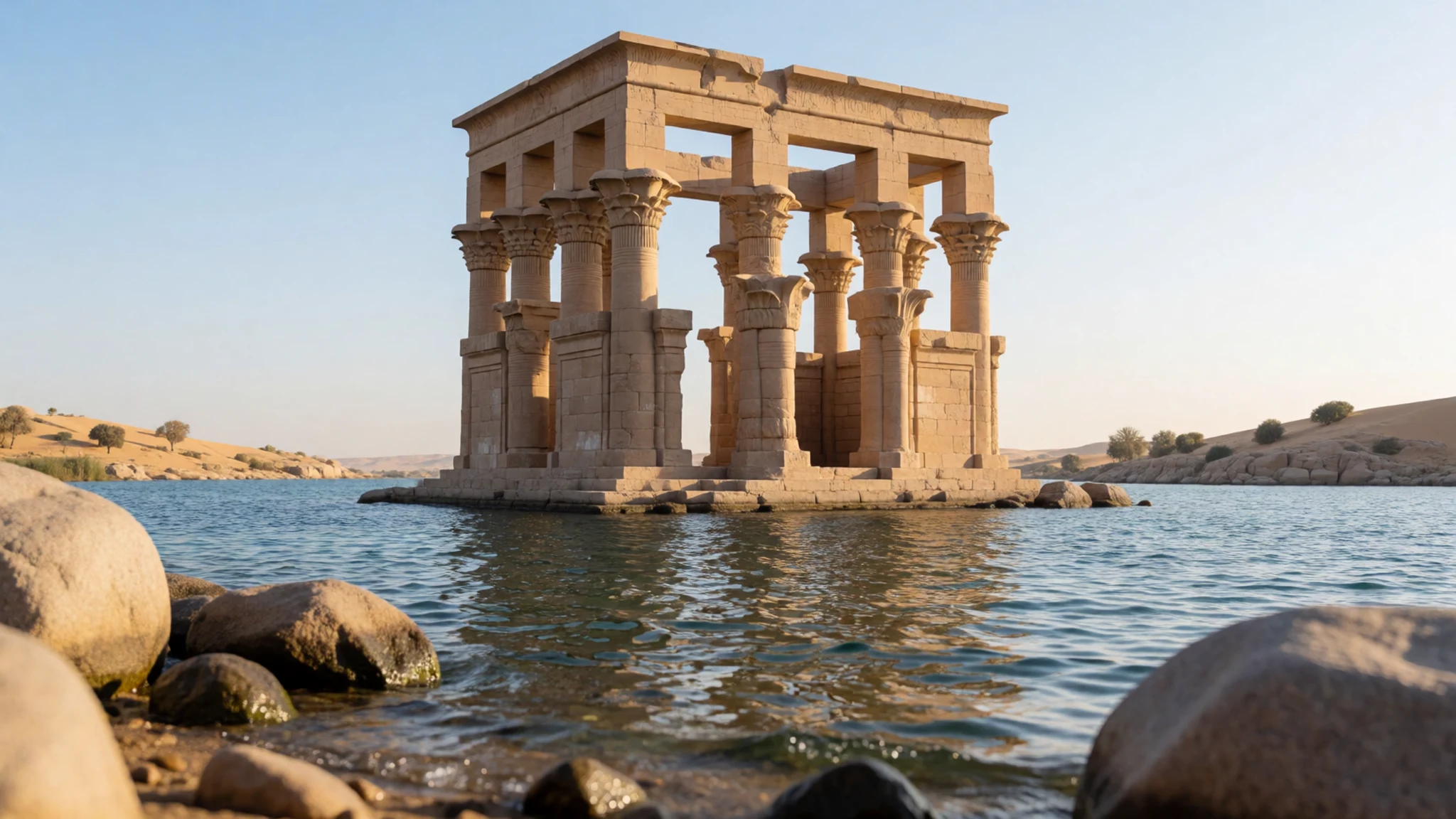
- First Cataract Granite Boulders — Aswan region
The First Cataract granite boulders surrounding Philae formed the legendary natural barrier of ancient Nubia, creating turbulent rapids and picturesque river scenery that historically defined the southern boundary of the Egyptian realm.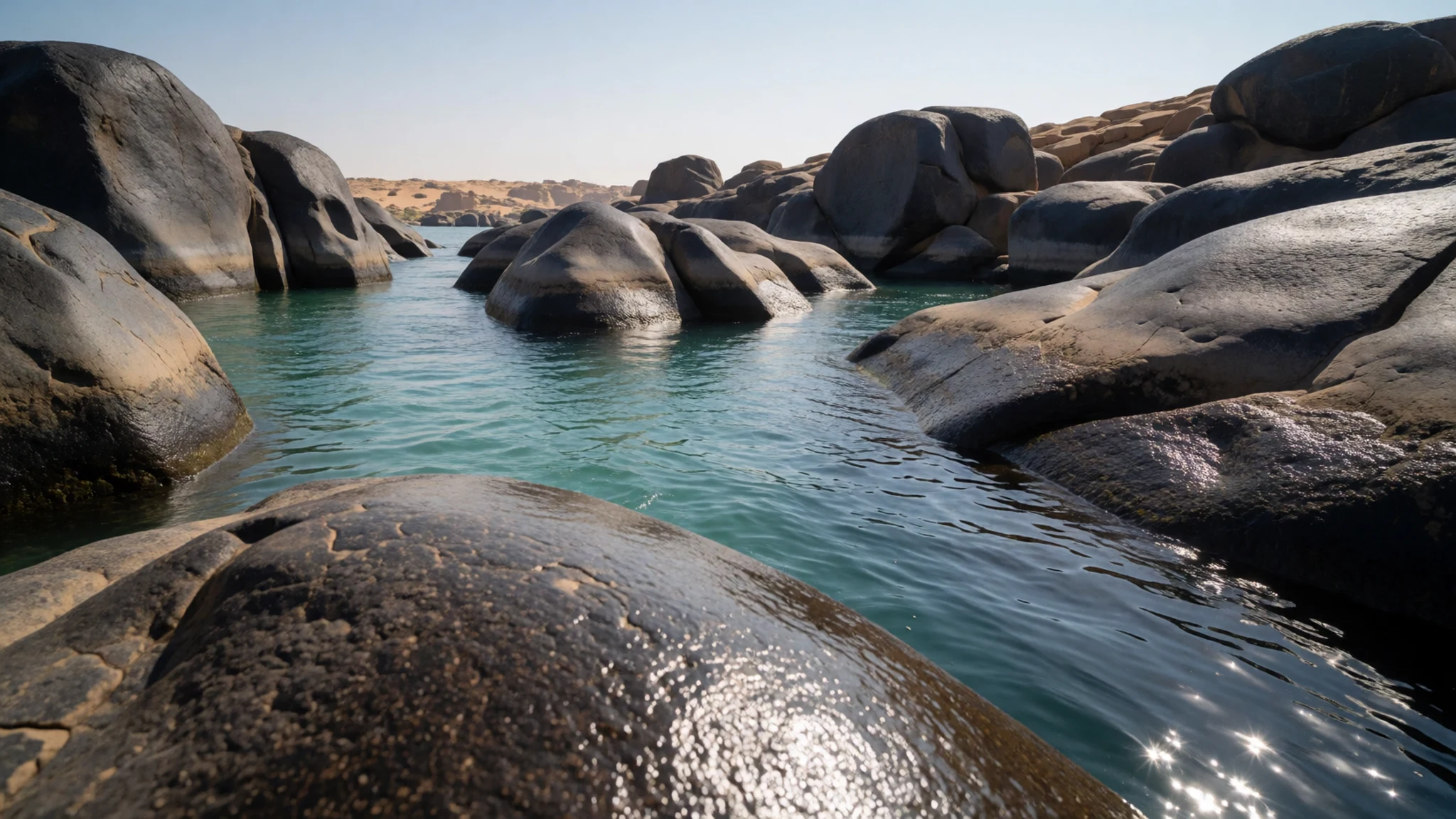
- Aswan High Dam and Lake Nasser — Aswan
The Aswan High Dam and Lake Nasser represent the modern engineering marvels that reshaped the geography of southern Egypt, creating the vast reservoir that necessitated the incredible UNESCO-led rescue of ancient Philae and its surrounding monuments.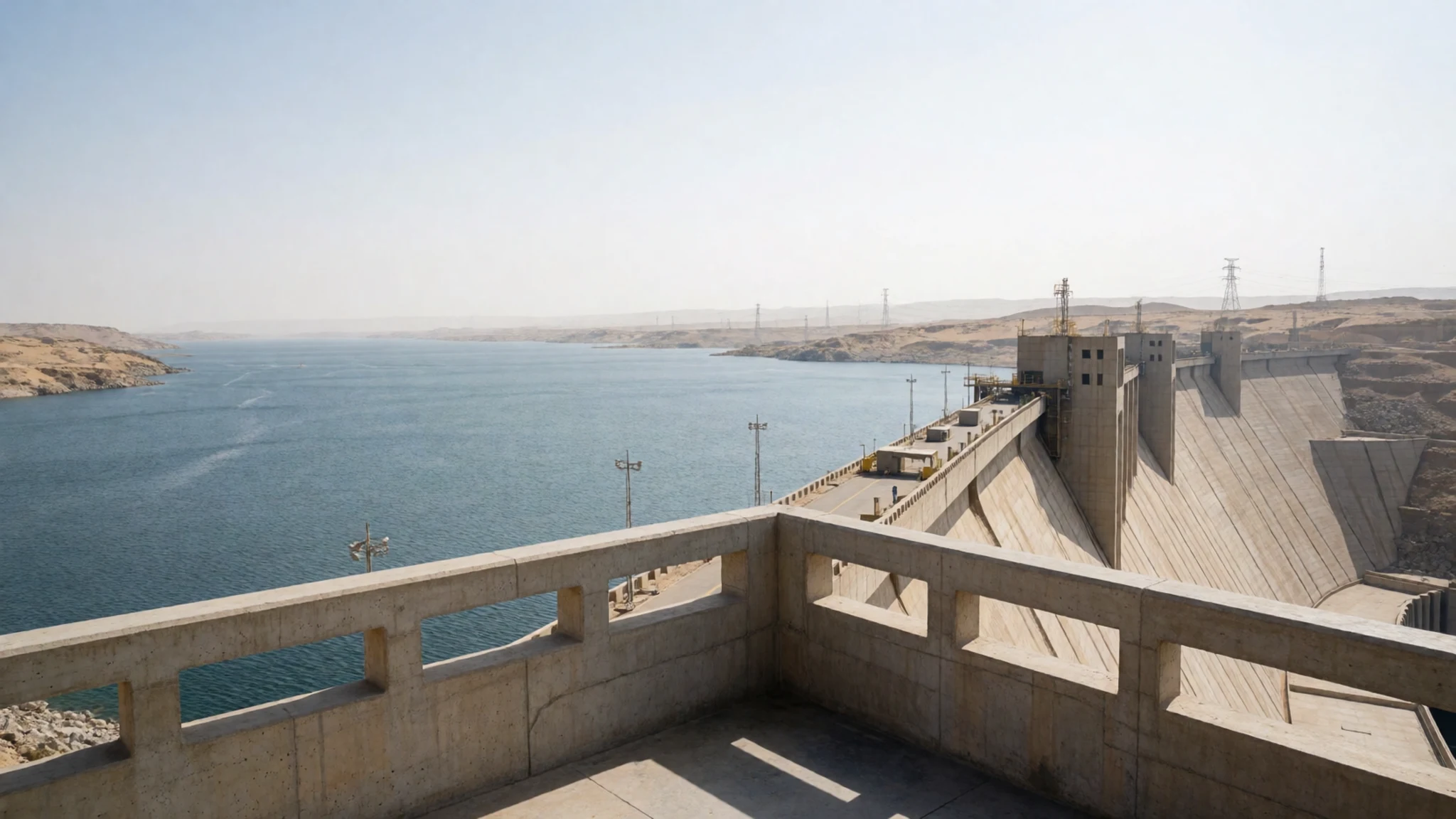
Culture
At Philae and across Egypt, local culture is deeply rooted in traditional Arab and North African heritage, where hospitality and personal warmth are matters of immense cultural pride. People take great care to maintain social harmony, and public interactions are guided by courtesy, respect for elders, and a strong sense of community obligation. Conversations often begin with warm greetings and polite inquiries about well-being before any business or sightseeing is discussed. Religion plays a significant role in daily life, shaping public rhythms, dietary customs, and modest dress expectations. When engaging with locals, visitors will find that patience, gentle humor, and an open attitude open many doors. Traditional arts, music, and crafts remain vibrant expressions of identity, passed down through generations in towns along the riverbanks. Respect local religious sensitivities by dressing modestly in public spaces and sacred sites. Always ask for permission before photographing local residents, and never criticize religious traditions or national customs openly.
What to wear
Traditional dress in Egypt varies from rural farming garments to urban attire, often featuring breathable natural fibres suited to the climate of Philae and the surrounding river valley. Historically, lightweight cotton and linen have been favoured to cope with high temperatures, while traditional garments such as the flowing galabeya remain common among local men in Upper Egypt. Modern city dwellers in Cairo and other urban centres generally wear contemporary Western-style clothing, though modesty remains an important consideration across the country. Visitors exploring Philae and other cultural heritage sites should choose loose-fitting garments that cover the shoulders and knees to show respect for local norms and religious traditions. Bringing a lightweight scarf or shawl is helpful for entering sacred spaces or shielding against the strong desert sun. Footwear should be comfortable and sturdy for walking across uneven stone blocks, sandy paths, and boat ramps around the island.
What to eat
- Koshari — Local eateries and street stalls across Egyptian cities
Koshari is Egypt's ultimate comfort dish, combining layers of rice, macaroni, lentils, crispy fried onions, and a tangy tomato vinegar sauce spiced with garlic.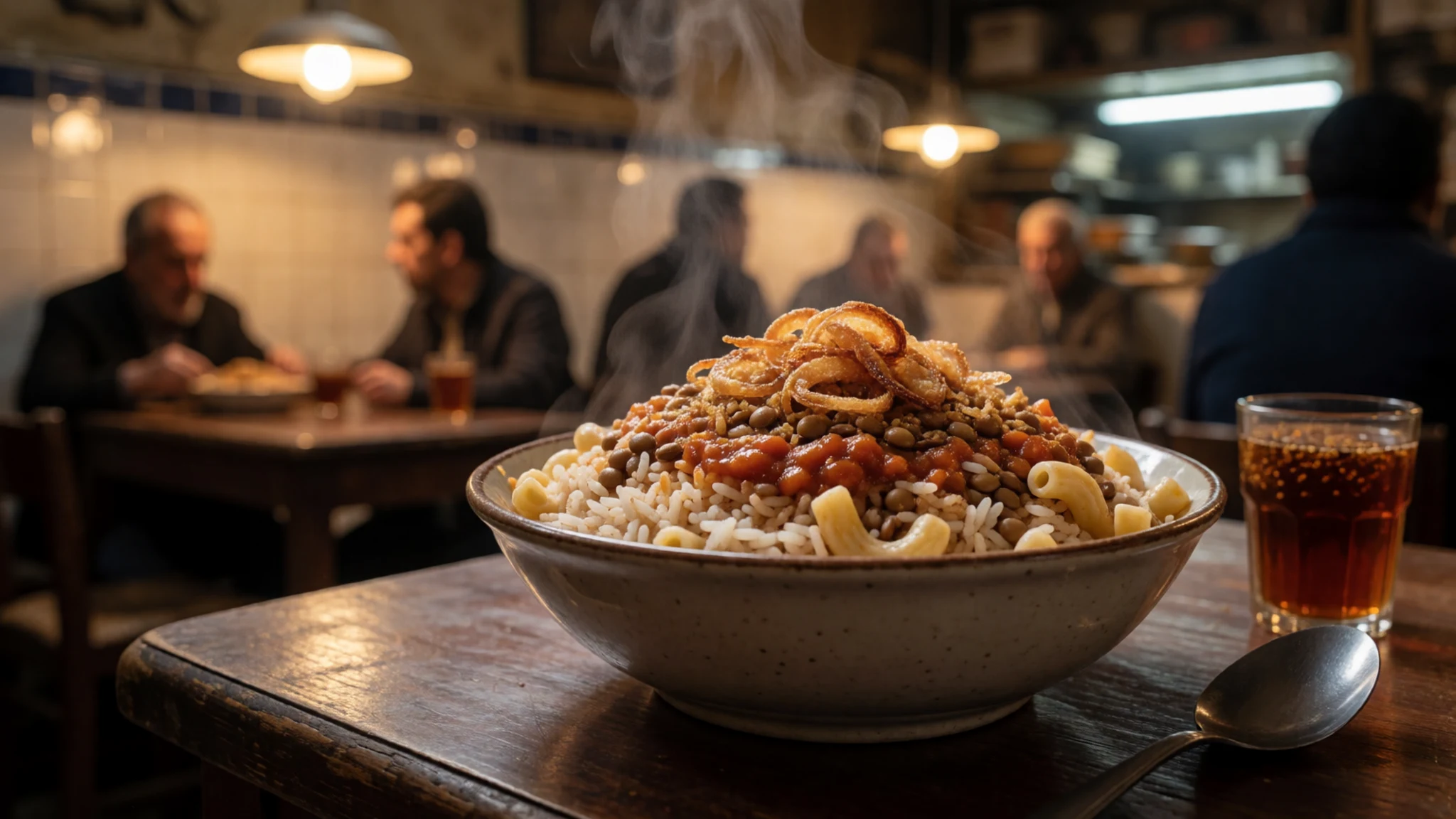
- Taameya — Morning markets and neighbourhood breakfast shops
Taameya is the local Egyptian version of falafel, made from crushed fava beans rather than chickpeas, seasoned with fresh herbs and coated in sesame seeds before frying.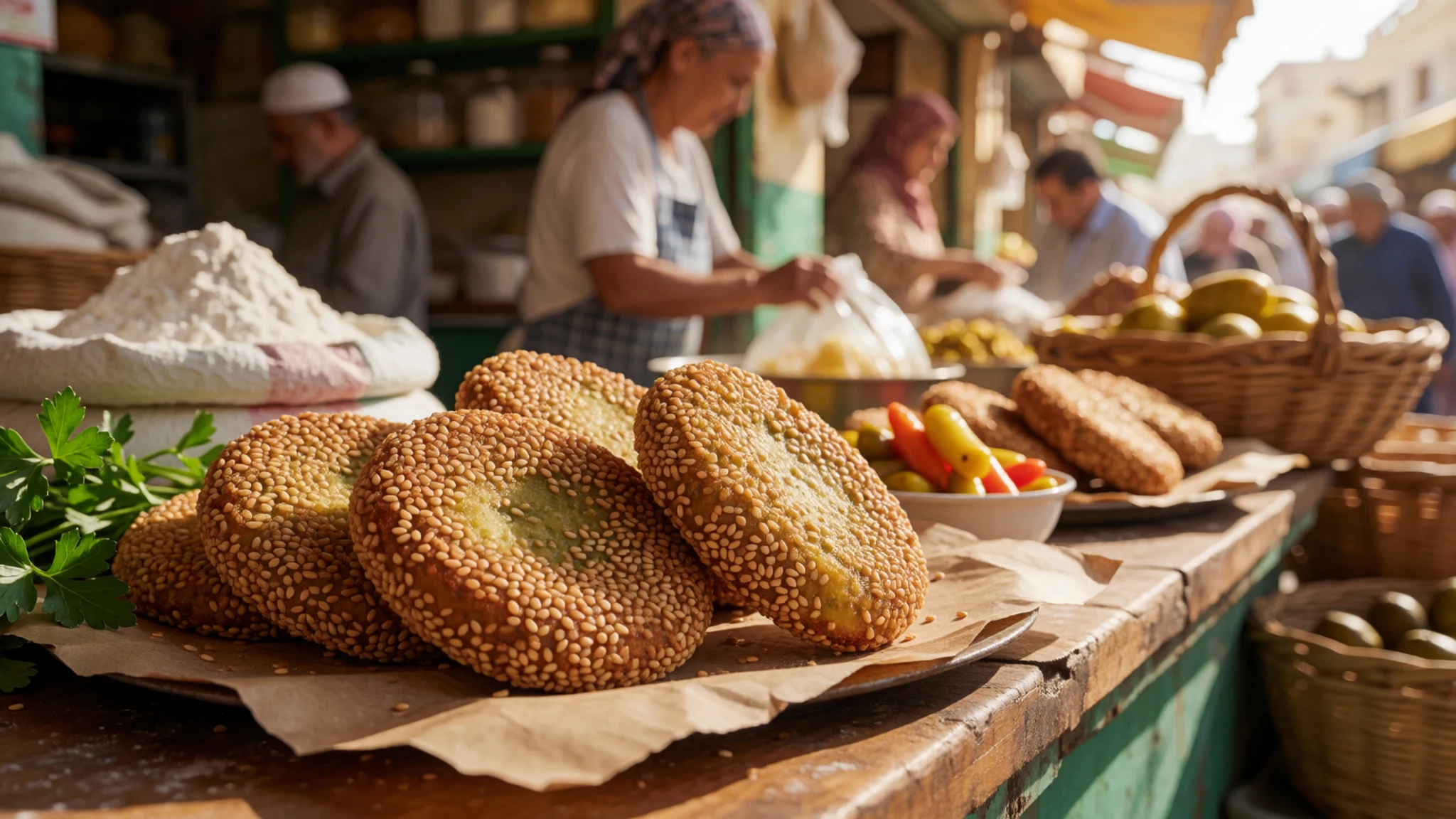
- Ful Medames — Traditional breakfast cafes and street carts
Ful medames is a traditional breakfast staple consisting of slow-cooked fava beans dressed with olive oil, cumin, garlic, lemon juice, and fresh parsley. - Molokhia — Traditional family-style restaurants throughout the Nile valley
Molokhia is a rich, savoury green soup prepared from finely minced jute leaves cooked in a robust meat broth with plenty of garlic and coriander.
Plan it
Best time. October to March offers pleasant daytime temperatures and comfortable weather for exploring outdoor archaeological sites, while summer months bring intense, dry heat.
How long. 2–3
Getting there. Fly into Cairo International Airport and take a domestic flight or sleeper train south to Aswan, followed by a short taxi ride to the river landing for the motorboat to Philae.
Budget. mid
Tips
- Arrive early in the morning to experience the temples before tour groups and midday heat peak.
- Hire a licensed local guide at the river landing to understand the history of the stone reliefs.
- Carry small denominations of local currency for boat fares, entry fees, and market purchases.
- Drink plenty of bottled water throughout the day to stay hydrated under the desert sun.
Etiquette
- Dress modestly with shoulders and knees covered when visiting temples and religious monuments.
- Ask permission before taking photographs of local people and artisans.
- Remove shoes if entering designated prayer spaces or active religious areas.
Nearby
Sources
- Wikidata Q245062 (CC0)
- Wikipedia (rev 1371255870) (CC BY-SA 4.0)
- Wikivoyage (rev 5410102) (CC BY-SA 4.0)