Phanagoria
Phanagoria, Russia
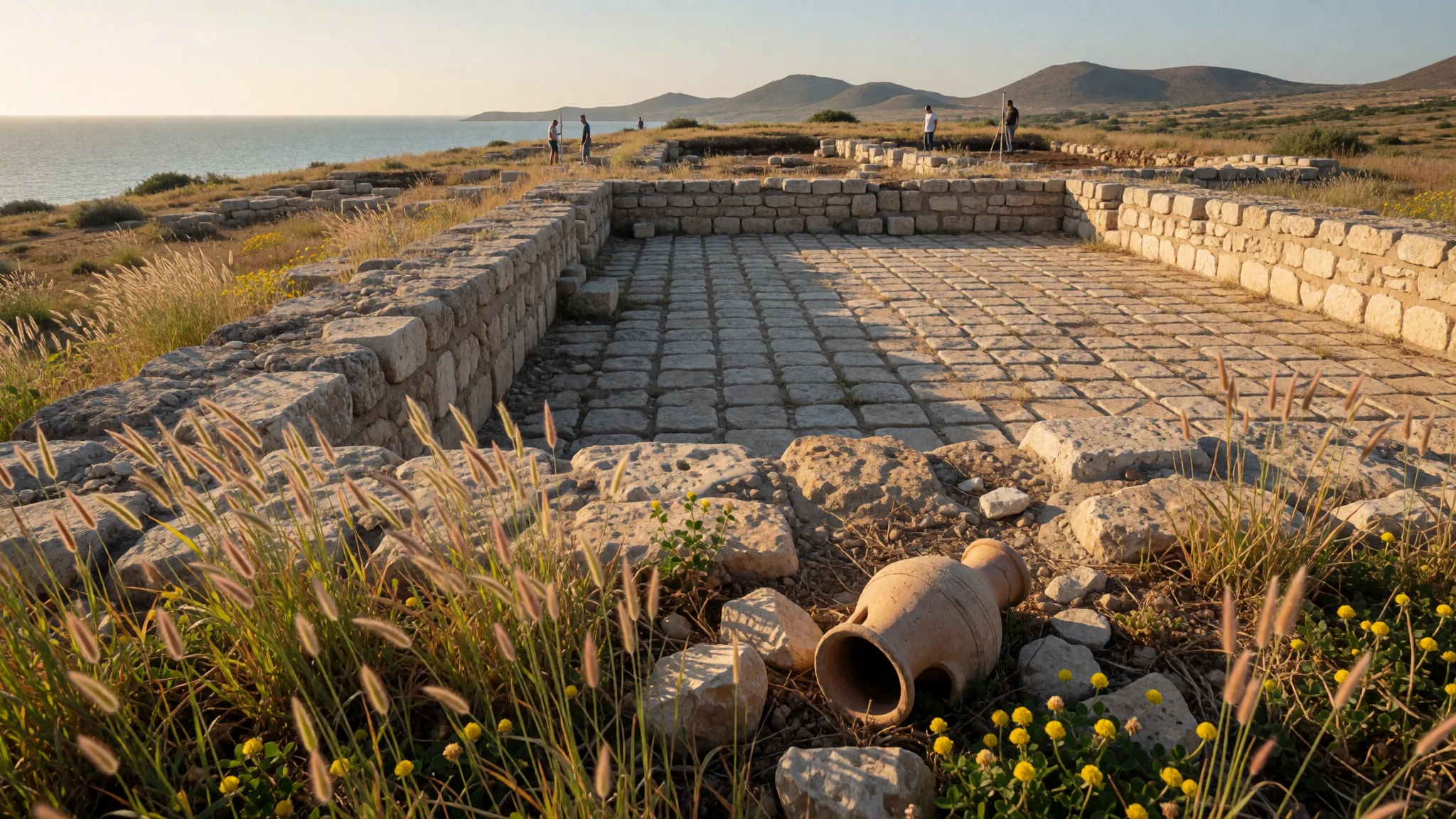
Explore the submerged ruins and sun-bleached plateaus of ancient Phanagoria, once the eastern capital of the Bosporan Kingdom.
The place
Phanagoria sits along the eastern shore of the Cimmerian Bosporus, spread across two distinct plateaus on the Taman Peninsula in Krasnodar Krai, Russia. As the largest ancient Greek city in the region, it once functioned as a bustling emporium connecting maritime traffic between the Maeotian marshes and the southern slopes of the Caucasus. The landscape here feels distinct from much of the surrounding country, marked by low volcanic cones, ravines, and rolling hills that give the terrain an ancient, restless character. Visitors today arrive near the quiet village of Sennoy, a short distance from the modern shoreline, where ongoing archaeological digs continue to unearth the stratified remains of Greek, Roman, and medieval epochs. A significant portion of the ancient municipal area now lies submerged beneath the Black Sea, turning the shallow coastal waters into an underwater museum of amphorae and stone foundations. Krasnodar Krai itself enjoys some of the most favourable climate conditions in the country, supporting vast agricultural fields that feed millions and sustain a thriving domestic tourism industry along the coast. The surrounding region transitions from flat steppes to lush valleys, offering a warm, maritime atmosphere that feels removed from the industrial core of northern Russia. Exploring the site requires a willingness to imagine the past through sparse foundations and sweeping coastal vistas, as much of the ancient city rests quietly beneath the soil and sea.
Its story
The city's origins stretch back to its foundation by Teian colonists who fled Asia Minor following a fierce conflict with Cyrus the Great of Persia. Taking its name from Phanagoras, one of the original settlers, the polis quickly established itself as a major trading hub dealing in grain and goods with the neighbouring Scythians and Sindi. During its early centuries, the community occupied an island within the ancient archipelago of Corocondamitis, nestled between the Black Sea and the Palus Maeotis. As the centuries progressed, the burgeoning Bosporan Kingdom expanded its reach and absorbed the independent polis, shifting administrative weight eastward as the older capital across the strait, Panticapaeum, began to decline. Phanagoria eventually emerged as the principal eastern capital of the kingdom, playing a crucial role in regional geopolitics. During the turbulent Mithridatic Wars, the city made a fateful alliance with the Roman Republic, successfully withstanding a formidable siege launched by the forces of Pharnaces II of Pontus. In later eras, the settlement transformed into a medieval Genoese colony known as Matrega, even serving briefly as a Catholic Metropolitan Archdiocese. Today, historians and archaeologists study these layered epochs through relentless excavation seasons, unravelling the complex tapestry of empires that once vied for control of the Cimmerian Bosporus.
What to see
- Phanagoria Archaeological Site — Near Sennoy, Krasnodar Krai
Wander the vast open-air excavation grounds where ongoing research reveals street grids, defensive walls, and domestic quarters spanning millennia of continuous settlement history.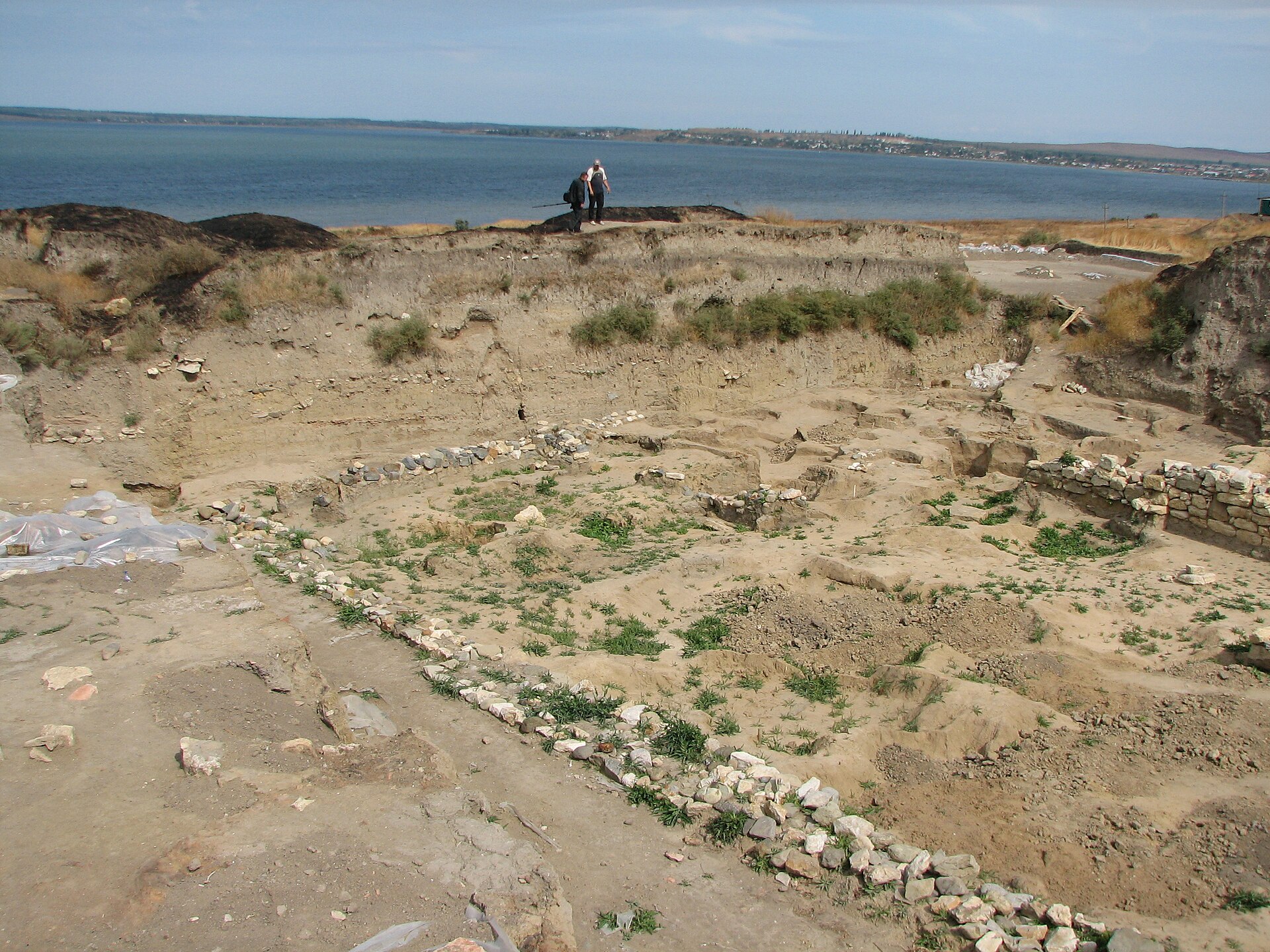
- Taman Peninsula Coastal Ridges — Cimmerian Bosporus coastline
Observe the unique geological formations including low mud volcanoes, ravines, and ancient plateaus that first captivated Greek mariners arriving from the south. - Hermonassa Ancient Settlement — Taman, Krasnodar Krai
Travel a short distance west along the modern shoreline to explore the sister Greek city site situated directly within the contemporary town of Taman. - Local Cultural Museums — Krasnodar Krai and Adygea museum circuit
Discover regional artifacts, pottery, and classical sculptures recovered from nearby necropolises and marine expeditions illuminating the Bosporan Kingdom.
Culture
The cultural fabric of Krasnodar Krai blends traditional southern Russian hospitality with rich Caucasian influences, shaped heavily by centuries of Cossack heritage and agricultural traditions. Local communities take great pride in their regional identity as the nation's primary agricultural breadbasket, celebrating seasonal harvests with local fairs, music, and abundant culinary feasts. Traditional crafts and folklore remain visible in community gatherings, while the broader population engages deeply with outdoor recreation, viticulture, and coastal tourism during the warmer months. Visitors will encounter a relaxed, sun-drenched pace of life that differs noticeably from the brisk metropolitan rhythms found further north. When visiting sacred spaces, churches, or archaeological excavation zones, dress respectfully by ensuring shoulders and knees are covered, and always ask permission before photographing local residents or active researchers.
What to wear
Traditional dress across the wider region reflects historical Cossack and North Caucasian styles, characterised by tailored wool coats, decorative belts, and traditional headwear worn during folk festivals and commemorative ceremonies. Contemporary residents dress practically and comfortably for a warm southern climate, favouring lightweight linen shirts, cotton trousers, and sun hats during the scorching summer months. Travellers exploring the archaeological ruins and coastal plateaus should prioritise sturdy walking shoes or hiking boots, as the terrain is dusty, uneven, and exposed to strong coastal winds. Bring breathable layers for daytime exploration, a light jacket for breezy evenings by the Cimmerian Bosporus, and modest attire including scarves for women if entering any active Orthodox churches or regional religious sites.
What to eat
- Krasnodar Tea — Local tea houses and markets throughout Krasnodar Krai
Savour the northernmost commercially grown tea in the world, cultivated across the unique microclimates of the regional foothills. - Regional Estate Wines — Regional wine shops and vineyards around Novorossiysk and Taman
Sample vintages from major local producers representing the heartland of the nation's domestic winemaking industry. - Abrau Durso Sparkling Wines — Speciality wine bars and restaurants across Krasnodar Krai
Try sparkling varieties from the historic historic plant situated near the coast, famous across the country for celebratory toasts. - Traditional Adyghe Haliva — Traditional eateries and markets throughout Adygea
Enjoy pan-fried turnovers generously stuffed with seasoned potatoes or traditional Circassian cheese, reflecting local culinary heritage. - Mataz Dumplings — Local family-run restaurants in the regional interior
Dine on hearty handmade dumplings filled with savoury meat mixtures, mashed potatoes, and fried onions.
Plan it
Best time. May through September offers warm, sunny weather ideal for exploring outdoor archaeological sites and coastal landscapes, though July and August can bring intense midday heat.
How long. 2–3
Getting there. Take an intercity train or bus from major transit hubs in Krasnodar or Rostov-on-Don toward the Taman Peninsula, finishing the final leg by local bus or taxi.
Budget. mid
Tips
- Wear sturdy footwear for walking across dusty archaeological plateaus and uneven terrain
- Carry sufficient drinking water as coastal shade can be scarce during summer
- Check local guidelines before attempting any underwater diving excursions near the submerged ruins
- Bring cash for smaller village shops and local markets where card payments may not be accepted
Etiquette
- Dress modestly with covered shoulders and knees when visiting churches or sacred monuments
- Always ask for permission before photographing local archaeologists at work or residents
Nearby
Sources
- Wikidata Q1344411 (CC0)
- Wikipedia (CC-BY-SA 4.0)
- Wikivoyage (CC-BY-SA 4.0)