Peter Island
Peter Island, British Virgin Islands
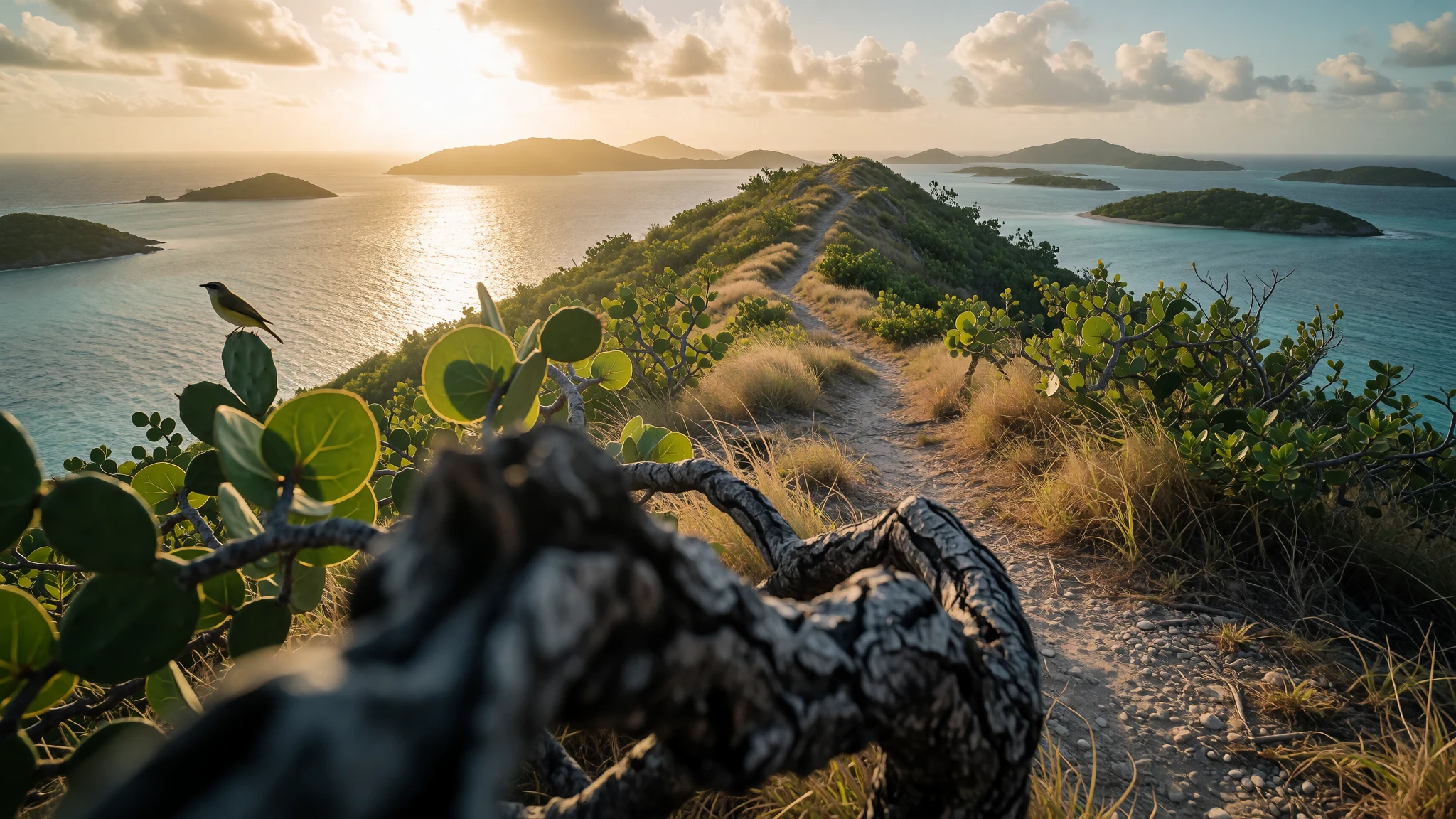
Peter Island is a private hilly island in the British Virgin Islands, with pale channel beaches and Tortola a boat ride to the north.
The place
Peter Island stands in the British Virgin Islands, a privately held island in the Sir Francis Drake Channel, with Tortola to the north and a string of smaller cays along the same water. It is not a town. There is no public square, no parish church at the centre of a village, and no bus route around a coast road. What exists is a hilly green island managed as a single property: a landing, a resort and the tracks between them, plus beaches that face either the calmer channel or the more open southern sea. The land climbs quickly from the sand into dry slopes of scrub, cactus, sea grape and wind-bent trees. Shade is patchy. The trade wind is the island's real climate control, pushing across the hills for much of the year and making the heat feel lighter than the same sun on a still mainland street. Rain comes more often as short showers in the warmer months, which are also when tropical storms can interrupt travel; the drier months are simply easier. From almost any high point the rest of the territory is in sight. Road Town, the capital, sits on Tortola. Norman Island, Salt Island and Dead Chest lie along the channel, close enough that their shapes change with the light. The water is the main public space: clear over sand, deeper blue in the channel, and busy with yachts that treat these islands as a single cruising ground. People who come looking for museums and a night market will find them on Tortola, not here. Peter Island's offer is the shore, the view, and a pace set by boats rather than by traffic.
Its story
Peter Island has a history without a harbour town to show it, so the story is the territory's story told from one quiet hill. Indigenous people fished and camped among the Virgin Islands long before European ships used the channel. Spanish, Dutch and British interests later crossed these waters, and the islands settled under British rule, which is why the territory is the British Virgin Islands and why government sits in Road Town on Tortola. Peter Island carries a European personal name from the years when Dutch and British seafarers worked this channel; nothing on the hills marks the man. The slopes were drawn into the plantation economy, with cotton, food crops and livestock worked by enslaved Africans, whose descendants shape the islands' culture now. After emancipation that economy thinned. The island, never a crowded settlement, was left mostly to pasture and to the holder of the title. In the modern era a purchase turned the whole of Peter Island into a private resort: guests and staff instead of a farming hamlet, a landing instead of a market jetty. Hurricanes have repeatedly stripped roofs, trees and jetties across the territory, and the island has been rebuilt on the same hard cycle as its neighbours. A fort and slave pens were built at Great Harbour in the early seventeenth century, and there is no old town to walk. What lasts is the channel, the sheltered water that brought canoes, sailing ships, plantation boats and the launches that still decide who arrives.
What to see
- Deadman's Beach — channel shore
Deadman's Beach, also known as Deadman's Bay, is the long pale beach on Peter Island's quieter channel side. The bay is relatively sheltered, the sand is bright, and Tortola sits across the water. It is resort shoreline rather than a public town beach, yet day boaters may use the bay; Honeymoon and White Bay stay for guests. Palm trees shade the long crescent, and a beach bar and restaurant sit along the sand.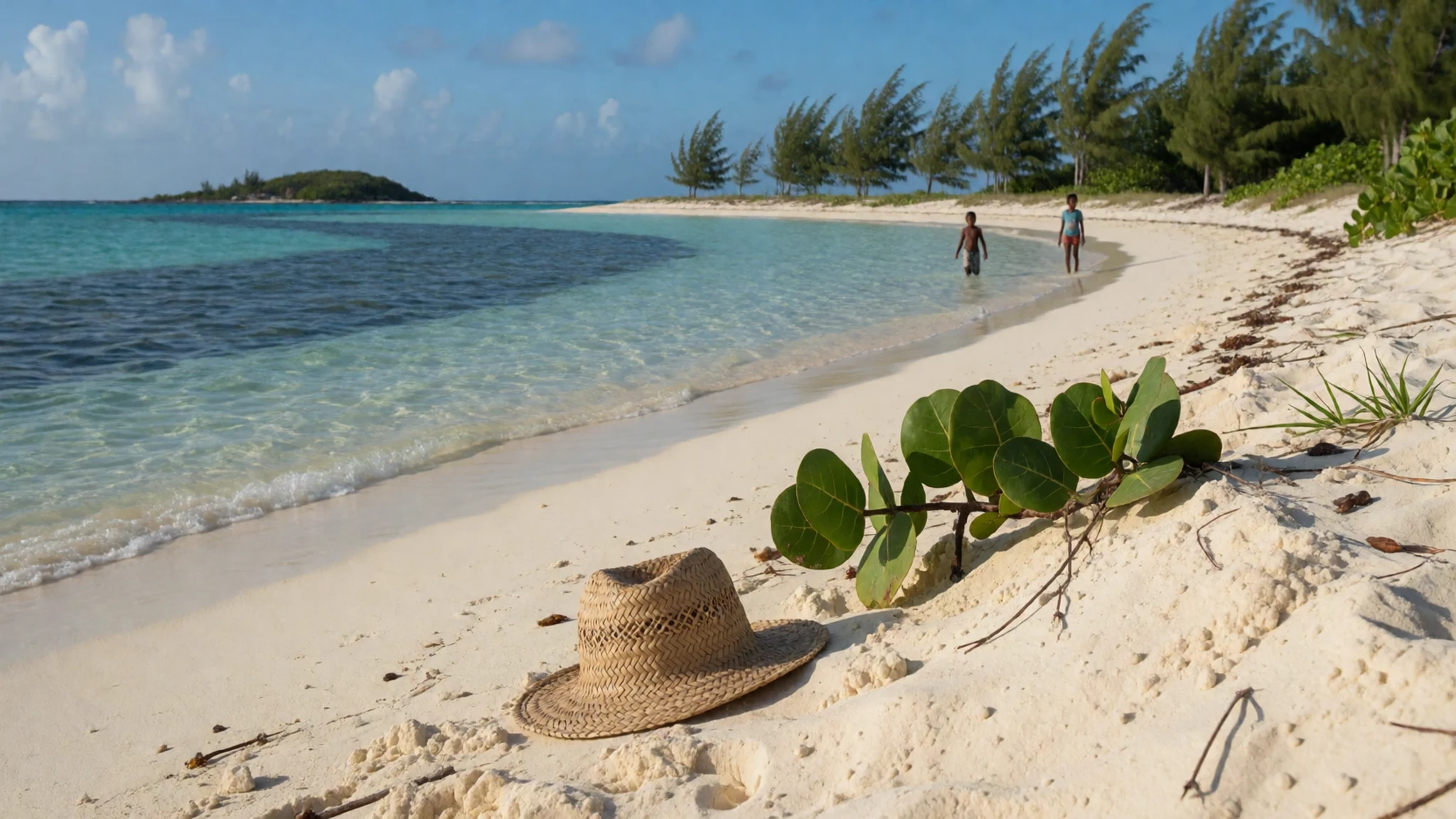
- White Bay — west side
White Bay is a sandy cove on Peter Island, set apart from the longer channel beach. The water runs clear over sand, and the hillside behind it is dry and low. It suits a slow swim more than any organised activity. The paths between coves are short but exposed, so water and sturdy shoes matter on the rock as well as the sand.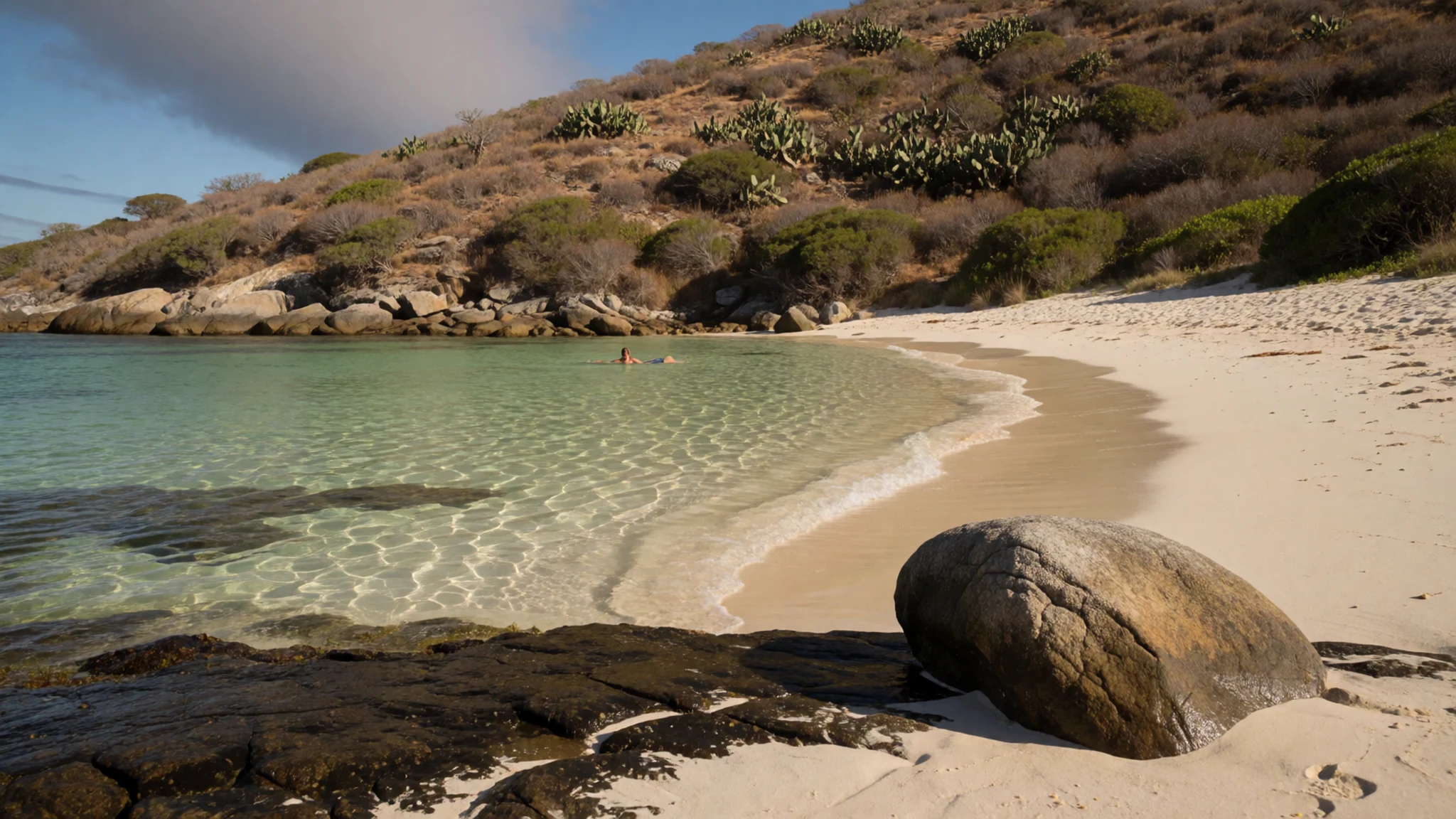
- The hilltop — high ground
The hill above Peter Island's resort is where the wide view opens. Tortola, the channel and a line of smaller islands sit in one frame, and late afternoon softens the light on the water. The track is short but uneven and open to the wind. Shoes with a grip beat sandals, and there is little shelter if a shower arrives.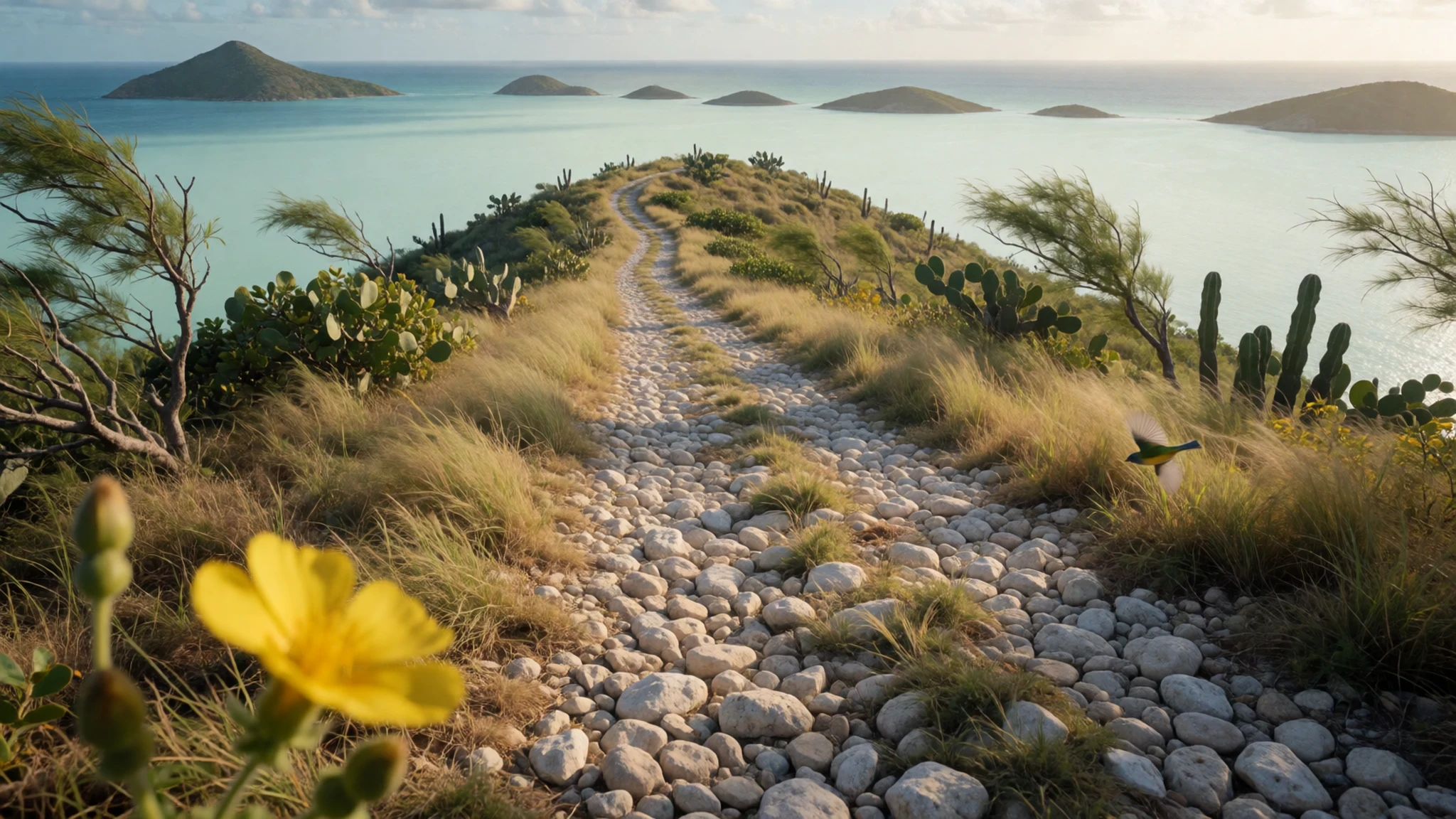
- Southern shore — Atlantic side
Peter Island's southern shore faces the open Atlantic rather than the sheltered channel. Rock replaces long sand, spray carries further, and swimming is less simple than in the bays. People come for the sound and the scale of the water. Wet rock is best left alone when the wind rises.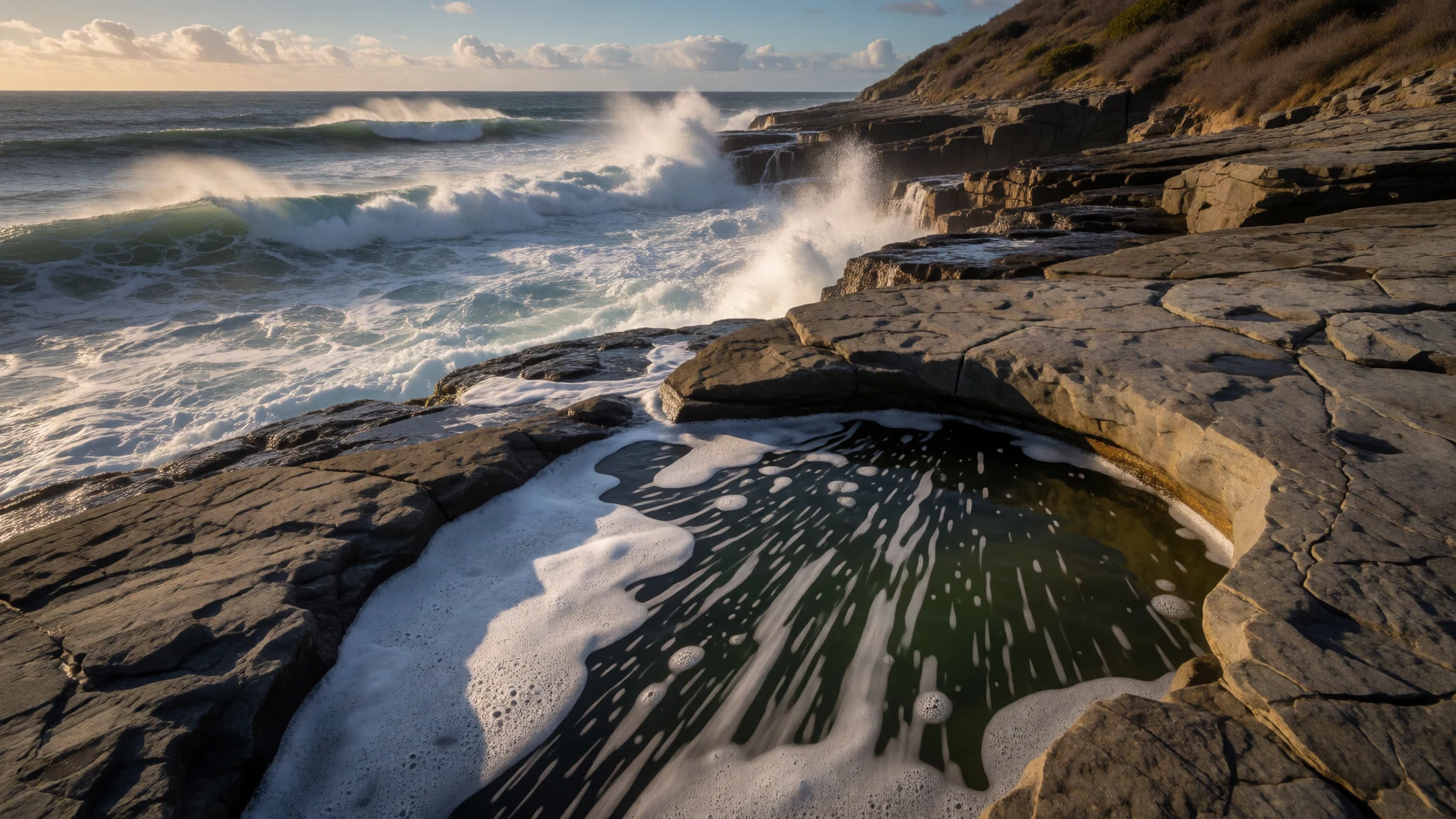
- The landing — the jetty
The landing is where Peter Island begins for almost every visitor: a jetty, flags, and the first buildings after the boat ride from Tortola. It is a working edge, with transfers, supplies and staff moving through, not a promenade. Arrivals pause here to learn which beaches and paths are open. Beyond it there is no other public harbour and no town to wander into by accident.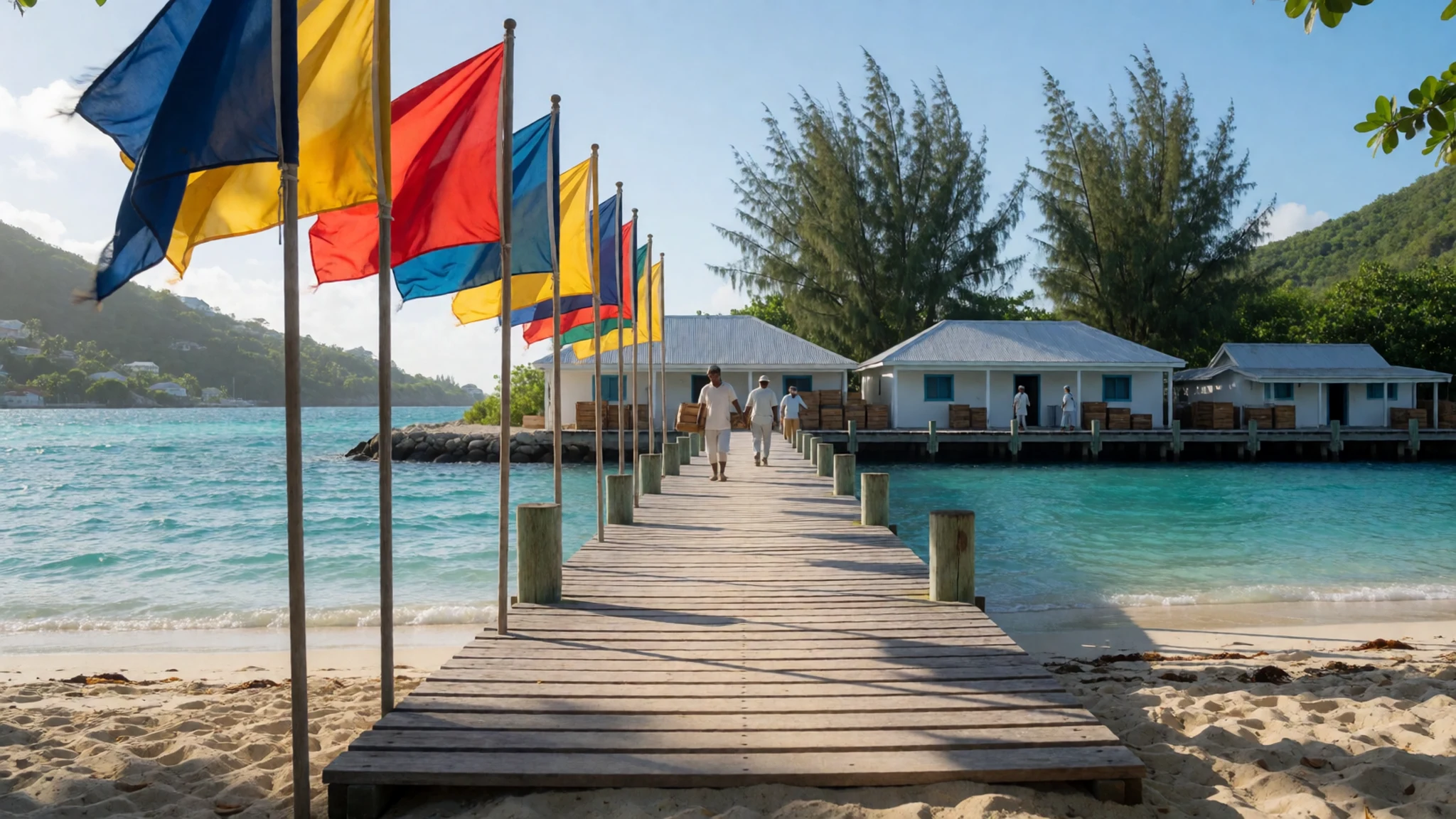
Culture
Peter Island borrows its culture from the British Virgin Islands, because it has no village square of its own. The territory is British in its institutions and Caribbean in daily life: English is the language of school, church and work. Many people who staff the resort live on Tortola and cross the channel, so the manners here are Road Town's manners with more quiet around them. Church still shapes Sunday for much of the community. Music runs from fungi, the local scratch-band tradition, to calypso and other eastern Caribbean sounds, heard at full volume during festival time on Tortola. Summer emancipation celebrations fill the capital with parade, food and family, while the private island stays calm. Sailing sits at the centre of local life: reading the wind, racing, and moving safely between islands matter more than monuments. Visitors are common in the territory, yet on Peter Island they are guests on private ground, in a small society where boats and faces are remembered. Ask before photographing staff or other guests, and do not land a boat, fly a drone or cross a beach unless the island has agreed to the visit.
What to wear
Festive dress in the British Virgin Islands, which Peter Island shares, is cotton and colour rather than court costume. For emancipation celebrations and formal church events, women wear bright dresses, often in madras checks and sometimes with a headtie, while men wear light shirts and pressed trousers. Madras, a checked cotton with a long Caribbean life, is the cloth people name when they talk about those clothes. They come out for gatherings, not for an ordinary morning on the jetty. Heat and work decide ordinary clothes. Resort staff wear uniforms or plain cotton; sailors and shore crews wear shorts, T-shirts, rash guards and hats that survive spray. Road Town offices are smart-casual, with covered shoulders and closed shoes. Swimwear stays on the beach and the deck. A visitor to Peter Island needs breathable clothes, a sun hat, and sandals that cope with a wet deck and a rocky path. A cover-up belongs in the dining room and on walks through the grounds. The boat can feel cooler than the beach once the trade wind gets under way, so a light long-sleeved layer earns its place. Delicate shoes do not: sand, salt and short uneven tracks will ruin them.
What to eat
- Fungi and fish — resort kitchen and Tortola cookshops
On Peter Island, fungi and fish is the local plate when the kitchen cooks in a Tortola style: cornmeal with okra beside boiled or steamed fish. It is also the staple of cookshops on Tortola, where many of the island's staff eat on days ashore.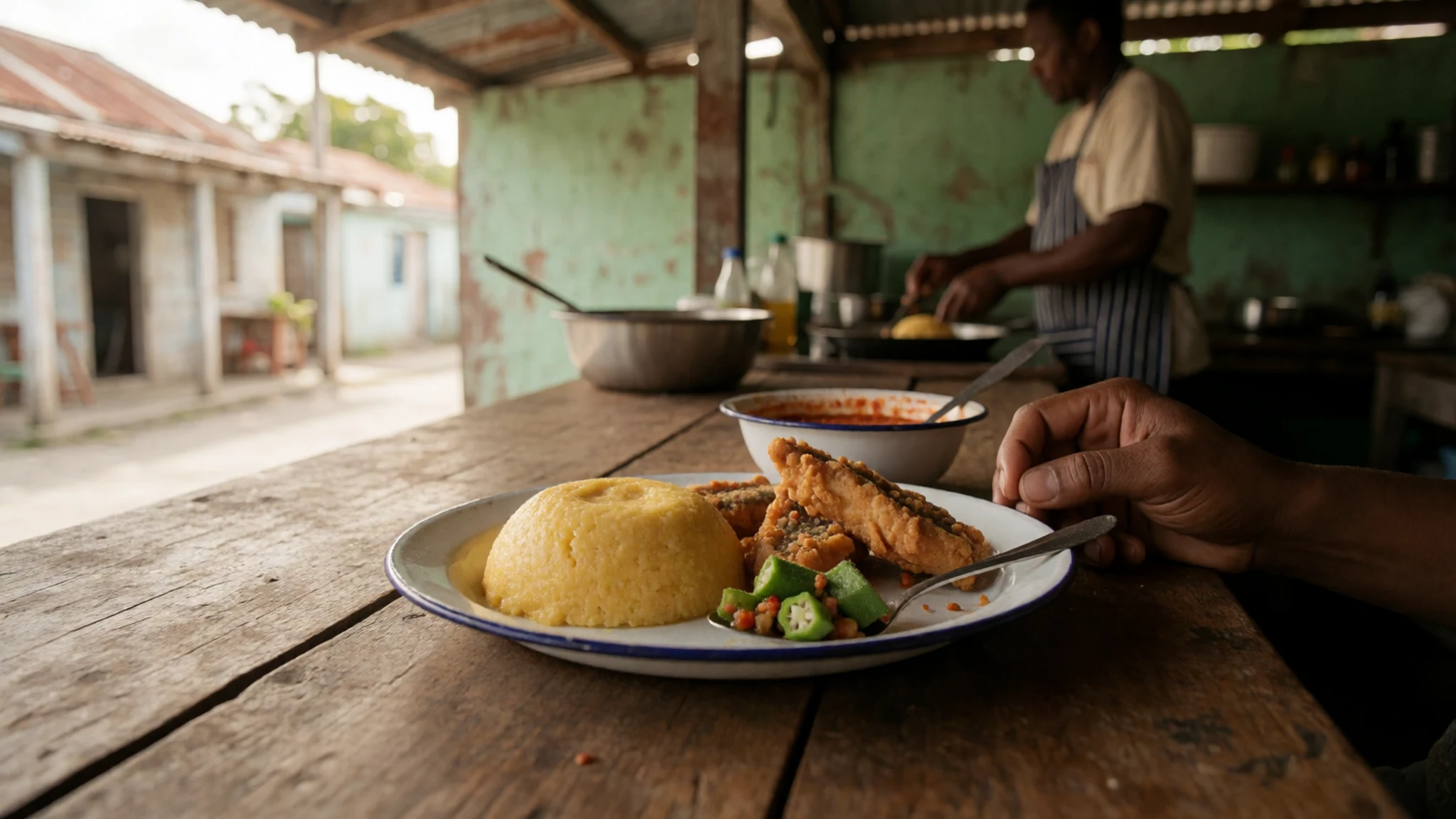
- Conch fritters — beach grills and waterfront bars
Peter Island's beach grill is the right kind of place for conch fritters, chopped conch in seasoned batter, fried and eaten with hot pepper sauce. The same plate turns up at waterfront bars across the British Virgin Islands whenever the catch comes in.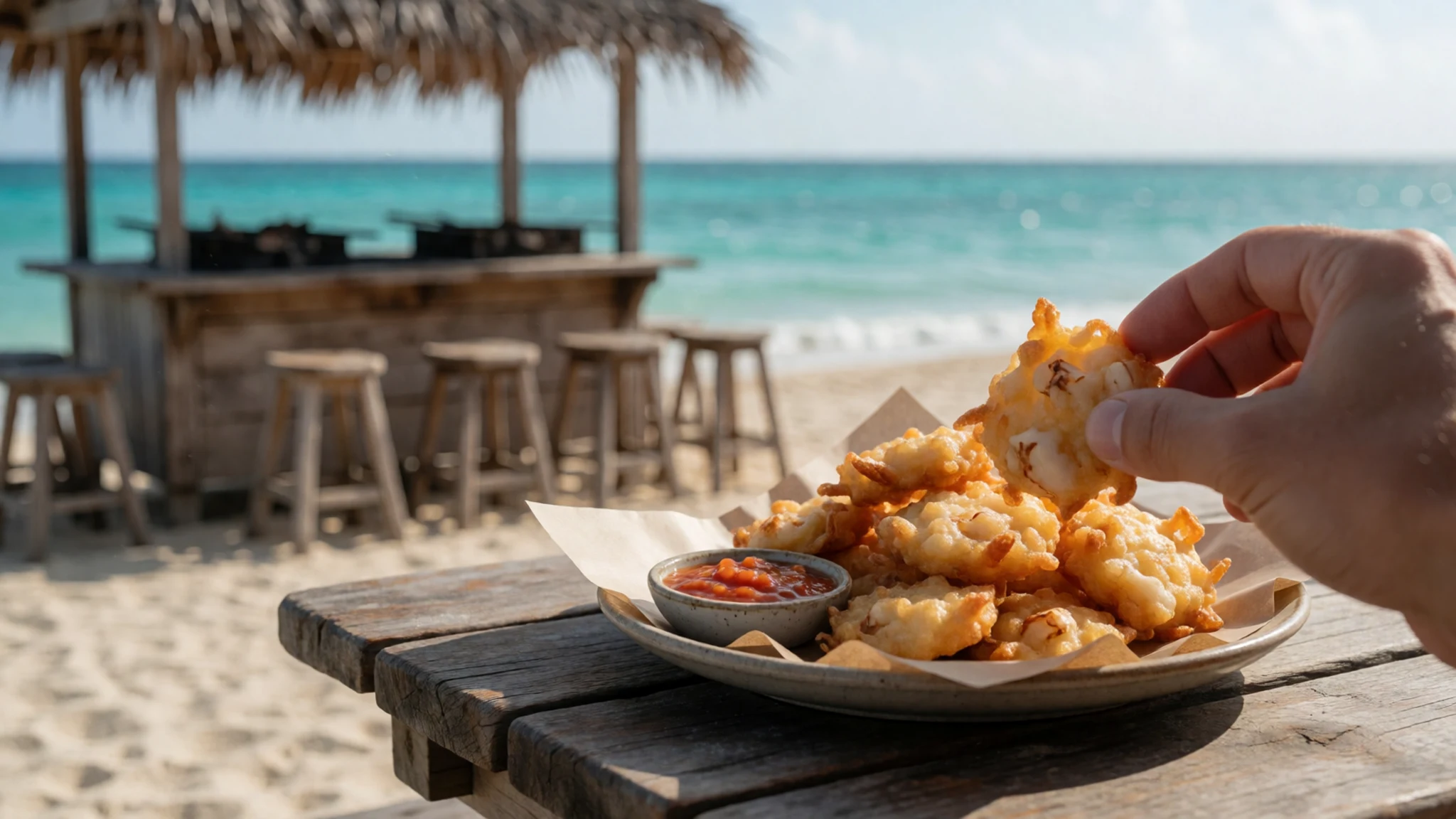
- Johnny cakes — Road Town bakeries
Peter Island breakfasts sometimes include johnny cakes, small rounds of fried or baked dough eaten with butter, cheese or salt fish. They are really a Road Town bakery food, closer to a morning counter than to a formal dinner. - Callaloo — home-style eateries on Tortola
Peter Island may set callaloo beside grilled fish: a slow stew of green leaves, herbs and a little salt meat or crab. It belongs to Sunday pots and to home-style eateries on Tortola more than to a beach snack. - Saltfish pate — Road Town bakeries and rum shops
Peter Island is not a bakery island, so a saltfish pate is something to buy first in Road Town: flaky pastry filled with seasoned salt cod, pepper and onion. Bakeries and rum shops sell it warm, and it travels well on the boat across the channel.
Plan it
Best time. December through April, the drier months, are the straightforward time on Peter Island, with steadier sun and a kinder channel. Warmer months bring more showers, and the hurricane season makes travel less certain.
How long. 3-4
Getting there. Fly into Terrance B. Lettsome International Airport on Beef Island, joined by road to Tortola, then cross the Sir Francis Drake Channel by resort boat or charter. Peter Island has no public bridge and no ordinary town ferry. Check the official resort site for the landing in use and for whether day visits are accepted.
Budget. high
Tips
- Confirm the boat transfer before you travel; Peter Island is not served by a casual public ferry from the airport.
- Ask which beaches and paths are open to guests, because the island is run as private property.
- Begin walks and swims in the morning, when the glare off sand and water is kinder.
- Carry both a card and some cash; small counters on Tortola and the resort desk do not always work the same way.
- Take drinking water on the walk up the hill, where taps are scarce.
- Leave coral, shells and conch where they are; the clear water is the point of the trip.
Etiquette
- Do not bring a private boat ashore, or fly a drone, without clear permission.
- Ask before you photograph staff or other guests.
- Wear a cover-up away from the beach, including in dining rooms and on the boat.
- Keep voices low near villas, and do not cut through planted grounds.
Nearby
Sources
- Wikidata (CC0)
- Wikipedia — Peter Island (CC BY-SA 4.0)
- Wikivoyage — British Virgin Islands (CC BY-SA 4.0)