Persepolis
Persepolis, Iran
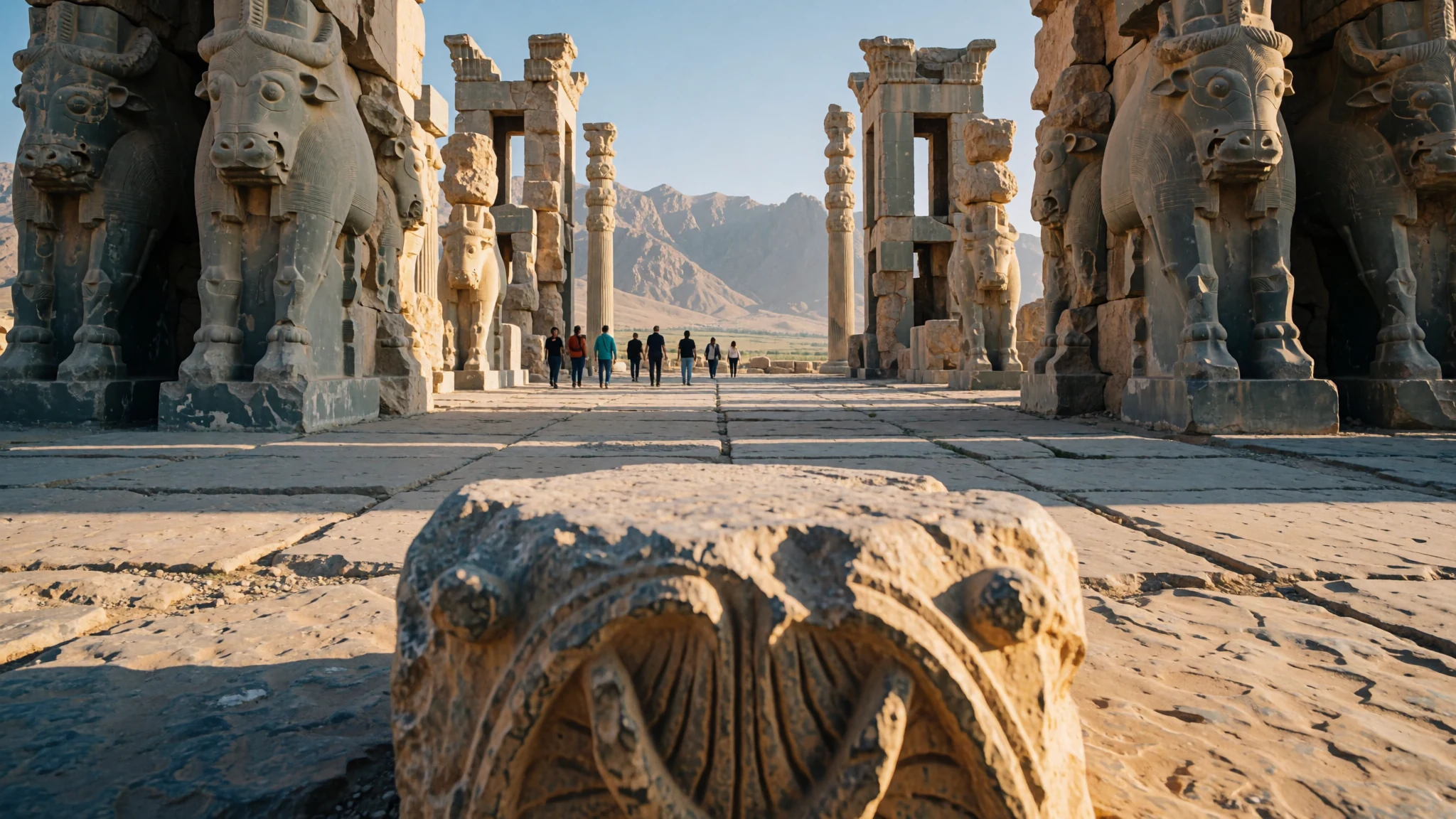
Walk among the monumental stone columns and grand staircases of Persepolis, the magnificent ceremonial heart of the ancient Achaemenid Empire.
The place
Persepolis stands as the ruined ceremonial capital of the ancient Achaemenid Empire, situated within the broad Marvdasht plains and encircled by the rugged southern Zagros Mountains in the Fars province of Iran. Established upon a vast walled stone terrace raised high above the surrounding floor, this archaeological treasure served as a grand stage for imperial governance, seasonal gatherings, and state festivities rather than a continuous urban dwelling place. The complex showcases a distinctive architectural tradition characterised by grey limestone blocks, towering hypostyle halls, intricate stone reliefs depicting tribute bearers from across the ancient world, and monumental portals guarded by mythical winged creatures. Archaeological investigations reveal that the earliest remains on this high plateau date back to the late sixth century BCE, revealing a carefully planned administrative and ritual sanctuary built by successive kings. Despite its eventual capture and fiery ruin during antiquity, the surviving monuments, stairways, and royal tombs carved directly into neighbouring cliff faces continue to convey the vast scale and artistic mastery of a historic empire. Visitors walking across the windy plateau today encounter silent stone doorways and headless columns that once supported massive timber roofs, offering an evocative window into the ancient Near East against a dramatic backdrop of sun-baked plains and distant peaks.
Its story
The history of Persepolis began when royal ambition transformed a barren rocky spur into a majestic imperial terrace, designed to project supreme power across vast territories. Archaeological evidence and foundational inscriptions indicate that while Cyrus the Great may have chosen the inspiring geographic site, it was Darius I who laid the monumental stone foundations, constructed the great terrace, and initiated the primary palaces. Subsequent rulers, including Xerxes I, expanded the complex with additional audience halls, treasuries, and administrative quarters, creating an architectural ensemble that remained in active royal use until the downfall of the dynasty. Unlike the empire's administrative capitals in Susa, Babylon, and Ecbatana, Persepolis functioned primarily as a seasonal ceremonial hub, perhaps coming alive during historic spring equinox celebrations. This golden era of imperial splendour came to a sudden and dramatic end when the invading army of Alexander the Great took the citadel. According to historic accounts, the wooden structures and roofs of the palaces were consumed by a devastating fire shortly after the conquest, leaving behind only the stone architectural elements, charred fragments, and buried treasures. Over subsequent centuries, the ruined palaces slowly disappeared beneath wind-blown dust and debris, remaining largely forgotten by local populations until modern archaeological excavations brought the magnificent stone reliefs and staircases back to the light.
What to see
- The Great Staircase
Constructed from grey limestone blocks, the grand double-reversed staircase offers the historic approach to the elevated terrace. Visitors climb these wide, shallow stone steps, which were deliberately built low so that royal horsemen could ascend the monumental citadel effortlessly while admiring the panoramic views across the sweeping plains.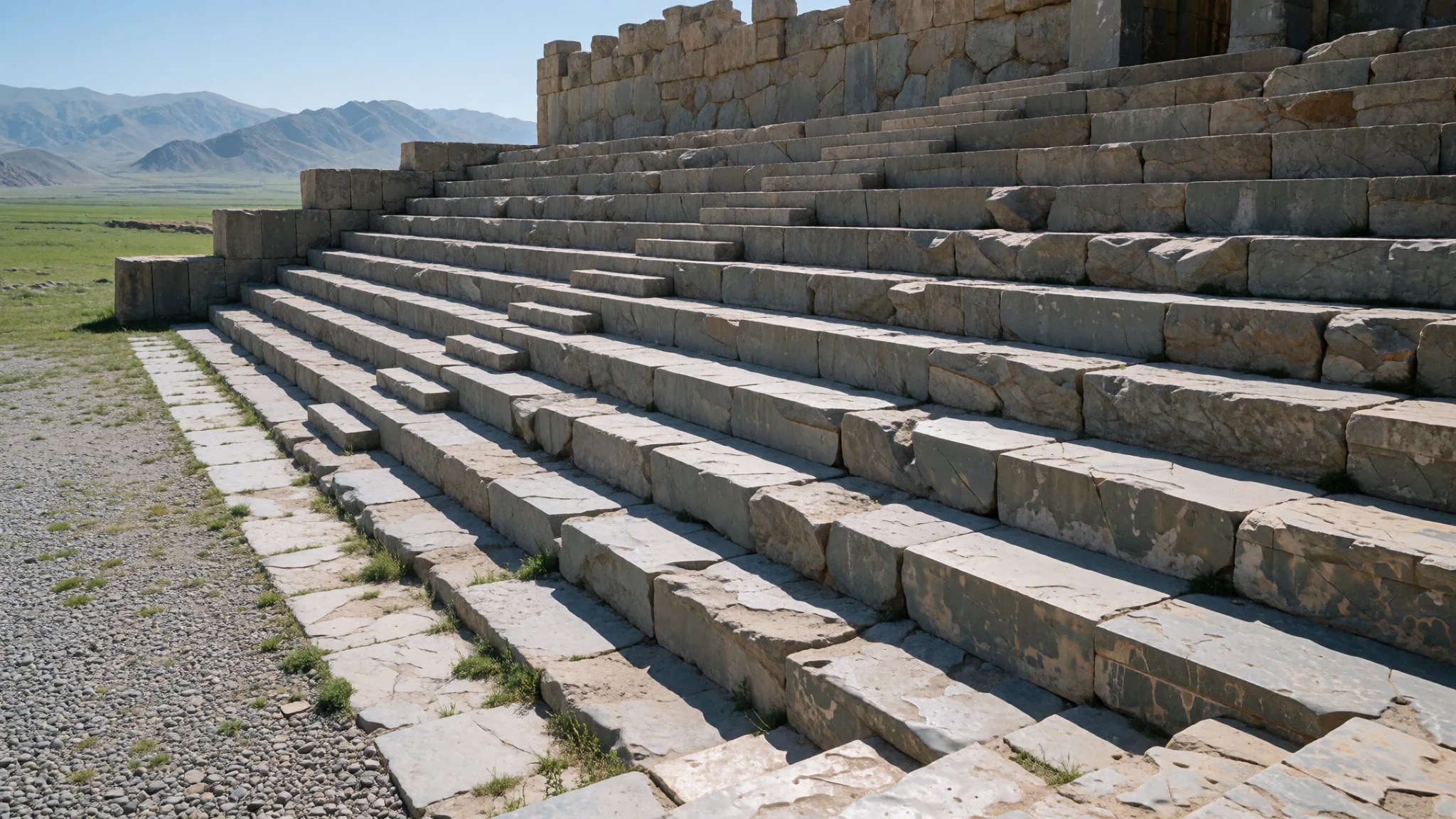
- Gate of All Nations
Guarded by colossal stone figures of mythical winged bulls with human heads, this imposing gateway welcomed foreign delegations and tribute bearers arriving at the royal terrace. Inscribed panels in ancient cuneiform script flank the portal, marking the entrance where visiting dignitaries passed through before reaching the wider palatial courtyards and administrative halls.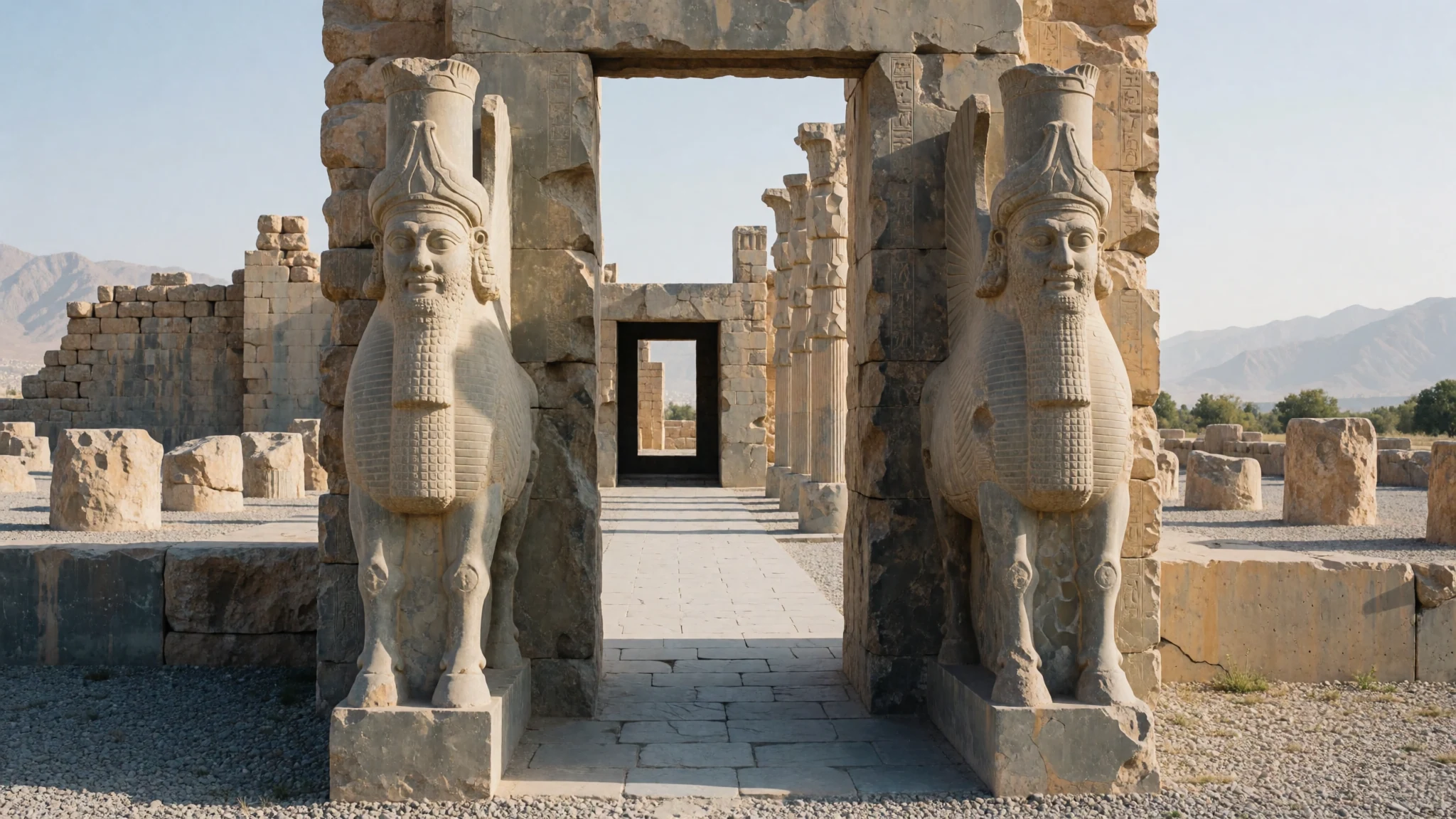
- Apadana Palace
Serving as the magnificent audience hall of Darius, the Apadana features soaring stone columns and exquisite staircase reliefs depicting delegations from subject nations bringing lavish gifts. This monumental structure stood as the architectural heart of the ceremonial complex, where the ancient king received honored guests and dignitaries during major imperial gatherings and seasonal state festivals.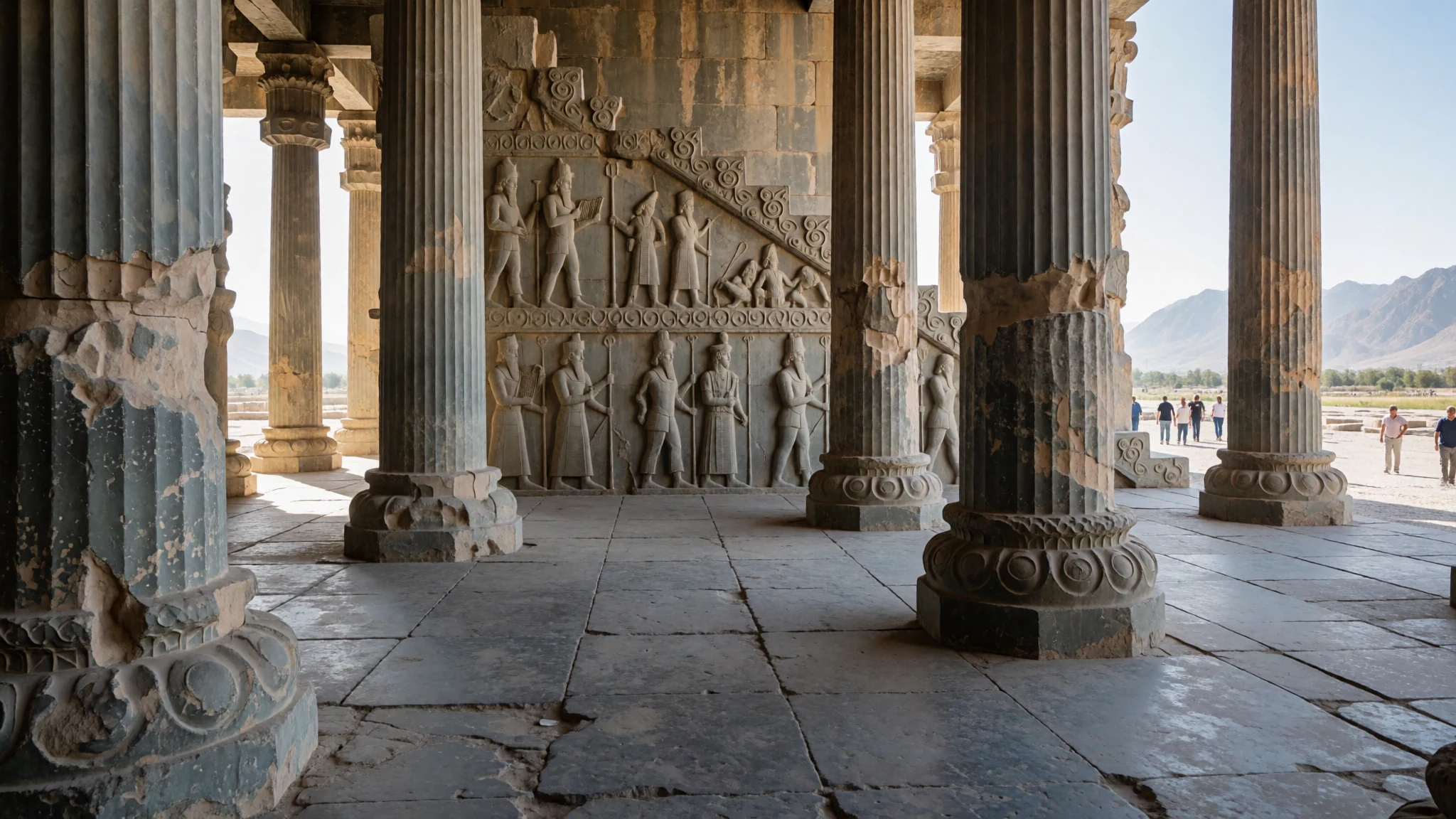
- Tachara Palace
Built as the private winter palace of Darius, the Tachara features remarkably smooth, polished grey stone blocks and detailed carved relief panels showing attendants carrying food and vessels. This residential structure survived the ancient fire better than other halls, preserving distinct window and door frames carved from single monolithic blocks of stone.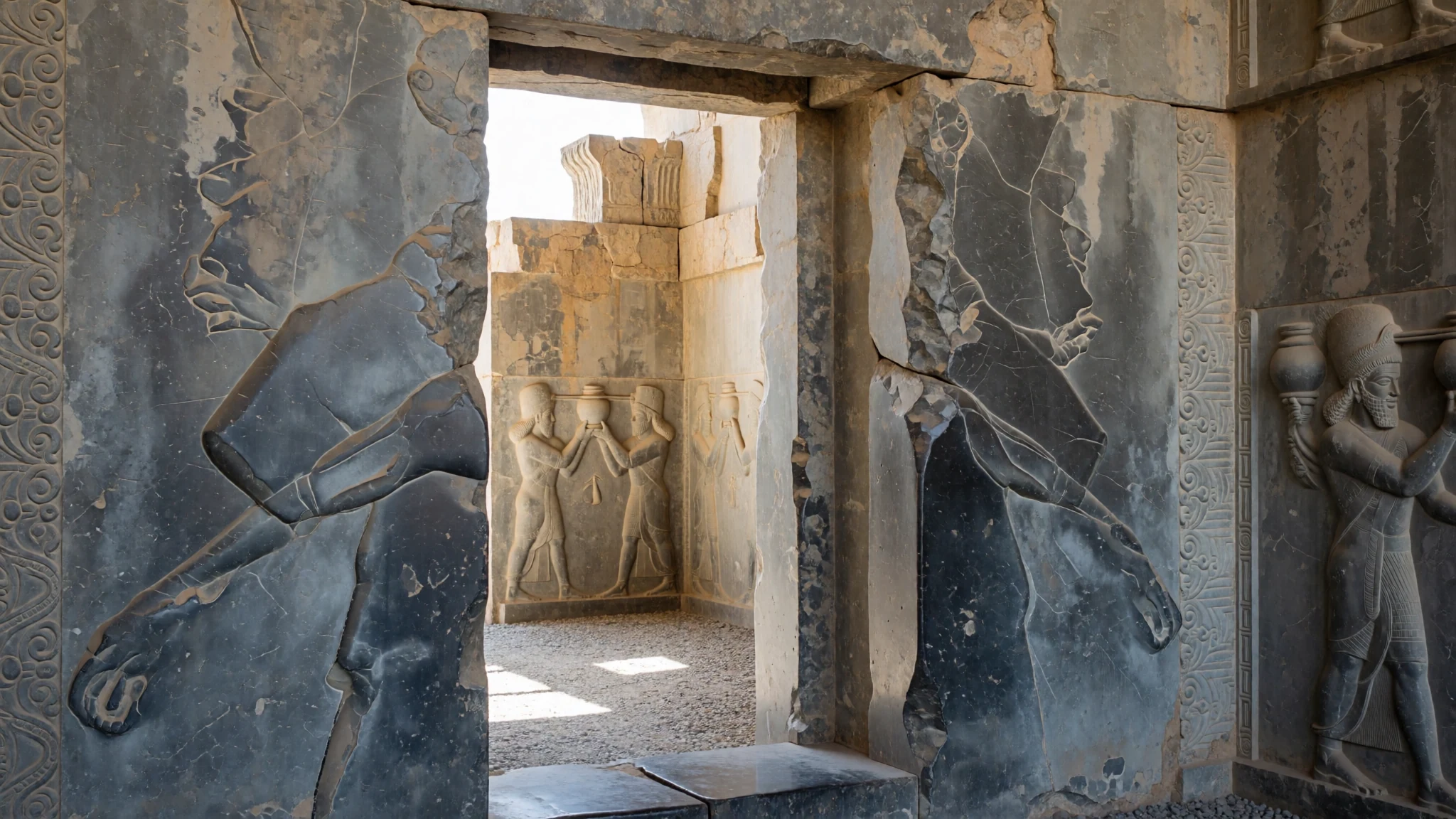
- Persepolis Museum
Housed within a restored historic building on the terrace, the museum displays a curated collection of artefacts recovered during archaeological excavations across the ancient site. Visitors can examine pottery fragments, iron implements, charred wood remnants from the ancient fire, and small decorative items that provide intimate insights into daily life within the royal complex.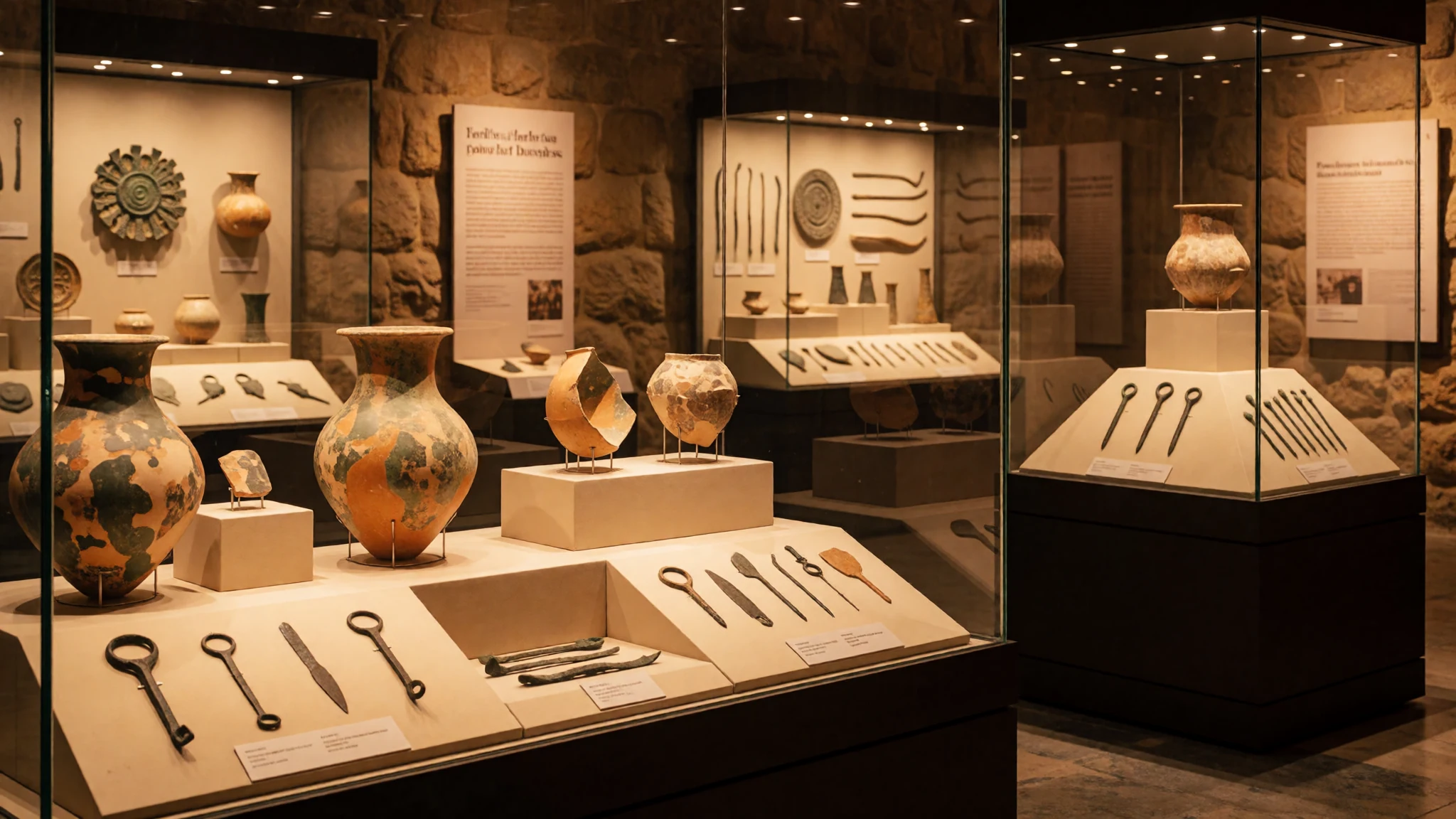
Culture
Culture around Persepolis is deeply rooted in the rich heritage of the Fars province and the broader traditions of Iran, where storytelling, poetry, and ancient history shape daily interactions. Local residents and visiting scholars alike view the archaeological zone with immense pride, seeing the stone ruins as enduring symbols of Persian identity, artistic achievement, and historical continuity. Hospitality is a central pillar of social life in the surrounding region, and travellers are frequently met with genuine warmth, curiosity, and offers of shared tea from local families and guides. Traditional arts, including intricate carpet weaving, miniature painting, and classical calligraphy, remain vibrant across nearby towns like Marvdasht and Shiraz, reflecting aesthetic values that stretch back millennia. When visiting Persepolis, travellers should dress modestly, covering arms and legs completely, and women must wear a headscarf in accordance with national regulations.
What to wear
Fashion around Persepolis and the surrounding Fars region blends contemporary national dress codes with practical garments suited to an open archaeological site exposed to strong sun and wind. Local residents in nearby towns generally wear modest, modern clothing, with men typically dressed in trousers and shirts, and women wearing long coats, tunics, and headscarves in adherence to local religious norms. For international visitors exploring the ancient ruins, clothing must respect Iranian modesty laws: women should wear a loose-fitting tunic or coat reaching past the hips along with trousers and a headscarf covering the hair, while men should wear long trousers and sleeved shirts. Because exploring the stone terrace involves walking across uneven flagstones, dusty paths, and wide staircases under bright open skies, sturdy and comfortable walking shoes, a wide-brimmed hat, and sunglasses are essential wardrobe items for every traveller.
What to eat
- Persepolis Coffee Shop — Near the entrance of the Persepolis archaeological site
Situated right near the archaeological site, this smallish cafe offers travellers a welcome spot to rest, offering soft drinks, brewed coffee, simple snacks, and refreshing iced coffee.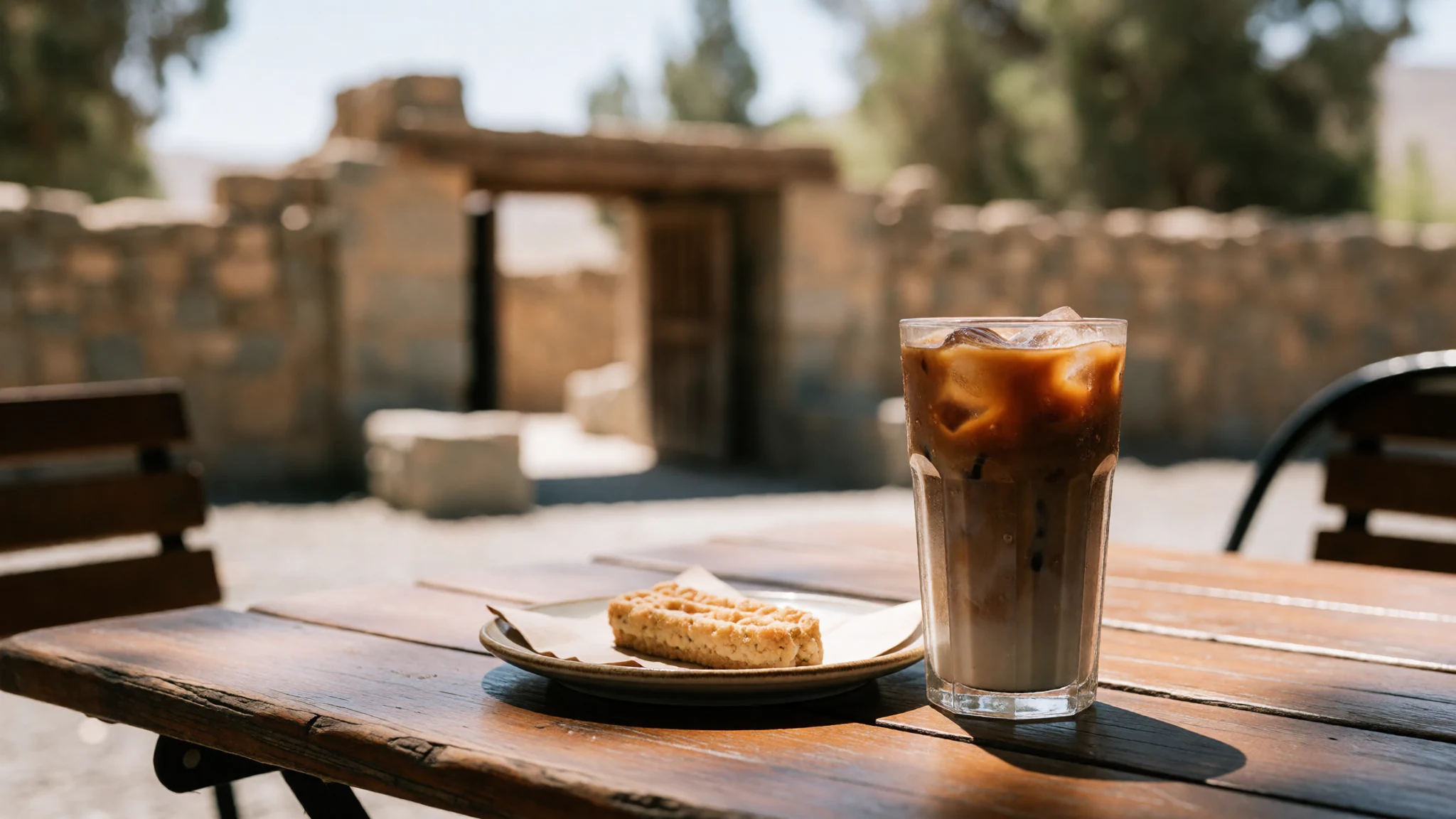
- Fast Food Stalls — By the main visitor parking and entrance area
Simple outdoor food joints located near the monument grounds serve quick, budget-friendly bites such as falafel in bread and simple hamburgers for hungry visitors.
- Apadana Hotel Restaurant — Apadana Hotel grounds near the monument
Located within the nearby hotel property, this dining room serves traditional Iranian dishes and cooked meals for visitors looking for a sit-down meal after touring the ruins. - Mahdieh Town Eateries — Mahdieh town, a short distance away
Small local eateries and traditional dining spots located in the nearest settlement provide hearty Iranian stews, kebabs, and rice dishes for travellers exploring the surrounding county. - Marvdasht City Restaurants — Marvdasht city centre
Urban restaurants and local tea houses in the nearby city offer a wider selection of regional Iranian cuisine, fresh bread, and grilled specialities for visitors.
Plan it
Best time. March to April offers pleasant spring weather and blooming landscapes, while November brings cooler autumn temperatures ideal for exploring the open stone terrace without intense summer heat.
How long. 1–2
Getting there. Fly into Shiraz, take a minibus or shared taxi from the Ali Ibn Hamze Terminal or Qur'an Gate to Marvdasht, and charter a local taxi for the final leg to Persepolis.
Budget. mid
Tips
- Arrive early in the morning to beat the midday heat and tour bus crowds across the open stone terrace
- Hire a licensed local guide at the entrance for two to three hours to understand the unlabelled reliefs
- Carry cash for site entry tickets, guides, and small cafes as card machines may not accept foreign cards
- Leave large bags and food at the visitor entrance since bulky luggage and eating are not permitted inside
- Bring plenty of drinking water and sun protection as there is virtually no shade on the high stone platform
Etiquette
- Dress modestly according to local regulations, with women wearing a headscarf and loose clothing covering arms and legs
- Ask permission before photographing local residents or guides working around the archaeological site
- Respect ancient stone surfaces by avoiding climbing on fragile carved reliefs or leaning against historic walls
Nearby
Sources
- Wikidata Q129072 (CC0)
- Wikipedia (CC-BY-SA 4.0)
- Wikivoyage (CC-BY-SA 4.0)