Palace of Fontainebleau
Palace of Fontainebleau, France
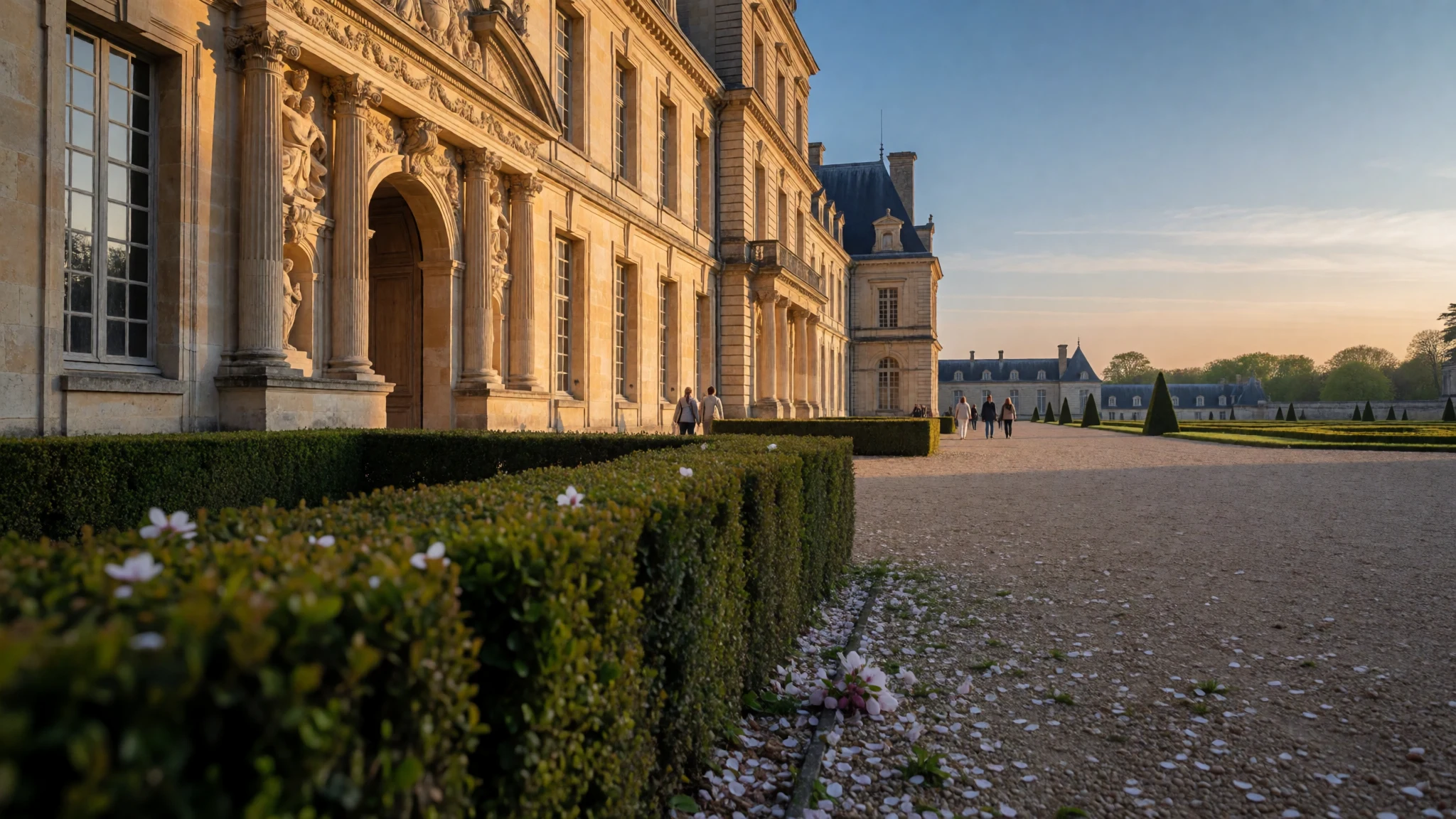
Palace of Fontainebleau blends Renaissance rooms, royal hunting-lodge history, and art-heavy interiors in a day trip from Paris.
The place
Palace of Fontainebleau (Château de Fontainebleau) sits in the commune of Fontainebleau, about 55 kilometres south-east of central Paris. It’s a royal palace that didn’t spring up in a day: French monarchs used it first for hunting and autumn breaks, then gradually turned the place into something fully palatial—more art on the walls, more decoration in the corridors, more rooms to move through.
That slow evolution is the charm. You don’t just “see a palace”; you feel the layering of taste across reigns, from fortified beginnings to Renaissance planning. The building’s role also shapes the atmosphere: there are grand set-pieces, but it’s not only about ceremony. It’s also a working-feeling complex of courts, passages and gardens that once supported seasonal arrivals.
Crowds can be very real, especially at popular visiting times and when coach groups arrive. Interiors are where the palace really delivers, so plan for a steady rhythm of looking up at ceilings, reading room-to-room, then stepping back into courtyards to reset. Weather matters too: the estate includes parklands and forest access, so bring layers—sun can turn to breeze quickly around the edges of the grounds.
Costs and opening specifics change by season, so check the official site before you commit. The upside of that admin is huge: if you time it well, Fontainebleau feels like leaving Paris behind while still doing it comfortably within a short trip.
Its story
Palace of Fontainebleau begins with a name that’s tied to water. “Fontainebleau” comes from the Fontaine Belle-Eau spring in the English garden near the château. Older writers describe it as unusually pure and pleasant, and later renovations shaped what visitors see today: an octagonal stone basin that became part of the landscape around the palace.
Long before the Renaissance showrooms, there was a royal foothold here. The earliest reference to a royal residence appears in the reign of Louis VII the Younger, with the site likely having older roots in the region’s changing control. What stands out in the early story is the blend of defence and comfort: the first chateau used a fortified keep, with thick stone walls and a layout that let the king occupy a principal level while the surrounding walls helped secure the site. That older structure survives as part of the Oval Court.
Then the palace changes from seasonal lodge into a true palace as kings return and expand it. Francis I plays a key role: he commissions major Renaissance works, creating an oval courtyard and shaping formal entry with the Porte Dorée. Over time, the château develops both as a backdrop for power and as a container for art and decoration, which is why the interiors feel like a curated timeline rather than a single “period room”.
What to see
- Château de Fontainebleau (main palace) — Fontainebleau château area
Château de Fontainebleau is the centre of the visit, with dense interior decoration and French Renaissance styling. Expect to move room to room, pausing for ceiling and wall details, then stepping into the courtyards to catch your breath between galleries and staircases.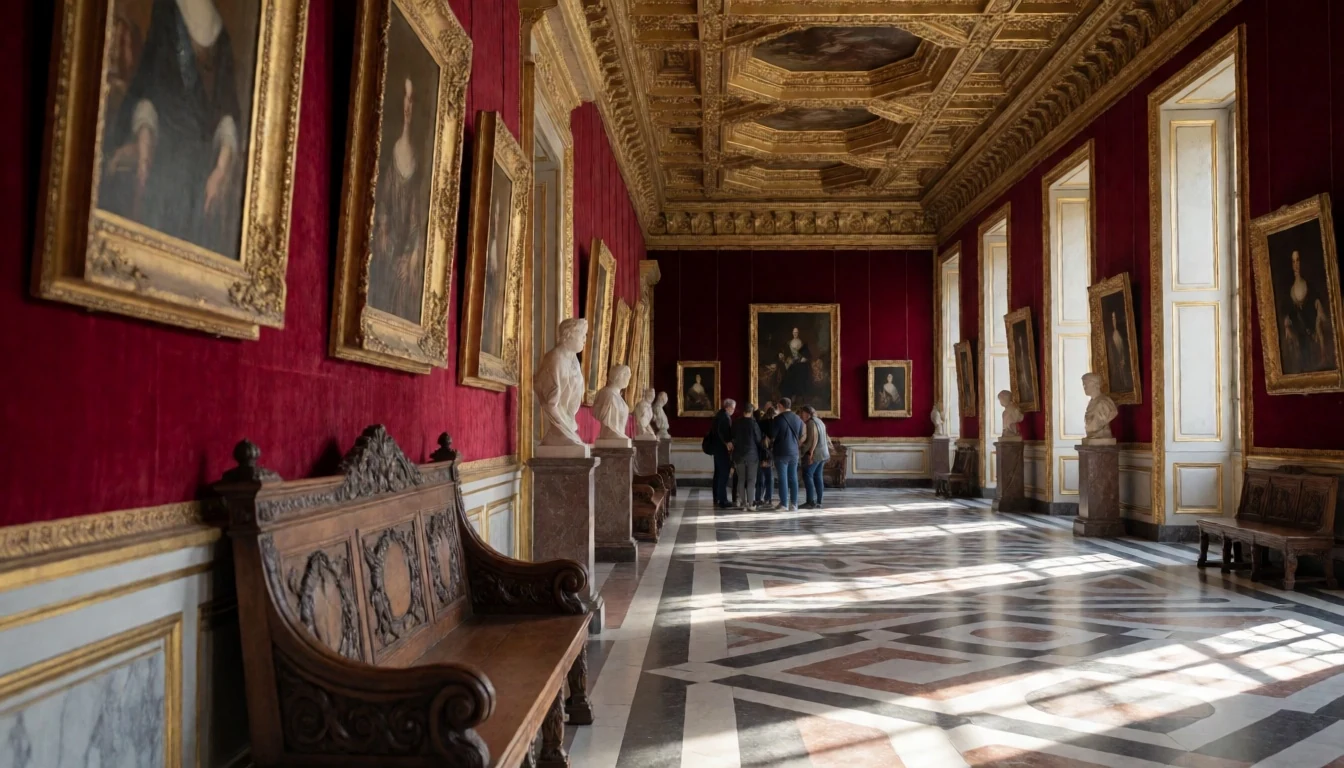
- Forêt de Fontainebleau — Forest edge near Fontainebleau
Forêt de Fontainebleau is the estate’s green counterpoint: a large woodland where the grounds connect to walking routes and the old hunting context of the palace. It’s a change of pace from museum rooms—good for a slower stroll when you’ve had your fill of interiors.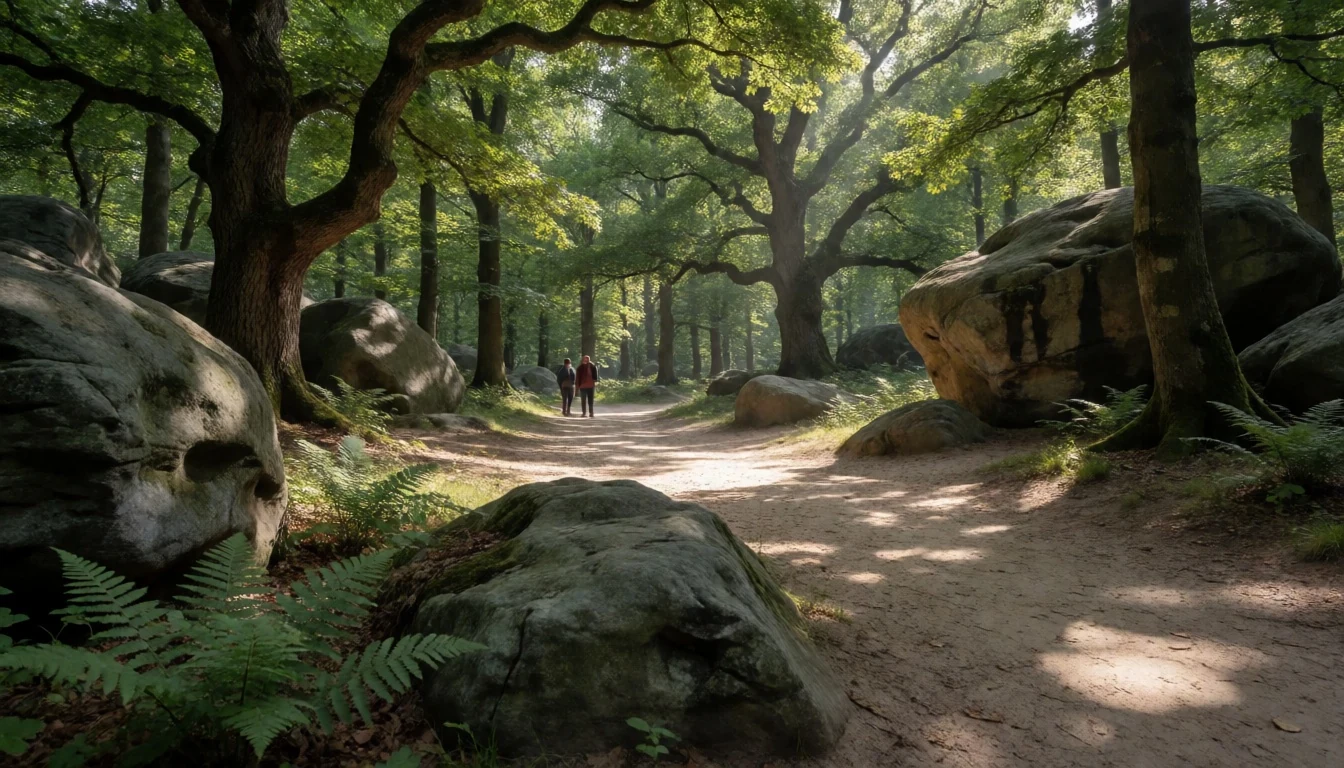
- Musée d'art figuratif contemporain — Fontainebleau museum area
This contemporary figurative museum gives Fontainebleau a modern rhythm. If the palace interiors start to blend after a few hours, this is where you reset: you’re still in an art-focused mood, but the style turns current rather than royal and historical.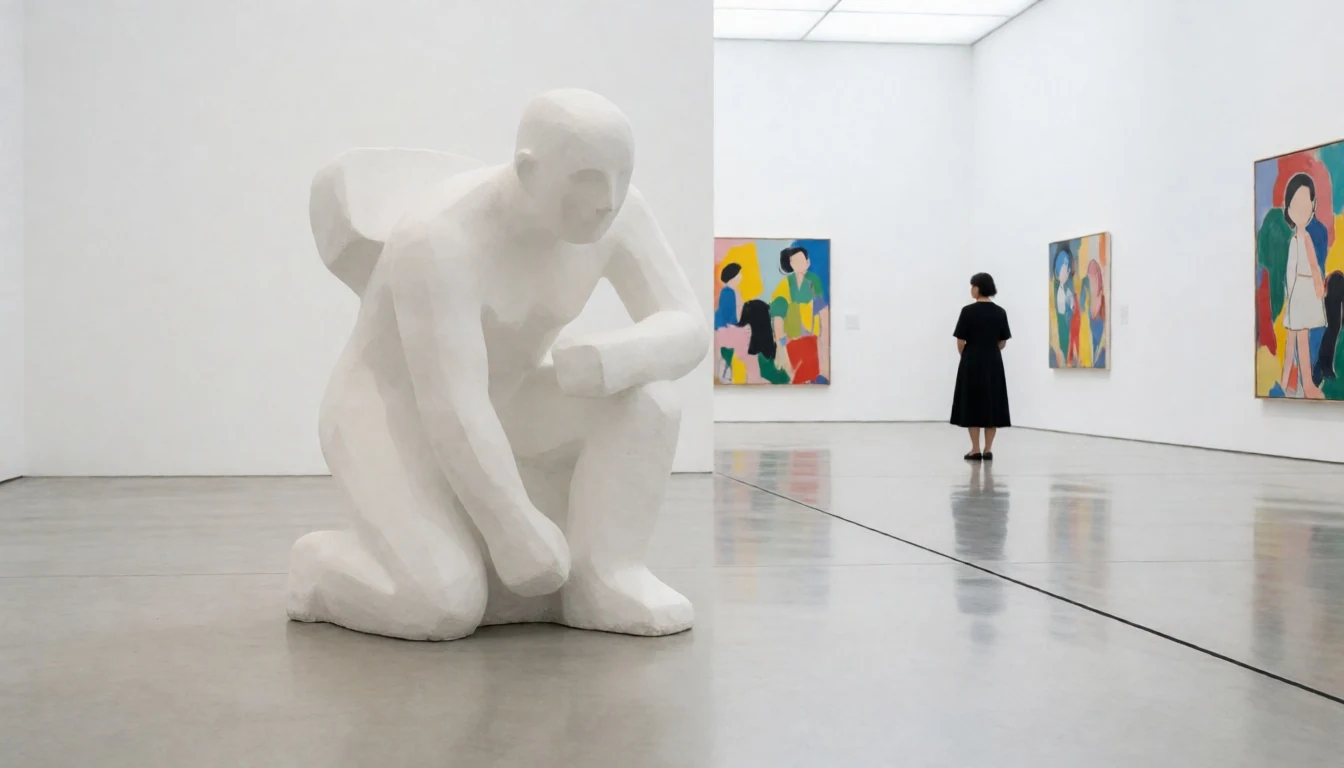
- Musée napoléonien d'art et d'histoire — Fontainebleau museum area
The Napoleonic museum is a focused stop for those who want a specific historical thread. It’s built for people who like objects tied to a single era—less wandering, more concentration—so you can visit it even if you’re pacing your day to avoid getting museum-fatigued.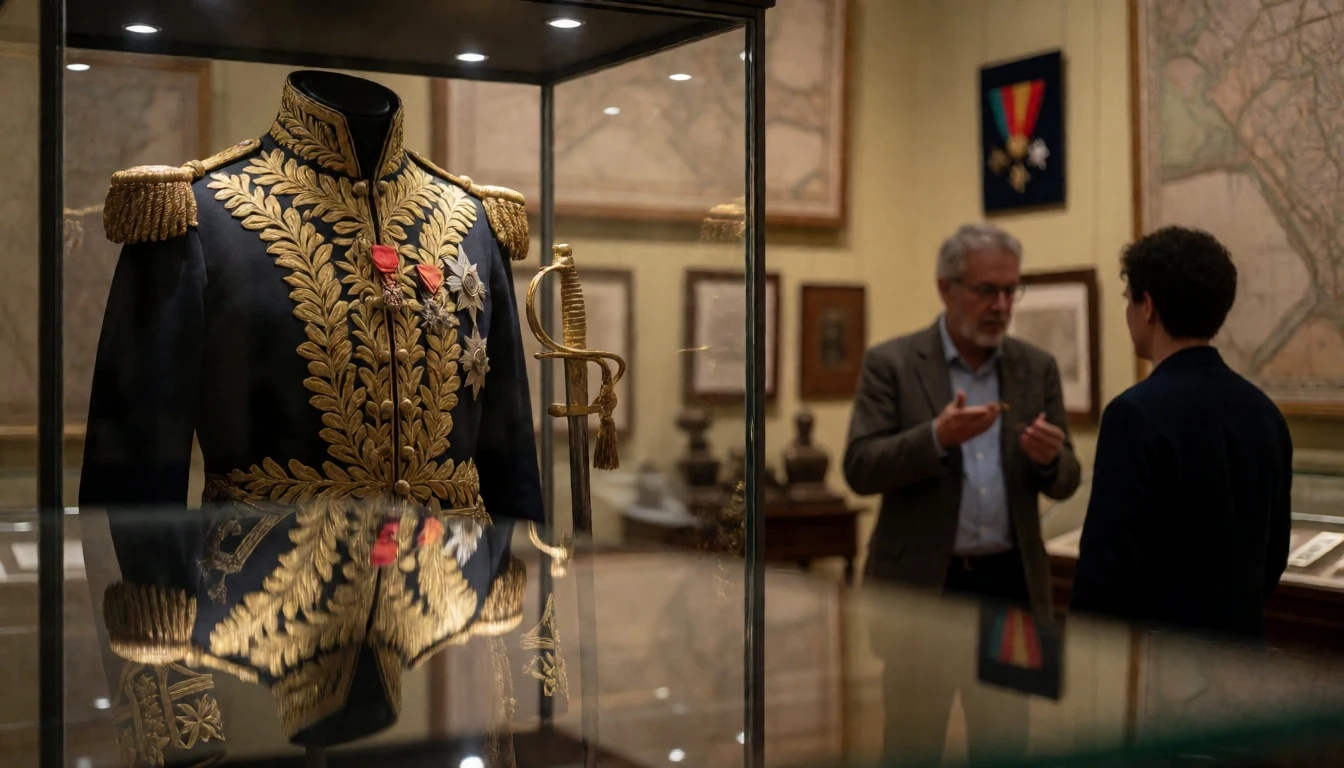
- Château de Vaux-le-Vicomte — Vaux-le-Vicomte area
Château de Vaux-le-Vicomte is a strong “compare and contrast” detour from Fontainebleau: a Baroque-style château often discussed in relation to later palace planning. If Fontainebleau leaves you curious about French château design, this is a good second setting to notice patterns.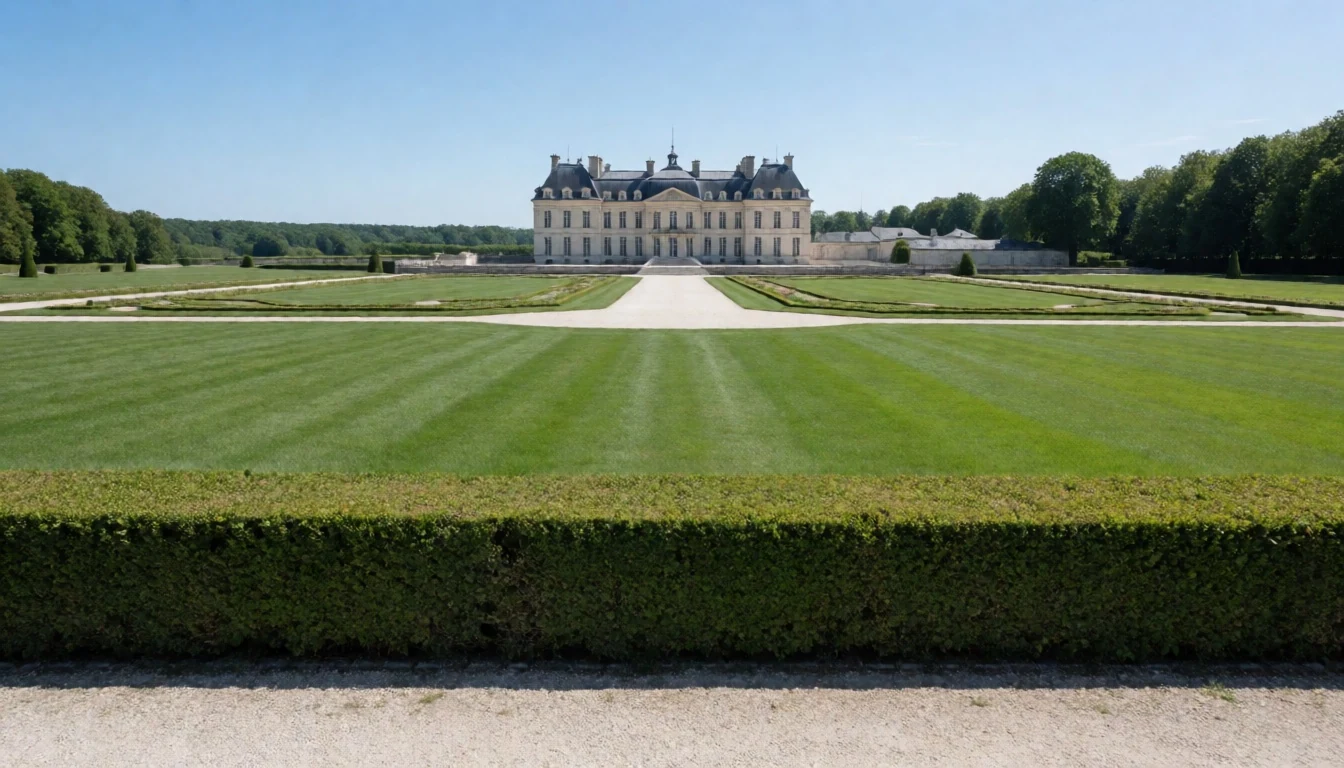
Culture
Palace of Fontainebleau is a place where photography rules and quiet behaviour are taken seriously, especially inside decorated rooms. Keep an eye out for signs about flash, tripods, and where you can stand—many interiors are designed for viewing, not for blocking sight lines. When you move through courtyards and stair spaces, expect tight circulation around popular viewpoints, so don’t linger in doorways.
The setting also comes with a different pace than central Paris. In the palace grounds, wear comfortable shoes: surfaces vary and some paths feel more “estate walk” than museum flooring. If you’re pairing the château with forest time, carry a small bottle of water and plan for that late-day cool-down; it can feel noticeably brisk compared with a sunny morning.
And since this is a UNESCO-listed site, treat it like a living museum rather than a photo set—let other visitors pass, and keep your voice down in rooms where guides are speaking.
Visitor etiquette: switch off flash, avoid blocking doorways or stair landings, and keep voices low in interior rooms.
What to wear
At Palace of Fontainebleau, dress is mostly about comfort, not strict formality—but you’re walking through a mix of palace interiors and outdoor estate paths. Traditional dress isn’t required here, yet the château’s Renaissance heritage shows up in styling expectations: choose neat clothing that looks appropriate in historic interiors.
What people wear now in Fontainebleau is typically practical—jeans or light trousers, trainers or walking shoes, and a layered top. In warmer months, people lean into breathable fabrics; in cooler months, they add a jacket and scarf because the palace courtyards and forest edge can feel cooler than central Paris.
For a visitor, I’d pack modest, shoulder-covering layers only if you plan to spend time in any chapel spaces inside the complex; otherwise, think “museum day”. Closed footwear matters: the terrain around the château and paths towards the forest can be uneven, and smooth soles are not always ideal. If you’ll be inside for hours, breathable layers help, because room temperatures can vary.
Quick packing logic: wear your comfiest walking shoes, bring a light rain layer for surprise weather shifts, and keep a compact layer for evenings around the estate.
What to eat
- Glaces (ice creams) — Fontainebleau town area
Les Glaces is a named spot in the area known as a social gathering point, especially around student life. It’s a simple choice for a break between palace rooms—grab something cold and reset before heading back to the décor.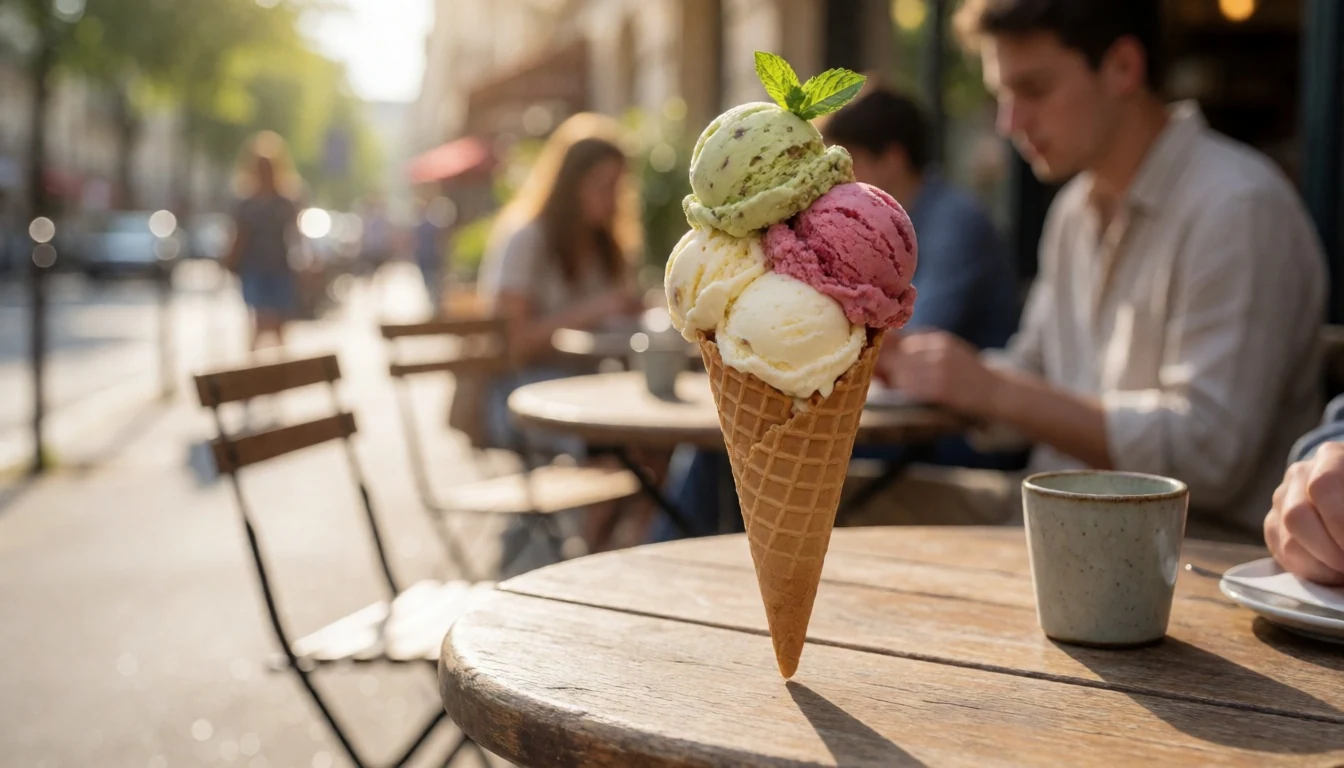
- Local brewery beers (Font&Bleau) — Inside or near the Fontainebleau forest
Font&Bleau-style beers come from a small brewing setup based inside the forest area, so the vibe is outdoorsy even when you’re grabbing a drink indoors. Look for the different styles they produce and pair it with a relaxed lunch after walking.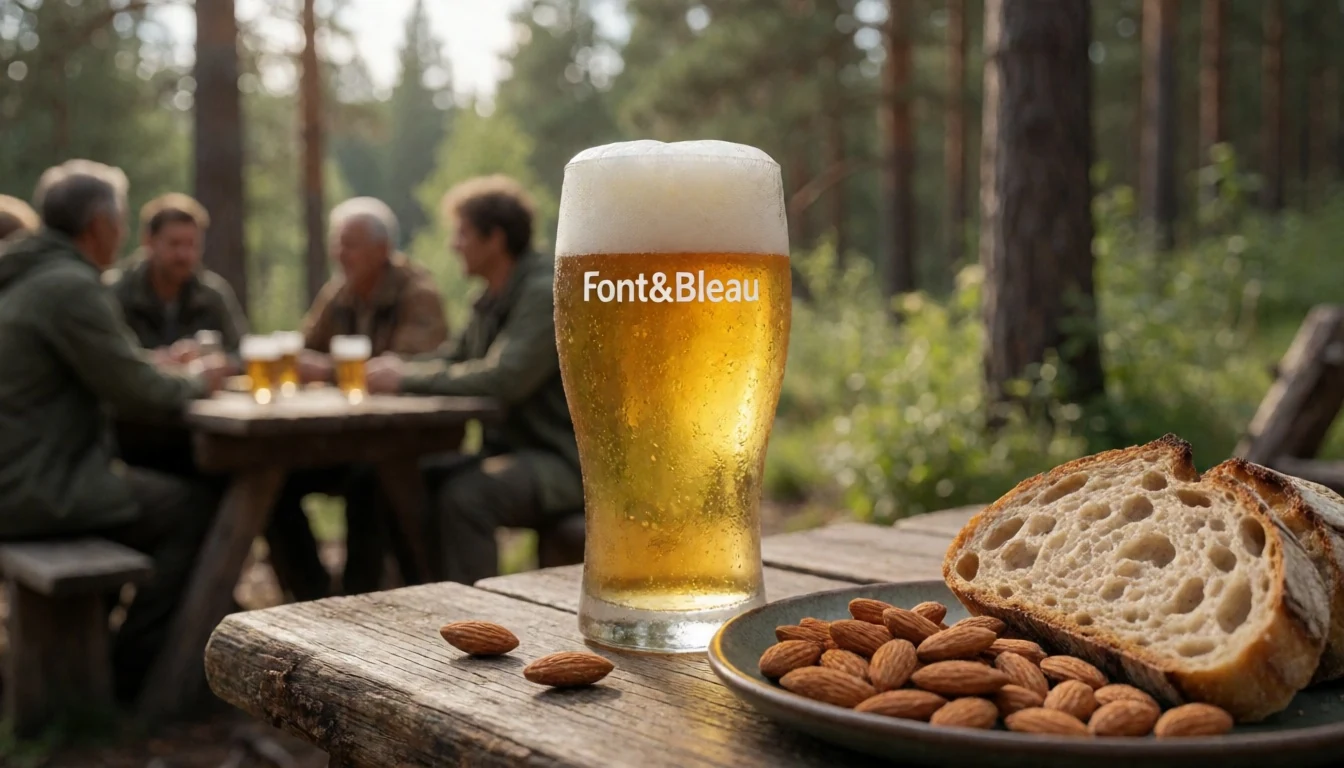
- French brasseries — Town centre around Fontainebleau
Fontainebleau has brasseries serving classic French comfort food, and the town’s restaurant scene ranges well beyond French. If you want something easy and filling after a day of interiors, choose a brasserie and keep it simple with a main course. - Hotel Napoleon restaurant-style dining — Hotel Napoleon area, Fontainebleau
Some of Fontainebleau’s best-regarded dining options are associated with the Hotel Napoleon area. It’s a good signal that you’ll find more traditional French cooking and a more polished restaurant feel than the quickest snack stops. - International options (pizza, fish, Japanese, Mexican) — Fontainebleau town centre
When the museum mood fades, Fontainebleau offers plenty of variety—from pizza to Japanese and even Mexican. This is handy if you’re travelling with mixed tastes and want something quick that still feels like a real meal rather than a snack.
Plan it
Best time. April and September are the most comfortable for mild temperatures and calmer days. October–November are great for foliage, while March and May bring wetter conditions. The warmest months are July and August (with the highest daily highs), and the wettest months are December and November, with June–August also among the wetter spell—so keep a light rain layer handy and plan for occasional slow weather.
How long. 3–4
Getting there. Go from Paris by train to Fontainebleau-Avon, then take the local bus to the château area or walk via a pleasant route. From Paris, Gare de Lyon is the main starting point for frequent services.
Budget. mid
Tips
- Start early to beat the biggest palace queues and give yourself time to read room details.
- If you’re visiting the forest after the château, keep your timing flexible—weather can change plans quickly.
- Use the bus for the last leg to the château area if you’re short on energy, and save the walk for daylight hours.
- Carry small cash for easier payment at smaller venues and markets, even if cards are widely accepted.
Etiquette
- Follow any no-flash and no-tripod rules inside rooms and galleries.
- Keep your voice down in interior spaces and don’t stop in doorways or on stair landings.
- Wear proper walking shoes—paths around the estate can be uneven.
Nearby
Sources
- Wikidata Q201428 (CC0)
- Wikipedia (CC BY-SA 4.0)
- Wikivoyage (CC BY-SA 4.0)