Orchha
Orchha, India
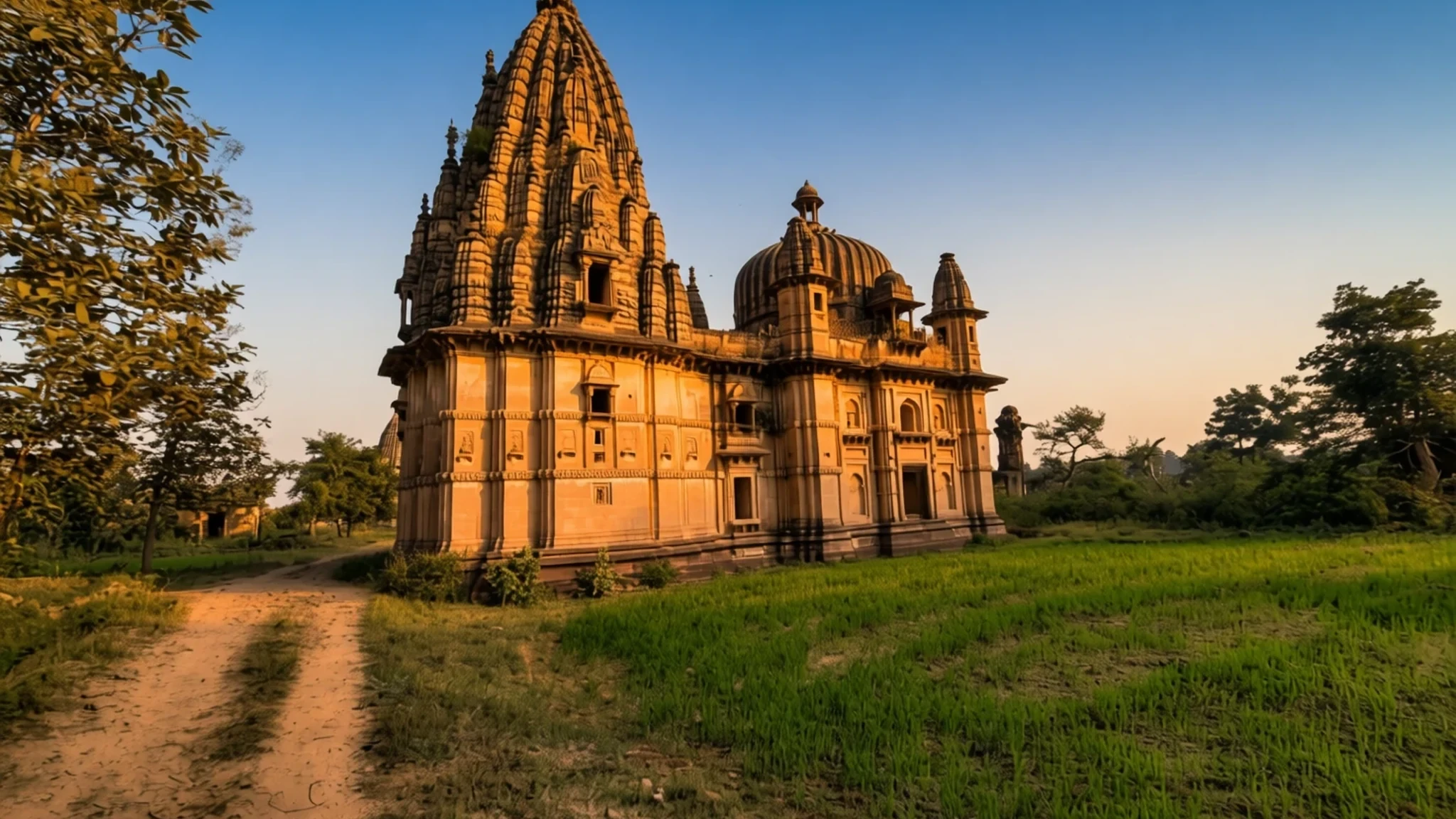
Orchha is a quiet farming town in Madhya Pradesh where magnificent medieval palaces and towering riverside shrines rise above the looping Betwa River.
The place
Orchha sits quietly within the Niwari district of Madhya Pradesh, resting gently along the winding curves of the Betwa River. This small farming settlement feels remarkably removed from the frantic pace of modern Indian urban centres, yet it preserves an immense architectural legacy. Founded as the royal seat of a prominent Bundela Rajput state in the central region of the country, the town remains dotted with monumental palaces, soaring stone spires, and memorial cenotaphs that emerge unexpectedly from surrounding fields and scrubland. Life here moves at a deliberate rhythm, centred tightly around traditional market lanes, family-run eateries, and ancient places of worship where daily rituals have continued for centuries. The surrounding landscape is defined by rocky river islands, forested sanctuaries, and quiet river ghats that catch the amber light of late afternoon. Travellers arrive to wander through vast palace complexes without the crushing crowds found at other major historic destinations in the region. The atmosphere is contemplative and unhurried, offering a genuine window into rural central India wrapped in extraordinary royal heritage. Exploring the settlement involves navigating narrow lanes filled with wandering cattle, friendly local residents, and small shops selling everyday essentials. It is a place that rewards lingering on stone terraces as the sun sets over the river.
Its story
Orchha was established in the sixteenth century by Rudra Pratap Singh, a Bundela chief who served as the first king of the realm and initiated construction on the formidable local fort complex. Subsequent rulers expanded the architectural landscape significantly, erecting grand shrines and sprawling residential quarters that reflected their wealth, religious devotion, and political ambitions. The Chaturbhuj Temple was constructed under the patronage of queen Ganesh Kunwar, while Raja Madhukar Shah oversaw the creation of the Raj Mandir during his extended reign in the latter half of the sixteenth century. Later monarchs added lavish pleasure pavilions and ornate palaces, including the striking Jahangir Mahal, built to honour a royal visit by the Mughal emperor. Despite its relative isolation, the strategic and political importance of the seat drew external attention. In the seventeenth century, imperial forces led by Prince Aurangzeb captured the citadel, integrating the territory into broader political maneuvers. Over subsequent generations, the royal courts shifted and political influence waned, leaving the monumental structures largely abandoned to the elements. This decline preserved the architectural integrity of the settlement, shielding it from later modern developments and leaving behind an extraordinarily intact time capsule of medieval Bundela power, art, and dynastic ambition.
What to see
- Cenotaphs — Kanchan Ghat
A dramatic cluster of fourteen memorial chhatris dedicated to the former rulers of the realm stands in solemn rows along the Kanchan Ghat at the southern edge of town. These stone monuments catch the golden evening light across the river water, creating one of the most distinctive and reflective views in the entire district.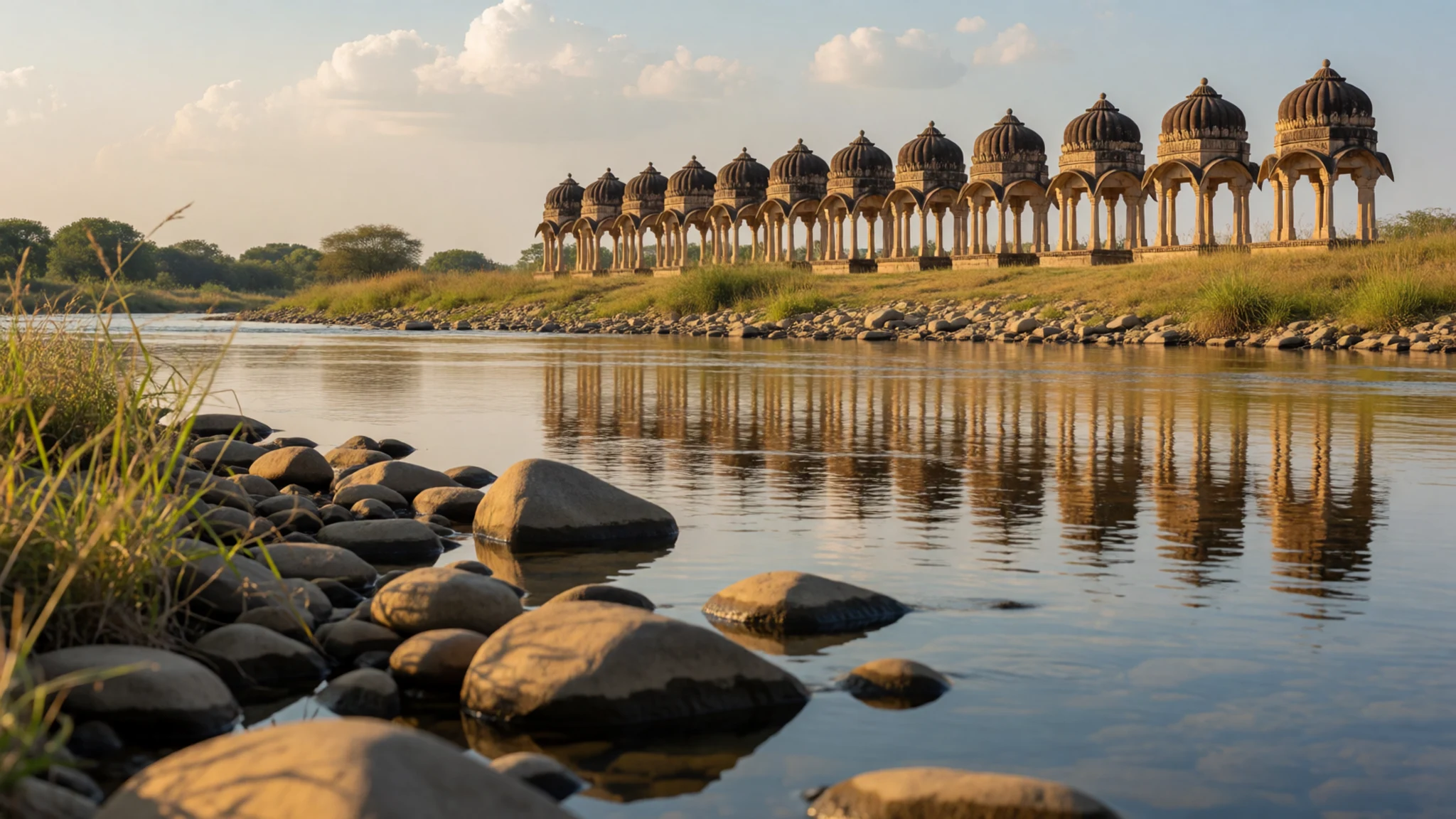
- Chaturbhuj Temple — Town Centre
Perched upon a massive elevated stone platform and approached by a steep flight of steps, this monumental shrine features soaring temple spires designed originally to house a sacred deity. The soaring stone architecture dominates the town skyline, offering sweeping views across nearby rooftops and surrounding rural landscapes from its upper levels.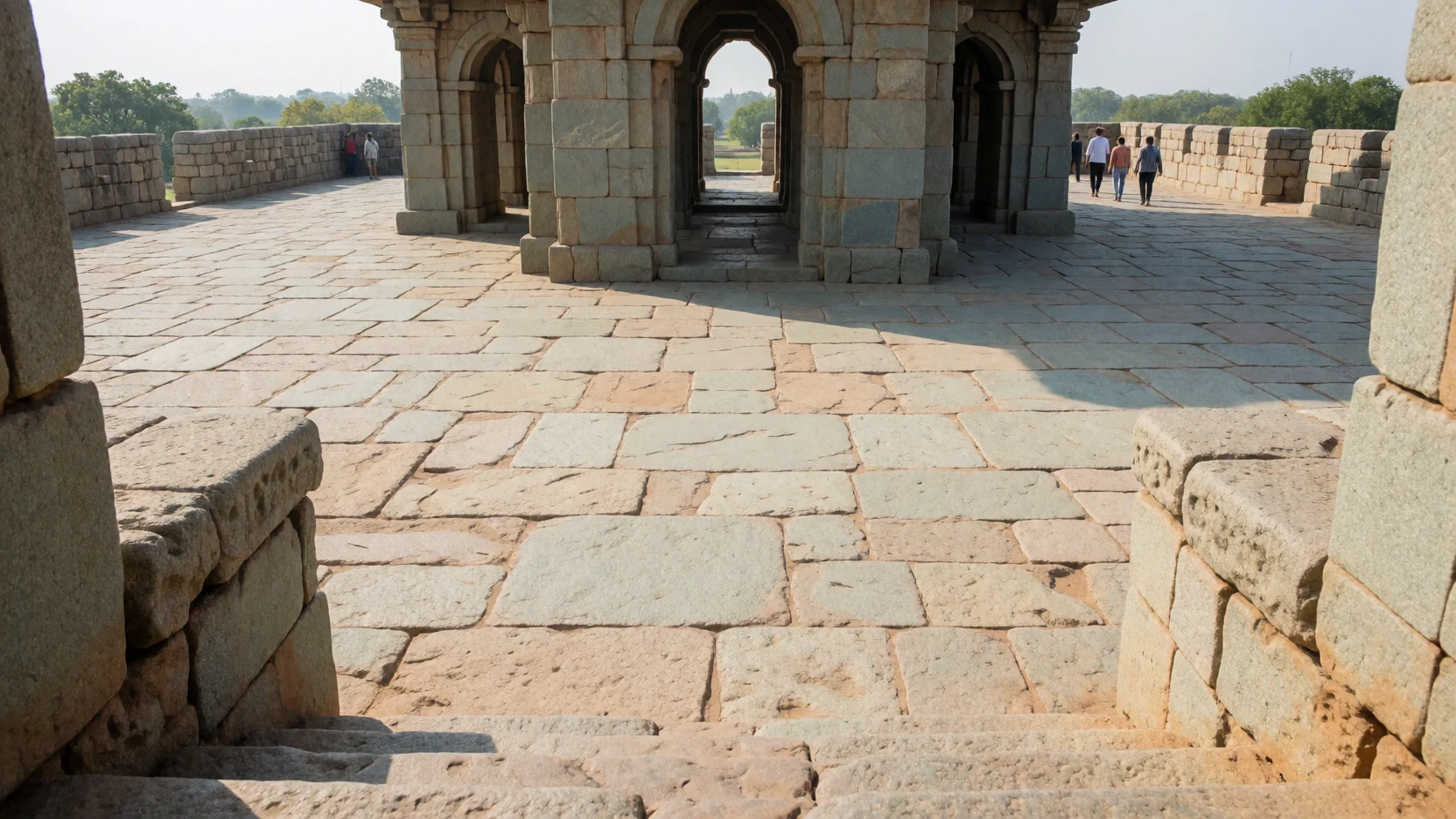
- Fort Complex — Fort Hill
Encompassing a sprawling hilltop area divided into three distinct architectural zones, this massive fortified citadel serves as the primary historical attraction. Visitors must purchase an all-day entry ticket here first before exploring the interconnected palaces, courtyards, decorative trellises, and open pavilions that tell the story of medieval royalty.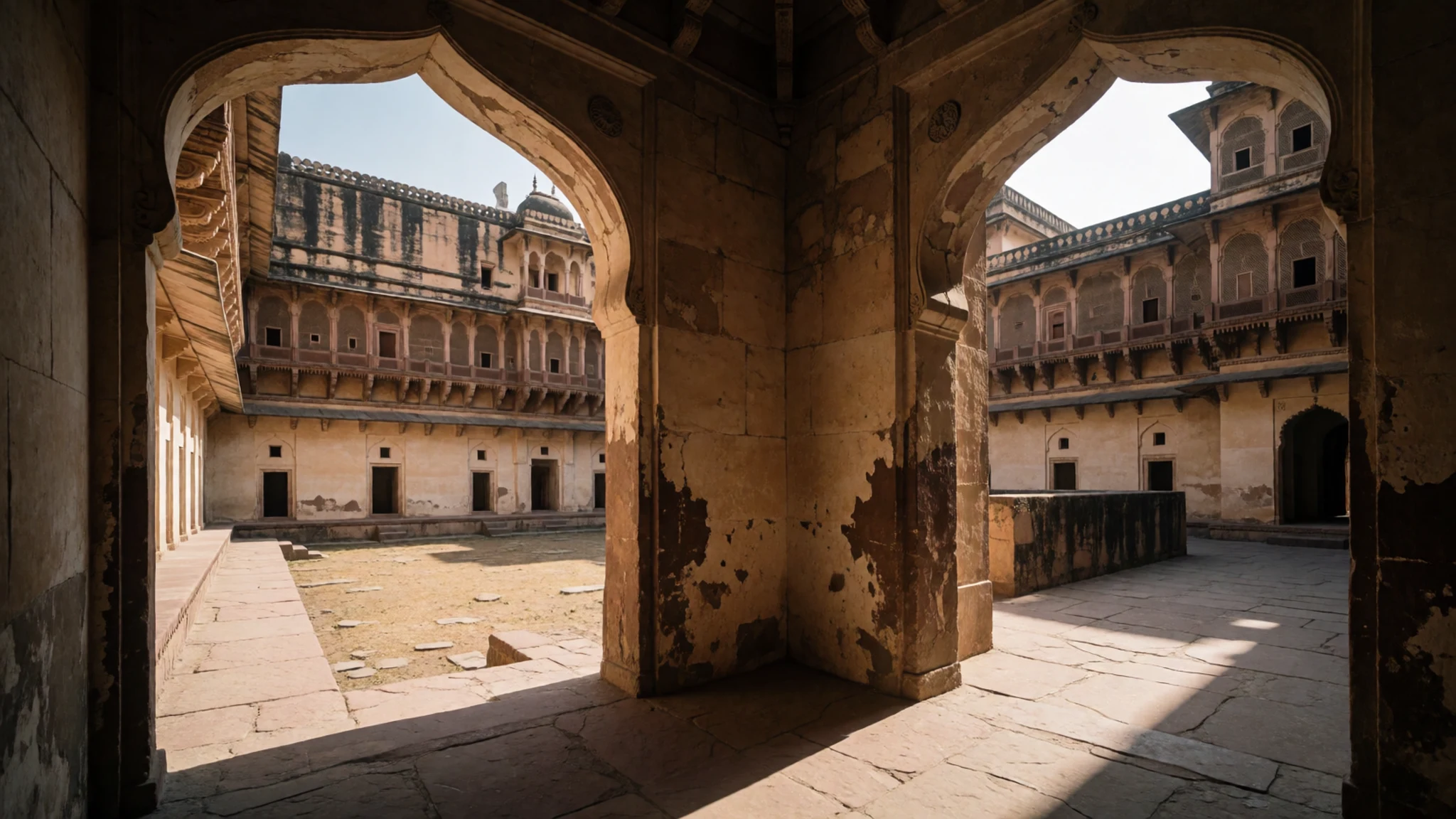
- Lakshmi-Narayan Temple — North-Western Quarter
This unusual building successfully bridges military fortification design with sacred temple architecture in a striking hybrid style. Visitors walking through its protected interior corridors will discover some of the finest, most remarkably preserved wall paintings and murals surviving anywhere in the region.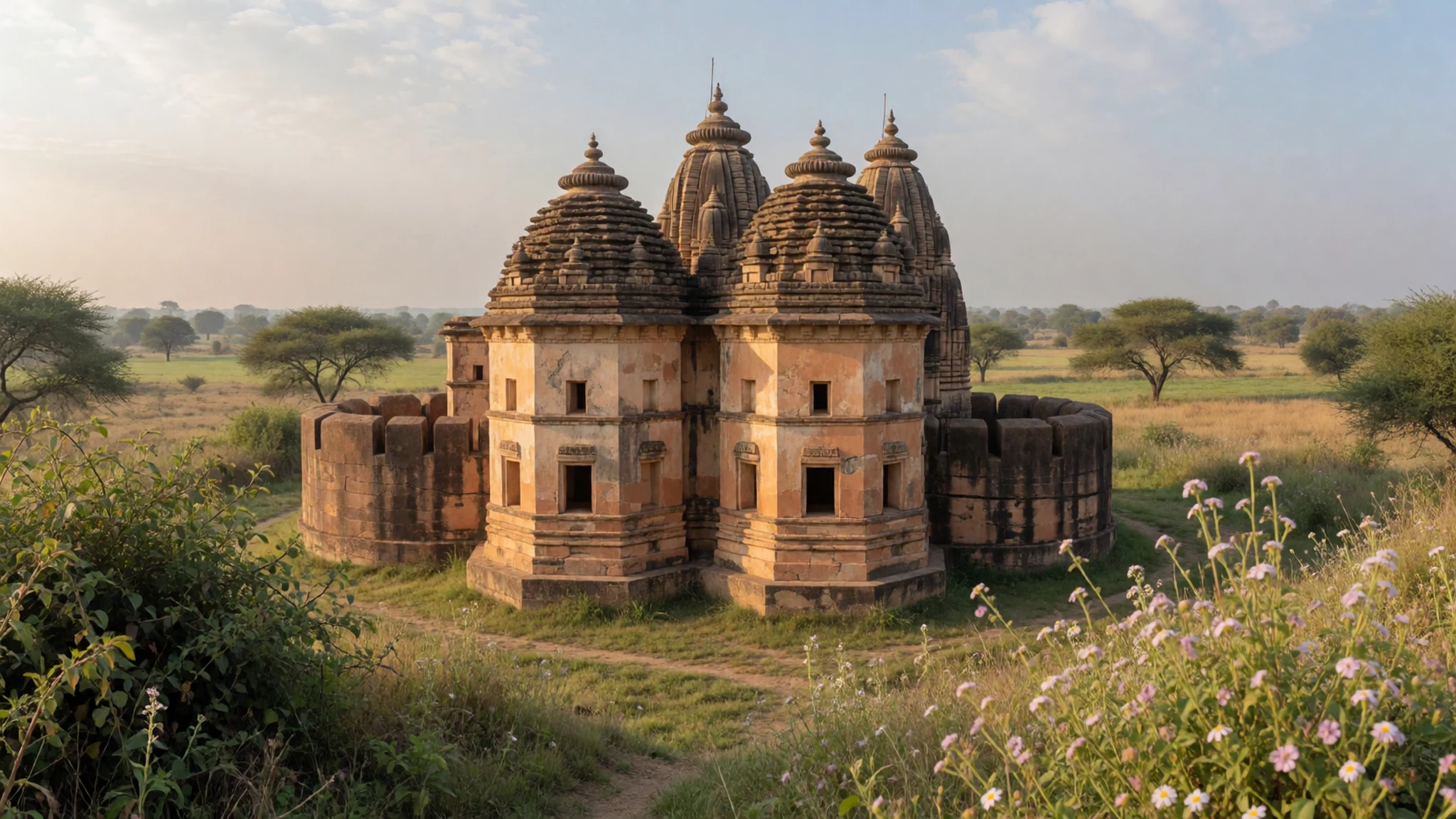
- Ram Raja Mandir — Main Bazaar
Occupying a central place in daily local life, this revered temple functions uniquely as a royal palace where the presiding deity is honoured as a reigning king rather than an abstract god. The vibrant courtyards and surrounding lanes bustle continuously with pilgrims, priests, and worshippers participating in daily devotional ceremonies.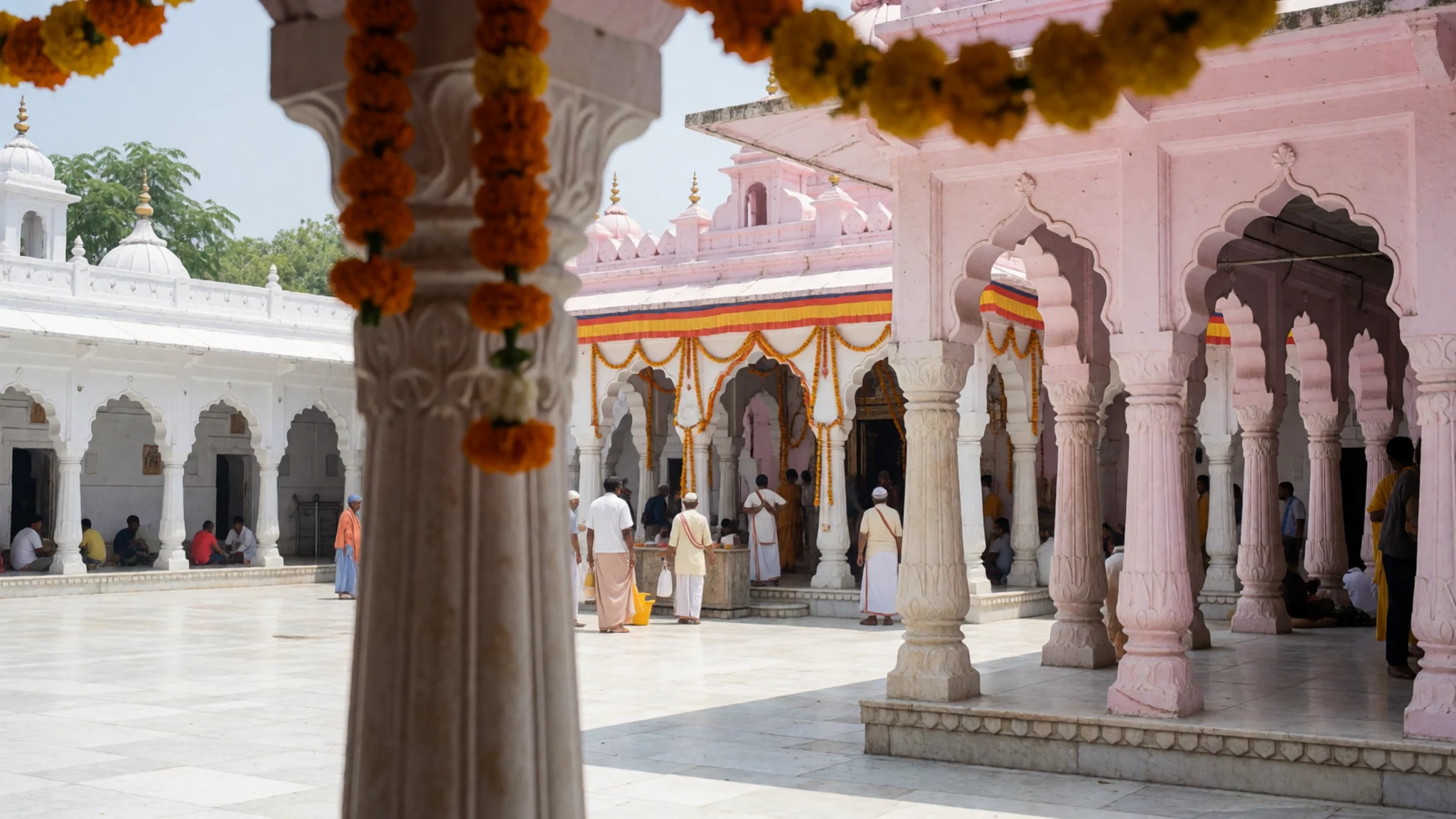
Culture
The social fabric of Orchha is deeply rooted in traditional Hindu devotion, rural community customs, and a quiet agricultural rhythm that has persisted for generations. Festivals such as Ram Navami bring immense energy and large gatherings of pilgrims to the town, transforming quiet courtyards into vibrant hubs of celebration and sacred music. Family ties, local trade, and temple rituals shape daily routines, creating a welcoming atmosphere where visitors are greeted with genuine curiosity and warmth. Traditional arts, classical music heritage, and folk storytelling continue to influence local identity, echoing the cultural patronage of the historic Bundela court. Visitors should always remove footwear before entering any temple courtyard or sacred shrine space.
What to wear
Traditional attire across the region reflects practical adaptation to climate combined with enduring cultural norms. Local women commonly wear vibrant cotton sarees or flowing salwar kameez sets, often featuring traditional block prints and rich local textiles suited for warm weather. Men frequently opt for simple cotton kurtas, lightweight shirts, and trousers, while older generations may wear traditional dhotis or turbans during festivals and formal occasions. Modern everyday dress for younger residents includes casual western wear such as jeans and t-shirts, particularly among students and shopkeepers. For visitors, modest clothing is essential out of respect for local customs and religious sites; shoulders and knees should remain covered when exploring temples and public market areas. Lightweight, breathable cotton fabrics are ideal for managing the regional heat, paired with comfortable slip-on footwear that can be easily removed when entering places of worship.
What to eat
- Family-Recipe Potato Special — Family-run eateries near the main market
Prepared by local home cooks in family-run eateries near the main market lanes, this comforting spiced potato dish highlights regional flavours and comforting home-style cooking traditions.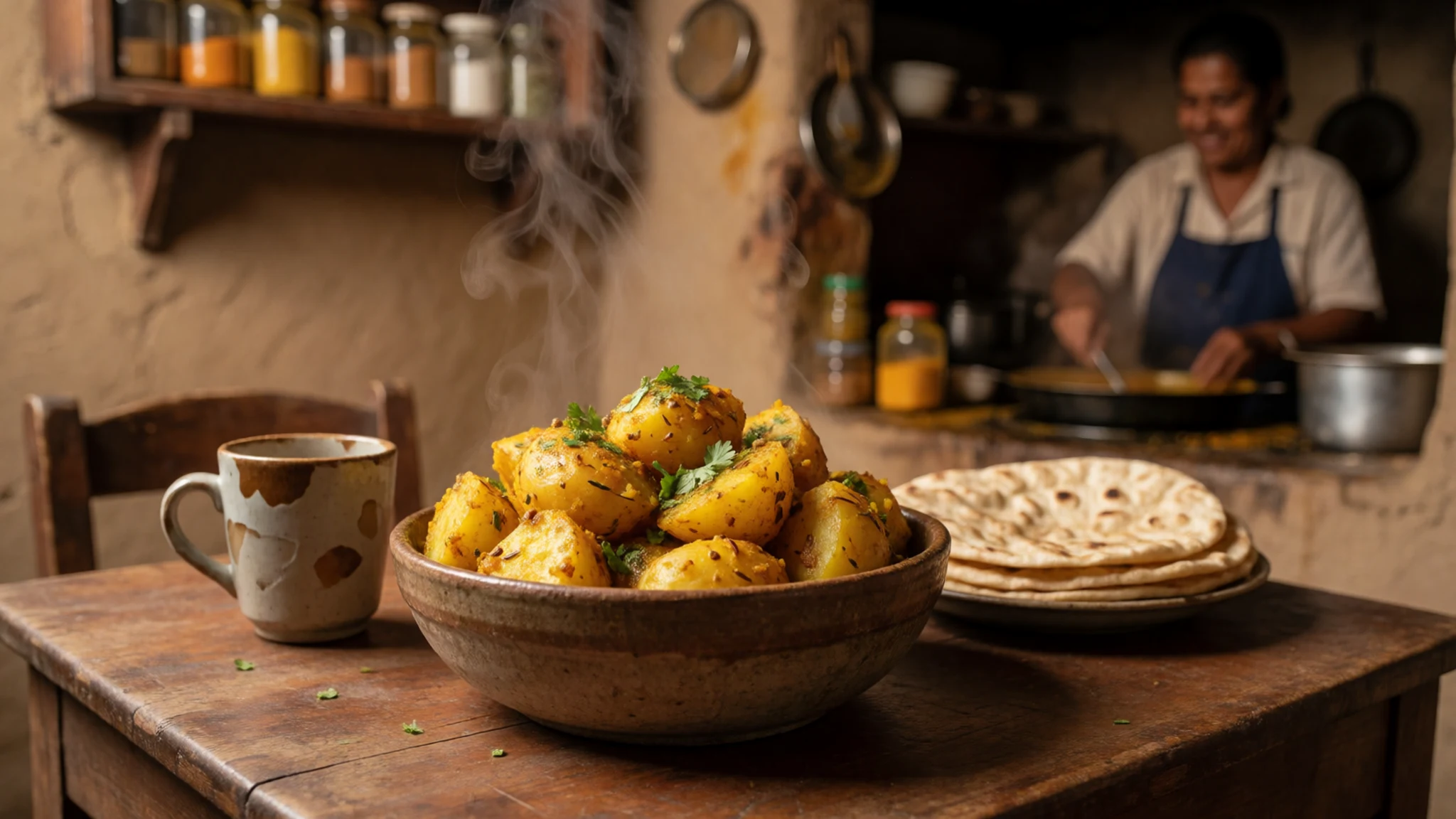
- Large Mug Masala Chai — Small tea stalls across the town
A robust, spiced milk tea brewed with fresh ginger and aromatic cardamom, served hot in generous mugs to warm travellers after morning walks along the river ghats.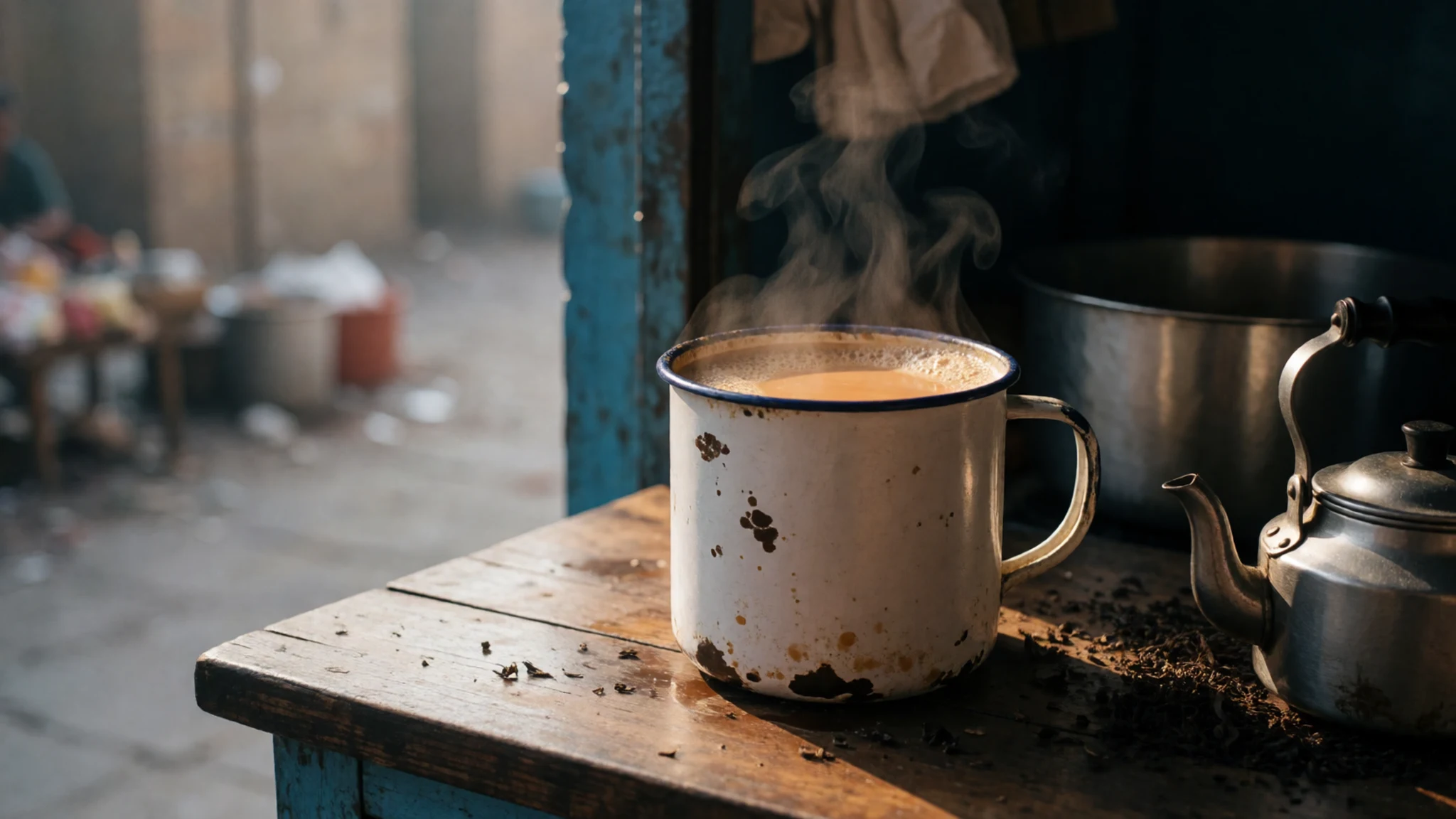
- Fresh Market Thali — Rooftop restaurants overlooking the palaces
A wholesome vegetarian assortment featuring seasonal vegetables, lentils, flatbreads, and rice prepared using fresh produce sourced daily from nearby agricultural markets. - Simple Home-Cooked Snacks — Street stalls near the palace entrance
Inexpensive, freshly prepared street snacks and light vegetarian bites served piping hot from humble family-operated food stalls near the palace entrance gates.
Plan it
Best time. October to March offers pleasant daytime temperatures and cooler evenings ideal for exploring outdoor monuments, whereas summer months bring intense heat.
How long. 2–3
Getting there. Take a train to Jhansi railway station, then hire an auto-rickshaw or car for the remaining journey to town, or use local shared shuttle transport.
Budget. low
Tips
- Purchase your entry ticket at the main fort complex first to gain access to all major historic sites.
- Start exploring major monuments early in the morning to avoid the midday sun and crowds.
- Carry sufficient cash for small shops, local transport, and temple donations, as card acceptance can be limited.
- Drink plenty of bottled water and protect yourself from the sun during afternoon walks.
Etiquette
- Remove your shoes before stepping inside any temple or sacred shrine.
- Dress modestly with covered shoulders and knees when visiting religious areas.
Nearby
Sources
- Wikidata Q201631 (CC0)
- Wikipedia (rev 1381795361) (CC BY-SA 4.0)
- Wikivoyage (rev 5322922) (CC BY-SA 4.0)