Olympia
Olympia, Greece
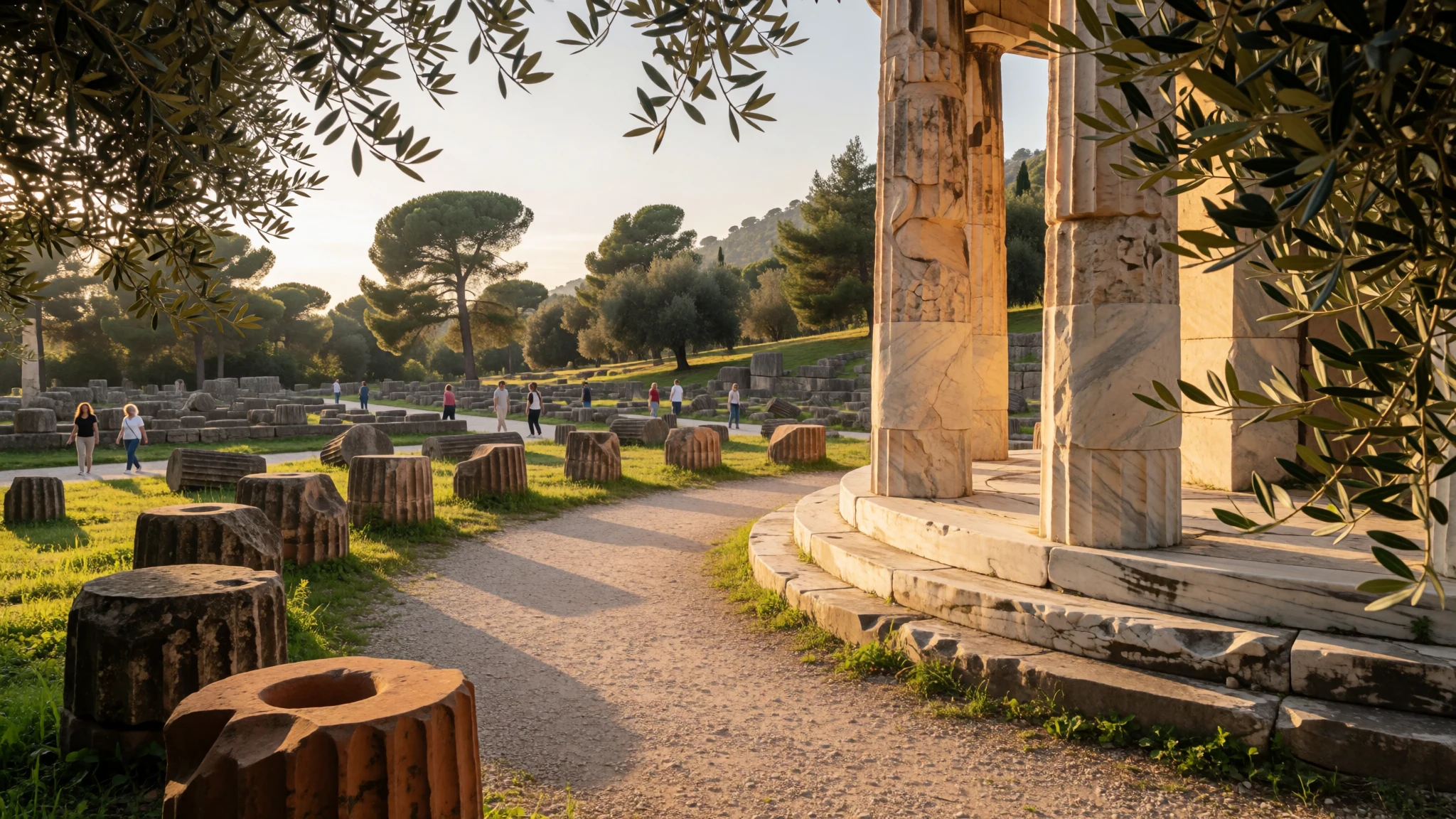
Olympia turns ancient sport into something physical: a full sanctuary complex where the Games once pulled the Greek world together.
The place
Olympia (officially Archaia Olympia) is a small town in Elis on the Peloponnese peninsula in Greece, best known for the archaeological site next door. The famous ruins sit within a sacred precinct called the Altis, which was dedicated mainly to Zeus, with other gods also honoured there. It is a different kind of “big-hitter” than a lone monument: you’re walking through a landscape that was set up for processions, worship, athletic contests and visiting from far beyond the local area.
The town itself is calmer than the site, but it’s clearly built around incoming visitors heading to the excavations. Expect an archaeology feel—open areas, stone remains, and explanatory context—rather than a grand city-centre spectacle. Crowds tend to spike during peak travel seasons; in the warmer months—especially from June to September—the open walkways can feel hot and exposed.
A helpful detail: despite the name “Olympia”, it isn’t connected to Mount Olympus in northern Greece. Instead, it’s tied to ancient Olympic identity—Panhellenic in reach, religious in purpose. The modern town is the gateway; the real drama is in the surrounding ruins, where sanctuaries and venues from different centuries overlap on the ground.
Plan to spend a few unhurried hours there. Even if the “Games” idea is the headline, what sticks around is the mix of worship space, athlete space and visitor space—so the site reads like a whole machine for ceremony and competition.
Its story
Olympia’s story begins long before the famous Games. Over time, the area developed into a sanctuary that attracted religious activity focused on Zeus. The timing is debated in scholarship, but what’s clear is that the site’s identity grew through centuries of use, not in a single moment.
When the first Olympic festival is traditionally placed in the 8th century BC, the Games become a recurring event—organised by the authorities of Elis on the site. Later, changes reshaped the sanctuary: land was levelled, wells were dug, and the sanctuary’s control and influence shifted between regional powers. Olympia is sometimes described as winning disputes over management of the precinct, which hints at how strategic these sacred spaces were.
Architecturally, Olympia grew in waves. Evidence of building activity is linked to the period around the 600s BC, including the Temple of Hera. As the centuries moved on, treasuries, a major gathering structure and the athletic spaces took form. The stadium itself was remodelled later with spectator seating, and the festival broadened by adding more sports.
This is also why Olympia feels more layered than a typical ruin. The excavated ground reflects not only athletic competition but also religious ceremony—an ecosystem where worship and sport were tied together. Even the layout of structures gives a sense of how the ancient festival would have flowed, with visitors arriving for a mix of ritual, viewing and participation. In the end, Olympia matters because it’s not just “where” the Games happened; it’s also “how” a Panhellenic sanctuary worked as a civic and spiritual centre.
What to see
- Archaeological Site of Olympia
Start at the Archaeological Site of Olympia itself, where the sacred precinct and surviving structures let you read the layout of a major ancient festival landscape. Take it slow on the open ground; some areas feel more exposed and you’ll want water.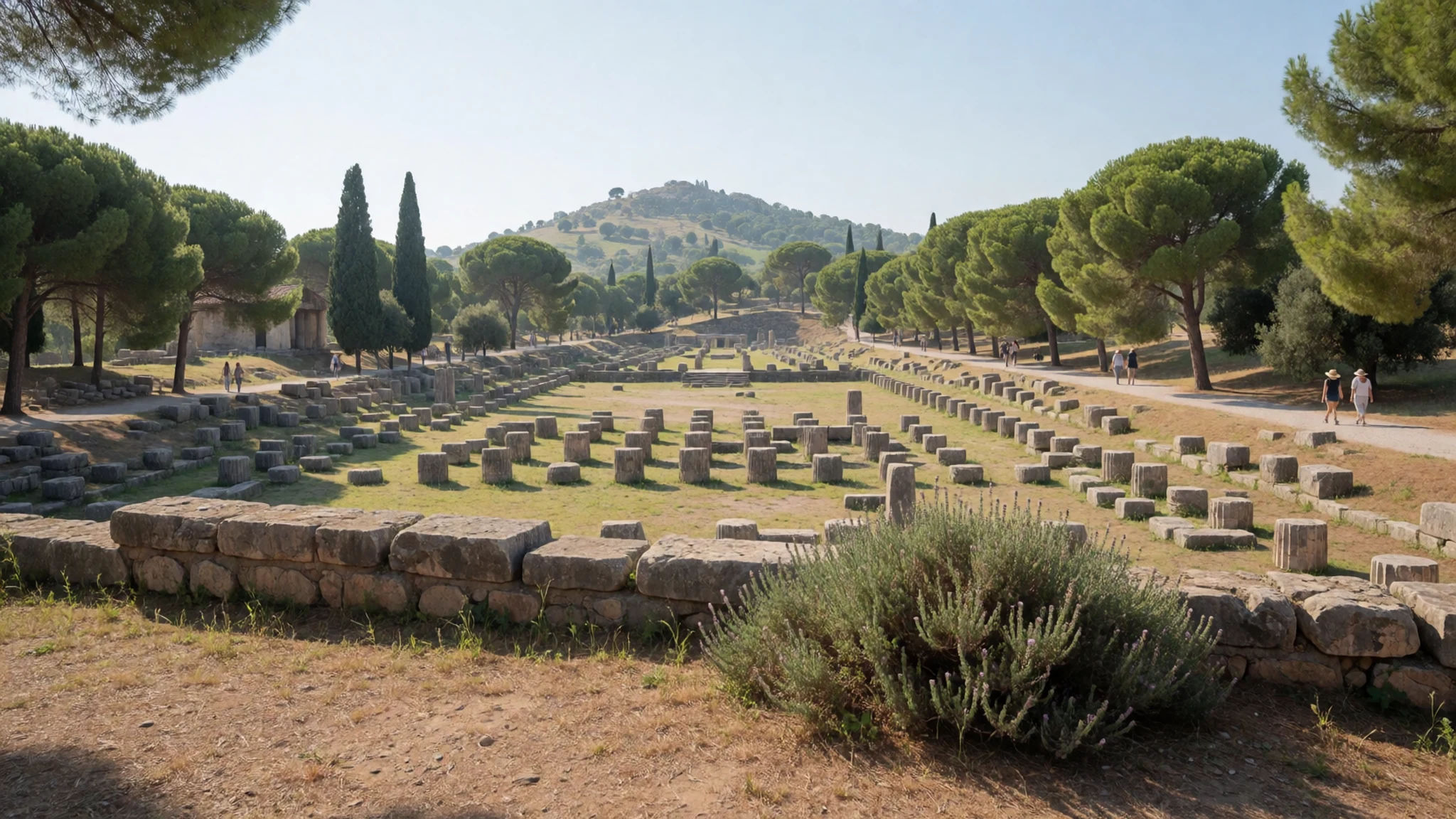
- Temple of Hera and the surrounding precinct feel — Altis precinct area inside the Archaeological Site of Olympia
Look for the Temple of Hera area within Olympia’s sanctuary setting, where temple remains sit among other precinct structures tied to worship and festival life. The stone layout helps you understand the relationship between religious spaces and the athletic grounds nearby.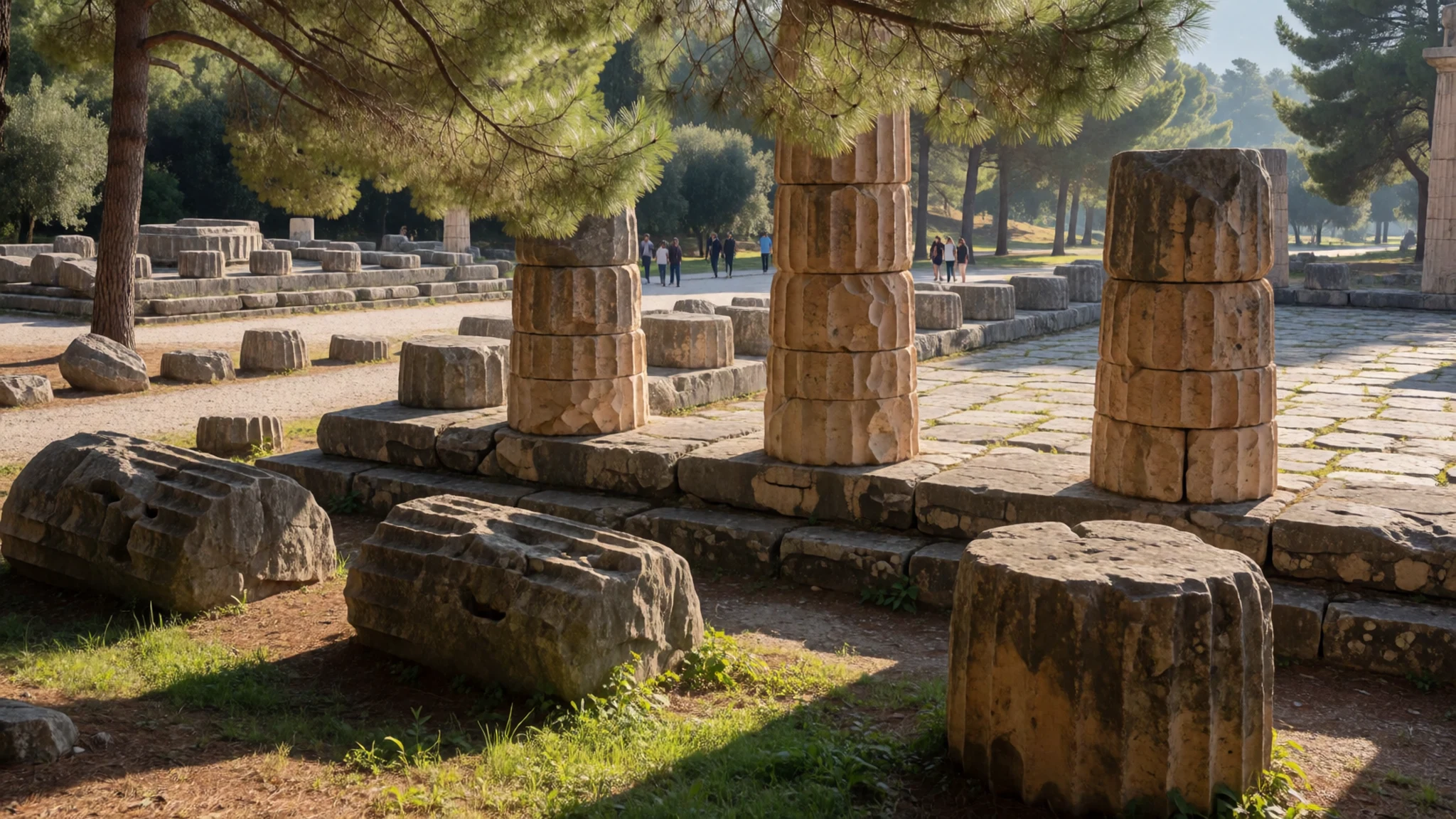
- Pelopeion remains — Within the Archaeological Site of Olympia precinct
Walk to the remains associated with the Pelopeion to get a sense of how commemorative and ceremonial elements were built into the sanctuary. With the nearby temple area and hill backdrop, it’s one of the most atmospheric spots for photos, even in plain daylight.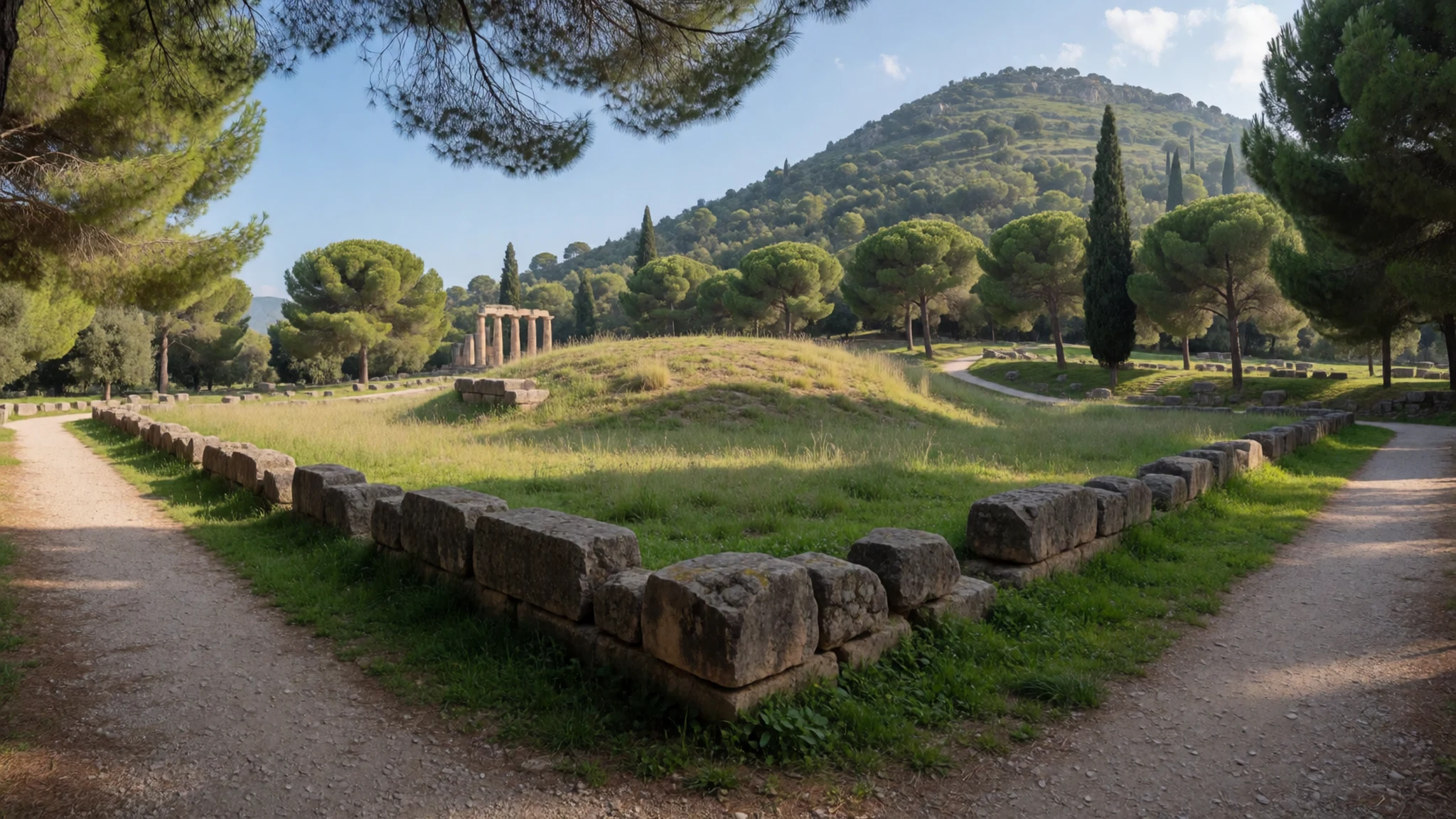
- Philippeion (Philip II of Macedon Temple) — On the archaeological grounds around the sanctuary complex
The Philippeion is a standout structure associated with Philip II of Macedon, giving Olympia a political layer alongside its religious and athletic identity. Even if you know the story only generally, the building’s presence clarifies how later patrons chose to participate in the site’s prestige.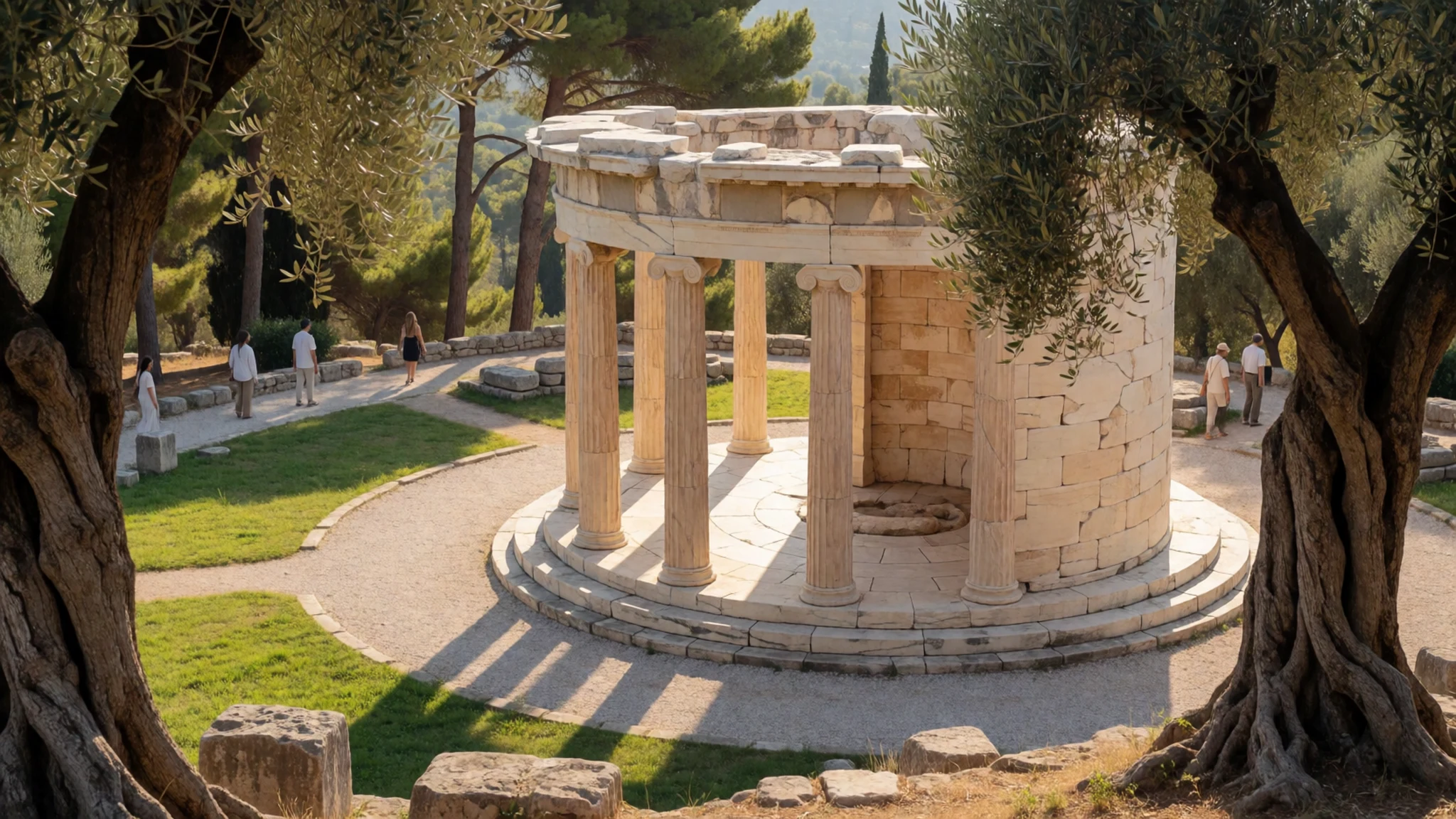
Culture
Olympia’s culture is still shaped by the fact that it was a sanctuary first and a festival centre second. That mix matters for how the site “reads”: temples and precinct spaces remind you that worship, offerings and collective rituals sat alongside athletic competition. The Games drew visitors from across the Greek world, so expect an atmosphere of gathering—processional, viewing-oriented and communal.
In practice, today’s visitors often focus on taking photos and ticking off the biggest structures. The trick is to also watch the space like an ancient visitor would: where paths funnel you through precinct areas, where open ground exposes you to heat, and where ruins sit close enough to feel like parts of one planned environment. If you visit on a busy day, you’ll feel the crowd at the most popular photo angles; patience helps, and early arrival often makes the site feel more “readable”.
If you want to get the most out of Olympia without turning it into homework, keep your attention on relationships: worship spaces versus athletic spaces, and later monuments inserted into the older sanctuary. That’s when the sanctuary becomes more than a list of ruins.
Respect the archaeological ground by staying on marked paths and keeping voices low in quiet areas.
What to wear
Olympia doesn’t have a single “traditional dress” look for visitors the way some pilgrimage towns do, because the place is an archaeological sanctuary rather than a living festival. Still, the ancient context means modesty and comfort do matter: uncovered shoulders aren’t strictly “forbidden” in the way they can be at some active shrines, but you’ll feel more at ease dressing conservatively enough to blend in with site etiquette.
What people actually wear now in Olympia is straightforward: breathable summer tops and light trousers or knee-length shorts, plus sandals or trainers. In the warmer months, sun protection becomes as important as style. The terrain is uneven at times across archaeological areas, so supportive footwear helps.
For a visitor wardrobe, aim for layers. A light long-sleeve layer is useful when the sun is strong, and a thin jacket helps if the evening cools down. Bring a hat, and carry sunglasses because open areas can feel bright and exposed. If visiting in spring or autumn, dress in comfortable layers for fluctuating temperatures.
Keep it practical: closed-toe shoes or sturdy sandals with a secure fit, long-enough clothing for walking, and a light top layer for sun and breeze.
What to eat
- Local wines at a modern tasting room (Olympia Land winery) — Olympia Land winery
Olympia Land winery is a convenient stop for wine lovers, offering tastings in a modern setting. It’s a good way to slow down after the archaeological heat, and you can usually learn about local varieties with your pour.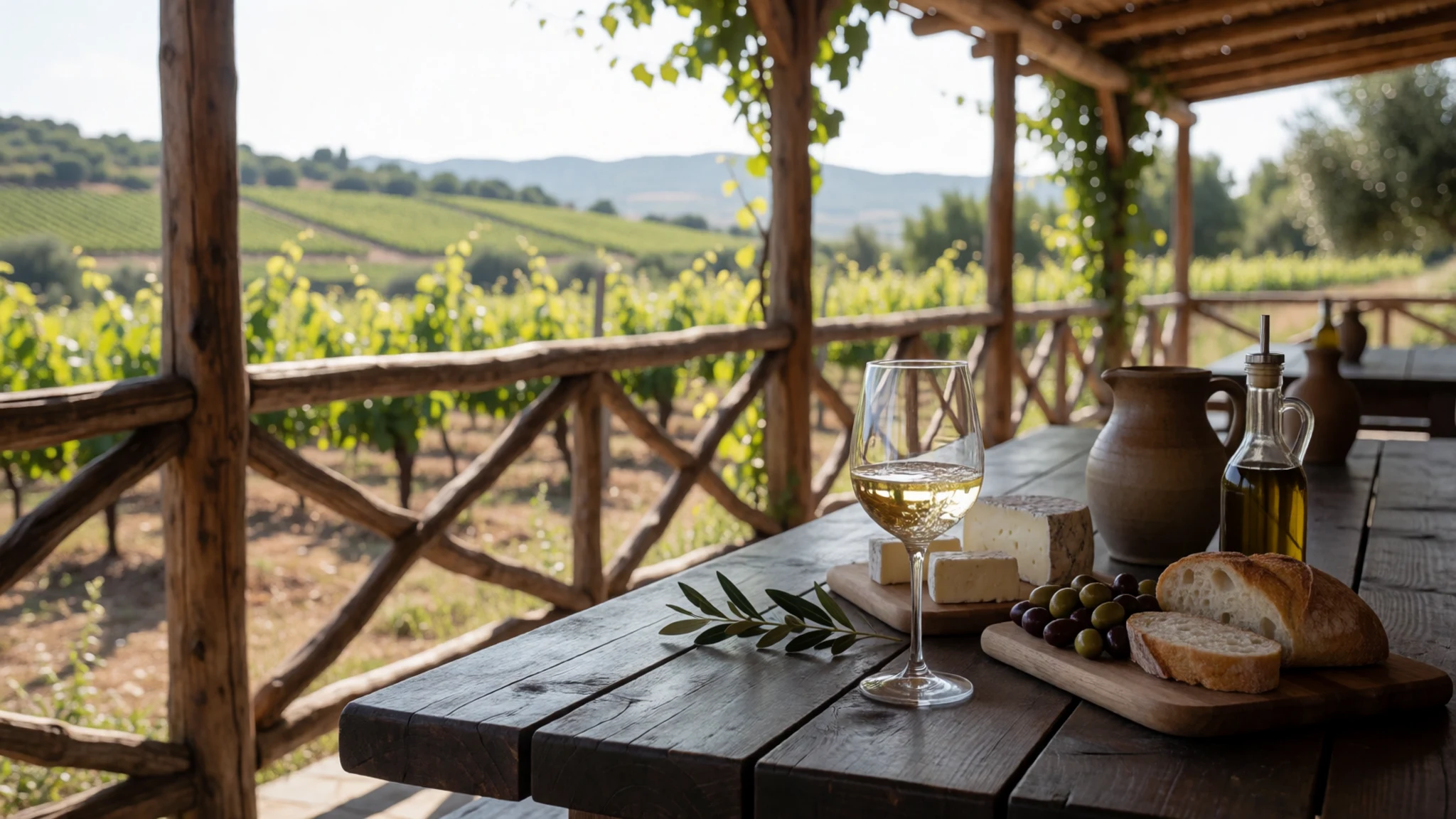
- Greek coffee and a sweet alongside it — Town eateries around Archaia Olympia
After walking the precinct, many visitors pair Greek coffee with something small and sweet. Look for an eatery in the town area where people are taking breaks between site visits—think quick, comforting, and easy to fit into a day plan.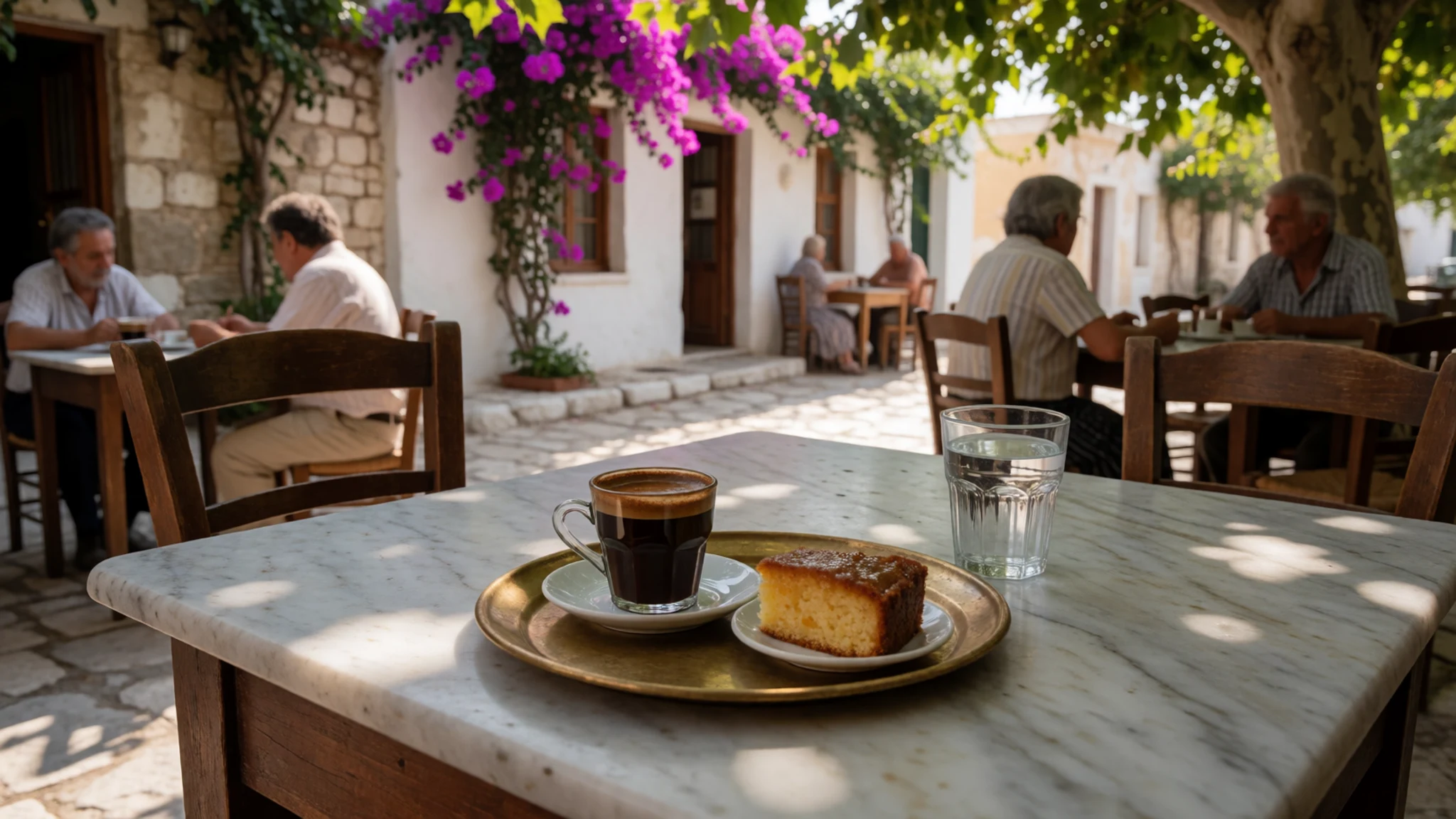
- Kalypso Nightclub sweets and bar snacks — Kalypso Nightclub
If the evening pulls you in, Kalypso Nightclub is where you’ll find a more lively scene with nightlife energy. Expect the usual bar-and-snack rhythm, and keep it casual rather than planning a long sit-down meal there. - Sweet pastry dessert — Local bakeries and dessert counters in town
A sweet pastry dessert is an easy win in Greece—typically flaky, lightly sweet, and satisfying after a long day outdoors. Find it at local bakeries or dessert counters in the town area near where you’ve been wandering. - Simple mezze-style starters — Informal street-level eateries in Archaia Olympia
For lunch that doesn’t derail the afternoon, go for mezze-style starters: plates made for sharing, designed to keep you going. You’ll usually see a mix of salads and warm bites, ideal when you don’t want to commit to a long menu.
Plan it
Best time. April–June and September–October for more comfortable walking conditions; summer is the hottest, with June through August bringing the highest temperatures on open archaeological ground.
How long. 2–3
Getting there. By air, fly to Kalamata airport then drive about an hour and a half by road. By public transport, use trains or KTEL buses from Patras via Pyrgos (around two hours), or take KTEL buses from the port of Kyllini.
Budget. mid
Tips
- Start early to avoid the tightest crowding on the most popular angles within the archaeological site.
- Wear shoes with grip—archaeological areas can be uneven and sun-baked.
- Keep water on hand; open precinct areas can feel draining when the sun is strong.
- Build your day around the site first, then use the town for a slower meal and a winery tasting.
Etiquette
- Stay on marked paths and avoid climbing on stone remains.
- Keep voices down in quieter parts of the precinct, especially near temples.
- Ask before photographing people or staff at any small venue.
Nearby
Sources
- Wikidata Q38888 (CC0)
- Wikipedia (rev 1384237610) (CC BY-SA 4.0)
- Wikivoyage (rev 5284018) (CC BY-SA 4.0)
- Photo photos/01-olympic-flame-the-start-of-the-olympic-torch-relay-512241248.jpg (CC BY 2.5)
- Photo photos/02-ancient-olympia-greece2.jpg (CC BY-SA 2.0)
- Photo photos/03-2011-dimos-archeas-olymbias.png (CC BY 3.0)
- Photo photos/04-olympia-34.jpg (CC BY-SA 4.0)
- Photo photos/05-remains-of-the-pelopeion-in-olympia-on-october-14-2020.jpg (CC BY-SA 4.0)
- Photo photos/06-olympia-temple-of-hera-3.jpg (CC BY-SA 2.5)
- Photo photos/07-olympia-02.jpg (CC BY 3.0)
- Photo photos/08-olimpia-filiptemple.jpg (Public domain)


