Okinawa Island
Okinawa Island, Japan

Experience a distinct island culture of coral reefs, historic castle ruins, and subtropical forests quite different from mainland Japan.
The place
Okinawa Island sits in the warm expanse of the western Pacific, forming the geographical and population heart of the Ryukyu island chain stretching between mainland Japan and Taiwan. Surrounded by clear turquoise waters and fringed by coral reefs, the island experiences a humid subtropical climate that nurtures lush greenery and dense forests across its northern hills. The landscape transitions from rolling rural terrain in the north to denser urban settlements centered around Naha in the southwest. Decades of unique history have shaped a destination where traditional wooden architecture, ancient stone fortresses, and distinct regional customs meet modern infrastructure. The island serves as both a quiet coastal retreat and a strategic focal point, maintaining deep connections to its maritime past while accommodating contemporary communities. Visitors wander through limestone caves, walk along coastal cliffs carved by the sea, and explore winding neighbourhood lanes where red-tiled roofs feature protective guardian lions. The local atmosphere moves at a gentler pace than Tokyo or Osaka, shaped by ocean breezes, friendly community markets, and long traditions of hospitality that welcome travellers seeking a different side of the country.
Its story
Long before integration into the Japanese archipelago, early Okinawan society developed through maritime trade and distinct cultural exchanges across the East China Sea. The archaeological record reveals early hunter-gatherer communities of the shell mound eras, distinguished by midden heaps and shell ornaments traded from distant islands. As society shifted towards settled agriculture, populations moved from coastal shores to elevated ridges, giving rise to the distinctive Gusuku period. During this era, island rulers built stone fortresses known as gusuku, serving simultaneously as sacred sanctuaries, fortified residences, and administrative seats for regional lords. These walled enclosures reflect a unique architectural tradition influenced by Chinese, Japanese, and Southeast Asian maritime networks. Following centuries of independent kingdom rule, the islands experienced shifting political allegiances and distant feudal governance before modern prefectural administration was established. The mid-twentieth century brought immense upheaval during the Pacific conflict, leaving deep historical markers across the southern landscape. Today, the preserved castle remains and sacred groves stand protected as world heritage sites, bearing witness to a resilient kingdom that bridged diverse cultures across the ocean for generations.
What to see
- Shuri Castle and Gusuku Sites — Naha
Explore the reconstructed vermilion structures of Shuri Castle in Naha alongside surrounding stone fortresses and sacred groves. These UNESCO-listed ruins reveal the architectural heritage and spiritual traditions of the historic Ryukyu Kingdom through restored halls, ancient gates, and terraced gardens.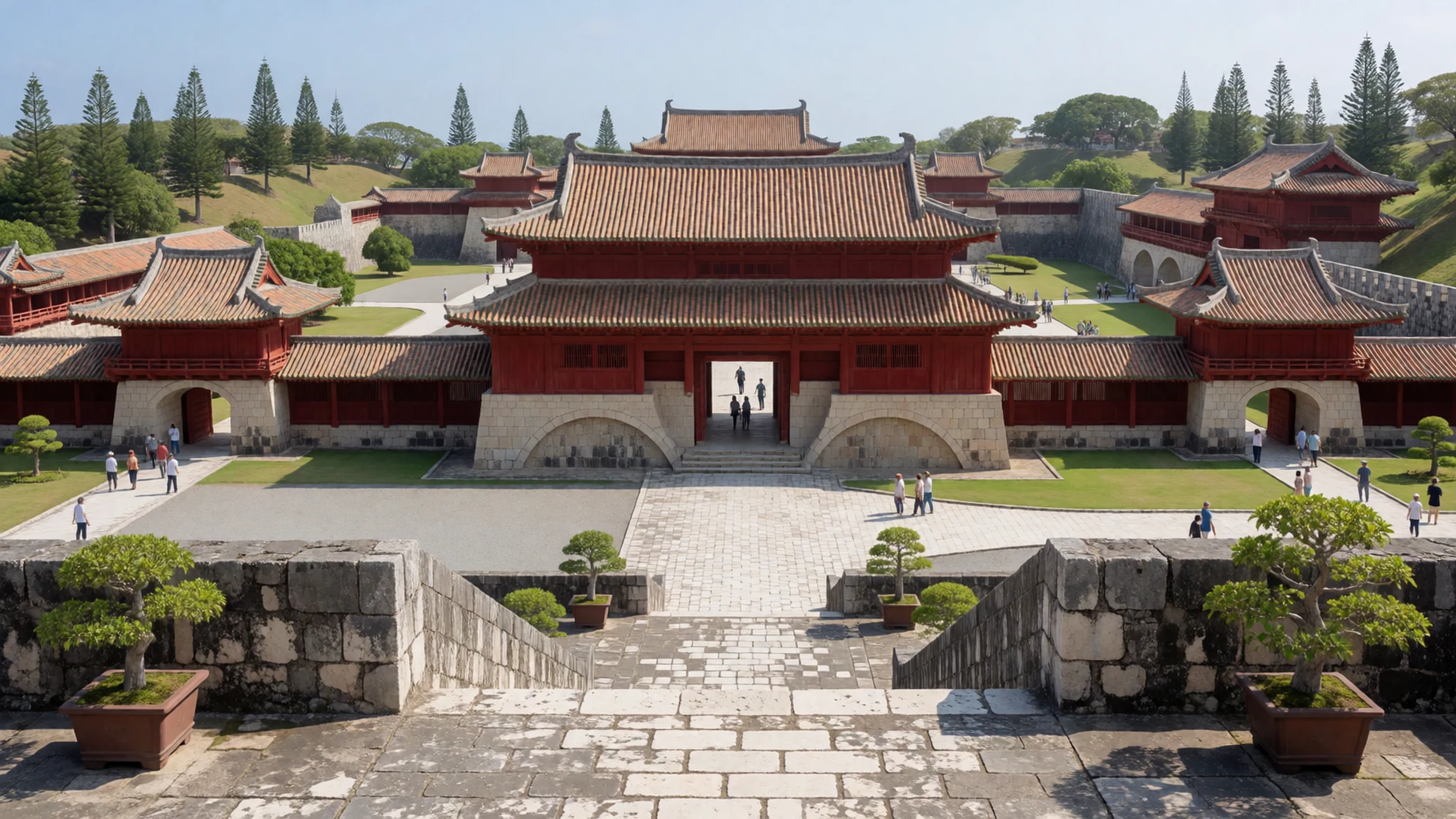
- Okinawa Churaumi Aquarium — Motobu Peninsula
Marvel at marine biodiversity in one of the world's premier aquariums, located on the northern coast. The massive acrylic viewing panel showcases giant whale sharks and manta rays swimming alongside live coral reef ecosystems cultivated directly from the surrounding Okinawan waters.
- Cape Manzamo — Onna
Walk along the cliff tops of Onna village to view dramatic limestone formations carved by relentless coastal waves. The grassy plateau offers sweeping vistas of the East China Sea, where clear waters shift from deep indigo to brilliant turquoise under the sun.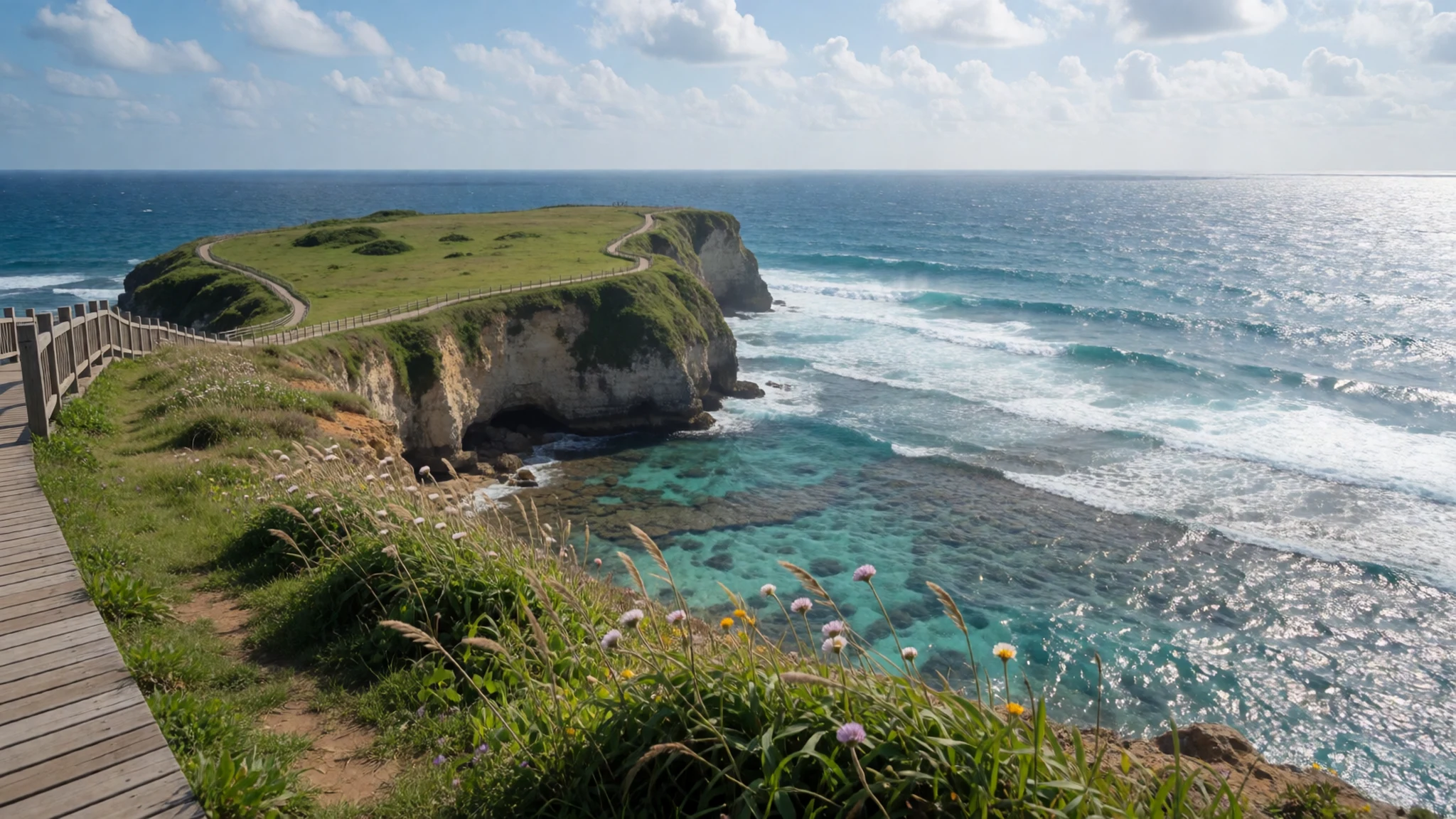
- Yanbaru National Park — Northern Okinawa
Hike through ancient evergreen laurel forests covering the rugged northern hills of the island. This protected subtropical wilderness shelters rare endemic wildlife, cascading waterfalls, and quiet river valleys far away from the southern urban centres.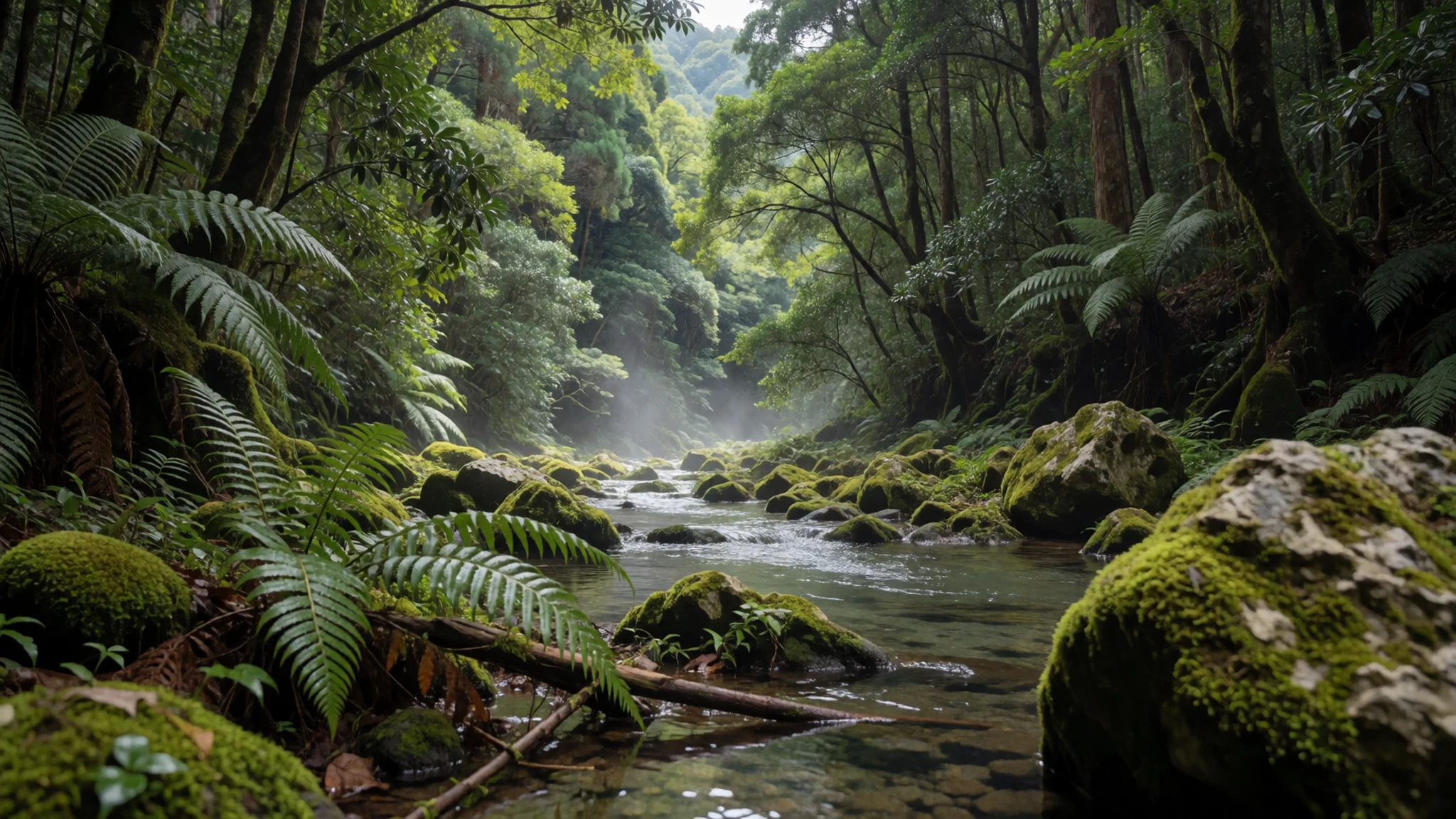
- Kokusai-dori — Naha
Stroll down the lively main avenue of Naha to browse bustling shops, open-air markets, and artisan boutiques. The street pulses with local energy, offering endless opportunities to sample regional snacks, purchase crafted pottery, and experience everyday urban life.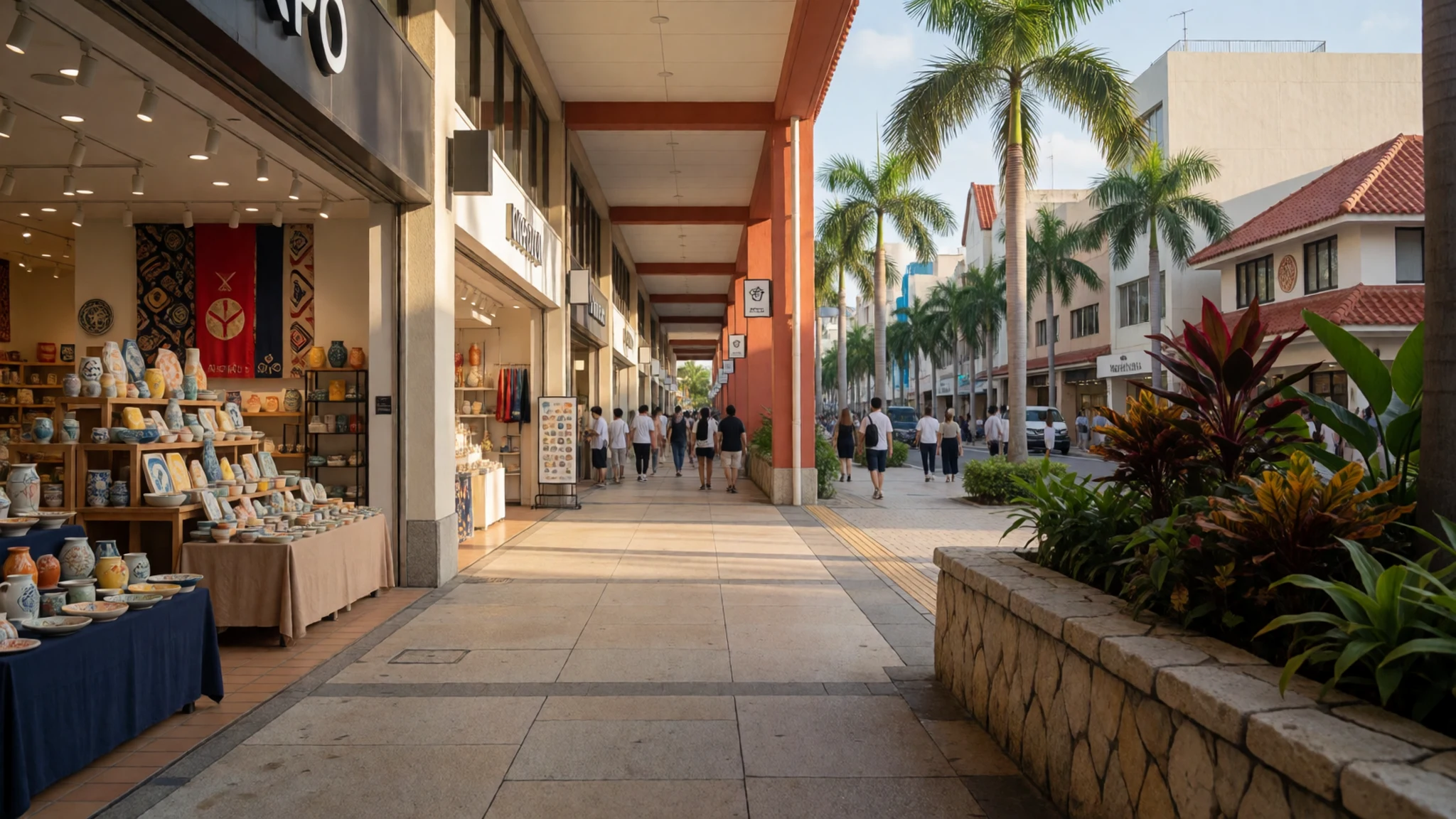
Culture
Okinawan society maintains a distinct cultural identity shaped by centuries of independent seafaring history, warm subtropical weather, and close-knit community bonds. Traditional arts, classical music played on the three-stringed sanshin, and energetic folk dances remain vibrant across local festivals and neighbourhood gatherings. The local attitude prioritises relaxed hospitality, patience, and mutual support among community members, creating an welcoming environment for travellers. Daily life often revolves around lively public markets, local pubs known as izakaya, and coastal shrines where ancient spiritual traditions persist. While modern Japanese influences blend seamlessly into everyday routines, unique regional dialects, crafts like Ryukyu glassware, and pottery traditions continue to thrive across generations. Always remove your shoes when entering traditional tatami rooms or residential homes.
What to wear
Traditional Okinawan attire reflects the island's warm climate and historical textile traditions, most notably Ryukyu kasuri—a hand-woven fabric featuring intricate geometric patterns dyed using natural plant extracts and mud. Historically worn during ceremonies and daily life, these lightweight cotton and hemp garments provided breathability in tropical heat. Today, locals mostly wear modern casual clothing, with lightweight shirts, breathable trousers, and relaxed styles dominating daily wear due to the warm weather. A notable local staple is the Kariyushi shirt, a colourful button-down shirt adorned with tropical botanical or traditional textile motifs, worn by professionals and officials as formal business attire during warmer months. Visitors should pack light, breathable clothing for exploring coastal trails and urban streets, alongside modest layers or a light jacket for breezy evenings and air-conditioned indoor spaces. Sturdy walking shoes are essential for exploring uneven stone pathways at castle ruins and slippery coastal rocks, while slip-on footwear is convenient for visiting traditional properties where shoes must be removed.
What to eat
- Gōyā Chanpurū — Local izakaya and diners across Naha
A classic stir-fry featuring bitter melon sliced thin and tossed with tofu, eggs, and pork belly or spam. Found in local izakaya pubs and neighbourhood diners across the island, it balances earthy flavours with refreshing bitterness.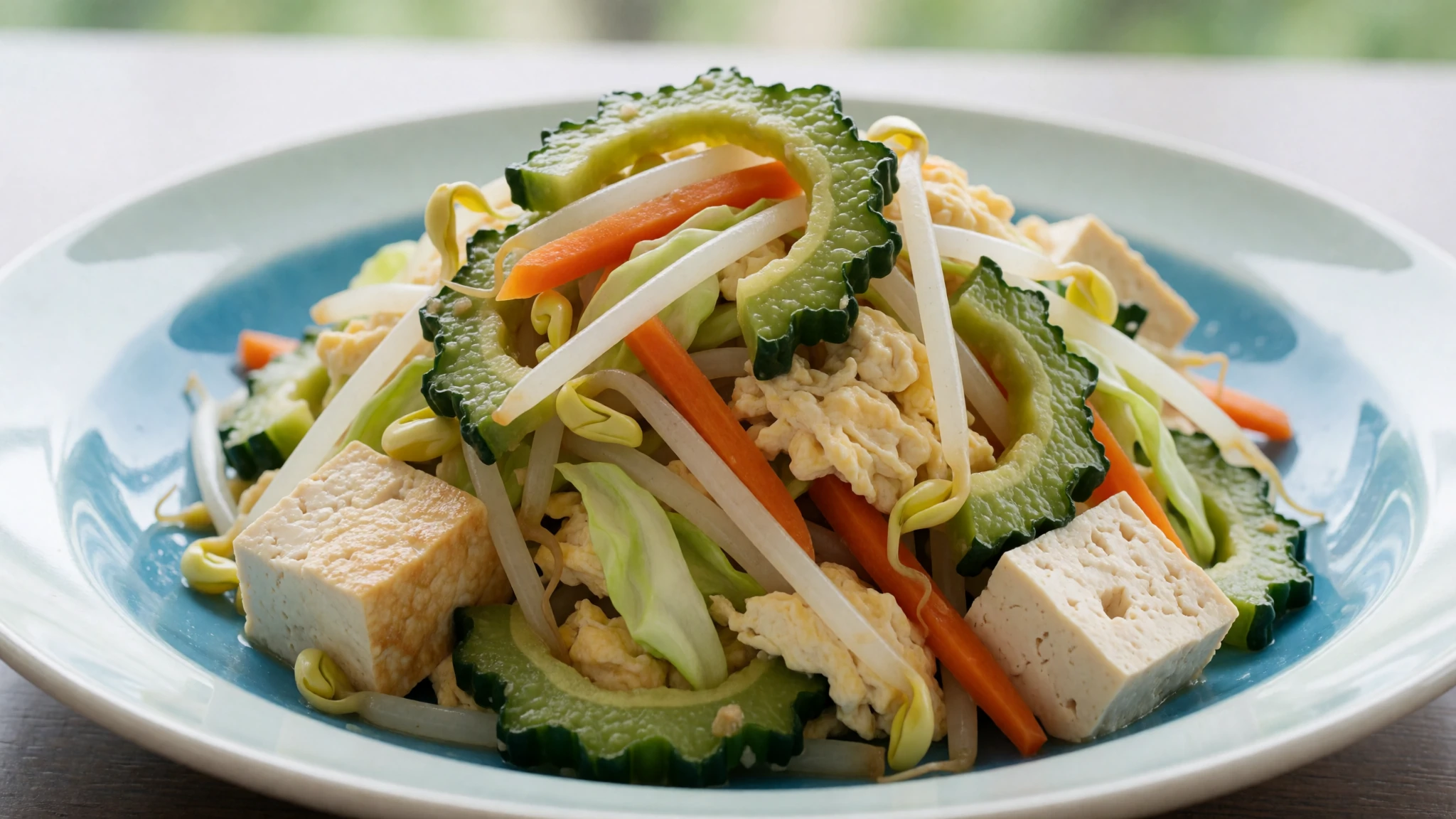
- Okinawan Soba — Traditional noodle shops island-wide
Unlike mainland buckwheat noodles, these thick wheat noodles are served in a clear, savoury pork and bonito broth topped with tender braised pork ribs or belly. Enjoy a hot bowl at any traditional noodle shop.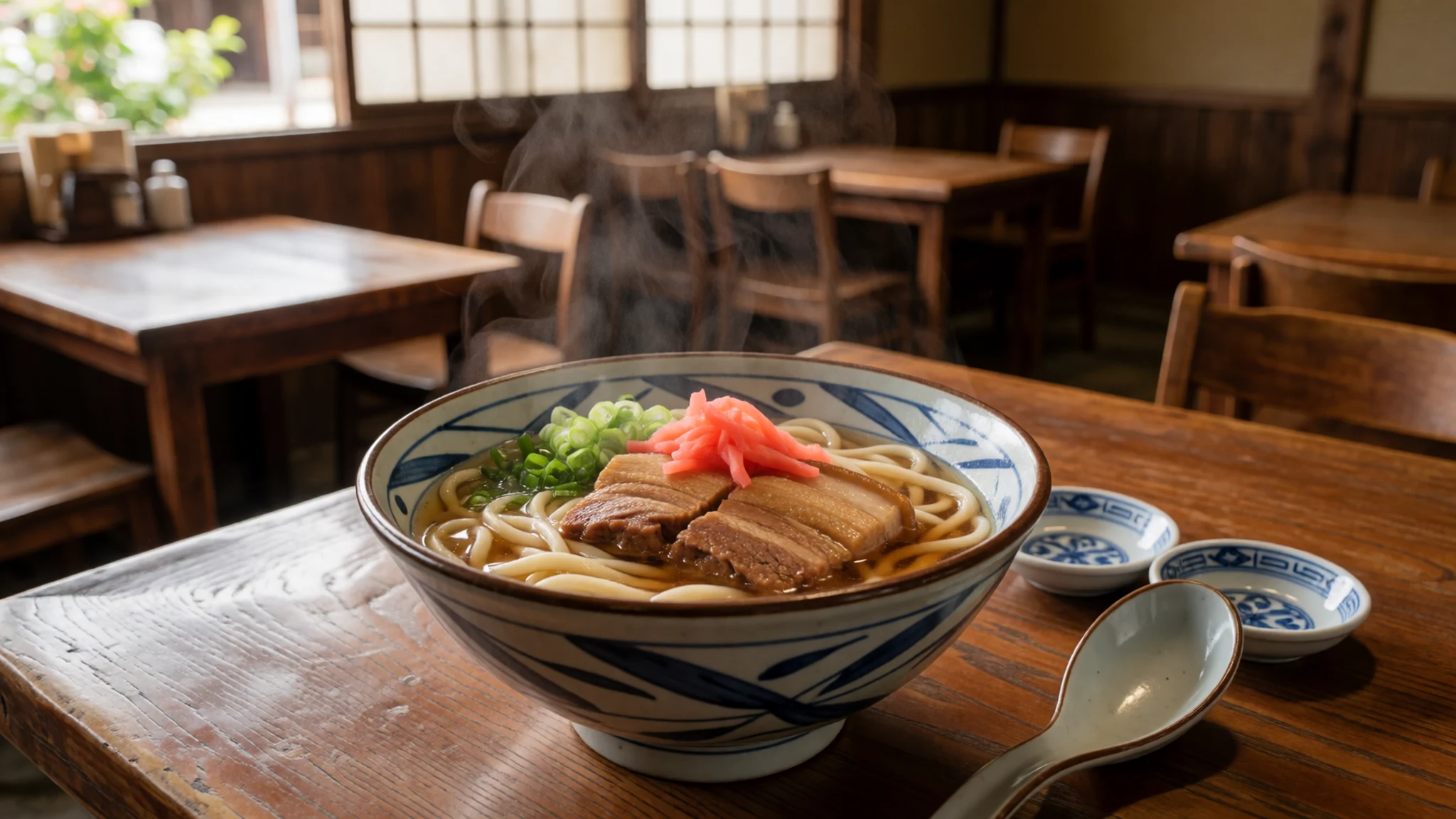
- Rafute — Speciality Ryukyu restaurants in Naha
Rich pork belly slow-cooked for hours in awamori liquor, soy sauce, and brown sugar until melt-in-the-mouth tender. This historic royal dish is served in traditional restaurants alongside warm rice.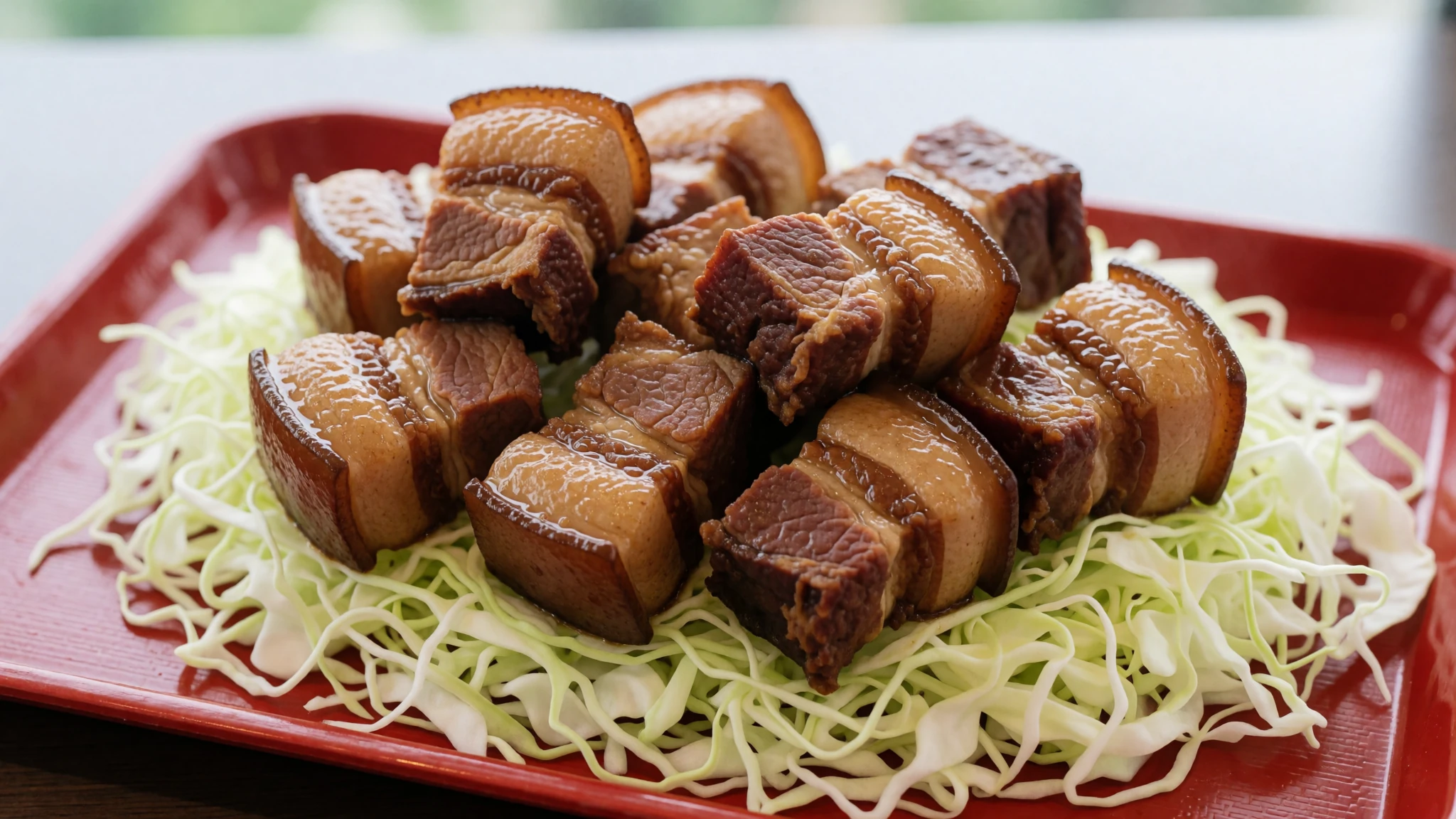
- Taco Rice — Casual diners and cafes throughout the island
A popular fusion meal born from American military presence, combining seasoned taco beef, shredded cheese, lettuce, and salsa served over a bed of steamed white rice. Available in casual eateries and bento shops. - Blue Seal Ice Cream — Blue Seal parlours and shops island-wide
A beloved local ice cream brand offering tropical flavours such as beni-imo sweet potato and mango. Grab a cone or cup at parlours and convenience stores across the island for a refreshing treat. - Awamori — Local bars and traditional drinking spots
The island's signature distilled liquor made from Thai indica rice and black koji mold, typically aged for years to develop a smooth character. Order it with ice and water at local bars and evening eateries.
Plan it
Best time. March to April and October to November offer pleasant, warm weather with comfortable humidity for outdoor exploration, avoiding the rainy June season and hot, humid August.
How long. 3–4
Getting there. Fly into Naha International Airport, located just a short distance from downtown Naha, with convenient monorail and bus connections to the city centre.
Budget. mid
Tips
- Rent a car if you plan to explore northern coastal beaches and Yanbaru forests beyond the monorail network.
- Carry cash for small shrine offerings, local markets, and rural bus fares.
- Pack sun protection and lightweight clothing as the subtropical sun can be intense even during cooler months.
- Check public beach lifeguard availability between November and April when managed swimming areas close.
Etiquette
- Remove footwear when entering traditional lodgings, temples, or tatami dining rooms.
- Always ask permission before photographing local residents or traditional performers.
Nearby
Sources
- Wikidata Q600614 (CC0)
- Wikipedia (CC BY-SA 4.0)
- Wikivoyage (CC BY-SA 4.0)