Okavango Delta
Okavango Delta, Botswana
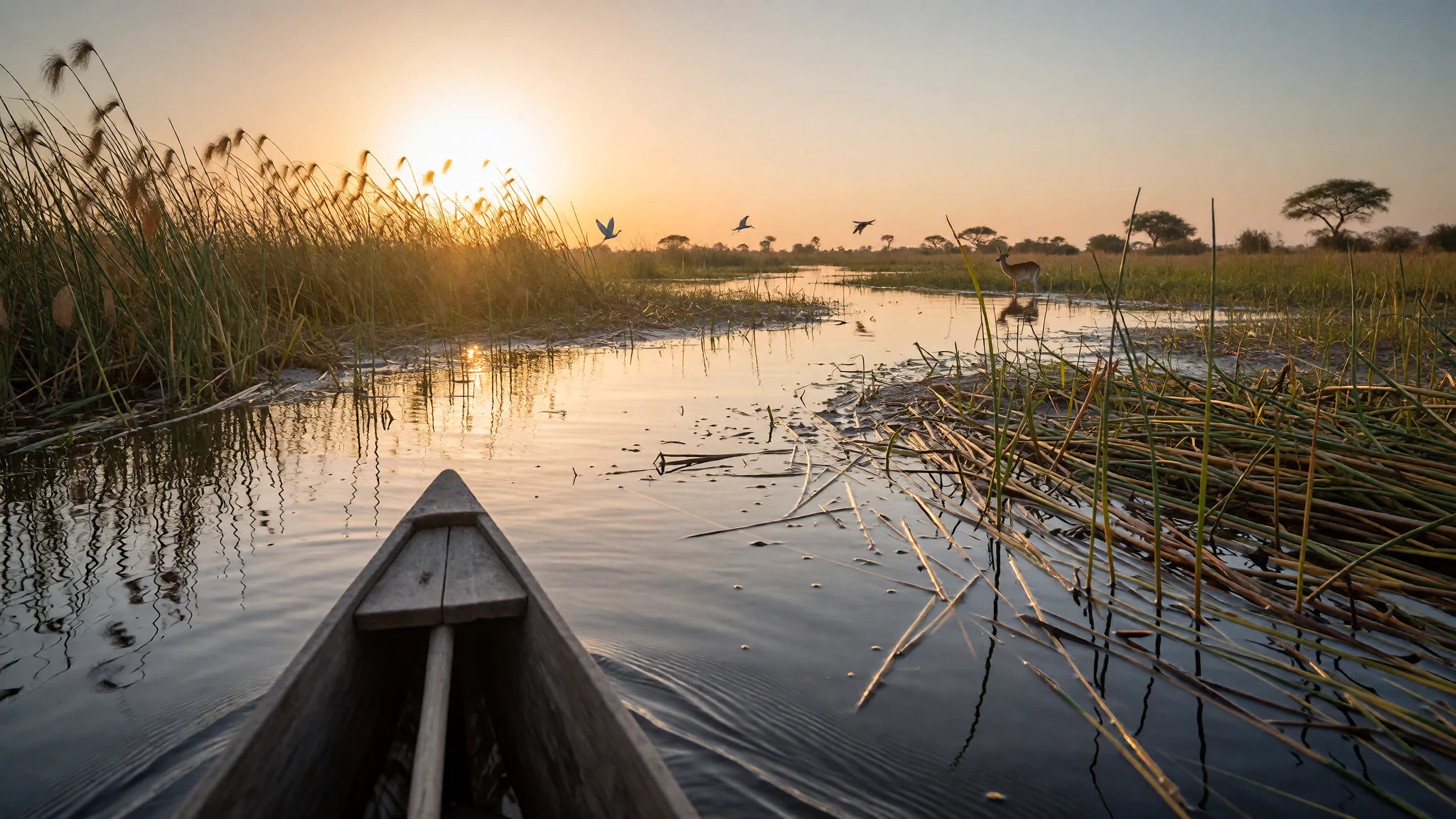
Journey to the Okavango Delta to witness a magnificent inland wetland where desert sands meet water, creating a vibrant sanctuary for extraordinary wildlife.
The place
The Okavango Delta is a vast inland delta situated within an endorheic basin in the Kalahari Desert. Rather than reaching the sea, the annual influx of water from distant highlands spreads across thousands of square kilometres of sandy floodplains and low-lying islands. This remarkable wetland sustains a complex ecosystem of permanent marshlands and seasonally inundated terrain. Much of the water is ultimately lost to evaporation and plant transpiration, leaving behind a shifting network of crystal-clear channels, reedy lagoons, and forested banks.
Management of the area is carefully overseen through designated reserves and private concessions. This structure limits intense commercial pressure, preserving the delicate balance between natural habitats and safari tourism. Visitors arriving in this northwestern region of the country encounter a landscape shaped by shifting water levels and intense seasonal variation. The surrounding environment transitions from dry acacia woodlands to lush aquatic gardens depending on the arrival of the annual floodwaters. Exploring these remote tracts requires patience and adherence to local guidance, ensuring that the fragile equilibrium of channels and islands remains undisturbed by human activity.
Its story
Long before contemporary travellers navigated its winding channels, the Okavango basin was shaped by ancient geological shifts. The area once formed part of a much larger body of water that gradually contracted over millennia, leaving behind the sandy depression where the Okavango River now terminates. Indigenous communities have lived along these waterways for generations, drawing sustenance from the seasonal pulses of fish, reed beds, and migrating herds.
The scientific understanding of the delta's hydrology evolved slowly due to the unusual delay between distant rainfall events and the arrival of the floodwaters downstream. Early cartographers and explorers puzzled over how high temperatures could sustain such profuse greenery in an otherwise arid region without an outlet to the ocean. Over time, researchers mapped the interplay between precipitation in northern catchments and the gradual percolation of moisture through the Kalahari sands.
In recent decades, international recognition has cemented the standing of the region. Protection efforts culminated in formal designation as a global heritage landmark, acknowledging both its ecological integrity and its deep historical roots. Today, the landscape continues to function much as it has for centuries, driven largely by floodwaters arriving from distant highland rains and by the rhythm of rain, sun, and sand.
What to see
- Moremi Game Reserve — Eastern Okavango Delta
Located on the eastern side of the delta, this protected reserve encompasses broad floodplains, dense mopane forests, and acacia woodlands. It offers exceptional opportunities for tracking large mammals, observing diverse bird species, and experiencing the raw beauty of the wilderness from designated vehicle tracks and river routes.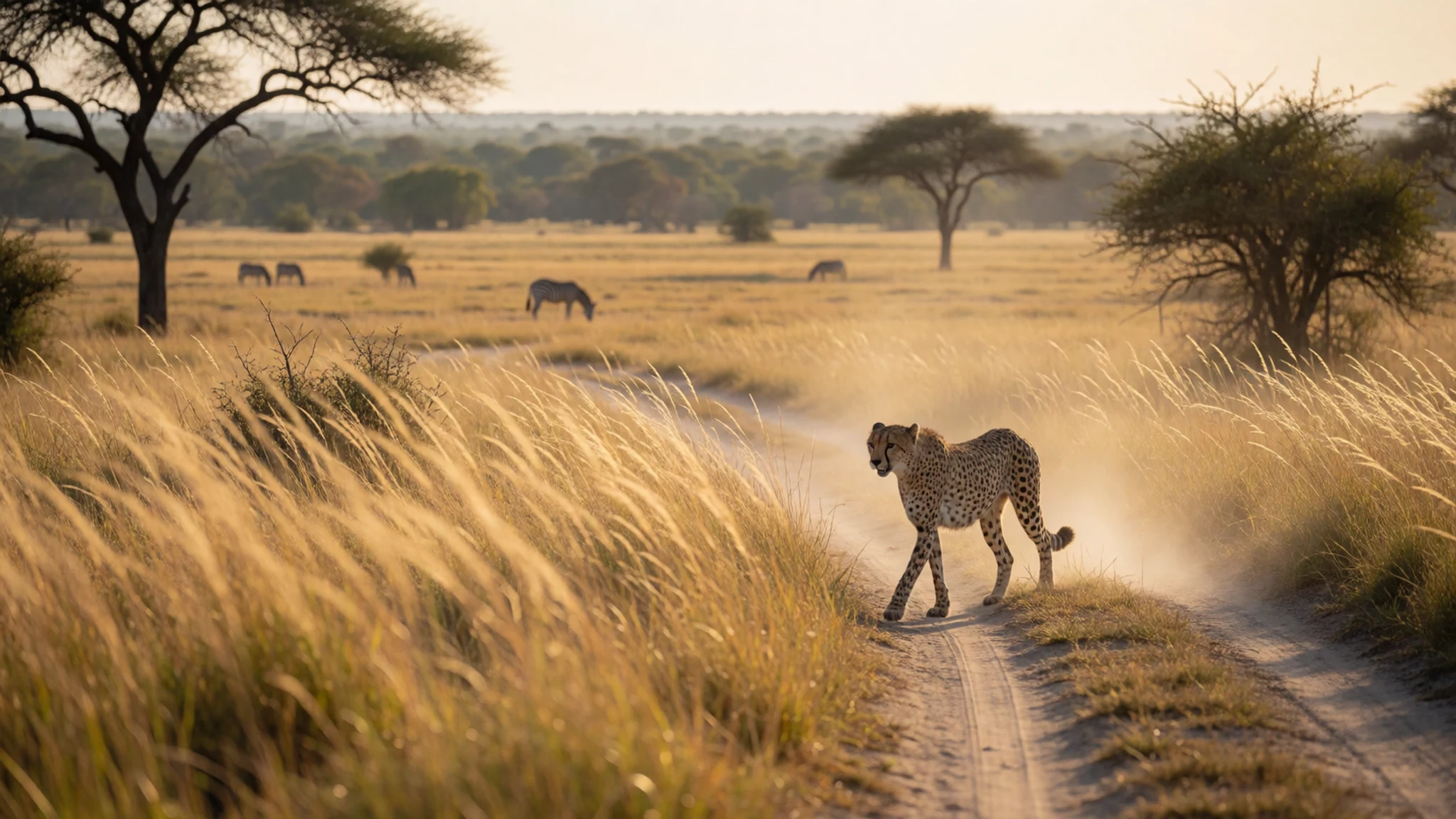
- Tsodilo Hills — Northwest of the Delta
Rising sharply above the surrounding sandy landscape, these ancient rock formations house thousands of individual paintings created by generations of traditional artists. The rocky outcrops hold profound cultural significance and provide a stark, dramatic contrast to the flat aquatic expanse of the main wetland system further south.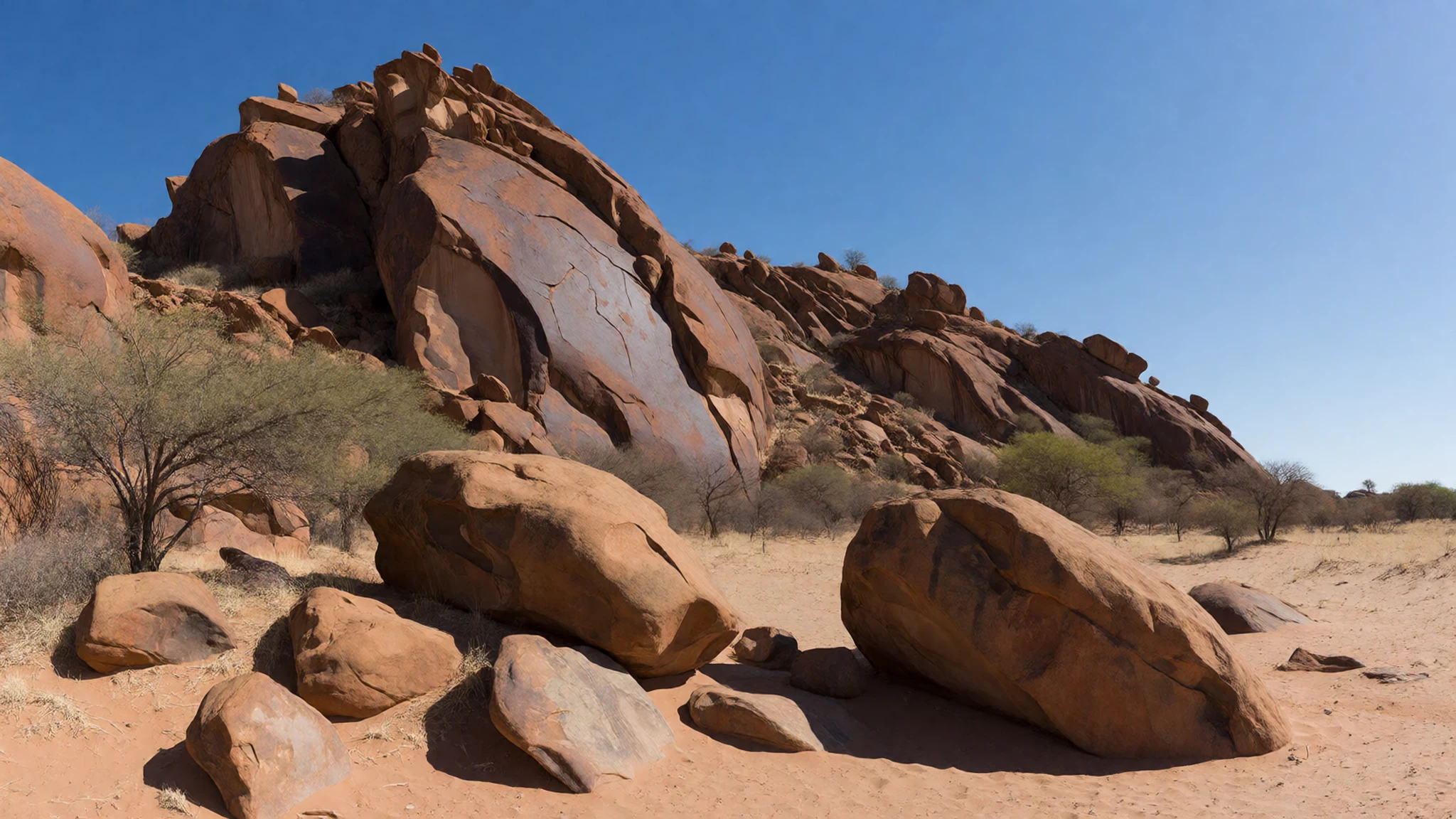
- Shinde Lagoon — Northern Okavango Delta
Positioned within the northern reaches of the waterways, this scenic lagoon features deep permanent channels and shaded island edges. It is an ideal setting for quiet water-based excursions, offering clear views of aquatic plants, resident hippos, and numerous species of wading birds feeding in the shallows.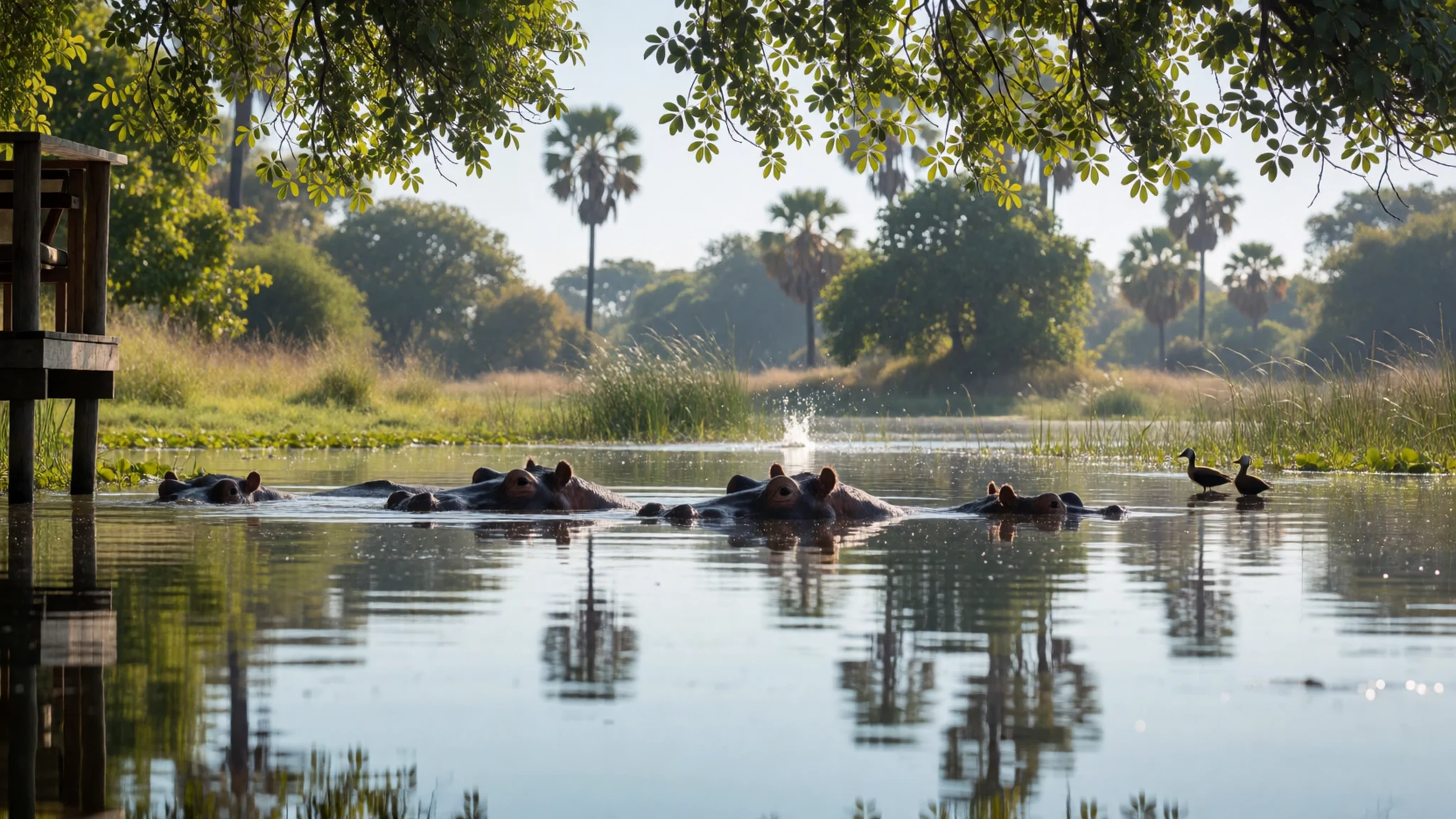
- Lake Ngami — Southern fringe of the Delta
Receiving occasional overflow from the southern reaches of the flood system, this historic terminal lake bed transforms dramatically depending on seasonal water volumes. When moisture levels rise, the surrounding flats attract vast flocks of waterbirds, creating a dynamic feeding ground on the edge of the dry desert sands.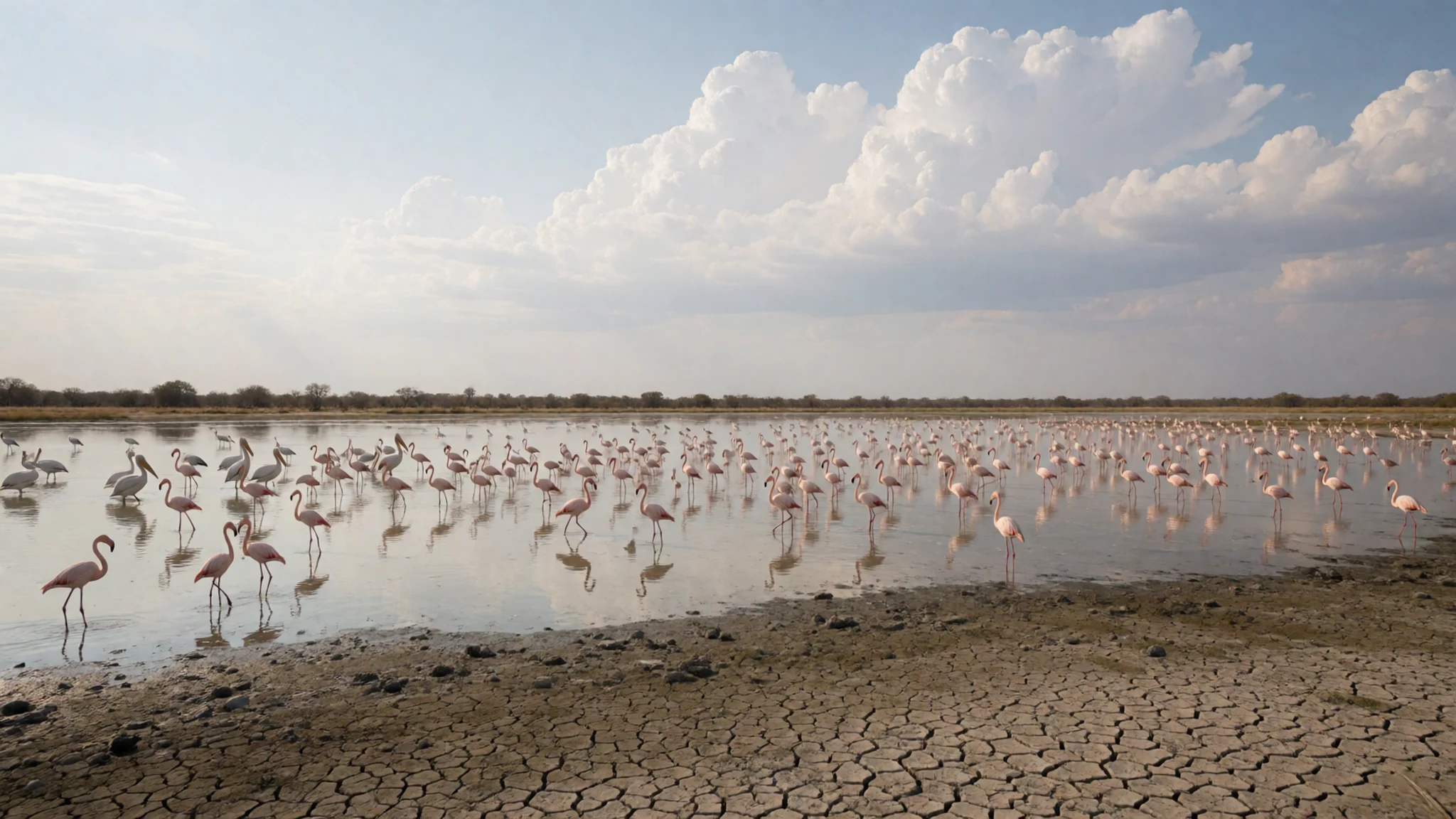
Culture
Traditional life around the Okavango Delta is deeply entwined with the seasonal rise and fall of the water. Local communities maintain rich oral histories, traditional crafts such as basket weaving from palm fronds, and sustainable fishing practices adapted to the shifting channels. Music and storytelling play an important role during evening gatherings, reflecting a worldview shaped by profound respect for the surrounding wilderness and its unpredictable natural cycles. Visitors are encouraged to engage respectfully with residents, learning about indigenous plant uses and traditional navigation techniques from knowledgeable local guides. Always ask permission before photographing local residents or traditional craftspeople in nearby villages.
What to wear
Traditional attire in the region prioritises practicality and protection from the elements, utilising locally spun or traded textiles suited to warm climates. In contemporary towns and villages, residents typically wear modern western-style clothing alongside colourful printed fabrics and wraps for daily activities. For visitors exploring the delta, clothing should be functional and modest. Lightweight, neutral-coloured cotton or linen garments in khaki, beige, or olive help blend into the natural environment and avoid attracting insects. Sturdy, comfortable walking shoes or boots are essential for dry land excursions, while lightweight layers are necessary to cope with warm daytime temperatures that can drop sharply after sunset. A wide-brimmed hat and sunglasses provide vital protection against the intense sun during boat rides and safaris.
What to eat
- Seswaa — Local markets and traditional eateries
A traditional dish of slow-cooked beef or goat meat, simmered for hours with simple seasonings until tender enough to be pounded and shredded. It is typically served steaming hot alongside thick maize meal porridge at local community gatherings and family celebrations.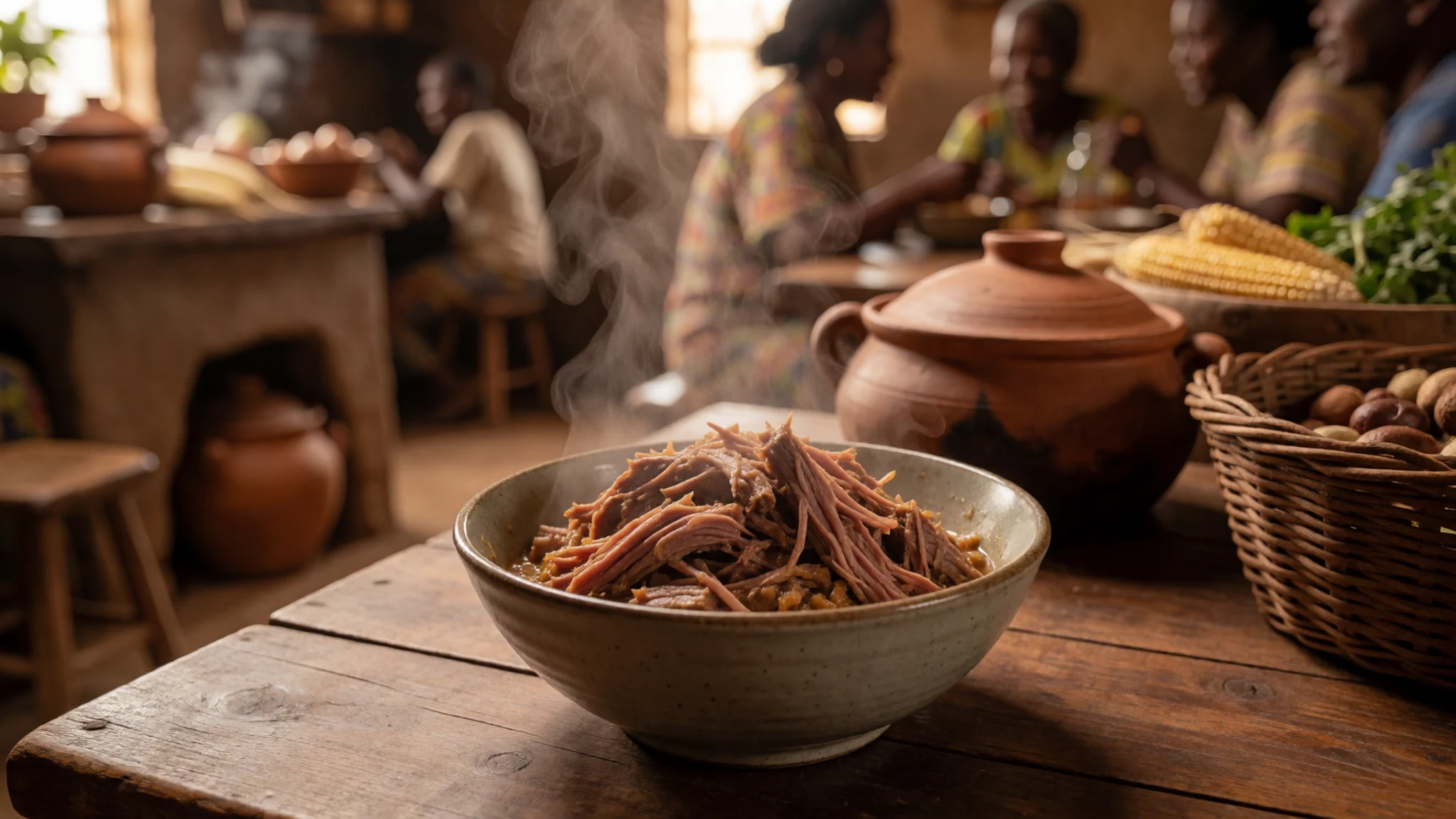
- Pap — Village diners and family kitchens
A stiff, comforting maize meal porridge that serves as the primary staple food across the region. It has a mild flavour and firm texture, designed to be shaped by hand and used to scoop up rich stews and sauces.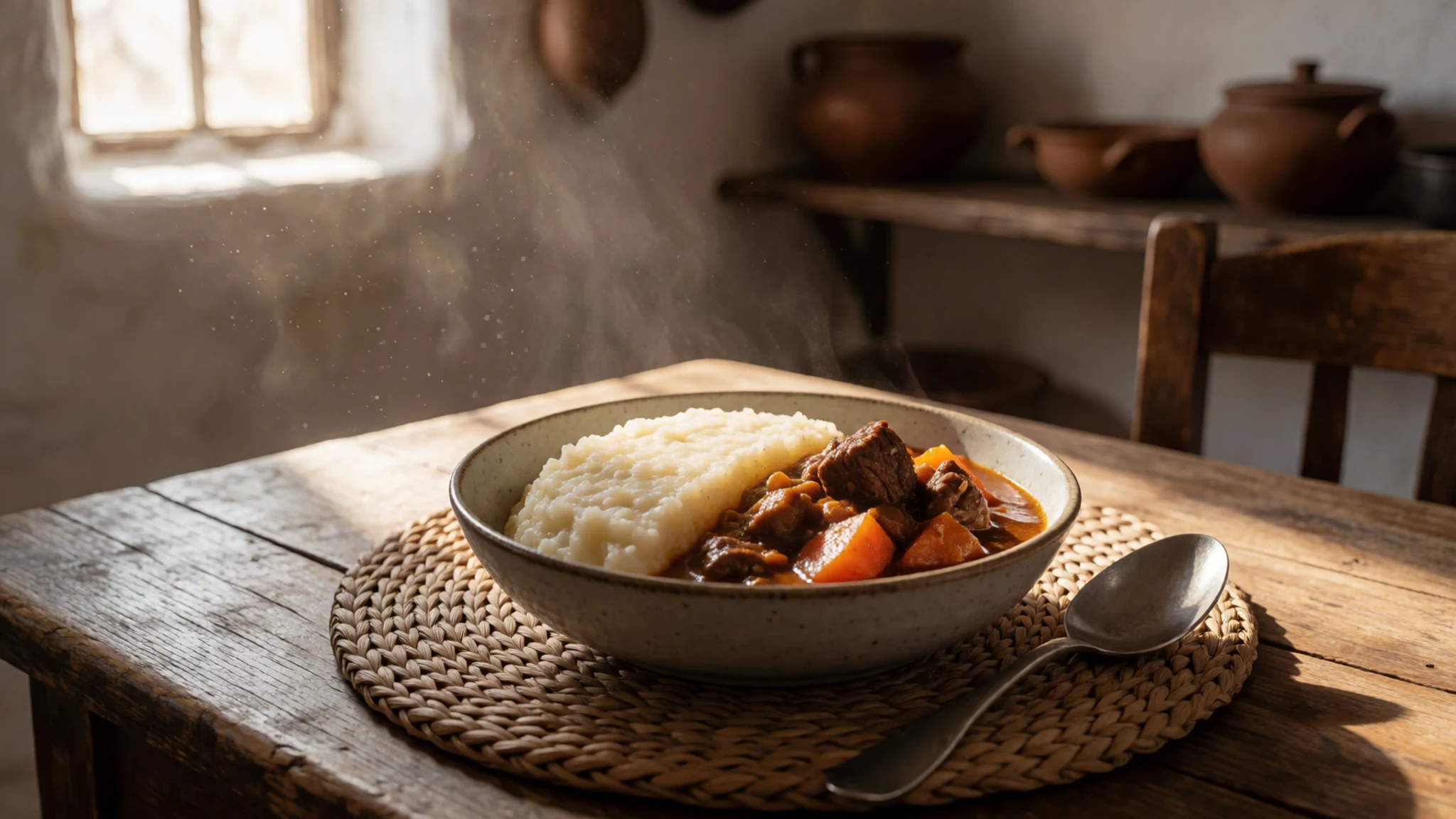
- Morogo — Local roadside stalls and home kitchens
Wild-harvested green leaves gathered from local plants after seasonal rains, cooked with onions, tomatoes, and gentle spices. This nutritious vegetable dish is valued for its earthy flavour and accompanies most everyday meals.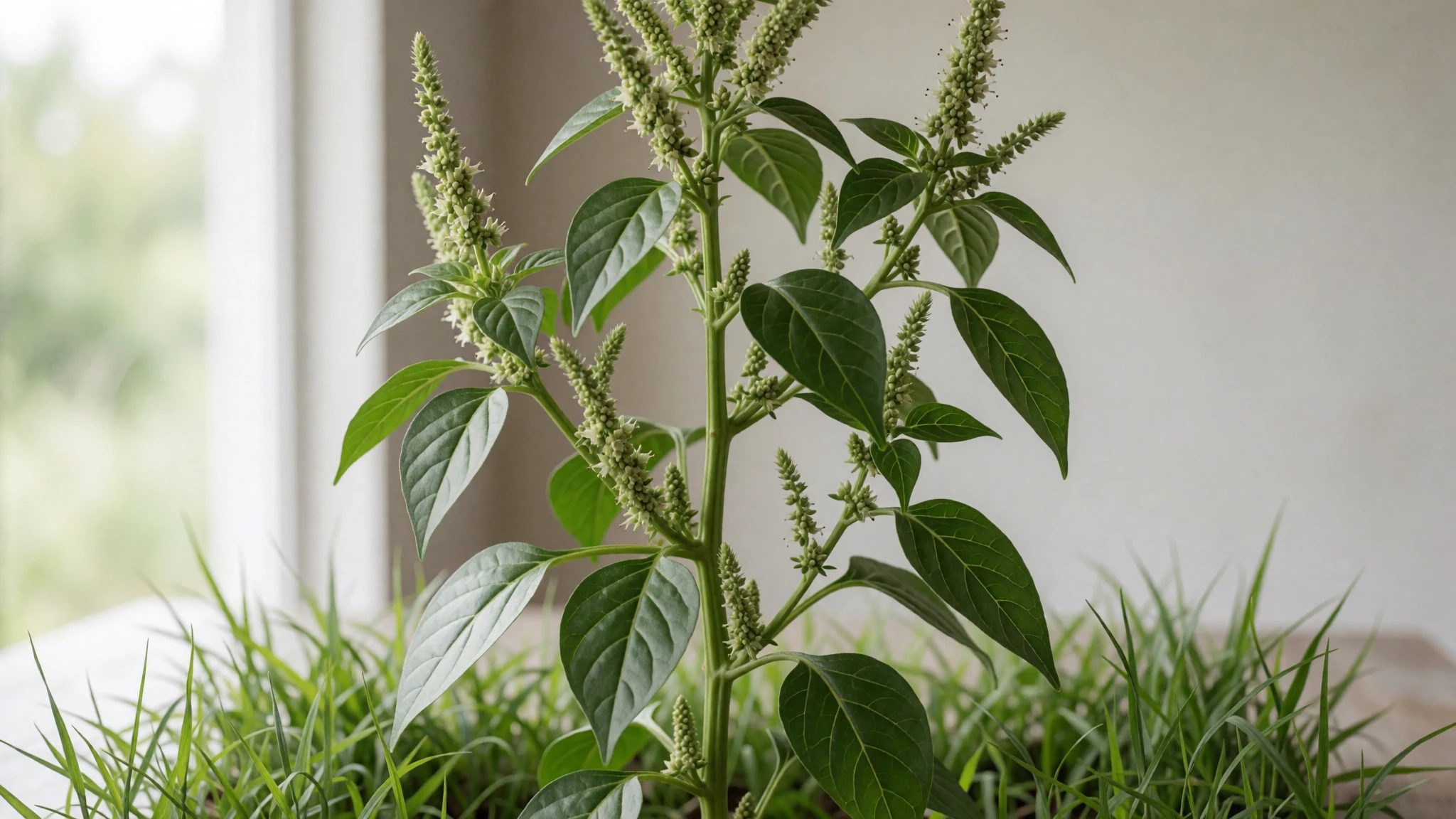
- Freshwater Bream — River lodges and lakeside fishing camps
Caught directly from the clear rivers and lagoons of the wetland system, local bream is typically pan-fried or grilled over an open fire. It offers a delicate flavour and is often enjoyed simply with lemon and maize meal.
Plan it
Best time. June and July offer the most comfortable dry weather with cooler temperatures, while peak floodwaters from June to August draw abundant wildlife to the channels.
How long. 3–5
Getting there. Fly into Maun International Airport, then proceed by light aircraft charter or guided 4x4 vehicle transfer into the delta concessions.
Budget. high
Tips
- Book remote camp accommodations and domestic charter flights well in advance due to strict visitor caps.
- Pack lightweight layers for warm afternoons and very cold evening temperatures during winter months.
- Carry sufficient cash in local currency for small village purchases and incidental expenses.
- Drink plenty of bottled water to stay hydrated in the dry desert heat.
Etiquette
- Never approach wild animals without an experienced guide and maintain a safe distance at all times.
- Dispose of all litter properly to preserve the pristine condition of the fragile wetland ecosystem.
Nearby
Sources
- Wikidata Q650872 (CC0)
- Wikipedia (CC BY-SA 4.0)
- Wikivoyage (CC BY-SA 4.0)