Oeschinen Lake
Oeschinen Lake, Switzerland
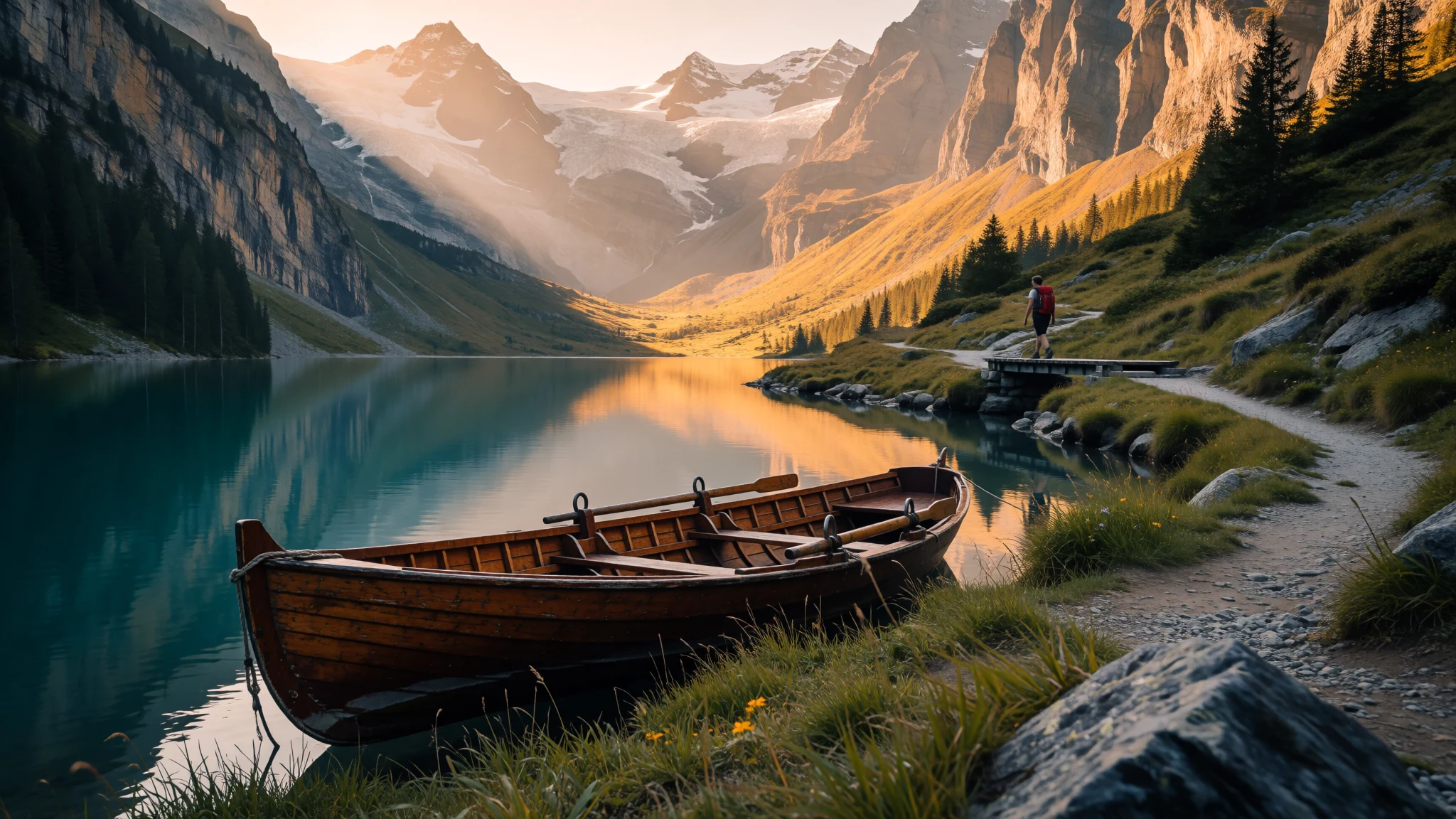
Oeschinen Lake is a high alpine water body in the Bernese Oberland framed by sheer limestone walls and ancient glaciers.
The place
Oeschinen Lake, known locally as Oeschinensee, sits high in the Bernese Oberland region of Switzerland, positioned directly above the settlement of Kandersteg. This alpine body of water rests at an elevation of 1,578 metres, spanning an area of 1.115 square kilometres and reaching a depth of 56 metres at its lowest point. The topography of the basin is defined by massive rock faces and towering peaks that drop straight into the water, fed by melting glaciers and subterranean springs that maintain its cold, clear turquoise appearance. The surrounding landscape forms part of the Swiss Alps Jungfrau-Aletsch territory, recognised internationally for its geological significance and striking scenery. Visitors reach the basin by taking a mountain transport system from the valley floor followed by a short walk through alpine meadows, or by hiking up steeper footpaths that weave through pine forests and past cliff edges. The shoreline features grassy banks, scattered boulders, and wooden alpine structures that blend into the mountain backdrop. Weather conditions change rapidly at this altitude, shifting from warm summer sun to sudden mountain mists that obscure the peaks and alter the mood of the water entirely.
Its story
The formation of Oeschinen Lake dates back to prehistoric times when massive rock movements in the upper Kander valley reshaped the terrain. Enormous quantities of stone and debris tumbled down from the surrounding heights, creating a natural dam that blocked the natural flow of water and allowed the basin to fill. Geological investigations indicate that these deposits originated from the northern flank of the Doldenhorn or from older rock movements near the Fisistock. Centuries later, human activity in the vicinity turned toward resource extraction, with sulfur mining documented on the nearby Oeschinenalp during earlier eras. As mountain exploration grew more popular, travellers began journeying into the Kandersteg valley to witness the high-altitude lakes and glaciers. This influx of visitors encouraged the establishment of mountain lodgings and eventually led to the installation of modern mechanical transport linking the valley settlement directly to the lake basin, transforming a remote wilderness destination into an accessible alpine sanctuary.
What to see
- The Shoreline Meadows — Main lake basin
The grassy banks surrounding the water offer open vistas across the surface toward the towering limestone walls and hanging glaciers of the Bernese Alps. Walkers gather here to rest, unpack provisions, and watch the reflections of the peaks shift across the surface as the daylight changes throughout the afternoon.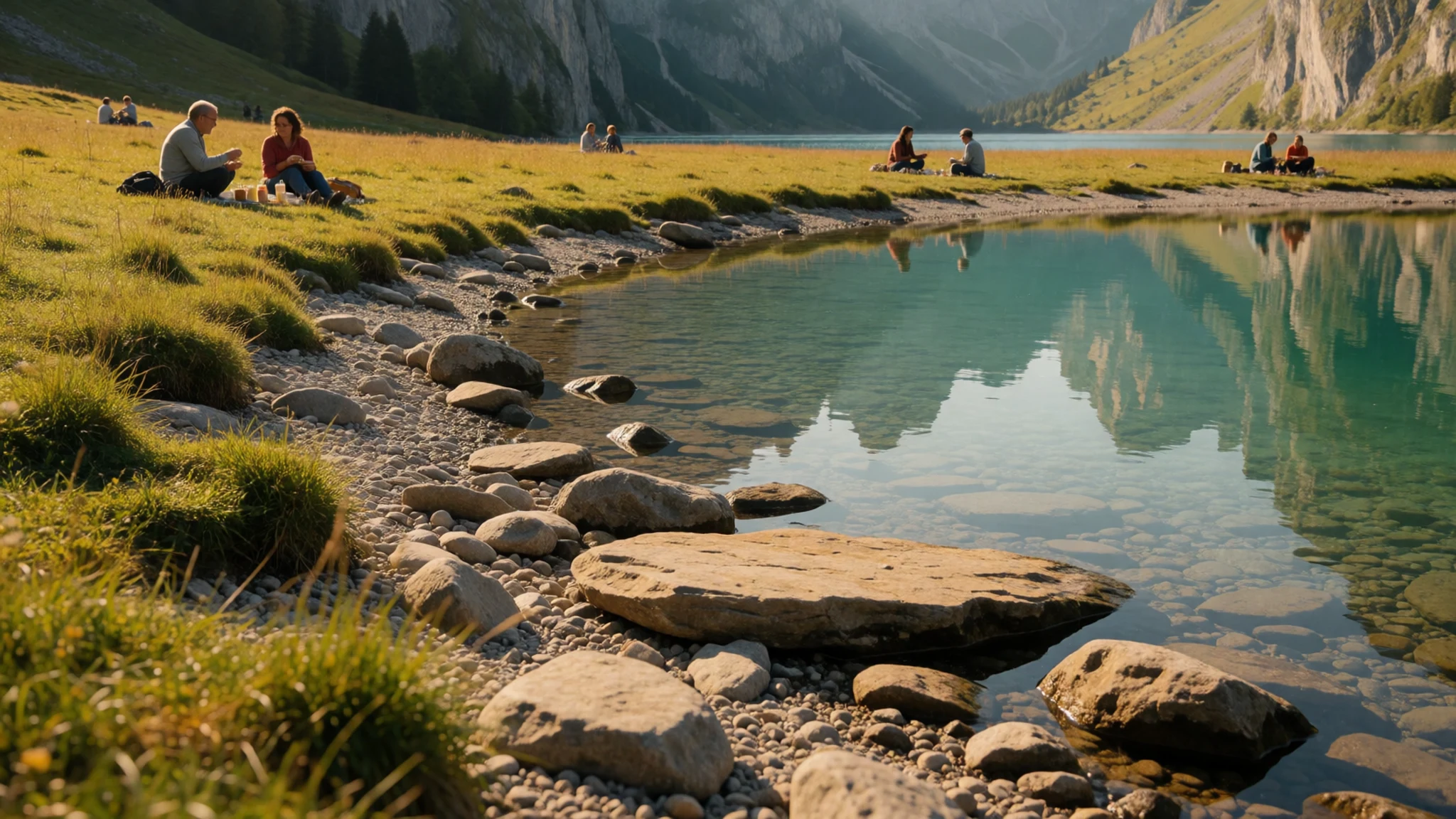
- The Upper Hiking Trails — Higher slopes above the lake
Footpaths climb steeply above the northern shore along the Heuberg and surrounding ledges, providing elevated perspectives down onto the turquoise water and the valley floor far below. These pathways require sturdy footwear and steady footing as they traverse exposed terrain carved out by centuries of weathering and glacial movement.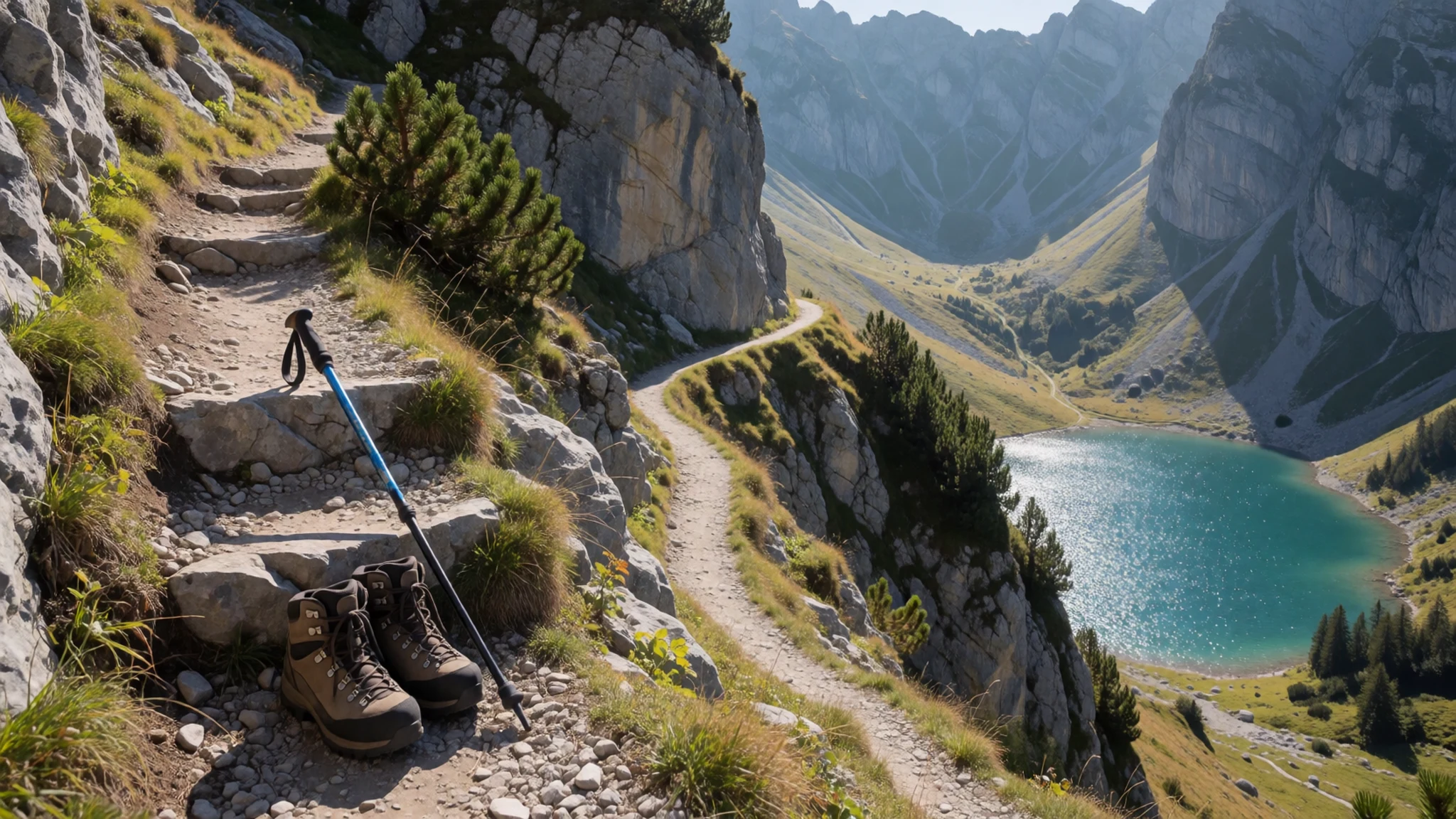
- Berghaus am Oeschinensee — Eastern shore of the lake
A traditional wooden mountain lodge situated near the water's edge provides shelter, warm food, and resting spaces for walkers completing the circuit around the basin. The structure reflects the architectural heritage of high-altitude Swiss hospitality, offering simple comforts against a backdrop of steep stone cliffs and pine forests.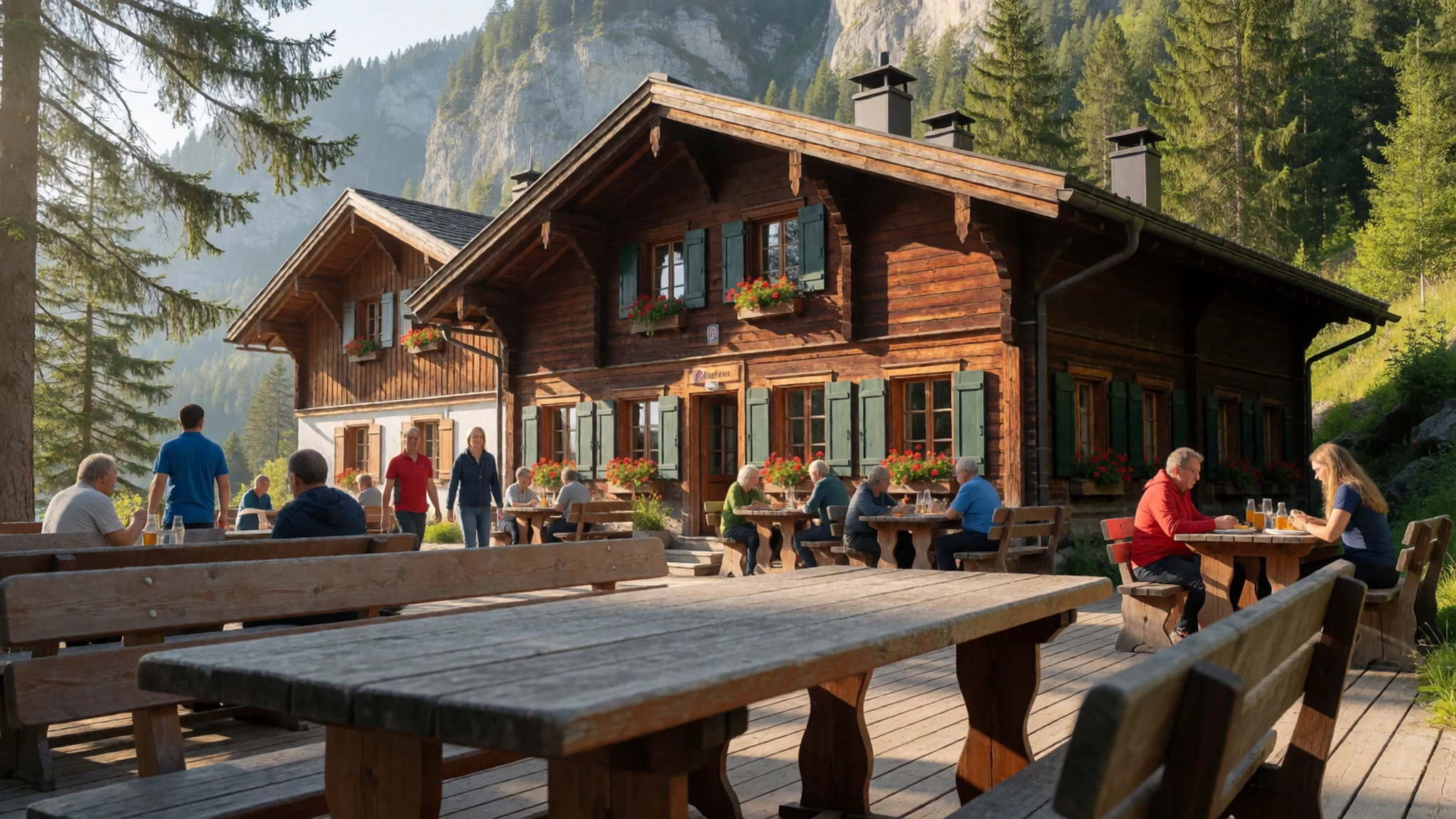
- Glacial Feeders and Waterfalls — Southern and eastern basin walls
Numerous streams fed by melting ice plunge down the sheer rock faces of Blüemlisalp, Fründenhorn, and Doldenhorn directly into the basin. These cascading ribbons of water supply the lake with mineral-rich runoff that gives the water its distinct milky-blue coloration under direct sunlight.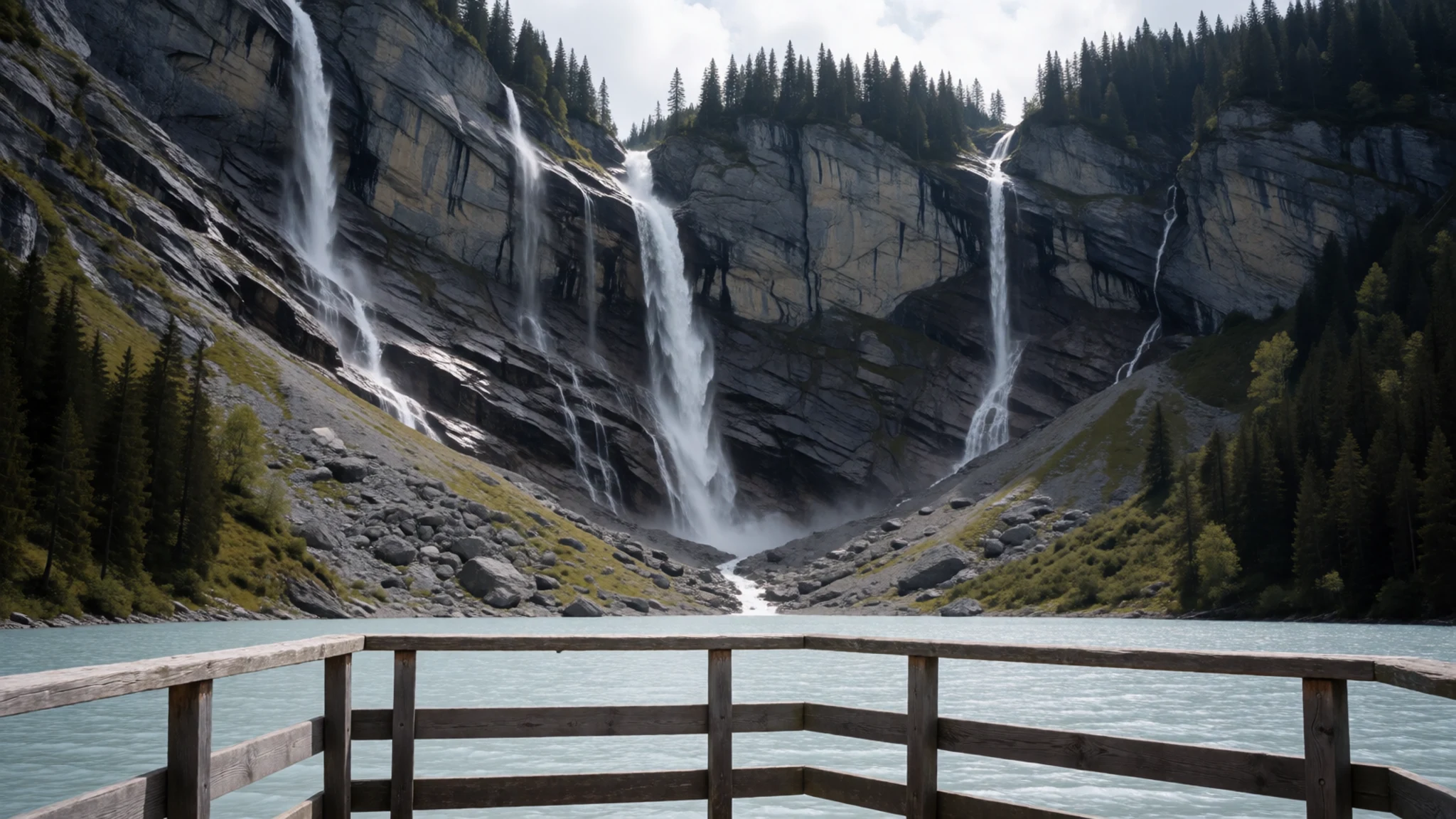
Culture
Swiss society is built upon a strong foundation of civic responsibility, order, and deep respect for public and private spaces. Cleanliness, punctuality, and organisation are prized virtues across all cantons, reflecting a collective desire for harmony and efficiency. Communication styles tend toward clarity and directness, particularly among German-speaking populations, where thoughts are expressed plainly without excessive ornamentation. Privacy is guarded closely under strict legal protections, creating an atmosphere where personal boundaries are respected and intrusive inquiries are discouraged. Visitors will notice that daily interactions are polite, reserved, and conducted with a quiet dignity that mirrors the surrounding mountain environment. Do not ask locals about their personal background, financial status, or private convictions unless you share a close personal acquaintance.
What to wear
Traditional attire across Swiss alpine regions includes embroidered vests, heavy wool waistcoats, and pleated skirts or leather breeches, historically crafted from locally spun sheep's wool and durable flax linen for mountain farming life. These garments are preserved today for national holidays, village festivals, and folkloric gatherings. In contemporary daily life, locals dress in practical, high-quality clothing suited to changing weather, favouring functional outdoor jackets, layered knitwear, and sturdy denim. For a visit to alpine lakes and high mountain paths, travellers should wear moisture-wicking layers, a windproof and waterproof outer shell, and broken-in hiking boots with good ankle support. Even during warmer summer months, temperatures at altitude drop quickly when clouds roll in, making a warm fleece or woollen jumper essential for comfort.
What to eat
- Fondue — Traditional mountain chalets and alpine restaurants throughout the Bernese Oberland
A communal pot of melted cheese blended from two or three regional varieties such as Gruyère and Vacherin, seasoned with garlic, white wine, and a dash of kirsch liqueur. Diners use long forks to dip bite-sized pieces of crusty bread into the bubbling mixture.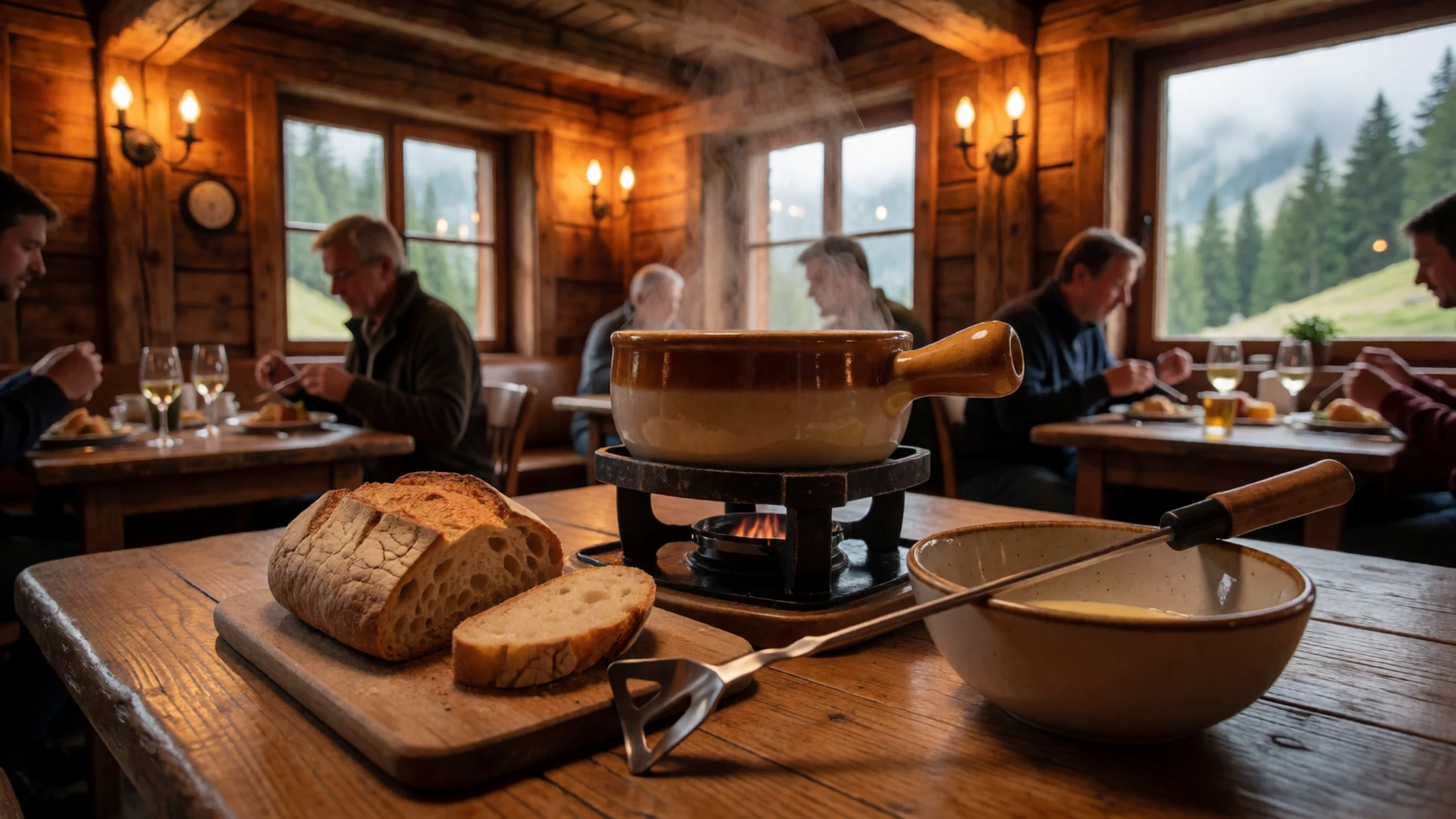
- Raclette — Lakeview eateries and mountain inns around Kandersteg
A hearty dish featuring semi-hard cheese melted near a heat source, with the bubbling surface scraped directly onto boiled potatoes, pickled gherkins, and small cocktail onions. It offers a rich, warming meal after a long hike in the mountain air.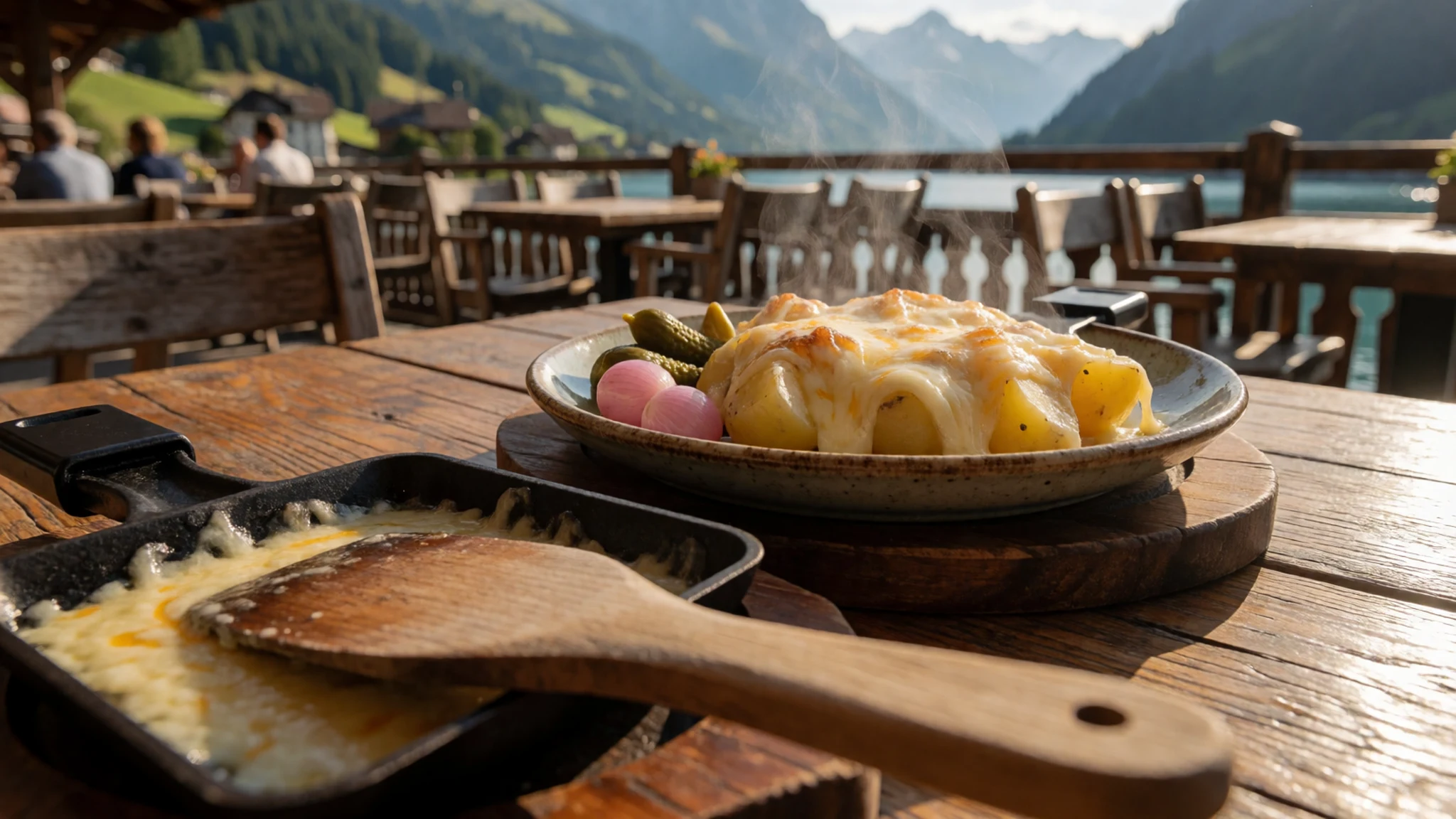
- Gruyère AOP — Local dairy shops and village grocery stores in the valley
A classic Swiss cheese with a dense texture and a complex nutty flavour profile developed through months of careful ageing in alpine cellars. It is enjoyed on its own as part of a cheese board or melted into regional dishes. - Emmentaler — Regional markets and dairy cooperatives
Widely recognised across the world as traditional Swiss cheese, characterised by its mild, savoury taste and distinct large holes formed by gas bubbles during fermentation. It is typically served sliced on fresh bread with butter.
Plan it
Best time. July to August for warm weather and fully accessible hiking trails, or June and September for quieter paths and crisp mountain air.
How long. 1–2
Getting there. Train to Kandersteg railway station, followed by a local bus or a scenic walk to the valley cable car station, then a short lift ride and walk to the lake.
Budget. mid
Tips
- Check the official website for daily operating hours of the mountain transport system
- Start your walk early in the morning to enjoy calm weather and fewer people on the trails
- Carry cash for small purchases at remote mountain chalets and alpine huts
- Bring a refillable water bottle, as crisp glacial streams flow freely across the lower slopes
- Dress in layers and pack waterproof gear, as alpine weather can shift without warning
Etiquette
- Take all of your litter back down with you to preserve the pristine mountain environment
- Greet fellow walkers on narrow mountain paths with a polite local greeting
- Respect private property boundaries around alpine farms and grazing pastures
Nearby
Sources
- Wikidata Q14533 (CC0)
- Wikipedia (CC-BY-SA 4.0)
- Wikivoyage (CC-BY-SA 4.0)