Notre-Dame de Chartres
Notre-Dame de Chartres, France
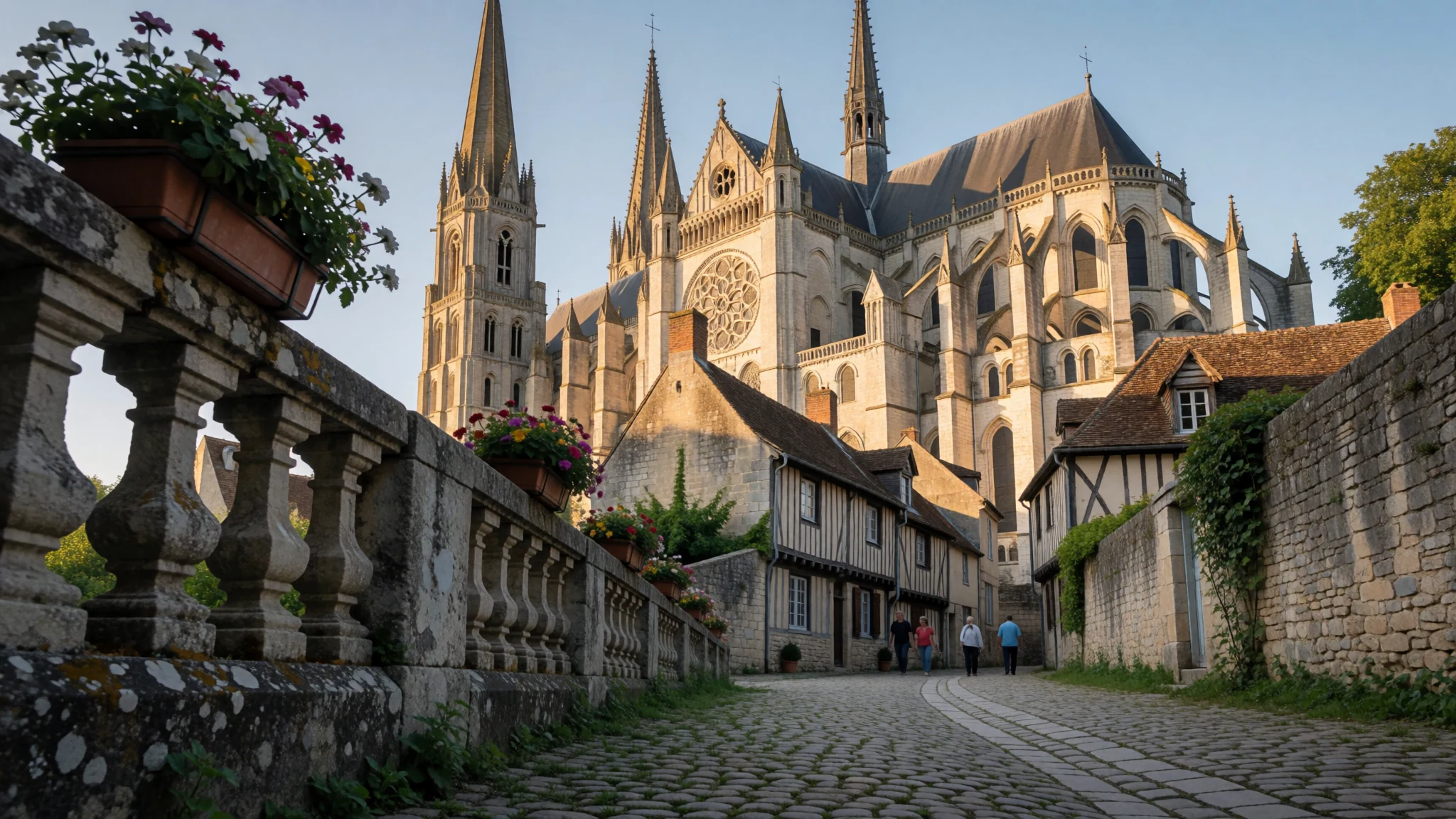
Notre-Dame de Chartres is a high-point of Gothic architecture, with stained glass and sculpted façades that still feel startlingly alive.
The place
Notre-Dame de Chartres (Cathédrale Notre-Dame de Chartres) sits in the French city of Chartres, dedicated to Our Lady and serving as the seat of the Bishop of Chartres. The building sits on a layered sacred site: earlier churches stood here long before the current cathedral, which means the cathedral feels less like a single monument and more like a long-running story of faith and rebuilding.
What people most often remember at Chartres is the combination of light and detail. The cathedral’s stained glass is remarkably well preserved, and it turns the interior into a soft, coloured space where the stonework frames the windows instead of competing with them. Outside, the structure is confident and muscular: flying buttresses push weight where it needs to go, freeing up space for larger glazing.
The west front is the other major visual hook. Two different spires rise with distinct styles, and the façades are crowded with sculpted figures that relate biblical and theological themes. Even if the subject matter is new, the sheer density of carvings makes the exterior feel like a carved book—something to read with slow feet.
Crowds are real, especially around popular arrival times, and Chartres is a day-trip magnet from Paris. The good news is that Chartres is built for wandering: stepping into the cathedral, then circling out to the façade, then taking a quiet pause in the town gives a fuller experience than rushing through one highlight.
Its story
Notre-Dame de Chartres carries a history of fires, rebuilding and reinvention rather than a single “built once and finished” timeline. The site has hosted at least five cathedrals. Each new one rose where an earlier church stood, often after major damage, so you can feel the cathedral’s age in its confidence and continuity.
The earliest church traditions on this ground go back to the era of the city as an episcopal see, then the record is marked by repeated destruction. A church on the site was ordered to be burned in the 8th century, later a fire in the 9th century destroyed another, and another reconstruction followed. By the time serious fires struck in the early 11th century, the decision was made to create a cathedral that would be more durable and more ambitious in scale.
That drive for renewal shaped the present cathedral: the newer structure was built above older Romanesque and earlier remains, so the building is layered from foundations upward. Under the current nave and around the apse, remnants from earlier phases still influence what exists today—particularly the crypt and lower spaces that carry the atmosphere of older Chartres.
A detail that explains the cathedral’s character is how restorers have treated its fabric and windows. The building’s stained glass survival is one reason the interior still reads as fresh, not “museum-flat”. Today, Chartres remains an important destination for travellers because the cathedral is both architecture and atmosphere: stone, colour and time in the same room.
What to see
- Chartres Cathedral (Cathédrale Notre-Dame de Chartres) — Historic centre
Chartres Cathedral is the core visit, known for its well-preserved stained glass and its High Gothic look. The west front’s contrasting spires and the dense sculpture create a strong exterior first impression before entering for the coloured light.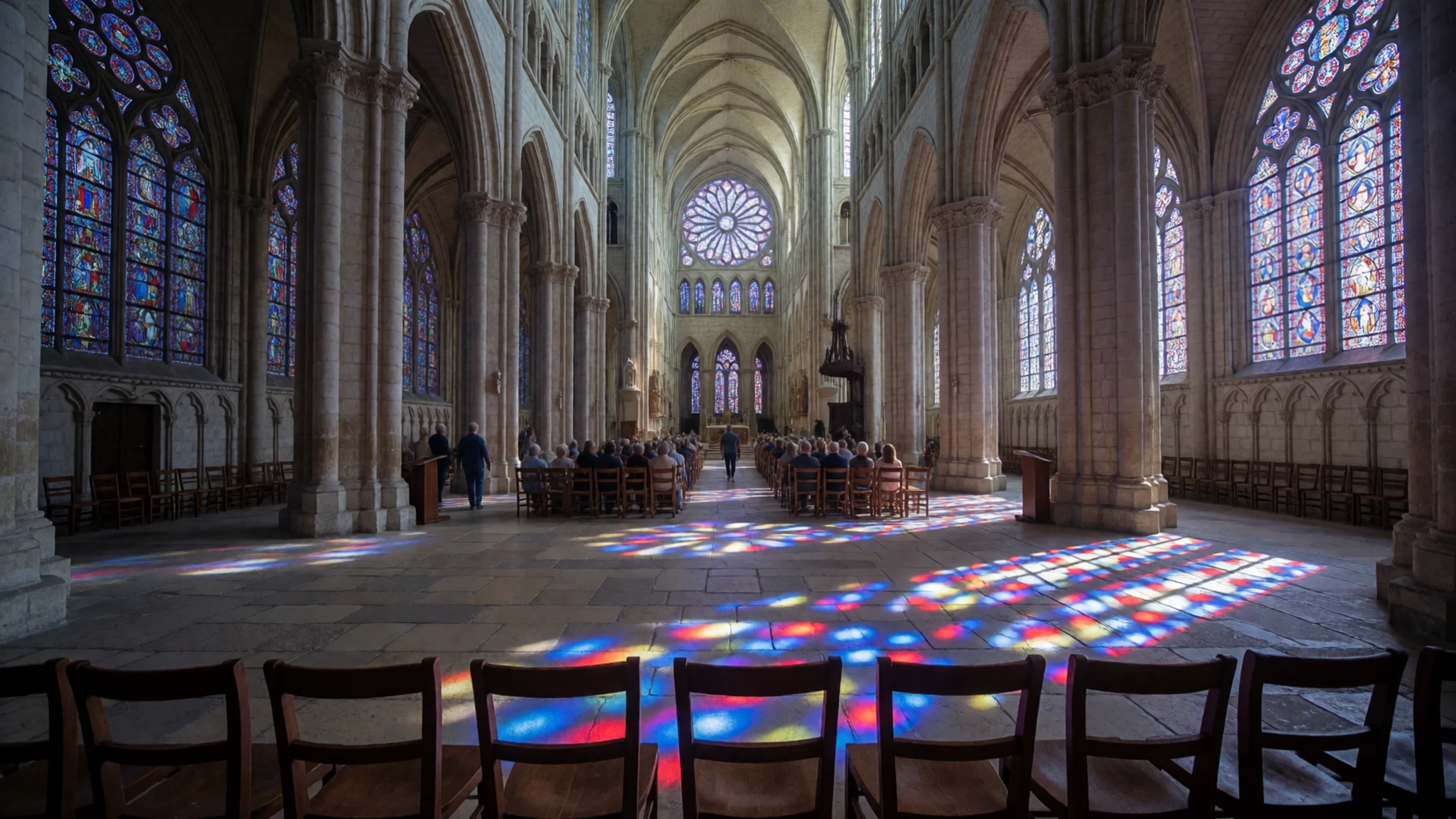
- Central tympanum & sculpted façade stories — West front area
The cathedral façades feel almost encyclopaedic: sculpted figures and carved scenes pack the stone around doorways. The central tympanum and surrounding work reward slow viewing, especially if the goal is to notice how images guide belief.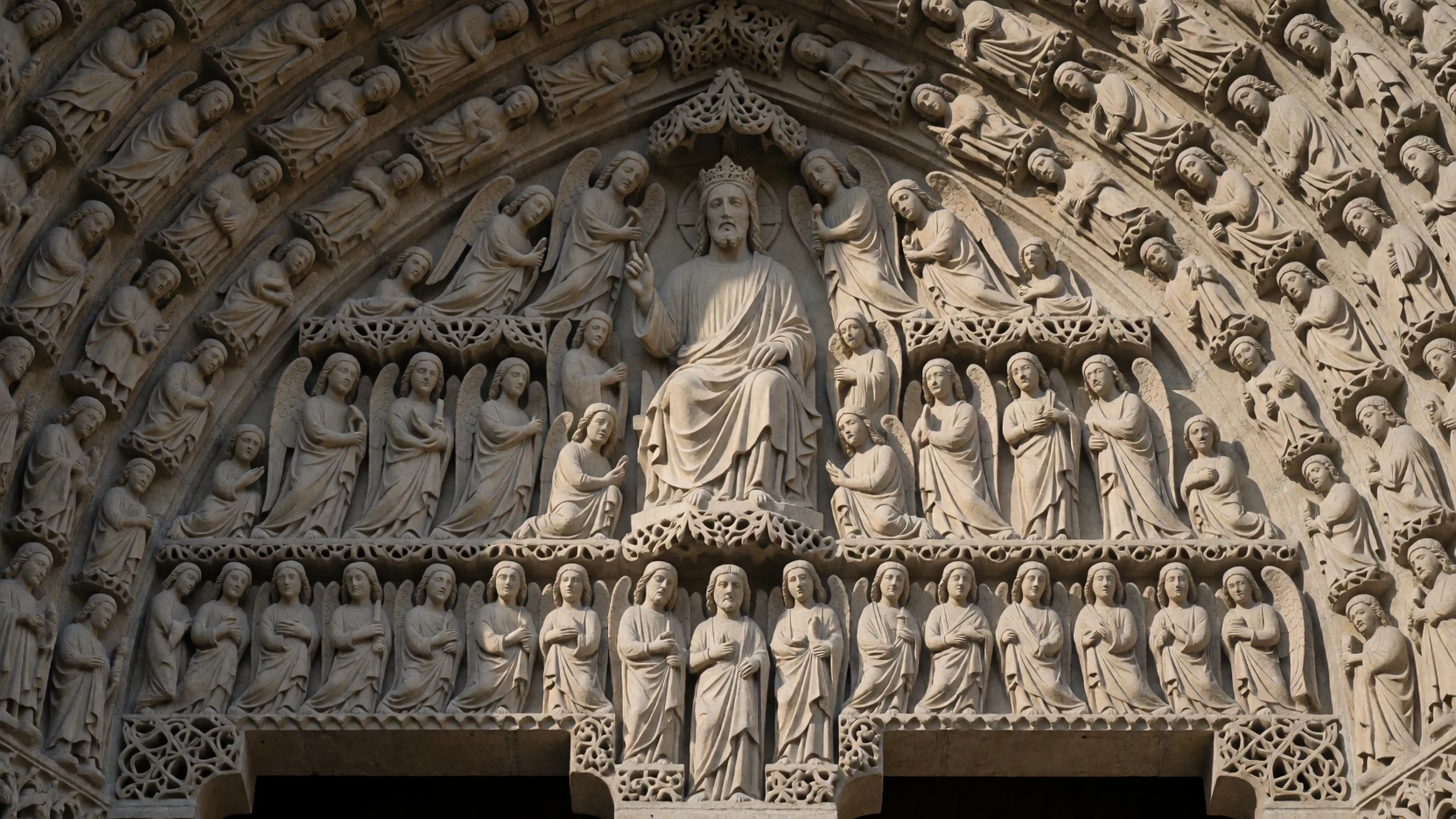
- Choir and acoustic spaces — Cathedral interior
Inside, the choir area and surrounding acoustic spaces create a distinct “stone-and-sound” feeling. Even without a formal programme, lingering where the building carries voices helps explain why organists and choirs draw visitors to Chartres.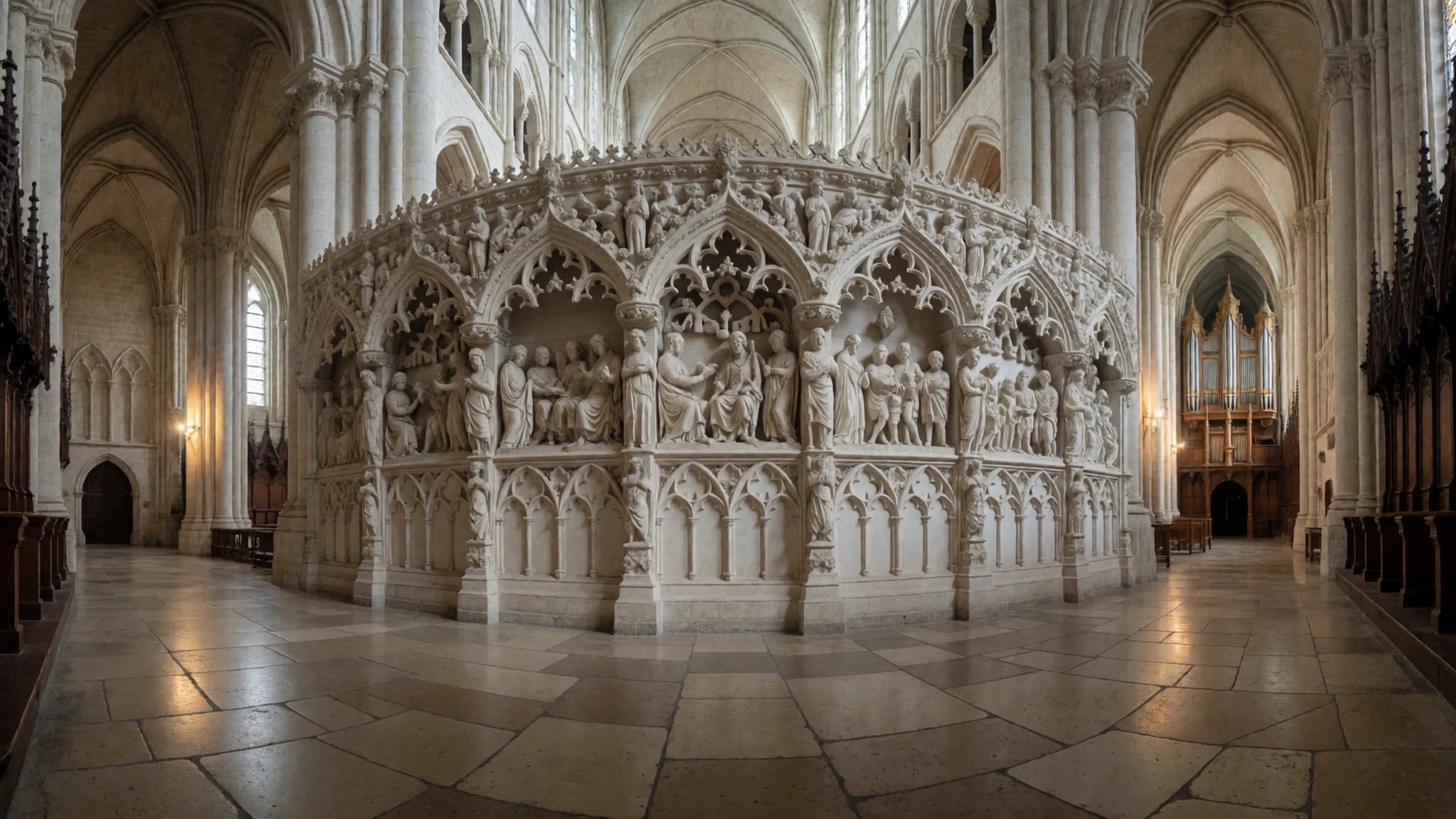
- Musée du Vitrail (stained glass museum) — Museum quarter
Musée du Vitrail is a focused add-on if the stained glass is the main draw. It includes a permanent exhibition that explores how glass panels work, and temporary shows that often tilt more artistic—ideal when the cathedral’s light has already hooked you.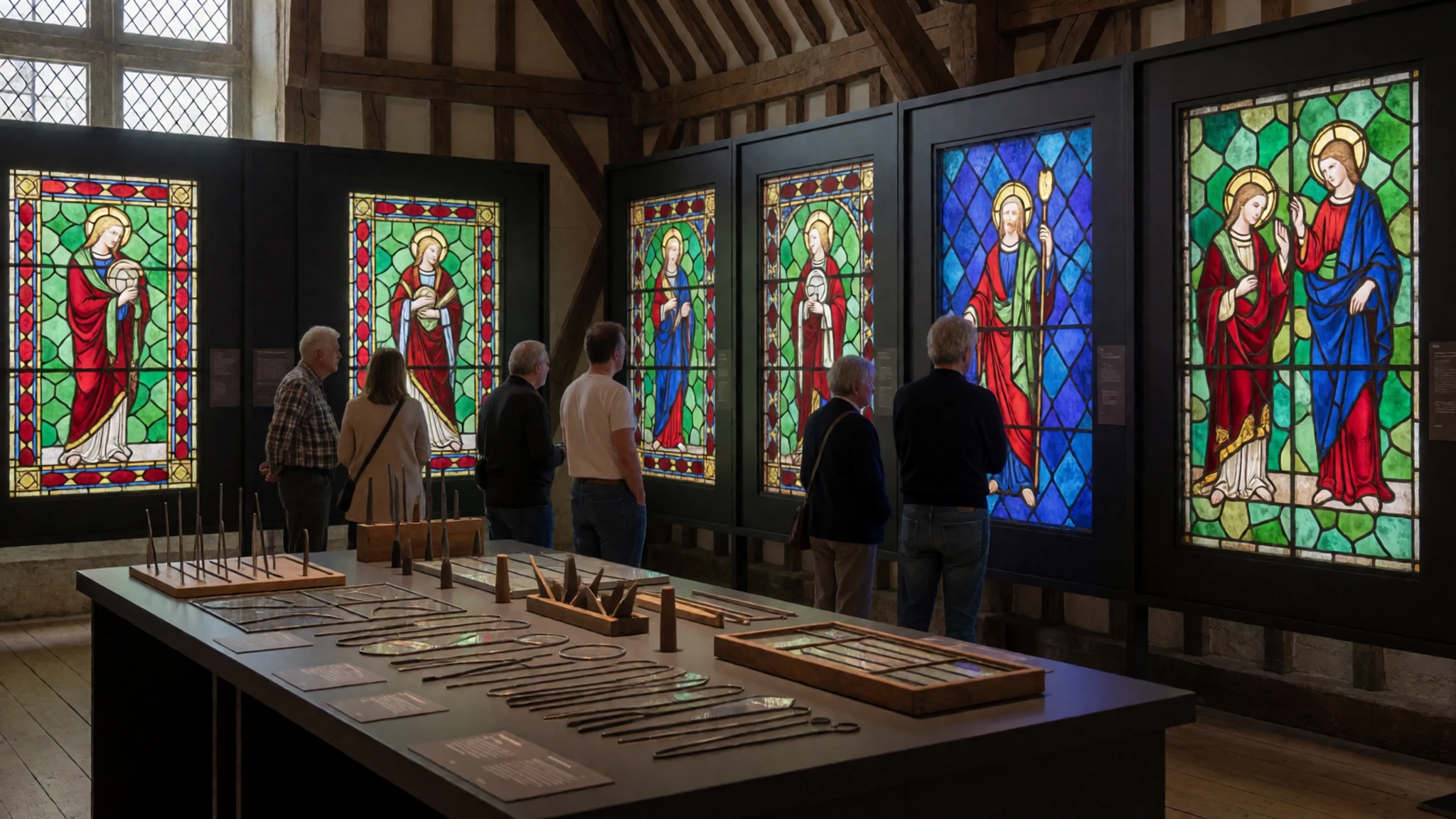
- English-language cathedral tours — Cathedral meeting points
English-language tours can turn “beautiful architecture” into a clearer story. A good guide approach helps decode stained glass and explains how the cathedral’s design supports worship, so the visit feels less like drifting and more like understanding.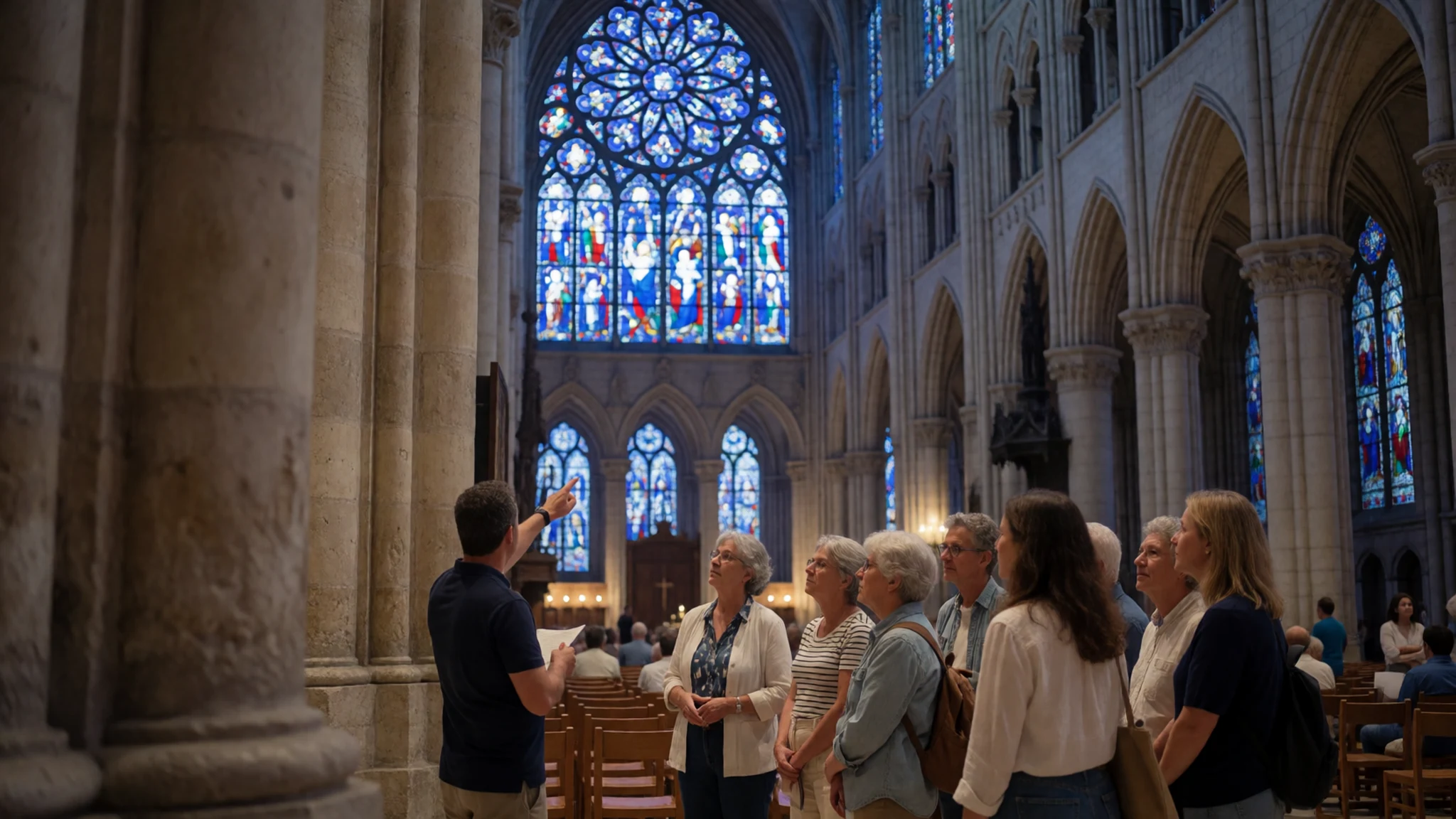
Culture
Chartres Cathedral is both a tourist magnet and a working Catholic place, so the atmosphere can change quickly between quiet viewing and moments of prayer or music. Stained glass is the star, but the building’s sculpted façades also demand a respectful pace—cars and coach groups often move fast, while many visitors enjoy taking time at doorways and under the vaults.
Dress tends to be on the modest side when people enter the cathedral, and it’s sensible to bring a light layer even in warmer months: stone buildings cool the body down, especially if waiting for a sound moment. Photography is usually easier than in some churches, but it’s best treated as “use common sense”, since people may be praying or waiting for a musical segment.
The town around the cathedral is part of the experience. Taking a stroll through Chartres’ streets and watching how the city turns toward the cathedral at different angles makes the building feel anchored in daily life, not only in guidebook pages.
Visitor etiquette: keep voices low inside, and follow staff instructions about photography and any quiet zones during services or music.
What to wear
At Notre-Dame de Chartres, the main “rule” is comfort plus modesty. When cathedral doors open, visitors usually dress respectfully—think covered shoulders and non-revealing outfits—because it’s a place of worship as well as a landmark.
Traditional dress isn’t something visitors are expected to wear here, but you’ll still see regional styles in everyday life in and around Chartres. The local look often includes simple, well-made clothing suited to walking: breathable fabrics in warmer months and warmer layers when the evenings cool down.
For what people actually wear now, expect normal travel clothes: trainers, walking shoes, and light jackets that can handle the shift from street heat to the cooler interior. A practical outfit matters because the site rewards slow movement around the façades and the surrounding streets.
For a visitor, bring a light layer for the cathedral interior and choose footwear with decent grip—Chartres’ older streets can be uneven. If attending around services or when music is planned, consider slightly dressier, quieter clothing rather than anything too casual or revealing.
What to eat
- Crêpes — Near La Place des Épars
Crêperie-style crêpes are a Chartres classic. Look near La Place des Épars for straightforward sweet or savoury options, often served by local teams and pitched as an easy lunch before or after cathedral time.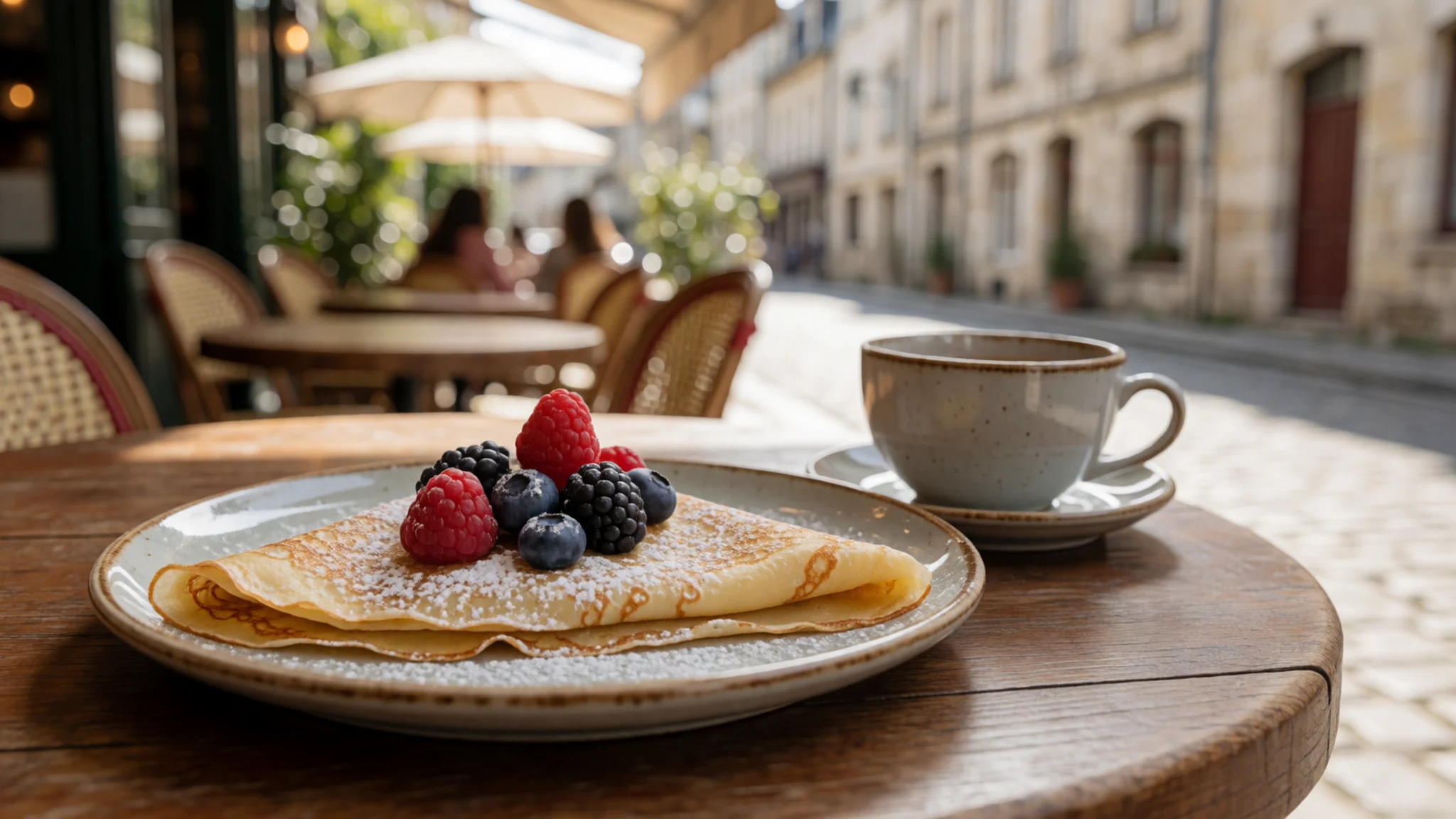
- Paninis and sandwiches — Central squares and local streets
For a quick, filling bite, try paninis and sandwiches at casual local eateries around the central squares. They’re convenient when the day is built around cathedral timings and you don’t want to waste time queueing for a sit-down meal.
- Kebab sandwiches — Near La Place des Épars area
Chartres has kebab sandwiches that work well as a practical meal on a walking day. You’ll find them listed alongside other informal lunch options near the main places people gather in town. - Hot chocolate and desserts — City-centre cafés
If the weather turns, dessert and hot chocolate can be the comfort move. Cafés that cater to visitors around the centre often do sweet plates and warming drinks, so it’s an easy way to reset between walks. - Brasserie-style French meal — Near the Cathédrale de Chartres
A classic brasserie meal is a good match for a Chartres day, especially when you want something simple and reliably French. Look for brasserie options close to the cathedral area to keep the schedule intact.
Plan it
Best time. May–August is when Chartres tends to feel most comfortable and bright, with the warmest temperatures from July (about 39.7°C highs) through August (about 38.8°C). The wettest months are around December (about 66 mm) and November (about 63 mm), as well as May and June (about 63 mm and 57 mm), so bring rain coverage if you travel then. For quieter streets with cooler weather, late October–November is a good option, while winter can be grey and cold.
How long. 2–3
Getting there. From London or the UK, take a train from Paris Montparnasse to Chartres (about an hour each way) after arriving in Paris. The last leg is walking within Chartres once you arrive near the centre and cathedral area.
Budget. mid
Tips
- Arrive early for the cathedral and spend time before coach groups build up
- If stained glass is a priority, plan the museum time on a separate slot so the colours don’t blur
- Book the day around quieter windows for façade viewing and slower photography
- Have a bit of cash for small purchases while exploring markets and streets
- Check the cathedral programme for choir or organist moments before committing to a time
Etiquette
- Keep voices low and remain respectful in prayer areas
- Follow any instructions about when photography is or isn’t appropriate
- Wear comfortable, modest clothes for a worship space
Nearby
Sources
- Wikidata Q180274 (CC0)
- Wikipedia (Chartres Cathedral) (CC BY-SA 4.0)
- Wikivoyage (Chartres) (CC BY-SA 4.0)
- Westfassade Chartres (photo) (Public domain)
- Chartres JBU01 (photo) (CC BY 3.0)
- Chartres Cathédrale (South rose) (photo) (CC BY 3.0)
- Chartres Cathédrale intérieur chœur (photo) (CC BY-SA 4.0)
- Central tympanum Chartres (photo) (CC BY-SA 2.5)
- Notre Dame de Chartres (photo) (CC BY 3.0)
- Chartres-00001 (photo) (CC BY-SA 4.0)
- Sacre Henri4 France 01 (photo) (Public domain)


