Notre-Dame d'Amiens
Notre-Dame d'Amiens, France
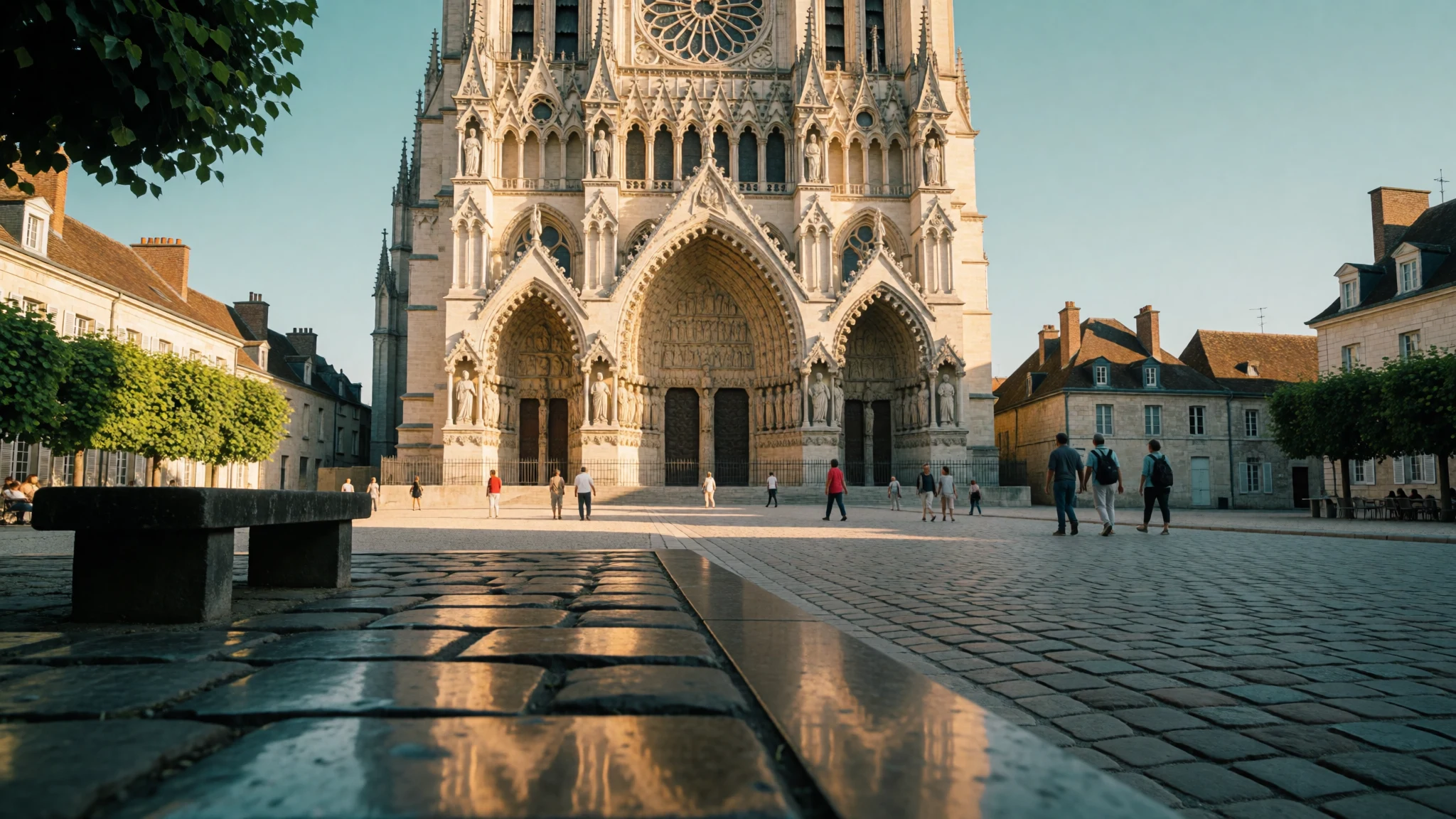
Notre-Dame d'Amiens is a High Gothic cathedral where the stonework, sculpture, and light feel unusually unified.
The place
Notre-Dame d'Amiens (Cathédrale Notre-Dame d'Amiens) is the Catholic cathedral at the heart of Amiens, on a slight ridge above the River Somme. From outside, it reads as a compact, powerful block of Gothic architecture; inside, it opens up into space designed to pull the eye upward and let the building breathe with daylight. Amiens Cathedral is the seat of the Bishop of Amiens, so it still functions as a living place of worship, not just a monument.
What makes the cathedral feel different is how quickly it took shape compared with many other big Gothic projects. The building programme runs from its start in 1220 to about the late 1200s, which helps explain the “one style, one atmosphere” feeling visitors often mention. Architecturally, it’s an early example of High Gothic and the Rayonnant style, with those flourished architectural details showing up in areas like the clerestory and the higher windows.
A short walk around the exterior also pays off. The west front and the south transept are where a lot of the story sits in stone: sculpted details designed to be read at human height, not just admired from a distance. If the weather is kind, you’ll notice how the light changes across the façade—Amiens can be blustery, and that wind makes the stone shadows sharpen.
Plan for crowds at peak sightseeing times. Amiens is smaller than Paris, so groups can bunch up quickly near the main entrances, and it’s worth timing visits to avoid the busiest mid-morning and afternoon slots.
Its story
Notre-Dame d'Amiens sits on a site with a long Christian history, but the cathedral story really turns on repeated rebuilding. Local tradition links Christianity in Amiens to very early times, with saints associated with the city appearing in older accounts. Whatever the details of those legends, the practical reality is that the medieval site kept being reset by catastrophe.
A major turning point came when a fire destroyed the earlier churches on the site, including the Romanesque cathedral that had replaced older buildings. After that, the new Gothic construction began and, importantly, the work moves through a relatively concentrated window. That shorter construction span helps the cathedral feel cohesive: the design decisions don’t blur into multiple “eras” the way they sometimes do in older cathedrals.
Another historical layer is the role Amiens played as a pilgrimage centre. A celebrated relic—connected to John the Baptist—arrived in the early 1200s, and that boosted Amiens’ importance and income. Even though the current building is what visitors come to see, the cathedral’s interior atmosphere and emphasis on sculpted storytelling are shaped by the kind of attention pilgrims brought.
Later upheavals also affected the building. Amiens Cathedral has lost much of its original stained glass, so today visitors experience the architecture and sculpture more than the old colour-drenched lighting. The reward is that the stonework becomes the main event—faces, figures, and decorative programmes you can keep discovering as you move from entrance to nave to the transepts.
What to see
- The west façade and main sculpture — Cathedral forecourt, Amiens centre
Notre-Dame d'Amiens’ façade is where the cathedral’s Gothic drama starts. Look closely for sculpted scenes and figurework positioned for reading at eye level, plus the rhythm of portals and detailing that frames the doorway space. Even from the square, the carvings reward a slow walk.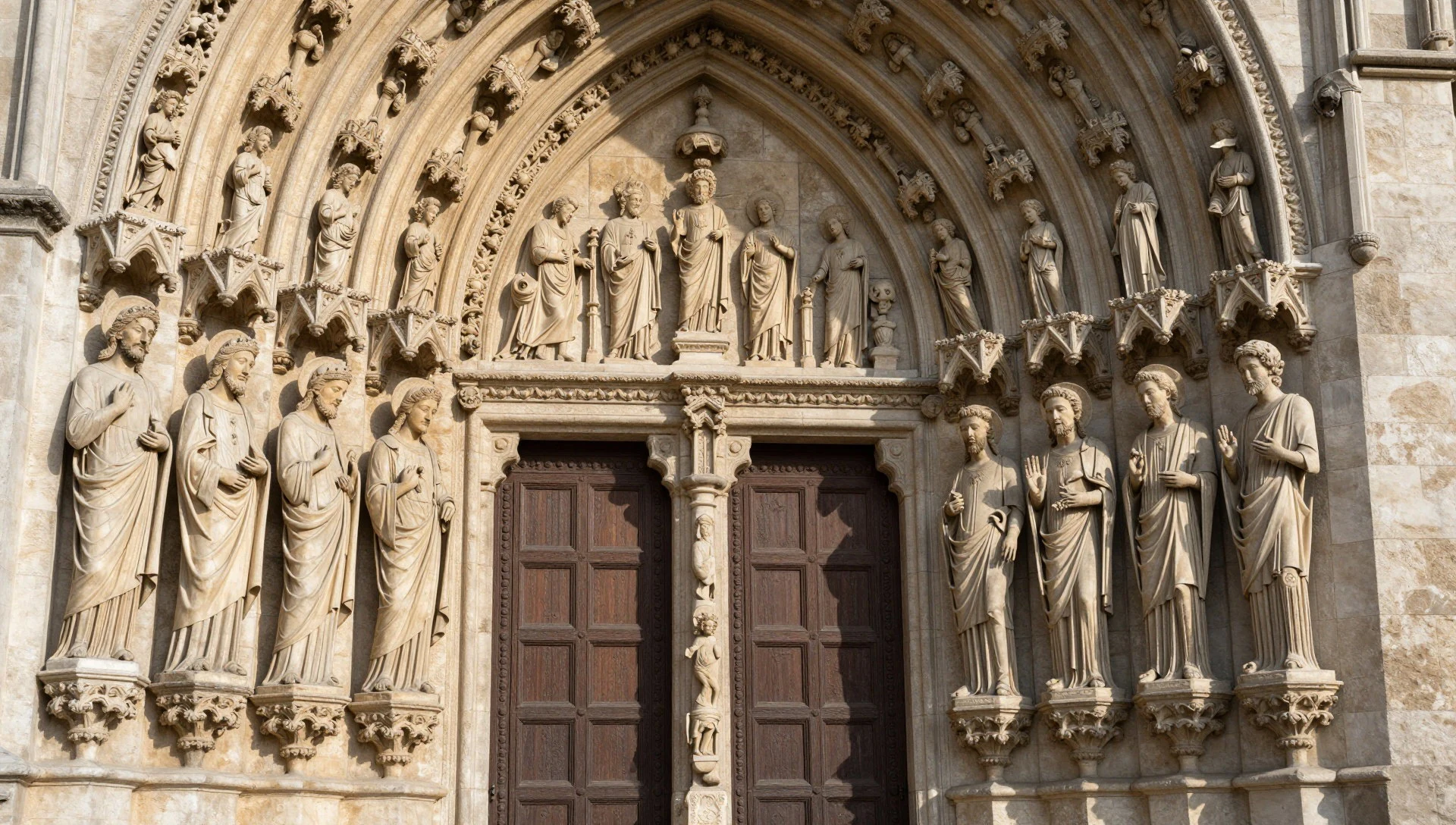
- Southern Rose Window and transept area — South transept, river-facing side
Notre-Dame d'Amiens’ southern side brings the glazing focus to the fore. The rose window is set into the larger transept framework, and around it the stonework creates strong patterns of light and shadow as clouds pass. It’s a good spot for watching how the exterior carvings “read” in different weather.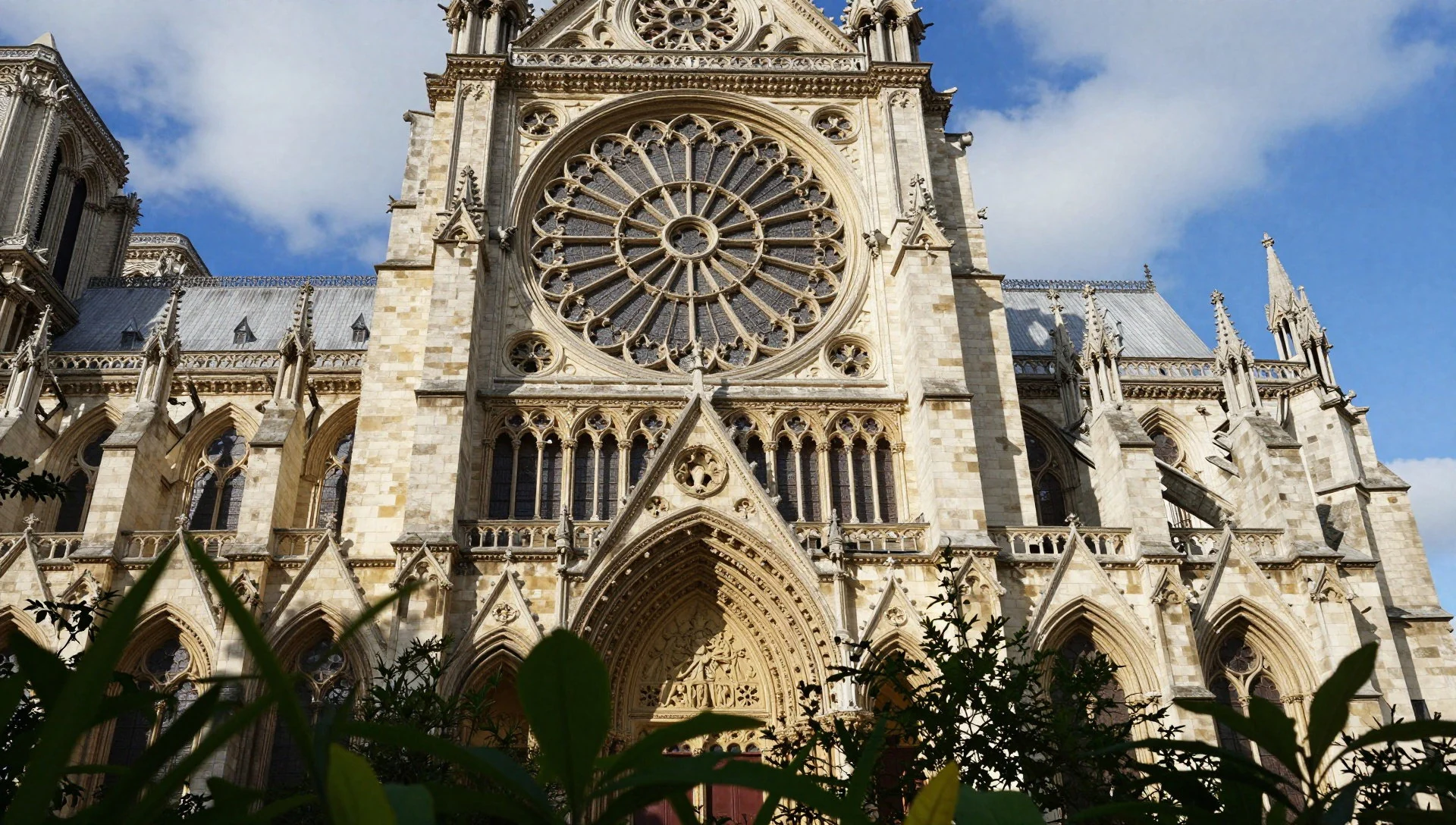
- Interior sculpture and polychrome moments — Nave and transept interior
Inside Notre-Dame d'Amiens, the sculpture programme keeps pulling you toward details rather than one single sightline. You’ll notice early Gothic carving on key exterior-facing areas, and also later decorative work inside, including colour in sections that remain vivid enough to feel intentional.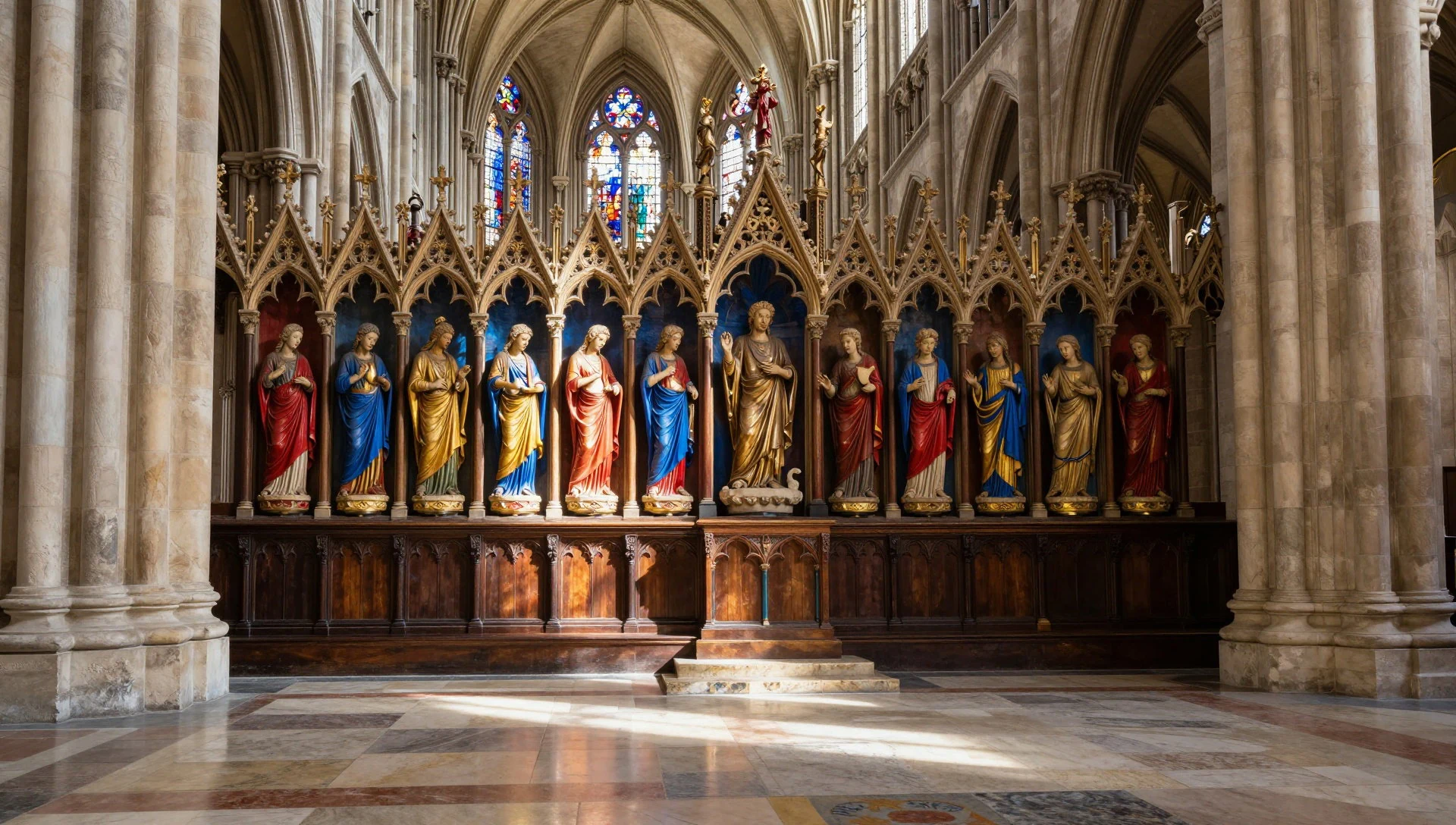
- Hortillonages canal gardens — Hortillonages, north-east of the centre
Amiens’ Hortillonages are a different kind of attraction: a maze of market gardens and allotments carved into a watery landscape. Small canals link the plots, so the place feels calm and local rather than monumental. It’s best as a slow boat or canal-side wander, especially if the cathedral visit felt intense.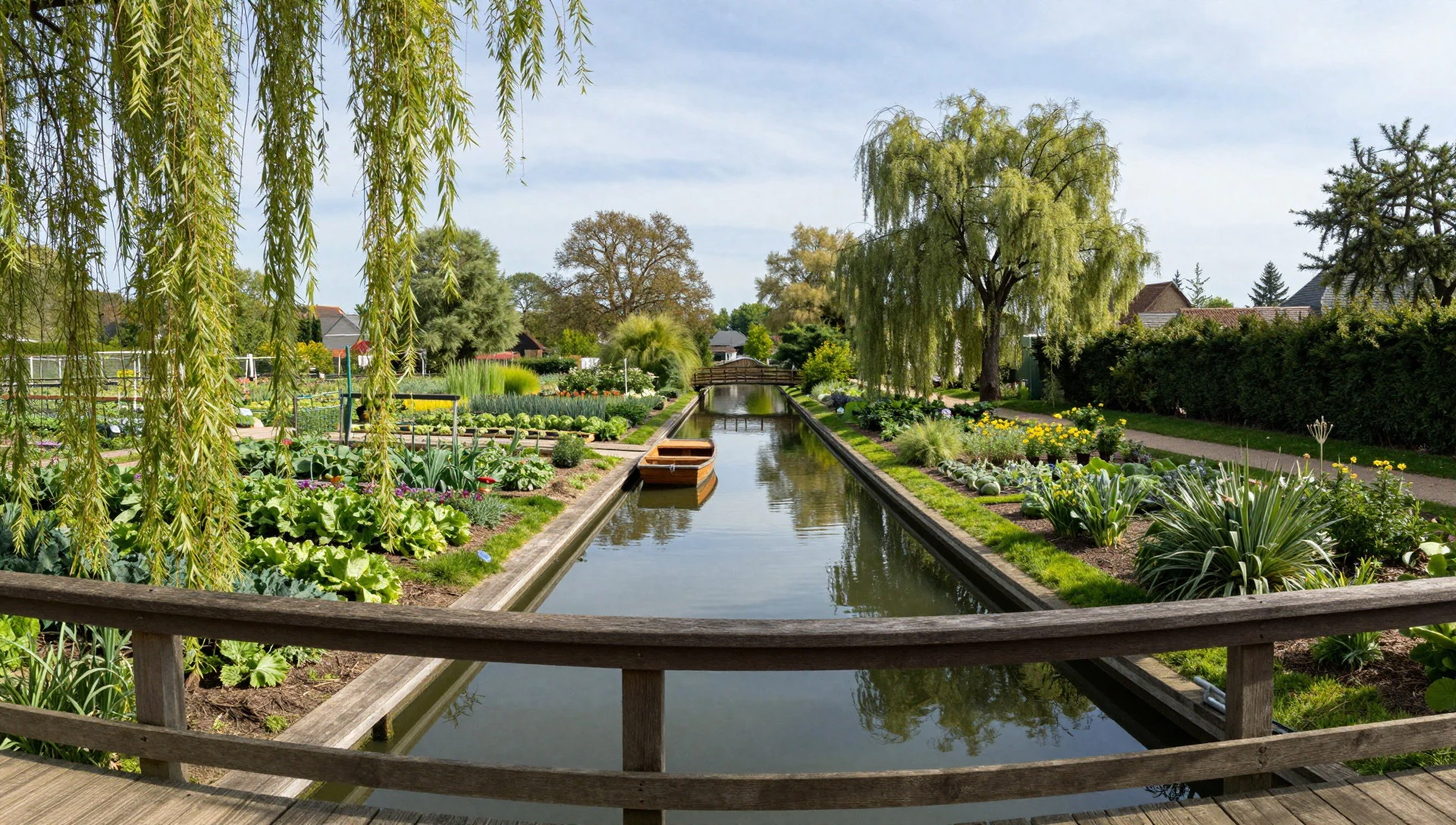
- Belfry viewpoint over Amiens — Belfry area, near the centre
For a straightforward “what does the city look like from above?” moment, the Belfry area offers a lift in viewpoint. The climb gives you a clearer sense of how the cathedral and river sit within Amiens, and the surrounding rooftops help you appreciate the cathedral’s position on its ridge.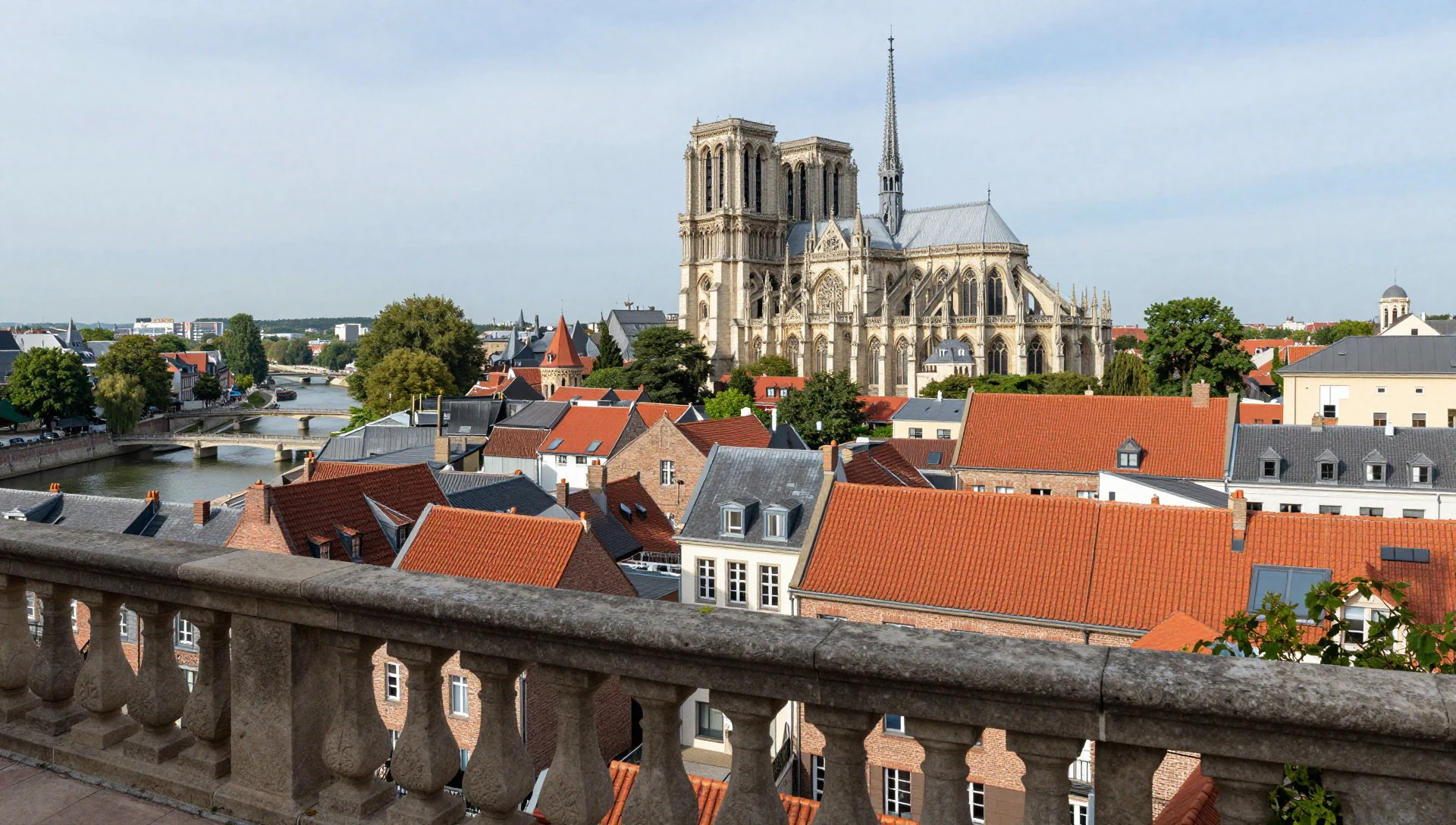
Culture
Notre-Dame d'Amiens is a working Catholic cathedral, so the cultural rhythm is part sightseeing and part worship. The building’s main interest for many visitors is its sculpted Gothic language—figures, patterns, and architectural details—but it’s also a space where people come quietly for prayer, ceremonies, and the daily life of a diocesan seat. That means noise levels matter, and it’s worth shifting from “photo mode” to “respect mode” when services are happening or when the space feels occupied by worshippers.
Dress tends to be practical rather than ceremonial: most visitors wear normal travel clothes, but it’s sensible to avoid overly revealing outfits out of respect. In stone churches, cool air can sneak in even when the day outside feels warm, so a light layer helps. If the day is sunny, keep an eye on your footing—cathedral forecourts and nearby routes can be a bit uneven.
Most people photograph quickly and move on; the best way to get value from the cathedral is to slow down and look for small changes in the stonework as you walk along transept edges and around the façade. Crowds are usually manageable compared with big Paris attractions, but groups still concentrate near entrances, so expect short waits at the most popular angles.
Visitor etiquette: keep voices low during services, move aside for worshippers, and avoid blocking entrances while taking photos.
What to wear
In and around Notre-Dame d'Amiens, clothing doesn’t need to be formal, but it does need to look respectful. Traditional “cathedral” dress in France is mostly about modesty in practice: visitors commonly choose trousers or knee-length skirts, tops that cover shoulders, and jackets you can manage easily when moving between bright outdoor light and cooler interior air.
What people wear today in Amiens is typical French travel-and-street style: jeans, light layers, comfortable trainers, and a waterproof top when the weather turns. The cathedral area often involves some walking on uneven pavements, and Amiens weather can shift—so footwear matters more than fashion flair.
If planning a visit during busier sightseeing periods, think about how you’ll stand and move in a crowd. The most useful kit is straightforward: closed shoes (not delicate sandals), a light scarf or layer for church coolness, and a small bag that keeps your elbows free so you can navigate along railings and around other visitors.
Bring a compact rain layer, because showers are common in northern France seasons when you’re most likely to visit, and wet stone makes steps slick.
What to eat
- Quai Belu restaurant stop — Quai Belu on the north bank of the Somme
Eat along the Somme at Quai Belu, where you’ll find a mix of local-friendly restaurants and patios. It’s a good place to settle into a relaxed meal after the cathedral, with menus often available in English due to tourist footfall.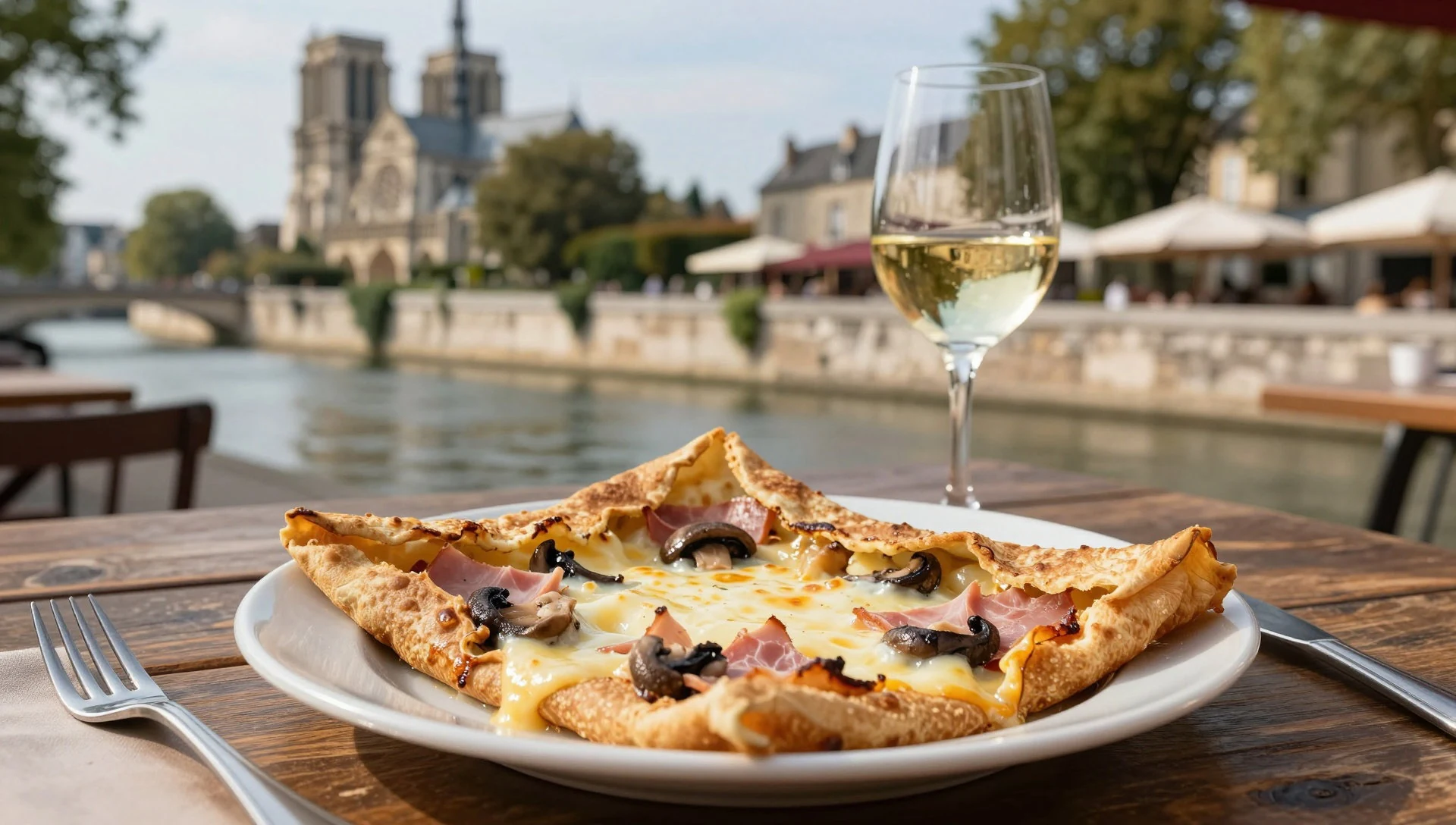
- Cathedral-to-river drinks and bites around Rue des Bondés — Rue des Bondés area, between the cathedral and the river
For something more casual, head to the area between Notre-Dame d'Amiens and the River Somme around Rue des Bondés. Expect bars and eateries with indoor and street seating, plus plenty of people grabbing a mid/late-day drink and simple food.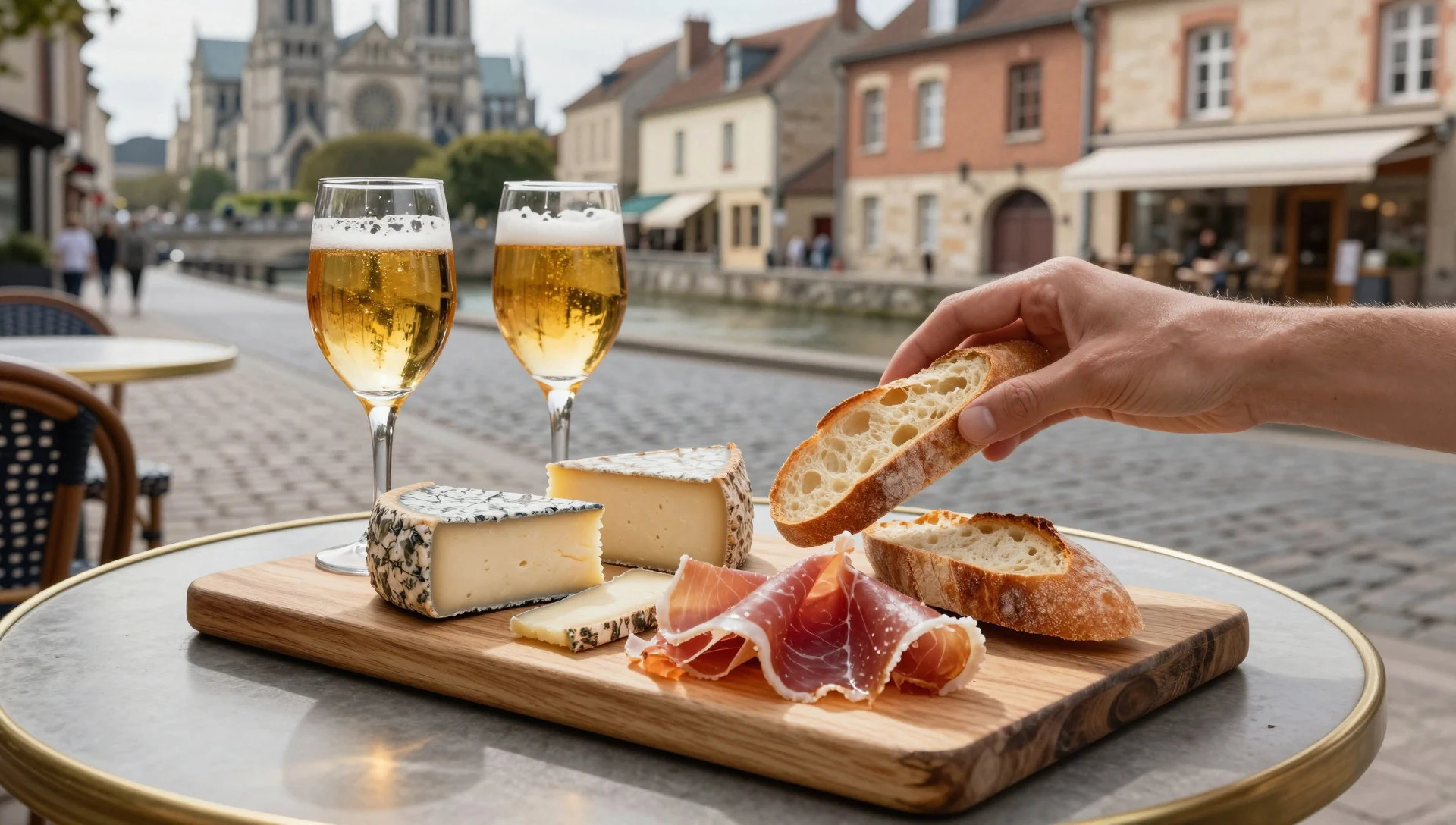
- Place Gambetta or near the station — Place Gambetta and near Amiens rail station
When the day’s schedule gets tight, the area around Place Gambetta and close to the rail station is convenient for a quick meal. It’s more “city” than “views,” but it’s usually easy to find somewhere to eat without detouring far. - Big Ben (local-style food and drinks) — Around the city centre near the cathedral area
Big Ben is one of the straightforward options around central Amiens if you’re after a casual place to eat or drink without overthinking it. It suits visitors who want something easy to reach after sightseeing. - Baobar (casual stop) — Central Amiens near the cathedral
Baobar is another central pick for an easy sit-down or quick break. It’s handy when the cathedral visit runs long and you want a nearby option rather than moving across town. - Tower's Pub (pub-style meal) — Near the cathedral-side streets in Amiens centre
Tower's Pub works well for a pub-style meal when you’d like something comforting and low-pressure. It’s the kind of place that fits well into an itinerary with a museum or gardens afterwards, with a convenient central location.
Plan it
Best time. May–September tends to be the warmest period, with July and August the hottest; October is usually mild but November is cooler. Rainfall peaks in December and November, so for the driest outdoor strolls aim for April, March, or September, and be prepared for showers year-round.
How long. 2–3
Getting there. Reach Amiens by train from Paris (then local bus or a short taxi ride). From the UK, typical routes go via the Channel crossing and northward rail; finish with the last leg into Amiens by local train or coach.
Budget. mid
Tips
- Do Notre-Dame d'Amiens early to enjoy quieter angles before groups arrive
- Use indoor time for sculpture and transept details; shift outdoors to the façade when light feels best
- Pair the cathedral with the Hortillonages for a calmer, greener contrast
- Keep a light layer for the church interior—stone spaces can feel cooler than the street
Etiquette
- Keep voices low and avoid blocking doorways for photos
- Stand aside for worshippers and follow any guidance from staff during services
- Don’t carry bulky tripods inside unless clearly permitted
Nearby
Sources
- Wikidata Q106934 (CC0)
- Wikipedia (Amiens Cathedral) (CC BY-SA 4.0)
- Wikivoyage (Amiens) (CC BY-SA 4.0)
- photos/01-0-amiens-cath-drale-notre-dame-1.jpg (CC BY 3.0)
- photos/02-cath-drale-amienstp.jpg (CC BY-SA 4.0)
- photos/03-amiens-cath-drale-notre-dame-s-d-rosette.jpg (CC BY-SA 4.0)
- photos/04-roberts-david-interior-of-amiens-cathedral-ca-1827.jpg (Public domain)
- photos/05-jules-victor-g-nisson-interior-da-catedral-de-amiens-1842.jpg (Public domain)
- photos/06-amiens-sepia-aerial-1878.png (CC BY-SA 4.0)
- photos/07-amiens-cathedral-002.jpg (Public domain)
- photos/08-amiens-cath-drale10.jpg (CC BY 3.0)


