Northeast Greenland National Park
Northeast Greenland National Park, Greenland
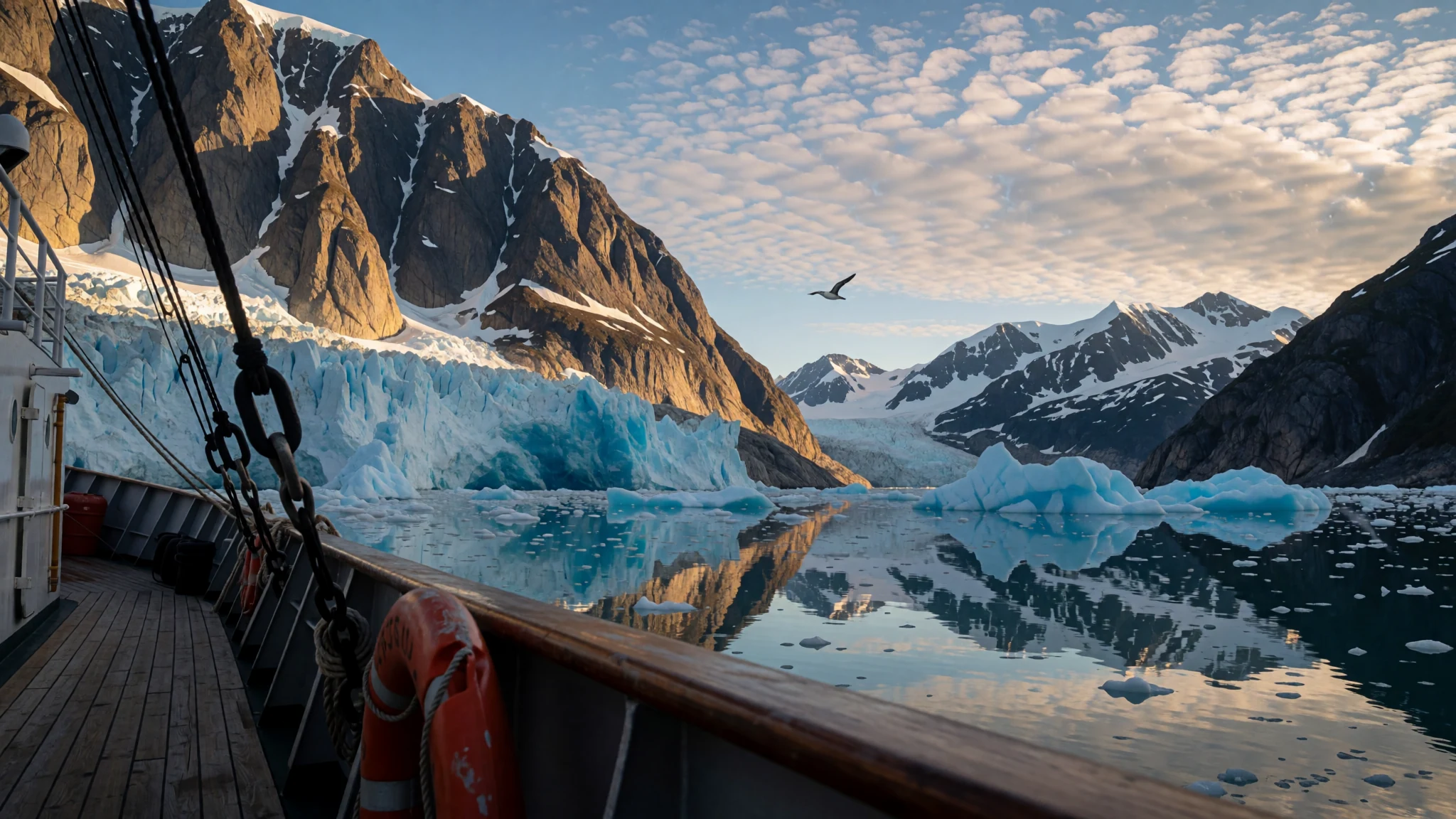
Venture into Northeast Greenland National Park to witness the planet's vastest high-Arctic wilderness, towering glacial fjords, and absolute solitude.
The place
Northeast Greenland National Park spans the entire northeastern flank and high interior of the world's largest island, creating an immense expanse of untouched polar geography. Established to safeguard pristine habitats and historic land use, this sanctuary covers dramatic mountain ranges, deep glacial valleys, and the overwhelming mass of the continental ice sheet. The coastal margins feature winding fjords where blue icebergs calve from active glaciers into cold, silent waters. Visitors here encounter an environment where human presence is virtually absent outside of specialized scientific outposts and scattered historical cabins. The scale of Northeast Greenland National Park is difficult to comprehend from conventional travel experience, as rugged peaks and endless snowfields stretch uninterrupted toward the horizon. Weather conditions remain severe throughout the year, with winter temperatures plunging to extreme lows and even summer months offering little respite from biting polar winds. Ice-free coastal strips support hardy wildlife populations, including musk oxen, Arctic foxes, and roaming polar bears that navigate the shoreline drift ice. Navigating this terrain requires complete self-sufficiency, robust expedition equipment, and careful adherence to safety protocols designed for remote backcountry travel. Despite its challenging climate and lack of permanent infrastructure, the region exerts a profound pull on travellers seeking the absolute edge of the habitable world, offering unmatched vistas of raw geological power under the shifting play of Arctic light.
Its story
The history of Northeast Greenland National Park is bound to the epic narrative of Arctic exploration, scientific cartography, and solitary trapping rather than permanent settlement. For centuries, the territory was known only to nomadic Inuit groups who hunted along the fertile coastal fringes, leaving behind stone circles, winter houses, and graves that speak to an intimate adaptation to extreme cold. European presence grew during the nineteenth and early twentieth centuries as daring expeditions pushed northward to map the jagged coastline, measure the ice cap, and claim territory for the Kingdom of Denmark. Explorers such as the Danish expeditions and various scientific parties braved scurvy, crushing pack ice, and blinding blizzards to chart uncharted fjords and nunataks. Later, Norwegian and Danish fur trappers built rough timber cabins along the shorelines, living isolated winters while hunting foxes and bears. Historic research camps established on the vast ice sheet further cemented the area's importance to meteorological and glaciological science. When the sanctuary was officially instituted, it transformed these historic hunting grounds and scientific tracks into a protected zone managed under strict environmental oversight. Today, these weather-beaten trapper huts and old research markers stand as silent monuments to an era of daring human endurance, preserved by the dry, freezing air in a landscape that resists permanent colonisation.
What to see
- Kaiser Franz Joseph Fjord — Eastern coastal fjord system
Carved deep into the eastern coast, Kaiser Franz Joseph Fjord presents soaring vertical cliffs, plunging waterfalls frozen in time, and massive tidewater glaciers spilling blue ice directly into the sea. The surrounding peaks display striking geological strata painted in reddish and orange tones by reflected sunlight, creating an unforgettable vista from the deck of a passing expedition vessel navigating the icy waters.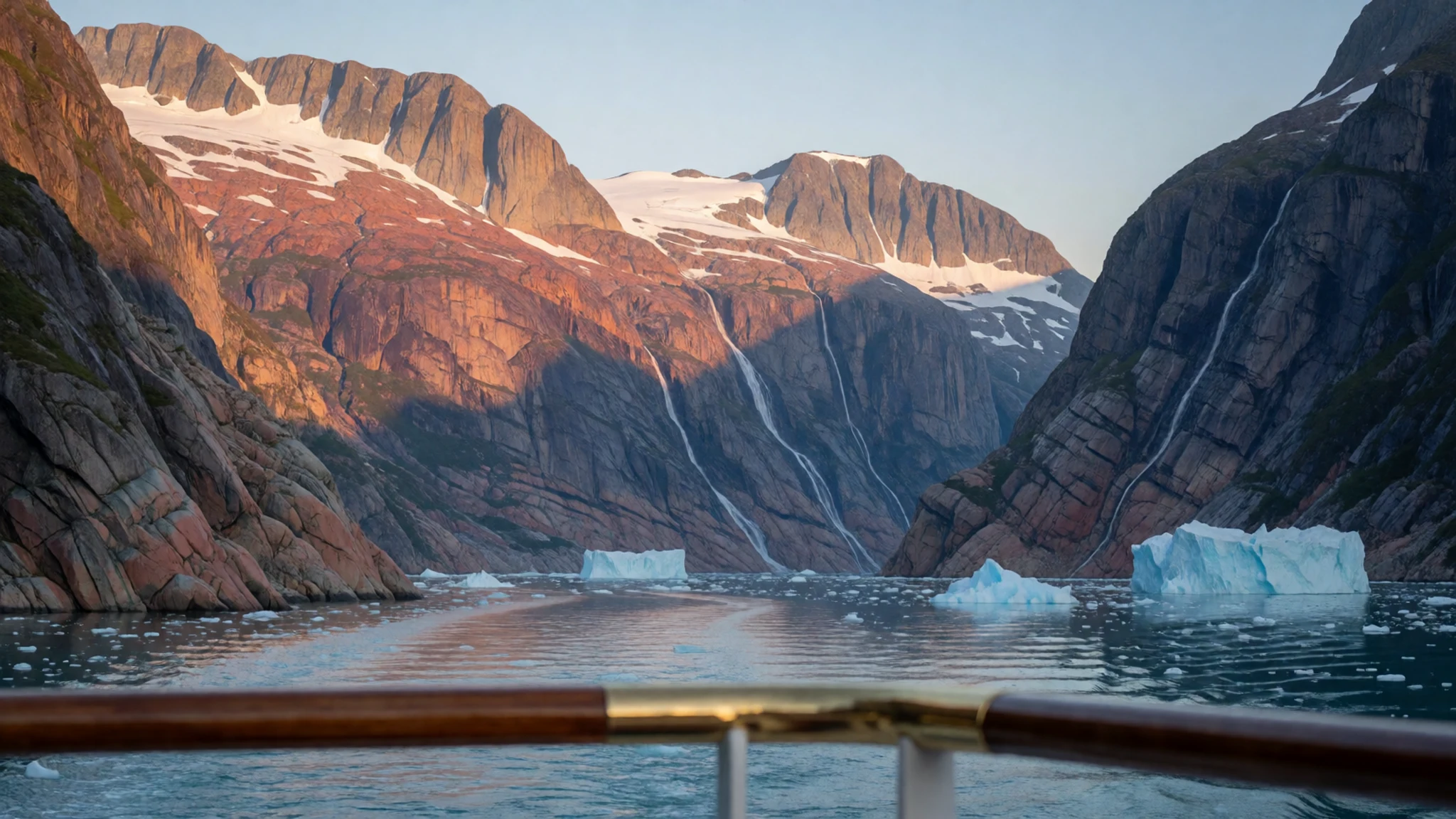
- Kaffeklubben Island — Far northern coastal waters
Situated off the far northern shores, Kaffeklubben Island holds renown as the northernmost undisputed piece of land on Earth. Reaching this remote gravel outcrop reveals an austere, wind-scoured landscape where only the hardiest Arctic mosses and tiny flowering plants survive against the elements, marking an extraordinary geographical milestone at the top of the globe.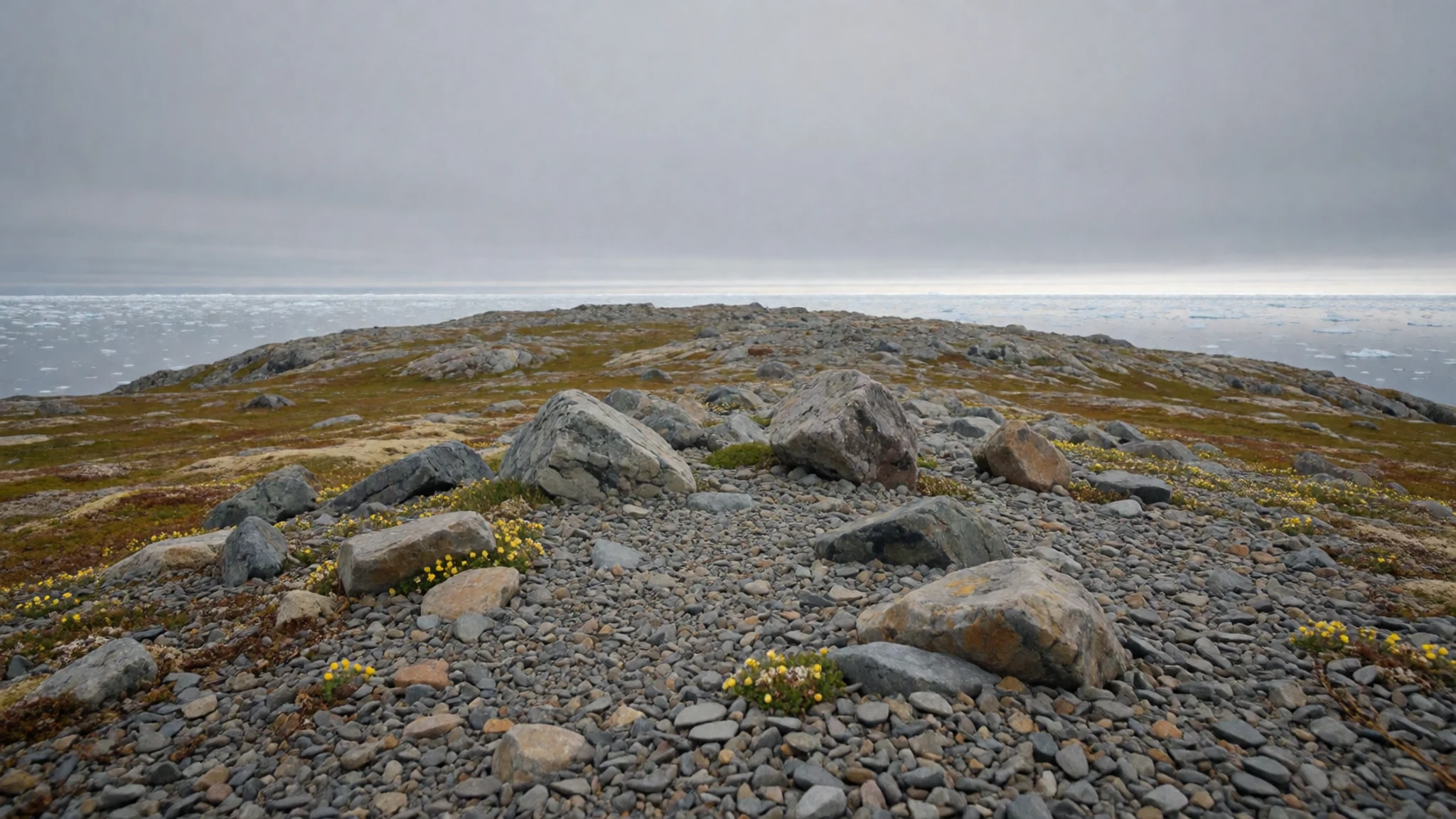
- Zackenberg Station — Northeastern lowland coast
Zackenberg Station functions as an advanced ecological research facility situated in the low-arctic northeastern lowlands. Scientists gather here during the brief summer window to monitor permafrost dynamics, vegetation shifts, and wildlife breeding patterns, offering a rare window into ongoing high-latitude scientific investigation within the boundaries of the protected zone.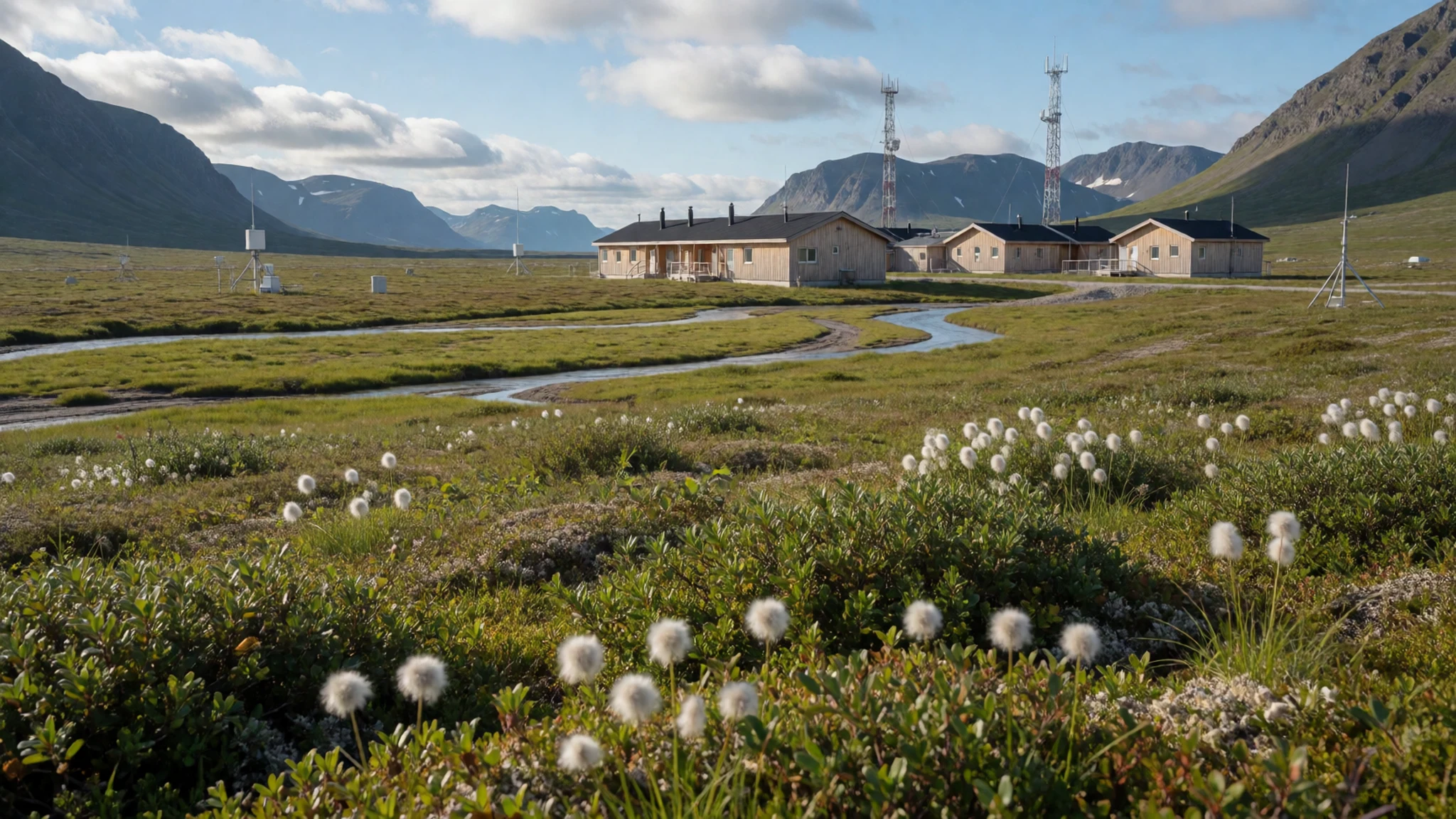
- The Ice Sheet Interior — High interior plateau
The vast interior of the territory is dominated by the monumental Greenland Ice Sheet, an endless white desert of compacted snow and ancient ice stretching across millions of square kilometres. Traversing the fringes of this frozen plateau reveals monumental scale and utter silence, illustrating the colossal glacial forces that continue to shape the northern hemisphere's climate and topography.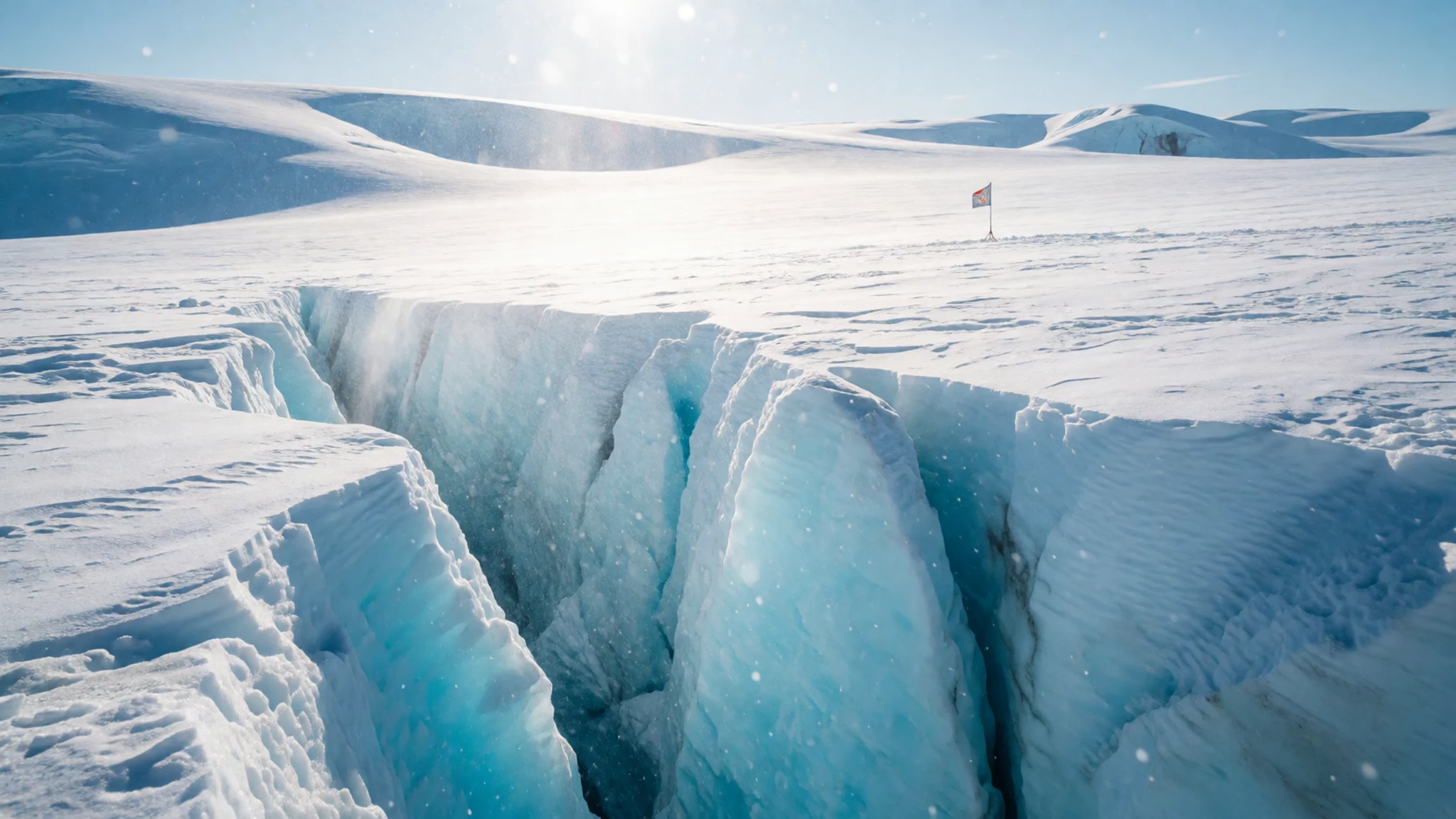
Culture
The cultural legacy of Northeast Greenland National Park belongs entirely to the traditions of Arctic survival, Indigenous heritage, and the international community of polar researchers. While no permanent residents inhabit the territory today, the spiritual connection to the land is maintained through the heritage of East Greenlandic Inuit who historically utilized the southern margins for seasonal hunting. Modern engagement with the area is defined by respect for fragile high-latitude ecosystems and the historical artifacts left behind by early trappers and explorers. Expeditions operating within the borders treat every historic cabin and archaeological site with rigorous care, ensuring that wooden structures and equipment remain undisturbed for future researchers. Scientific cooperation and environmental monitoring form the primary cultural activities here, as teams from various nations work together to understand climate change and polar ecology. Visitors entering this protected zone are expected to absorb the deep quiet of the region and prioritize minimal impact on sensitive tundra environments. Always maintain a respectful distance from historic trapper cabins and leave all artifacts completely undisturbed.
What to wear
Northeast Greenland National Park demands functional, high-performance expedition clothing rather than traditional ceremonial garments, though historical Greenlandic garments crafted from sealskin and animal furs set the standard for extreme cold adaptation. Modern visitors and the occasional scientific personnel rely on multi-layered technical gear designed for sub-zero temperatures and fierce polar gales. Essential layers include moisture-wicking thermal underwear, heavy fleece or wool mid-layers, windproof and waterproof outer shells with Gore-Tex or similar membranes, and heavily insulated down parkas. Footwear must consist of sturdy, waterproof mountaineering boots or insulated winter pac-boots paired with thick wool socks to prevent frostbite on frozen terrain. Accessories are critical: windproof face masks, UV-blocking glacier sunglasses, thermal balaclavas, and heavy-duty mittens are mandatory equipment for anyone stepping outside. Travellers should avoid cotton entirely, as it retains moisture and increases the risk of hypothermia in harsh Arctic conditions.
What to eat
- Expedition Freeze-Dried Rations — Carried in personal expedition packs during wilderness travel
The standard sustenance for backcountry expeditions and camping trips across the territory, providing high caloric density and lightweight preparation using camp stoves powered by white gas or canister fuel. - Dried Seafish and Arctic Char — Sourced from coastal settlements in eastern Greenland prior to departure
Traditional preservation methods keep local fish palatable during long journeys, offering lean protein and essential fats necessary for sustaining energy in freezing outdoor temperatures. - Hardtack and Rye Biscuits — Packed as durable provisions from supply ports in Iceland or southern Greenland
Long-lasting grain staples utilized by generations of trappers and explorers for their durability and resistance to freezing, typically paired with canned meats or spreads during remote stops. - Tinned Meats and Stews — Brought along as part of mandatory self-sufficient expedition stores
High-calorie preserved provisions that provide quick, warming meals when sheltering in historic trapper huts or pitching tents during sudden polar storms.
Plan it
Best time. June through August offers the briefest window of milder weather, calmer coastal waters for ship-based exploration, and accessible snow-free tundra for trekking.
How long. 7–14
Getting there. Arrive via Nerlerit Inaat Airport in eastern Greenland, then connect onward by specialized charter helicopter or join a licensed polar expedition cruise departing from Iceland.
Budget. high
Tips
- Book expedition cruises and specialist permits many months in advance due to extreme logistical limits
- Bring a satellite phone rated for high latitudes because standard geostationary signals fail
- Maintain long-range camera lenses to keep a safe distance of several hundred metres from wildlife
- Carry complete self-rescue gear and emergency provisions for unexpected weather delays
Etiquette
- Never leave food or waste unattended to avoid attracting polar bears to camp
- Leave all historic trapper huts and archaeological relics completely untouched
- Obey all environmental regulations enforced by the Greenland Department of Environment and Nature
Nearby
Sources
- Wikidata Q309276 (CC0)
- Wikipedia (CC-BY-SA 4.0)
- Wikivoyage (CC-BY-SA 4.0)
- Photo 01 (CC BY 3.0)
- Photo 02 (CC BY 2.5)
- Photo 03 (CC BY 2.5)
- Photo 04 (CC BY 3.0)
- Photo 05 (CC BY 3.0)
- Photo 06 (CC BY 4.0)


