Nisa
Nisa, Turkmenistan
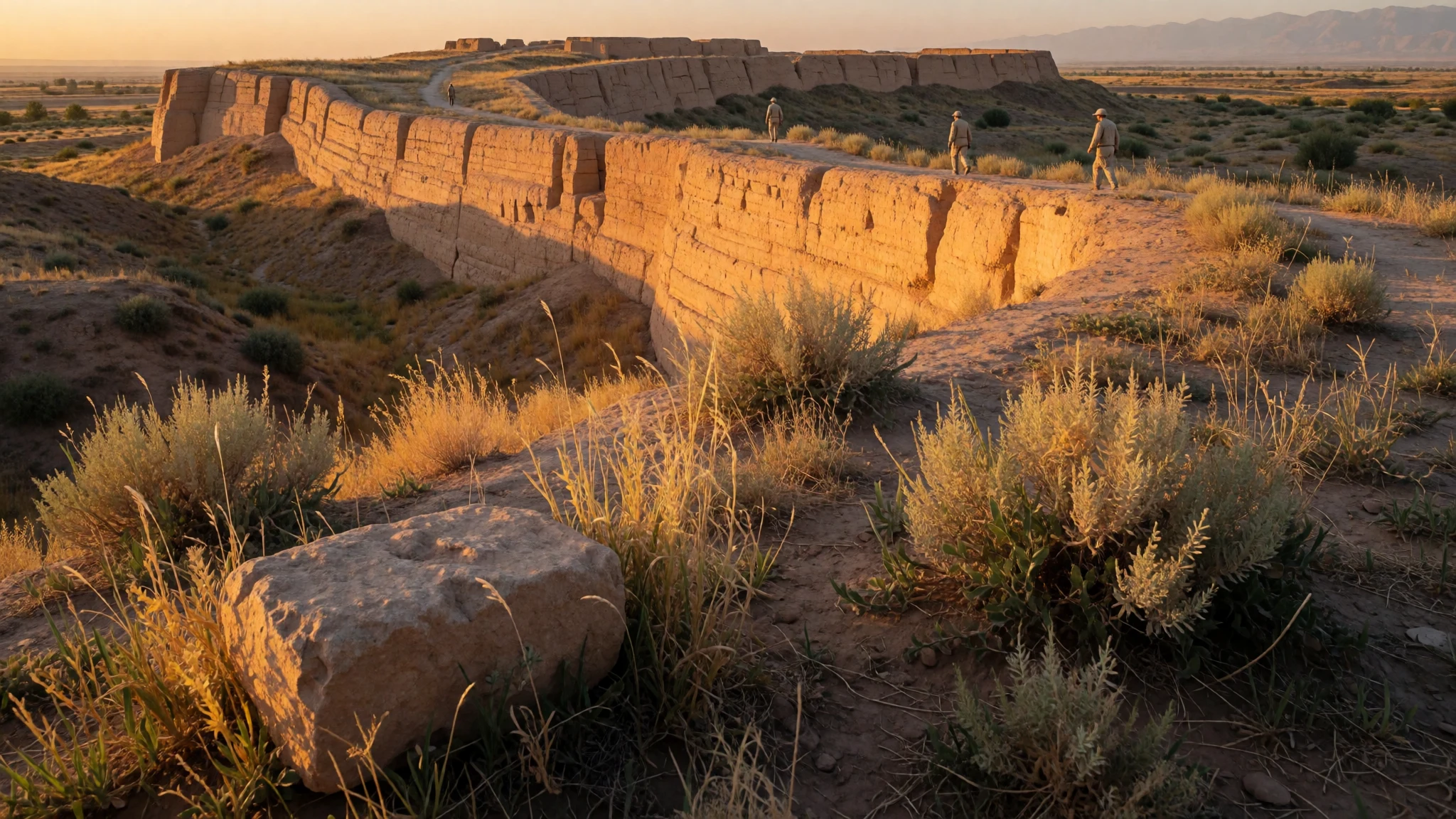
Nisa lets you walk around a Parthian stronghold and settlement where archaeology, walls and legends overlap.
The place
Nisa (often written Nissa; Turkmen: Nusaý) sits just outside Ashgabat in Turkmenistan, near the Bagyr neighbourhood, around 18 km west of the city centre. This is the kind of place where the “ruins” don’t feel like a tidy postcard: you’re stepping through earthen ramparts, flattened hilltops and broad spans of archaeology that hint at what once functioned as a major Parthian seat.
Historically, Nisa is tied to the Arsacid (Parthian) world. Some accounts link it with the early Arsacid rulers and describe it as a royal residence, though excavations haven’t conclusively proved a single simple purpose such as a mausoleum. What’s clear is scale and significance. The site is treated as one of the important locations of the Parthian Empire, with the settlement connected to trade routes and to cultural mixing across Persia, Greece and Central Asia.
When visiting, the experience is split between “Old Nisa” and “New Nisa”, separated by distance but connected by the story of how the Parthians organised power and settlement. Old Nisa rises as a natural hill surrounded by defensive earthworks; New Nisa spreads as a tell (an archaeological mound) enclosed by walls, with evidence for different parts of the town.
Crowd levels are low, which is a relief, but comfort planning matters: this is an outdoors walk in changing light, and the terrain can be dusty and uneven. The best payoff comes early in the day, when the sun helps the shapes of ramparts and walls read more clearly.
Its story
Nisa’s storyline starts with the Parthian Empire’s rise and the way power leaves physical traces. The settlement is traditionally associated with the early Arsacid era, and the name Mithradātkert (also Mithradatkirt) appears for the city in relation to Mithridates I of Parthia. Even if some details stay “tradition” rather than fully confirmed, the archaeological logic is persuasive: this was a site meant to project authority and manage resources.
Trade is another big thread. Nisa is described as a major trading hub in the Parthian world, and that matters because it explains the cultural layering you hear about: influences moving along routes between Persia, Greece and Central Asia. Archaeology at Old Nisa includes finds described as royal-related and everyday-life records, with collections of ceramics and objects that point to specialised activity rather than just scattered farming.
The Parthians weren’t the only chapter. After its Parthian prominence, the region later came under the Arabian Caliphate and then the Seljuks, which helps explain why the story doesn’t “end” with Parthian walls. Change continues across centuries, even when the landscape keeps the earlier footprint.
Then there’s the dramatic disruption: the settlement suffered a major destruction event, described as happening in the first decade BC. That kind of event can freeze a site in time—destroying buildings, shifting patterns of occupation, and leaving archaeologists with clearer layers than they might have otherwise.
Modern research adds its own chapter. Excavation work began in the 1930s, and since 1990 the site has been excavated by the University of Torino, linked to the Centro Scavi di Torino—so Nisa is still actively being understood rather than “finished”.
What to see
- Old Nisa ramparts and hilltop complex
Walk the earthen defences around Old Nisa, where a natural hill is enclosed by high ramparts. The top was levelled, and you can get a sense of how the space would have controlled movement, with the layout divided into northern and central areas.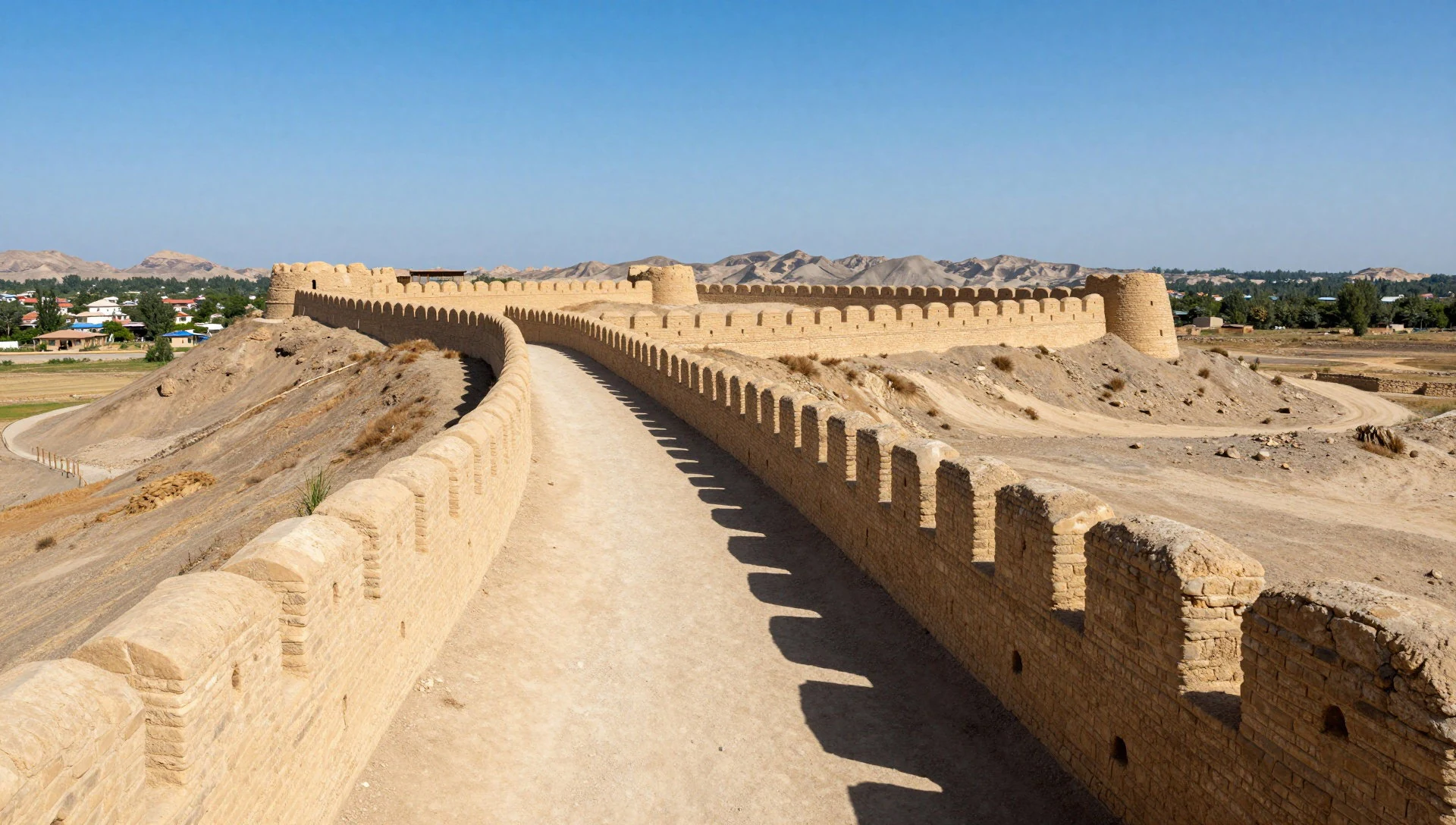
- Northern Complex: treasury and finds area
Head towards the northern part of Old Nisa, described as including a large square building linked with a royal treasury and associated storage areas. This zone is important because major art and object groups were discovered here, including marble sculpture and ivory drinking vessels.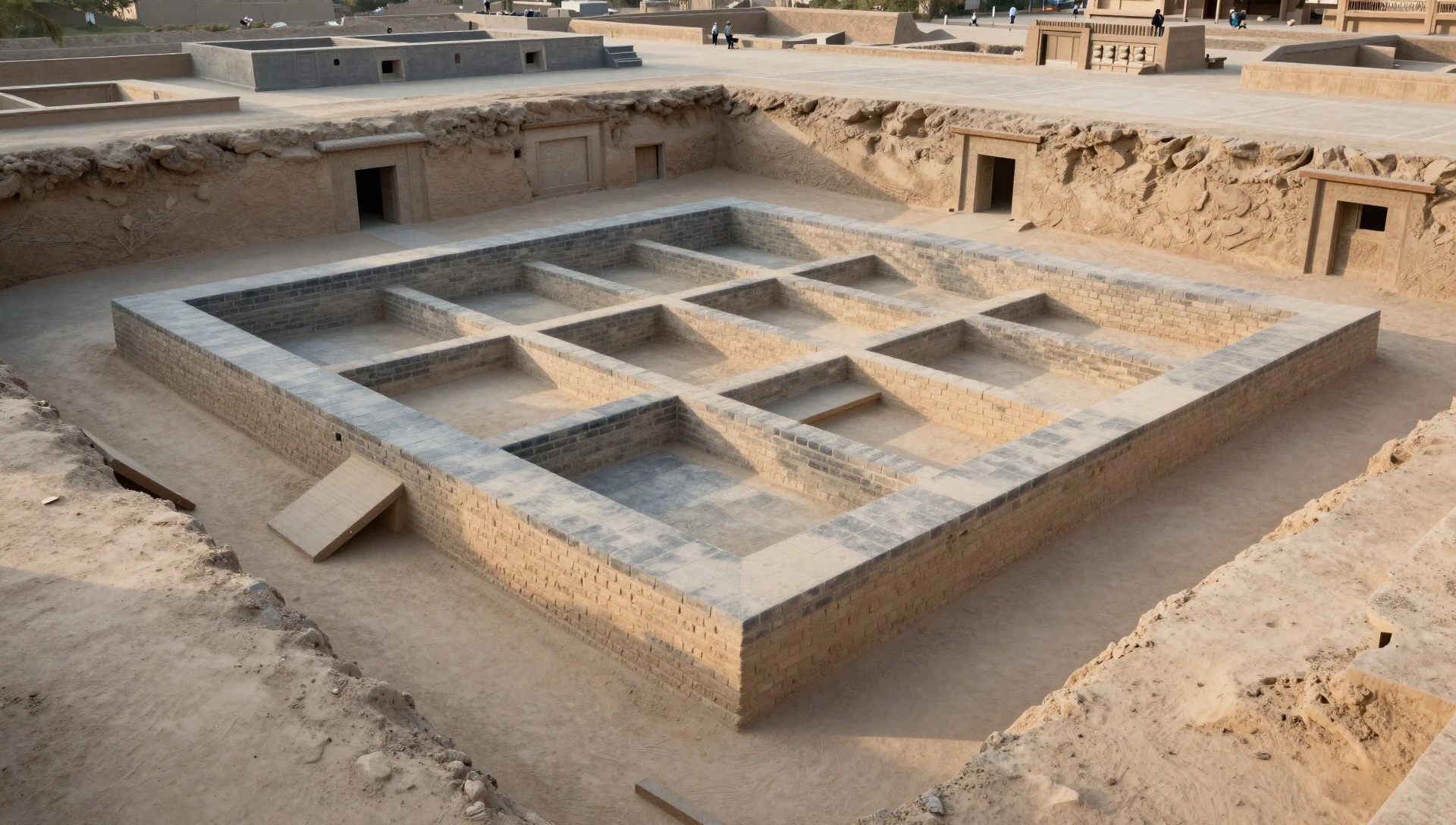
- Central Complex buildings (square and round halls)
Old Nisa’s Central Complex is where you’ll notice multiple building types: a square hall area, a round-hall structure and other blocks. The descriptions suggest ceremonial, religious, and possibly shrine-like roles, even if the exact function of each space remains debated.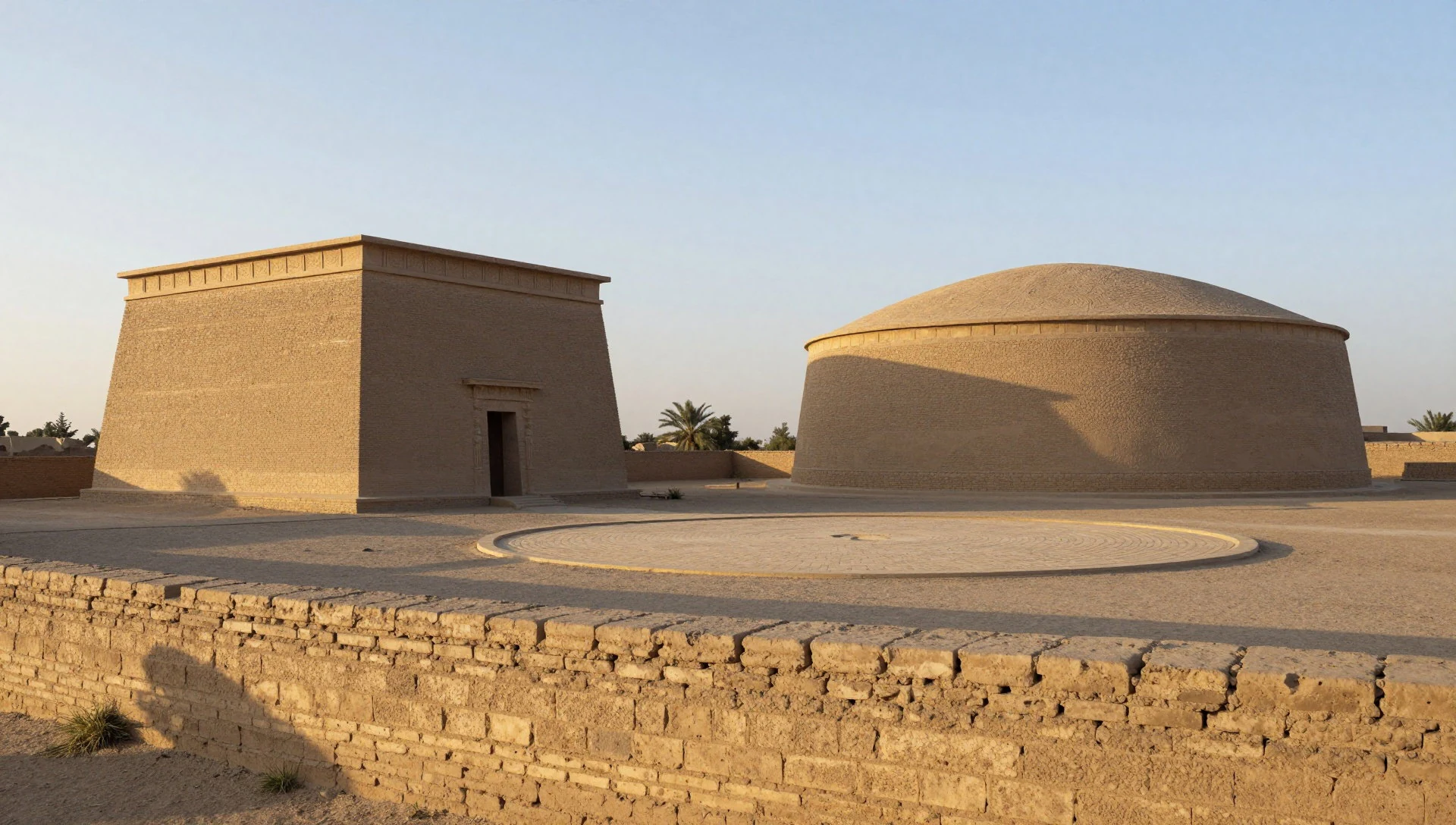
- Tower-like building and museum focus
The tower-like building is laid out with a massive square base and encircled corridors described as dark and lit by narrow windows. Traces of architectural decoration and battle-scene painting are noted, and a small museum of paintings and architectural elements is associated with this area.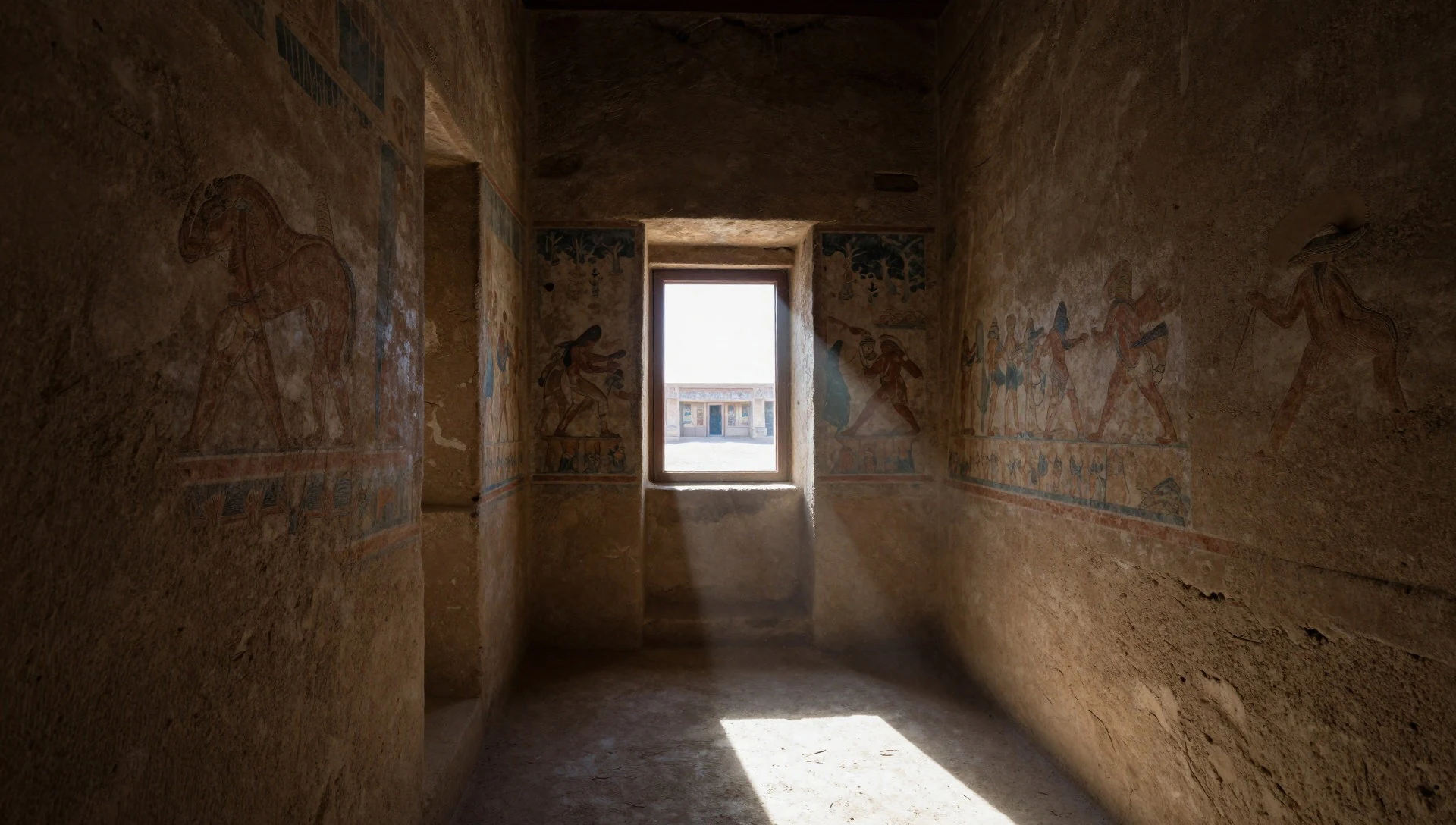
- New Nisa walled tell and entrances
New Nisa lies roughly 1.5 km to the north-west of Old Nisa. It’s a walled tell with a surface area described in the guide material, divided conceptually into upper and lower parts. You can also look out for the two entrance points attributed to Parthian layout.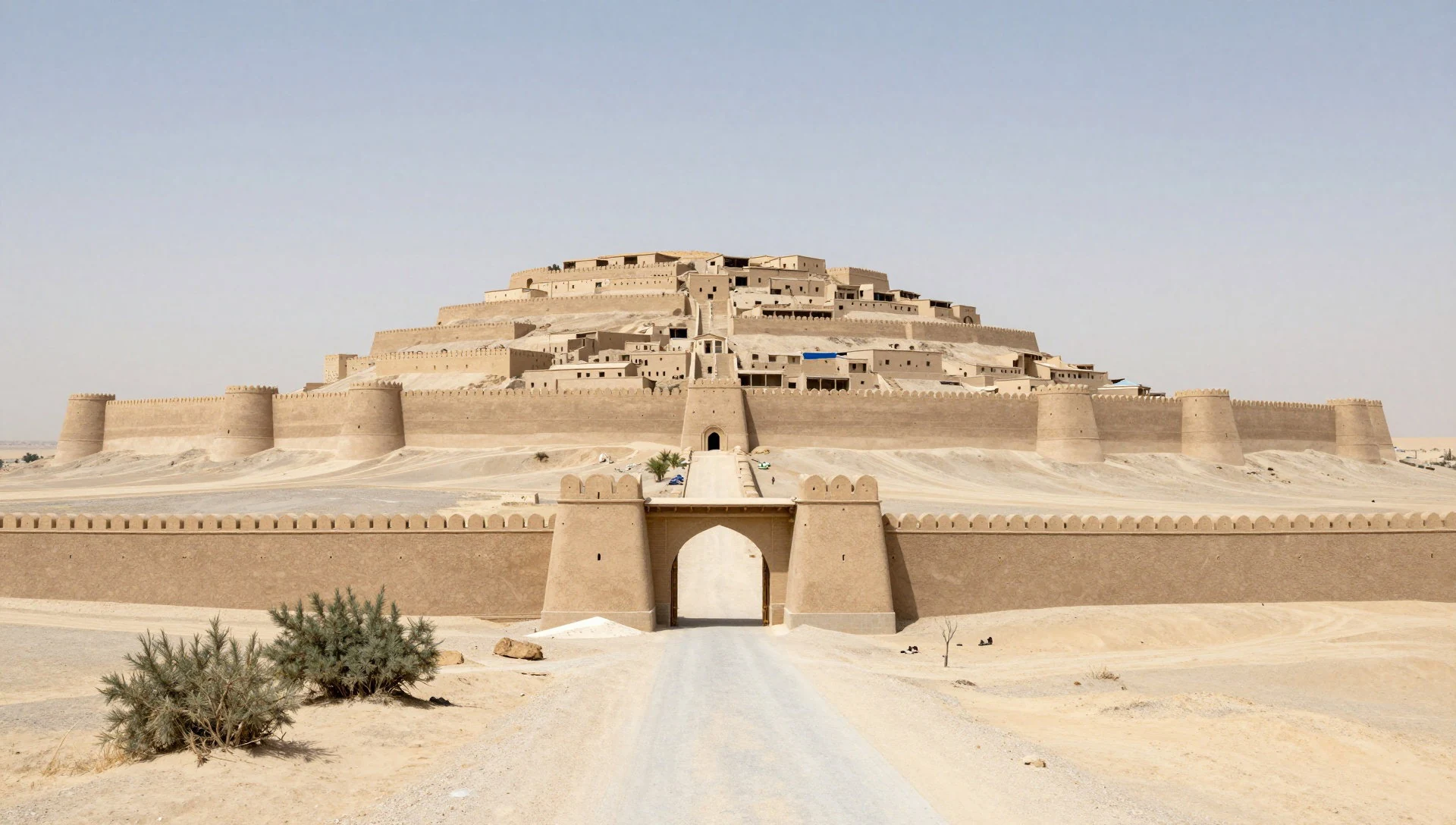
Culture
Nisa is not a city-centre “heritage walk”; it’s an active archaeological landscape. Because the ground is uneven and the structures are partially preserved (and sometimes covered up), visitors often feel like they’re interpreting from fragments: rampart lines, wall remnants, and the shapes of built areas rather than full reconstructions.
The best cultural mindset here is to treat it like a museum without glass—slow down, watch your footing, and let the site’s scale do the talking. Modesty matters too. In many places across Central Asia, heritage spaces are approached as respectful public sites, and local staff may guide access where works or covers are in place.
Photography is usually a normal part of a visit, but do it with common sense: avoid getting in the way of other visitors or blocking routes on narrow paths around the complex. If something is roped off or clearly protected, that’s a cue to stay back.
Nisa is also a reminder that Parthian history isn’t just “old stories”. The site’s ongoing research since the 1990s means new interpretations continue to emerge, so expect that your guide’s explanation might differ from what another person heard years ago.
Visitor etiquette: keep to marked paths, don’t touch protected surfaces, and be discreet with photos near excavated areas and staff.
What to wear
In Nisa, clothing is mainly about practical comfort and respectful coverage, not costume. The Parthian-era setting is archaeological, but the modern visit is still outdoors around earthen ramparts and dusty paths.
Traditional dress in Turkmen contexts is commonly associated with embroidered garments and headwear, with textiles and patterns that vary by region. You may see this more often in everyday styling around town than within the ruins themselves, but it’s worth noting that modesty and neatness tend to be valued in public spaces across the country.
What people actually wear now around Ashgabat and on day trips is usually light, breathable clothing for daytime, plus a layer for cooler morning or evening air. Sturdy footwear is essential: the terrain is uneven and can be slippery after irrigation or rain. A hat and sunglasses are helpful in open areas, and a scarf can double as sun protection and as a modesty layer when entering any museum or guided area.
For visitors: wear long trousers or long skirts, a top with sleeves, and comfortable closed shoes; bring a light jacket for early starts, and cover up if you’re taken near a religiously sensitive space within the complex.
What to eat
- Lagman (hand-pulled noodles) — Ashgabat restaurants and local eateries
Lagman is a familiar Central Asian noodle dish, usually served with rich, spiced broth and vegetables. In Ashgabat, it’s commonly found in local eateries and everyday dining spots, making it an easy post-ruins meal.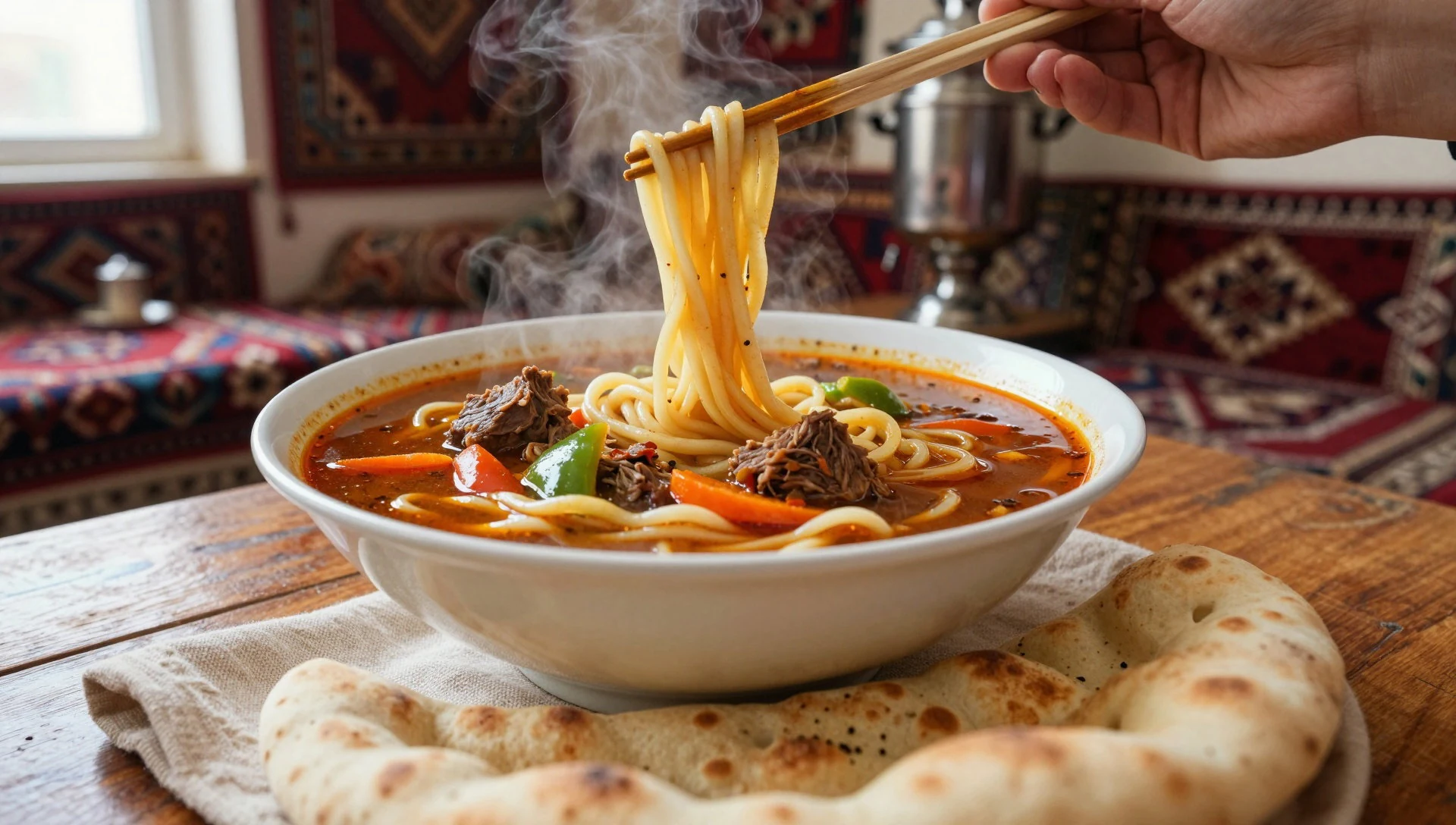
- Plov (pilaf with meat) — casual canteens and traditional meal places in Ashgabat
Plov/pilaf is a hearty rice dish often cooked with meat and carrots, good when the day has involved walking outdoors. You can typically find it in casual canteens and traditional meal places around the main city areas.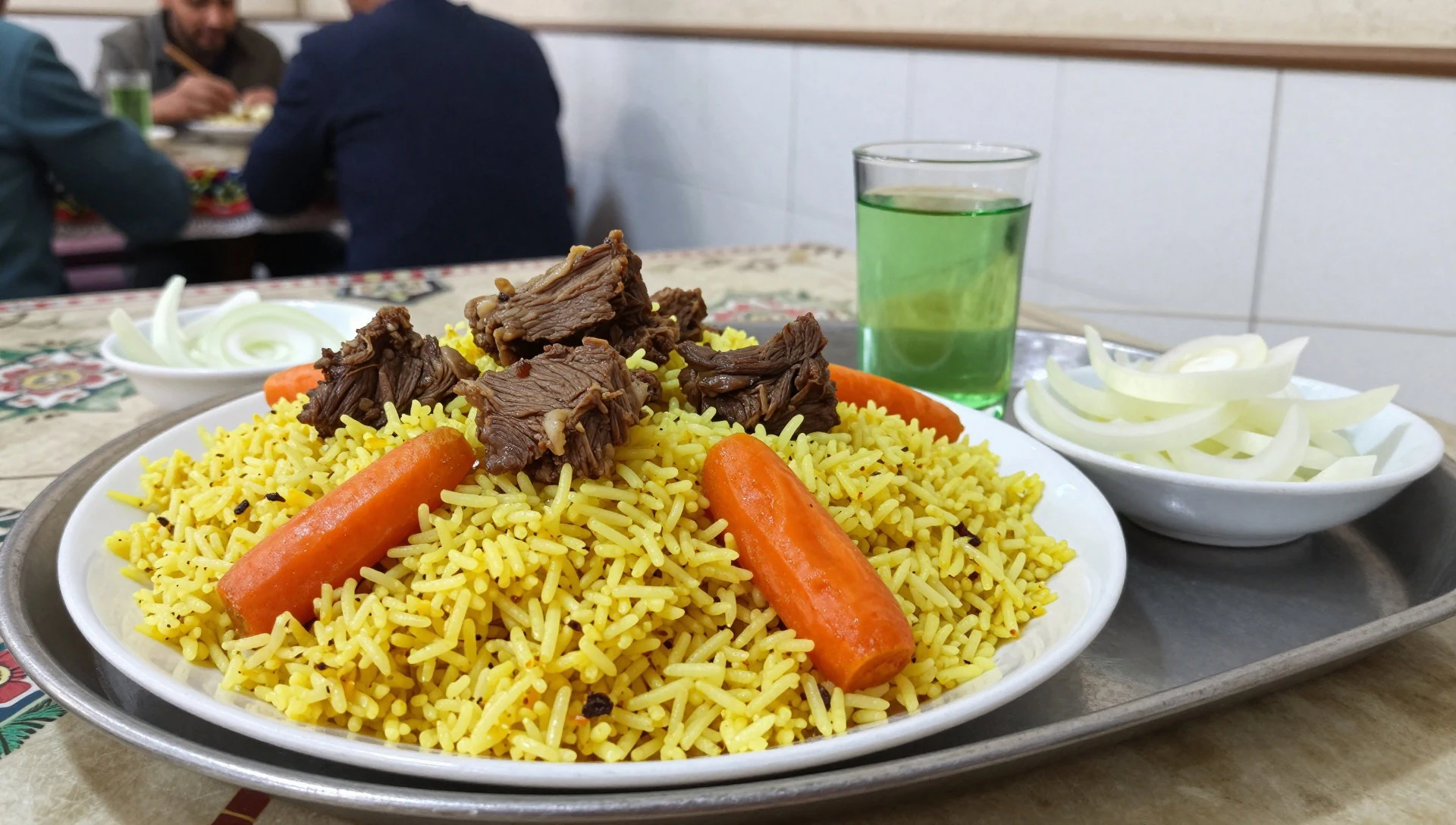
- Shashlik (grilled skewers) — local grills and barbecue-style eateries in Ashgabat
Shashlik—grilled skewers—tends to show up in meat-focused menus and is a popular option when you want something simple and filling after sightseeing. Look for it at local grills and barbecue-style places. - Samsa (baked pastry) — bakeries and snack stalls around central Ashgabat
Samsa is a baked, savoury pastry often filled with meat and spices. It’s the kind of snack that travels well during a day trip, so it’s worth grabbing before heading back out into the countryside. - Green tea or black tea — restaurants and tea houses in Ashgabat
Tea is the default comfort drink in many Central Asian households and restaurants. After heat and dust, a hot cup can still feel right—especially if it’s served with something sweet or light.
Plan it
Best time. March–April and late October–November for more comfortable temperatures and clearer light; the mid-year stretch is hottest, with summer rain staying low.
How long. 2–3
Getting there. Start in Ashgabat. From the western side of Teke Bazaar, buses, marshrutkas and taxis run towards the Bagyr area; the ride to Old Nisa is described as by minibus. With public transport, reach Bagyr village, then walk uphill around 2 km to Old Nisa and the same distance onwards towards New Nisa.
Budget. mid
Tips
- Use an early start: the open, outdoor layout reads best in morning light.
- Plan for uneven ground—wear shoes with grip and expect dust.
- Aim to cover Old Nisa first, then do New Nisa after, as a simple “sequence” for the day.
- If you’re using shared transport from Ashgabat, allow extra time for waiting and settling into the route.
Etiquette
- Stay on paths around excavated areas and avoid stepping onto protected surfaces.
- Be mindful with photography—don’t block access routes or get close to staff working on site.
- Keep voices low in museum-like spaces connected to the complex.
Nearby
In a traveller's words
Nisa (Ancient Greek: Νῖσος, Νίσα, Νίσαιον; Turkmen: Nusaý; also Parthaunisa) was an ancient settlement of the Parthians, located near the Bagyr neighborhood of Ashgabat, Turkmenistan, about 15 km southwest of the city.
— Author, Ask Terra, 2026
Sources
- Wikidata Q854672 (CC0)
- Wikipedia (rev 1364717348) (CC BY-SA 4.0)
- Wikivoyage (rev 5221215) (CC BY-SA 4.0)
- photos/01-nisa.jpg (CC BY 2.5)
- photos/02-nisa-entrance-2015.jpg (CC BY-SA 4.0)
- photos/03-nisa-overview-2015.jpg (CC BY-SA 4.0)
- photos/04-parthian-fortresses-of-nisa-130388.jpg (CC BY-SA 3.0 igo)
- photos/05-parthian-fortresses-of-nisa-130390.jpg (CC BY-SA 3.0 igo)
- photos/06-parthian-fortresses-of-nisa-130389.jpg (CC BY-SA 3.0 igo)
- photos/07-parthian-fortresses-of-nisa-130391.jpg (CC BY-SA 3.0 igo)
- photos/08-nisa-helmeted-warrior-black-background.jpg (CC BY-SA 4.0)
- Gutenberg (voice) (Public domain)


