Ninstints
Ninstints, Canada
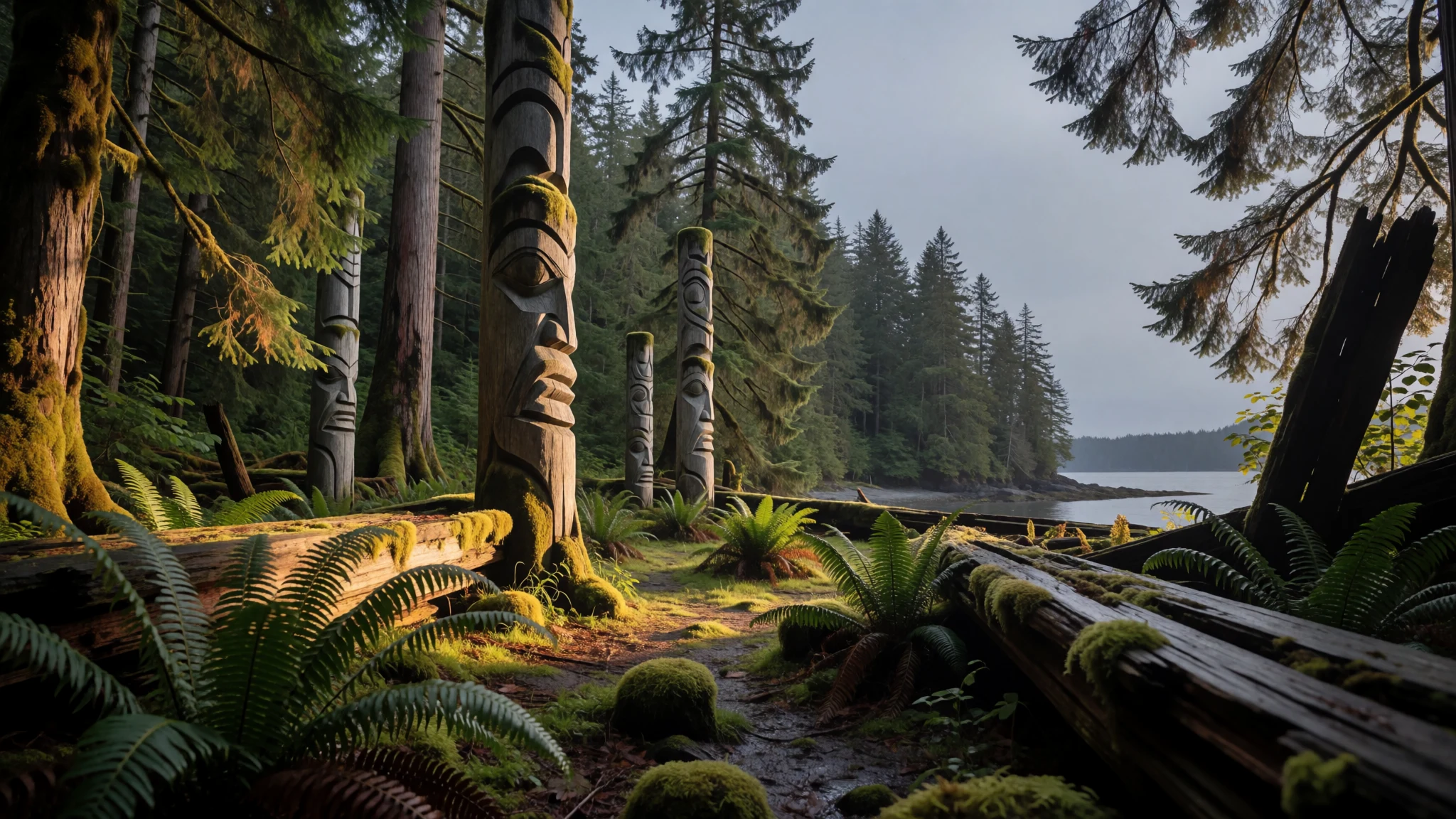
Visit Ninstints to witness monumental Haida carved cedar poles returning to the earth in a remote coastal rainforest.
The place
SG̱ang Gwaay Llnagaay—better known in English as Ninstints—is an ancient Haida village site located on an island within the southern Haida Gwaii archipelago off British Columbia's northern coast. As part of the Gwaii Haanas National Park Reserve and Haida Heritage Site, this coastal settlement is celebrated globally and holds status as a UNESCO World Heritage Site, Canadian National Historic Site, and National Marine Conservation site. The surrounding region of British Columbia carries a complex multicultural character shaped by ancient indigenous nations whose ancestors thrived here for thousands of years, alongside subsequent settlement waves from Europe, Asia, and other parts of North America. Indigenous peoples of the province include various First Nations groups who historically maintained sophisticated sedentary societies along coasts and major rivers, supported by the immense seasonal abundance of salmon and rich ecological resources. The coastal landscape itself is defined by damp maritime weather, rugged shorelines, and dense temperate rainforests where ancient cedar trees dominate the terrain. Reaching this isolated location requires traversing remote waters where weather can shift rapidly, making travel an expedition into the heart of the Pacific Northwest wilderness. The physical remains of the village stand as a powerful testament to a resilient maritime culture that has maintained a profound spiritual and stewardship connection to these islands across generations.
Its story
Archaeological evidence demonstrates that Haida Gwaii has been inhabited for thousands of years, with ancestral territories of the Haida stretching north into southern Alaska. The specific village site of SG̱ang Gwaay Llnagaay dates back centuries, reflecting a long-established coastal way of life. The people who occupied this southern archipelago are known as the Kunghit Haida, whose traditional territory extended from Lyell Island down to the furthest southern tip of the islands. Historically, the Kunghit Haida maintained numerous permanent villages alongside seasonal camps positioned near vital resource gathering areas. Early ethnographic records, including testimony documented by John R. Swanton, recorded scores of traditional longhouses standing along the shoreline, housing large extended families and reflecting complex social hierarchies. Larger villages accommodated sizeable populations supported by marine harvesting. The last chief to be born in Ninstints was Thomas Price, a renowned and highly skilled carver whose artistic legacy includes remarkable work in argillite. In the post-contact era, SG̱ang Gwaay Llnagaay became a notable stop during early maritime fur trading voyages. The village was visited by European explorers such as George Dixon, who documented local Haida paddlers meeting ships at sea to trade valuable sea otter pelts. Over subsequent decades, introduced diseases and colonial pressures drastically reduced the indigenous population, leading to the abandonment of permanent settlement at the site, though the descendants of the Haida nation continue to protect and honour their ancestral homelands today.
What to see
- SG̱ang Gwaay Llnagaay Village Remains — Ninstints site
Walk softly among the weathering remnants of ancient cedar longhouse foundations and moss-draped mortuary poles. These carved monuments are left to return naturally to the forest floor, demonstrating traditional cyclical philosophies of decay and renewal within the moist coastal environment.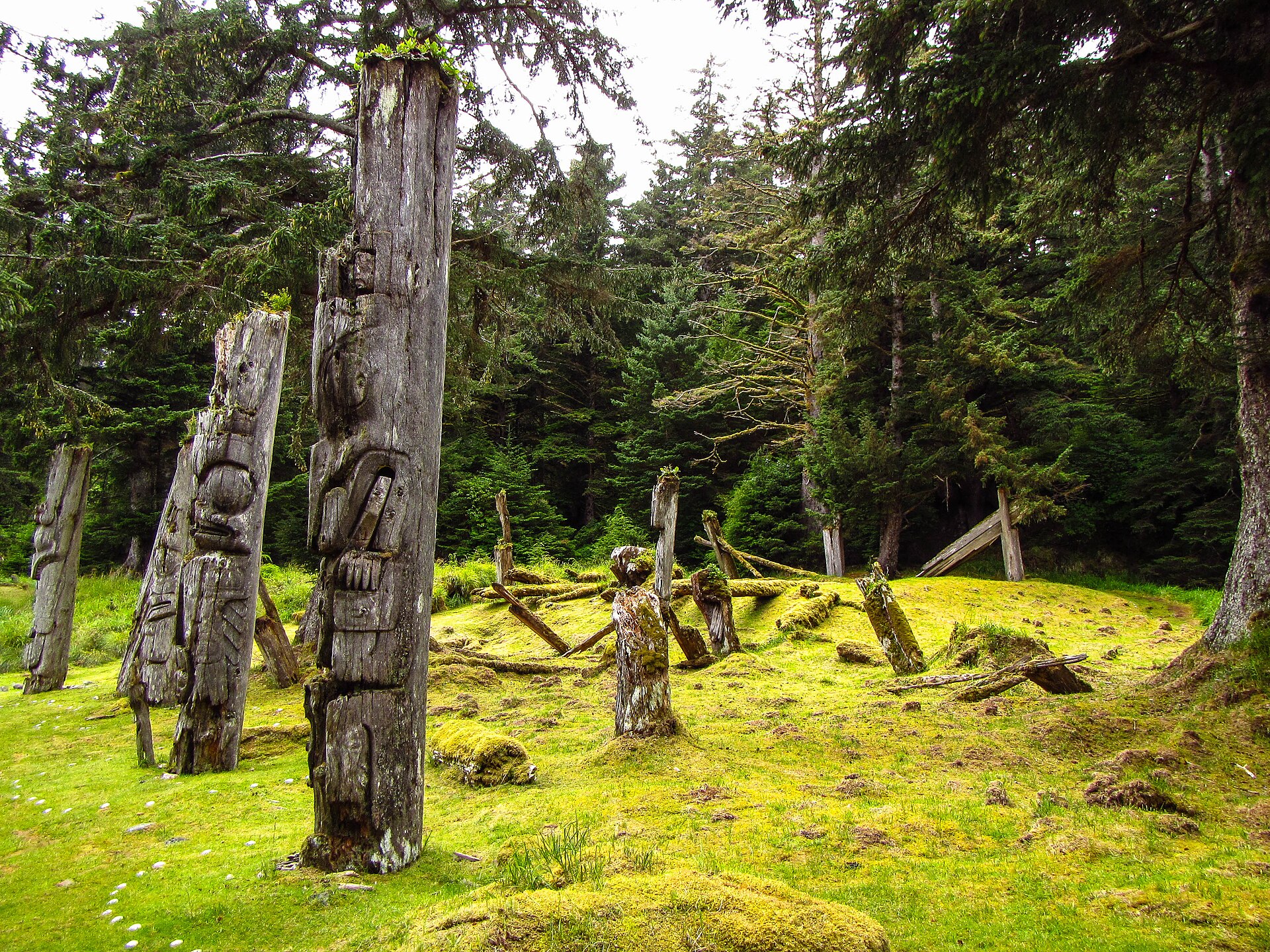
- Gwaii Haanas Coastal Waters — Gwaii Haanas National Park Reserve
Navigate the sheltered marine channels and rocky islets that define the national park reserve. The surrounding waters support abundant marine life, including seabirds, marine mammals, and rich kelp forests that sustained coastal communities for millennia.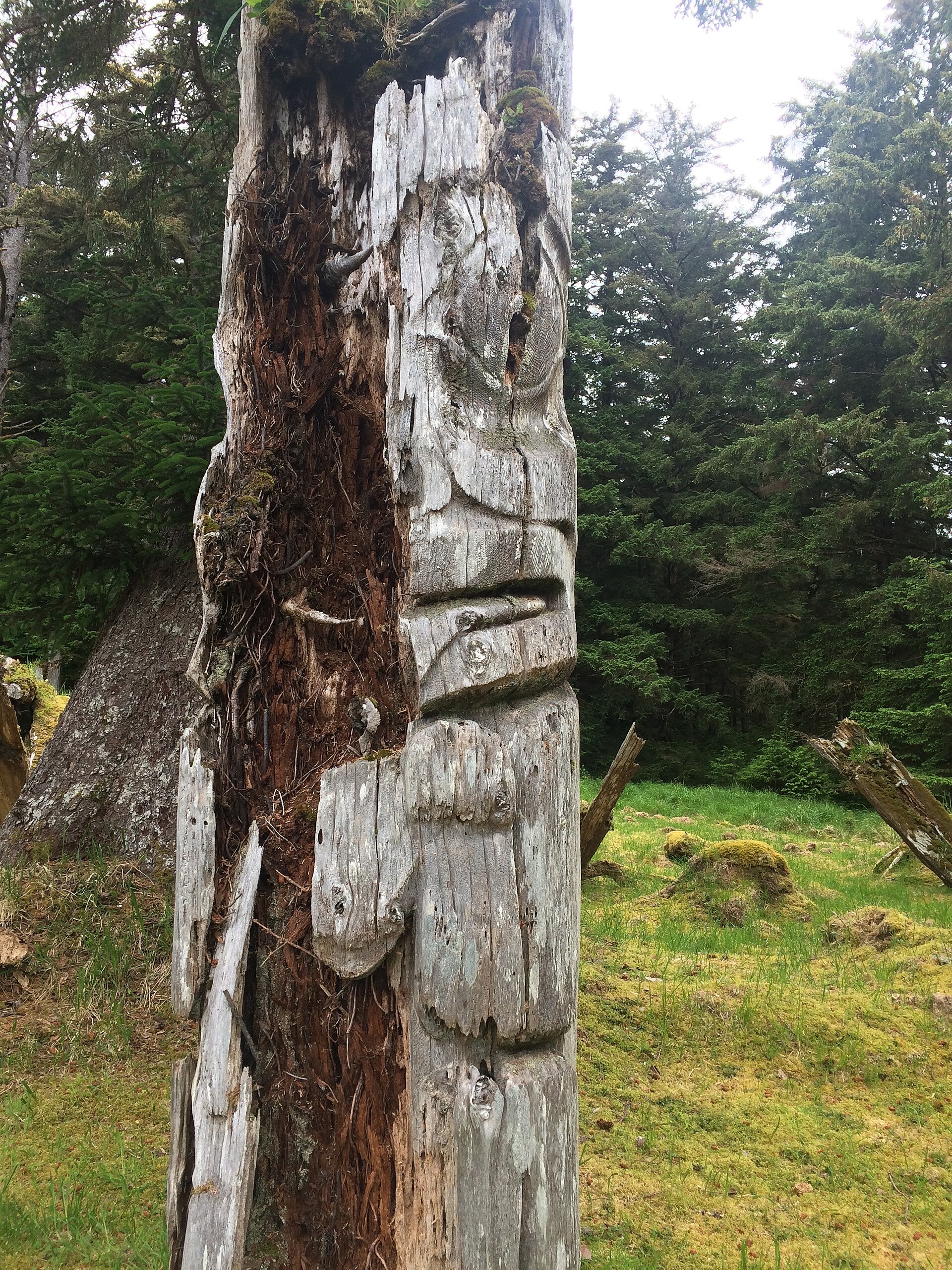
- Temperate Rainforest Fringe — Southern Haida Gwaii
Observe the dense stands of old-growth cedar, spruce, and hemlock clinging to the rugged shorelines. The damp oceanic climate fosters lush undergrowth, ferns, and mosses that blanket the landscape around the historic village ruins.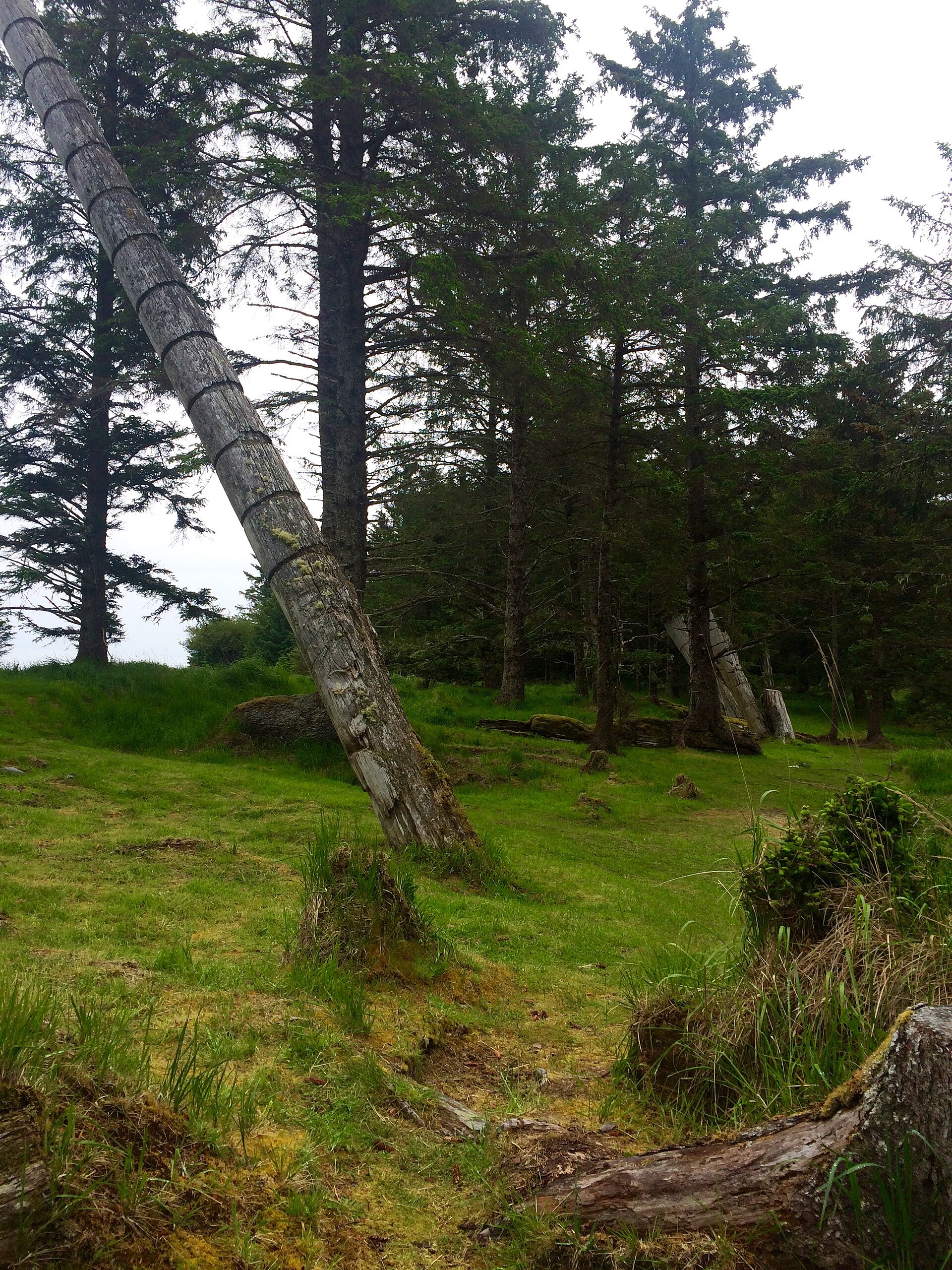
- Carved Monumental Poles — Ninstints shoreline
Examine the intricate artistic details carved into standing and fallen cedar poles by master artisans. The iconography reflects crests, ancestral histories, and mythological narratives central to Haida society.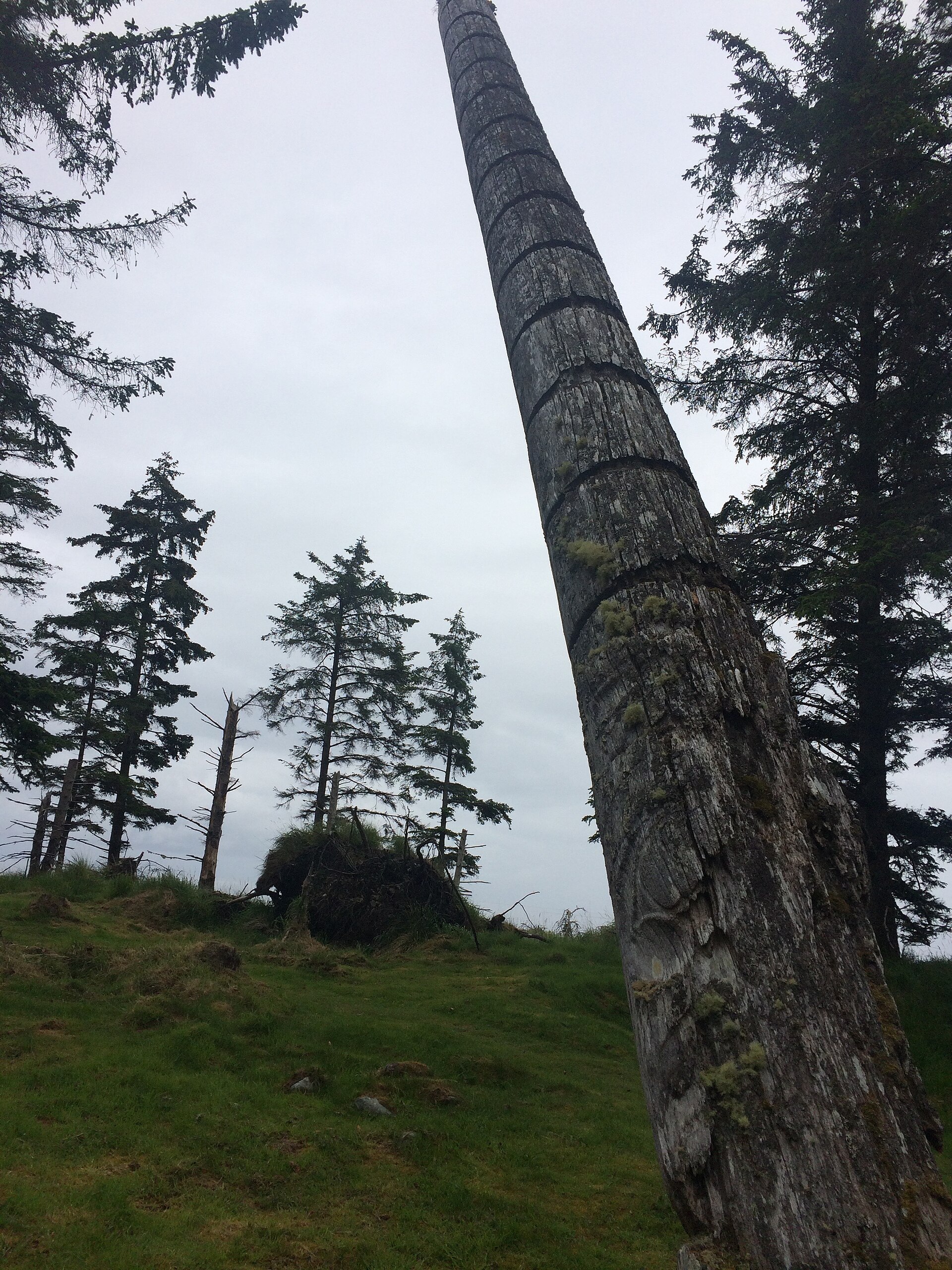
Culture
The cultural fabric of Haida Gwaii is inextricably linked to the First Nations peoples who have inhabited these islands since time immemorial. Haida society is built upon deep kinship systems, oral histories, artistic mastery in wood and argillite, and an unbroken stewardship responsibility for the land and sea. Contemporary First Nations communities across British Columbia maintain vibrant traditions while navigating modern governance and cultural revitalization. Visitors to heritage sites on the islands enter sovereign ancestral territories that demand the utmost respect. Guardians and Watchmen often look after special cultural sites, sharing oral histories and ensuring visitors understand the spiritual significance of the landscape. Respect local heritage by listening to cultural guides, never touching fragile carved wooden monuments, and keeping voices moderate while touring sacred village areas.
What to wear
Traditional Haida regalia features garments crafted from woven cedar bark, mountain goat wool, and sea mammal pelts, often adorned with traditional formline designs and crest motifs worn during significant ceremonies and potlatches. In everyday contemporary life across British Columbia, people dress in practical, casual clothing suited to changing weather conditions, including jeans, fleece jackets, and sturdy footwear. For a visitor exploring the remote coastal environment of Haida Gwaii and Ninstints, clothing must be functional and weather-resistant. Pack waterproof outer shells, layered fleece or wool garments, quick-drying trousers, and robust, broken-in hiking boots or rubber boots capable of handling damp shorelines, uneven forest trails, and muddy paths.
What to eat
- Pacific Salmon — Coastal seafood markets and local eateries
Savour fresh wild salmon, a cornerstone of coastal indigenous diets for thousands of years. It is traditionally prepared grilled, baked, or smoked over open fires, showcasing the pristine quality of regional fish. - Geoduck — Seafood restaurants across coastal towns
Try local geoduck harvested from the cold, nutrient-rich coastal waters of British Columbia. This large burrowing clam is prized for its sweet, crunchy texture in seafood dishes. - Nanaimo Bar — Bakeries and cafes throughout the province
Taste the famous provincial dessert consisting of a crumb wafer base, custard-flavoured butter icing, and a layer of melted chocolate on top, originating from Vancouver Island. - Asian Dumplings and Noodles — Urban food courts and regional night markets
Explore diverse culinary offerings in metropolitan food hubs and suburban night markets, where authentic Chinese and East Asian dishes reflect the province's multicultural heritage.
Plan it
Best time. June to September offers the most stable maritime weather, calmer seas for boat travel, and accessible conditions for exploring the remote southern islands.
How long. 2–3
Getting there. Travel by regional flights or ferry to Haida Gwaii, then arrange specialized boat or charter transport through authorized operators into Gwaii Haanas National Park Reserve to reach Ninstints.
Budget. high
Tips
- Check weather conditions and book transport with licensed local operators well in advance
- Prepare for remote wilderness conditions where emergency services are distant
- Pack comprehensive waterproof gear and sturdy boots for wet terrain
- Accommodate flexible itineraries because coastal storms can delay boat travel
Etiquette
- Never touch or climb upon ancient carved totem poles and wooden structures
- Follow instructions from Haida Watchmen stationed at cultural heritage sites
Nearby
Sources
- Wikidata Q240832 (CC0)
- Wikipedia (rev 1372218432) (CC BY-SA 4.0)
- Wikivoyage (rev 5400129) (CC BY-SA 4.0)