Vancouver
Vancouver, Canada
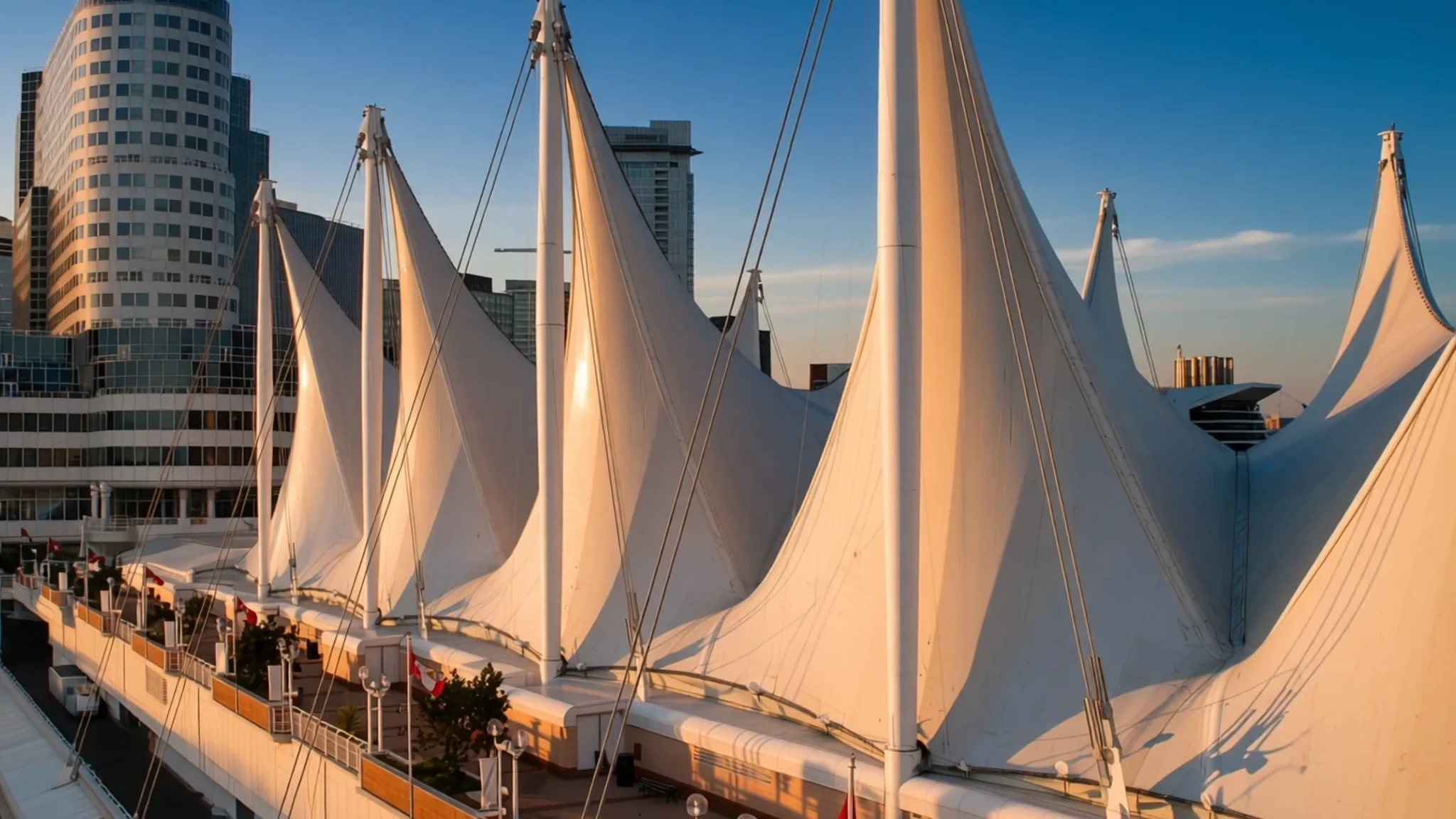
Mountains, sea and a relaxed city with good food, where an easy walk from downtown reaches the water.
The place
Vancouver is a port city on Canada's Pacific coast, set in the Lower Mainland of British Columbia, with mountains rising behind it and water on several sides. It is the largest city in the province, home to 662,248 people at the 2021 census, and it sits close to sea level. The wider Greater Vancouver area is the third-largest metropolitan area in Canada, and the city itself has the highest population density in the country. That density shows in the glass towers of the central business district and the compact streets of the West End. Asian, South Asian, European and Indigenous communities all shape daily life, so food, festivals and shops change noticeably from one neighbourhood to the next. The city is often ranked among the most liveable in Canada, and it is also among the most expensive places to rent or buy a home. Much of its appeal lies outdoors. Stanley Park sits almost within the downtown core, the seawall links beaches and marinas, and the North Shore mountains are a short trip away. The climate is mild and wet, with most of the rain falling in the cooler months, so the city often looks greener than visitors expect.
Its story
Vancouver's story begins long before the city had its name. Digs and archaeological finds show that people had lived on this coast for thousands of years before Europeans arrived. The Squamish, Musqueam and Tsleil-Waututh (Burrard) peoples, all part of the Coast Salish group, kept villages across the land the city now covers, at places such as Stanley Park, False Creek, Kitsilano, Point Grey and the mouth of the Fraser River. Their connection to these shores remains central to local identity today.
European contact came slowly. In 1791 the Spanish explorer José María Narváez charted the coast of Point Grey and parts of Burrard Inlet. In 1808 the North West Company trader Simon Fraser and his crew travelled down the Fraser River, probably as far as Point Grey, and became the earliest recorded Europeans to reach the area where the city now stands.
The land stayed quiet for decades. The Fraser Gold Rush of 1858 brought a rush of prospectors, mainly from California, to New Westminster, which was founded on the river in 1859. Most of them pressed on towards the canyon and the gold fields, bypassing the site that would become Vancouver. Before 1862, no Europeans had settled here; the first to do so were McCleery's farmers on the Fraser River, on land east of the Musqueam village site in today's Marpole.
The city was founded in 1886 and grew quickly around the railway and the port. Gastown, the original townsite, still holds restored brick buildings from that boom, and the downtown core has Art Deco landmarks that recall the city's early commercial life.
What to see
- Stanley Park — West End, at the tip of the peninsula
Stanley Park is the city's most popular attraction, a large forested park at the tip of the downtown peninsula. Its seawall path follows the shoreline past beaches and views across the water, and it is easy to spend a full morning walking part of it. The Vancouver Aquarium sits within the park, and Theatre Under the Stars performs musicals in summer at Malkin Bowl.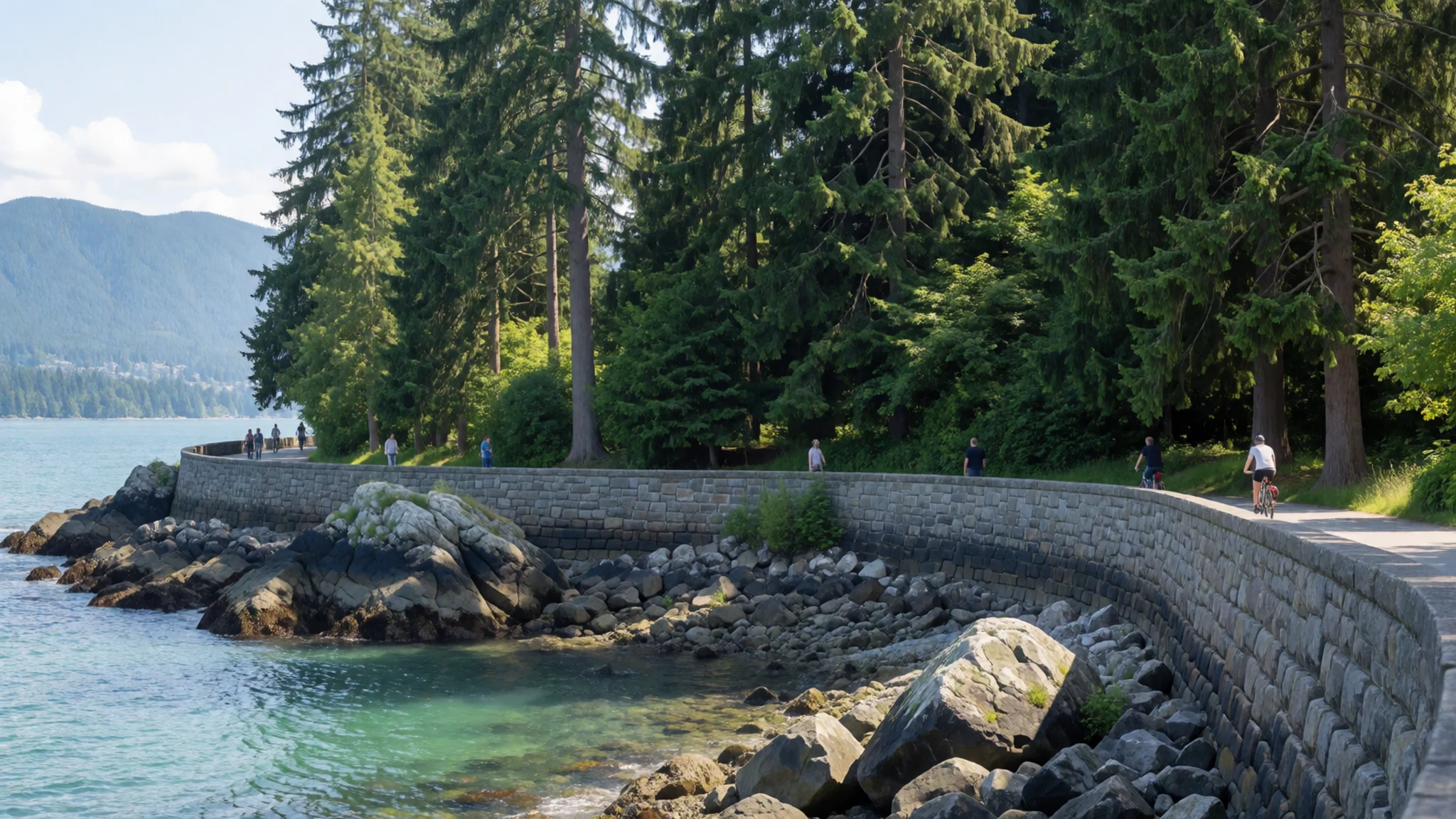
- Canada Place — Downtown waterfront
Canada Place is the landmark on the harbour, recognised at once by its distinctive sails. Its promenade gives views across Burrard Inlet towards the North Shore mountains, and the Olympic Cauldron stands nearby. The building is a useful reference point for the central business district, with the old railway-era Hotel Vancouver a short walk away.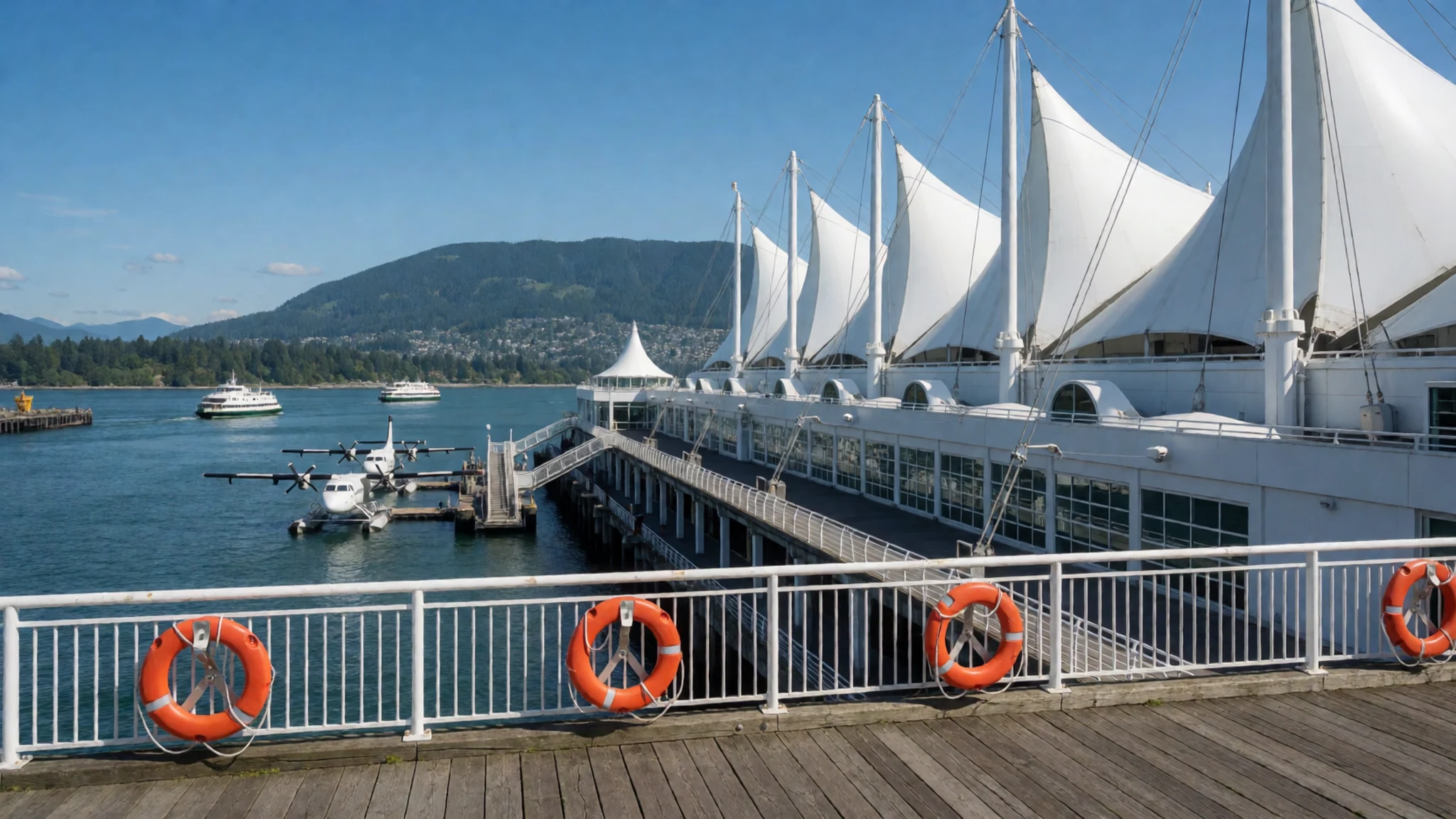
- Gastown and the steam clock — Gastown, along Water Street
Gastown is the original townsite of Vancouver, a neighbourhood of restored brick buildings close to the water. The steam clock on Water Street is the spot most people head for, sounding a whistle and chimes at regular intervals and drawing a crowd. Shops, cafés and bars fill the old buildings, and the area feels liveliest in the evening, when the lamps are on and the pavements are busy.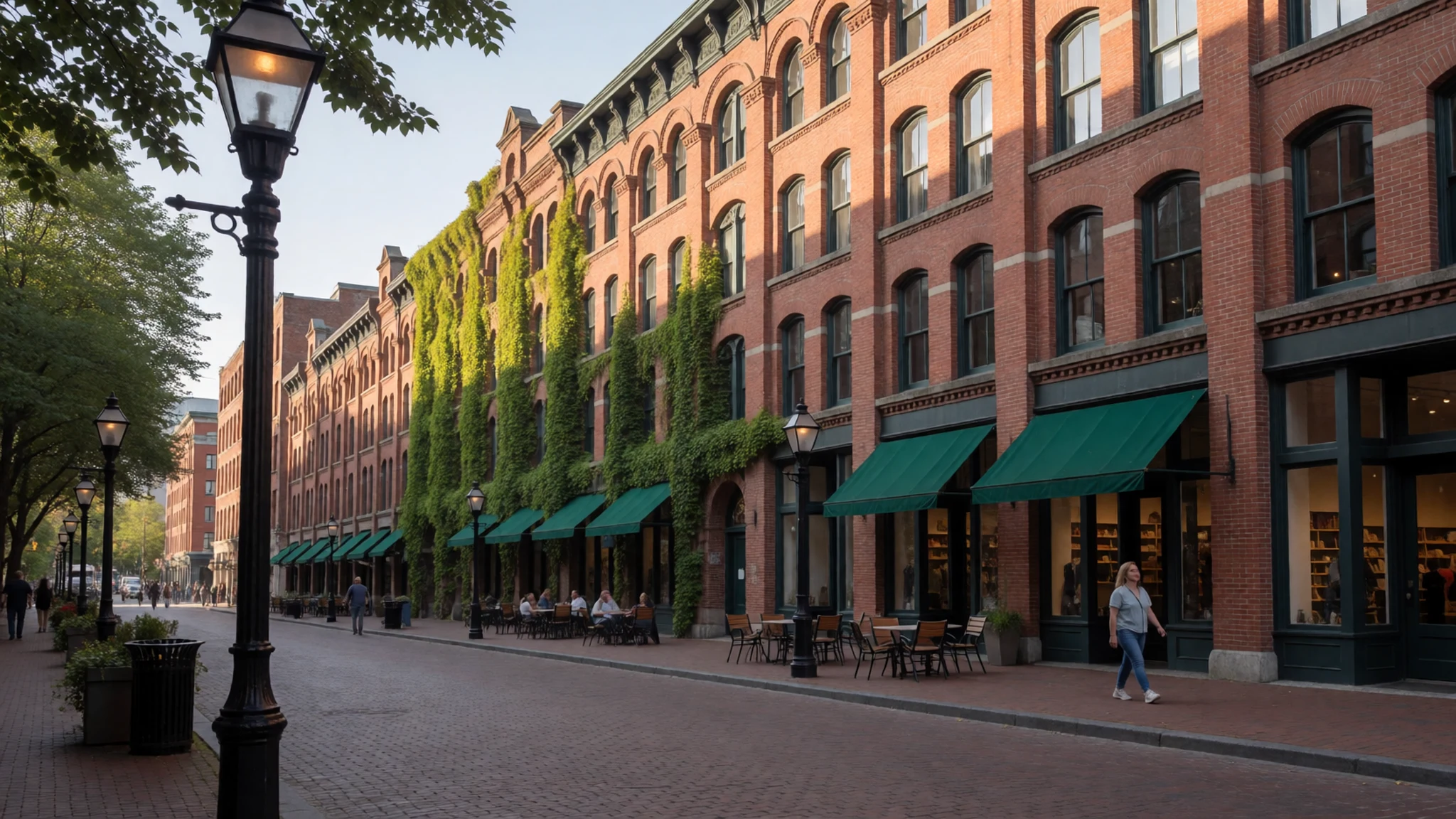
- Vancouver Art Gallery — Downtown, on Robson Street
The Vancouver Art Gallery holds a broad collection of Canadian and international art, with work from British Columbia well represented. Its downtown building on Robson Street makes it an easy stop between shopping and the waterfront. Exhibitions change through the year, so check the official site for current shows, opening times and any admission charge before a visit.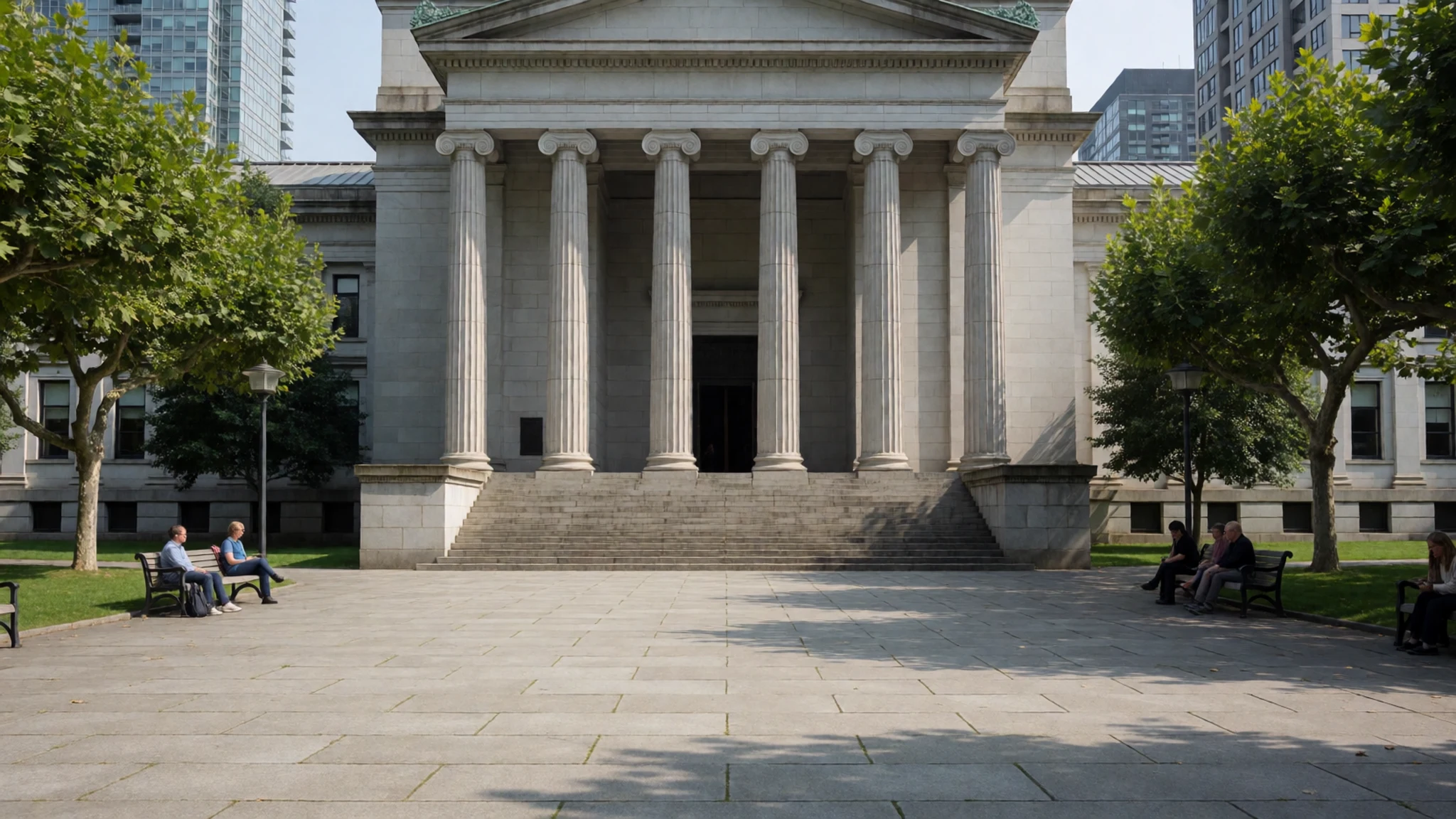
- Science World — False Creek, east of downtown
Science World sits inside a geodesic dome beside False Creek, at the eastern edge of the downtown waterfront. Its hands-on galleries are built for children, and the dome is visible from many points around the creek. Exhibits and any timed-entry arrangements change, so check the official site for current details before a visit.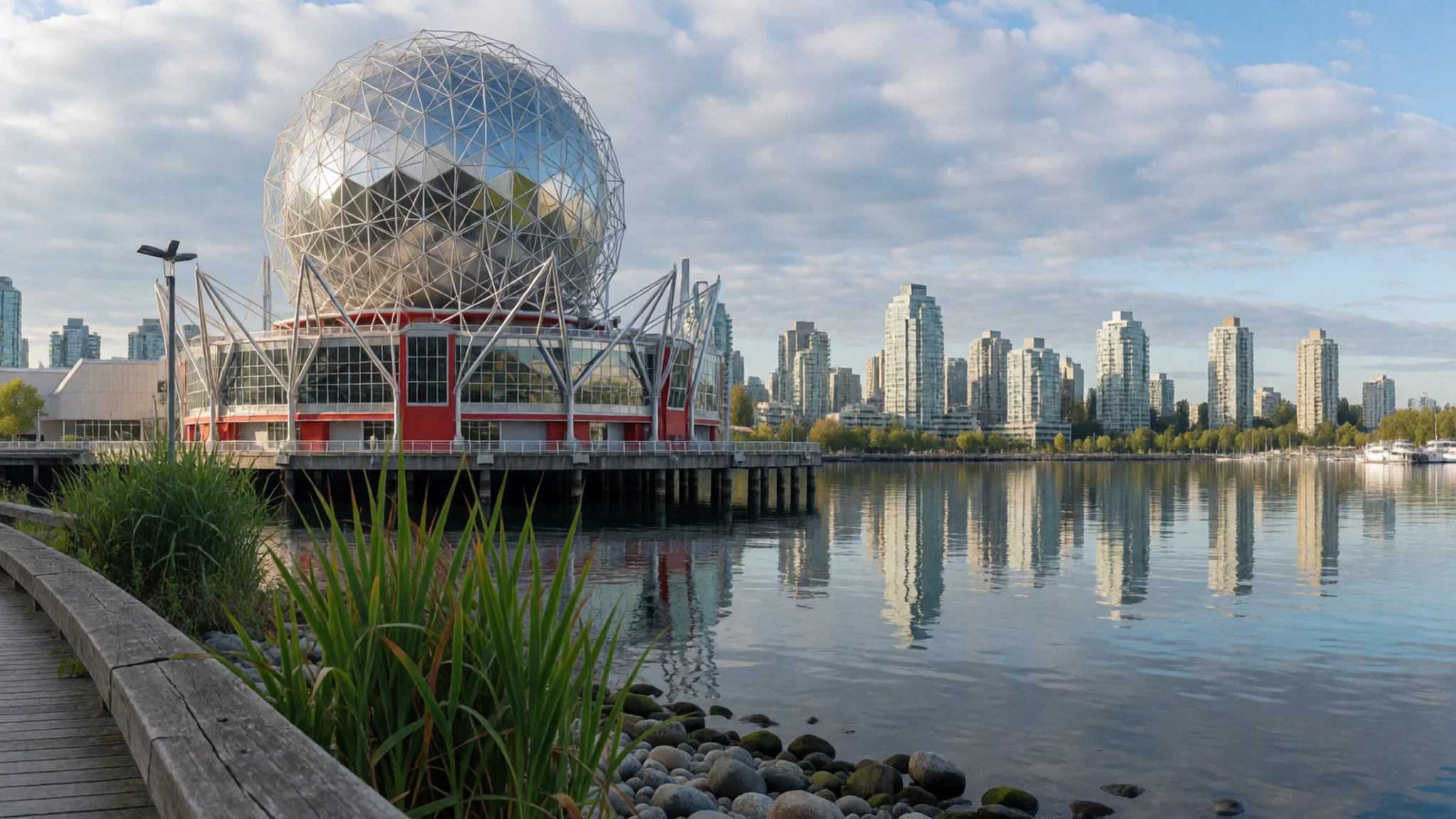
Culture
Vancouver's culture is shaped by its mix of communities and by an outdoor habit that runs through daily life. Theatre is strong here: the Arts Club Theatre Company runs several venues, including one on Granville Island, and Bard on the Beach stages Shakespeare outdoors each summer. The PuSh International Performing Arts Festival in January and the Vancouver Fringe Festival in September bring experimental work to smaller stages. Ballet BC performs mainly at the Queen Elizabeth Theatre. Indigenous culture is part of everyday life, with Coast Salish nations hosting public events and carving and weaving visible in galleries and public art. Many residents are friendly but unhurried, so lineups for cafés and buses can be long, and tipping at restaurants and bars is expected. When attending a First Nations ceremony or community event, ask before photographing people and avoid touching carvings or artworks unless invited to do so.
What to wear
Traditional dress in the Vancouver area is tied to the Coast Salish peoples, whose textiles are among the most distinctive in the region. Weavers traditionally worked cedar bark and mountain goat wool, sometimes with dog hair, into blankets, hats and robes. Salish wool weaving continues today, often with patterns that carry family or clan stories, and cedar bark hats and woven capes appear at ceremonies and public events. Regalia is worn with pride on special days, and it is treated as meaningful rather than as costume.
Everyday dress in the city is practical and informal. Locals wear layers, waterproof jackets, jeans and comfortable trainers, and the look mixes outdoor gear with office wear. People dress quickly for rain and rarely dress up for restaurants.
For a visit, pack a waterproof shell, a warm mid-layer and shoes with good grip for wet pavements and forest trails. Summer evenings by the water can turn cool, so a light jacket helps. Modest dress matters mainly at religious sites and some ceremonies, where shoulders and knees should be covered. At Indigenous events, plain and neat clothing shows the most respect.
What to eat
- Dim sum — Chinatown tea houses and the large dining rooms of Richmond
Dim sum arrives on steam carts or small plates, which makes it ideal for a long, lazy brunch. Steamed dumplings, barbecued pork buns and sticky rice wrapped in lotus leaf are typical choices. Weekend mornings are busiest, so go early and expect lineups.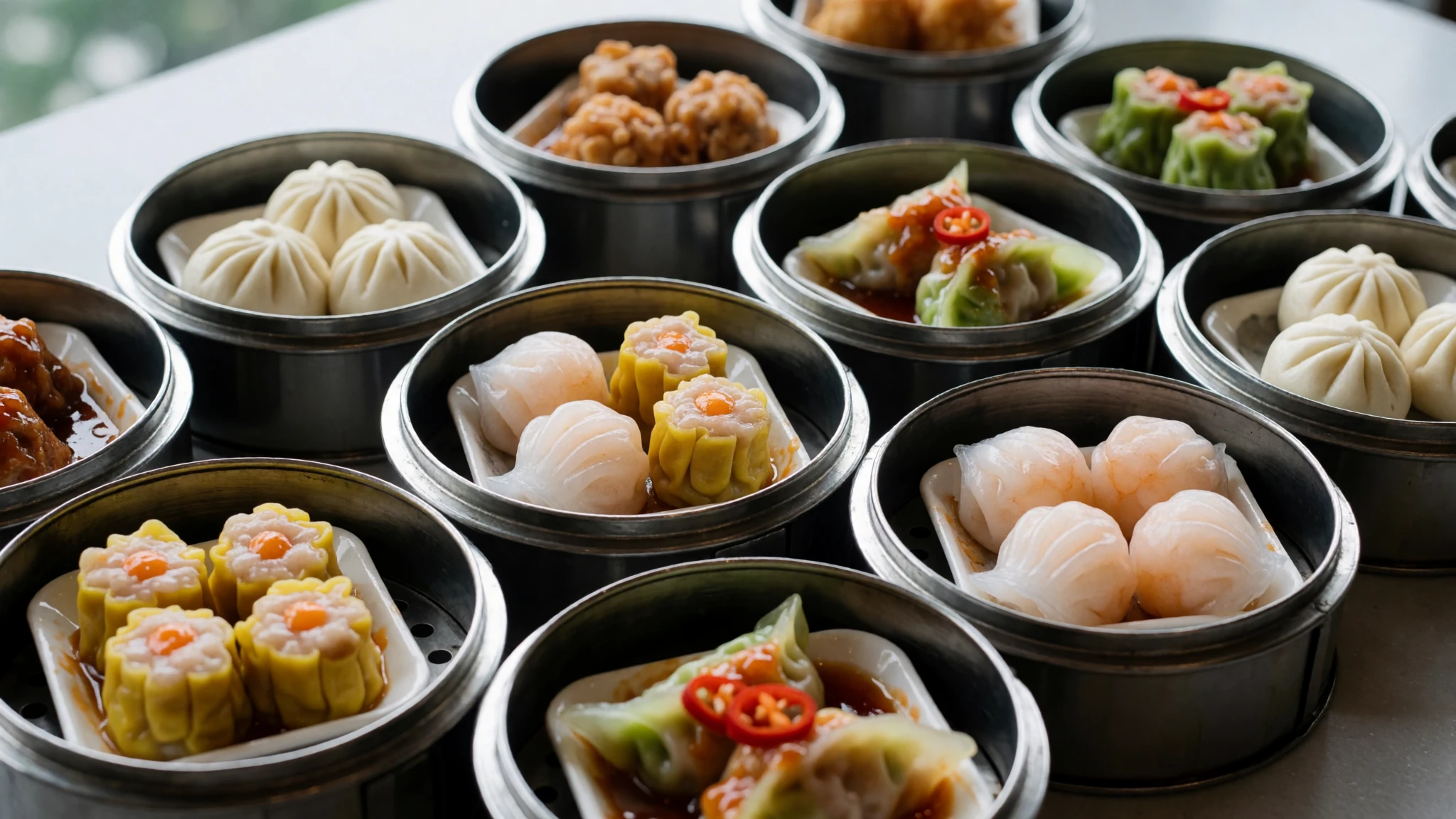
- Sushi — Downtown counters and the historic Japanese quarter along Powell Street
Vancouver has a large sushi scene, from neighbourhood counters to casual lunch bars. Local kitchens often use Pacific salmon, tuna and prawns, and the freshest fish tends to appear at counters with a steady flow of regulars. Quality varies widely, so choose busy places.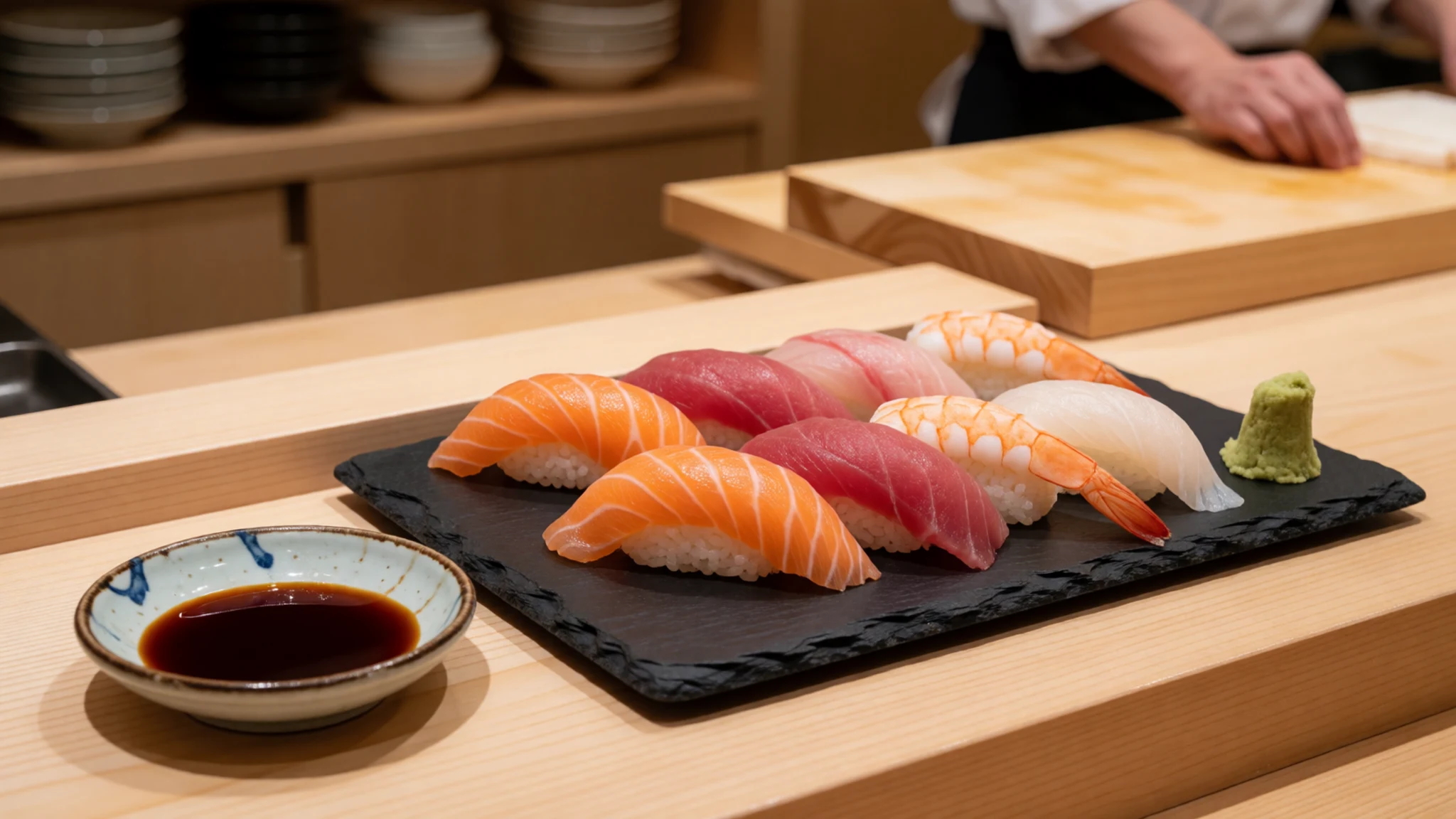
- Japadog — Street carts in the downtown core
A Vancouver street food invented locally rather than in Japan, the Japadog is a hot dog topped with nori seaweed and Japanese mayonnaise. Carts cluster in the downtown core, especially near the busiest shopping streets and the waterfront. Eat it standing on the pavement, and expect a line at lunchtime.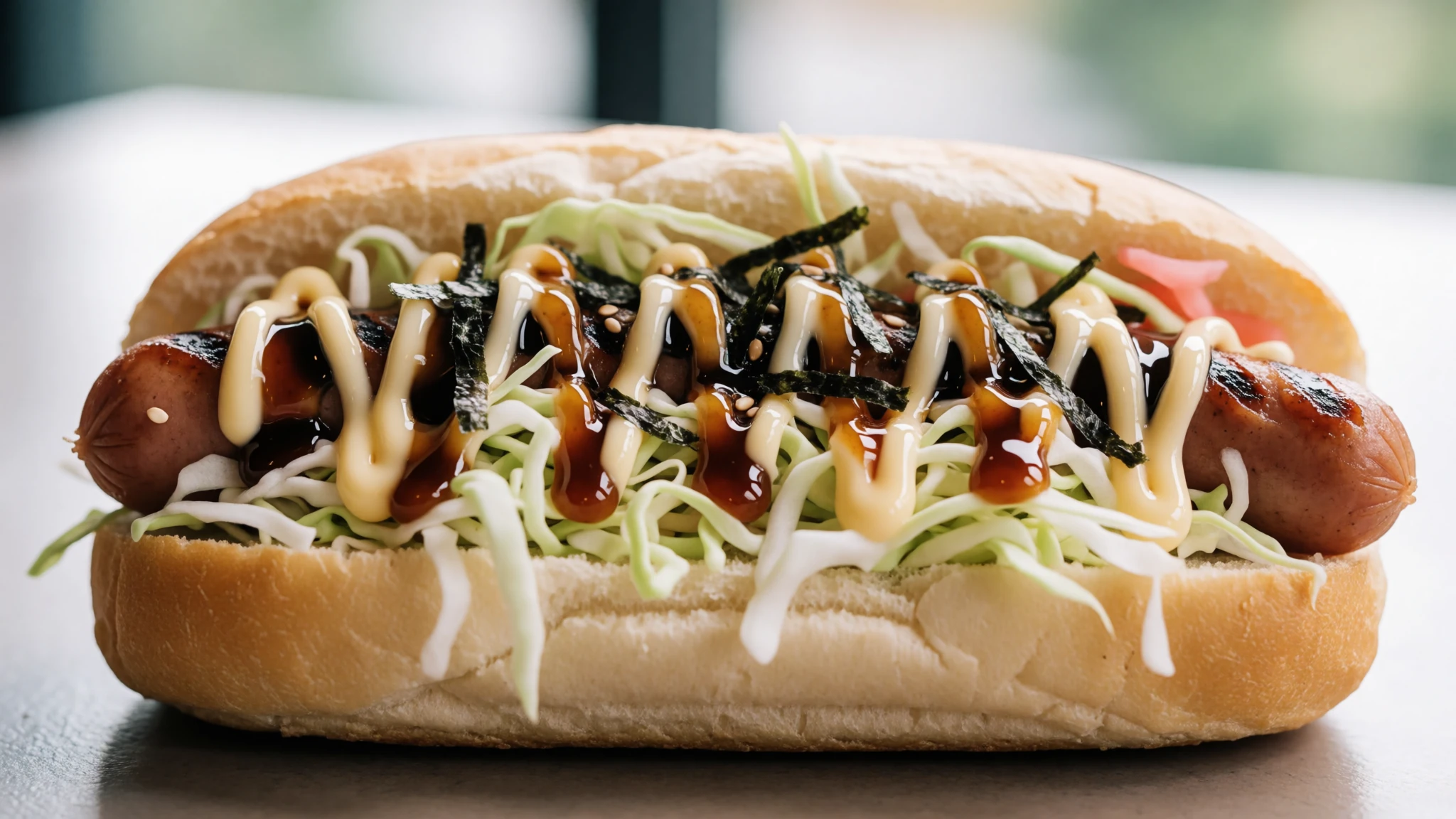
- Punjabi curry — The Punjabi Market stretch of Main Street, and Surrey's South Asian districts
The city's large Punjabi community supports restaurants serving butter chicken, dal, saag and fresh roti. Kitchens along the Punjabi Market stretch of Main Street serve hearty, simple meals, and the South Asian shopping districts of Surrey offer more of the same. Heat levels vary between cooks, so ask for mild or medium if spice is a concern. - Pacific salmon — Granville Island Public Market and waterfront restaurants
Wild Pacific salmon appears on menus across the city, grilled, smoked or cured. Shops in the Granville Island Public Market sell smoked salmon by the piece, and waterfront restaurants serve the fish with local greens. Choose a place that names the species and the fishing method on the menu.
Plan it
Best time. Late spring to early autumn is the most dependable window, with June to August bringing the driest weather, long days and the clearest mountain views. Expect rain from late autumn through winter, and grey spells that can last for days.
How long. 2–3
Getting there. Fly into Vancouver International Airport (YVR), then take the Canada Line SkyTrain straight into downtown, which takes about 25 minutes, plus a $6.50 airport surcharge on top of the base fare. Taxis from the airport charge fixed fares to downtown zones.
Budget. high
Tips
- Book central accommodation early for summer, when rates climb sharply
- Walk the seawall in Stanley Park early in the morning for quieter paths
- Carry a rain jacket year-round, since showers arrive quickly
- Tap a contactless bank card on transit to avoid buying separate tickets
- Book weekend dim sum and popular waterfront restaurants ahead
- Check the official site for attraction opening times and admission
Etiquette
- Keep to one side of the seawall, and give cyclists room, since they have priority
- Ask before photographing people at Indigenous ceremonies or cultural events
- Stand to the right on escalators and let people pass on the left
Nearby
Sources
- Wikidata Q24639 (CC0)
- Wikipedia: Vancouver (rev 1383048556) (CC BY-SA 4.0)
- Wikivoyage: Vancouver (rev 5398705) (CC BY-SA 4.0)
- Skyline of Vancouver, Canada (Quintin Soloviev) (CC BY 4.0)
- Canada Place, Vancouver 2022 (Dietmar Rabich) (CC BY-SA 4.0)
- Stanley Park, Vancouver (InSapphoWeTrust) (CC BY-SA 2.0)
- Science World (focusedcapture) (CC BY 2.5)
- Vancouver Art Gallery (GoToVan) (CC BY 2.5)
- Gastown Steam Clock (Kiyokun) (CC BY 3.0)
- Harbour Centre, Vancouver 2022 (Dietmar Rabich) (CC BY-SA 4.0)
- Maple Tree Corner, Vancouver 1886 (Harry Devine) (CC BY 2.5)


