Ngorongoro Crater
Ngorongoro Crater, Tanzania
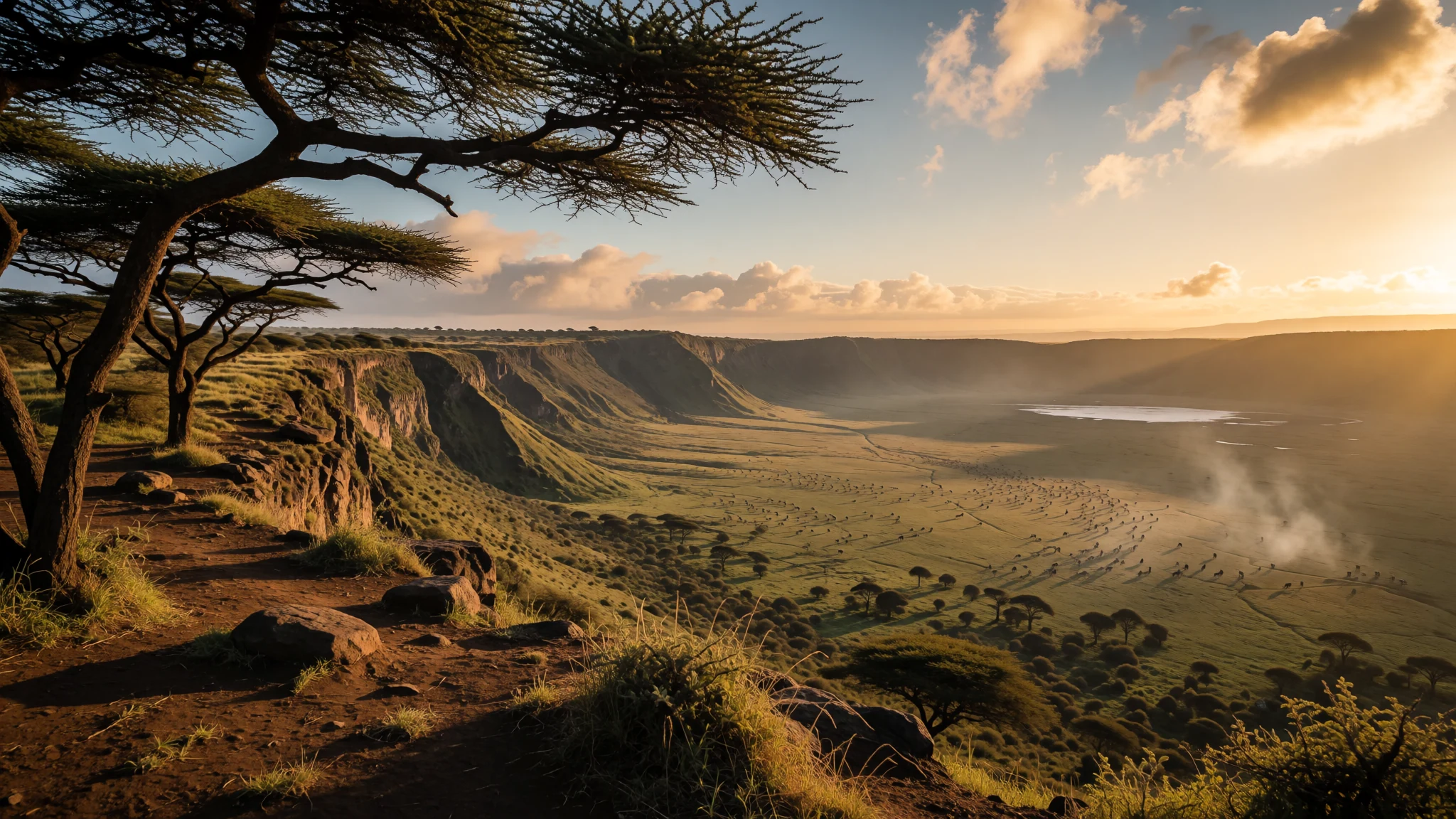
Descend into an ancient, unbroken volcanic caldera that holds one of the greatest concentrations of wildlife on earth.
The place
Ngorongoro Crater sits inside a vast protected expanse in northeastern Tanzania, rising to an altitude of 1700 metres above sea level. This massive geological formation is an inactive, intact, and unfilled volcanic caldera, creating a dramatic natural enclosure with sheer walls that drop down to a diverse floor of grasslands, acacia forests, and soda lakes. The landscape acts as a self-contained sanctuary where wildlife moves across distinct ecosystems without needing to scale the high rim.
To the west, the conservation area abuts Serengeti National Park, forming part of a continuous, legendary ecological zone that stretches across the East African plains. Together with neighbouring reserves, this wider region plays host to the Great Migration, where enormous herds of wildebeest, zebras, and gazelles traverse the terrain in an ancient seasonal rhythm. Yet within the sunken bowl of the crater itself, many resident animals remain year-round, sustained by permanent water sources and rich volcanic soils.
Administered as a distinct district within the Arusha Region, the area balances natural heritage with human habitation. Pastoralist communities share the wider protected lands, grazing their livestock alongside the native fauna in a landscape that has supported human life and movement for millennia. Travellers arriving at the rim look down upon a sweeping panorama where mist often clings to the upper forests before burning off to reveal the sunlit plains far below.
Its story
The name Ngorongoro carries an auditory echo of the past, given to the caldera by Maasai pastoralists who heard the deep, resonant clanging of their cattle bells echoing across the basin as ngoro ngoro. Long before these pastoralist groups arrived, hominids walked this ground; fossil evidence unearthed at nearby Olduvai Gorge demonstrates that early human ancestors have occupied the wider area for at least 1.75 million years.
For centuries, the highlands saw waves of migration and shifting populations. Hunter-gatherers were eventually succeeded by pastoralist communities, including the Iraqw people who settled the territory about two thousand years ago, followed centuries later by the Datooga. By the nineteenth century, the Maasai had become the dominant pastoral presence across the highlands, grazing their herds across the fertile slopes and within the shelter of the crater floor.
European contact with the caldera came relatively late. Oscar Baumann became the first recorded European to set foot in the crater in 1892. During the era of German East Africa, two brothers named Adolph and Friedrich Siedentopf leased land inside the basin, running a farm and hosting shooting parties for visiting friends while attempting to drive the native wildebeest herds away.
Conservation efforts began to take shape under German administration through early game reserves, and these protections were formalised and expanded under British rule after World War I through successive preservation ordinances. Mid-century legal changes eventually reshaped the relationship between the land and its traditional inhabitants, culminating in twentieth-century legislation that altered grazing rights and settlement patterns within the protected boundaries.
What to see
- The Crater Floor — Ngorongoro Crater interior
Descend the steep winding track down the caldera wall to reach the wide, flat floor. Here, open grasslands and freshwater pools host dense concentrations of resident wildlife, offering exceptional opportunities to observe large mammals moving through a dramatic geological backdrop.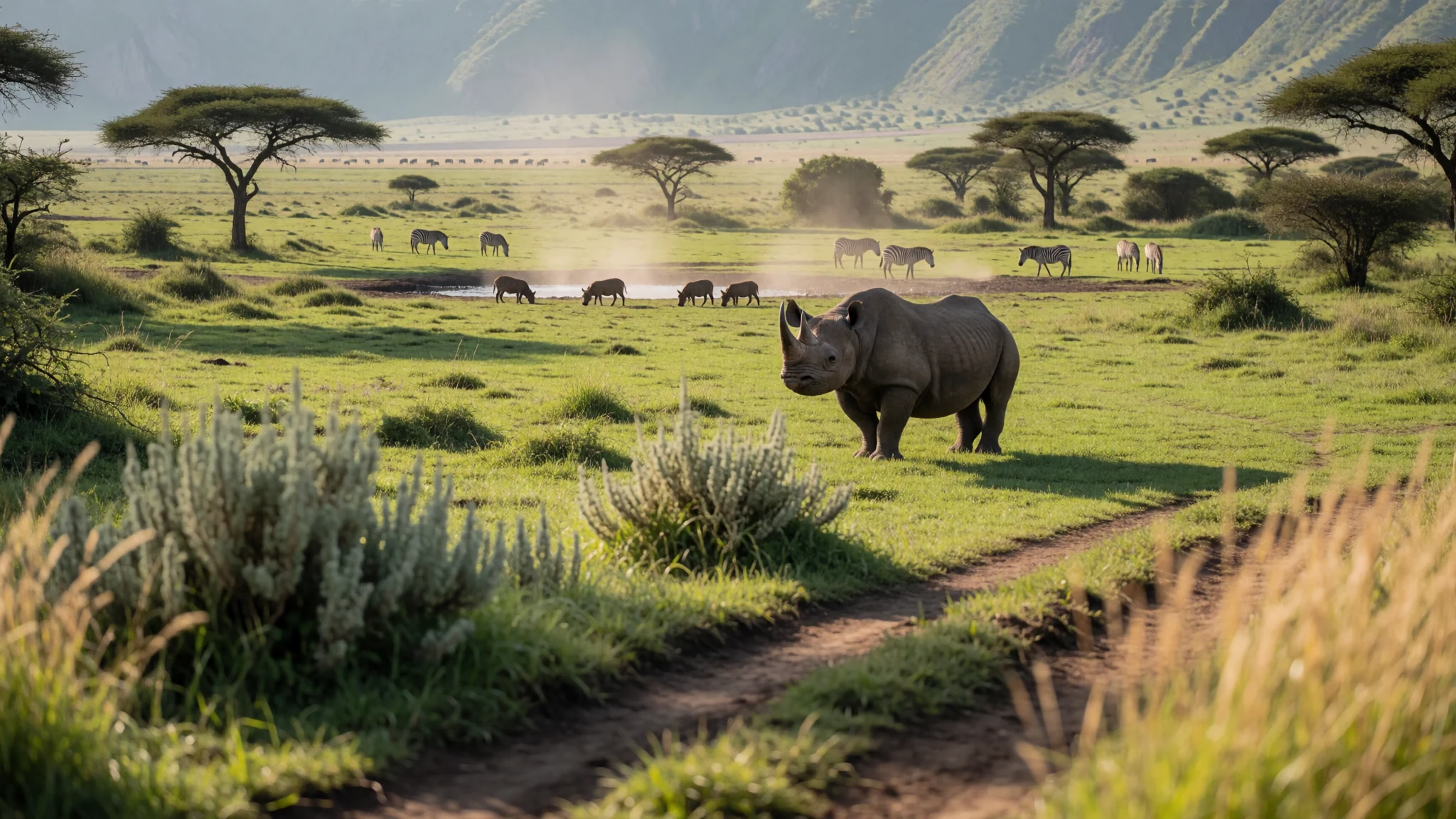
- Olduvai Gorge — Olduvai Gorge
Explore one of the most significant paleoanthropological sites in the world, set within the broader conservation area. This steep-sided ravine has yielded crucial fossil discoveries that illuminate millions of years of human evolution and early hominid occupation in East Africa.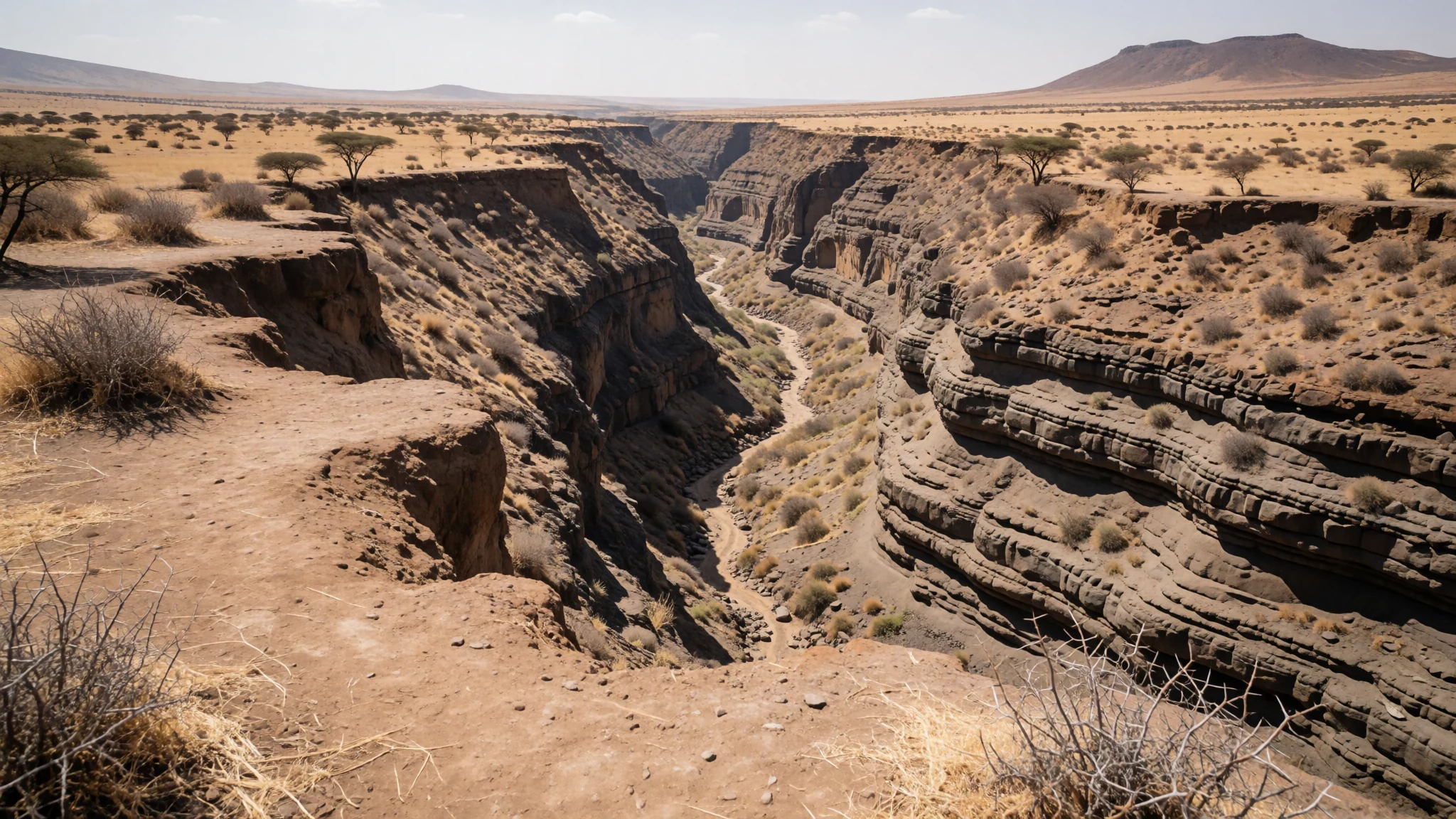
- Crater Rim Forests — Ngorongoro Crater rim
Drive along the elevated forest tracks that encircle the upper edge of the caldera. The high-altitude woodlands are often shrouded in mist, providing a cool, lush contrast to the sun-baked plains waiting far below on the crater floor.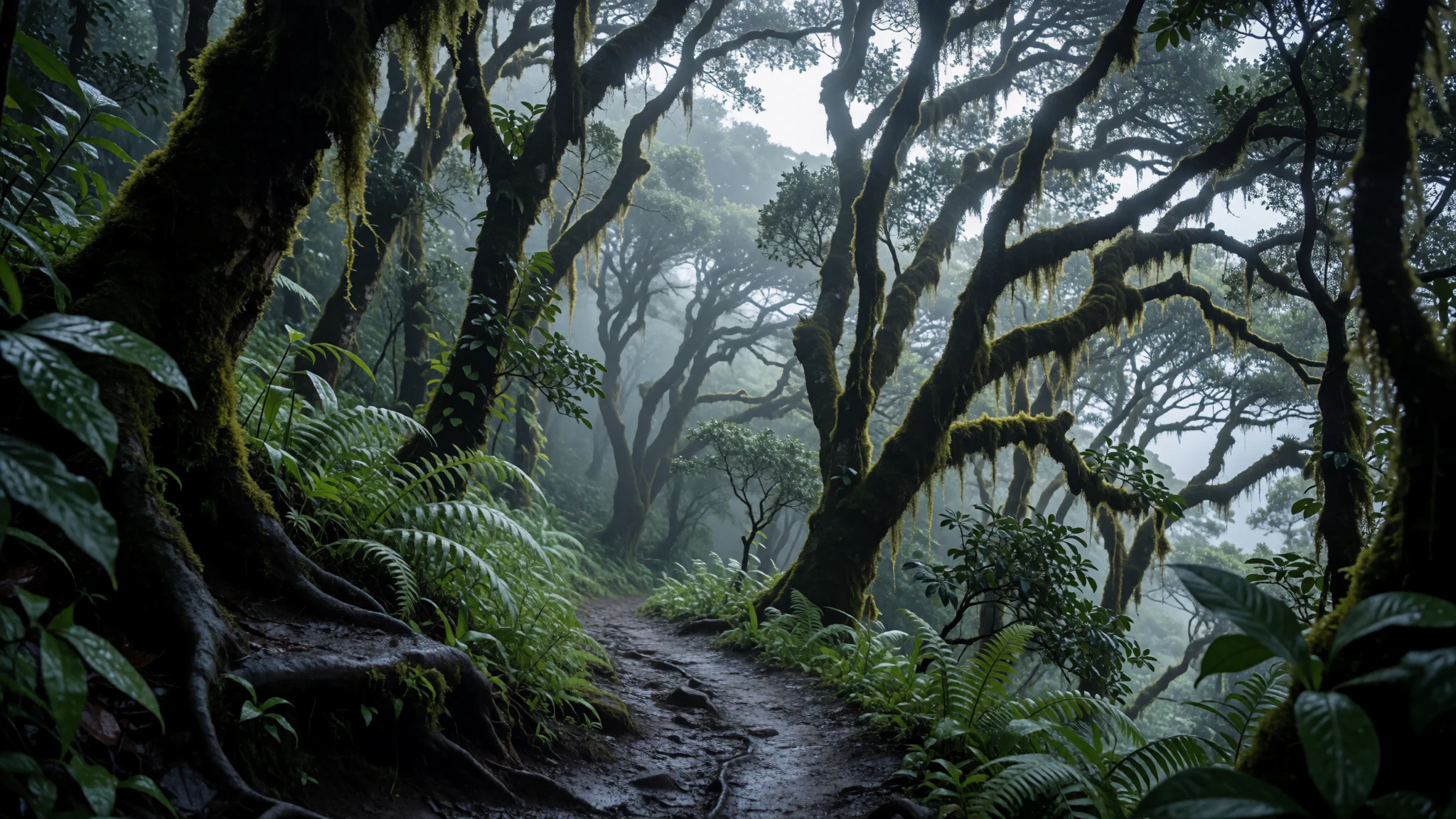
- Lake Magadi — Western crater floor
Visit the shallow, alkaline soda lake that occupies part of the western side of the crater floor. The mineral-rich waters frequently attract large flocks of wading birds and grazing herbivores that gather along the shimmering shoreline.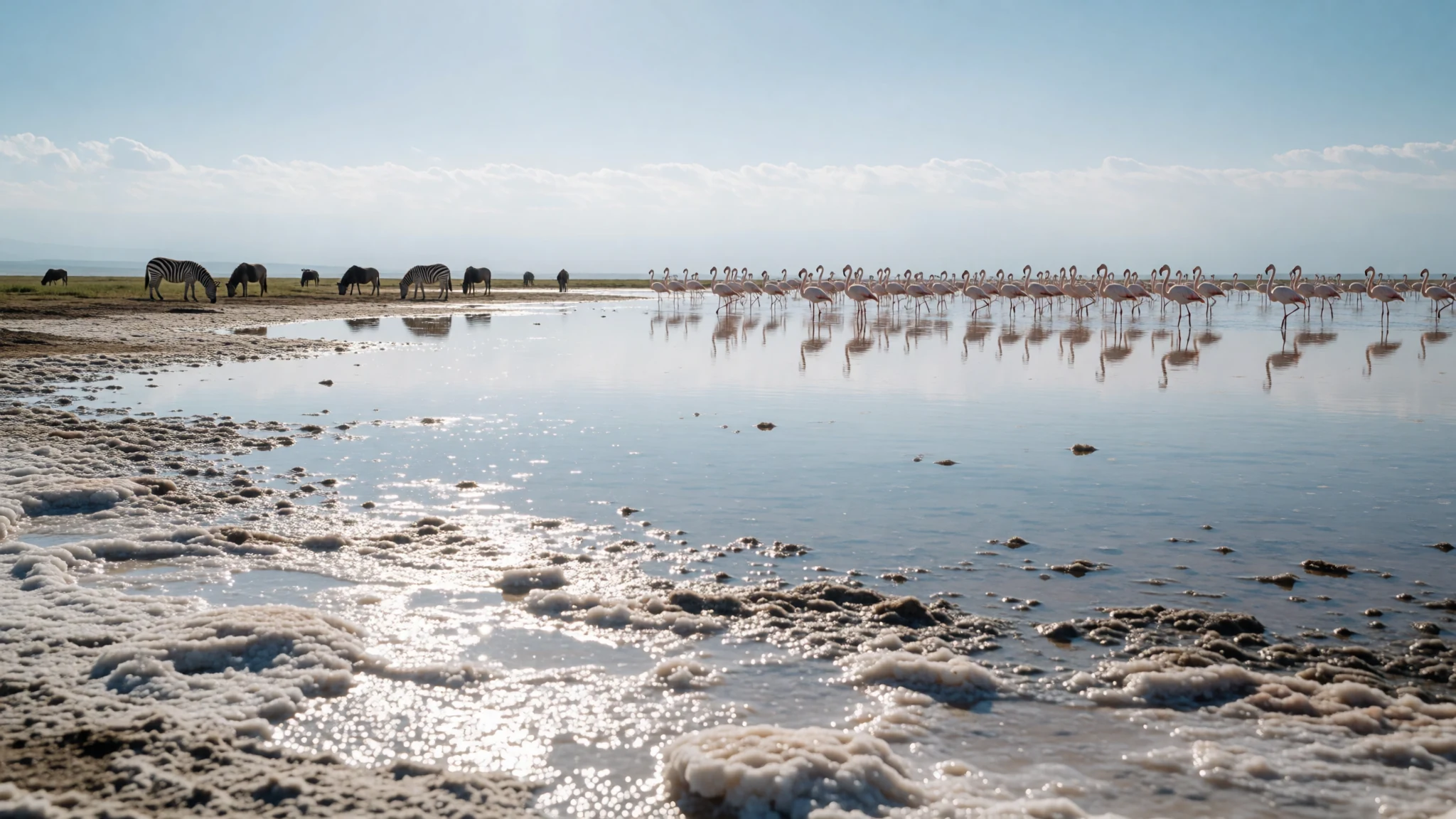
Culture
Tanzanian culture is rooted in strong community traditions, linguistic etiquette, and regional heritage, shaped by numerous ethnic groups living across the mainland and coastal islands. In daily interactions, showing respect to elders is paramount; using the traditional greeting shikamoo when addressing older individuals is a customary sign of politeness, to which the elder typically responds with marahaba. Dress codes tend to be conservative throughout the country, particularly in coastal regions and towns, where revealing too much skin is considered disrespectful. Visitors often find that wearing lightweight, versatile wrap-around cloths known as kangas provides an easy and culturally appropriate way to remain modestly covered while travelling.
The Maasai people, renowned for their striking, brightly coloured beadwork and red shúkà garments, hold a prominent cultural presence around the northern highlands. While their distinctive appearance makes them a focal point for travellers, it is essential to remember that they are people going about their daily lives rather than tourist attractions. Always ask permission before taking photographs of individuals, and expect that they may ask to be compensated for their time and image. Always ask permission before photographing local residents or their homesteads.
What to wear
Traditional dress across Tanzania varies by community, but the most visually iconic is that of the Maasai pastoralists in the northern highlands. They wear the shúkà—a brightly coloured, checked or striped cloth typically wrapped around the body, complemented by intricate, handmade beaded necklaces, bracelets, and ear ornaments crafted from glass beads. These vibrant textiles and ornaments reflect status, age-set, and community identity.
In modern towns and urban centres, everyday wear blends casual Western clothing with local styles. Men often wear trousers and collared shirts or t-shirts, while women frequently wear colourful dresses, skirts, or tailored outfits made from bright wax-print fabrics known as kitenge or kanga.
For visitors exploring the parks and crater highlands, practical considerations dictate your wardrobe. Mornings and evenings on the high crater rim can be surprisingly cold due to the altitude, making layers, fleece jackets, and windproof outerwear essential. During daytime game drives on the dusty crater floor, lightweight, breathable cotton or linen clothing in neutral tones—such as khaki, tan, or olive—is ideal to stay cool and avoid attracting insects. Sturdy walking shoes or boots are necessary for uneven terrain, and a wide-brimmed hat and sunglasses will protect against the strong equatorial sun.
What to eat
- Ugali — Local village eateries and family tables across Tanzania
A firm, polenta-style staple made from corn flour, cooked with water until thick. It accompanies cooked meat and rich stews, and is traditionally eaten by rolling a small portion into a ball with your right hand and using it to scoop up sauces.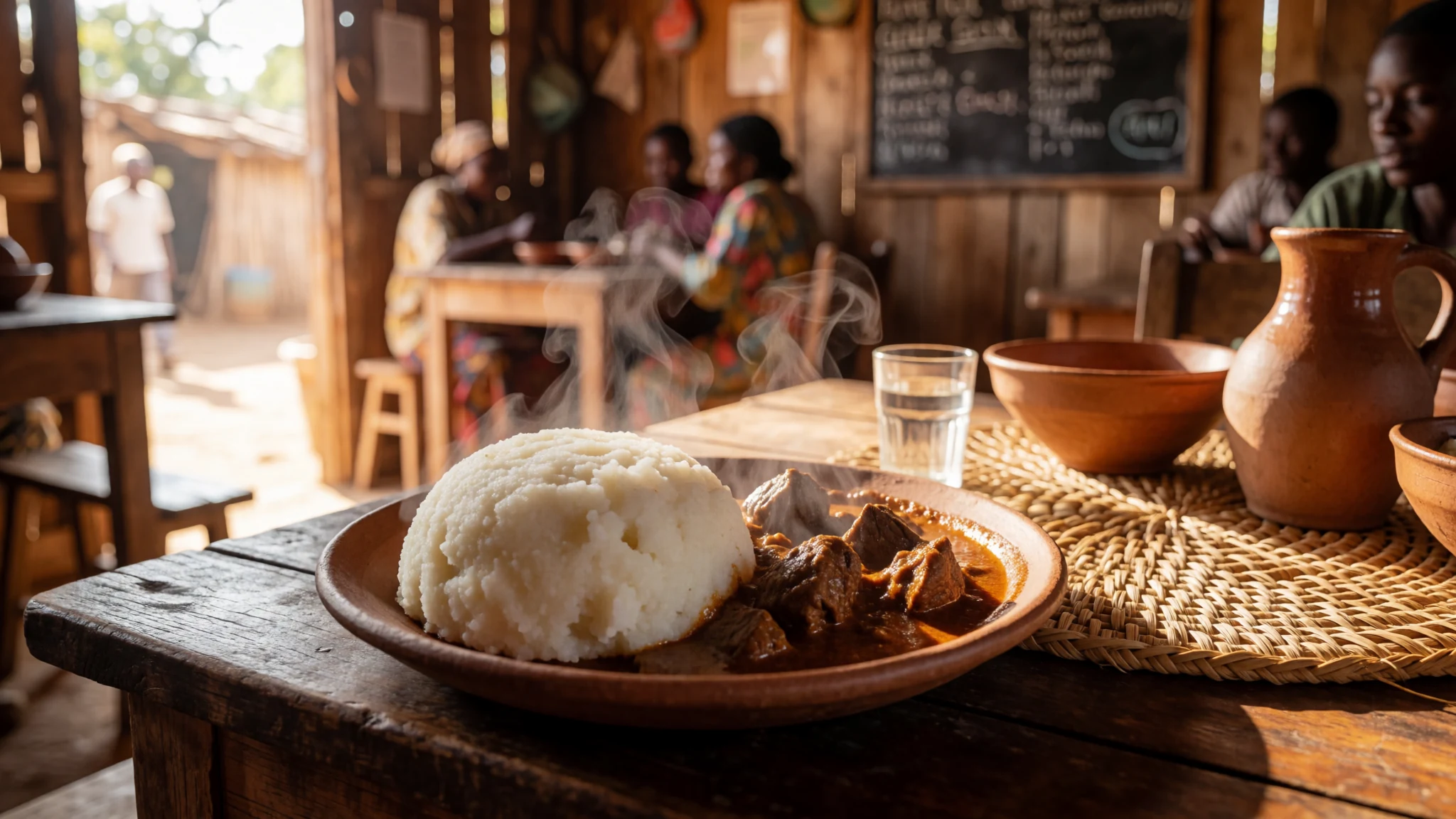
- Mtori — Traditional restaurants and local dining spots
A nourishing, traditional soup or stew made by simmering tender pieces of beef with green bananas until they break down into a rich, comforting broth. It is a hearty dish often served warm as a starter or main course.
- Mchicha — Local markets and neighbourhood eateries
A wholesome vegetable stew prepared using local amaranth greens, often simmered with tomatoes, onions, and ground peanuts, and occasionally enriched with small pieces of meat or fish. It serves as a nutritious accompaniment to ugali or rice.
- Nyama Choma — Open-air grilling spots and roadside butcheries
Charcoal-grilled meat, usually goat, beef, or chicken, seasoned simply and roasted slowly over an open fire. It is enjoyed across the country as a social meal, typically served alongside fresh kachumbari tomato and onion salad.
Plan it
Best time. The dry months from June to September offer the best wildlife viewing conditions, as animals gather around permanent water sources on the crater floor and tracks remain accessible.
How long. 2–3
Getting there. Fly into Kilimanjaro International Airport or arrive via Arusha, then travel by 4x4 vehicle westward along the road toward the Crater Highlands, a journey of about 180 km.
Budget. high
Tips
- Hire a certified local guide and an authorised 4x4 vehicle with high clearance and an open roof for the best wildlife viewing vantage points.
- Set off early in the morning to descend into the crater as the gates open and catch predators while they are still active.
- Bring crisp US dollar banknotes issued after recent years for visa payments and park fees, as older notes are often rejected.
- Pack warm layers and a windproof jacket because the crater rim sits at a high altitude and gets very cold in the early mornings and evenings.
- Ensure all drinking water is boiled or filtered, and eat thoroughly cooked meals when visiting local village eateries.
Etiquette
- Always ask permission and agree on compensation before taking photographs of Maasai people or their homesteads.
- Use the traditional greeting shikamoo when addressing elders or superiors, and respond respectfully.
- Dress modestly and conservatively when visiting towns, villages, or cultural sites outside the safari lodges.
Nearby
Sources
- Wikidata Q3002224 (CC0)
- Wikipedia (rev 1382376882) (CC BY-SA 4.0)
- Wikivoyage (rev 5408710) (CC BY-SA 4.0)