New Lanark
New Lanark, United Kingdom
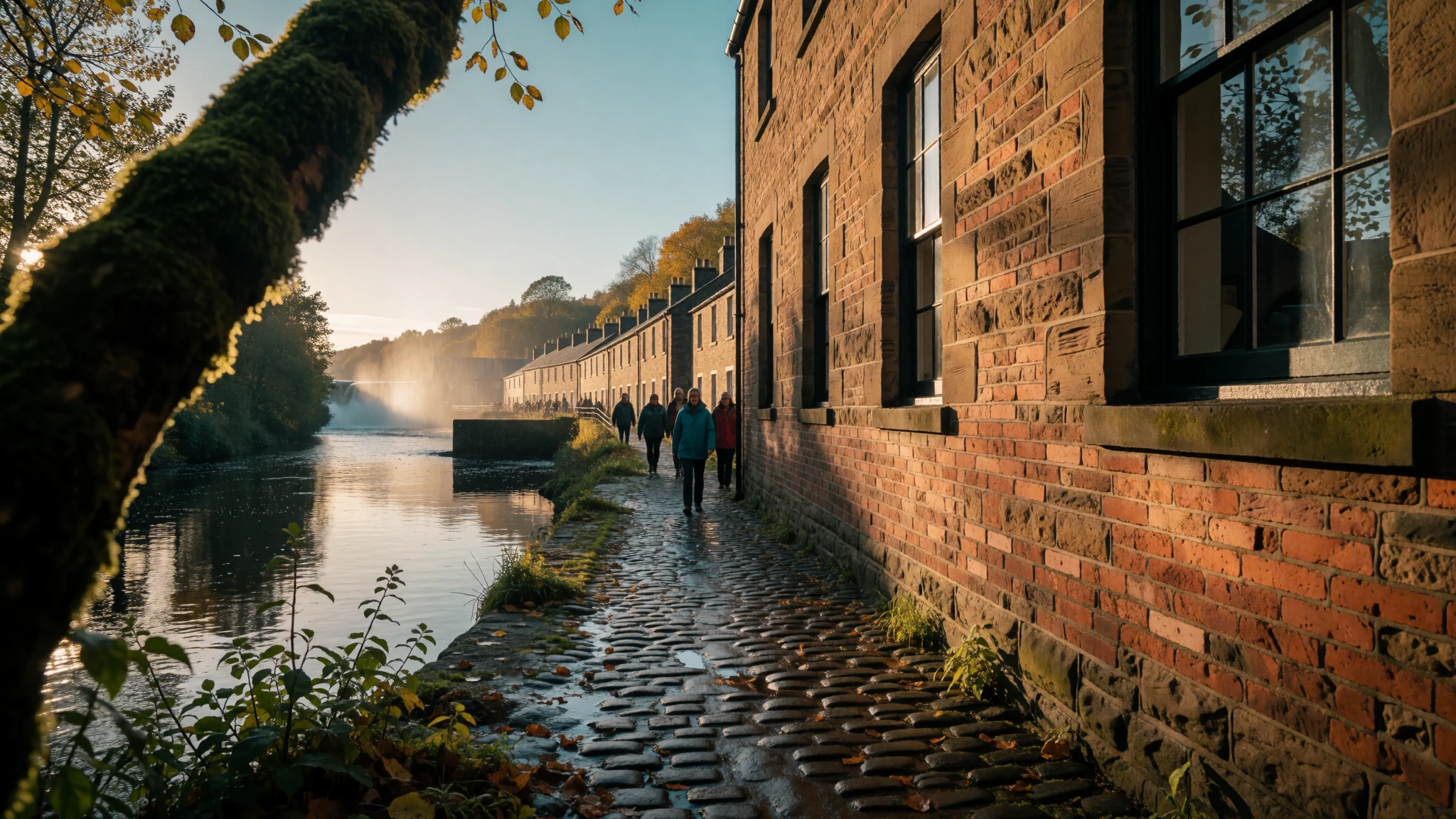
New Lanark pairs a working mill heritage with a quiet riverside setting, so history feels tangible rather than museum-only.
The place
New Lanark sits on the River Clyde in South Lanarkshire, Scotland—close enough to Glasgow for a day trip, but far enough to feel like a separate pocket of time. The village is built around cotton mills and the homes that grew up for the workers, and today it reads as an intentionally preserved industrial settlement rather than a collection of scattered ruins.
The key atmosphere is the water: the mills’ power story still hangs around the place. The river runs beside the mills, and when the weather is clear the setting is very photogenic—rows of buildings, steep banks, and the sense that industry was designed to use the landscape. When the weather turns, it’s still rewarding: you get shelter around the courtyards and interiors, plus plenty of walking between viewpoints without needing to travel far.
Crowds tend to build in the warmer months and school holidays, with families mixing straightforward site tours and shorter walks. In autumn and early winter the village can feel calmer, but the light is often crisp and the wind off the river is real.
New Lanark’s UNESCO connection matters most because it explains the “why” of the place: planned housing, a work community, and a particular approach to how industrial life could be organised. It’s an easy destination to do at an unhurried pace—especially if the plan includes both the mill buildings and the riverside falls walk.
Its story
New Lanark’s story starts with cotton and a partnership. In the late 18th century, the village was founded and opened by David Dale, using water power from the River Clyde. Dale’s plan was straightforward: put mills close to the energy source and build a working community alongside them. He worked with Richard Arkwright, whose spinning machinery helped turn the operation into a success.
As the settlement developed, ownership and management shaped its reputation. A later business venture featuring Dale’s son-in-law, Robert Owen, brought New Lanark into the spotlight for social welfare as well as industry. Owen became mill manager and carried forward a philanthropic approach, which is why the village is often discussed as an early example of a planned industrial settlement—not just a workplace, but a whole community designed around workers’ lives.
The mill system depended on water in a practical, mechanical way. There was a dam on the Clyde above the village, water was diverted into a tunnel and then into a channel (the lade), and the flow powered wheels inside the mill buildings. Over time, the technology evolved, and the last waterwheel was replaced by a turbine in 1929.
Eventually, the mills stopped operating in 1968. After decline and the risk of demolition, the New Lanark Conservation Trust was founded in 1974 to protect the buildings. By 2006, restoration had moved most of the site into visitor-ready condition, turning the working-history story into something people can walk through and understand on the spot.
What to see
- New Lanark Mills (Visitor Centre start) — New Lanark village centre
New Lanark Mills is a compact village of preserved 18th-century mills and workers’ homes, staged to feel like the 1820s. Starting at the Visitor Centre helps because the site is set up for wandering between key rooms and buildings, with the “passport” tickets linking attractions and guided tours.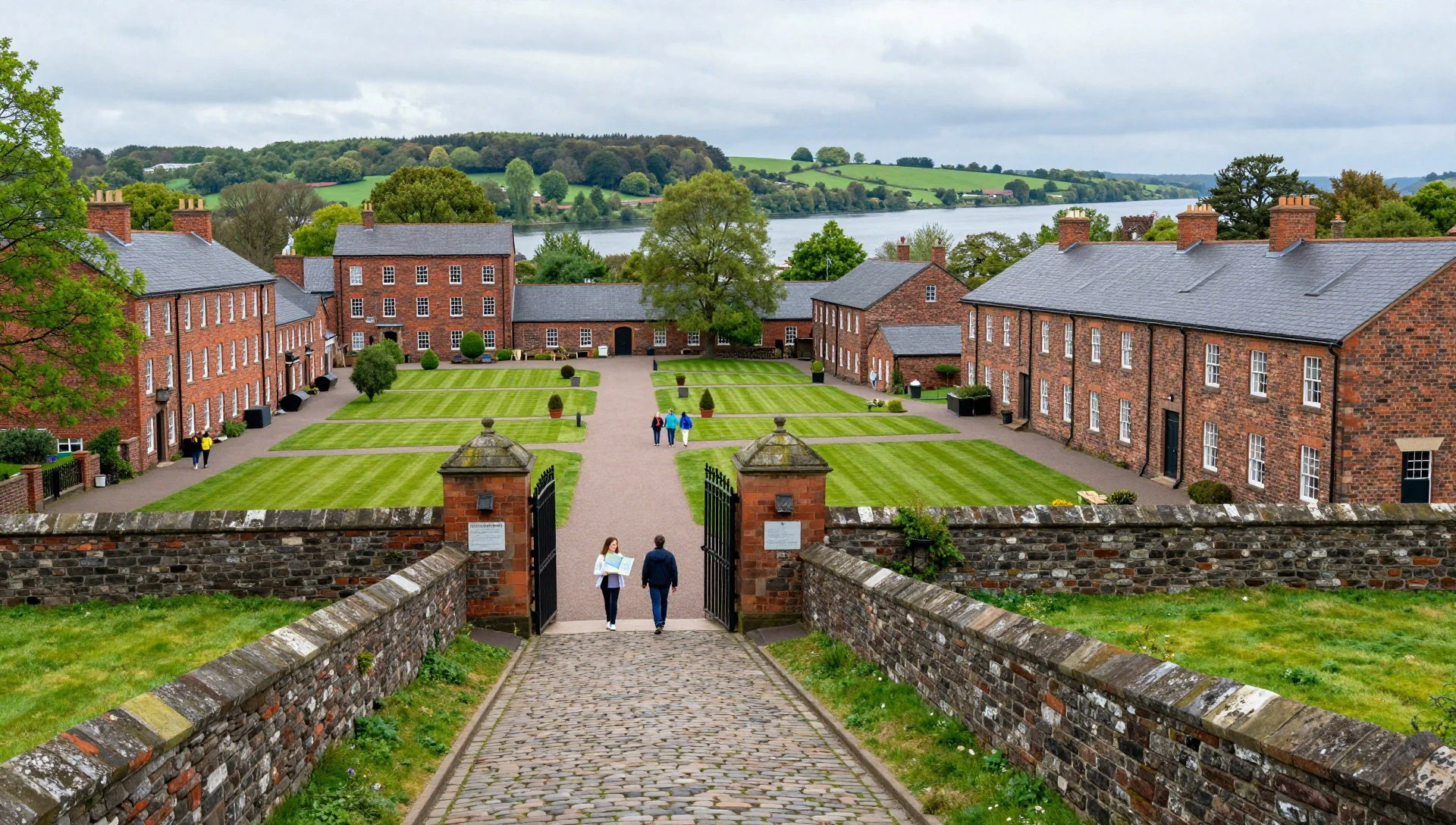
- Annie Macleod Experience — Mill buildings area
The Annie Macleod Experience is a theme-park style buggy ride that uses CGI to bring working life in the mills to the front of the story. It’s a good option when the weather is changeable, and it gives context before stepping into machinery displays.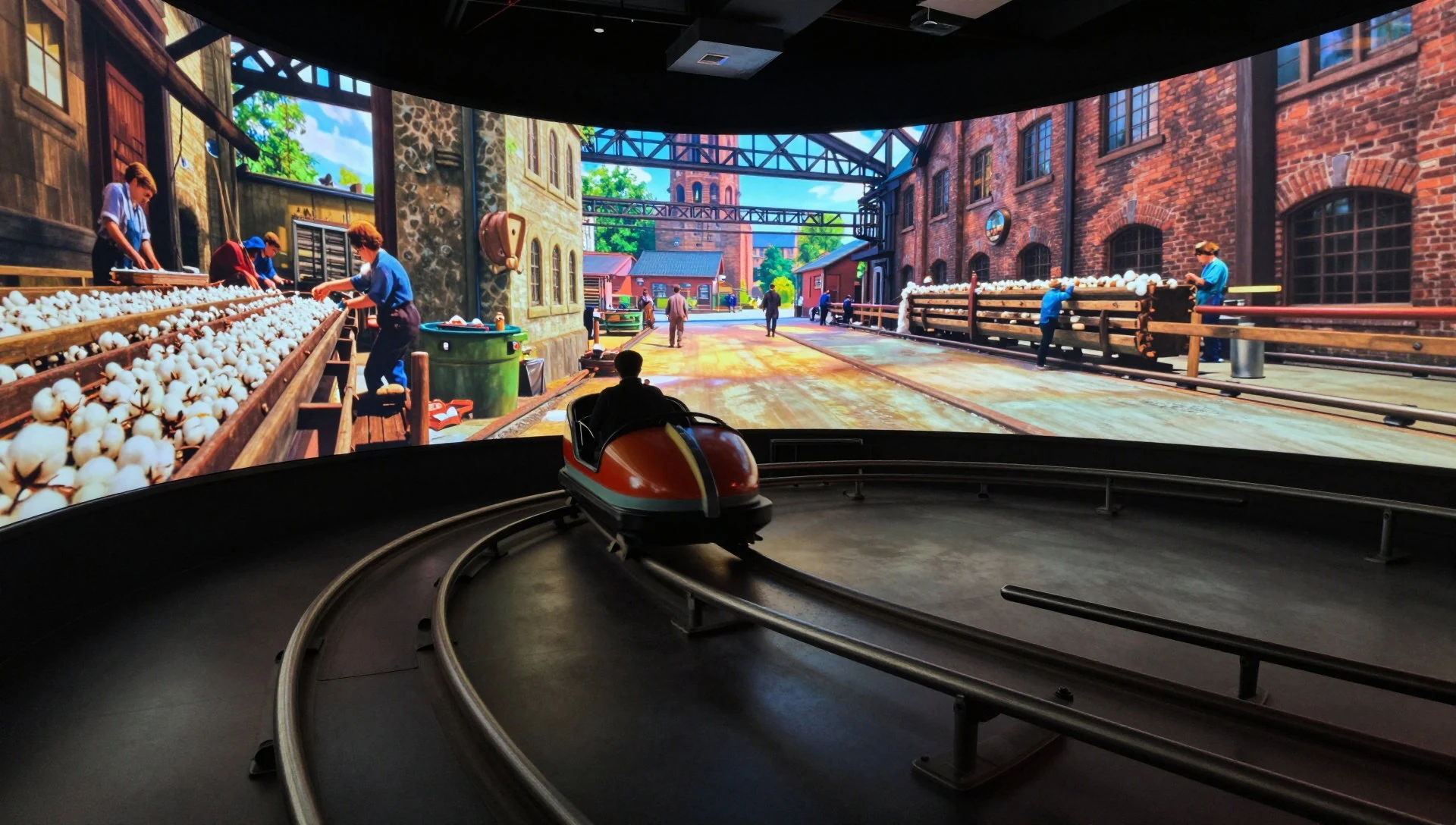
- People, Cotton & Machinery — Mill museum buildings
People, Cotton & Machinery takes visitors through cotton production and the workings of the mill. An original Spinning Mule is on display and there’s a focus on how equipment shaped daily labour—useful if the aim is to understand “how it worked”, not only what it looked like.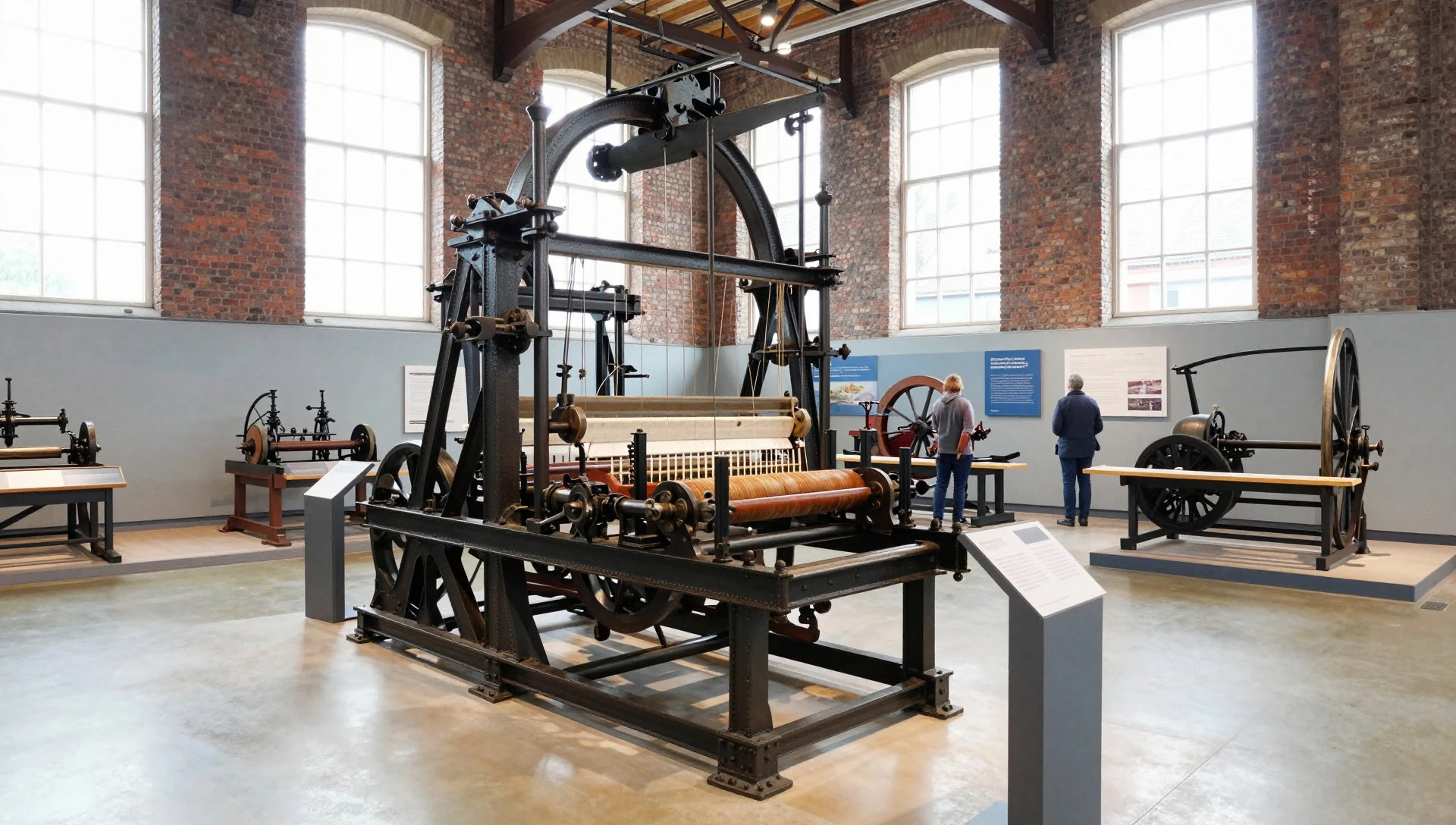
- Millworkers’ Houses — Residential rows in the village
Millworkers’ Houses shows dwellings furnished as in the 1820s, making the industrial story feel personal. The contrast between smaller working homes and the more comfortable manager’s house is where many visitors “get” what planned settlement meant in practice.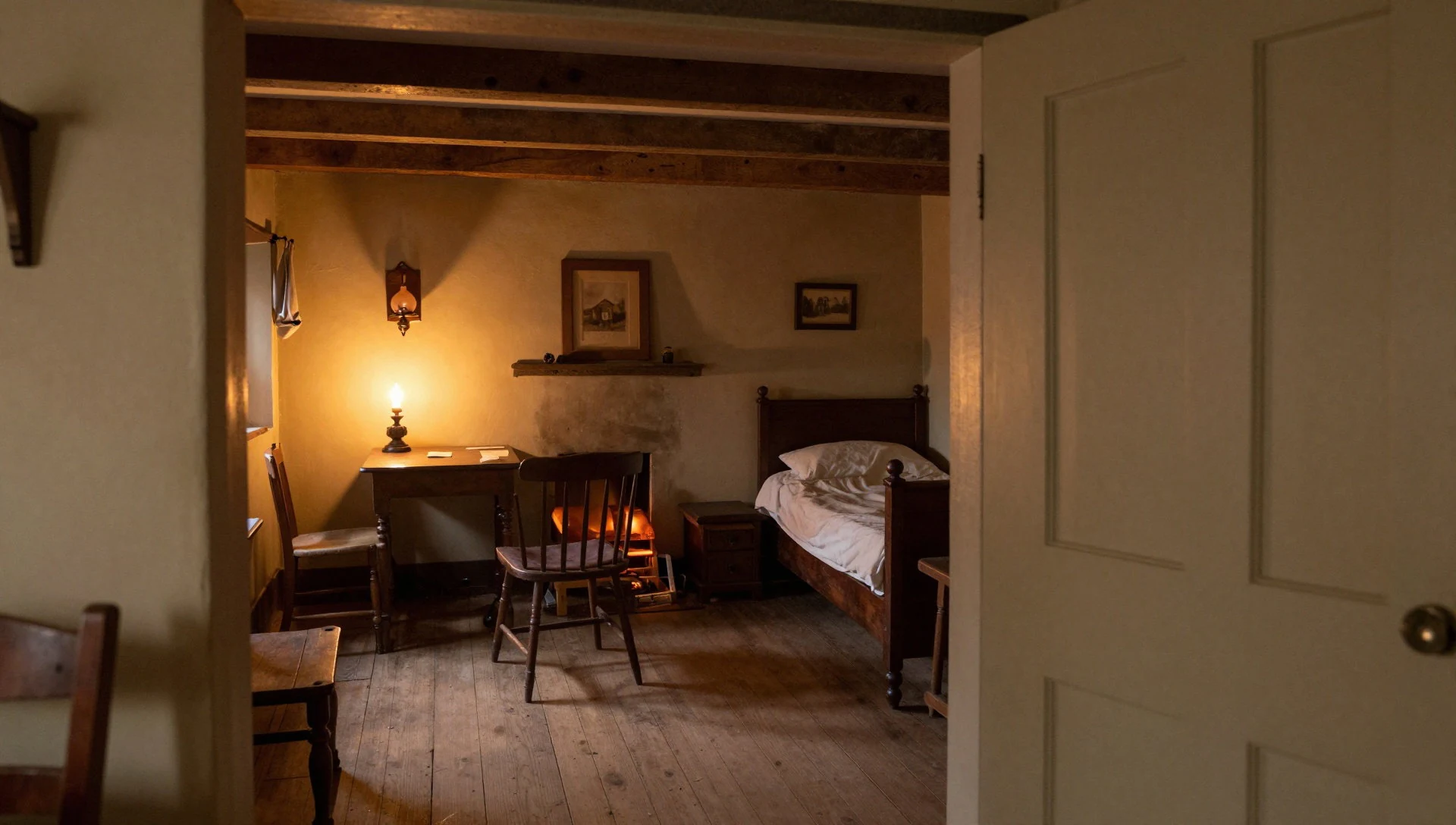
- Falls (Linns) of Clyde — Upstream along the Clyde from the mills
The Falls of Clyde are waterfalls running along a steeply falling stretch of the river. Three falls are reached by a short walk upstream from near the mill complex, and the route is easy enough for most visitors, while still delivering that loud, powerful river feeling.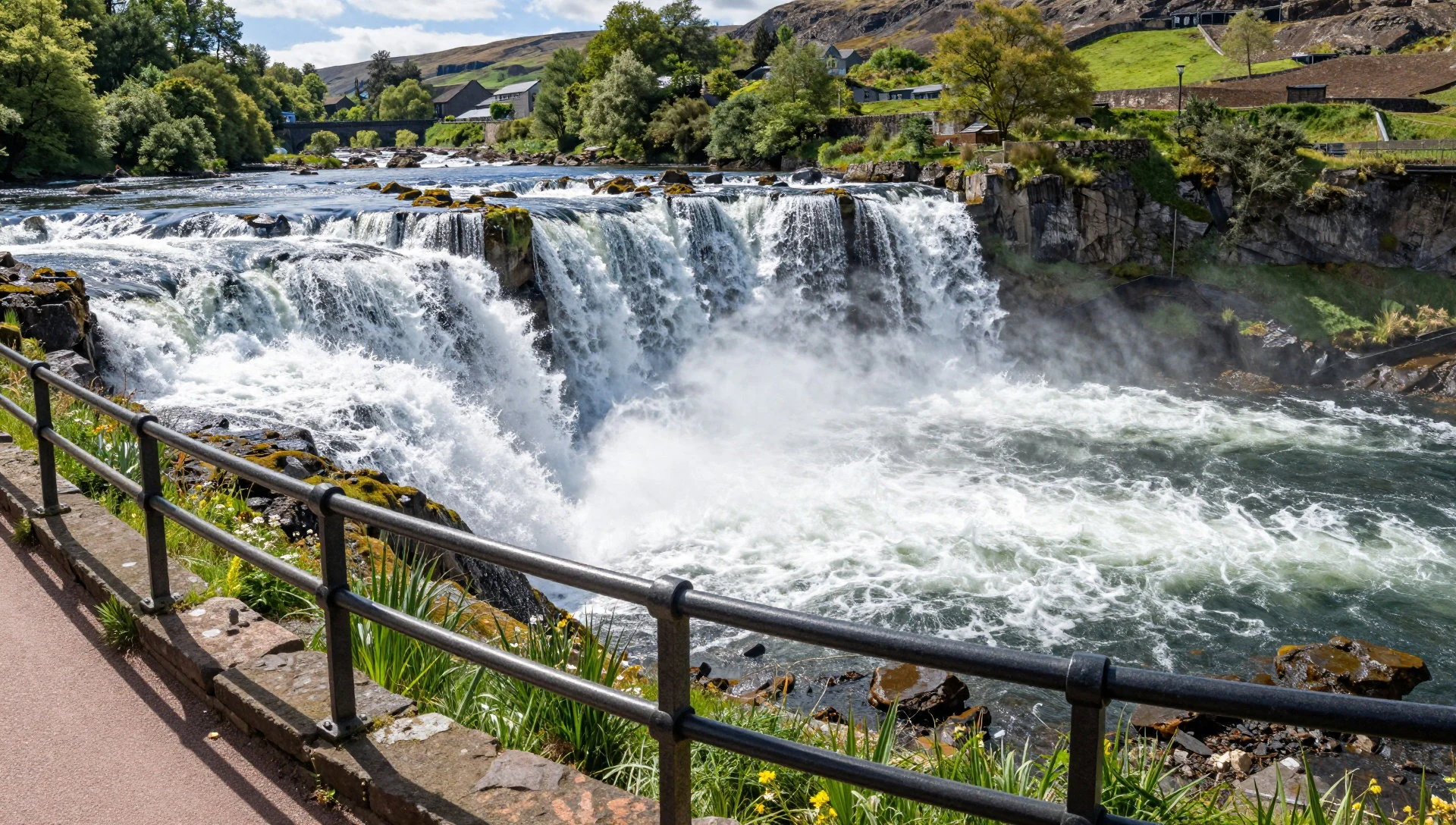
Culture
New Lanark’s culture is about industrial community life as it was organised in and around the mills. The village includes spaces that are part education, part heritage living-museum, so it helps to move at the pace of other visitors: pause where interpretive displays invite it, and keep conversations low inside quieter rooms. The story links work, welfare and planned housing, and that makes the atmosphere feel more reflective than purely “tourist entertainment”.
What surprises people is how varied the experience is across weather. On dry days, the riverside views and the short walk to the falls give the place an outdoor rhythm. In rain, it becomes more about interiors—machinery, furnished rooms, and guided elements that translate work routines into something understandable without technical training.
A lot of visitors come for a first look at the mills, then time the falls walk when the crowds thin. That tends to work well because the village is compact, and the river-side section gives a natural “reset” between indoor exhibits.
Visitor etiquette: keep voices down in indoor rooms, and follow staff instructions for queueing and routes so other groups aren’t disrupted.
What to wear
New Lanark doesn’t have a “costume” scene; the standout fashion here is what visitors wear to comfortably move between cobbled or paved village paths, museum interiors and the riverside walk. Traditional dress references are mostly interpretive—about the work community rather than something you’ll see everyday.
In practice, most locals and visitors today wear modern outdoor clothing: layers for Scotland’s shifting weather, a waterproof jacket when rain’s on the forecast, and trainers or walking shoes with grip. Indoors, comfortable footwear still helps because museum routes can involve short distances between rooms and floors.
If the plan includes the Falls of Clyde walk, bring something that can handle damp air and possibly muddy patches near the river. A light hat and gloves can be useful outside in colder months, while a breathable layer matters in warmer periods when you’ll be outside around the village and river viewpoints.
For religious or ceremonial sites there are no specific dress rules to follow at New Lanark compared with a shrine, but modest, practical clothing remains the best fit—especially because it’s an active heritage site with staff and families moving through at different speeds.
What to eat
- Mill Cafe — Inside New Lanark village
Mill Cafe is a straightforward daytime stop on site, useful if the schedule has tight museum time. It’s open daily from late morning to mid-afternoon, so it works well between indoor exhibits and the falls walk.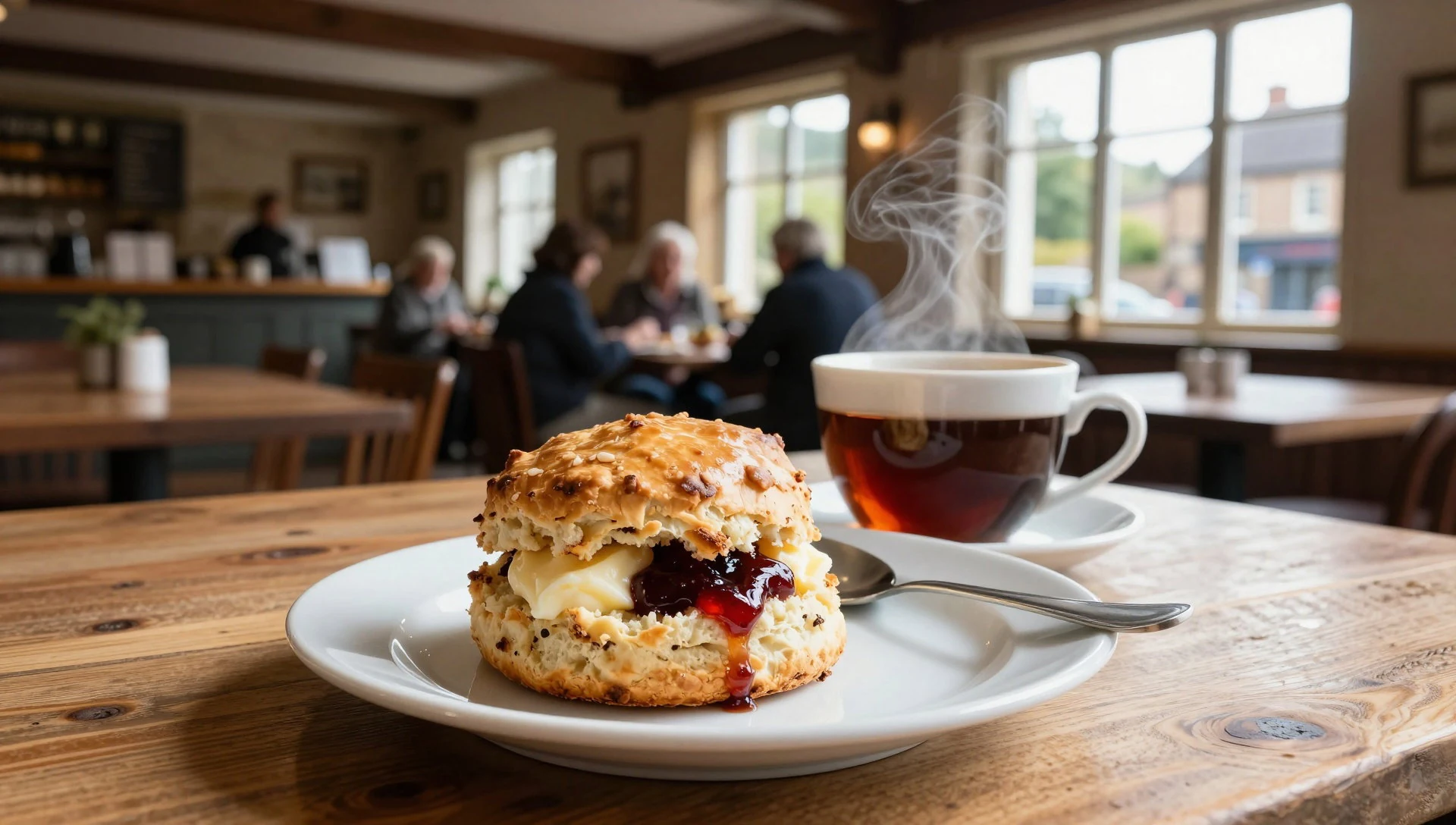
- Mill Hotel restaurant (evening option) — Mill Hotel, mill one, New Lanark
The Mill Hotel restaurant is the key evening option at New Lanark. If staying for longer than a short visit, this is the place to plan around because other options are more limited once the day attractions wind down.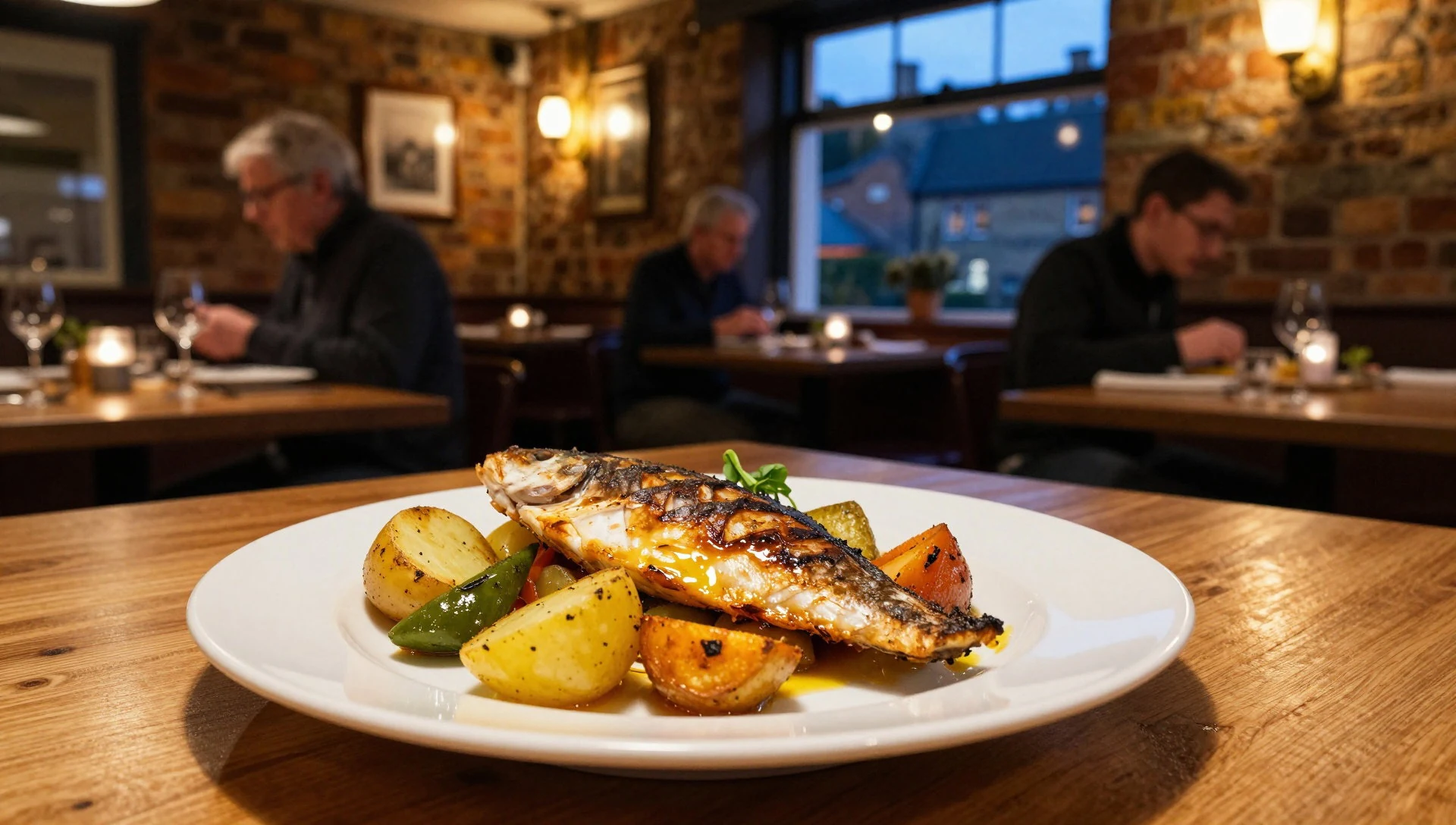
- Cafeteria in one of the mills — Within the mill buildings
A cafeteria is located inside one of the mills for lighter meals during the day. It’s a practical choice when touring with family or when there’s no time to step into the hotel restaurant. - Nearby Lanark for dinner (plan-ahead) — Lanark town
If the on-site options don’t line up with timing, nearby Lanark has restaurants and shops that can cover an evening meal. This is especially relevant if visiting outside the site’s busiest seasons. - Market-style grazing during breaks — Around the visitor centre and village areas
New Lanark’s visitor flow suits quick “break meals”: think snacks and easy meals between attractions rather than a slow sit-down every time. Building in a small pause keeps the day comfortable when crowds pick up.
Plan it
Best time. March–April and October–November for more comfortable outdoor walking; summer can mean more families and busier indoor slots. July and August are the wettest months, with September also fairly damp, while July and August are also the warmest.
How long. 2–3
Getting there. Fly into Glasgow or Edinburgh, then use rail and local connections to reach Lanark. New Lanark is about two miles south of Lanark, and it’s well signposted; the last leg can be by the road or by following the Clyde Walkway.
Budget. mid
Tips
- Start the main mill visit early to avoid the worst of the day’s crowds in busy months
- Plan the short upstream walk to the Falls of Clyde as a “between exhibits” break
- If arriving by car, use the main car park at the top of the steep hill; disabled visitors may be able to park down in the village
- If you want the full range of attractions, consider buying a passport ticket to link the site’s experiences and tours
Etiquette
- Follow any designated routes and keep to the walkways inside the furnished areas
- Be mindful of others when filming—especially in indoor rooms with guided groups
- Treat the village as an operating heritage site: queue and wait where staff direct
Nearby
Sources
- Wikidata Q743108 (CC0)
- Wikipedia (rev 1365738099) (CC BY-SA 4.0)
- Wikivoyage (rev 5285281) (CC BY-SA 4.0)
- Photo photos/01-newlanarknl06.jpg (Public domain)
- Photo photos/02-new-lanark-buildings-2009.jpg (CC BY 2.5)
- Photo photos/03-newlanarknl07.jpg (Public domain)
- Photo photos/04-newlanarknl05.jpg (Public domain)
- Photo photos/05-scottish-wildlife-trust-centre.jpg (Public domain)
- Photo photos/06-scottish-ten-project-6447203711.jpg (CC BY 2.5)
- Photo photos/07-2016-new-lanark-25613127304.jpg (CC BY-SA 2.0)
- Photo photos/08-2016-new-lanark-25613127764.jpg (CC BY-SA 2.0)


