New Forest
New Forest, United Kingdom
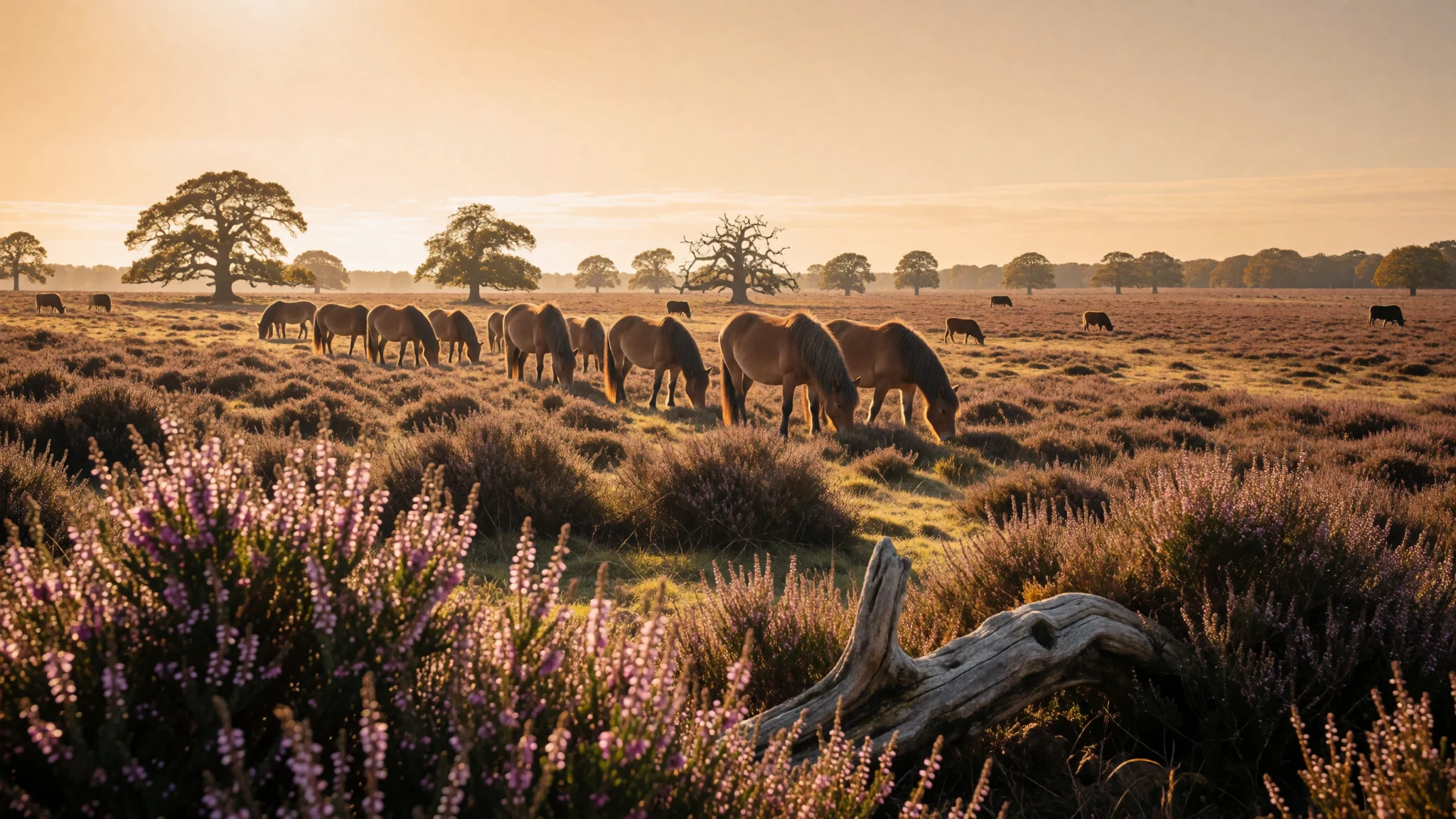
New Forest is southern England’s big outdoors—heath, woodland and commoning life, with ponies roaming and plenty to walk.
The place
New Forest sits in southern England, stretching across southwest Hampshire and southeast Wiltshire as a national park in lowland Britain. It’s known for unenclosed pasture, heathland and forest—land that still feels “worked” rather than staged. The atmosphere is part open country, part quiet woodland, with streams and tracks running between the big spaces.
What makes the place more than a pretty park is how it’s lived-in. New Forest Commoners have rights of grazing that are still recognised and carried out, with official verderers and agisters overseeing how animals and land are managed. You’ll often see ponies, including the free-roaming New Forest Ponies, and it becomes obvious why people talk about the landscape in practical terms: routes, grazing patterns, and seasons all matter.
The forest is also split by a major road, with different vibes north and south of it. The Northern Forest (north of the very busy A31) tends to be higher and more open, with more heathland and fewer trees, and it usually feels calmer. The Southern Forest is lower-lying with more woodland alongside the heath.
There’s history here, too. The area was proclaimed a royal forest, later used for naval timber, and it continues to sit alongside a modern patchwork of conservation land, from wildlife trust-managed commons to areas looked after by the National Trust.
Plan for weather that changes fast and trails that can be muddy. This is a place to move slowly, look carefully, and accept that some of the “actors” (ponies and wildlife) decide when you get your best moment.
Its story
New Forest’s story runs through multiple eras, and the landscape still carries the traces. In the Roman period, pottery kilns were active east of modern Fordingbridge, with production starting around 270 AD and easing off after 370 AD. Even if you’re not digging for kiln sites, it helps explain why people have long found this area useful.
After Anglo-Saxon settlement, the forest area was associated (in later chronicling) with the Jutish kingdom of Ytene. The name is tied to the Jutes—one of the early groups linked with settlement in southern Hampshire. It’s one of those “soft” historical layers: you won’t find a single monument that shouts Ytene today, but it frames the region as inhabited and organised long before “New Forest” became a label.
The turning point for the name and the idea of the place as a protected hunting landscape came after the Norman Conquest. William the Conqueror proclaimed it a royal forest around 1079, largely for royal hunts of deer. The creation of the forest reportedly came at the expense of many small hamlets and farmsteads, and later chroniclers claimed a wider displacement—though historians doubt parts of that story, especially because large-scale agriculture would have struggled on poorer soils.
New Forest is recorded as Nova Foresta in Domesday Book in 1086, and it’s described in detail there. It also holds the darker bits of legend: William II (William Rufus) is linked to death in the forest, though the popular story and the exact location don’t match cleanly.
Together, these threads—Roman industry, early kingdoms, Norman royal hunting, Domesday record-keeping and enduring legend—make the forest feel older than its boundaries.
What to see
- New Forest Ponies on the open commons — Commons across the park
The main attraction in the New Forest is simply the roaming landscape—heathland, pasture and forest edges where New Forest Ponies move through the day. Bring patience: they’re part of the rhythm, not a show.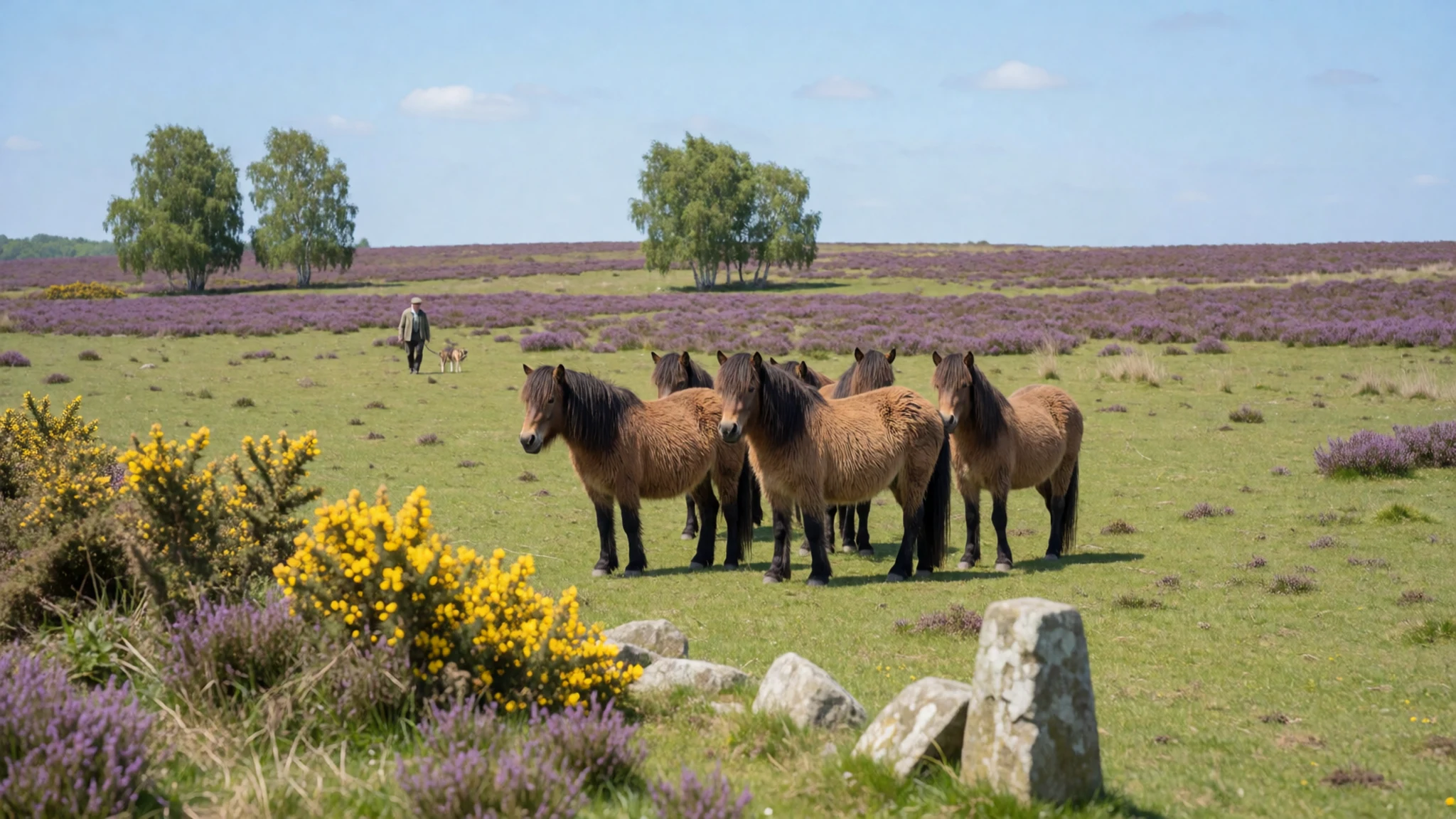
- Northern Forest (north of the A31) — North of the A31
The Northern Forest sits above the very busy A31 road, and the change is noticeable: more open heathland, more breathing space and generally fewer visitors than the southern side. Good for walkers who prefer open views and simpler loops.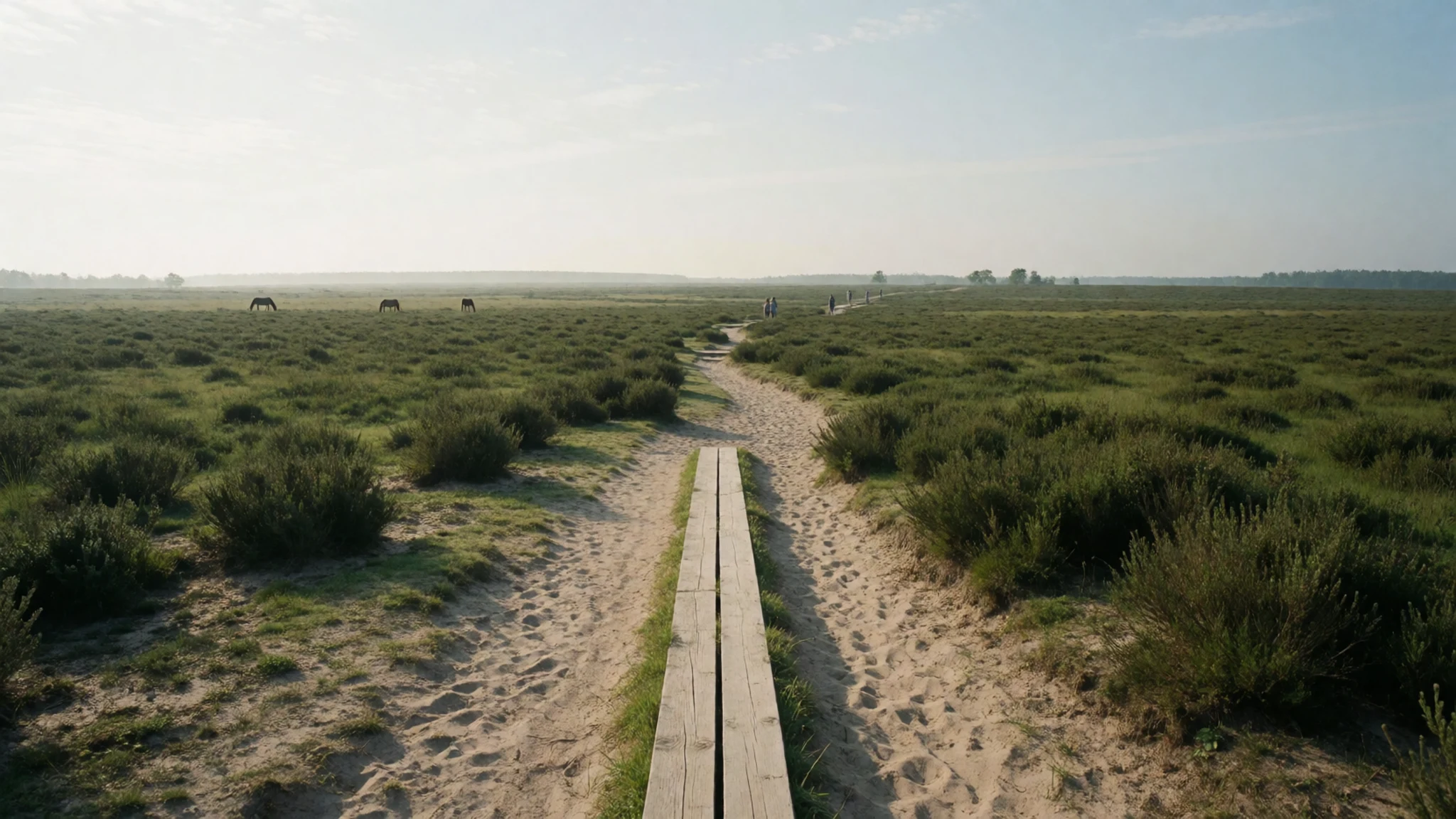
- Southern Forest (south of the A31) — South of the A31
Head south of the A31 and you’ll find lower-lying ground with a greater proportion of woodland. Heath still appears, but the feeling shifts toward enclosed tracks and river-and-tree scenery. It’s a better fit for slower strolls when the light’s fading.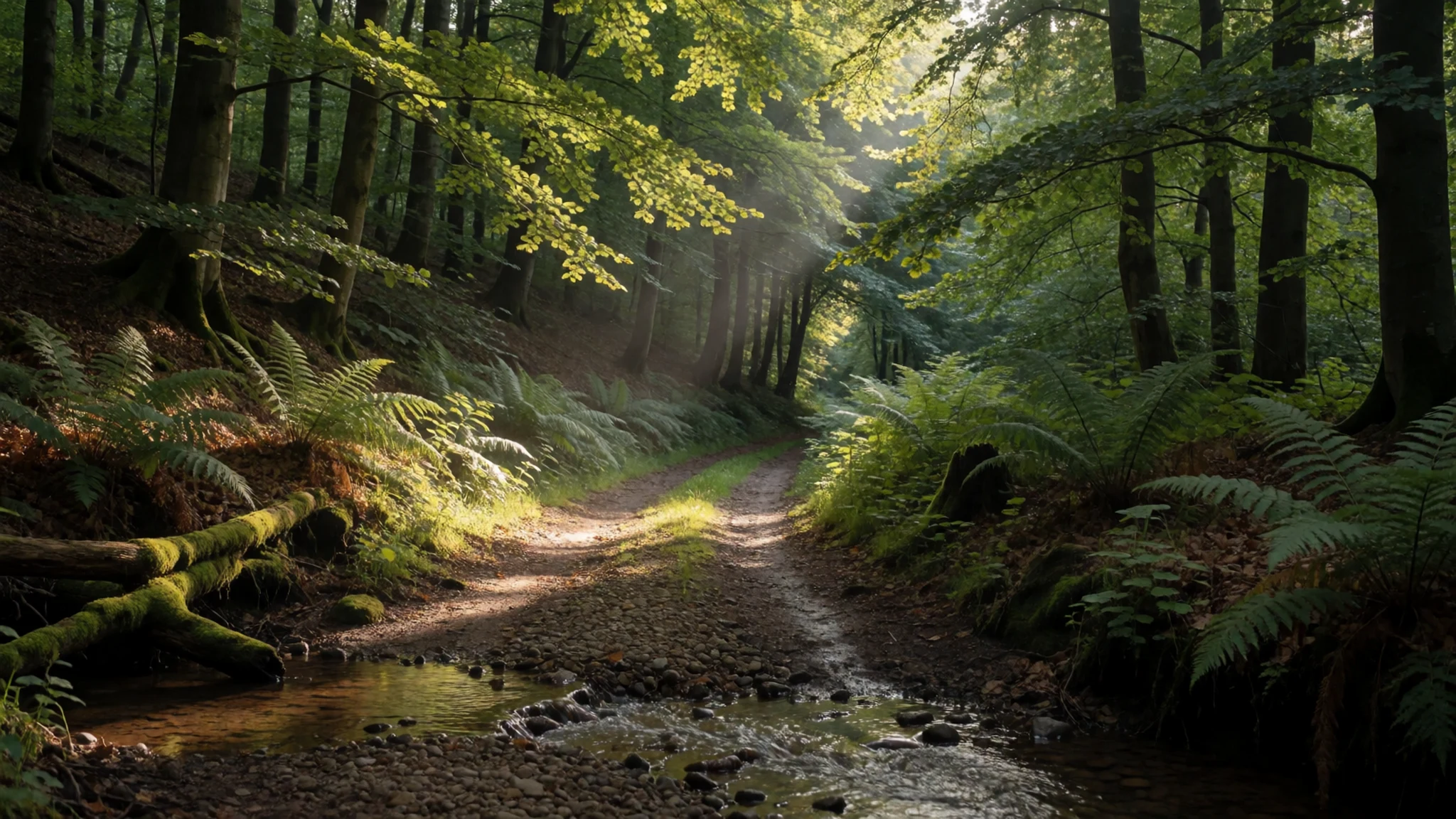
- Rufus Stone — Near Cadnam
Near Cadnam, Rufus Stone marks a spot connected to popular myth about King William II. The legend points to an assassination here, even though accounts suggest the actual death site may have been a fair distance south. It’s small, but it’s a memorable story stop.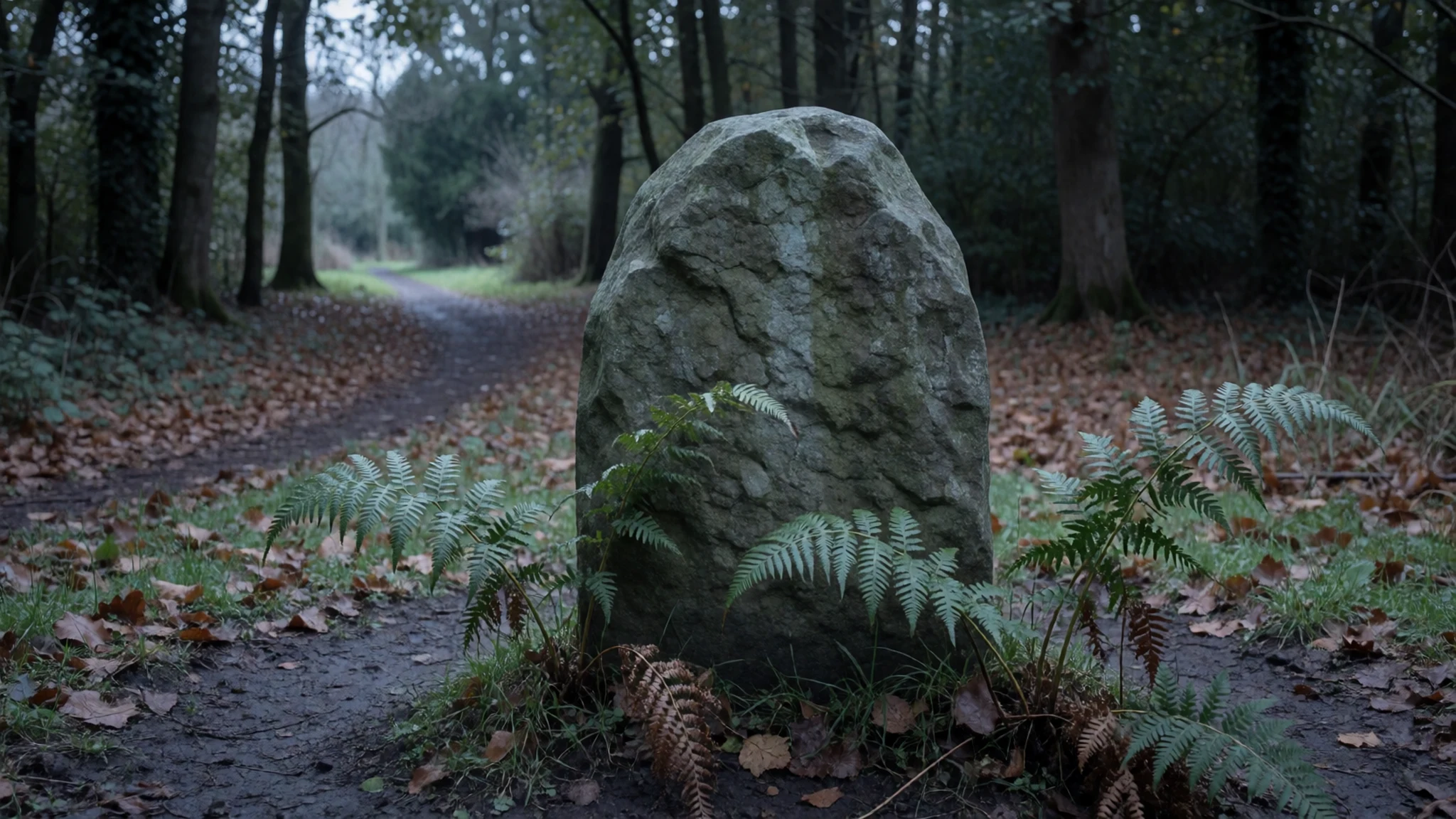
- Breamore House and Countryside Museum — Near Fordingbridge (north of town)
Breamore House and Countryside Museum is a practical detour from walking: an Elizabethan manor house setting with an agricultural museum alongside it, plus a café. It’s a straightforward way to understand rural life and local collections in one place.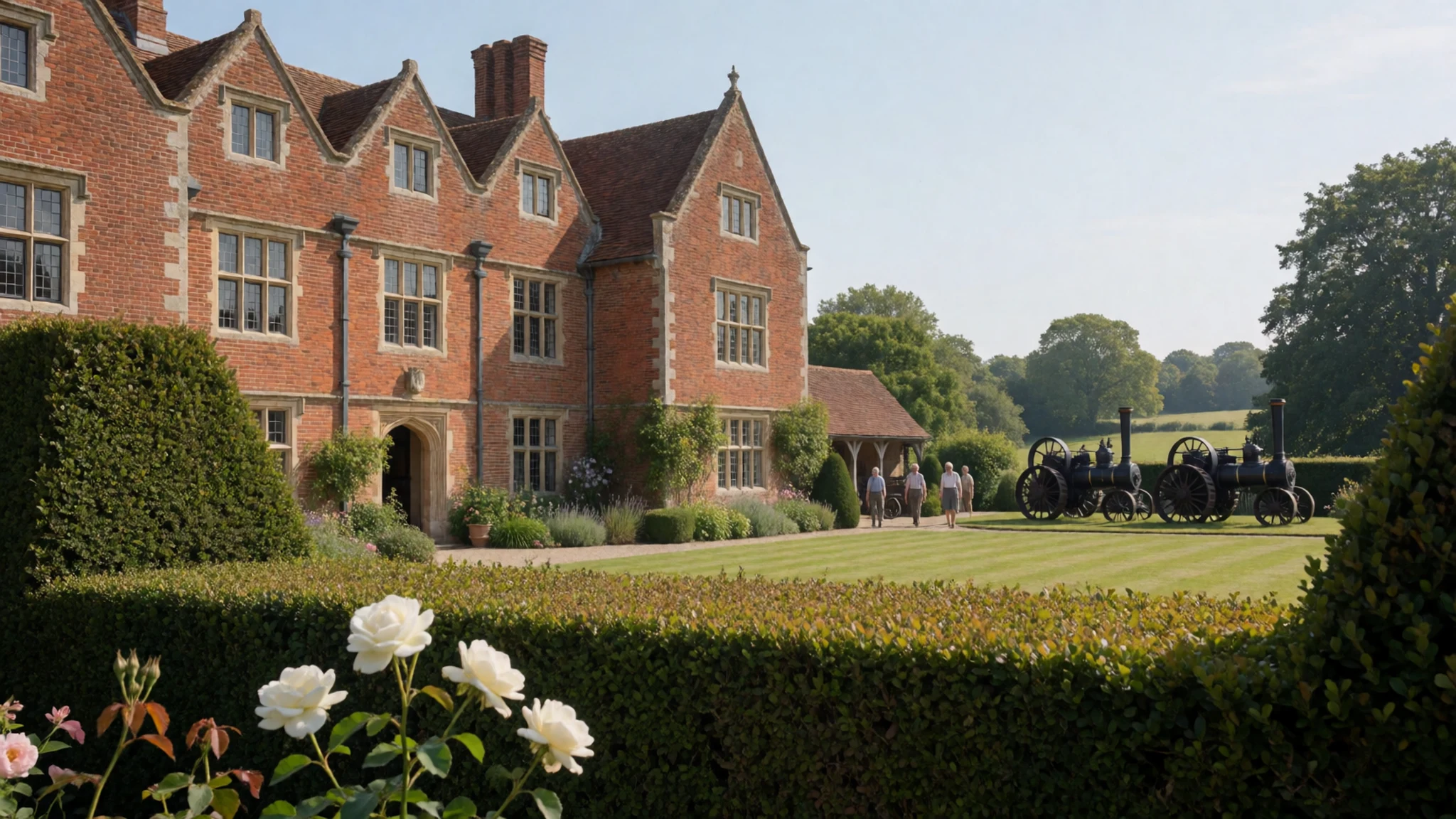
- Guided “Walking Picnics” with a local naturalist — Across the New Forest
If you like wildlife and local history, look for guided walks where a naturalist talks about the forest and helps with spotting animals and birds. It’s the kind of gentle outing that makes the terrain easier to read.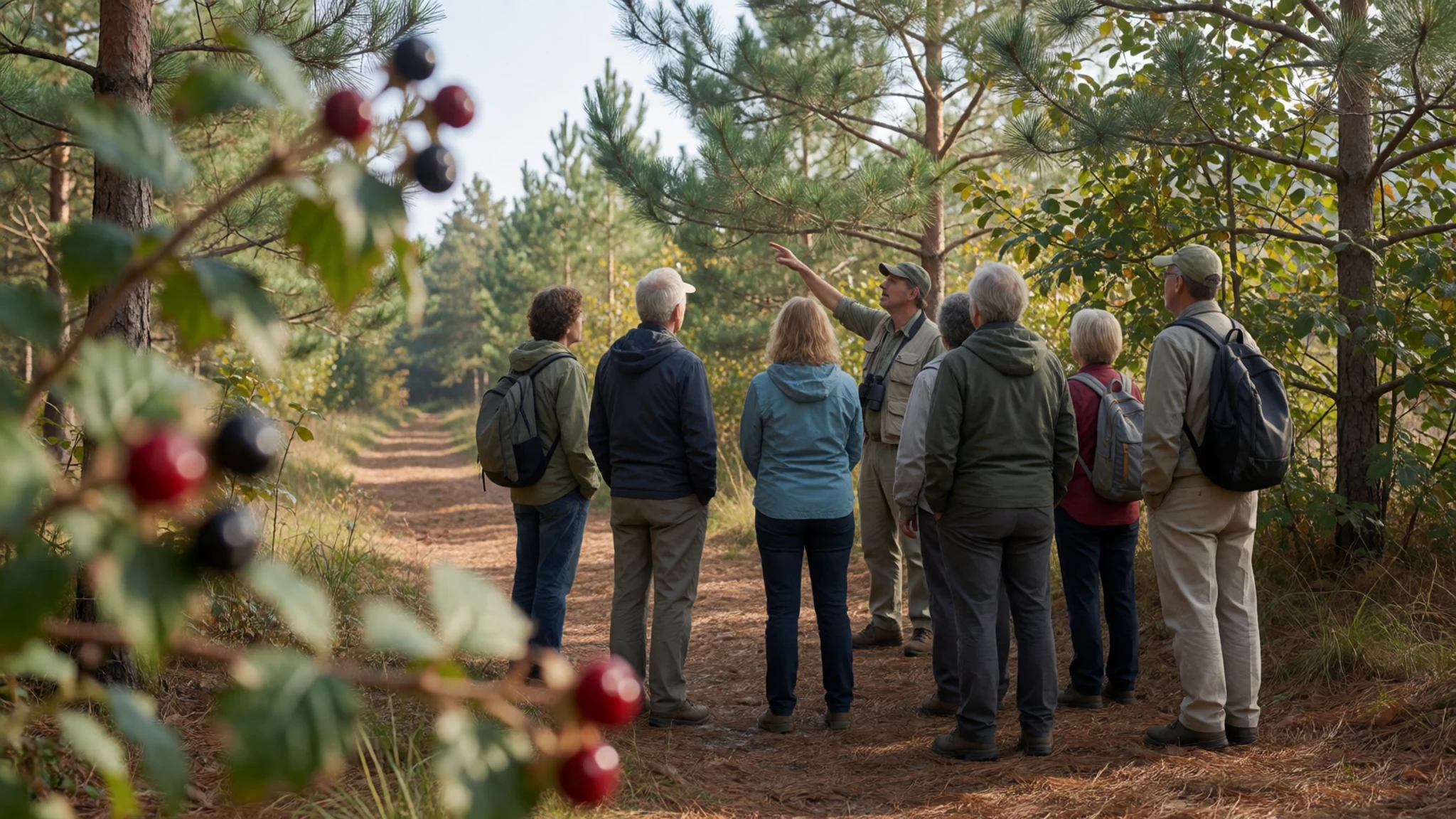
Culture
New Forest Commoners, verderers and agisters are the social backbone of the park, and they’re exactly why the place feels different from a fenced-off “attraction”. Commoning means grazing rights are still recognised and exercised, so everyday movements across the land are part of how the forest runs. That also shapes visitor experience: paths, gates and open areas exist alongside animals that don’t read your itinerary.
The ponies are feral in practice, which changes how you should behave. Don’t treat them like a friendly zoo: avoid feeding, because it encourages them to pester people for food. Also, never put yourself between a mother and her foal—kicking is a real risk.
Access is also cultural in a simple way: the forest is busiest around the big entry points and on certain routes, while the Northern Forest can feel quieter. If crowds matter to you, timing your walk helps—aim for earlier starts and plan around the A31’s busier edges.
Finally, remember this is living farmland and common land, not just a scenic backdrop. Keep noise down near animals, stick to marked paths where they exist, and treat vehicles, gates and grazing as part of the landscape’s working system.
Visitor etiquette: do not feed the ponies and never walk between a mother and her foal.
What to wear
In New Forest, dress is less about fashion and more about being comfortable in changing weather on grass, heath and woodland tracks. Traditional dress isn’t the point here for visitors, but the local look tends to mirror rural Hampshire: sturdy wool or fleece layers, practical outerwear, and boots built for damp ground.
What people wear now usually falls into two camps: hikers with waterproof jackets and walking shoes, and casual locals running errands in warmer layers when the sun comes out. Even in milder months, the ground can stay wet—heath and woodland trails hold onto moisture.
If you’re visiting churches, museums or stately buildings within reach, modesty and neatness still matter. Choose clothing that covers appropriately and doesn’t restrict movement—think long trousers, a light rain layer, and a warm top for mornings.
For footwear, go with grippy walking boots or shoes you don’t mind getting muddy. Add a hat or cap for bright, windy days and bring an extra layer for breeze and shade. In short: wear layers, expect damp underfoot, and keep your choices practical for long walks and quick weather shifts.
What to eat
- Café stop at Breamore House — At Breamore House and Countryside Museum
Breamore House and Countryside Museum has a café on site, useful for a warm break after a walk in the surrounding area. It’s a handy option when the weather turns or you need a sit-down meal before heading back out.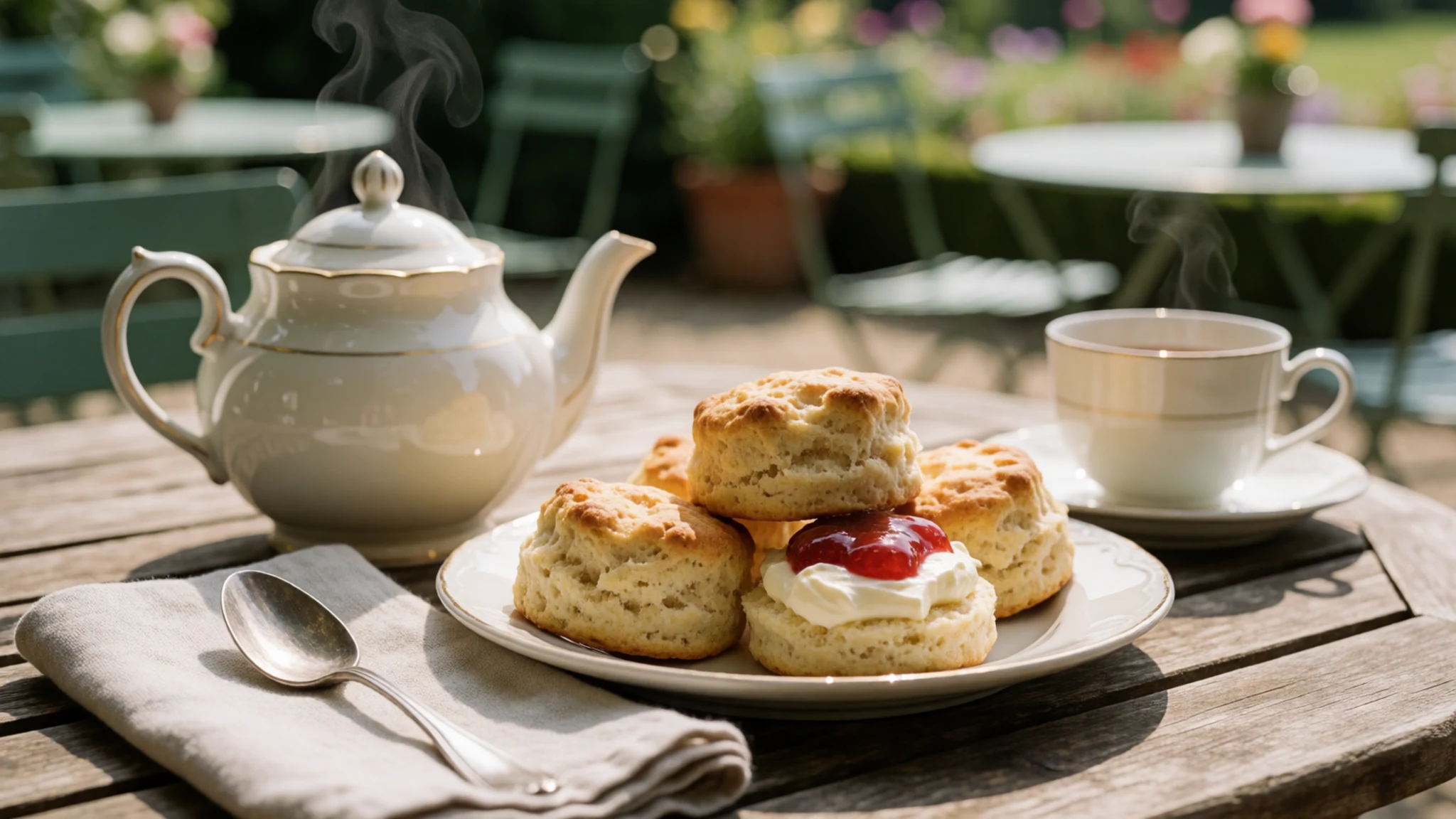
- Pub-style countryside meals around Lyndhurst — Lyndhurst town area
Lyndhurst is a common base for New Forest days, and you’ll find pub-style meals and hearty plates that suit rainy, windier weather. Look for seasonal specials and warming mains after time on the heath.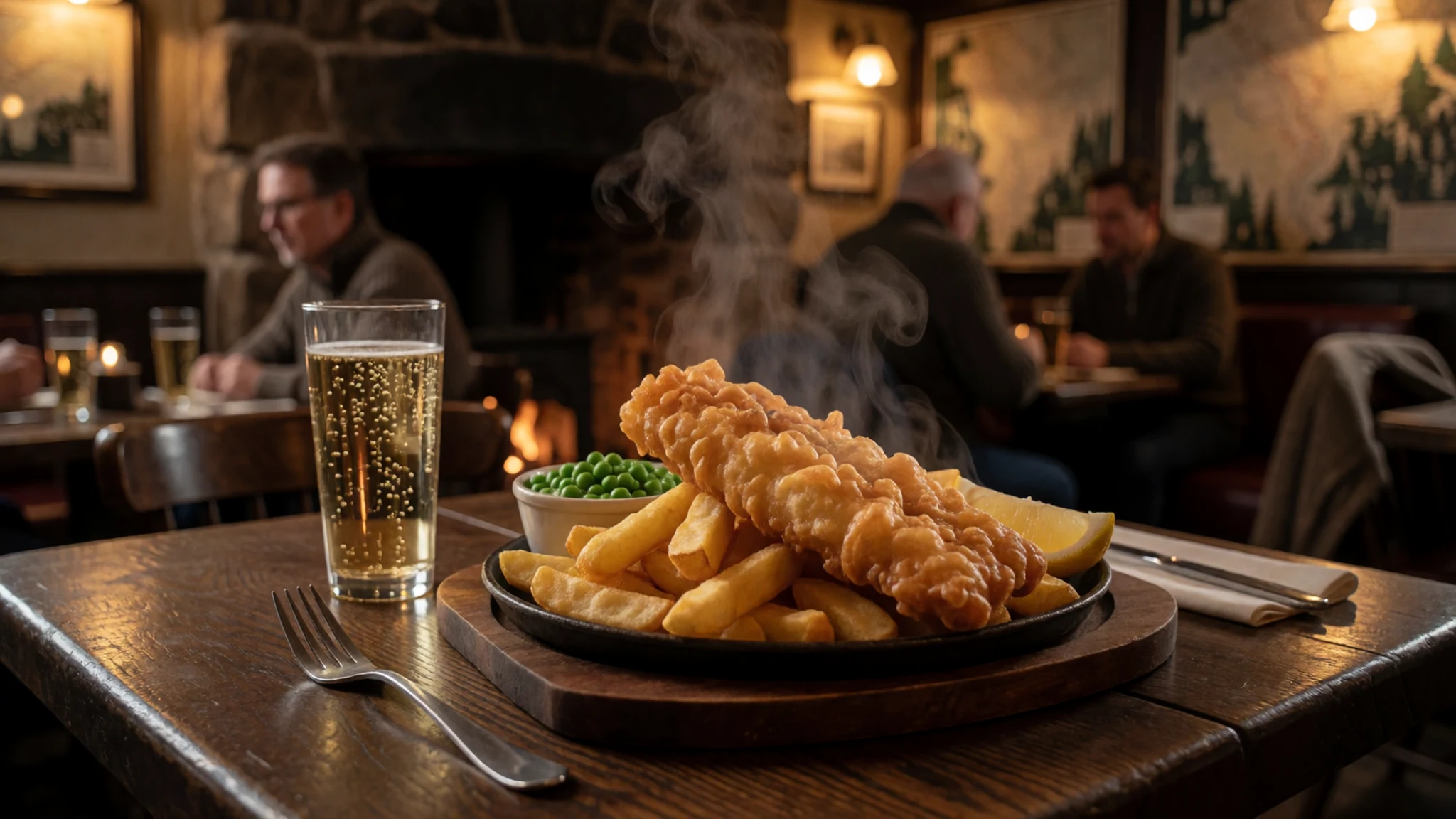
- Market snacks and picnic supplies — Local shops and market areas near main towns
New Forest days naturally turn into walking picnics. Pick up picnic basics—sandwiches, cakes and drinks—from local shops and market-style stalls when available, then eat in a dry patch away from grazing areas. - Cream tea as an afternoon break — Tea rooms in nearby towns
When you want something light but traditional, cream tea fits well into a longer day outdoors. Choose a tea room setting in nearby towns and use it as a reset before another trail. - River-side foraging-style vibes (without foraging) — Picnic spots along rivers and tracks
The forest’s streams and wet heathland create a “picnic by water” mood, even if you stick to store-bought food. Bring water and simple snacks so you’re not searching for lunch mid-walk.
Plan it
Best time. March–April for spring colour; late October–November for darker, autumnal light and cooler walks.
How long. 3–4
Getting there. Brockenhurst has a station on the mainline route between London Waterloo and Bournemouth via Southampton, with at least one fast train each hour from those cities; from Brockenhurst it’s an easier last leg to reach towns inside the forest. By plane, you can fly into Southampton Airport (SOU) for a direct train connection to Brockenhurst.
Budget. mid
Tips
- Use Brockenhurst as a rail base and plan walks from there to reduce driving time
- Start early on busy routes around the A31 and then shift to quieter areas for the afternoon
- Carry a waterproof layer and expect damp ground on grass and heath trails
- Keep ponies in mind on any crossing points: give them space and don’t try to guide their movement
- Check train times on the National Rail Planner or by calling +44 345 748 4950
Etiquette
- Leave the ponies alone and do not feed them
- Never get between a mother pony and her foal
- Respect that the land is managed for grazing—avoid blocking gates or interfering with stock routes
Nearby
Sources
- Wikidata Q277755 (CC0)
- Wikipedia (rev 1384066101) (CC BY-SA 4.0)
- Wikivoyage (rev 5412506) (CC BY-SA 4.0)
- Photo photos/01-new-forest-heath-and-horses.jpg (CC BY 3.0)
- Photo photos/02-beaulieu-mill-pond-new-forest-uk-panoramio.jpg (CC BY 3.0)
- Photo photos/03-royal-forests-1327-1336-selected.jpg (CC BY 3.0)
- Photo photos/04-rufus-stone.jpg (Public domain)
- Photo photos/05-cow-eating-straw-new-forest.jpg (CC BY-SA 2.5)
- Photo photos/06-alder-trees-beaulieu-river-fawley-ford.jpg (CC BY-SA 1.0)
- Photo photos/07-shetlandpony.jpg (CC BY-SA 4.0)
- Photo photos/08-high-street-lyndhurst-hampshire-england-in-feb-2020-arp.jpg (Public domain)


