Neusiedl Lake
Neusiedl Lake, Austria
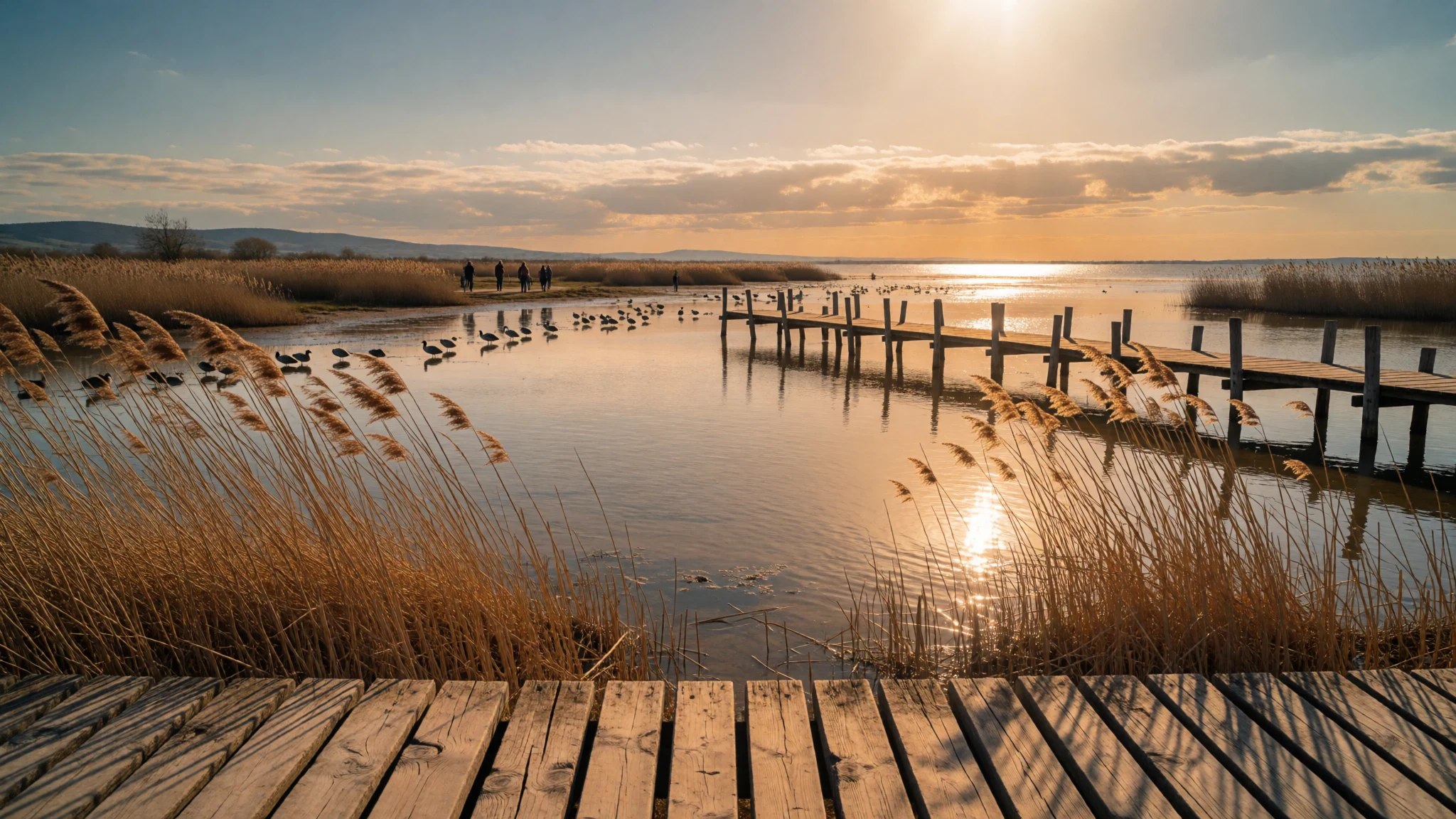
Neusiedl Lake is a wind-whipped steppe lake where reeds, birds and villages meet—perfect for a slow outdoors trip from Vienna.
The place
Neusiedl Lake (Neusiedler See / Lake Fertő) sits on the border between Austria and Hungary, and it feels unlike the “classic” alpine lakes you might picture. The water is shallow and saline, backed by long stretches of reedbed and flat land that can look almost endless on a calm day. When the wind rises, it changes the whole mood: the surface turns lively, sailing becomes practical, and everything—from walking paths to boats—moves with the weather.
This is an endorheic lake, meaning the system doesn’t simply drain away; instead, it creates a local landscape shaped by evaporation and the lake’s own balance. That’s why the shoreline can look different over time, and why the region’s wildlife and plant life are adapted to these shifting conditions.
The settlements around the lake are part of the story, too. For centuries, people have traded, met and built rustic villages here, and that lived-in culture is reflected in the architecture you’ll notice as you hop between towns. In many places the lake is treated like a communal backyard: swims in summer, watersports when winds cooperate, and long walks when the reeds hide birds and the light turns honey-coloured.
If crowds matter, the honest answer is that summer weekends can get busy at popular lakefront spots and beaches. Go earlier in the day or choose smaller towns and calmer edges, and the lake’s real character shows up quickly: open skies, distant rooftops, and that reed-and-water atmosphere that sticks to your clothes in the best way.
Its story
Neusiedl Lake has a rhythm that doesn’t match the rest of Central Europe. In summer it’s playful—sun, wind, and water sports close enough to feel like a local habit rather than a “destination activity”. But even then, the landscape tells you to pay attention: the lake’s shallowness and fluctuating conditions mean boating and moorings can behave differently than travellers expect.
Step back from the water and the area shifts into something more historical and quietly dramatic. The communities around the lake have been active for thousands of years, and you can feel it in how villages sit along the shore and how church towers and monuments punctuate the flat terrain. Places along the lake reflect the baroque era and the region’s wider European layers of history.
There’s also a creative streak to the lake’s edges. The Pit gives you that “how is this even here?” moment: a contemporary artwork that fits the steppe landscape instead of fighting it. And then there’s the wildlife side. Even with tourism present, the region remains shaped by protected habitats and a steady stream of birds, which is why this isn’t just a summer beach circuit—it’s also a place where slow observation pays off.
What makes the trip memorable is the in-between time. A late afternoon walk when the wind drops slightly, the calm before evening light, and a town centre where life feels practical rather than performative. It’s not trying to impress; it’s inviting you to move at the lake’s pace.
What to see
- Lake Neusiedl (Neusiedler See) — Lakefront around Podersdorf
Lake Neusiedl is the main stage: in summer, it’s where swimming and water sports happen, and where the wind makes the water feel active. The shoreline changes with conditions, so the same viewpoint can look different across visits. Plan at least one sunset walk for the light over the reeds.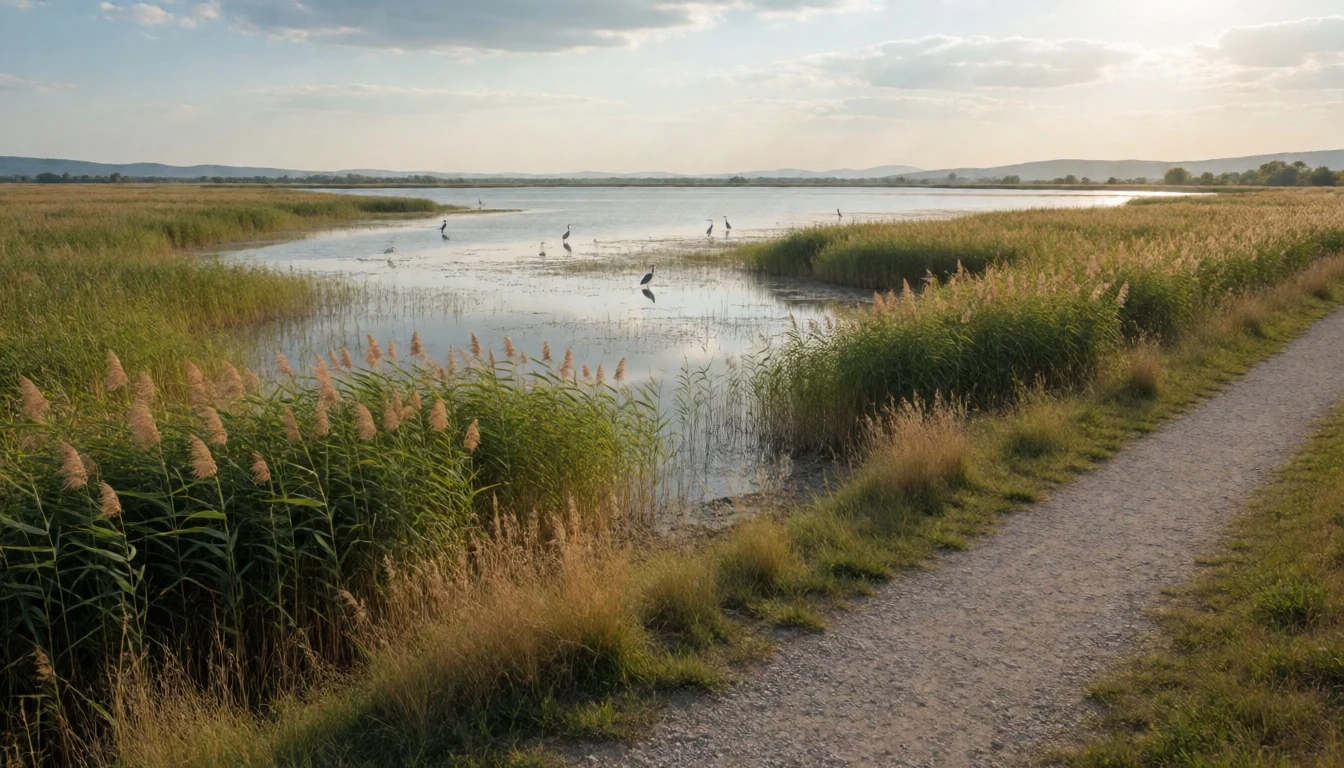
- Ungerberg — Burgenland side
Ungerberg is a history stop with an atmospheric setting. The routes are straightforward, and the landscape helps explain why the area became important for defence.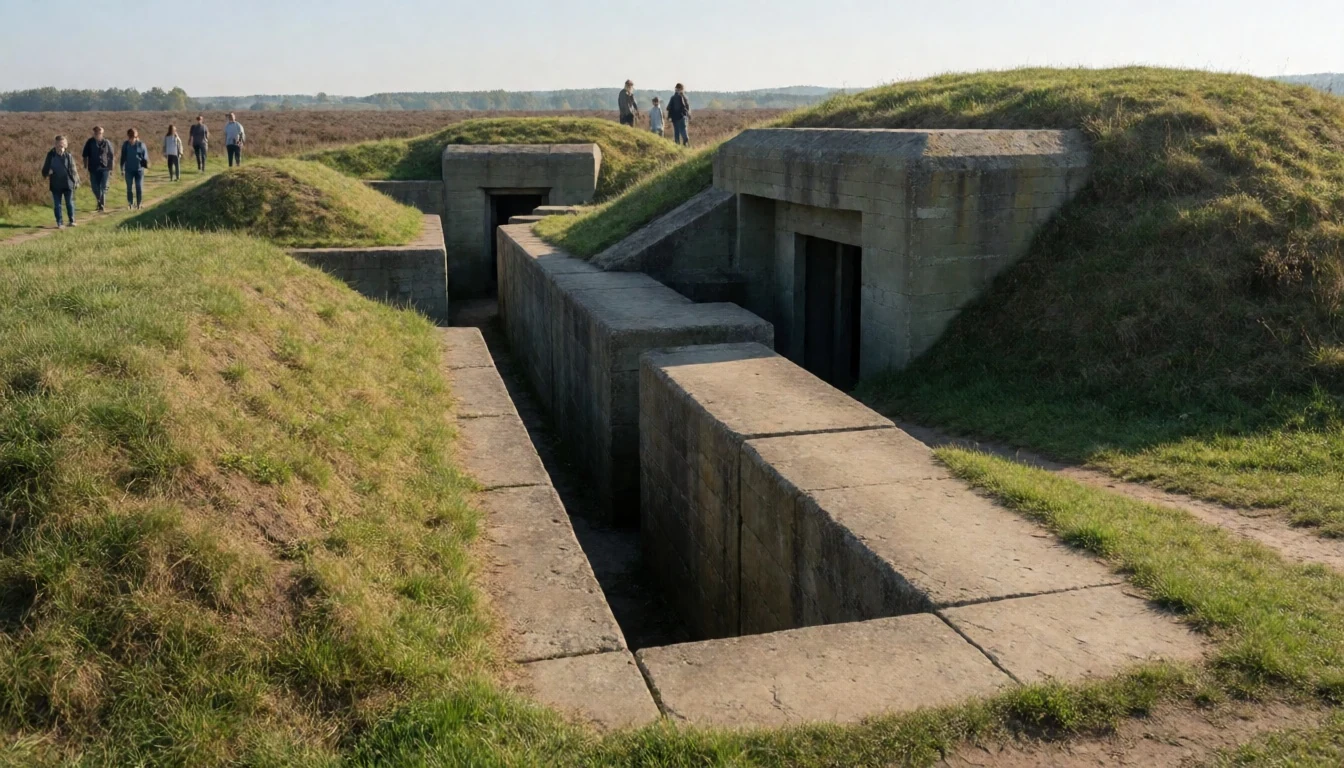
- The Pit — Near the lake region
The Pit is a land art experience: you can’t really see it on a map and then understand it—you have to walk in and let it sink in. Go when the light is angled, not flat noon.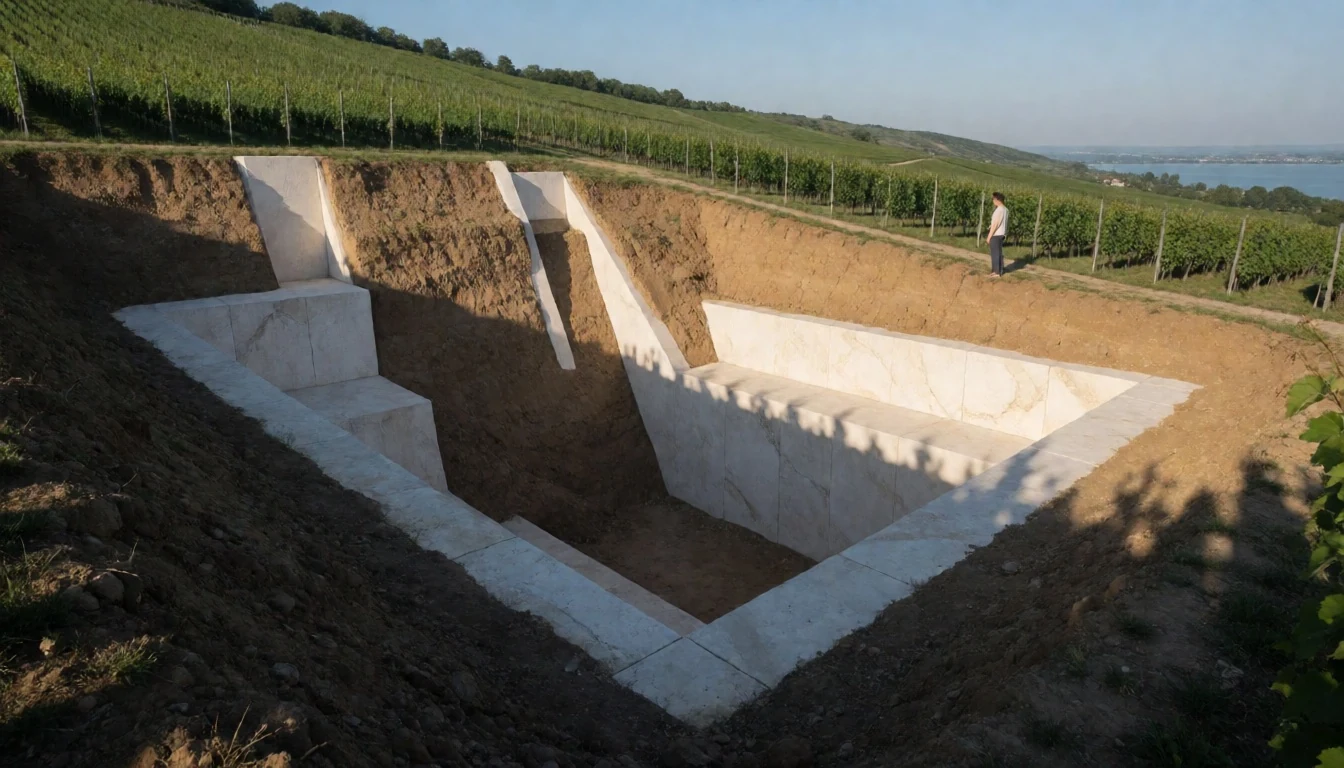
- Prugg castle — Lake-area villages
Prugg is one of the older landmarks tied to the area’s layered past. Even if you only spend time outside, it gives you a feel for how settlements relate to the surrounding flatness and trade routes. Pair it with a village wander so the lake, not just the landmark, stays in view.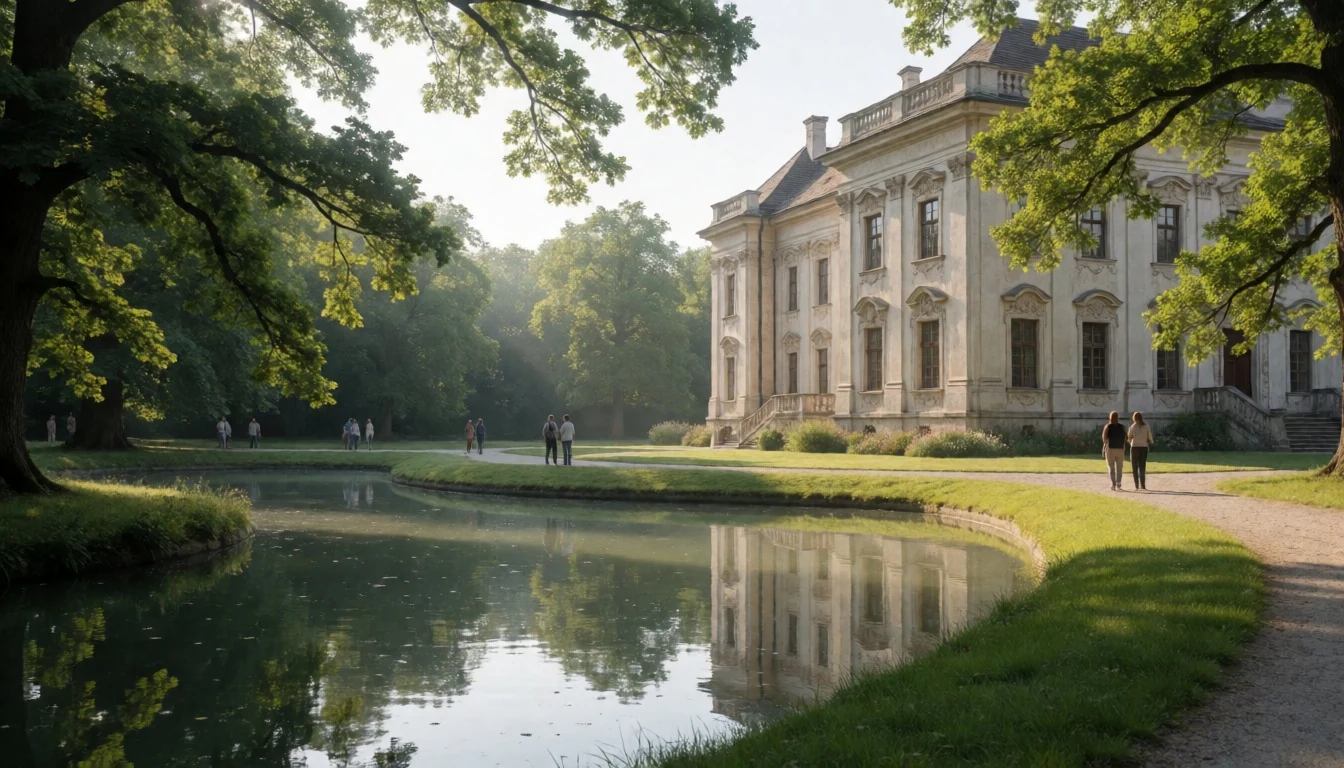
- Friedrichshof — Friedrichshof area
Friedrichshof is an art collection/museum stop that adds a calmer, culture-first break from walking outdoors. If the weather turns, it’s a good way to keep the day moving without sacrificing the “regional” feel. Check location details locally and build it into a town-based itinerary.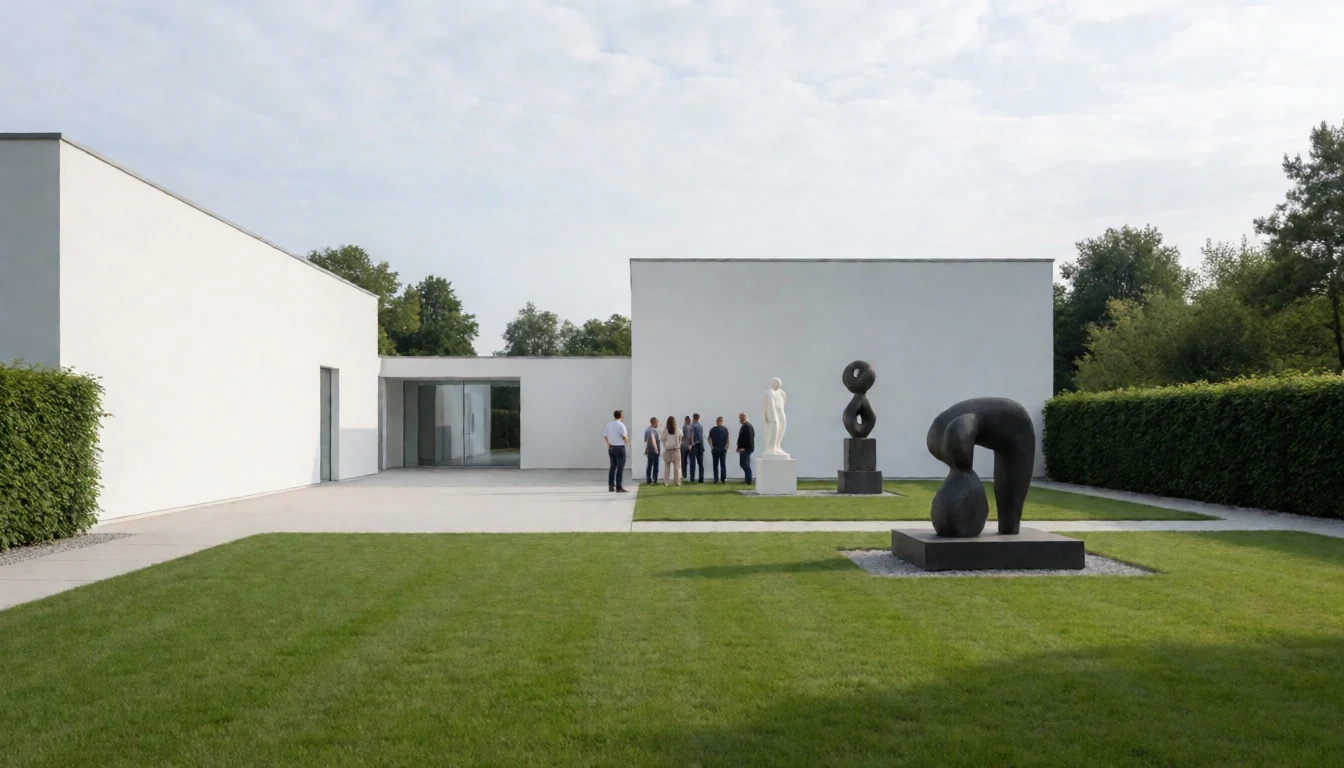
- Parish Church of Neusiedl am See — Neusiedl am See town
The Parish Church of Neusiedl am See is a striking stop that blends old architectural roots with later embellishments. Even a quick look inside (if accessible) makes the local history feel tangible rather than distant.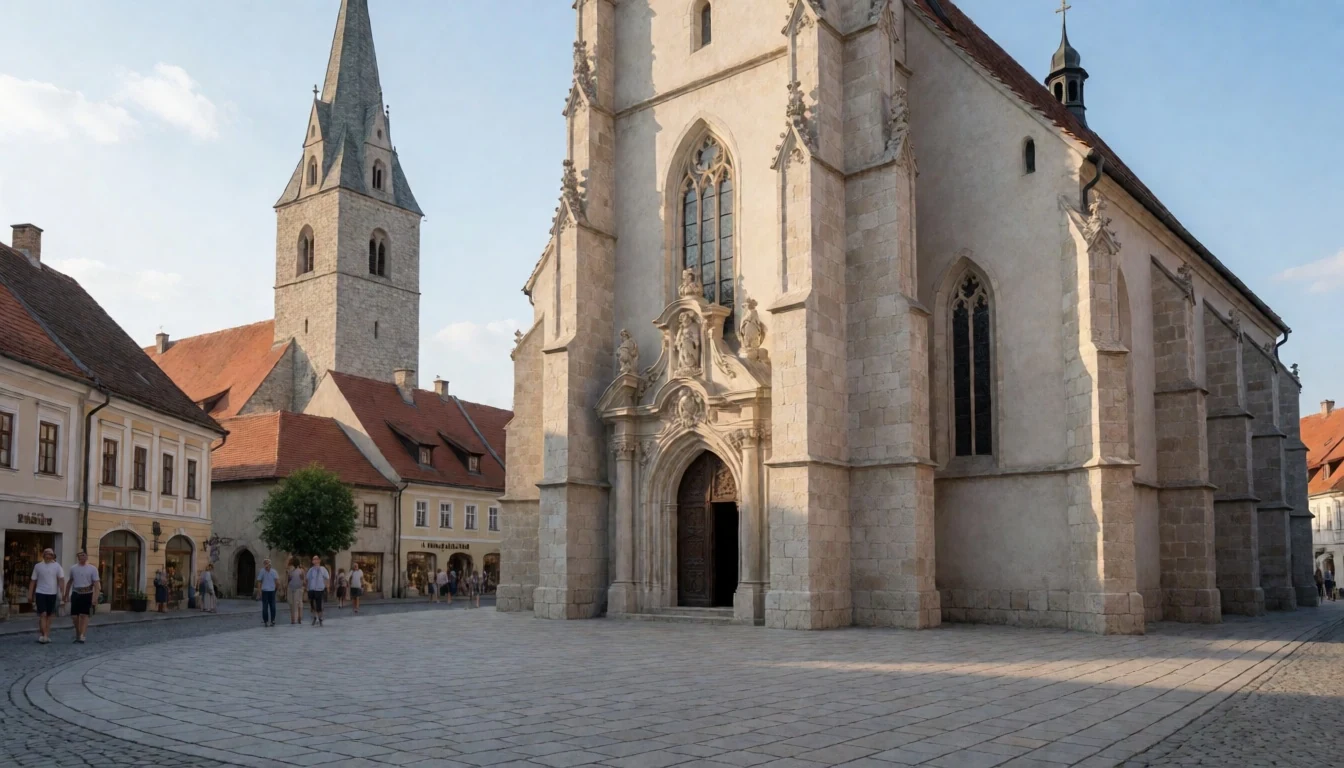
Culture
Neusiedl Lake’s culture is shaped by two things: water and the flat steppe landscape around it. Villages have grown around the lake for centuries, and many of the buildings have that rustic, practical look that comes from living with a wind and reed environment rather than fighting it. You’ll often see life organised around seasonal routines—when the water is inviting, when it isn’t, and when the winds turn sailing from “possible” to “worth it”.
The lake’s UNESCO listing adds another layer, not as a label for visitors, but as a reminder that the whole system—people, architecture, and habitats—works together. Even on a tourist day, you’re sharing space with a working landscape. Reedbeds and protected habitats mean that some areas are not about roaming freely; it’s about approaching with attention.
Food and drink here tend to feel hearty and regional, and the local rhythm is less about “one big museum day” and more about combining short cultural stops with outdoors time. If you’re travelling from Vienna, the area often feels like a convenient escape hatch—easy to reach, but different enough to feel like its own world.
Visitor etiquette: respect reedbed and protected areas—stay on marked paths and avoid lingering where wildlife may be nesting.
What to wear
At Neusiedl Lake, the outfit equation is mostly about wind, sun and footwear, not fashion. Traditional dress in the region reflects Burgenland and nearby cultural traditions: you’ll see embroidered folk garments for festivals, often with structured skirts, decorative patterns and layered textiles that look best in stable, dry weather. On special occasions, people may wear traditional headwear and carefully made embroidery—usually reserved for celebrations rather than everyday lake walks.
What visitors wear now is practical. In summer, expect light layers, breathable tops and shorts or casual trousers for the towns and paths. The lakefront can get sun-hot, but a breeze can also cool you quickly once you slow down, especially in the evening. For footwear, closed shoes with grip are a win because ground near the lake can be uneven and there are reed-edge paths where sandals don’t feel secure.
For a visitor wardrobe: bring a hat and sunglasses, pack a windproof layer for breezier days, and choose water-friendly shoes if planning a long lakeside walk. If church visits are on the plan, modest cover-up basics help—nothing elaborate, just sleeves and clothing that doesn’t feel too beachy.
What to eat
- Lake-region fish dishes
Lake Neusiedl is used for commercial fishing, so fish tends to show up across the area—often grilled or prepared in local styles. Look for it in straightforward local inns and regional menus around the lake towns, especially where seafood is the theme.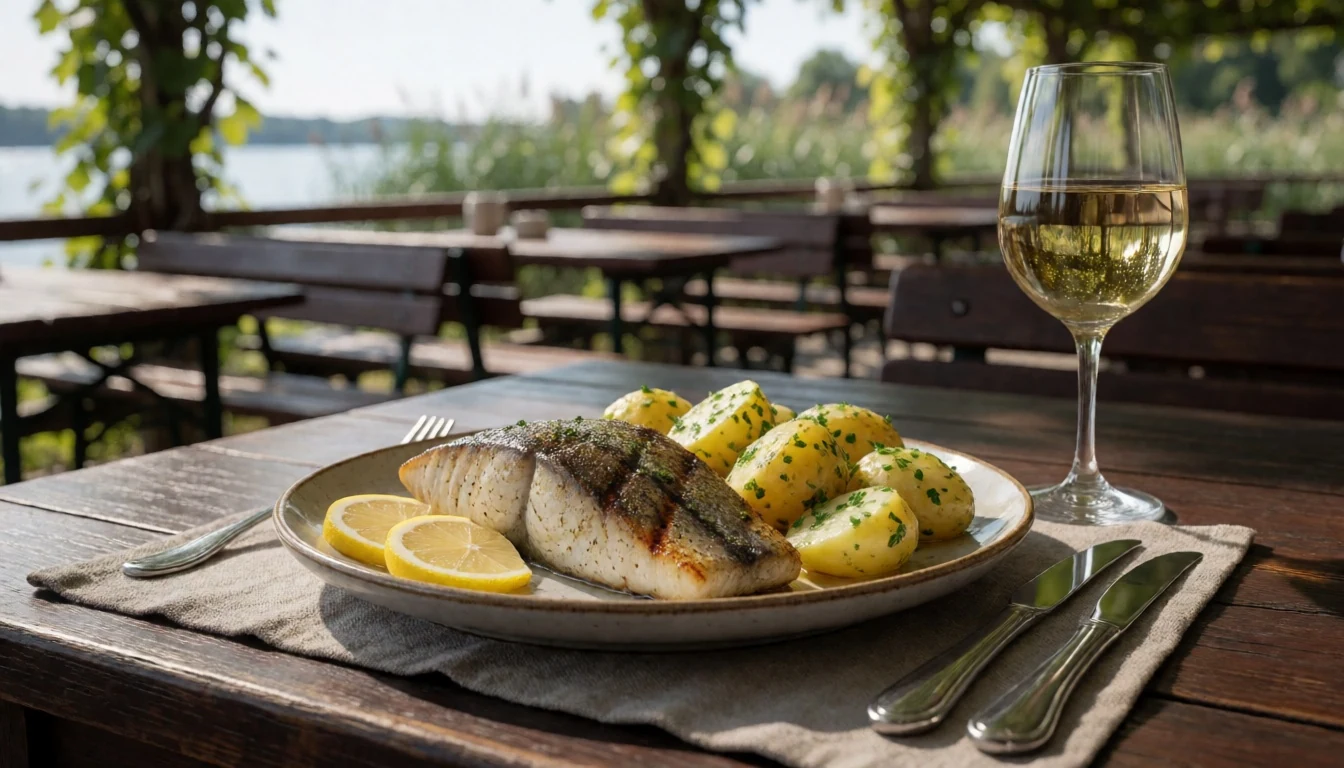
- Hearty Austrian-style soups
When the day is breezy or a bit cool, soups are a reliable comfort—think clear broths and heavier ladle dishes that suit countryside eating. Find them at small town eateries and day-to-day restaurant menus in the lake settlements.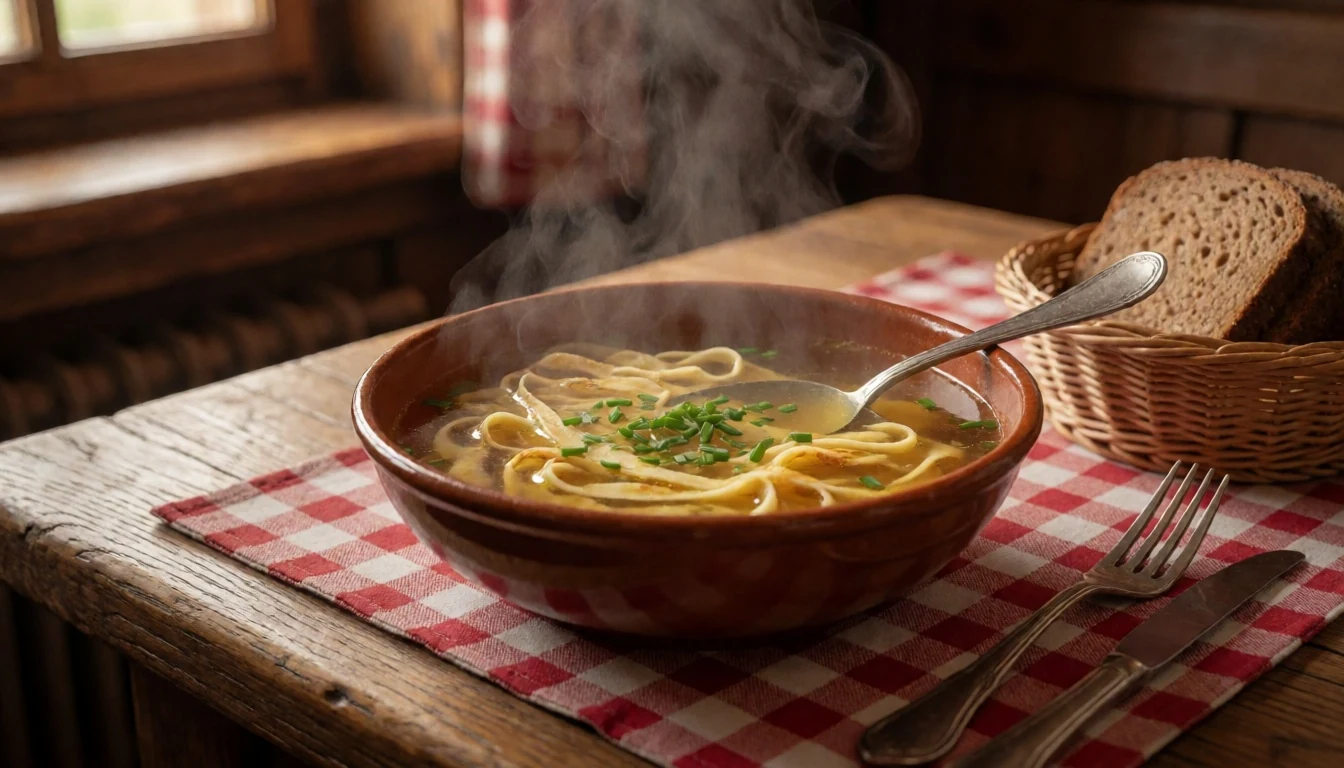
- Viennese-influenced pastries and cakes
Burgenland gets Vienna’s dessert influence, and you’ll notice it in cafés that serve cakes alongside tea or coffee. These are a good midday reset when the heat builds or when the wind makes outdoor time feel shorter. - Local bread-and-deli plates
In village settings, quick meals often mean bread with local cured meats, spreads and seasonal sides. Grab these kinds of plates at everyday restaurants or casual lunch spots in the town centres, ideal for a low-effort day of walking. - Seasonal produce in market-style settings
The lake region’s countryside farming means seasonal produce tends to be part of meals—especially in warmer months. If you’re around town at the right time, look for market-style stalls or regional sections in local shops for simple, fresh additions to your day.
Plan it
Best time. April–May and September for comfortable walking—May and August are the warmest, with the wettest months in May through September; June through September also brings frequent rain, while July and August feel the most summer-hot and can be busy at popular waterfront spots.
How long. 3–4
Getting there. Fly to Vienna-Schwechat (then about 30 minutes by car), or use Bratislava Airport by car (about half an hour). By rail, regional trains connect surrounding villages such as Parndorf, Weiden and Pamhagen; from Budapest (Keleti) and Bratislava (Petržalka) you’ll usually change at Bruck an der Leitha.
Budget. mid
Tips
- Base yourself in one or two towns and do day loops by bus or short hops rather than constant check-ins
- If sailing or watersports are in the plan, choose days with wind and arrive early for conditions to settle
- For photography and reed views, aim for mornings or late afternoons to avoid harsh glare
- Plan flexible time around low-water conditions, especially if boating is part of the idea
- Keep some cash for smaller local stops, and use card where larger services are available
Etiquette
- Respect protected habitats—stay on marked paths near reeds
- Keep noise down in quiet lake edges where wildlife is active
- Follow any signage around historic sites and churches, including dress and entry rules
Nearby
Sources
- Wikidata Q6396 (CC0)
- Wikipedia (Lake Neusiedl, rev 1383631683) (CC BY-SA 4.0)
- Wikivoyage (Neusiedl Lake, rev 5249583) (CC BY-SA 4.0)
- Photo 01-neusiedler-see-im-winter.jpg (CC BY-SA 4.0)
- Photo 02-lake-neusiedl-and-hansag-1783.jpg (Public domain)
- Photo 03-podersdorf-nordstrand-abendstimmung-1.jpg (CC BY 3.0)
- Photo 04-donnerskirchen.jpg (CC BY 3.0)
- Photo 05-rust1.jpg (CC BY 3.0)
- Photo 06-basilika-frauenkirchen.jpg (CC BY-SA 3.0 at)
- Photo 07-eisenstadt-schloss-esterhazy.jpg (CC BY 3.0)
- Photo 08-neusiedler-see-podersdorf.jpg (Public domain)


