Nelson Lakes National Park
Nelson Lakes National Park, New Zealand
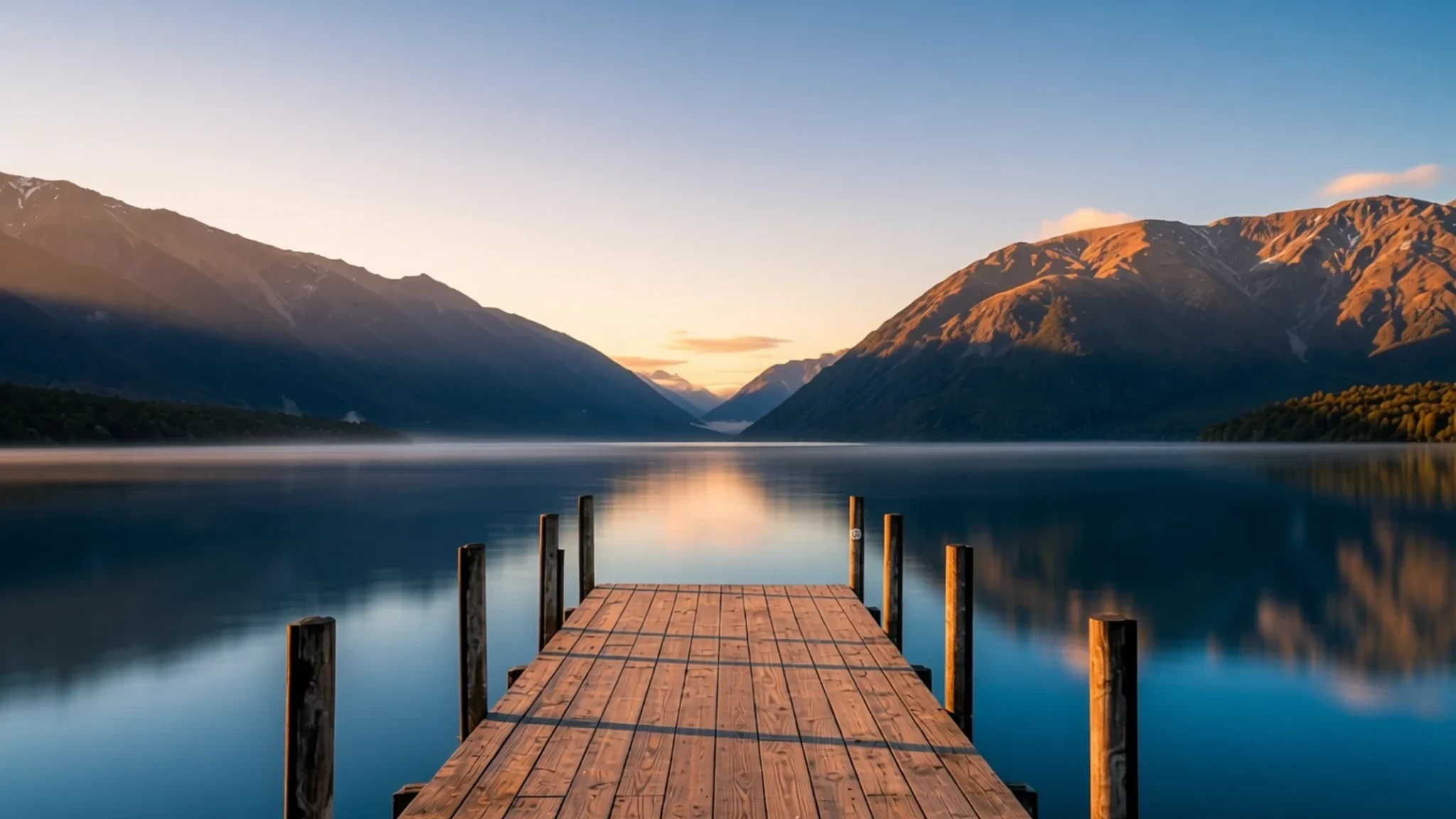
Nelson Lakes National Park protects ancient beech forests, dramatic glacial valleys, and pristine alpine waters at the northern crown of the Southern Alps.
The place
Nelson Lakes National Park sits at the northern end of the Southern Alps on the South Island of New Zealand, anchored by the magnificent, glacier-scoured bodies of Lake Rotoiti and Lake Rotoroa. The terrain is defined by thick stands of native beech forest sweeping upward into sharp, rugged mountain ranges crossed by active tectonic faults and carved by ancient ice sheets. The geography of the park is centred on these deep, long water basins and their surrounding river catchments, including the Travers, Sabine, and D'Urville river systems. Higher up, the landscape transitions into exposed ridges, scree slopes, and dramatic alpine basins where permanent snowfields cling to the most sheltered rocky heights. Weather systems rolling off the Tasman Sea can shift quickly, bringing sudden alpine squalls, rain, or unexpected snow even during the warmest months of the year. The park is managed in distinct sectors that balance public recreation with vital ecological restoration, particularly around the forested margins of the northern lakes where intensive predator control supports recovering bird populations. Walking through the valleys, visitors encounter clear rushing streams, moss-draped branches, and quiet shores that remain largely untouched by modern development.
Its story
The rugged valleys and crystal waters of Nelson Lakes National Park hold deep historical and spiritual significance for numerous Māori iwi, whose ancestors relied upon the waterways as crucial pathways and sources of life. Nations including Ngāti Apa ki te Rā Tō, Ngāti Kuia, Rangitāne o Wairau, Ngāti Rārua, Ngāti Tama ki Te Tau Ihu, Ngāti Toa Rangatira, Te Atiawa o Te Waka-a-Māui, and earlier the Ngāti Tūmatakōkiri people, maintain enduring cultural connections to this landscape. European exploration and colonial land transactions brought profound changes during the nineteenth century, marked by disputed claims and delayed settlements that largely bypassed indigenous governance. As colonial settlement expanded, growing public recognition of the region's natural splendour spurred early conservation efforts across New Zealand. These preservation movements culminated in the formal creation of the park, established during a pivotal decade for the nation's protected lands alongside major wilderness reserves like Fiordland and Mount Cook. Over subsequent decades, management strategies evolved from simple recreation planning to active ecological stewardship, seeking to heal damaged habitats and protect fragile native species from introduced mammalian predators through dedicated conservation projects.
What to see
- St Arnaud Range Track — St Arnaud area
This demanding route offers a steep, direct climb straight up from the lake shore at St Arnaud into high alpine country. Hikers face sustained elevation gains through beech forest before breaking out onto exposed ridgelines with expansive panoramas across the entire lake basin and surrounding peaks.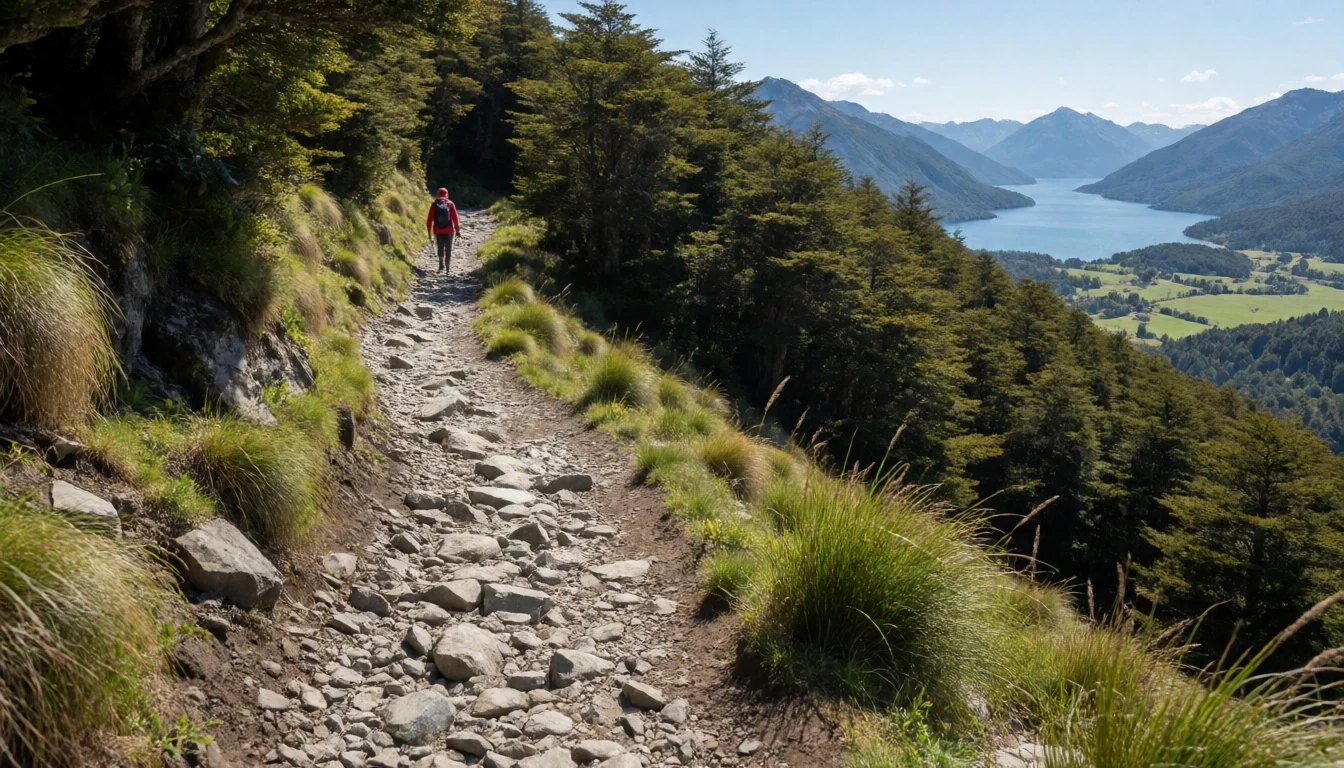
- Mount Robert Circuit Track — Mount Robert
A classic day walk starting from the mountain carpark, taking the steep Pinchgut track upward and returning via Paddy's track. Those with sufficient time and steady weather can extend their journey further along the high, exposed terrain of the dramatic Robert Ridge.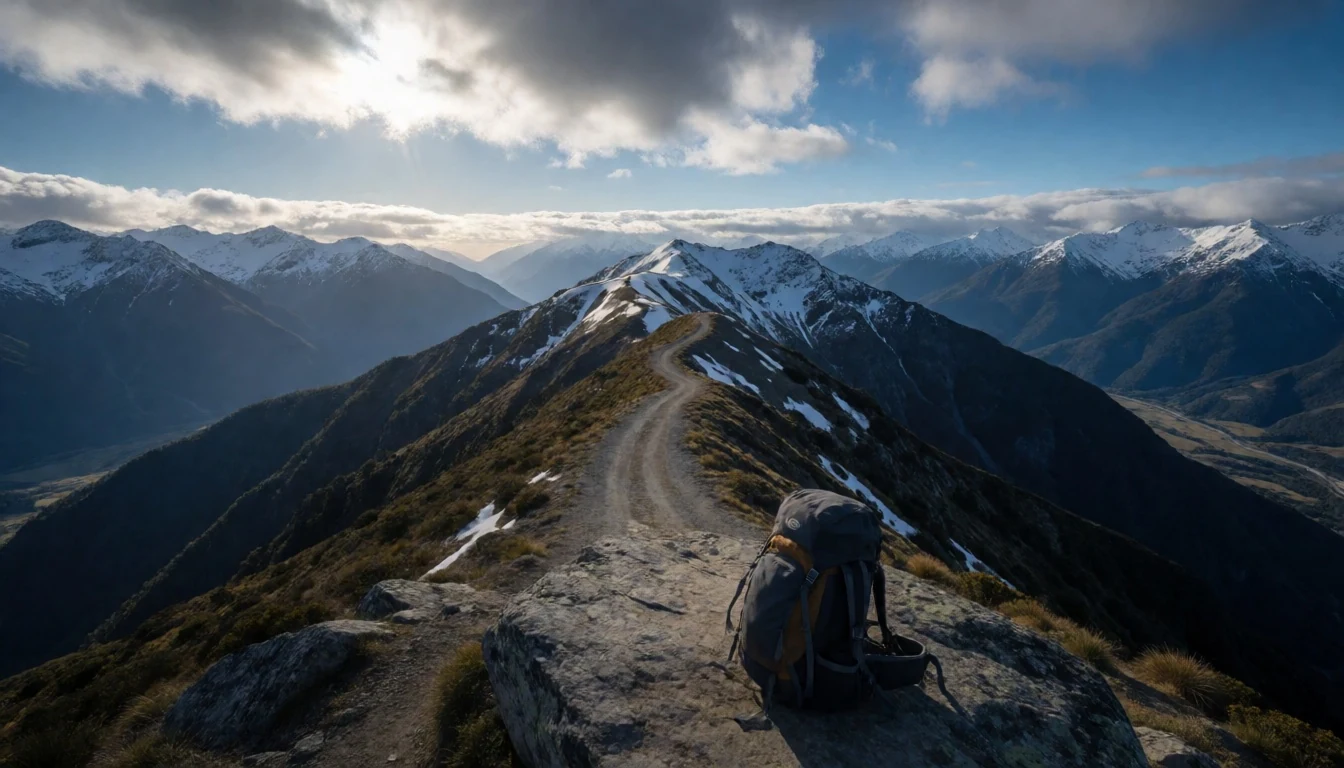
- Lake Angelus — Alpine interior
Nestled in a stark alpine basin high above the surrounding valleys, this glacial lake is the premier overnight tramping destination in the park. The approach rewards steady hikers with breathtaking stillness, rugged peaks, and a well-known backcountry hut managed for mountain walkers.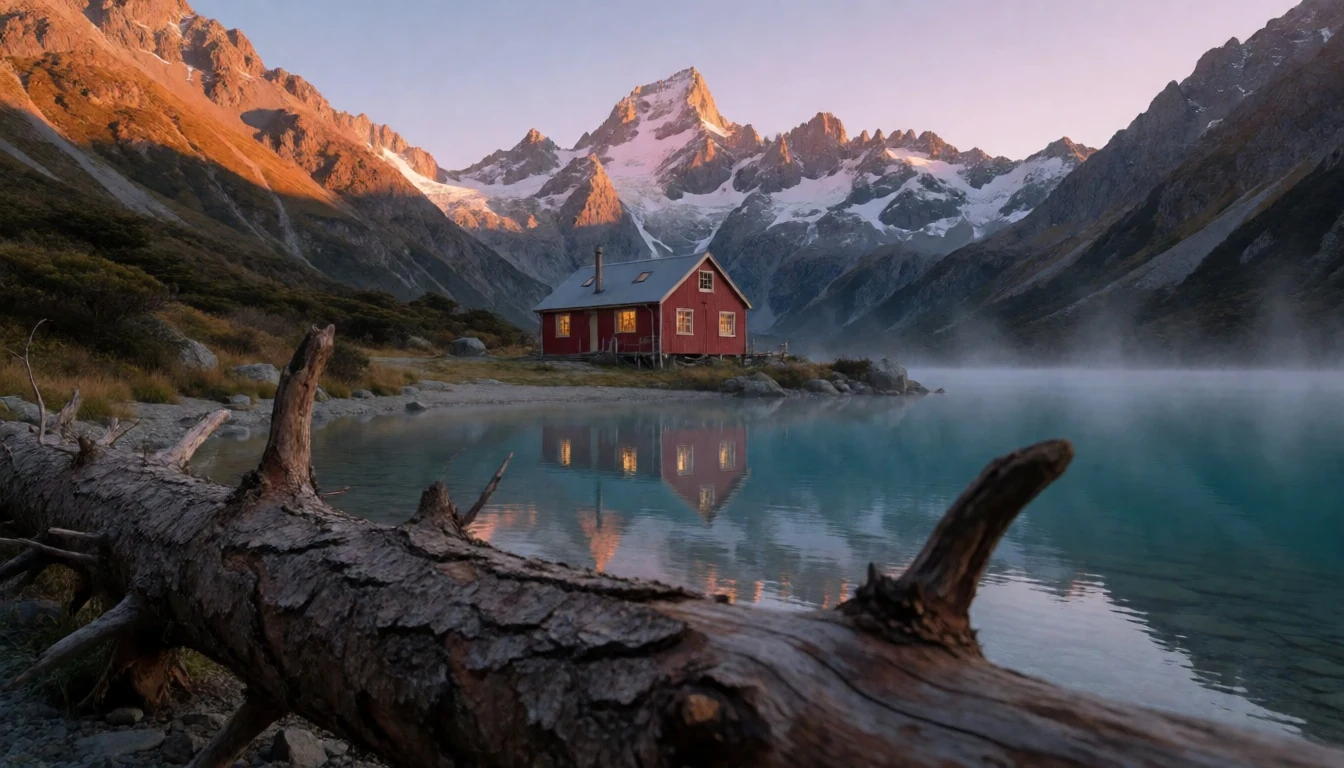
- Rotoiti Mainland Island — Lake Rotoiti eastern shore
An intensive ecological restoration zone encompassing thousands of hectares of native beech forest on the eastern shores of Lake Rotoiti. Dedicated conservation work here has successfully suppressed introduced pests, allowing vulnerable native birds to re-establish stable breeding populations.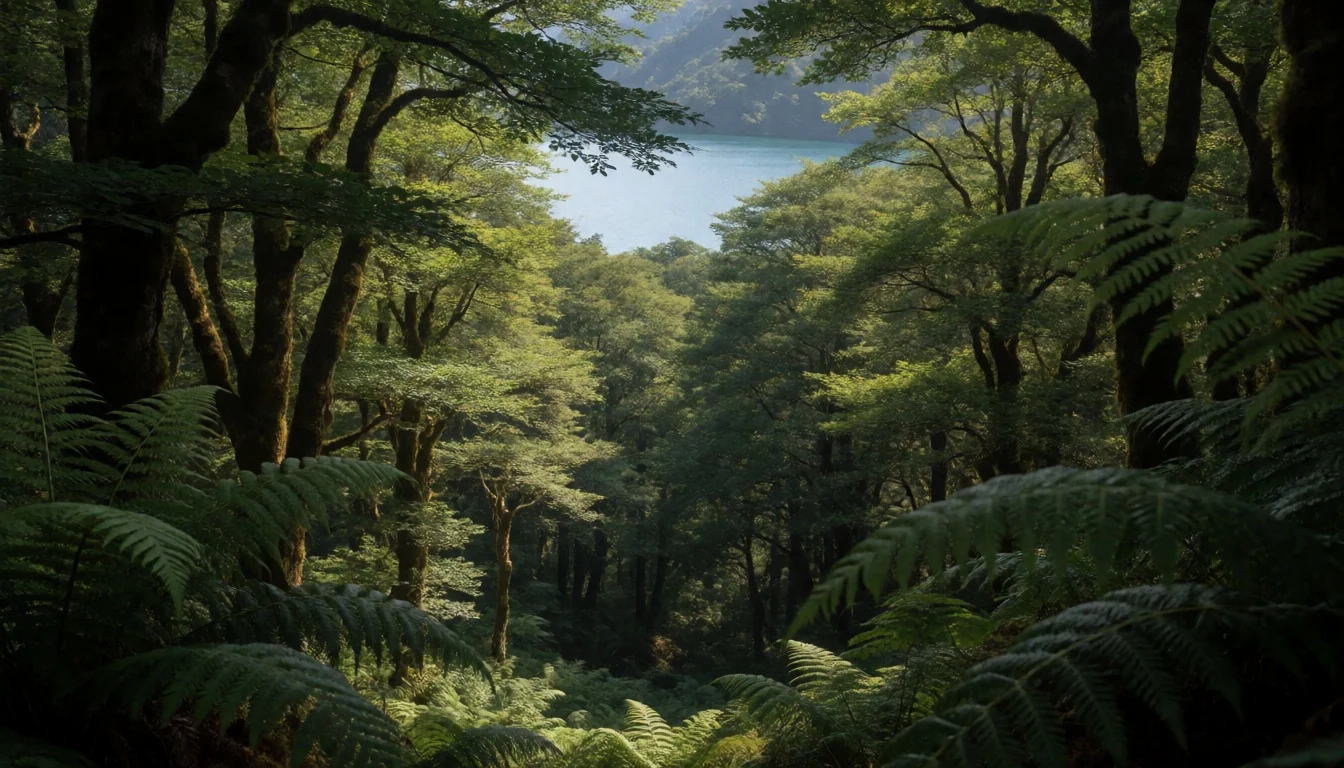
- Travers-Sabine Circuit — Park interior
A challenging multi-day backcountry expedition looping through deep river valleys and high mountain passes. The route connects remote alpine huts, requiring experienced wilderness navigation, river-crossing competence, and careful preparation for unpredictable alpine weather changes.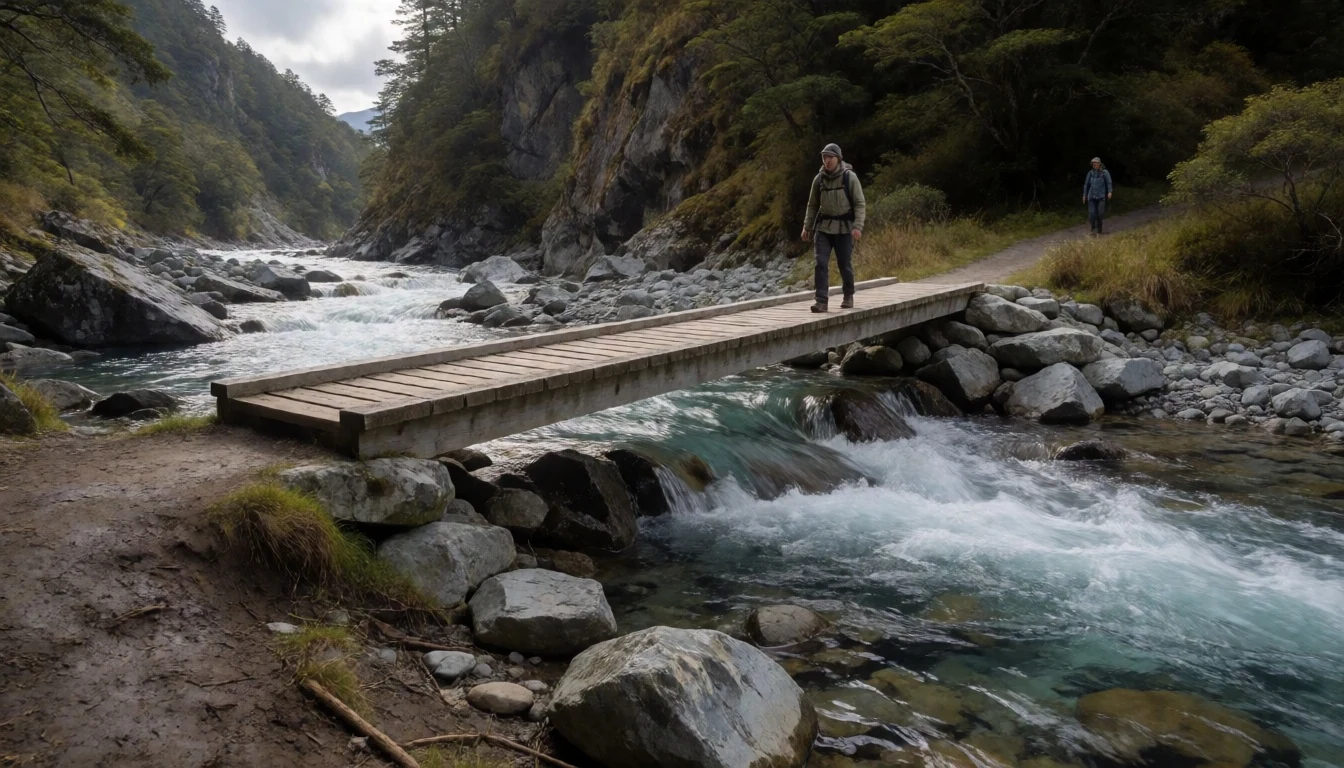
Culture
The cultural fabric of the region is deeply intertwined with both indigenous Māori heritage and the rugged pioneering traditions of South Island trampers. Local iwi maintain guardianship roles over the natural resources, ensuring that traditional stories, ancestral names, and customary values are respected in park management. Alongside indigenous guardianship, a distinct subculture of wilderness exploration has flourished here for generations, built upon codes of mutual aid, backcountry hut etiquette, and self-reliance in difficult terrain. Visitors share spaces in remote backcountry shelters, where standard practice involves packing out all rubbish, signing intentions books, and leaving firewood dry for the next traveller. Conservation volunteers and local rangers work closely together to maintain pest-free zones and protect native fauna from introduced predators. Always clean your footwear and outdoor equipment thoroughly at biosecurity wash stations before entering park tracks to prevent the spread of invasive plant pathogens.
What to wear
Traditional attire in this alpine environment has always been shaped by practical necessity rather than ceremony, drawing on durable wool and hardy woven textiles suited to wet, cold climates. Modern residents and outdoor guides working in the area dress for unpredictable mountain conditions, typically wearing technical moisture-wicking base layers, insulating fleece garments, and waterproof shell jackets. Sturdy, broken-in hiking boots with good ankle support are essential footwear for navigating rough, rocky trails and muddy forest paths. Visitors exploring the park should never rely on casual clothing, regardless of the season, and must always pack windproof outer layers, warm beanies, gloves, and spare dry clothing in a waterproof pack liner. Sun protection, including quality sunglasses and broad-spectrum cream, is equally important when traversing exposed alpine ridges under intense high-altitude sunlight.
What to eat
- Alpine Lodge Restaurant — St Arnaud village centre
The principal sit-down dining establishment in the village of St Arnaud, offering hearty evening meals, local New Zealand wines, and warming comfort food after a long day of hiking in the mountains.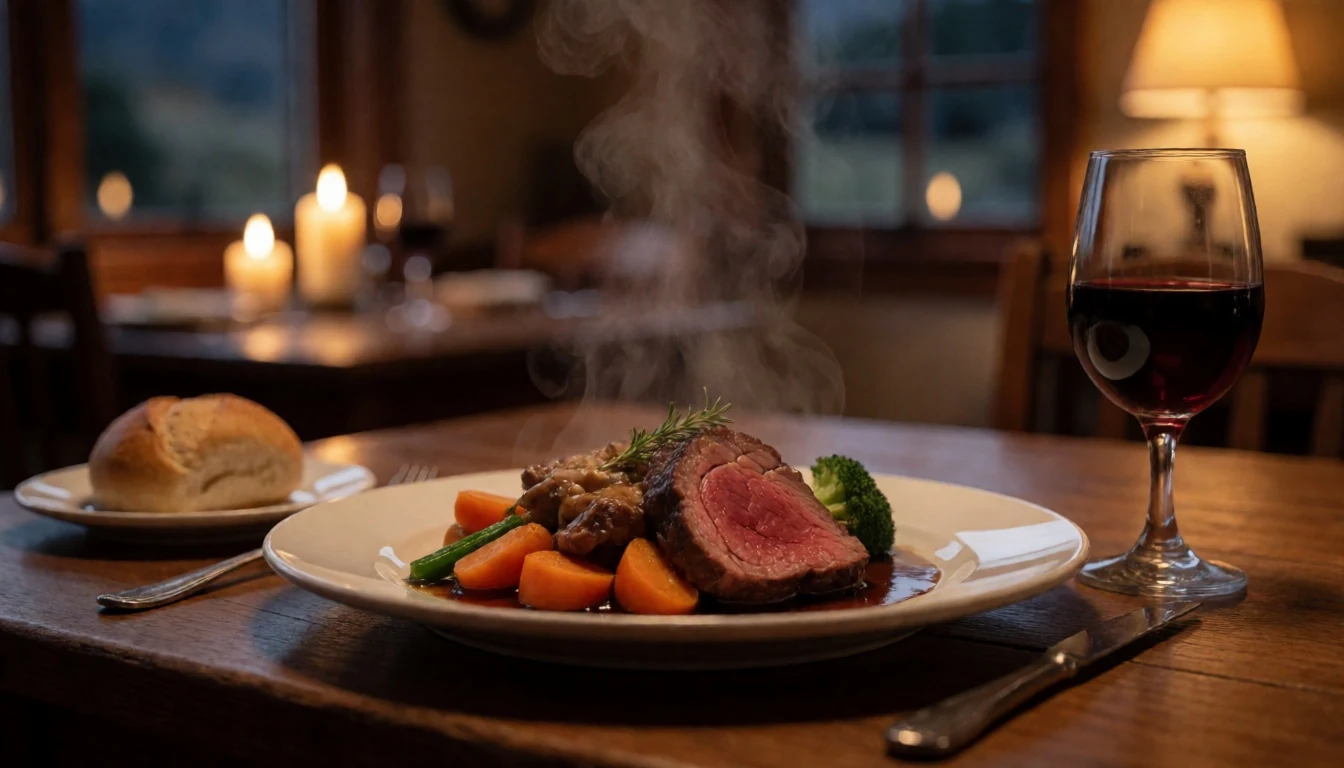
- Village Store Café — St Arnaud village store
A convenient local hub offering hot coffee, cabinet baked goods, pies, and quick take-out items ideal for fuelling up before heading out onto the lake or starting a morning walk.
- Backcountry Trail Rations — Any backcountry hut or campsite
Lightweight, calorie-dense dried meals, porridge oats, and hot drink supplies carried by trampers for consumption in remote Department of Conservation huts across the valleys.
Plan it
Best time. Late spring through early autumn offers the most reliable conditions for hiking and camping, though alpine weather can turn severe at any time of year.
How long. 3–4
Getting there. Access is primarily by road from nearby regional centres to the township of St Arnaud at the northern end of Lake Rotoiti, or via secondary roads leading to Lake Rotoroa.
Budget. mid
Tips
- Check with the Department of Conservation visitor centre for up-to-date weather forecasts, track conditions, and hazard warnings before setting out.
- Book popular backcountry huts well in advance through official channels, as spaces fill up quickly during peak seasons.
- Carry cash or appropriate vouchers for huts that operate on a non-bookable, standard ticket system.
- Be fully prepared for sudden drops in temperature, rain, and high-altitude winds even on sunny days.
Etiquette
- Always sign hut intentions books with your planned route and expected return times.
- Pack out all personal rubbish and waste, leaving backcountry campsites and shelters pristine.
- Respect quiet hours in shared backcountry huts to allow fellow hikers to rest properly.
Nearby
Sources
- Wikidata Q934019 (CC0)
- Wikipedia (CC BY-SA 4.0)
- Wikivoyage (CC BY-SA 4.0)
- Photo 1 (CC BY-SA 4.0)
- Photo 2 (CC BY 3.0)
- Photo 3 (CC BY-SA 4.0)
- Photo 4 (Public domain)
- Photo 5 (CC BY-SA 4.0)


