Navagio
Navagio, Greece
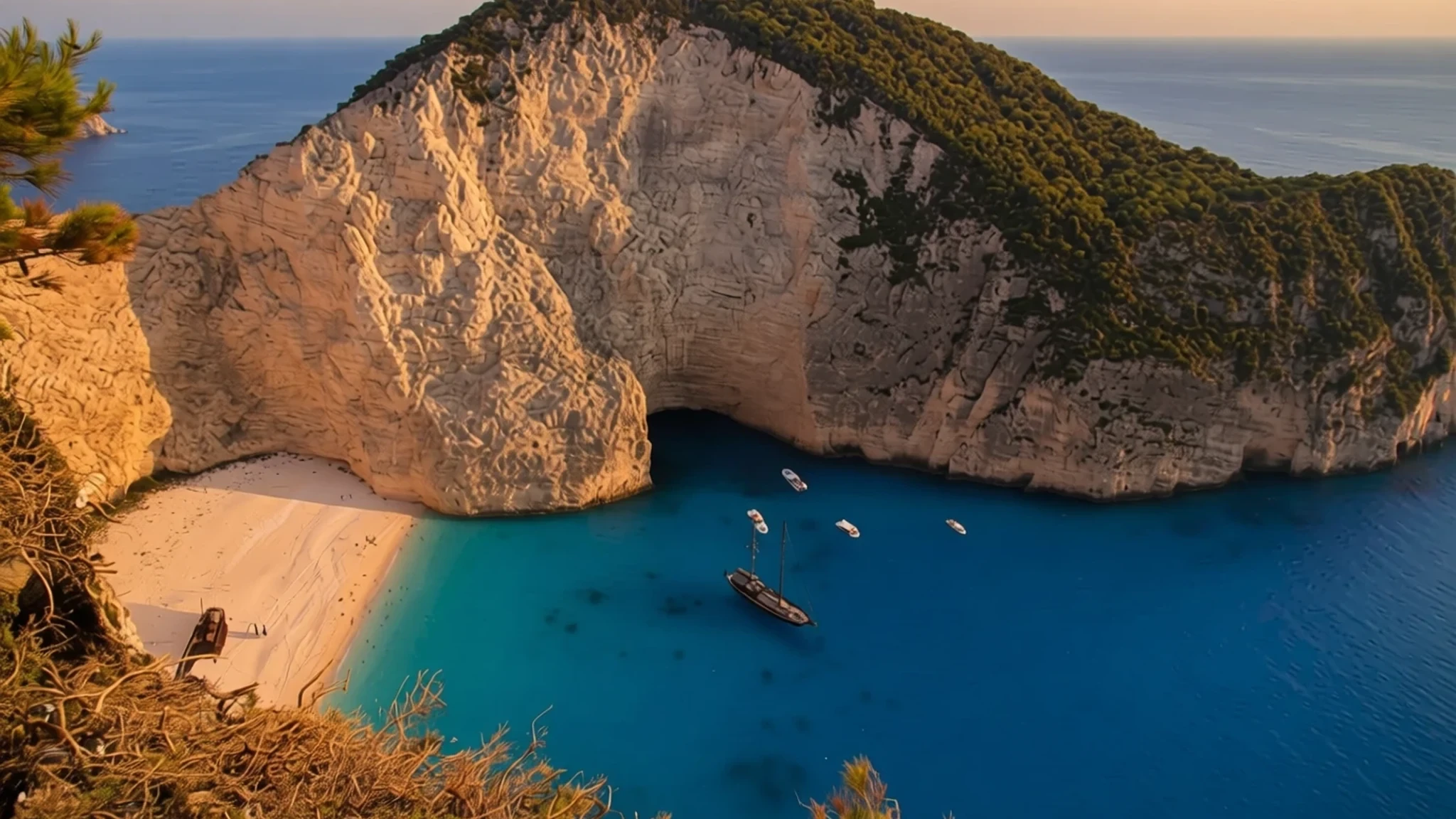
Visit Navagio to witness a striking rusted wreck nestled against bright limestone cliffs and vivid turquoise waters.
The place
Navagio, known widely as Shipwreck Beach or Smugglers Cove, sits tucked away on the rugged northwestern coast of Zakynthos in Greece. It is an exposed cove embraced by towering, pale limestone cliffs that drop sharply into the bright Ionian Sea. The shore itself consists of smooth white pebbles rather than fine sand, catching the intense Mediterranean sun and reflecting a brilliant glare that turns the surrounding shallows an electric shade of blue. Originally named Agios Georgios after a local saint, the spot transformed into one of the most photographed and recognisable coastal locations in the world. Visitors typically view the dramatic scene from two distinct perspectives: from the high cliff edge above, where the sheer drop offers a sweeping panorama of the entire cove, or from the water by boat, as approaching vessels weave through the open sea to reach the narrow strip of shore. The surrounding terrain is wild and largely untouched, marked by sparse green scrub clinging to the upper ridges and deep marine trenches just offshore. The atmosphere shifts dramatically depending on the hour and the season, moving from quiet isolation at dawn to bustling activity when tour boats arrive in waves from nearby ports. Despite safety restrictions and occasional closures due to shifting geology, the visual impact of the isolated cove remains a defining landmark of the Ionian Islands, drawing travellers who seek out its particular blend of raw geological drama and coastal mythology.
Its story
The famous coastal feature of Navagio owes its modern identity to a single maritime incident. Originally known simply as Agios Georgios, the cove gained its infamous moniker when the coaster MV Panagiotis ran aground during rough weather and poor visibility. Rumours quickly circulated that the vessel was engaged in illicit operations, specifically smuggling contraband cigarettes from Turkey towards Italy. According to these accounts, the ship was pursued by the authorities before encountering the severe storm that forced it onto the rocky shores of the cove, where the crew abandoned her. While official records at the time were less definitive, later legal documents and photographs have lent weight to the smuggling account, though the cargo is still described as allegedly contraband. The abandoned hull settled into the limestone gravel, where it slowly became an organic part of the landscape, giving rise to the popular nickname Shipwreck Beach. Nature soon began asserting its own control over the geography of the cove. Due to the unstable nature of the towering cliffs above, the beach has faced periodic closures to protect travellers from sudden rockfalls. A notable cliff collapse prompted temporary restrictions on swimming and anchoring, while later seismic activity in the region led to further safety reassessments and closures. These events underscore the dynamic, ever-changing relationship between human history and the powerful geological forces shaping the Greek coastline, reminding visitors that the striking landscape is as fragile as it is dramatic.
What to see
- The Cliff Lookout Platform — Upper rim of the northern cliffs
Perched high above the cove, this viewing area offers the classic vertigo-inducing perspective of the entire beach and the stranded hull far below. Footpaths wind along the rocky ridge, though visitors should remain behind safety barriers as the limestone edge is entirely unprotected and prone to erosion.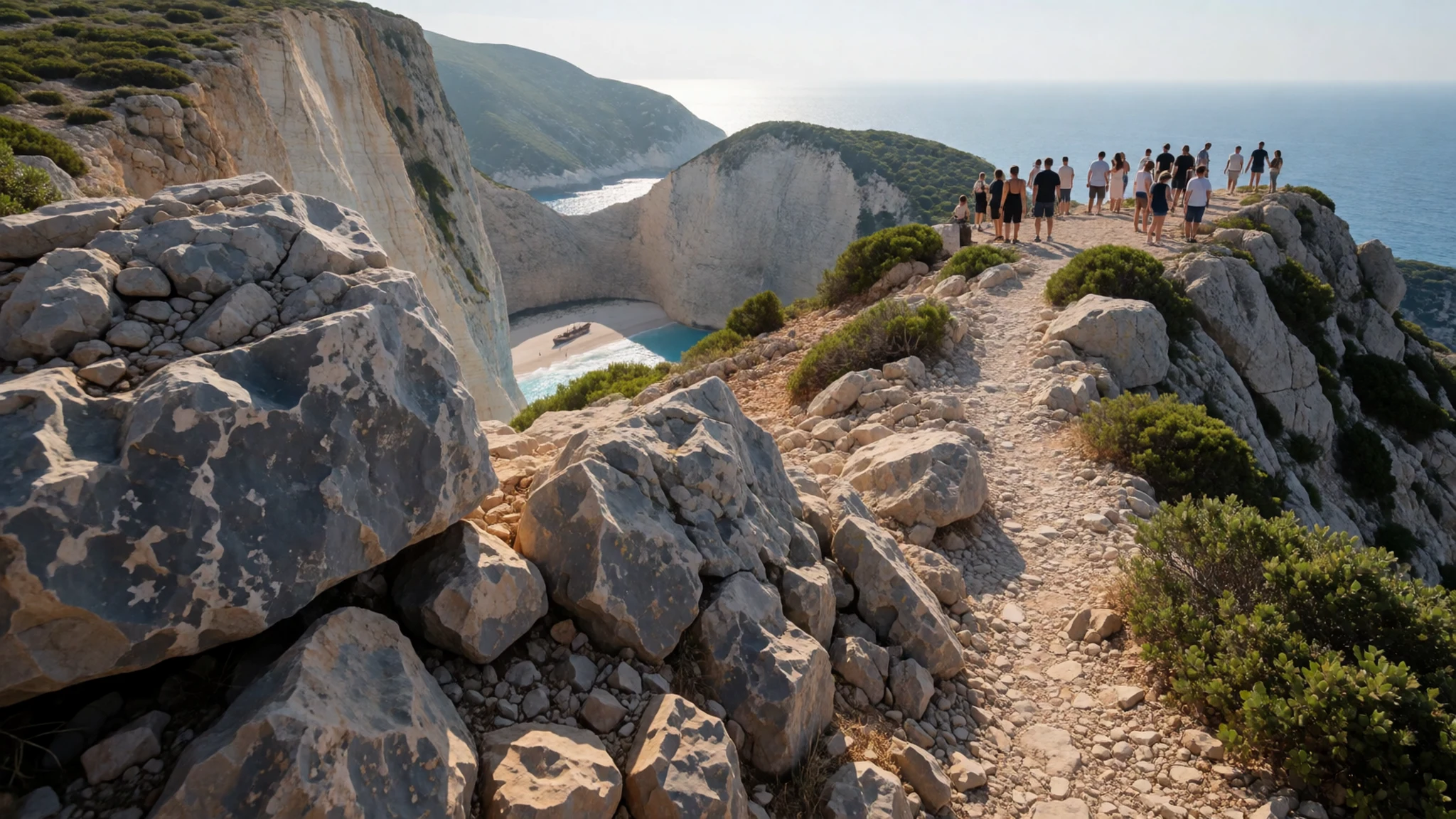
- The MV Panagiotis Wreck — Center of Navagio shore
The rusted skeletal remains of the legendary coaster lie embedded directly in the pale pebbles of the shore. Decades of salt spray, sun, and sand have weathered the metal hull, turning it into a ghostly monument that anchors the mythology of the cove and draws the eye of every photographer.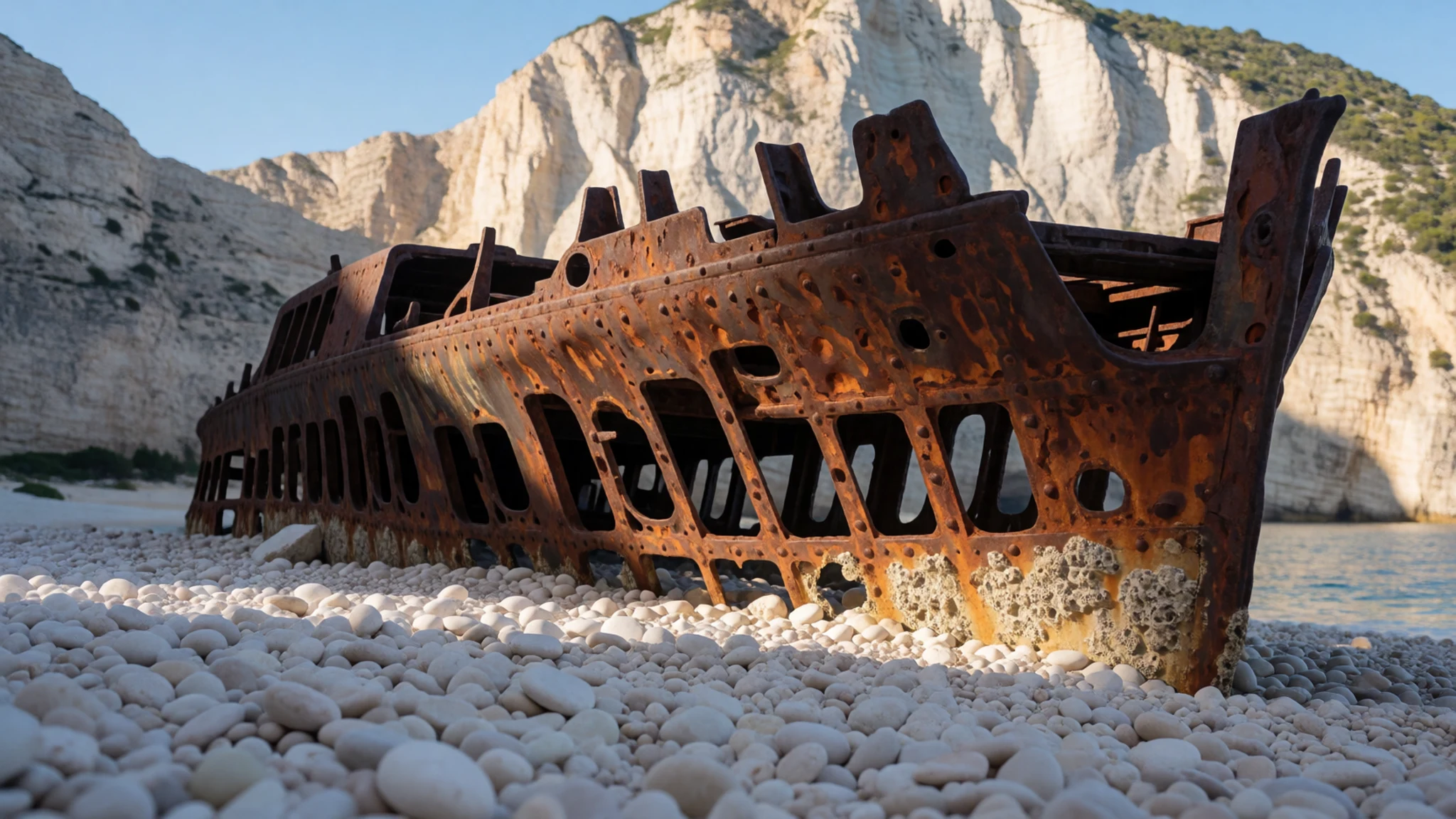
- Porto Vromi — South of Navagio coast
This narrow, fjord-like natural harbour serves as one of the primary departure points for boat trips heading towards the cove. Surrounded by steep olive-covered hills, the small dock area provides a sheltered place to board smaller excursion vessels that can navigate right up to the coastal waters.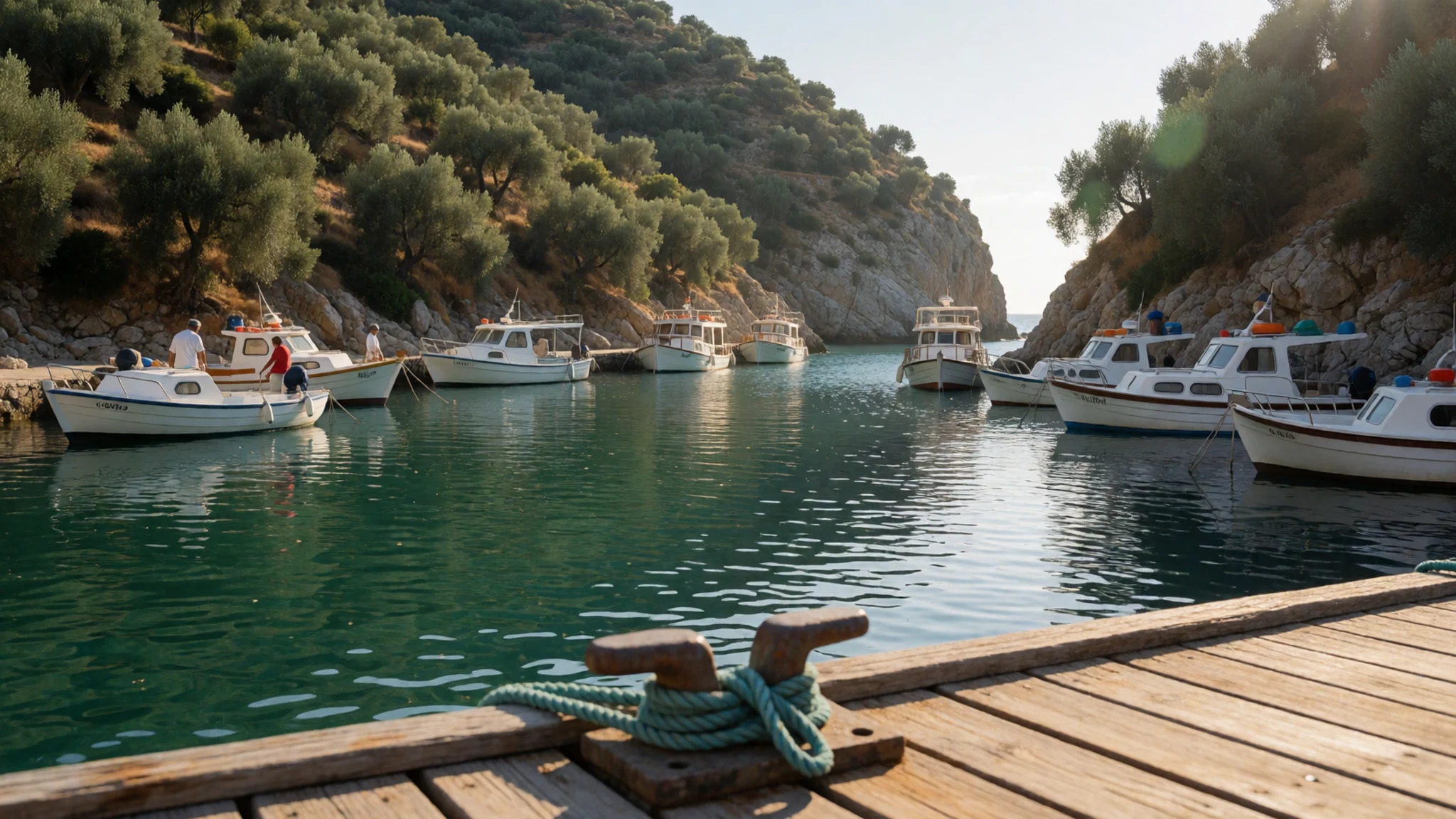
- Blue Caves of Zakynthos — Northern tip of the island
Located along the dramatic northern limestone coast, these sea caves are famous for the intense blue reflections cast against their stone walls. Sunlight passing through the clear water creates a luminous glow, making boat excursions through the arches a popular pairing with visits to the nearby shipwreck cove.
Culture
Life on Zakynthos is deeply rooted in Ionian traditions, blending mainland Greek customs with distinct maritime influences shaped by centuries of Venetian rule. Music, local festivals, and traditional cuisine play central roles in daily village life, where community gatherings often centre around local tavernas and patron saints' days. While the coastal areas near Navagio have transformed into major tourism hubs, inland mountain villages retain a slower pace of life, where older residents still tend olive groves and vineyards using time-honoured methods. Hospitality, known locally as philoxenia, remains a core value, with locals welcoming travellers warmly into their communities. Visitors exploring the island should respect local customs, particularly when visiting historic churches or rural settlements where modesty and quiet courtesy are appreciated. Always dress modestly with covered shoulders and knees when entering monasteries or churches.
What to wear
Traditional dress in the Ionian Islands historically reflected practical maritime and agricultural needs, featuring woollen waistcoats, embroidered vests, and durable fabrics suited for coastal winds and rugged terrain. Today, everyday clothing across Zakynthos is relaxed and casual, dominated by lightweight cottons, linens, and comfortable sun-wear designed to combat the intense Mediterranean heat. For a visit to Navagio and the surrounding coastal cliffs, practical attire is essential. Travellers should pack sturdy walking shoes or trainers if heading up to the cliff viewpoints, as the paths are uneven, rocky, and unpaved. When joining boat trips or spending time on the shore, quick-drying swimwear, UV-protective shirts, sunglasses, and a wide-brimmed hat are standard necessities. If venturing away from the beach into local villages or religious sites, light layers that cover the shoulders and knees demonstrate appropriate respect for local customs.
What to eat
- Stifado — Traditional inland tavernas across Zakynthos
A rich, slow-cooked stew made with beef or rabbit, pearl onions, red wine, tomatoes, and warm spices like cinnamon and cloves. It is traditionally served alongside a generous portion of crusty bread or pasta to absorb the deeply flavorful sauce.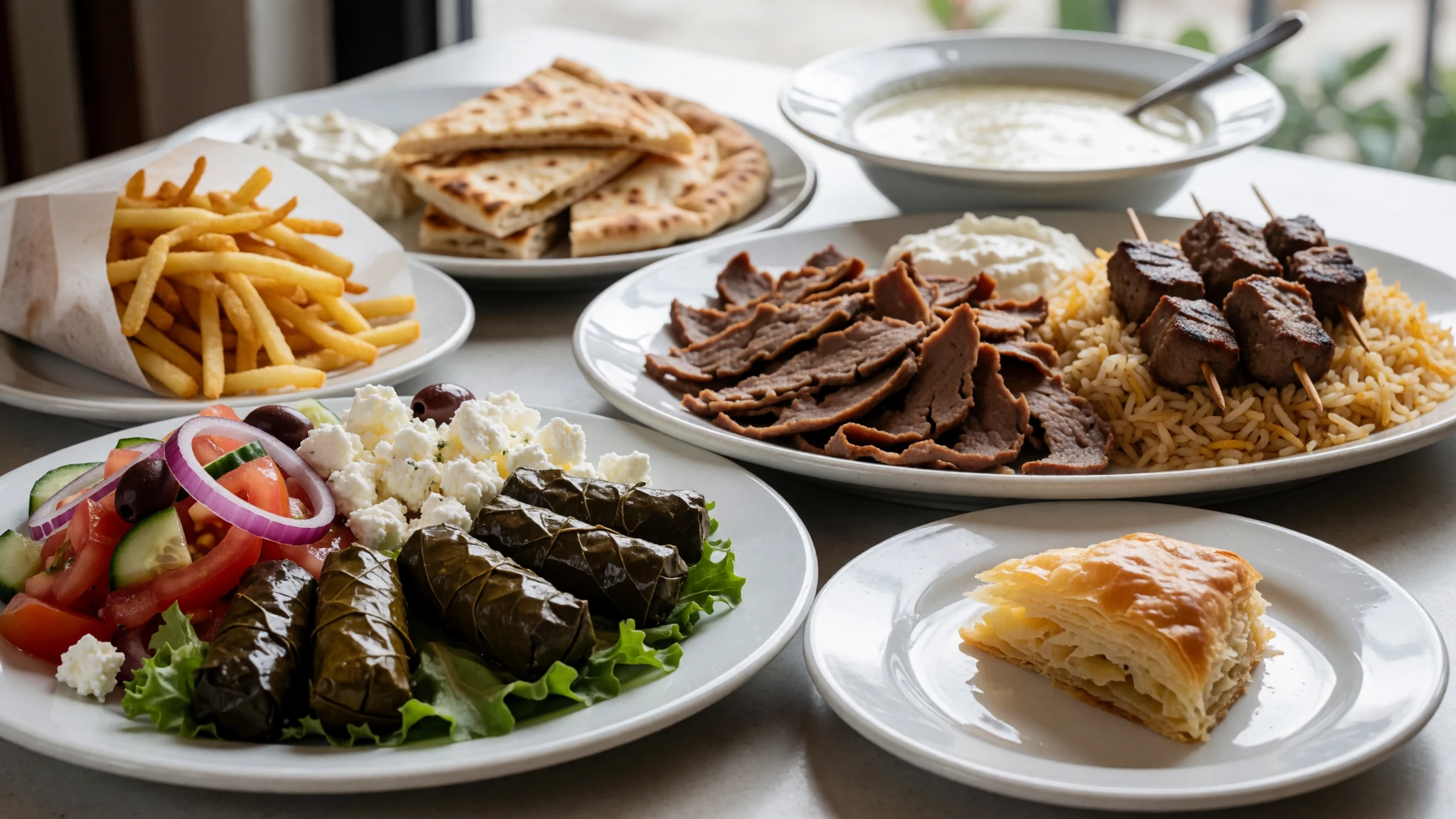
- Ladotyri Zakynthou — Local village markets and cheese shops
A hard, sharp table cheese traditionally produced from sheep's milk or a blend with goat's milk, aged and stored in olive oil to impart a spicy, robust flavor. It makes an excellent accompaniment to fresh bread and olives.
- Skordalia — Coastal seafood tavernas by the harbour
A smooth, pungent garlic and potato puree made with olive oil and vinegar, traditionally served alongside fried salt cod or boiled beets. Its bold flavor is a staple of traditional Ionian seafood meals.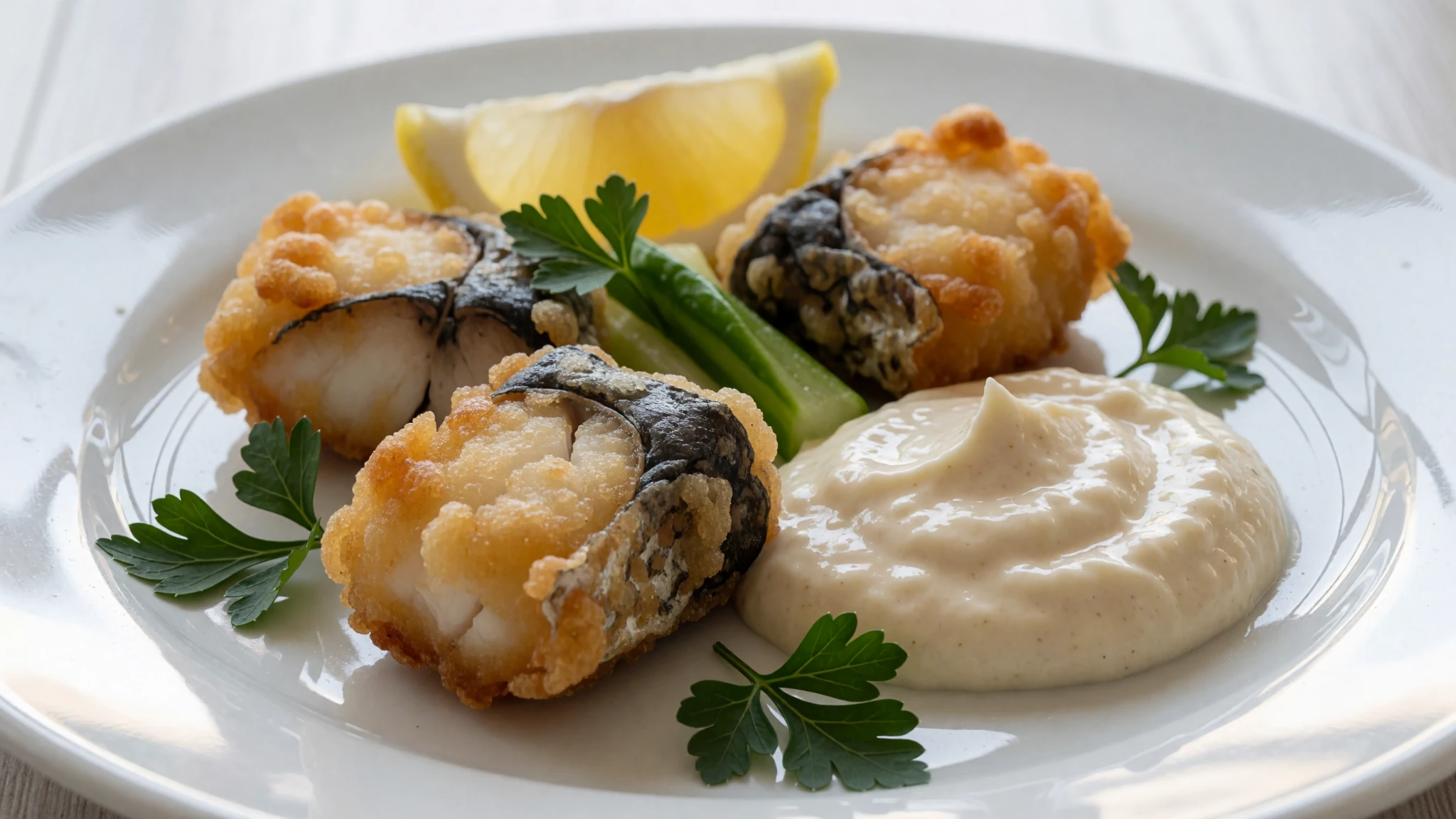
- Fryganadia — Family-run bakeries in Zakynthos Town
A traditional dessert featuring layers of toasted bread soaked in syrup, topped with rich custard, whipped cream, and a dusting of cinnamon and crushed almonds. It is a sweet, comforting treat found during local celebrations.
Plan it
Best time. April to May offers the most comfortable weather, with warm days, cooler nights and little rain, while avoiding the intense heat of July and August and the heavy tourist traffic of peak summer.
How long. 2–3
Getting there. Fly into Zakynthos International Airport (Dionysios Solomos), then rent a car or take a taxi to reach the northern ports or cliff viewpoints.
Budget. mid
Tips
- Check local safety notices regarding beach closures before planning a boat trip to the cove
- Arrive at the cliff viewpoint early in the morning to secure parking and avoid tour bus crowds
- Wear sturdy footwear for exploring the rocky paths along the upper ridge
- Bring your own drinking water and sun protection as amenities near the viewpoints are limited
- Carry cash for small parking fees and purchases at roadside stalls
Etiquette
- Do not cross safety barriers at the cliff edge
- Respect swimming bans and official local restrictions around the cove
- Cover shoulders and knees when visiting churches
Nearby
Sources
- Wikidata Q2460851 (CC0)
- Wikipedia (rev 1368569048) (CC BY-SA 4.0)
- Photo 01-navagio-beach-zakynthos.jpg (CC BY-SA 4.0)
- Photo 05-navagio-shipwreck-beach-aerial-44653856390.jpg (CC BY 2.5)
- Photo 06-navagio-beach-aerial-zakynthos-greece-46470564281.jpg (CC BY 2.5)
- Photo 07-elation-290-91-greece-panoramio-39.jpg (CC BY 3.0)
- Wikivoyage (CC BY-SA 4.0)


