Nara
Nara, Japan
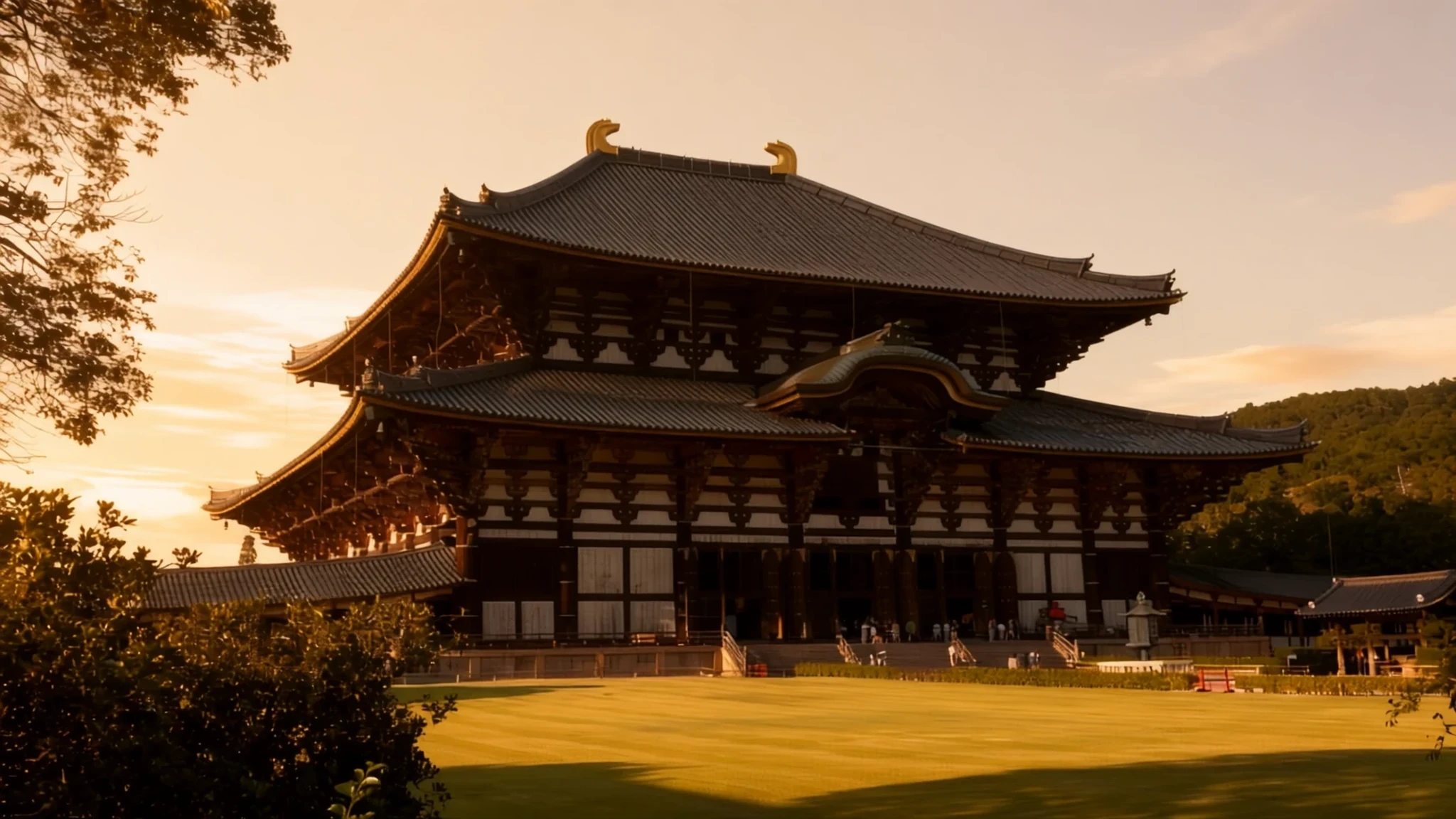
Step into ancient Japan's first permanent capital, home to towering wooden temples, quiet sacred groves, and roaming deer.
The place
Nara sits quietly in the northern pocket of its prefecture, right against the boundary of Kyoto Prefecture in the Kansai region of Honshu. It occupies the northern section of the ancient outer capital area, stretching across the rolling Nara Basin where the density of the prefecture concentrates. The city is home to roughly three hundred and fifty thousand residents, giving it a more grounded, unhurried rhythm than its larger metropolitan neighbours to the north and west. Unlike cities that grew organically around trade routes or castles, Nara was laid out with deliberate geometric precision on a grid system, influenced by ancient Chinese design principles. Today, the urban fabric balances modern residential neighbourhoods with vast tracts of parkland and venerable architectural landmarks. The terrain rises gently toward the eastern hills, where thick primeval forests shelter ancient shrines and mossy stone lanterns. Visitors stepping off the train find a town that feels deeply connected to its deep imperial past, where wide avenues open suddenly onto historic temple grounds and open lawns. The air carries the scent of cedar and temple incense, especially in the cool morning hours before the day trippers arrive from Osaka or Kyoto. It is a place that invites slow wandering, rewarding those who venture away from the main temple gates into quiet residential lanes and historic districts lined with traditional timber townhouses.
Its story
The story of Nara as a capital began by imperial decree when Empress Genmei ordered the court to relocate to a permanent seat of government. Established in the early eighth century, the city was known then as Heijō-kyō, serving as the political and spiritual heart of the nation for much of that century. Modelled on the grand Tang dynasty capital of Chang’an, the new city was designed to project absolute imperial authority, with wide avenues intersecting in a strict grid and the ruler's palace positioned to mirror the pole star in the night sky. This period saw the flourishing of Japanese Buddhism, as emperors commissioned massive temples and bronze statues to protect the state. However, the political dominance of the powerful Buddhist monasteries eventually unsettled the court, prompting a move away from the city toward temporary sites before the capital settled in Kyoto for more than a millennium. The abandoned palaces and temples gradually faded into agricultural fields and rural villages, preserving the foundations of many structures underground until modern archaeological excavation revealed their exact layouts. Today, the surviving architectural masterworks and archaeological ruins stand as enduring testaments to the dawn of Japanese urban culture, preserving forms and techniques passed down from continental Asia during the ancient era.
What to see
- Tōdai-ji — Nara Park east side
This immense temple complex houses the celebrated Great Buddha, a monumental bronze sculpture seated within one of the largest timber buildings in the world. Visitors walk through the towering outer gate guarded by fierce wooden statues, surrounded by open courtyards and wandering deer.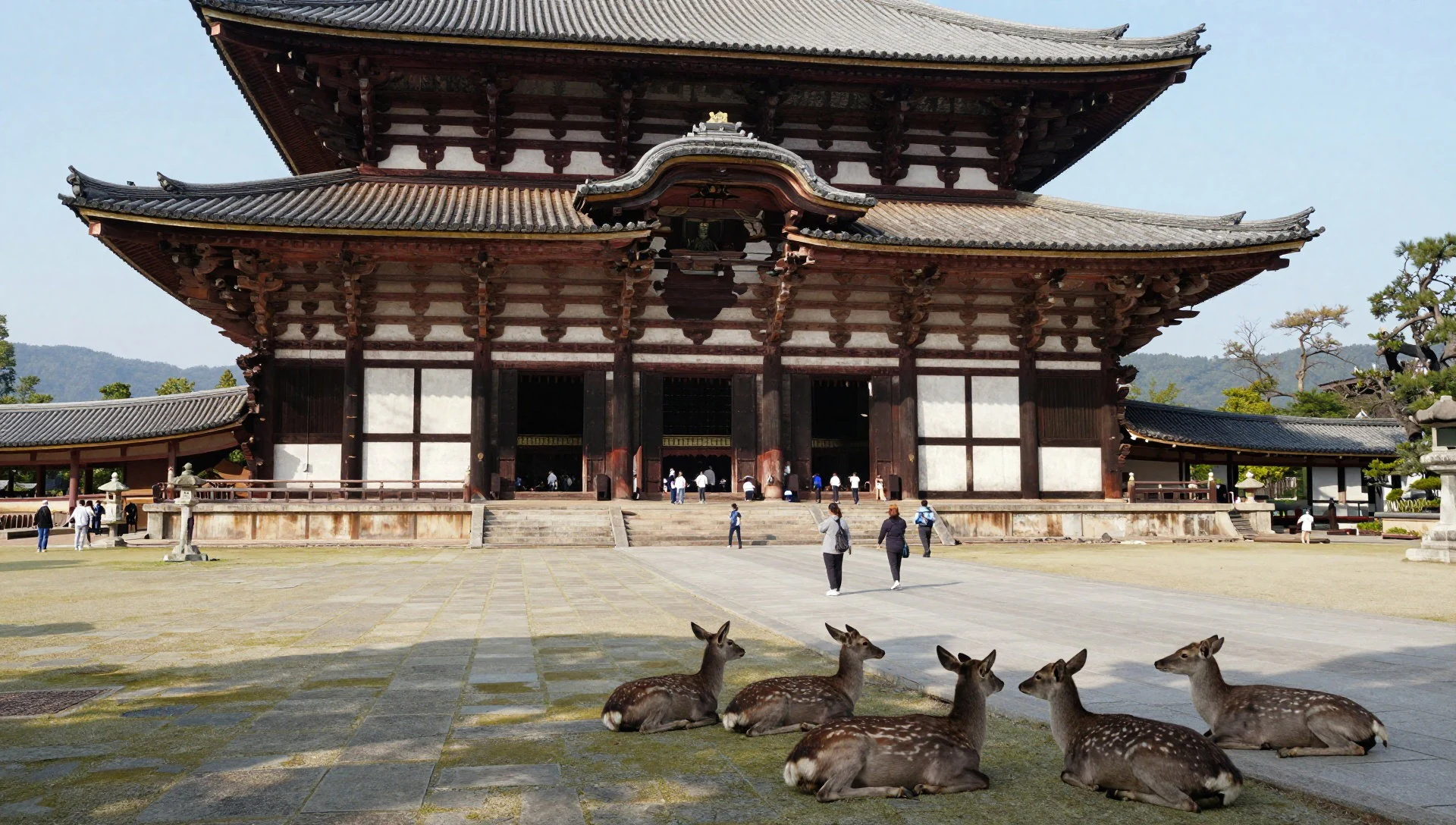
- Kōfuku-ji — Central Nara near Sarusawa Pond
Once the powerful family temple of the Fujiwara clan, this historic precinct features striking multi-tiered pagodas that punctuate the skyline. The grounds contain priceless Buddhist statuary housed within modern exhibition halls, showcasing centuries of master craftsmanship.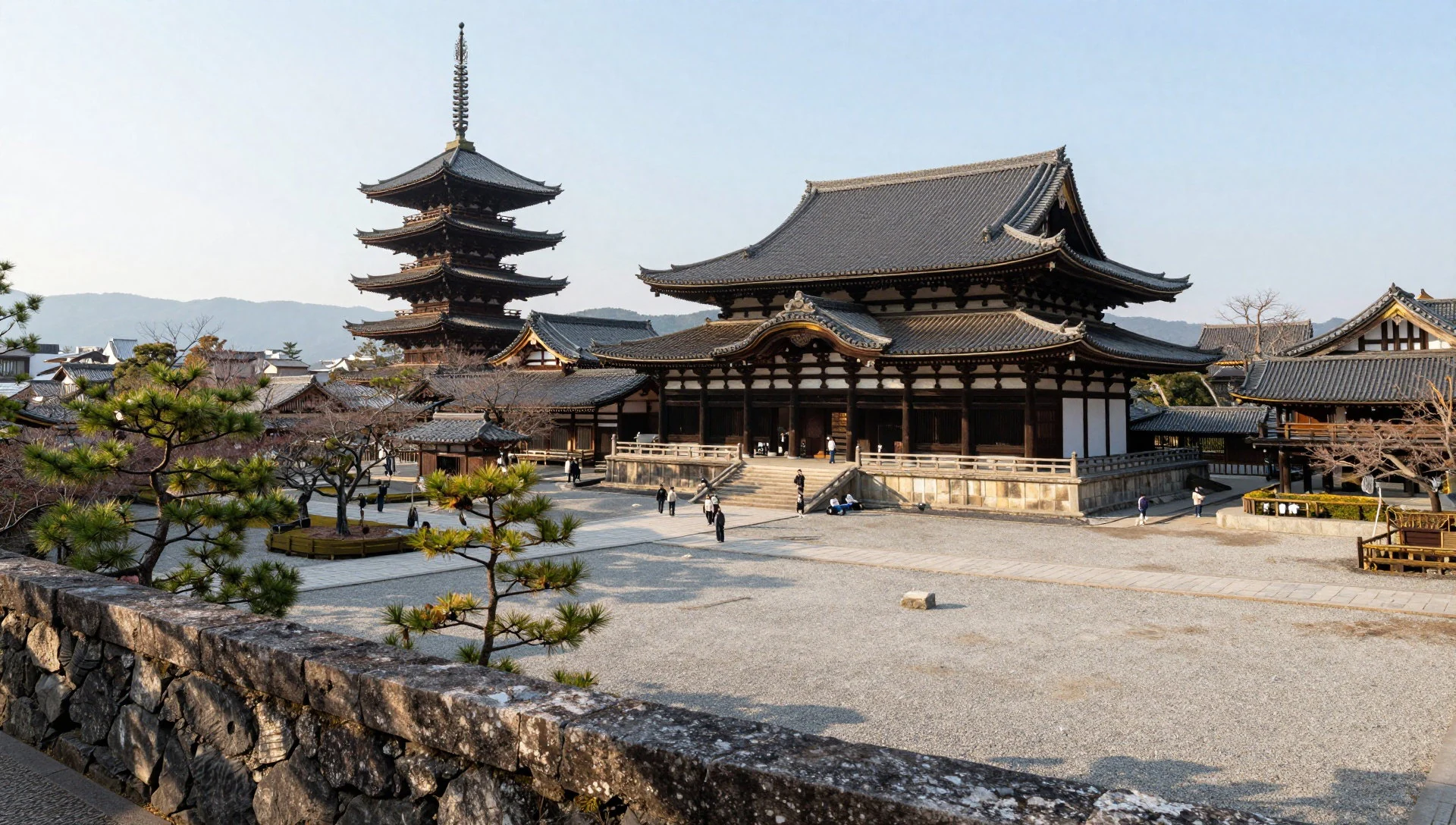
- Kasuga Taisha — Eastern Nara forest fringe
Approached through a deeply atmospheric primeval forest blanketed in moss, this shrine is renowned for its countless bronze and stone lanterns. The vermilion corridors wind through dense woodland, creating a quiet space steeped in ancient spiritual traditions.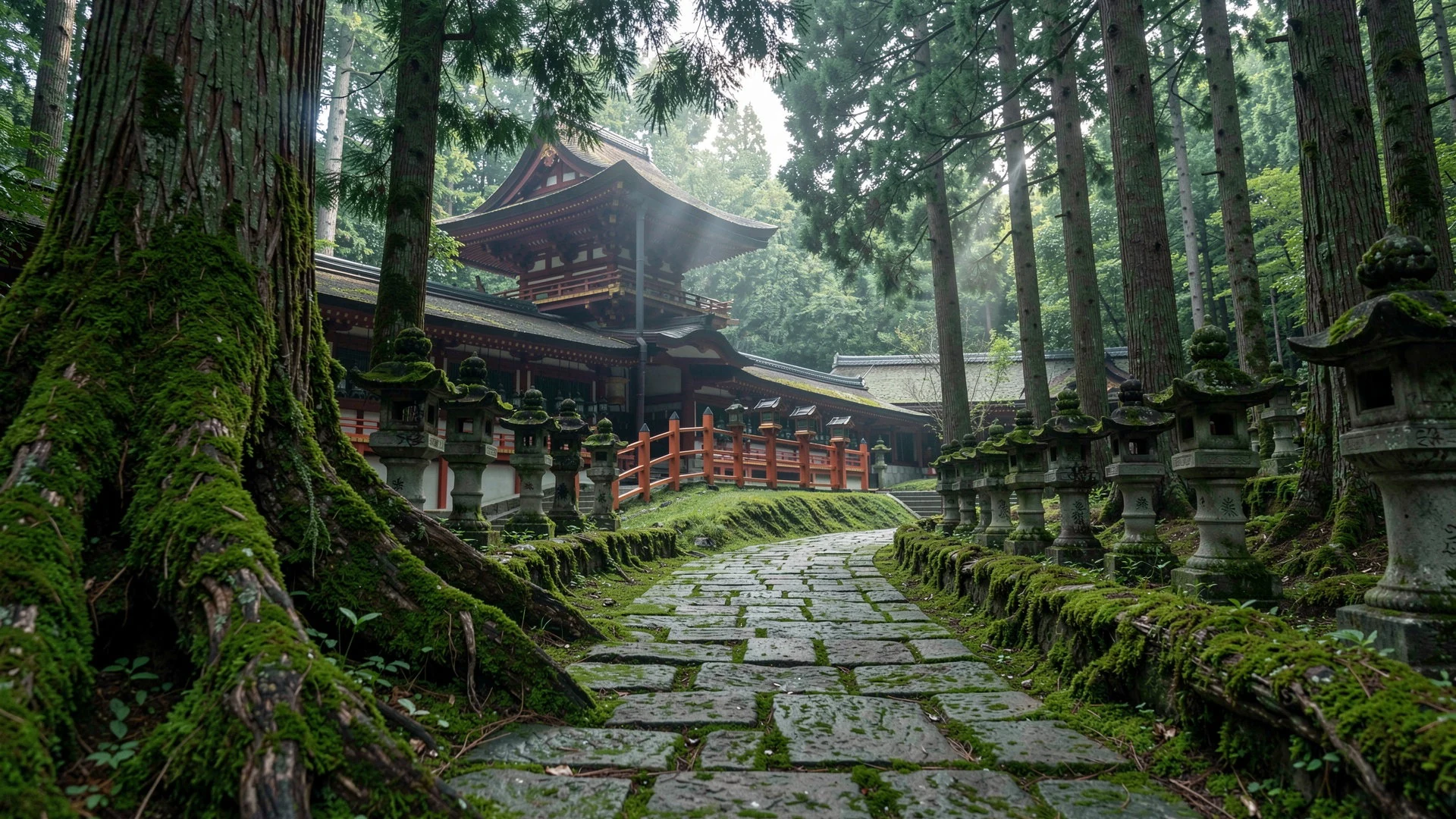
- Nara National Museum — Museum precinct near Nara Park
Situated close to the major temple grounds, this institution houses an exceptional collection of Buddhist art, sculpture, and ancient scrolls. Special seasonal exhibitions bring together rare national treasures from temples across the country for public viewing.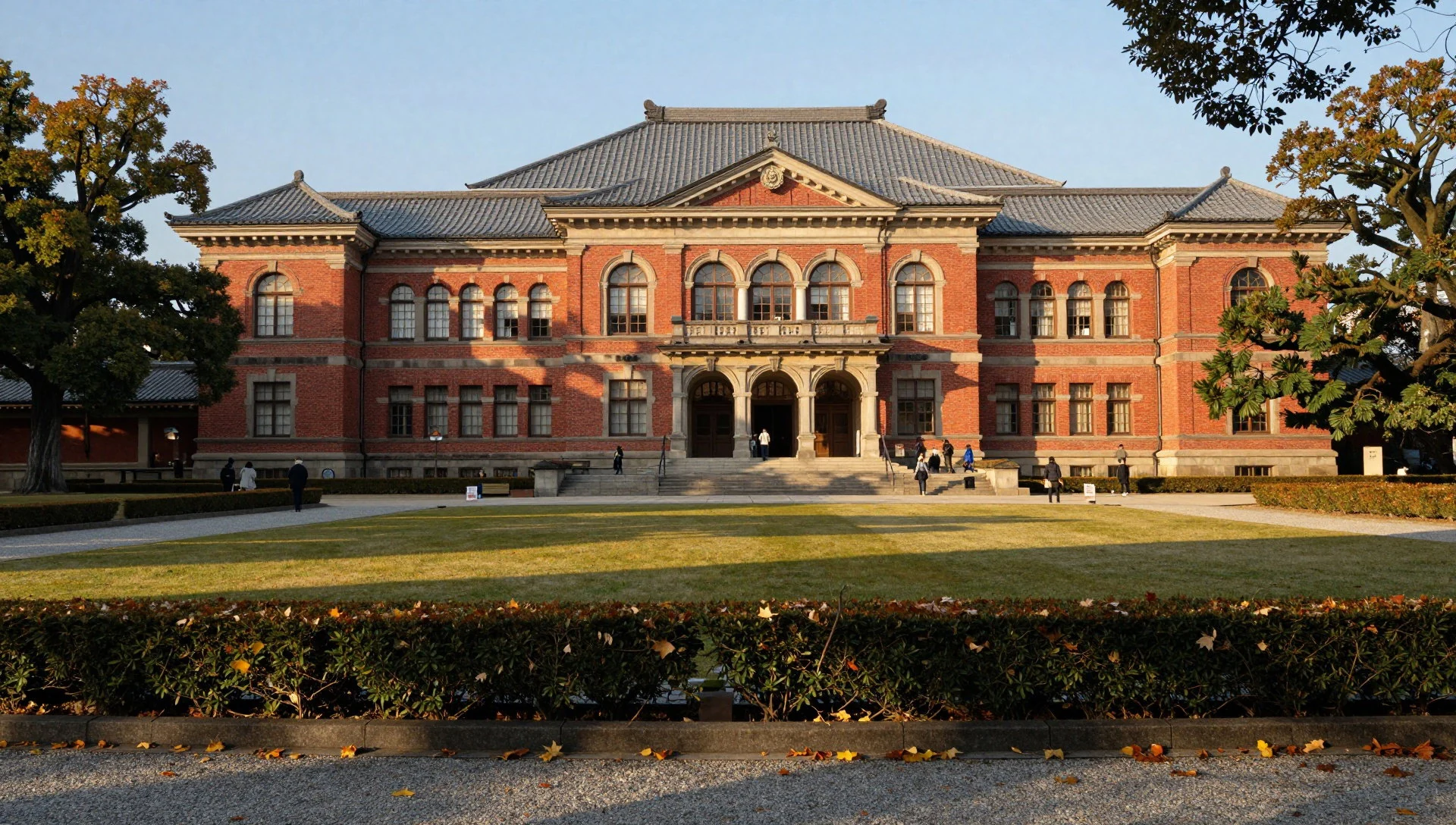
- Heijō Palace Site — Western Nara archaeological site
The vast reconstructed remains of the ancient imperial palace sprawl across an open plain on the western side of the city. Visitors can explore the soaring main hall and imperial audience chambers, gaining a tangible sense of the scale of the eighth-century capital.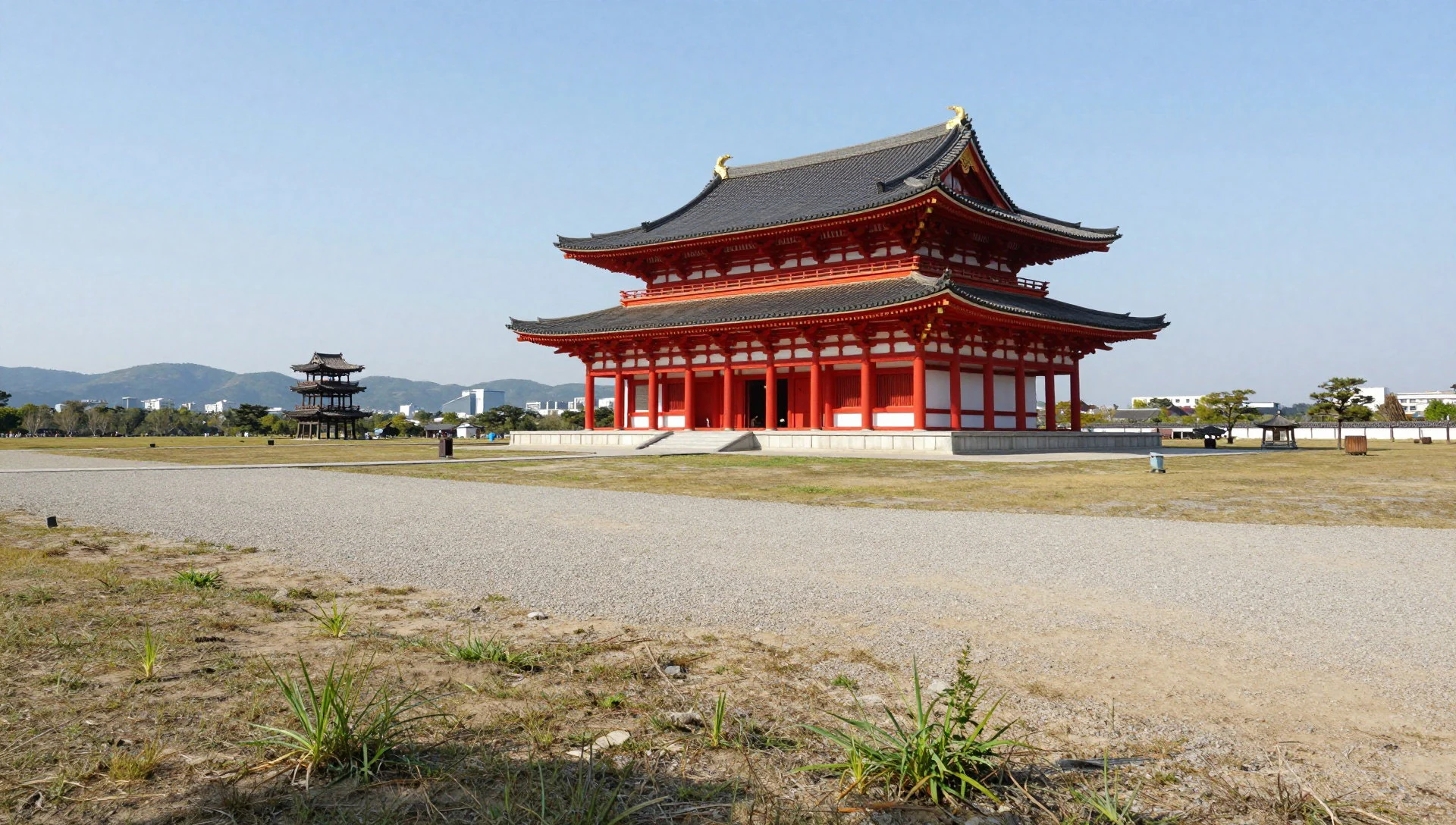
Culture
Nara's cultural identity is deeply intertwined with its history as an ancient spiritual centre where Buddhism and Shinto traditions grew side by side. The city maintains a quiet, respectful atmosphere that reflects its monastic heritage, with local residents accustomed to welcoming pilgrims and travellers from across the globe. Traditional arts, from incense appreciation to calligraphy and wood carving, are preserved by local artisans working in historic districts. Sika deer roam freely through the parks and temple precincts, regarded in Shinto belief as sacred messengers of the gods, and residents treat them with gentle deference. Daily life moves at a measured pace, particularly in the mornings and late evenings when the tourist crowds disperse and the temple grounds fall silent. Festivals throughout the year mark seasonal transitions and ancient rites, drawing local families in traditional dress to temple courtyards. Visitors will find a community that values quiet courtesy and traditional hospitality above all else. Always remove your footwear when stepping onto tatami mats inside historic temple buildings or traditional inns.
What to wear
Traditional dress in Nara is anchored by the kimono and yukata, crafted from woven silks and breathable cottons, traditionally worn during seasonal shrine festivals and local celebrations. The local textile heritage reflects generations of skilled dyeing and weaving traditions passed down through Kansai artisans. In daily life, residents dress in contemporary, practical urban styles identical to those worn in Osaka and Kyoto, favouring smart-casual attire, comfortable trousers, and clean, minimalist silhouettes suited for an active lifestyle. For visitors exploring the city, comfort is paramount because navigating the expansive temple grounds, gravel paths, and forested hills involves considerable walking. Pack sturdy walking shoes that are easy to slip on and off, as you will frequently remove footwear when entering sacred halls, traditional restaurants, and historic lodgings. Dress in flexible layers, as spring and autumn days can shift from crisp morning air to warm afternoon sun, while summer months demand lightweight, breathable fabrics to cope with high humidity.
What to eat
- Kakinohazushi — Traditional food shops around Nara Park and train stations
A regional delicacy consisting of pressed sushi slices, typically mackerel or salmon, wrapped tightly in persimmon leaves that impart a subtle, aromatic flavour to the cured fish.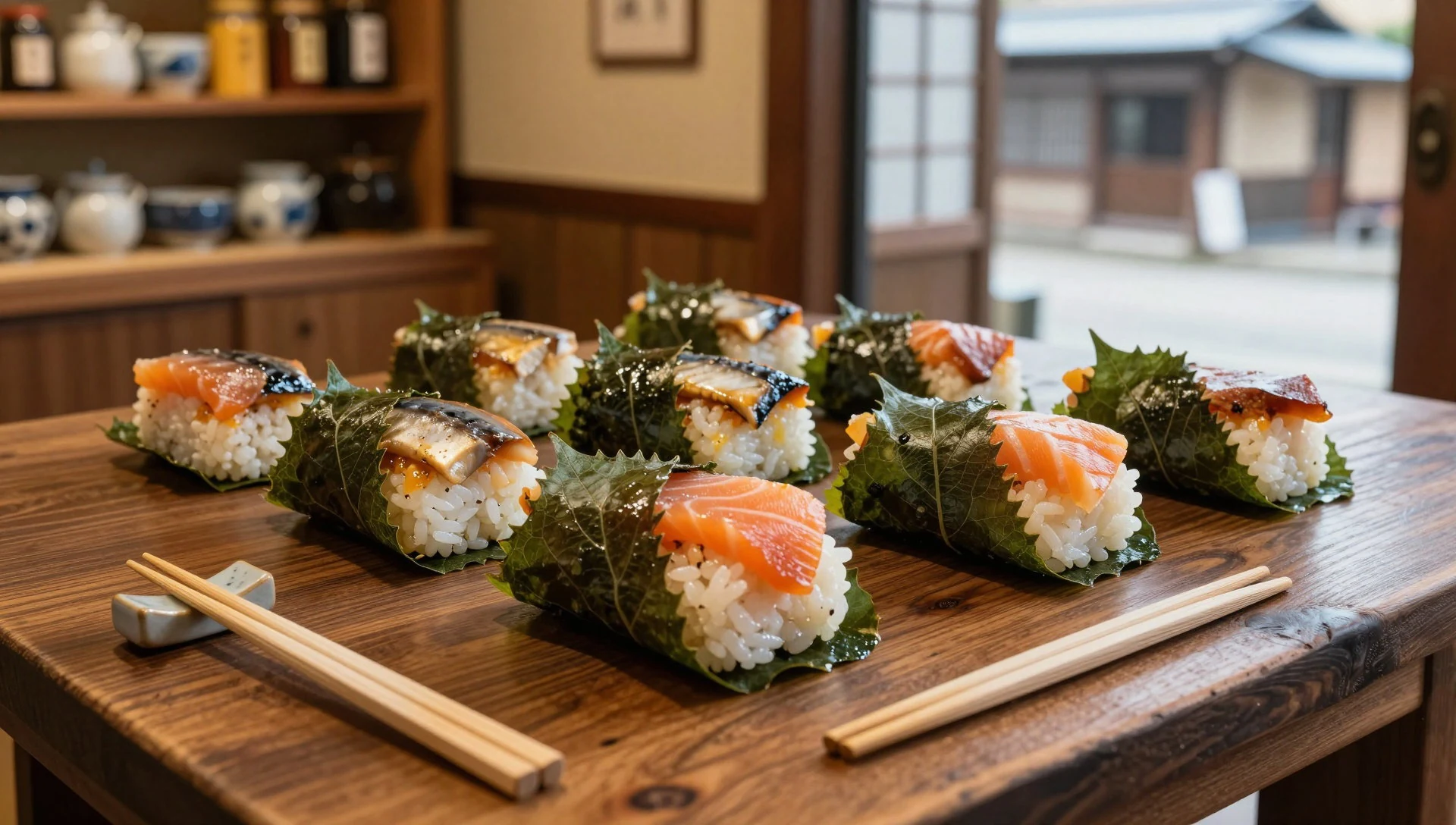
- Chagayu — Historic dining rooms and tea houses near the temples
A traditional roasted green tea gruel that has sustained local monks and townspeople for centuries, offering a comforting, lightly toasted aroma and gentle warmth.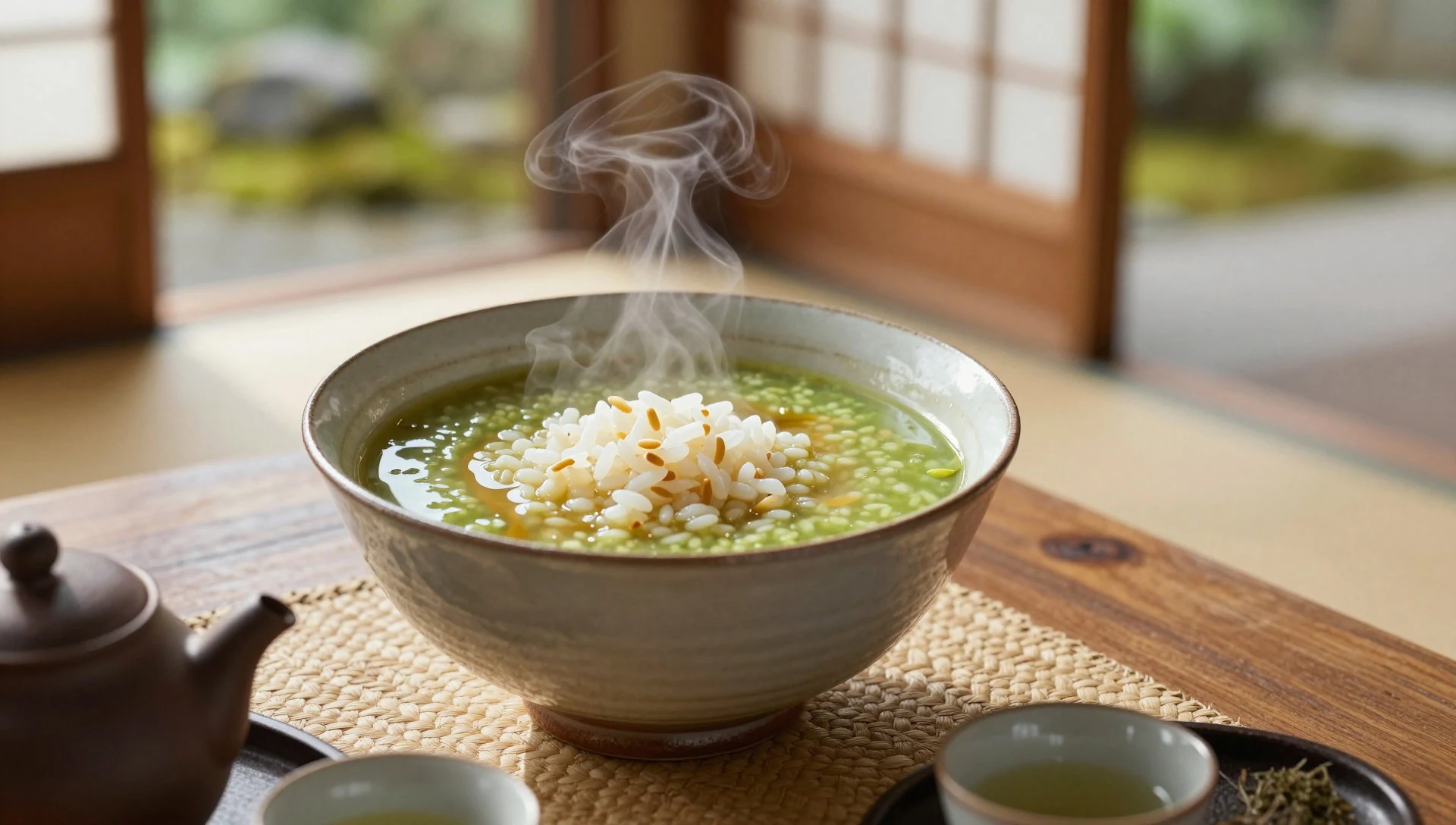
- Okonomiyaki — Local eateries lining Sanjō-dōri and Naramachi lanes
Savouries pan-fried on hot plates right at the table, featuring shredded cabbage, batter, and a choice of meats or seafood brushed with savoury sauce.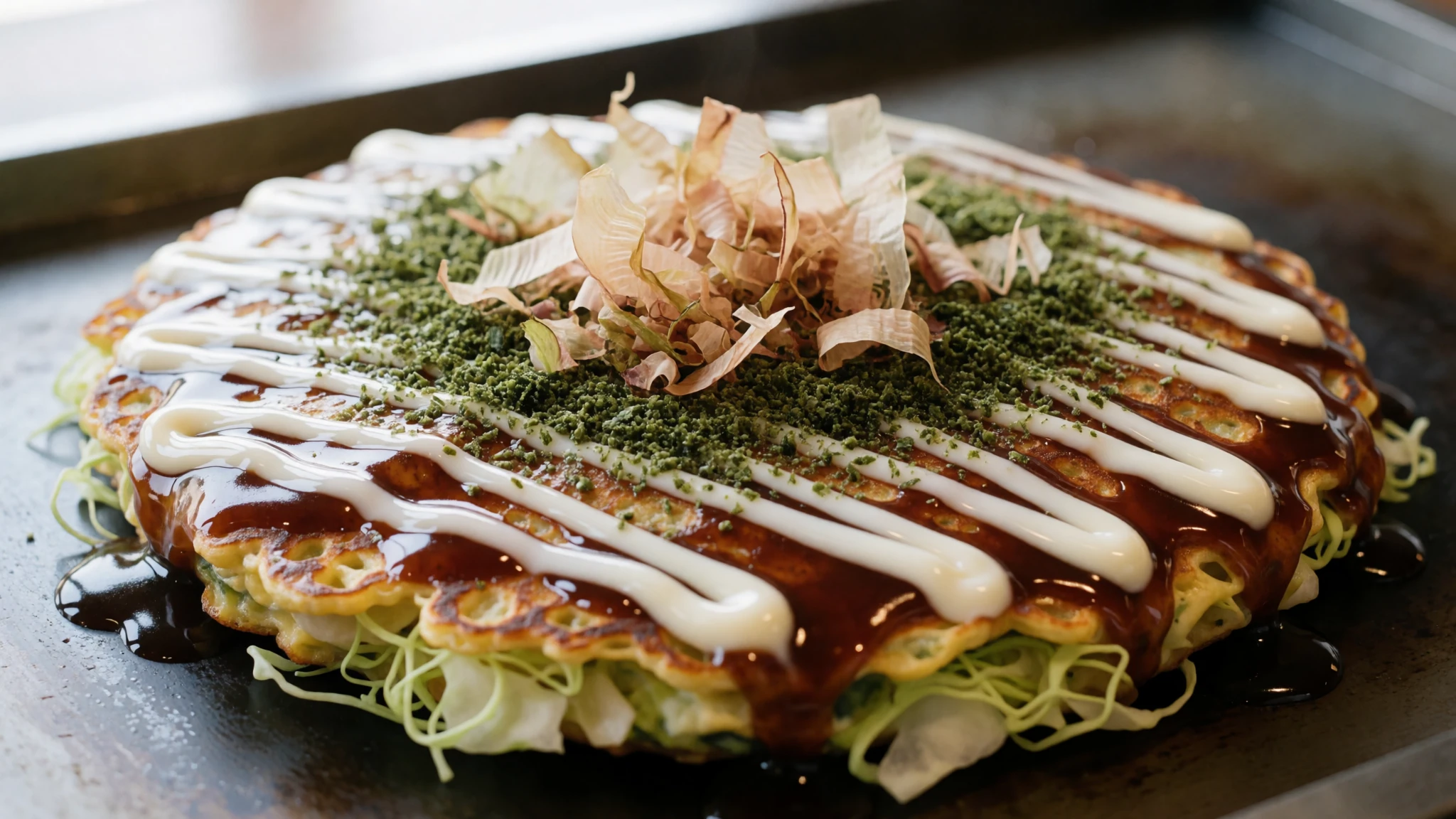
- Mugi Tororo — Old garden restaurants tucked into the historic districts
A wholesome traditional dish pairing plain barley rice with a bowl of sticky, grated Japanese mountain yam, seasoned with dashi broth for a nourishing meal. - Local Yakitori and Craft Sake — Cosy izakaya alleys near Kintetsu Nara Station
Freshly grilled skewers of local poultry served alongside regional microbrewed sakes produced in historic breweries across the prefecture.
Plan it
Best time. March to April brings cherry blossoms across the temple grounds, while late October to November offers vibrant autumn maple colours; June is the rainy season and August is notably hot and humid.
How long. 2–3
Getting there. Arrive via Kansai International Airport or Osaka Itami Airport, then take direct airport limousine buses or regional express trains straight to Nara stations.
Budget. mid
Tips
- Start exploring major temple grounds before 8 am to enjoy the quietest atmosphere
- Carry sufficient cash, as small shrine ticket counters and market stalls often do not accept cards
- Wear slip-on shoes for quick removal when entering temple halls and traditional interiors
- Respect the roaming deer and purchase approved crackers only from designated vendors
Etiquette
- Remove footwear whenever you encounter a raised step and waiting slippers at a doorway
- Keep your voice low inside sacred temple halls and residential streets
- Ask permission before photographing local artisans or traditional performers
Nearby
Sources
- Wikidata Q169134 (CC0)
- Wikipedia (rev 1382804876) (CC-BY-SA 4.0)
- Wikivoyage (rev 5385550) (CC-BY-SA 4.0)
- Photo 01-kasuga-taisha-chumon-1.jpg (CC0 1.0)
- Photo 02-t-dai-ji-kon-d.jpg (CC BY-SA 2.0)
- Photo 03-toshodaiji-nara-nara-pref01s5s4290.jpg (CC BY 3.0)
- Photo 04-yakushiji-nara11s5bs4200.jpg (CC BY 3.0)
- Photo 05-sika-deer-in-nara-05.jpg (CC BY-SA 4.0)
- Photo 06-181103-heijo-palace-daigokuden-nara-japan05n.jpg (CC BY-SA 4.0)
- Photo 07-isuien-and-nandaimon.jpg (CC BY-SA 2.5)
- Photo 08-cg-gosashi-kofun-1-7p.jpg (CC BY-SA 4.0)


