Nagoya
Nagoya, Japan
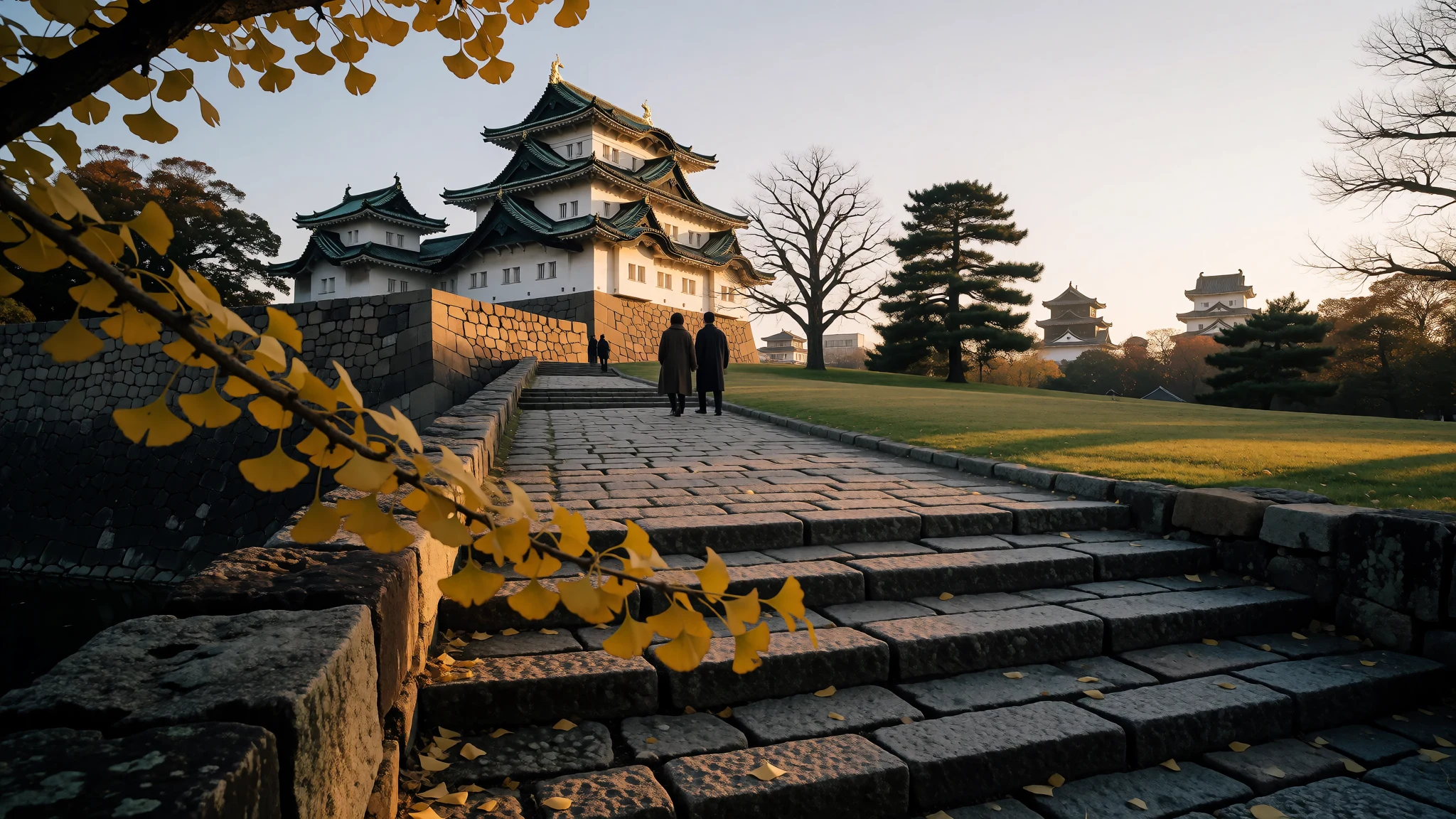
Nagoya is Japan's quietly industrious middle city, with a samurai castle, an ancient shrine and a miso-rich cuisine found nowhere else.
The place
Nagoya is the capital of Aichi Prefecture, set on the Pacific coast of central Honshu and home to about 2.3 million people. It sits between Tokyo and Osaka on the Tokaido Shinkansen line, so most travellers pass through without stopping. That is a pity, and also part of its appeal: crowds are thin compared with Kyoto, which is a short train ride away. The city is flat, gridded and largely rebuilt, because wartime air raids destroyed much of what stood before. It reads as a working modern city with islands of older life: a castle, a great Shinto shrine, a few preserved merchant streets. Industry defines the place. Looms, bicycles, clocks, aircraft parts and cars grew up around the port, and company names such as Toyota run through both the economy and the museums. The waterfront is a working one, with cranes, an aquarium and a Ferris wheel. Summers are hot and sticky, while winters are cold and often bright. Nagoya suits people who like food, museums and ordinary city life more than postcard views. Its regional cooking, built on dark miso, is the best reason to stay a night or two rather than change trains. The subway is easy to use, and the centre around the station and Sakae is compact enough to explore in a day.
Its story
Nagoya's story begins well before the city itself. Shell middens and burial mounds from the Jōmon, Yayoi and Kofun periods show that people settled this plain very early, and Atsuta Shrine anchors the legends. It is said to shelter the sword Kusanagi, one of Japan's imperial regalia, and tradition links it to the warrior-prince Yamato Takeru, whose belongings were gathered here after his death. In the age of warring lords, this district produced three men who shaped the country: Oda Nobunaga, Toyotomi Hideyoshi and Tokugawa Ieyasu, each pushing Japan a step closer to unity. After Ieyasu took power, he moved the seat of Owari Province from Kiyosu to Nagoya in 1610 and had a castle built, and the Owari branch of the Tokugawa family governed from it for generations. Wealthy merchants prospered under their rule and fed a lively taste for theatre and craft. The modern city took formal shape in 1889, and the decades that followed brought bicycles, sewing machines and clocks, then cars, aircraft and ships. That industrial weight made Nagoya a target in the Pacific War, and much of the old city was lost. Rebuilding was quick and the economy broadened, though manufacturing and the port still matter. Legend, samurai politics and factory history now sit a few subway stops apart.
What to see
- Nagoya Castle — Naka and Kita wards, central Nagoya
Nagoya Castle was the seat of the Owari Tokugawa lords, and its roof carries a pair of golden shachi, mythical creatures with a tiger's head and a fish's body, that have become the city's emblem. The keep is a post-war rebuild, but the grounds and the exhibits on Owari history reward a slow visit. Go early, because summer heat on the open ground is fierce.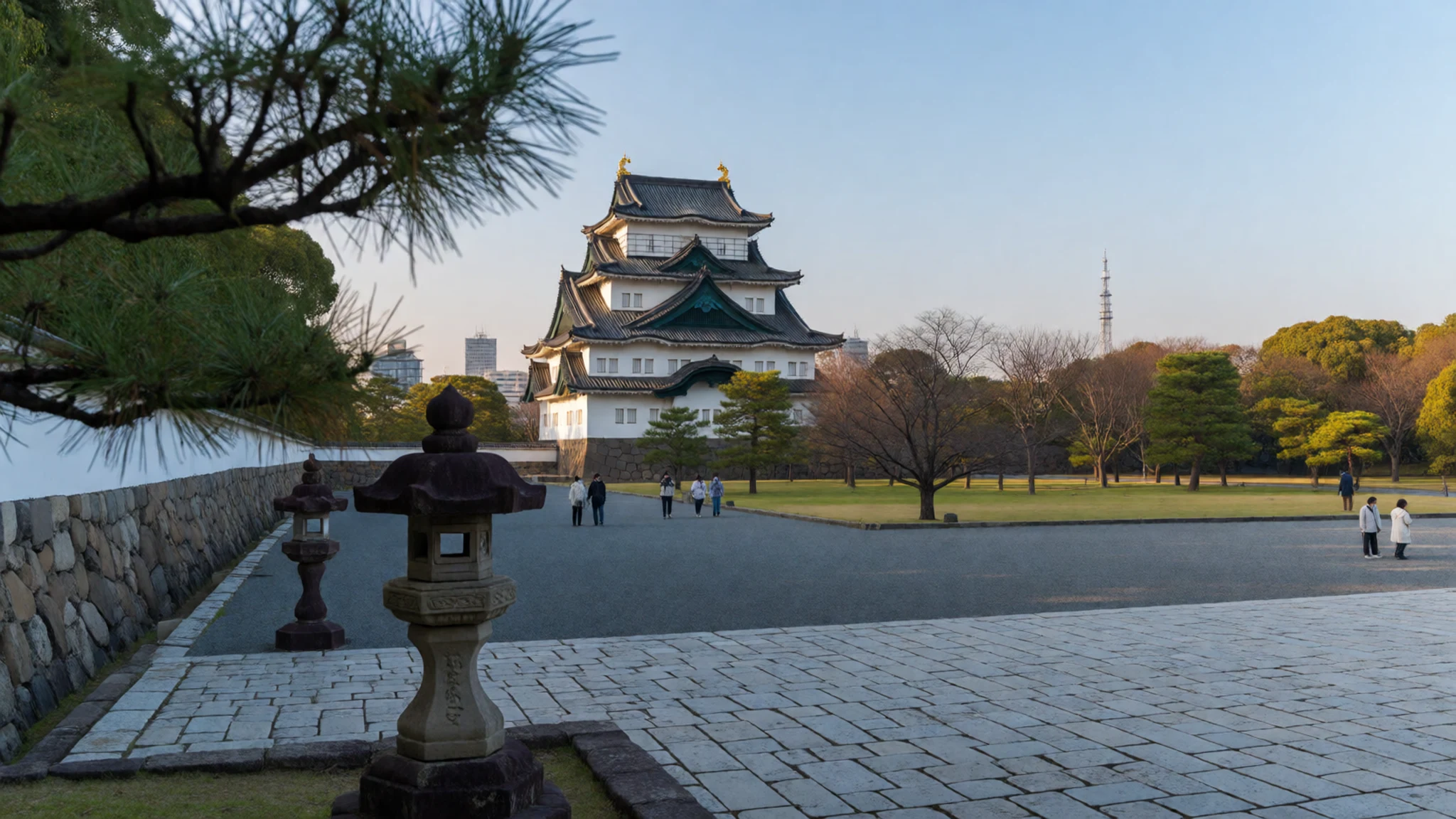
- Atsuta Shrine — Atsuta ward, south of the centre
Atsuta Shrine is an old and widely revered Shinto site, said to hold the Kusanagi sword. Tall trees shade the approach, and the noise of the city fades quickly once inside the gate. Visitors will see worshippers clapping and bowing at the main hall. Weekday mornings are calmest, while festivals and New Year bring heavy crowds.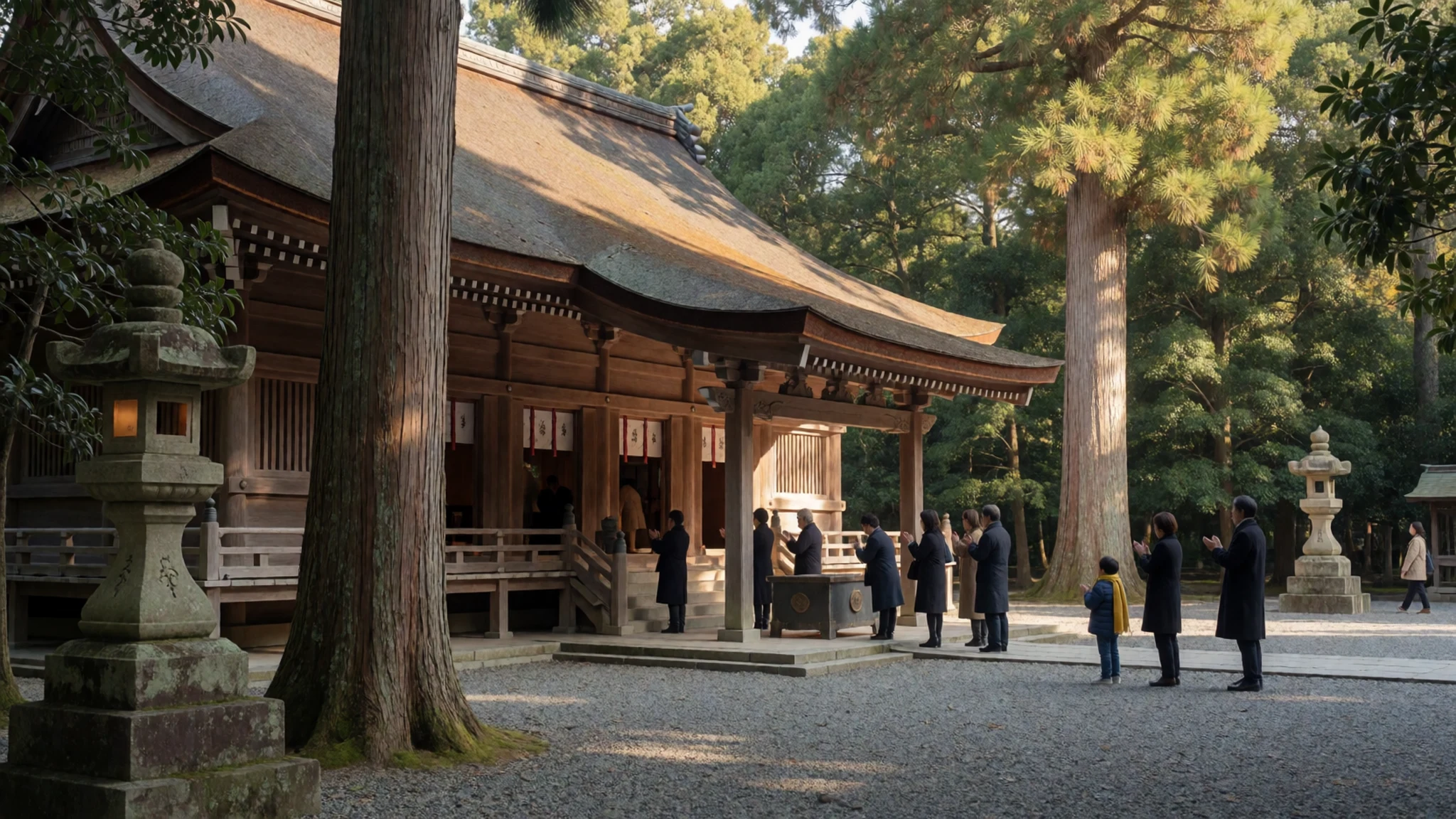
- Toyota Commemorative Museum of Industry and Technology — Nishi ward, near Nagoya Station
This museum stands on the site of an early Toyota loom factory and follows the company from automatic looms to motor cars. Working textile machines and car-building demonstrations make the story physical rather than abstract. It suits anyone curious about how this region became an industrial centre, and it is easy to reach from the station area.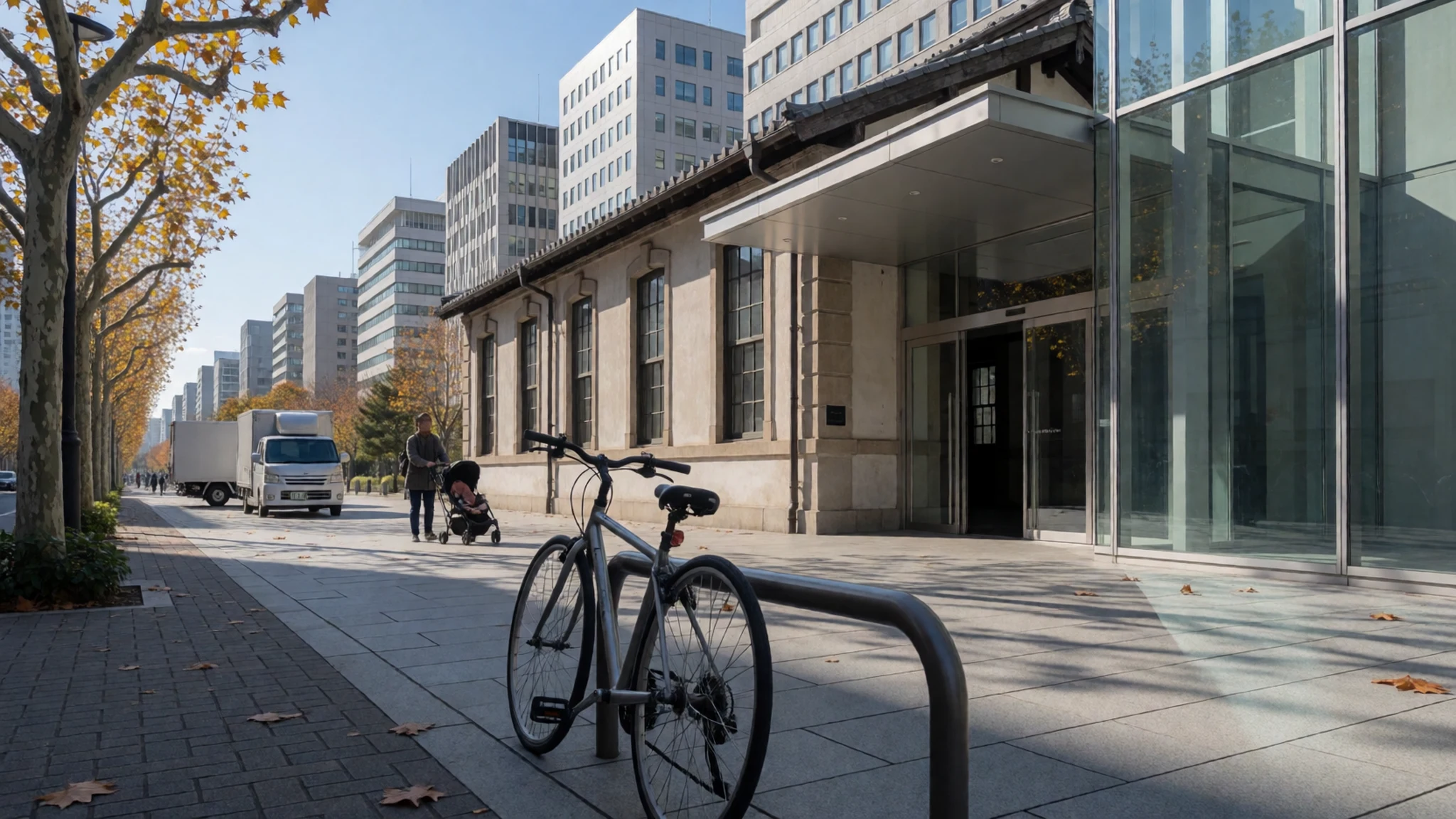
- Arimatsu — Midori ward, south-east Nagoya
Arimatsu is a small preserved townscape in Midori ward, where merchant houses with tiled roofs and latticed fronts line a former highway town. The area is known for shibori, a resist-dyed cloth, and small shops sell it as scarves and handkerchiefs. It is quiet and best taken at a stroll, with time for a cafe stop.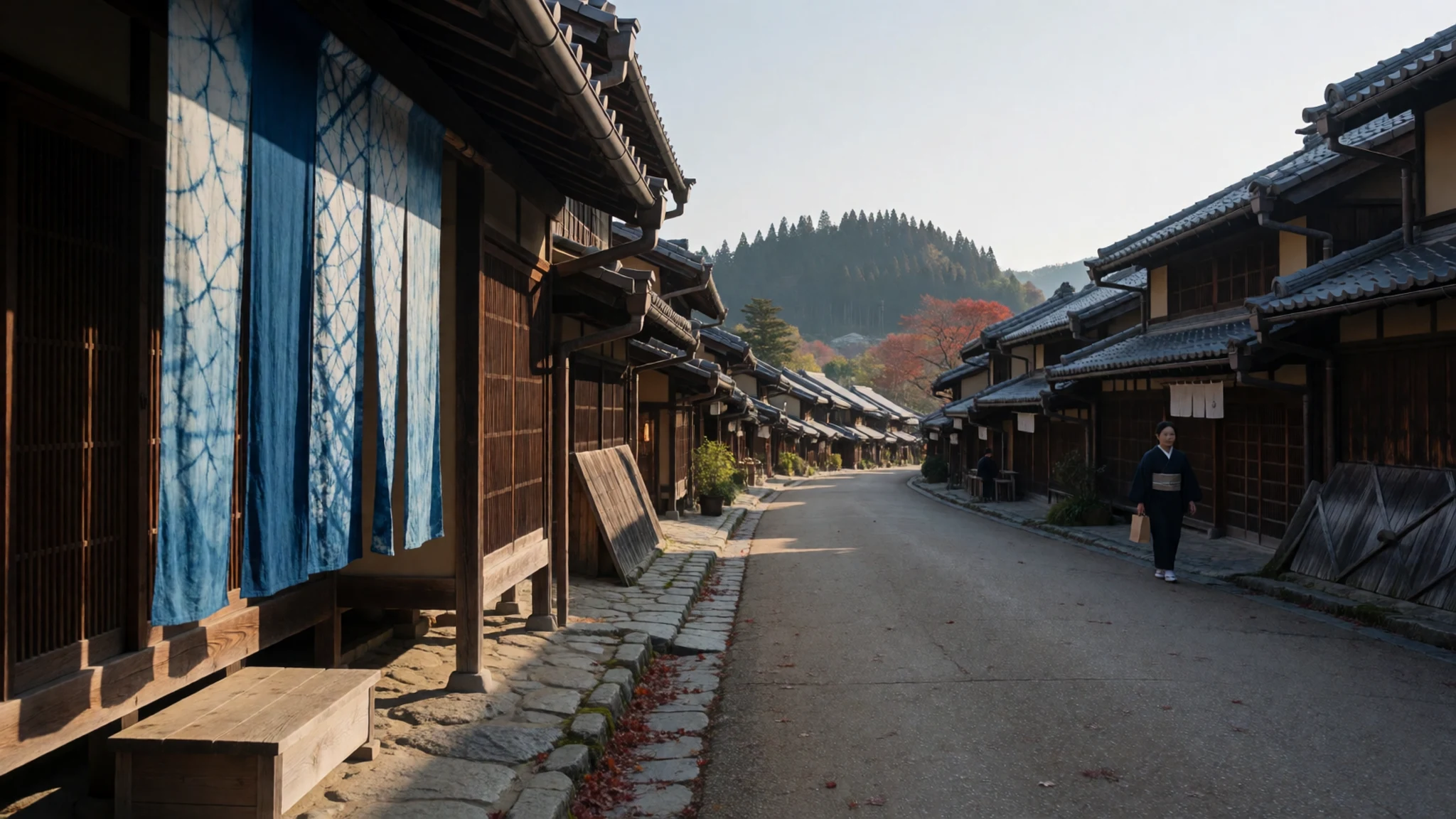
- Osu — Naka ward, central Nagoya
Osu is the city's lively old temple-town district, where covered arcades run beside a Buddhist temple. Street snacks, vintage clothes, electronics, and cosplay shops share the lanes, so it feels more spontaneous than the polished malls near the station. Come in the afternoon, when most shops are open, and stay for an informal dinner.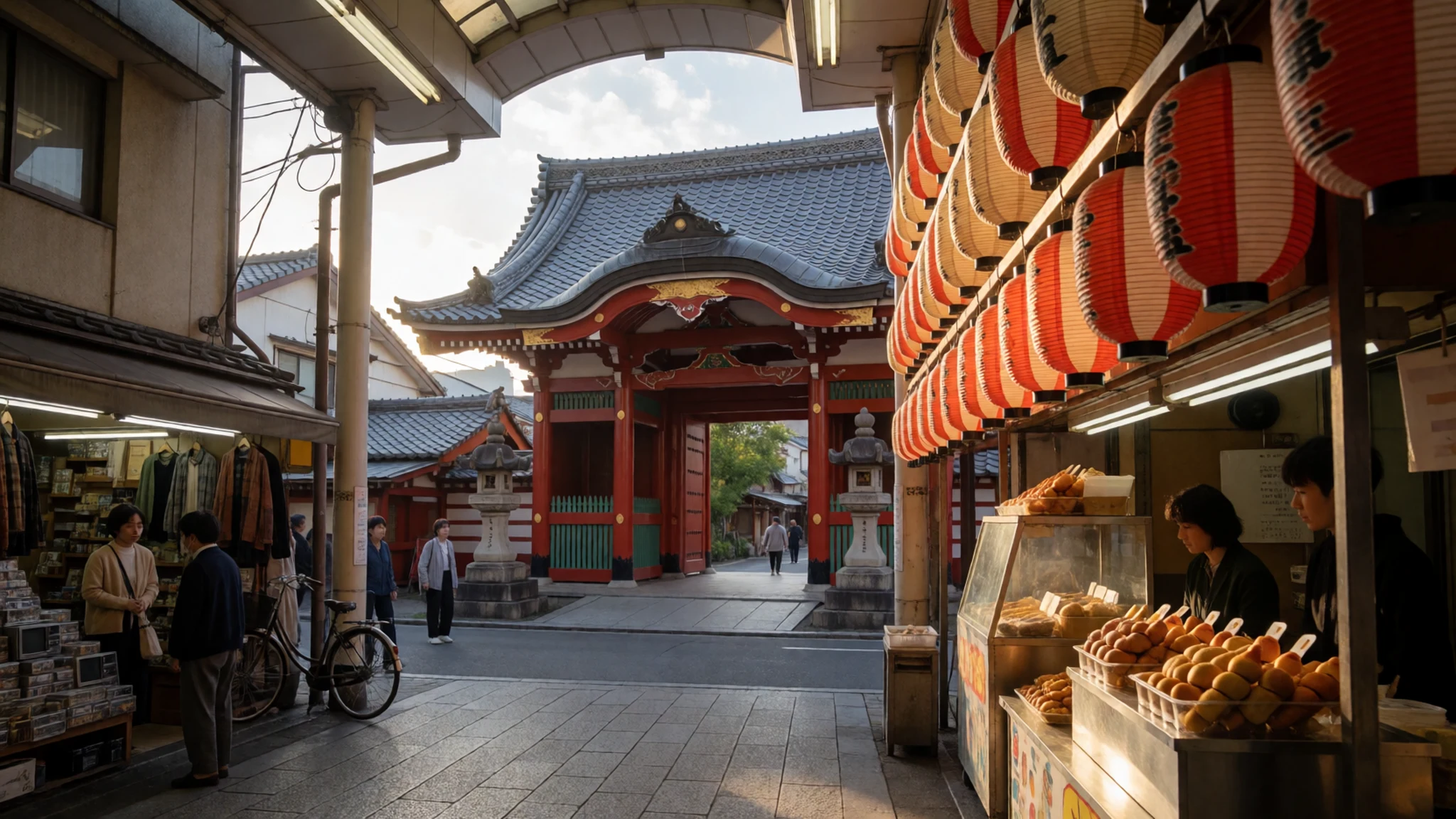
Culture
Nagoya's culture grew from the Owari Tokugawa lords, who ruled from the castle and were generous patrons of theatre and the arts. Visiting actors and entertainers came to the city, and wealthy merchants backed painters, potters and performers. That mix of samurai taste and commercial confidence still shows: the city is more practical than showy, proud of craft and of careful making. Much was lost in the Pacific War, and the postwar economic recovery helped revive museums and the arts. Today the city has museums for traditional and modern art, handicrafts, science and industry, and the Owari Tokugawa collection linked to the castle. Local pride also rests on manufacturing, and a talk with a resident will often turn to cars, machines or design. Nagoya also has its own habits of eating and drinking. Cafes are known for generous morning sets, and food is often richer and saltier than in Tokyo or Kyoto. Festivals, especially around Atsuta Shrine and the castle, show the older traditions more directly than the downtown office towers do. Shrines and temples remain active places of prayer rather than museums. At Atsuta Shrine, stay on the side of the path, bow lightly at the gate, rinse your hands at the water basin, and do not photograph people while they are praying.
What to wear
Nagoya's traditional dress follows the national pattern of kimono for formal occasions and yukata, lightweight cotton robes, for summer festivals and fireworks. The region's own textile is shibori from Arimatsu, a resist-dyed cloth made by tying, binding and stitching cotton or silk before dipping it in dye, traditionally indigo. Patterns appear on kimono, scarves and small accessories, and are worth seeking out as a souvenir. Kimono are most often seen today at weddings, tea ceremonies, graduations and New Year shrine visits. Day to day, people in Nagoya dress neatly and conservatively: office wear in the business districts, smart-casual in Sakae, and more experimental street style around Osu. Black, navy and grey dominate in winter, and lighter fabrics appear when the humidity rises. Visitors should dress for the weather first. Summer calls for breathable cotton or linen, a hat, sun protection and a small towel for the heat, while winter needs a proper coat, scarf and layers, since wind can be sharp. Comfortable, closed shoes that slip on and off easily help at shrines and in restaurants where footwear comes off. For Atsuta Shrine and other temples, shorts and sleeveless tops are not forbidden, but covered shoulders and knees are respectful. Bring a light rain jacket for the wet season.
What to eat
- Misokatsu — Specialist cutlet restaurants around Sakae and Nagoya Station
Pork cutlet fried in crisp crumbs and covered with a sweet, dark red-miso sauce. It is the dish most closely tied to Nagoya, and it is usually served with rice, shredded cabbage and miso soup.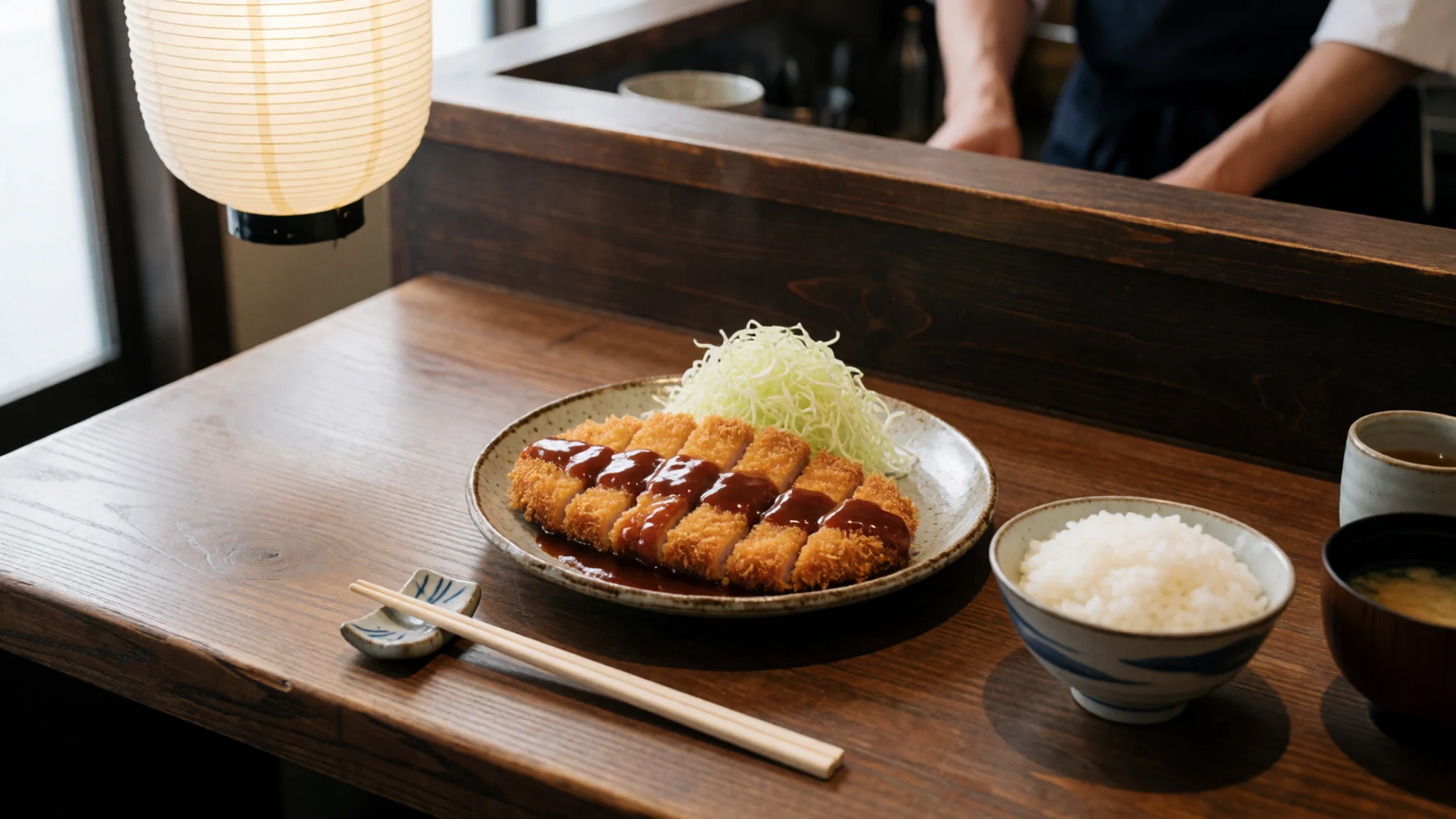
- Hitsumabushi — Eel restaurants in the central districts and near Atsuta Shrine
Grilled eel over rice, cut into portions and eaten in stages: first plain, then with condiments such as spring onion and wasabi, then as a tea-broth soup. It is rich and filling, so one portion is plenty.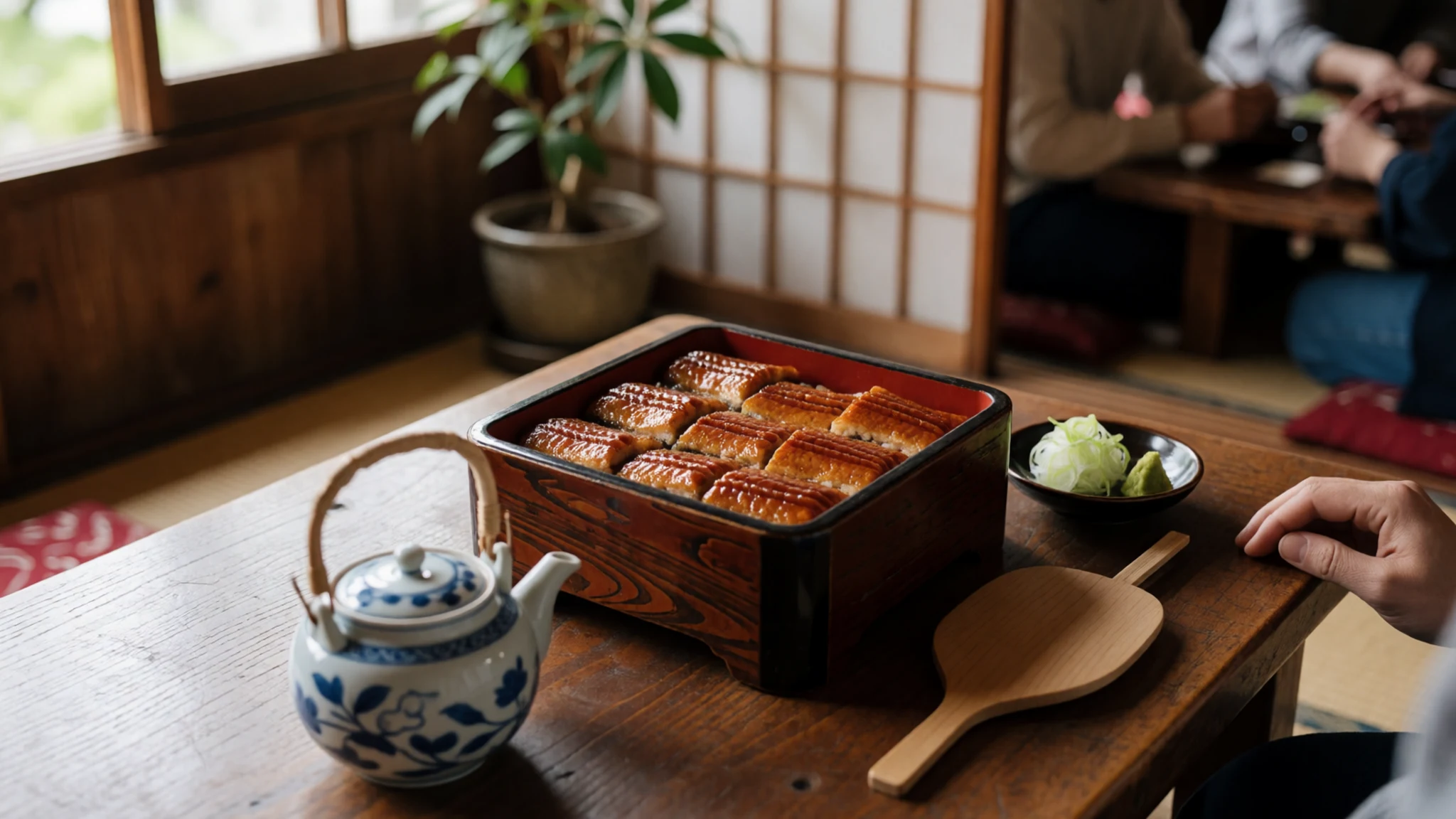
- Miso-nikomi udon — Casual noodle shops and station-area eateries
Thick, firm noodles simmered in a bubbling pot of dark miso broth, often with chicken, egg and mushrooms. It is hearty, salty and best on a cold evening, served in the pot it cooked in. - Tebasaki — Izakaya, the Japanese-style pubs found across Sakae and the station area
Chicken wings fried until crisp, coated in a peppery or sweet-savoury glaze and sprinkled with sesame. They are a standard order with beer and are meant to be eaten with the fingers. - Morning set with ogura toast — Old-style cafes (kissaten) throughout the city
Many Nagoya cafes serve coffee with a free or cheap breakfast, often thick toast topped with sweet red-bean paste and butter. It is a local habit worth trying once, and a calm way to start before sightseeing.
Plan it
Best time. Late March–April and November are the most comfortable months, with mild, clear weather. June is the rainy season, July and August are hot and humid, and winter is cold but often dry and bright.
How long. 2–3
Getting there. Chubu Centrair International Airport, then the Meitetsu Airport Line to Nagoya Station in roughly half an hour; note that Japan Rail Passes are not valid on this private line. The Tokaido Shinkansen links Nagoya with Tokyo, Kyoto and Osaka, and the last leg in the city is by subway.
Budget. mid
Tips
- Visit Nagoya Castle and Atsuta Shrine in the morning, before the heat and the tour groups build
- Carry some cash for small eateries, shrine offerings and market stalls, though larger shops take cards
- Use the subway and a rechargeable transit card for easy travel between sights
- Carry water and a hat in summer, since the humidity is draining
- Check the official city site, https://www.city.nagoya.jp/, for current opening times, closures and ticket details
Etiquette
- Remove your shoes where there is a raised floor or a row of slippers
- Keep your voice low on trains and at shrines
- Do not photograph worshippers or people at prayer
Nearby
Sources
- Wikidata Q11751 (CC0)
- Wikipedia: Nagoya (rev 1383714186) (CC BY-SA 4.0)
- Wikivoyage: Nagoya (rev 5412109) (CC BY-SA 4.0)
- Photo 01-japan-nagoya.png (composition by ASDFGH and others) (CC BY 3.0)
- Photo 02-.jpg (加茂川の民) (CC0 1.0)
- Photo 03-nagoya-castle2026.jpg (加茂川の民) (CC0 1.0)
- Photo 04-2026.jpg (加茂川の民) (CC0 1.0)
- Photo 05-atsuta-shrine.jpg (Bariston) (CC BY-SA 4.0)
- Photo 06-arimatsu-historic-townscape-midori-ward-nagoya-2014.jpg (Tomio344456) (CC BY 3.0)
- Photo 07-view-of-osu-intersection-monzen-cho-dori-st-monzen-cho-naka-.jpg (Tomio344456) (CC BY-SA 4.0)
- Photo 08-higashiyama-sky-tower.jpg (Bariston) (CC BY 4.0)


