Nā Pali Coast
Nā Pali Coast, United States
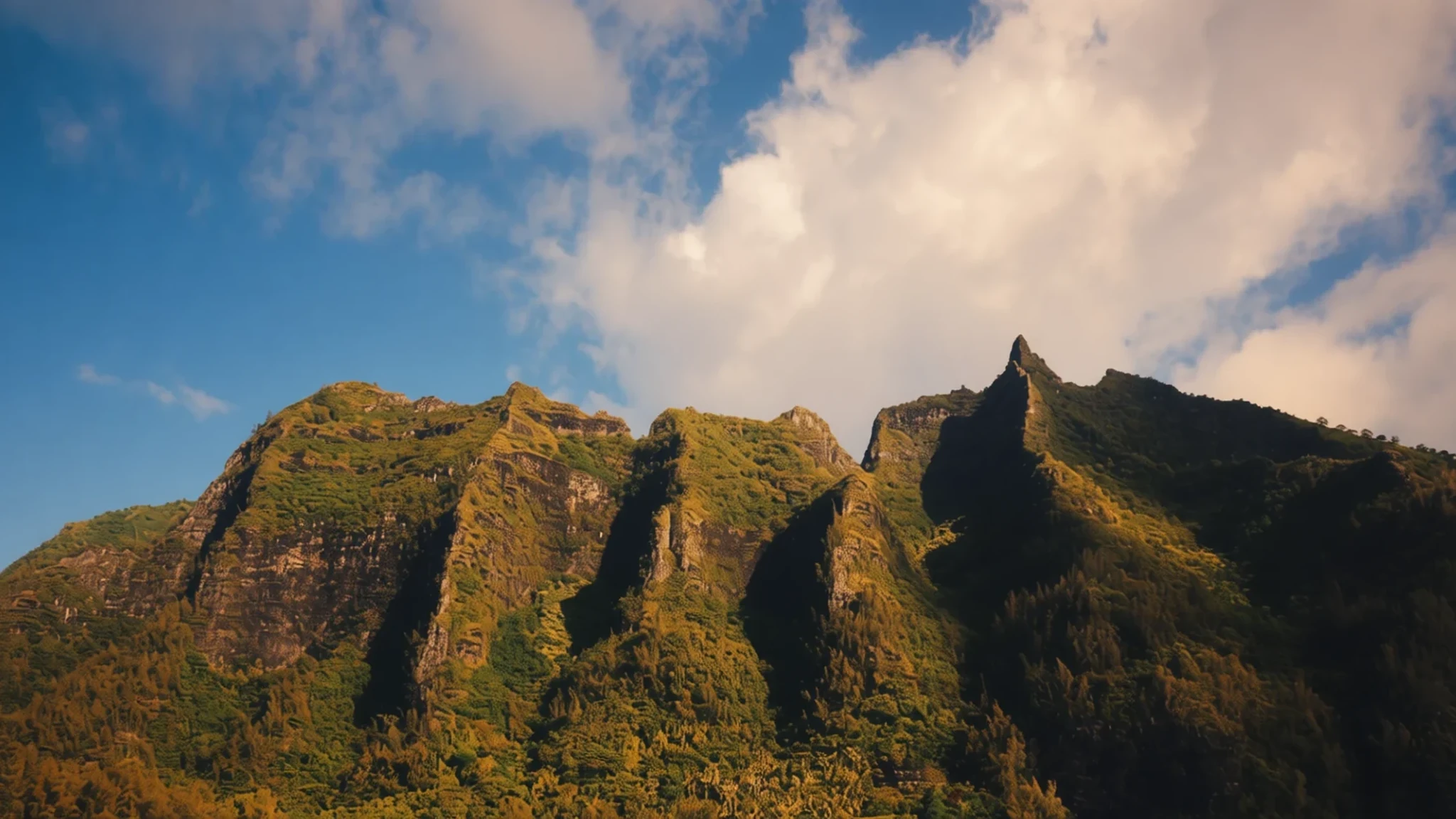
Marvel at dramatic emerald sea cliffs, hidden valleys, and legendary trails carved into the rugged northwestern shore of Kauaʻi.
The place
The Nā Pali Coast State Park protects a rugged stretch along the northwest shore of Kauaʻi, Hawaii's second-oldest inhabited island. This dramatic shoreline stretches from Keʻe Beach down towards Polihale State Park along a rugged sixteen-mile corridor. The Hawaiian name, meaning many cliffs, describes sheer rock walls that soar high above the blue expanse of the Pacific Ocean. Valleys carved deep into the mountainside meet hidden pocket beaches, creating a landscape that remains largely untouched by modern road networks. To the east, the Hono O Nā Pali State Natural Reserve preserves the higher interior ridges and dense native forests.
Access to this remote region is traditionally limited to foot travel along ancient paths, sea journeys during calmer weather windows, or aerial sightseeing. The famous trail system provides the only land route into the steep valleys, winding across precipitous drop-offs and crossing rushing streams fed by interior rainfall. Further inland, hunters and hikers reach the upper boundaries via steep mountain roads branching out from the high ground above the canyon systems. Weather conditions shift rapidly across the island's microclimates, bringing frequent liquid sunshine to the windward slopes while the coastal ledges dry quickly under the sun. Marine life thrives in the offshore waters, where dolphins and sea turtles frequent the sheltered coves beneath the towering precipices. Visitors arriving here encounter a landscape shaped entirely by immense geological forces and centuries of isolation from the bustling commercial hubs found on the larger islands of the archipelago.
Its story
The geological history of the Nā Pali Coast began millions of years ago when massive volumes of water cascaded across the northwest flank of the ancient shield volcano, carving deep amphitheatre valleys into the basalt rock. Centuries later, Polynesian navigators arrived around the twelfth century, establishing early settlements along the fertile valley floors where fresh water met the sea. These early voyagers were soon followed by migrations from Tahiti that profoundly influenced local traditions, craftsmanship, and community structures across the Hawaiian Islands.
For generations, the coastal settlements functioned as active hubs of inter-island communication and commerce, maintaining coastal trade links with neighbouring communities. Following the arrival of Western explorers in the late eighteenth century, the introduction of foreign diseases tragically decimated the indigenous populations living in these remote valleys. By the twentieth century, the last permanent residents had abandoned their coastal homes, leaving the deep valleys to return to nature. Today, archaeological remains such as stone agricultural terraces and ancient temple foundations linger quietly beneath the dense canopy of introduced and native vegetation, bearing silent witness to the generations who once called these dramatic coastal cliffs their home.
What to see
- Kalalau Trail First Section — Northwestern shoreline
Walking the initial stretch of the legendary path brings visitors past towering sea cliffs and secluded pocket beaches, offering magnificent coastal vistas over the Pacific Ocean. The footpath demands sturdy footwear, careful planning, and respect for changing mountain weather patterns before setting off along the sheer precipices.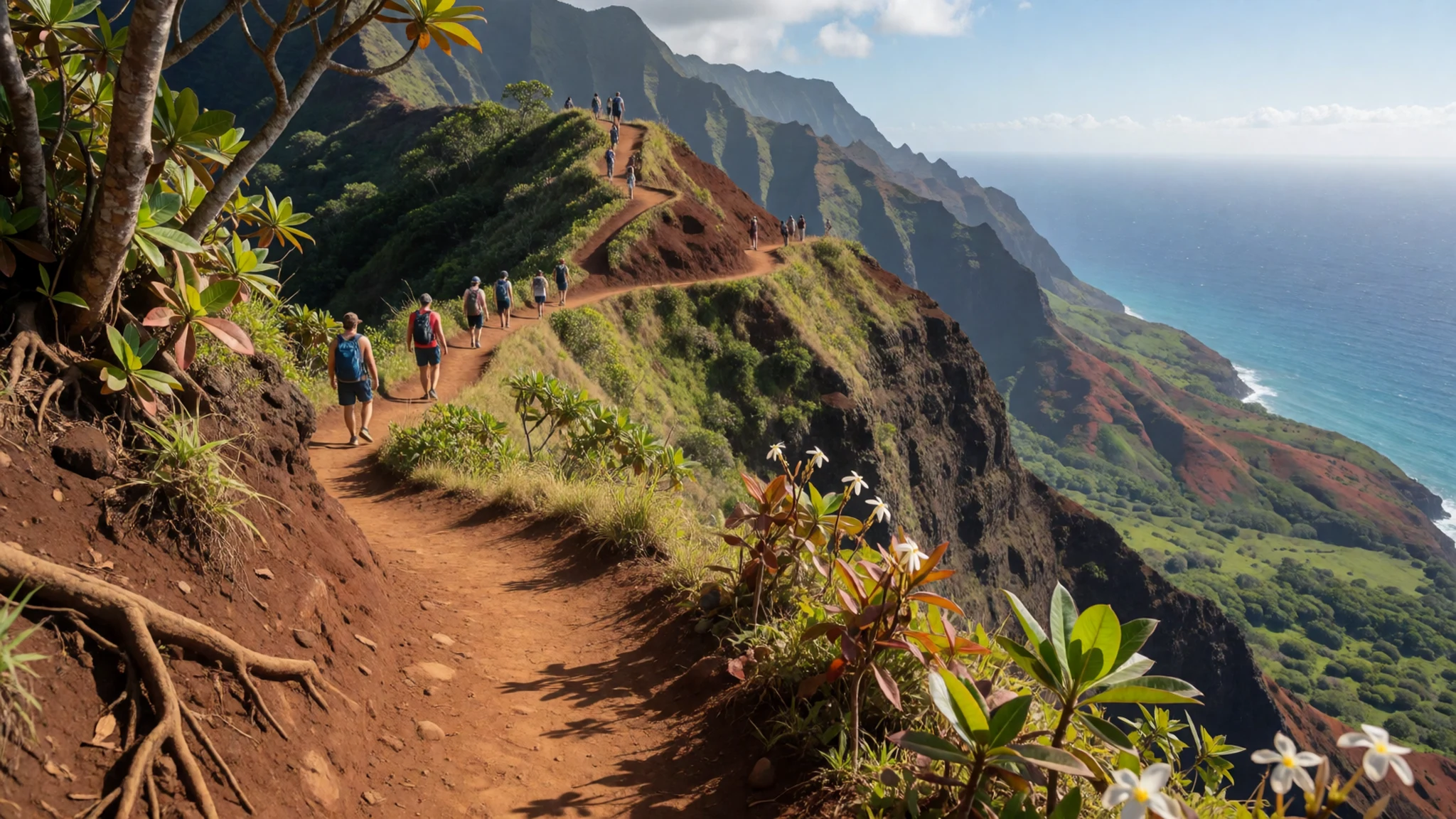
- Kalalau Valley Overlook — High country interior
Reachable from the high elevation roads above the canyon country, this sweeping viewpoint looks straight down into the lush, amphitheatre-shaped valley floor far below. The dramatic perspective reveals the sheer scale of the eroded green ridges and the deep isolation of the coastal wilderness spread out towards the ocean.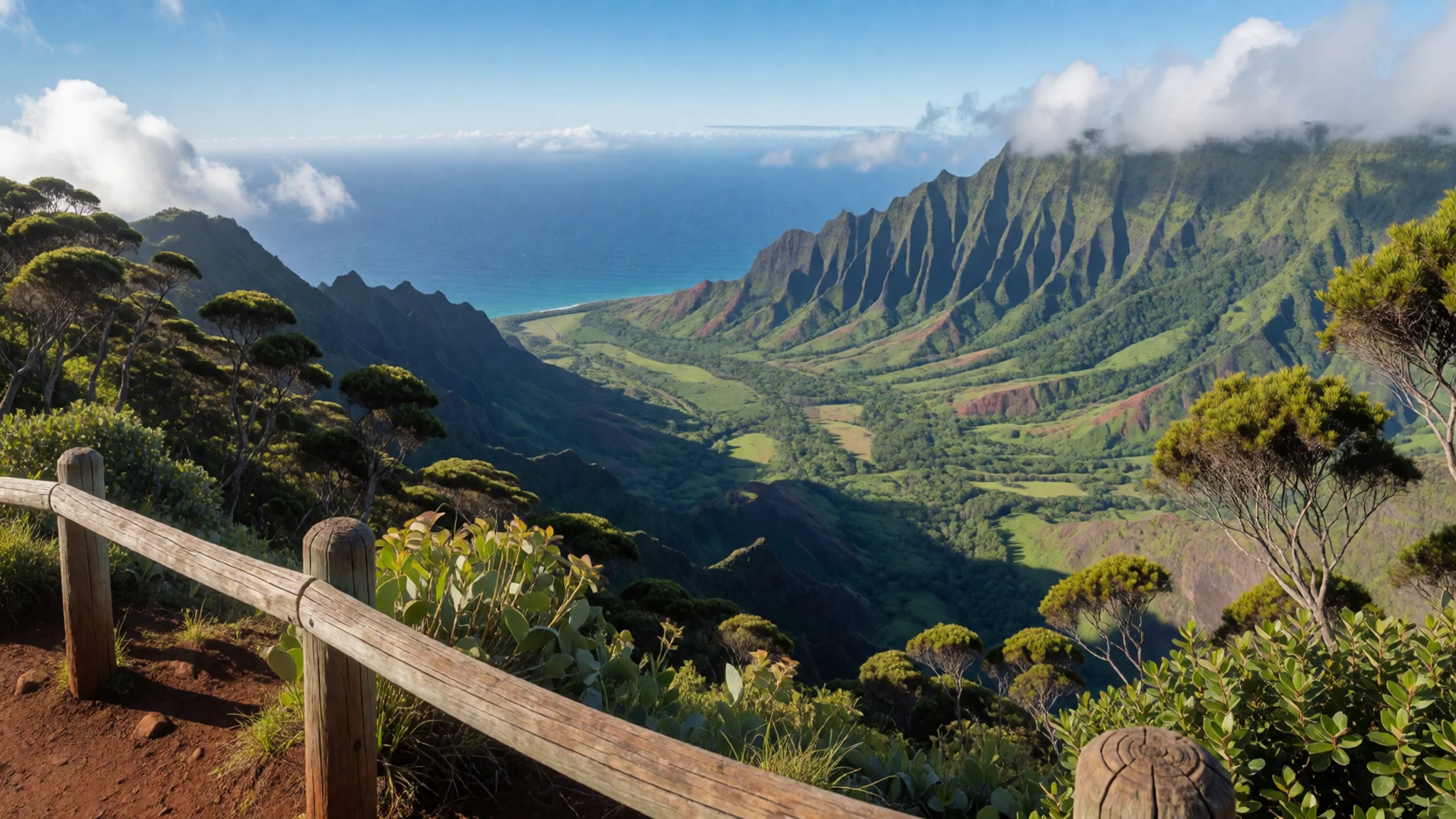
- Keʻe Beach — End of the northern road
Situated at the northern terminus of the coastal highway, this sheltered sandy beach marks the literal end of the road and the beginning of the wilderness footpaths. Coral reefs offshore provide calm swimming conditions during favourable summer months, while winter swells bring powerful waves that demand caution from all swimmers.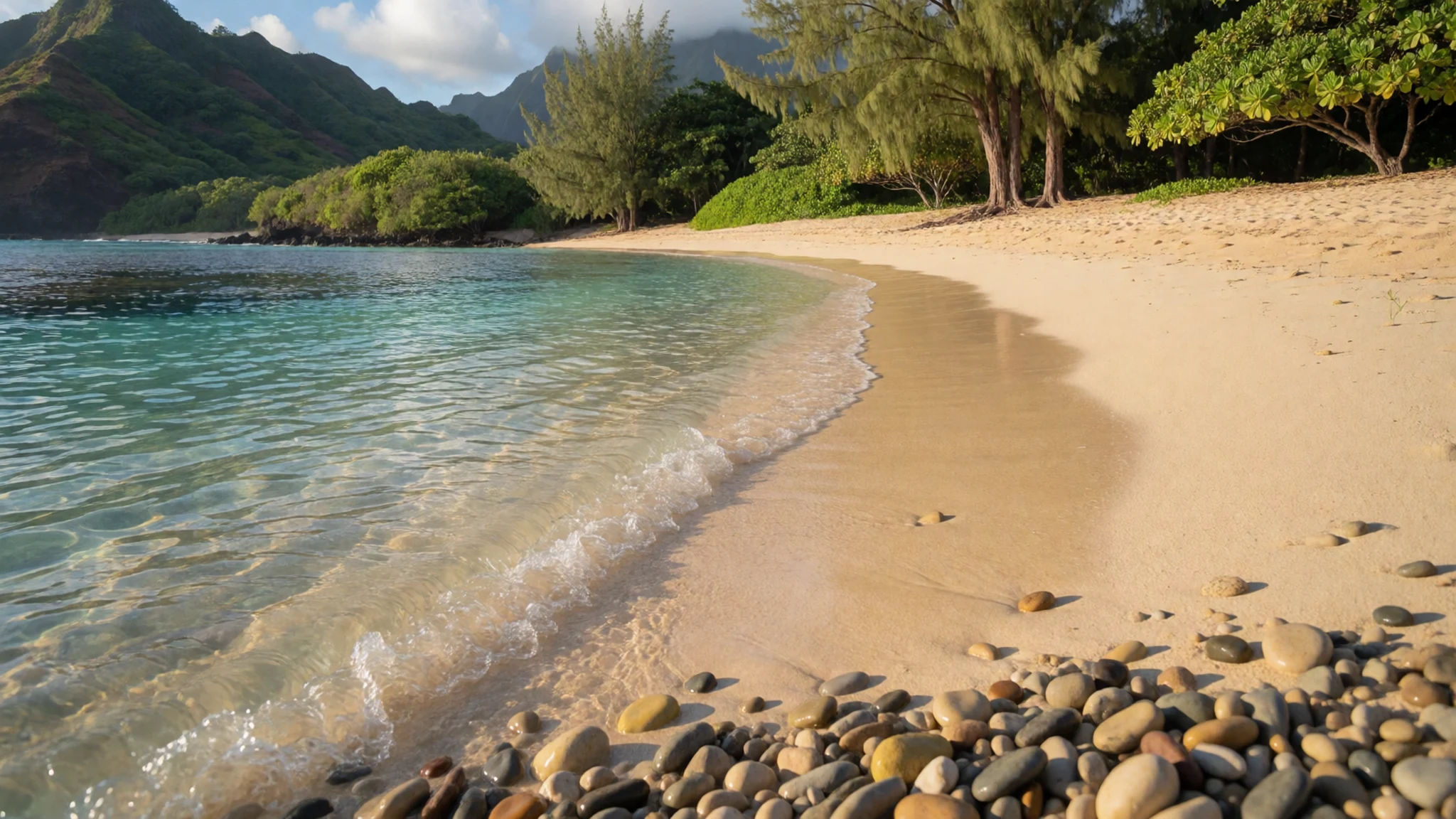
- Coastal Waters and Sea Caves — Offshore waters
Exploring the shoreline by vessel reveals hidden sea caves, plunging waterfalls, and narrow rock spires that are entirely inaccessible by land routes. Boat tours navigate beneath the towering green ramparts during calm sea states, offering travellers a unique vantage point of the precipitous cliffs rising straight from the surf.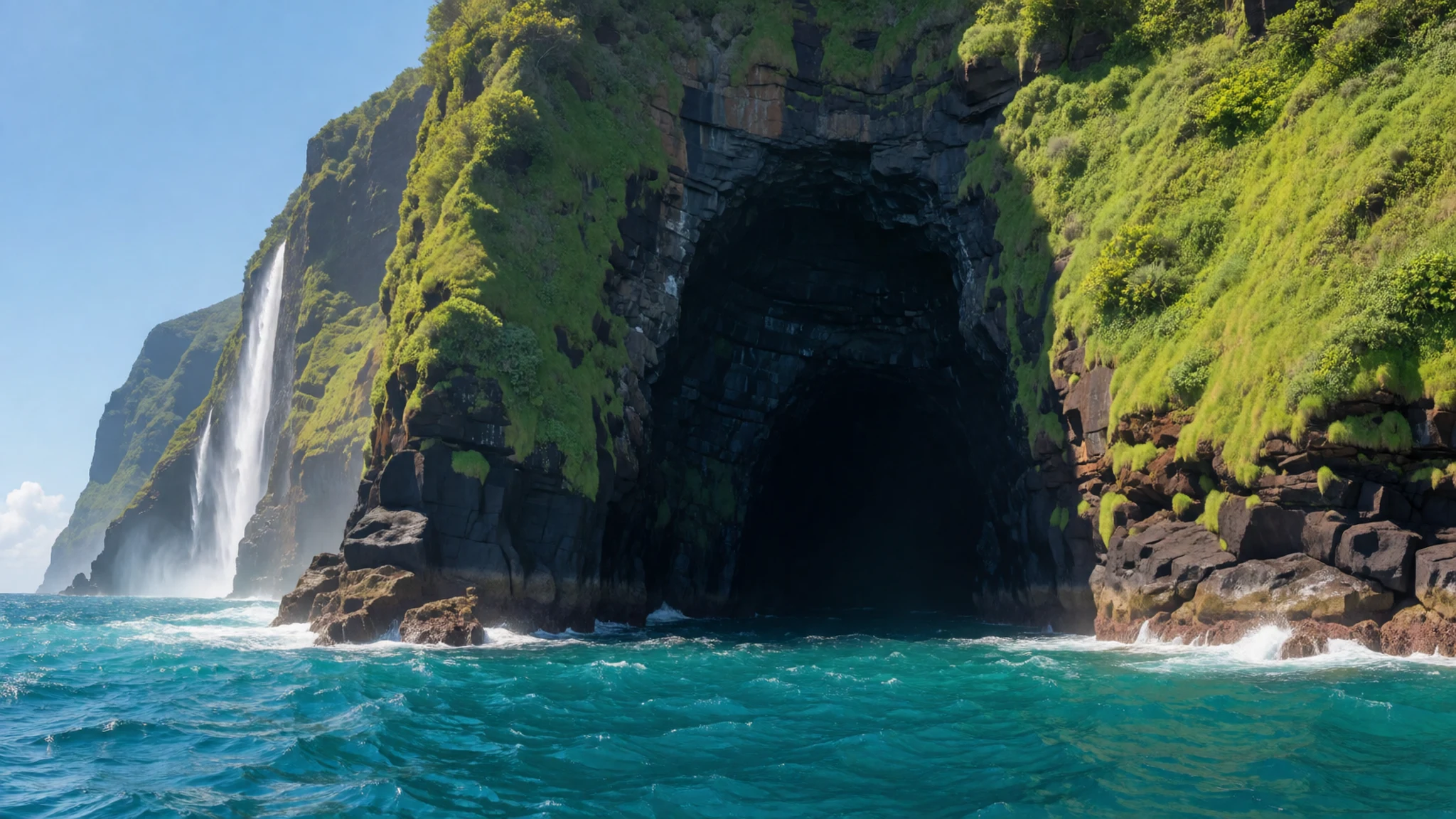
- Hono O Nā Pali State Natural Reserve — Interior uplands
Protecting the rugged interior highlands behind the coastal park, this protected reserve shelters pristine native montane forests and steep mountain ridges. Hunters and dedicated hikers access the upland reaches through challenging mountain tracks that connect the upper plateau with the dramatic valleys below.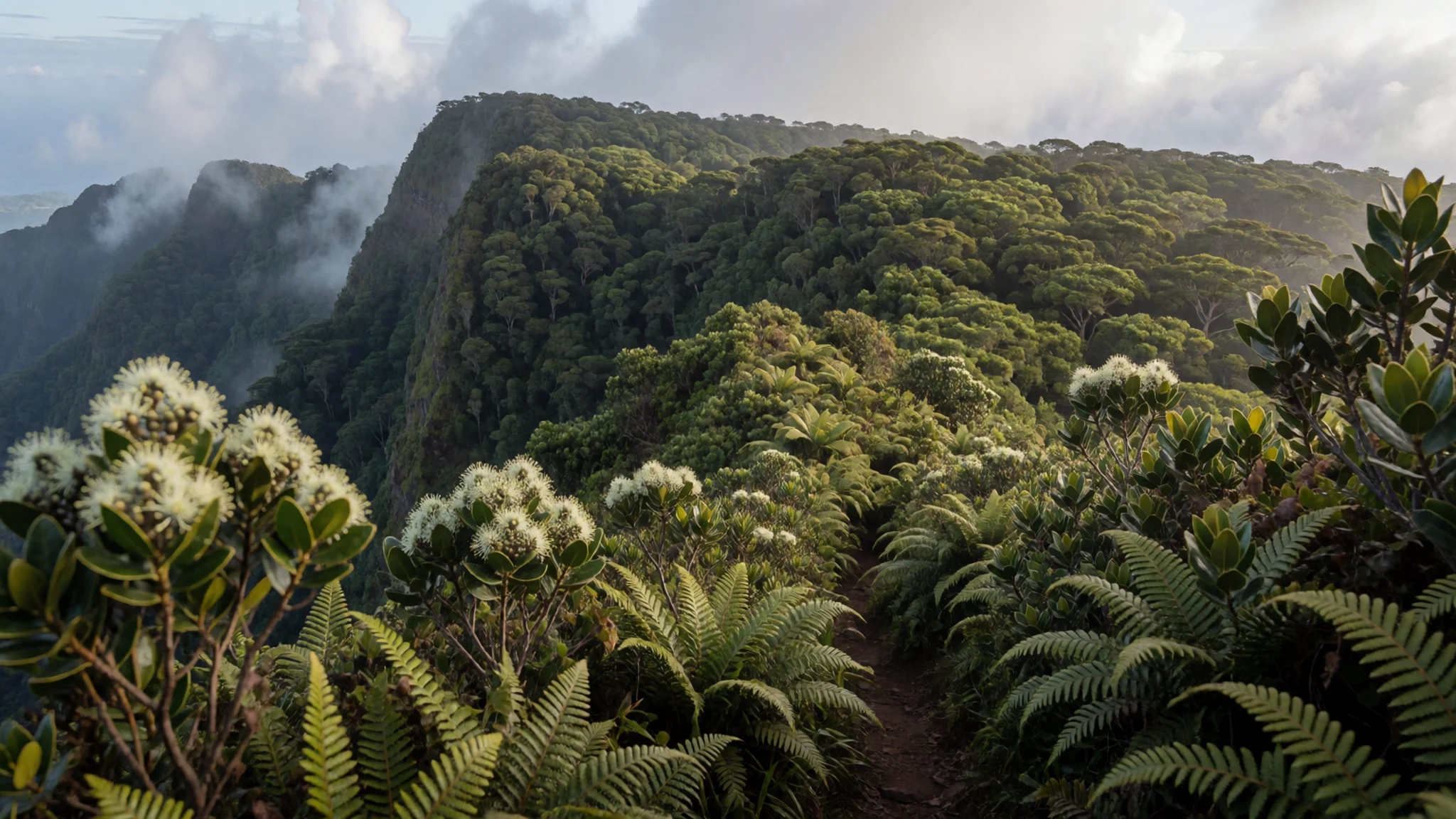
Culture
Life across the Hawaiian islands blends American administrative standards with a rich cultural tapestry shaped by Native Hawaiians and diverse Asian communities. Visitors exploring the Nā Pali Coast region will encounter a profound heritage rooted in deep respect for the land, the ocean, and ancient traditions. Throughout the islands, ancient sacred sites known as heiau mark places where traditional religious ceremonies were once held. These archaeological treasures demand the same quiet reverence and solemn respect that one would naturally show inside any house of worship elsewhere in the world. Community interactions emphasise warmth, hospitality, and mindfulness regarding the fragile ecosystems and cultural sensitivities of the region. The Nā Pali Coast is not just a jagged coastline of emerald cliffs and hidden valleys; it's a living landscape on Kauaʻi's north shore where the Kalalau Trail winds past sea caves and ancient Hawaiian heiau. While most visitors only catch a glimpse from a helicopter or a catamarans cruising out of Port Allen, backpacking the trail into Kalalau Valley is the ultimate test of endurance—and requires a hard-to-secure state permit.
Be prepared for red mud that turns to grease after a tropical downpour, relentless sun, and sheer drop-offs that will test your nerves. The best months for a stable trek or a calm boat tour are May through September; winter brings massive, dangerous swells that close the ocean and hammer the beaches. If you're lucky enough to be invited inside by a local resident, always take off your shoes at the door, leaving them neatly on the porch or entryway.
What to wear
Along the Nā Pali Coast, contemporary dress reflects the warm tropical climate and a relaxed island lifestyle, favouring lightweight, breathable garments made from cotton or comfortable synthetic blends. Traditional Hawaiian attire, historically crafted from kapa bark cloth or woven plant fibres, has evolved into colourful aloha shirts and casual wear that are worn comfortably for daily errands and festive gatherings alike. For visitors exploring the region, practical dressing is essential. Sturdy hiking boots with reliable grip are necessary for navigating muddy and uneven mountain trails, while quick-drying clothing keeps travellers comfortable through sudden tropical downpours and humid coastal conditions. When visiting towns, restaurants, or community spaces outside the wilderness trails, casual resort wear such as shorts, t-shirts, and sandals is entirely appropriate, though modesty and polite attire remain appreciated when visiting cultural sites or local residential communities.
What to eat
- Plate Lunch — Roadside lunch wagons and casual eateries
A local institution consisting of generous portions of grilled or fried meat or fish served alongside two scoops of white rice and creamy macaroni salad. Found at roadside lunch wagons, mall food courts, and neighbourhood eateries across the islands.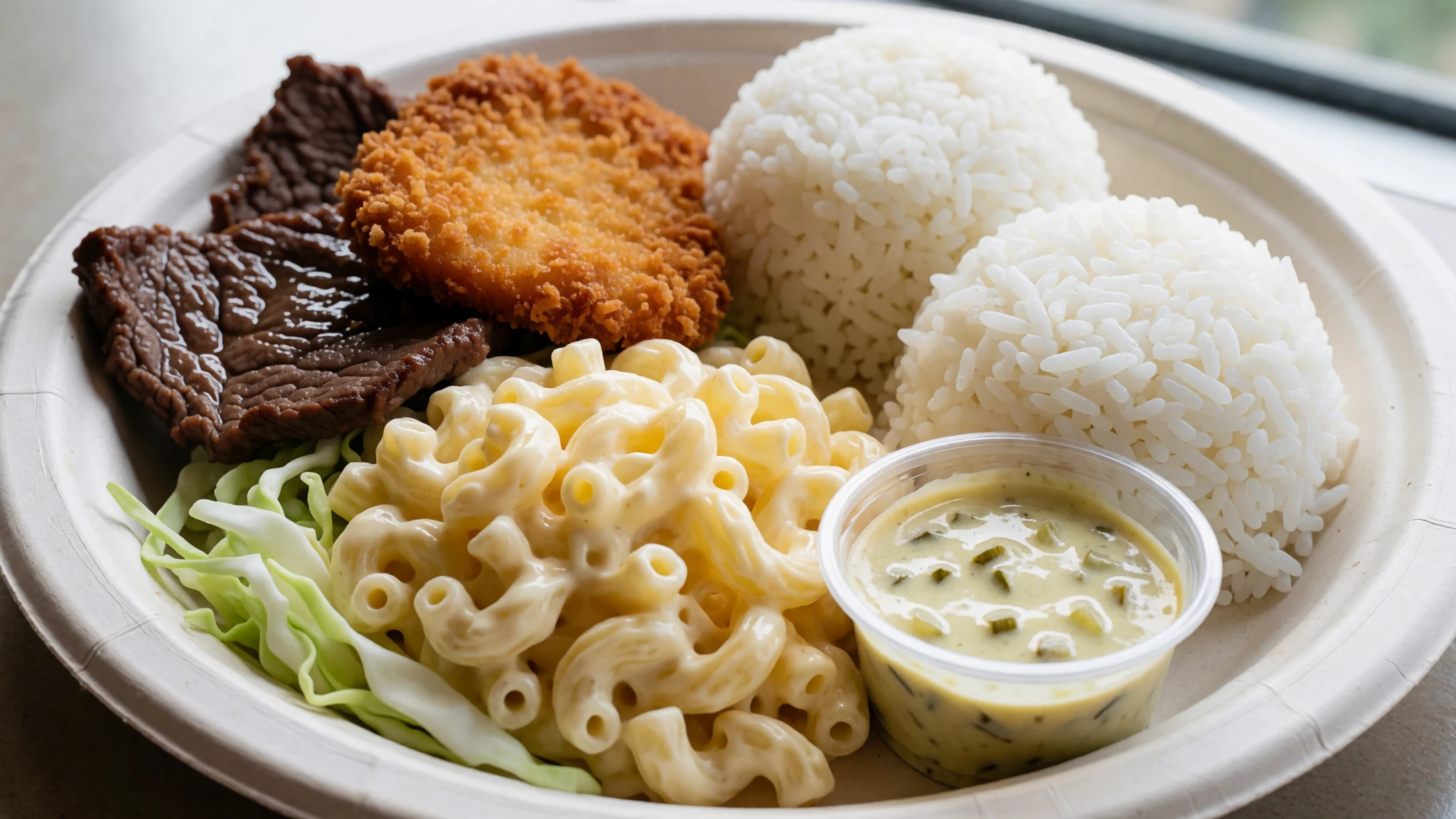
- Fresh Island Seafood — Coastal restaurants and seafood markets
The surrounding Pacific waters provide an abundance of fresh catch, prepared in traditional styles or incorporated into modern Pacific fusion dishes crafted by local culinary experts. Sample fresh fish dishes at coastal restaurants and casual seafood markets.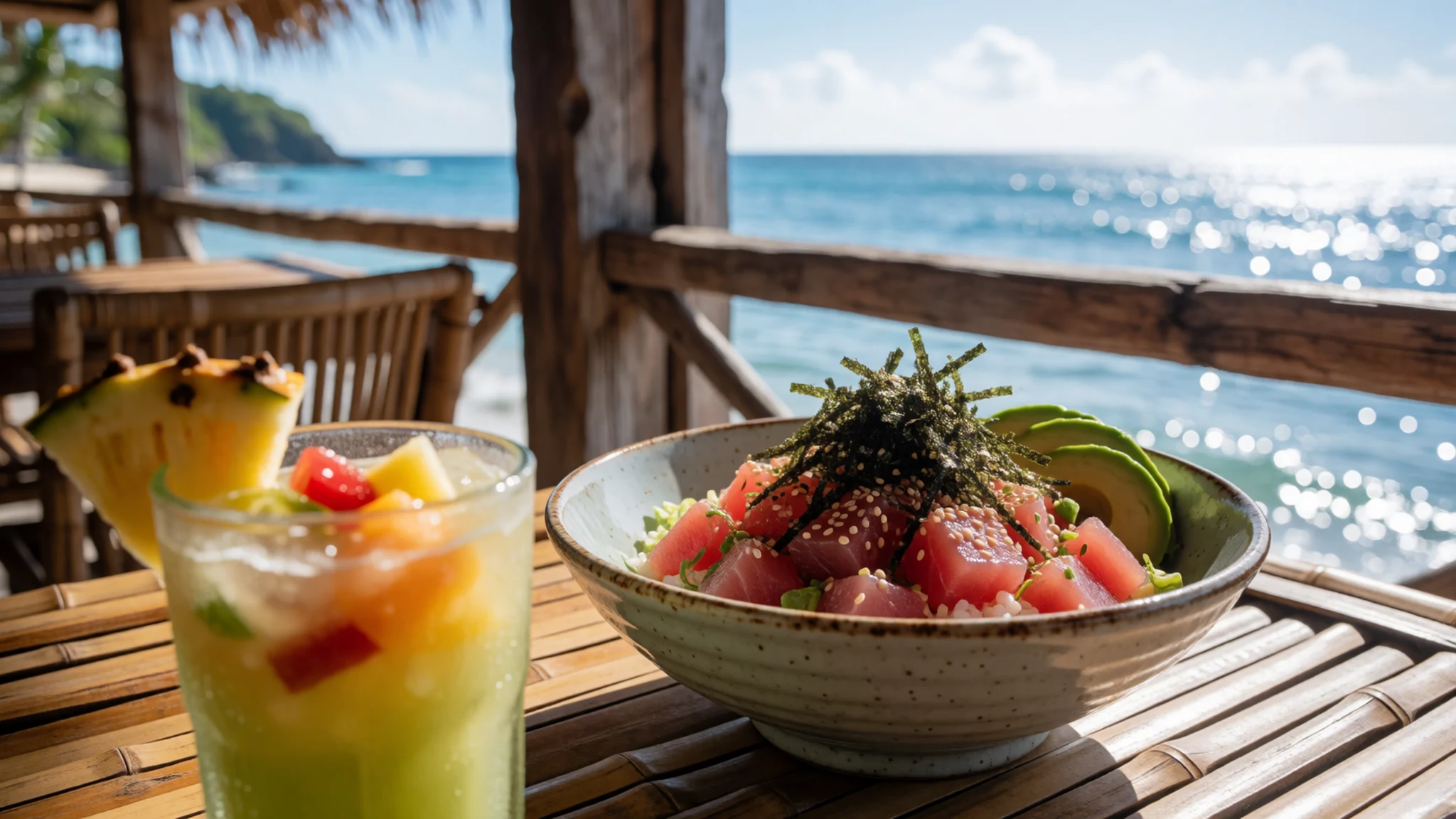
- Tropical Island Fruit — Corner stores and farmers' markets
Sweet pineapples, papayas, guavas, mangoes, and bananas are harvested across the islands and sold fresh in neighbourhood convenience stores and farmers' markets. Enjoy them freshly sliced as a refreshing snack while exploring tropical gardens. - Local Brews and Coffee — Island brewpubs and coffee shops
Artisanal coffee beans cultivated on the fertile volcanic soils of the islands offer rich morning flavours, while regional brewpubs serve craft beers brewed locally or on the mainland. Relax with a cold local beverage at island pubs and cafes.
Plan it
Best time. May to September bring the driest weather and calmest seas for boat journeys, while winter brings powerful ocean swells.
How long. 2–3
Getting there. Fly into Lihue Airport on Kauaʻi, then rent a vehicle to drive north along Route 56 towards the end of the highway at Haʻena near the coast.
Budget. mid
Tips
- Complete required online agricultural declaration forms before arriving in the state
- Book trail permits and parking reservations well in advance through the official state park website
- Start early in the morning to beat the tropical heat and changing mountain weather
- Carry plenty of drinking water and rain gear for sudden downpours on the trails
- Check ocean conditions carefully before swimming or booking coastal boat excursions
Etiquette
- Remove your footwear when entering local residential homes
- Treat ancient heiau temple sites with the utmost reverence
- Respect sensitive natural habitats and stay on designated park trails
Nearby
Sources
- Wikidata Q7071561 (CC0)
- Wikipedia (rev 1370267553) (CC BY-SA 4.0)
- Wikivoyage (rev 5383942) (CC BY-SA 4.0)