Mysore
Mysore, India
Go to Mysore for grand royal palaces, fragrant sandalwood markets, legendary silk sarees, and the vibrant autumn Dasara festival.
The place
Mysore, officially known as Mysuru, sits in the southern Indian state of Karnataka at the foot of the Chamundi Hills. Resting at an elevation of 770 m above mean sea level, the city serves as the administrative hub of its district and division. For nearly six centuries, from the late fourteenth century through to the mid-twentieth century, Mysore operated as the capital of the Kingdom of Mysore under the traditional seat of the Wadiyar dynasty. Today, it stands as the second-most populous city in the state, celebrated widely for its heritage architecture, grand royal residences, and its reputation as one of the cleanest urban areas in India. Modern development across the city owes much to the vision of the maharajas, who fostered a deep appreciation for arts, culture, and urban planning. Wide, tree-lined avenues intersect orderly residential grids, giving the urban core an unhurried, stately character that sets it apart from larger South Indian metropolises. Visitors find a distinct blend of royal heritage and everyday South Indian life, where historic administrative buildings stand alongside bustling local markets trading in jasmine flowers, incense, and spices. The proximity to the hills provides a pleasant backdrop and a cooler breeze than the coastal plains, making it an enduring favourite for travellers seeking traditional culture without the overwhelming scale of neighbouring capitals.
Its story
The roots of the city stretch back to a small settlement named Puragere, which occupied the site of the present royal residence at the dawn of the sixteenth century. In the early part of that century, local rulers constructed the original fort, laying the groundwork for a regional power. The Kingdom of Mysore initially operated under the authority of the Vijayanagara Empire, but as that empire fractured following mid-sixteenth-century conflicts, the local rulers asserted their independence and gradually consolidated sovereign control over the southern Deccan. During the seventeenth century, the realm expanded significantly through strategic territorial acquisitions across southern Karnataka and parts of neighbouring Tamil Nadu. By the latter half of the eighteenth century, political control shifted to de facto rulers who elevated the military standing of the domain through a series of fierce conflicts against regional rivals and colonial forces. Subsequent restorations returned administrative control to the royal family, whose patronage shaped the monumental palaces and civic institutions that define the urban landscape today. The legacy of these centuries is written into every corner of the historic centre, visible in weathered stone fortifications, palace courtyards, and the enduring customs preserved by generations of local residents.
What to see
- Mysore Palace — Central Mysore
This is the definitive landmark of the city, featuring intricately carved rosewood doors, ivory inlay work, marble figurines, and vast ceremonial halls. The sprawling grounds reflect the architectural grandeur of the royal dynasty.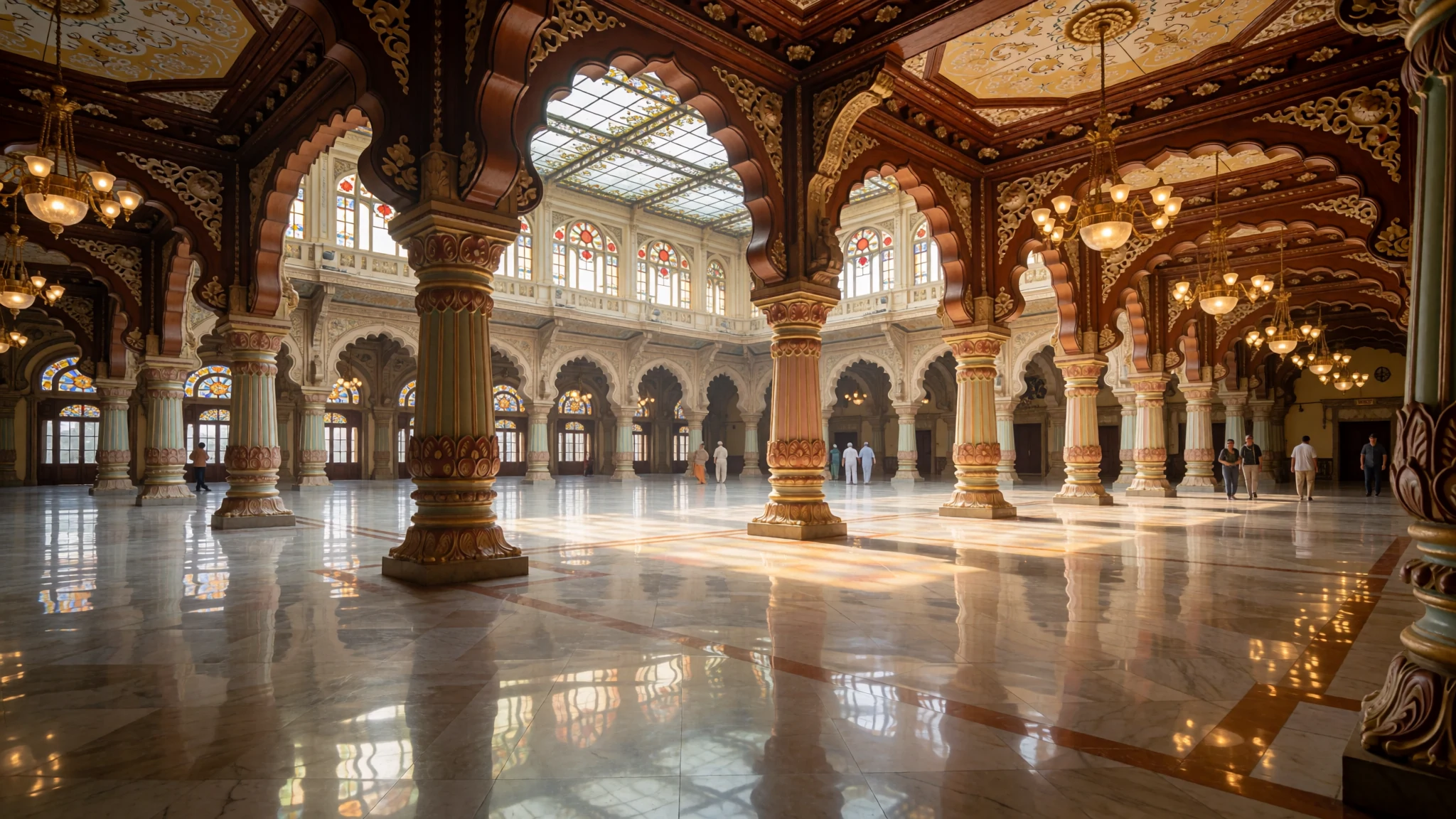
- Chamundeshwari Temple — Chamundi Hills
Perched high above the city on the nearby hilltops, this revered temple is dedicated to the goddess Chamundeshwari. It showcases remarkable traditional architecture and offers sweeping views across the surrounding plains.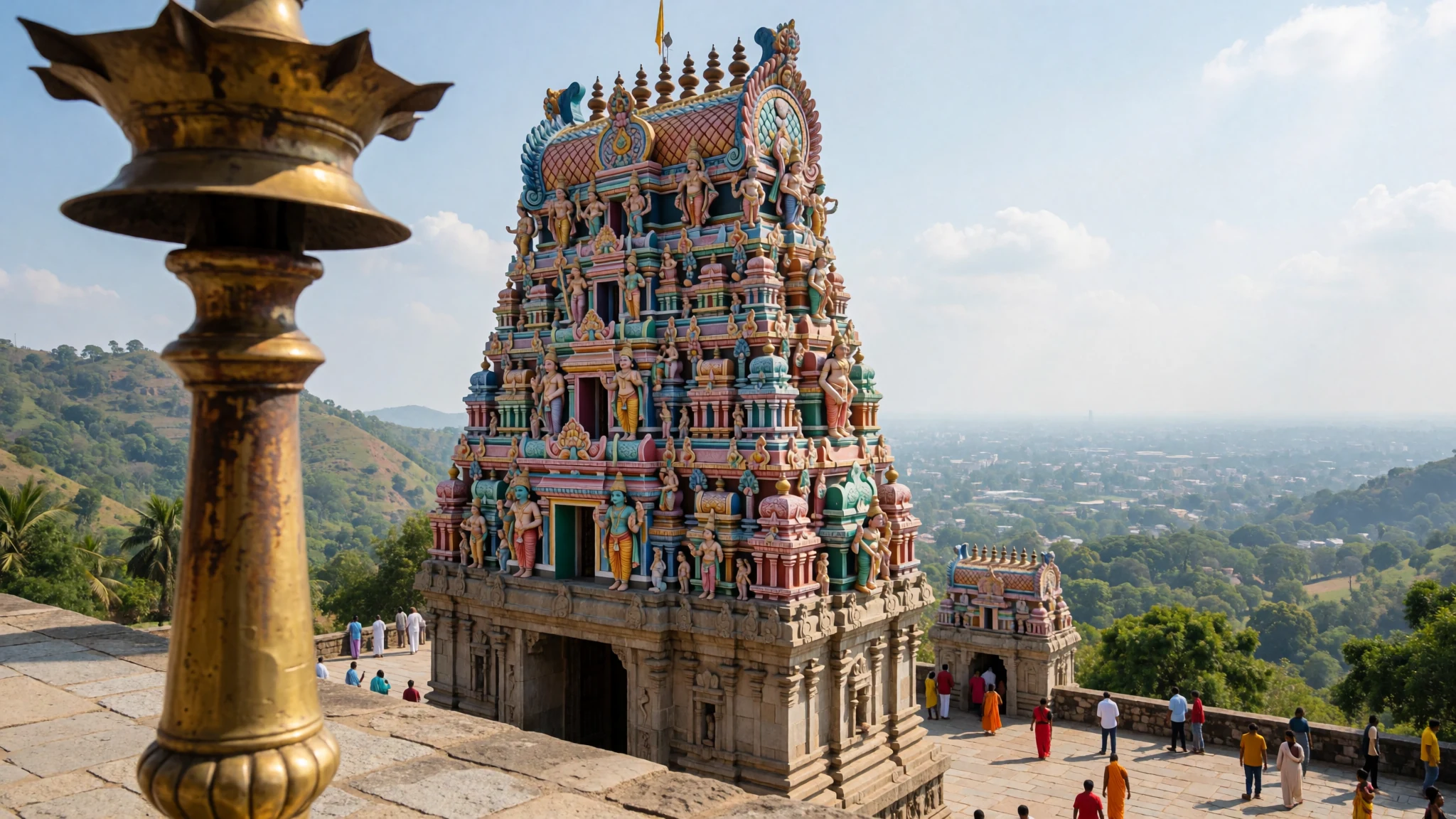
- Mysore Zoo — Near the palace district
Established under royal patronage in the late nineteenth century, this expansive zoological garden is among the oldest in operation. It maintains successful breeding programmes and houses diverse wildlife species from across the globe.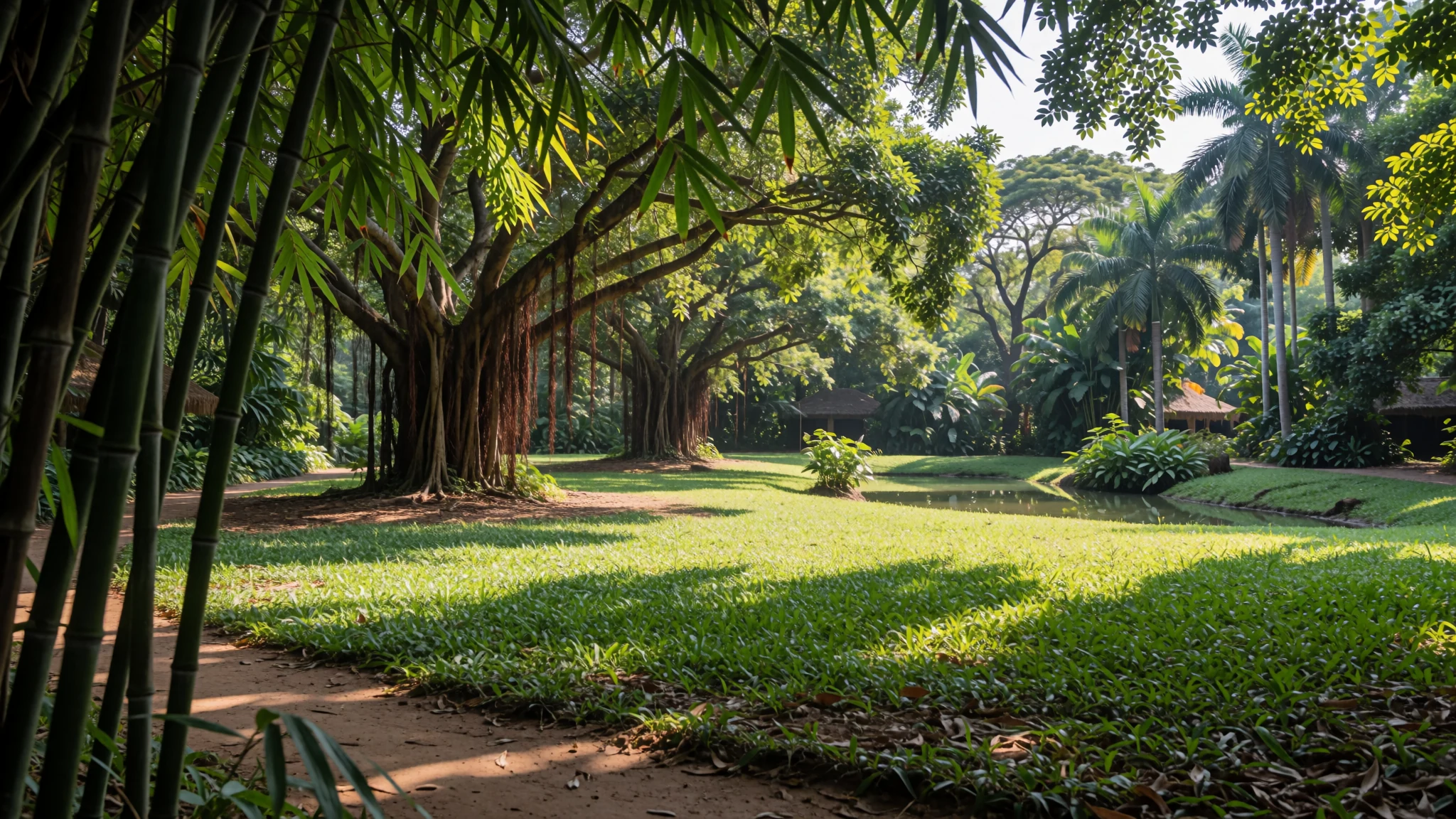
- Jayalakshmi Vilas — University campus area
Commissioned by the royal household as a residence for a princess, this sprawling heritage mansion features roughly two hundred rooms, an exotic dancing hall, and intricately carved wooden pillars throughout its interior.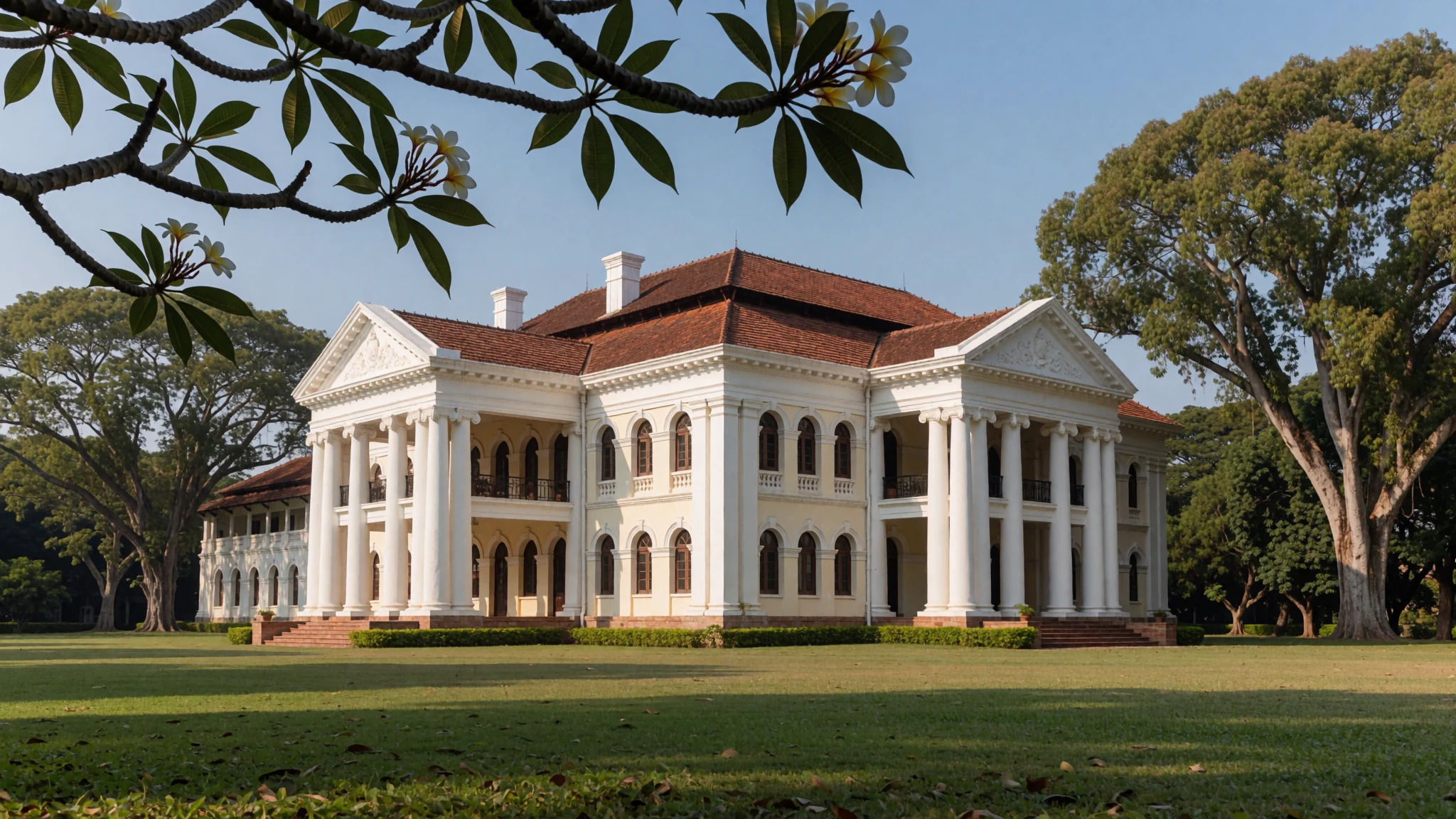
- Lalitha Mahal Palace — Lower slopes of Chamundi Hills
Originally constructed to host British viceregal visitors during their summer stays, this gleaming white palace has since been converted into a heritage hotel while retaining its stately staircases and Italian marble flooring.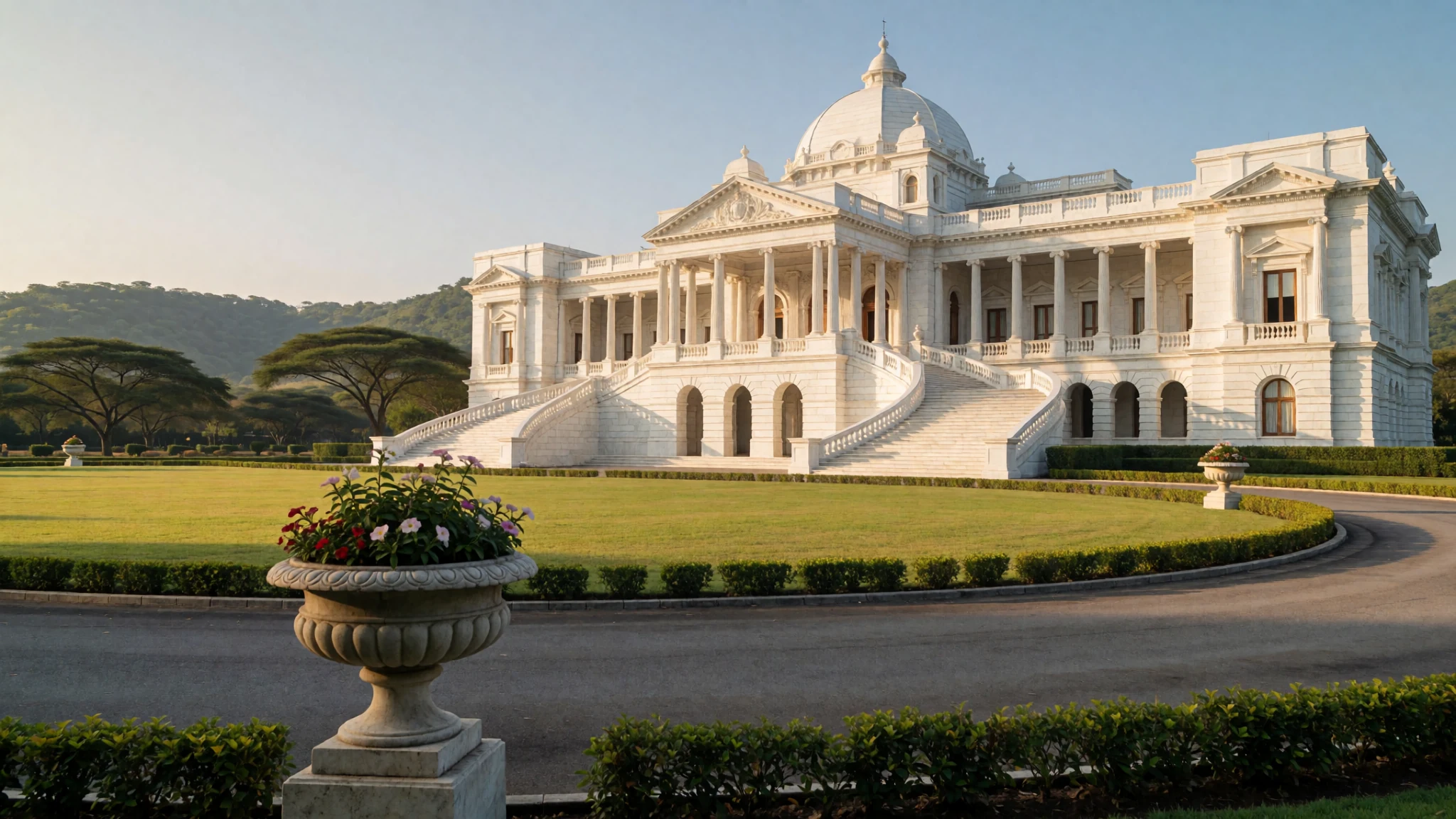
Culture
Widely acknowledged as the cultural capital of Karnataka, Mysore takes immense pride in its artistic heritage, classical music traditions, and grand seasonal celebrations. The pinnacle of the local calendar is the ten-day Dasara festival, established by royal decree centuries ago. During this period, the city comes alive with illuminated streets, cultural performances, and traditional exhibitions. On the final day of the festival, a spectacular public procession known as the Jumboo Savari winds through the streets from the palace grounds. A decorated elephant carries a golden structure bearing the idol of the presiding goddess, accompanied by traditional music bands, dance troupes, and horse contingents, culminating at the sacred banni tree grounds. Throughout the year, local artisans continue generations-old traditions of sandalwood carving, rosewood inlay work, and the production of fine silk textiles. Visitors are warmly welcomed into this rich artistic ecosystem, provided they observe local customs with care. Always remove your footwear before entering temple sanctums or traditional prayer rooms.
What to wear
Traditional attire in Mysore reflects the region's textile heritage, most notably through the famed Mysore silk sarees, prized for their rich mulberry silk and pure gold thread zari work. For men, traditional formal wear often includes a traditional tunic paired with a cotton dhoti and an Angavastra draped over the shoulder, particularly during weddings and festive ceremonies. Day-to-day wear for locals has evolved into comfortable modern casuals, with young professionals and students favouring western-style shirts, trousers, and kurtas. For travellers navigating the warm climate and conservative cultural norms, lightweight, breathable cotton clothing is essential. Both men and women should opt for modest garments that cover shoulders and knees, especially when visiting religious shrines, temples, or traditional residential neighbourhoods. Slip-on sandals or shoes that are easy to remove are practical for daily sightseeing, as you will frequently need to take off your footwear before stepping inside places of worship and traditional dining establishments.
What to eat
- Mysore Pak — Traditional sweet shops across the central market
The city's most famous culinary export, this rich sweet is crafted from chickpea flour, generous amounts of ghee, and sugar, resulting in a dense, melt-in-the-mouth texture.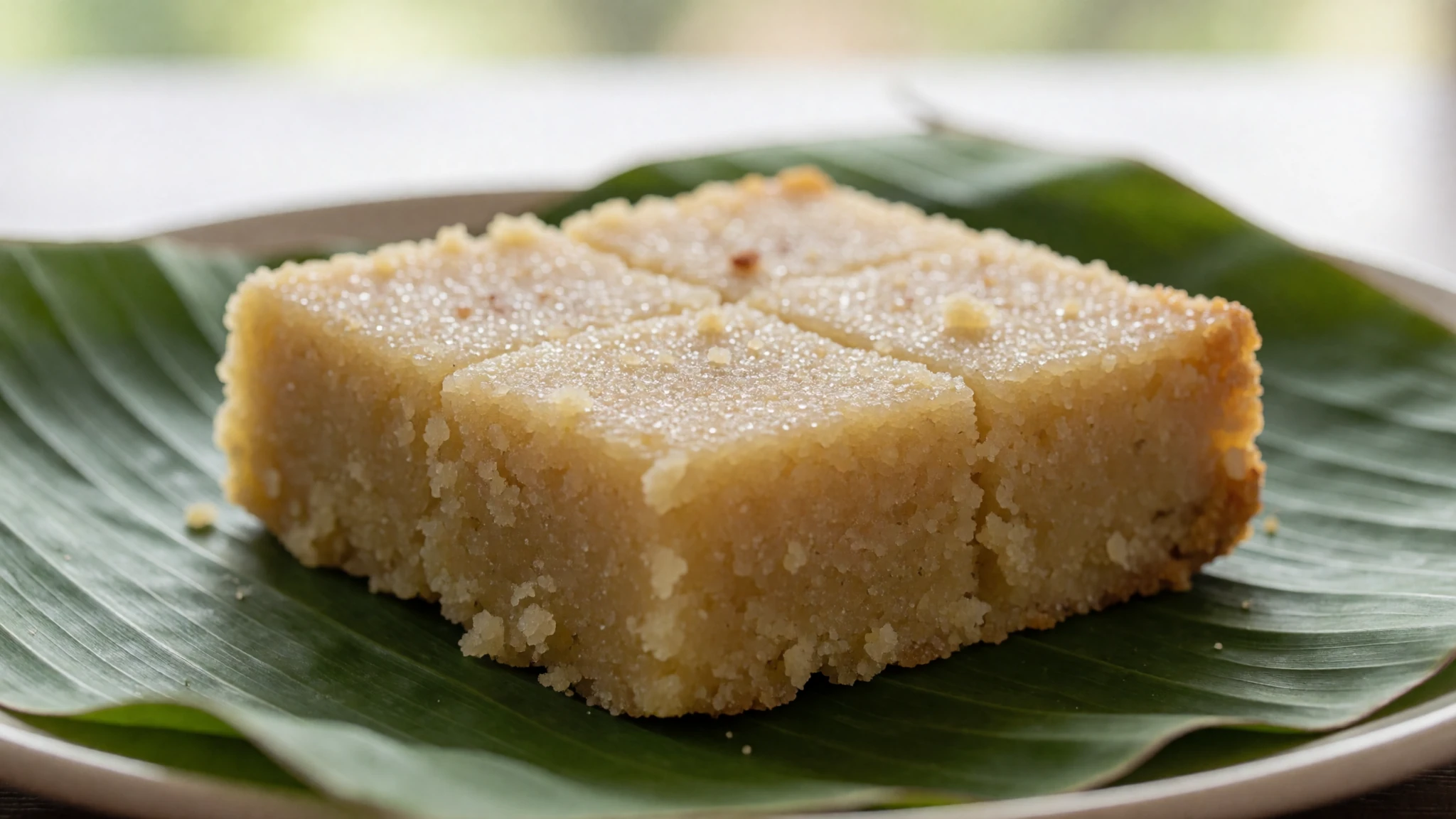
- Masala Dosa at Hotel Mylari — North Nazarbad
A legendary breakfast institution serving thick, spongy fermented rice crepes slathered with butter and stuffed with a spiced potato and onion mixture. - South Indian Filter Coffee — Any traditional tiffin room or morning eatery
A frothy, aromatic brew made from dark-roasted coffee beans and boiled milk, traditionally served in a stainless steel tumbler and dabarah.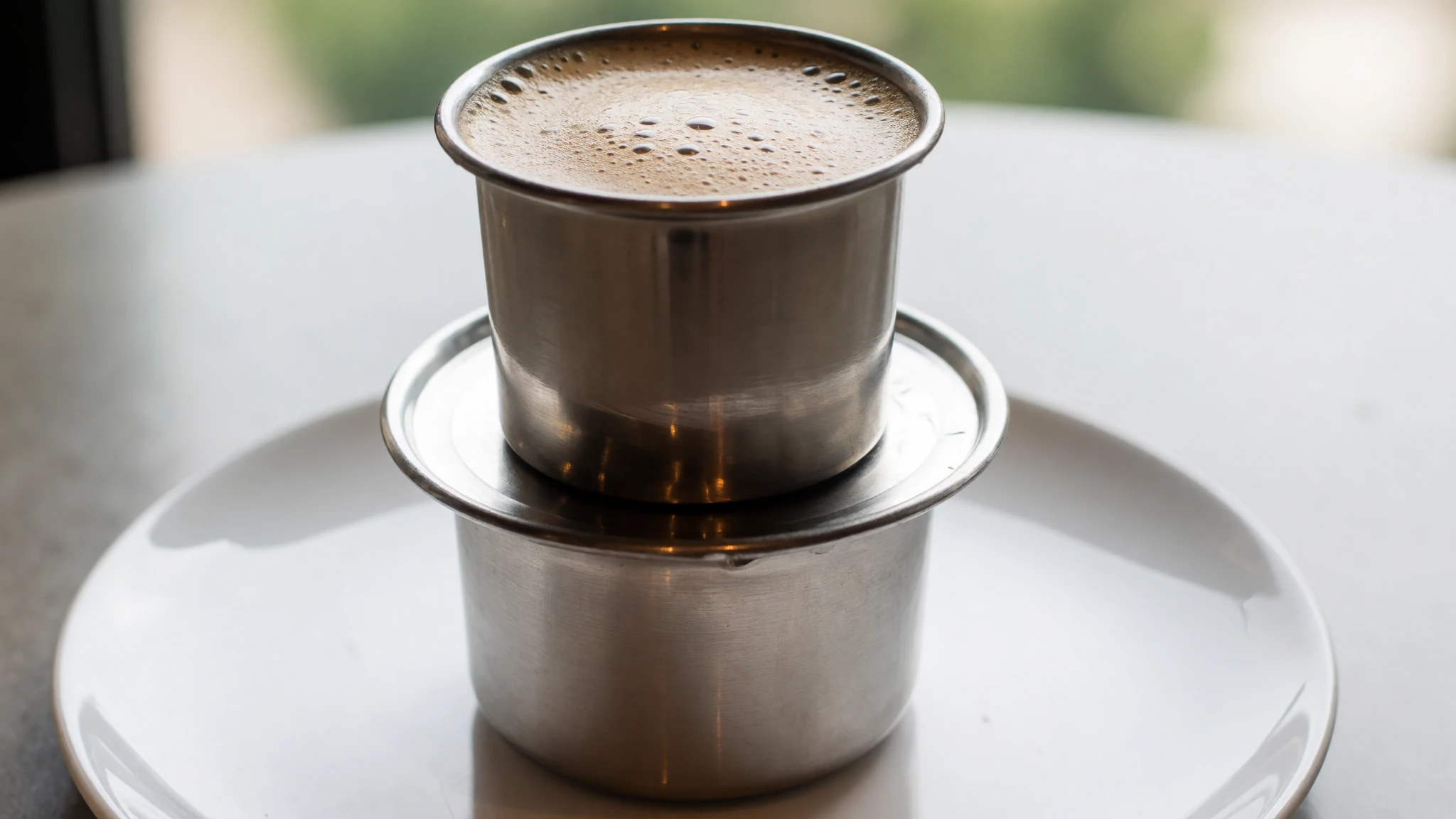
- Idli and Vada with Chutney — Gayathri Tiffin Room
Fluffy steamed rice cakes and crispy lentil doughnuts served alongside fresh coconut chutney and hot sambar for a classic morning meal.
Plan it
Best time. November to February offers the most comfortable weather for exploring, with cooler winter days, while the hot summer from March to May and the rainy monsoon from June to October are best avoided.
How long. 2–3
Getting there. Fly into Bengaluru international airport, then take a connecting express train or road transfer directly to Mysuru Junction.
Budget. mid
Tips
- Arrive at the main palace early in the morning to beat the midday tour groups.
- Keep small denomination cash notes handy for local markets, temple donations, and auto-rickshaw fares.
- Drink bottled or filtered water and avoid ice in street-side beverages.
- Book heritage hotel accommodation well in advance if visiting during the autumn festival season.
Etiquette
- Always remove your footwear before stepping inside temples, holy shrines, and local homes.
- Dress modestly with covered shoulders and knees when visiting religious sites.
Nearby
Sources
- Wikidata Q10086 (CC0)
- Wikipedia (CC-BY-SA 4.0)
- Wikivoyage (CC-BY-SA 4.0)
- 01-mysuru-montage.jpg (CC BY-SA 4.0)
- 02-chamundeshwari-temple-mysore.jpg (Public domain)
- 03-mysore-baedeker-1914.jpg (Public domain)
- 04-mysore-race-course.jpg (Public domain)
- 05-mysore-india-infosys.jpg (CC BY 3.0)
- 06-mysore-silk-saree.jpg (CC BY 3.0)
- 07-zoo-entrance-gate.jpg (CC BY 3.0)
- 08-warli-paintings-mysore.jpg (CC BY-SA 4.0)


