Muskau Park
Muskau Park, Germany
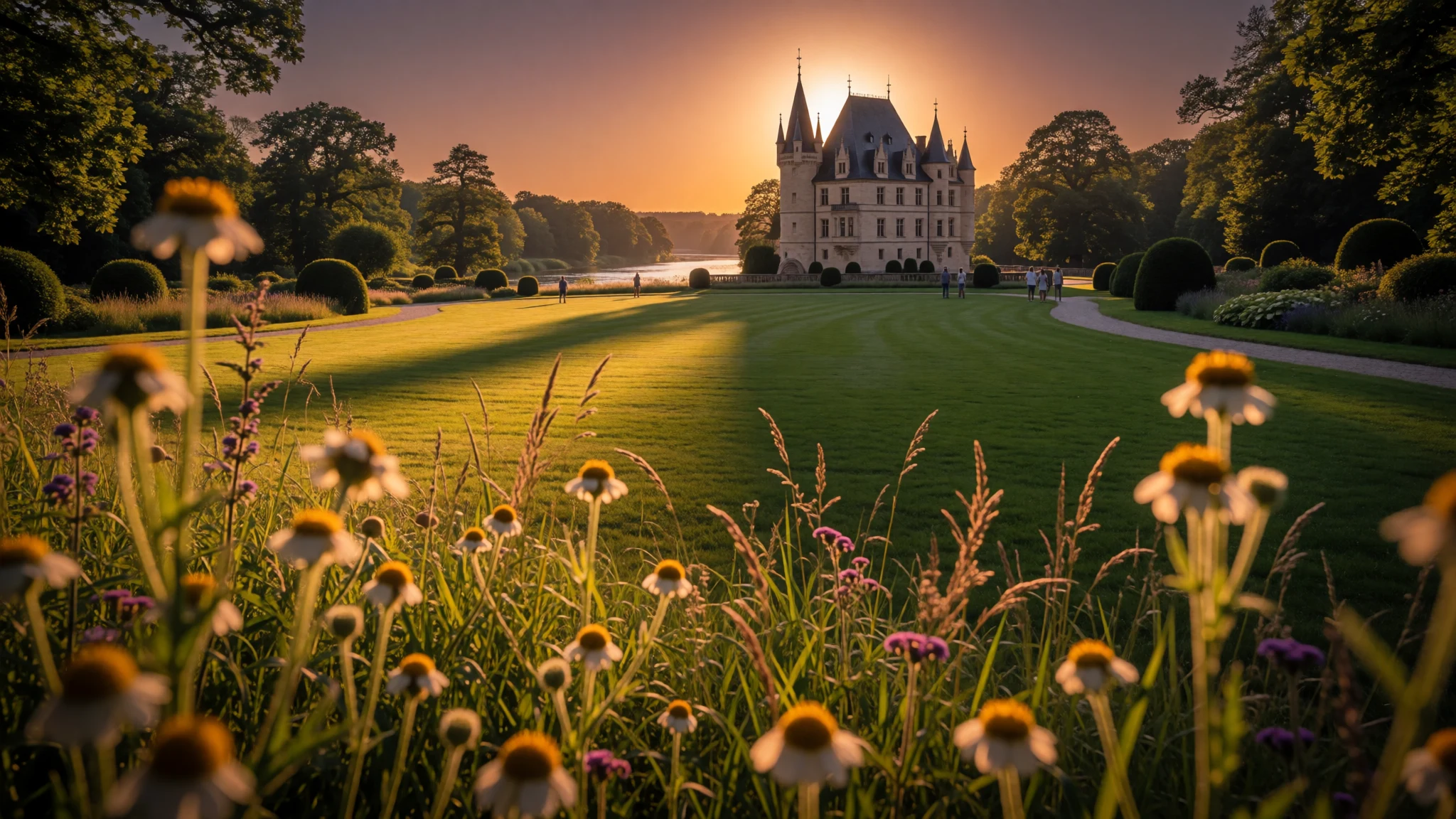
Muskau Park is an English-garden style landscape stretching across the German–Polish border, designed to make scenery feel curated and calm.
The place
Muskau Park (German: Muskauer Park, officially Fürst-Pückler-Park Bad Muskau; Polish: Park Mużakowski) is a landscape park in Upper Lusatia that spreads across both Germany and Poland along the Lusatian Neisse. It’s the kind of place where the views feel planned even when they look effortless: lawns roll out, trees frame distance, and paths draw the eye towards focal points.
The park’s centrepiece is Schloss Muskau—often described as a compositional hub for the whole garden. That means the architecture isn’t just “something to visit”, it’s part of the visual logic. From certain angles you can read the park as a sequence: a foreground sweep, a mid-distance bend, then a castle-and-breath-of-sky moment that resets the walk.
Because it’s a border park, the atmosphere is slightly different from typical city parks. The scenery includes the Neisse and the rhythm of crossing points nearby, so you get the quiet feeling of a countryside estate without being far from towns on either side. The English-garden style also helps: it’s made for strolling at your own pace rather than rushing between attractions.
Plan for long walks and weather swings. Even in comfortable months, this is an open landscape with limited shade, so a light layer and water are sensible. In peak holiday periods, expect the usual European weekend crowds—nothing frantic, but viewpoints and bridge areas can get busy.
Its story
Muskau Park takes its shape from Prince Hermann von Pückler-Muskau, who commissioned the park’s design from 1815 onward after studying landscape approaches in England. The estate centred on Schloss Muskau, with paths laid out to turn the town and the grounds into one continuous composition rather than separate “house” and “garden” spaces.
Creating that effect involved substantial rebuilding. An earlier Baroque “Old Castle” structure (more like a gate from an older castle complex) was remodelled, a Gothic Revival chapel was built, and garden features were added along with bridges and an orangery designed by Friedrich Ludwig Persius. Pückler also reconstructed the medieval fortress as the New Castle, keeping it as the park’s visual anchor. Work continued for years, with later landscape management plans extending the park’s reach and refining how visitors experience the views.
The park’s long story is also a reminder of how fragile borders can be. During the upheavals of the 20th century, the castles and the bridges across the Neisse were destroyed, and the landscape ended up divided by the state border between Germany and Poland. Restoration has been an ongoing effort: the Old Castle was rebuilt by East German authorities in the period marked in the record, while the New Castle and the Neisse bridges have continued to be restored more recently.
What to see
- Neisse border vistas from the park — Along the Lusatian Neisse corridor within the park
Muskau Park’s border setting is the point: wide angles over the Lusatian Neisse, with tree-lined banks and garden slopes that make the river feel like part of the design. The best moments tend to appear after a gentle rise, where paths open the view.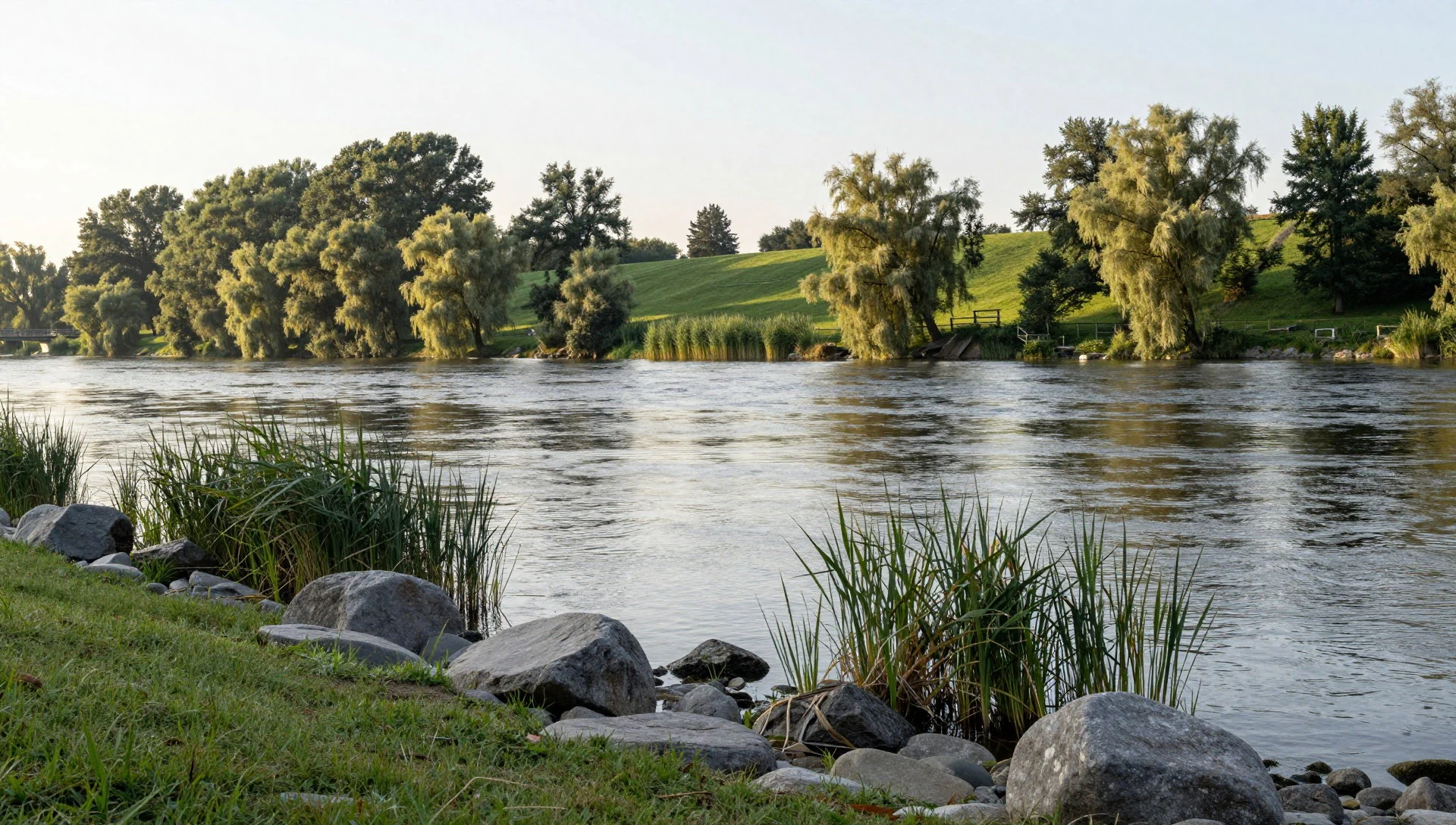
- Neues Schloss (New Castle) viewpoints — Schloss Muskau area, inside the park
The New Castle sits at the centre of the garden’s composition, so it works like a visual “stop” even during long walks. Look for the way paths radiate outward and how openings in the greenery bring the castle back into frame from different directions.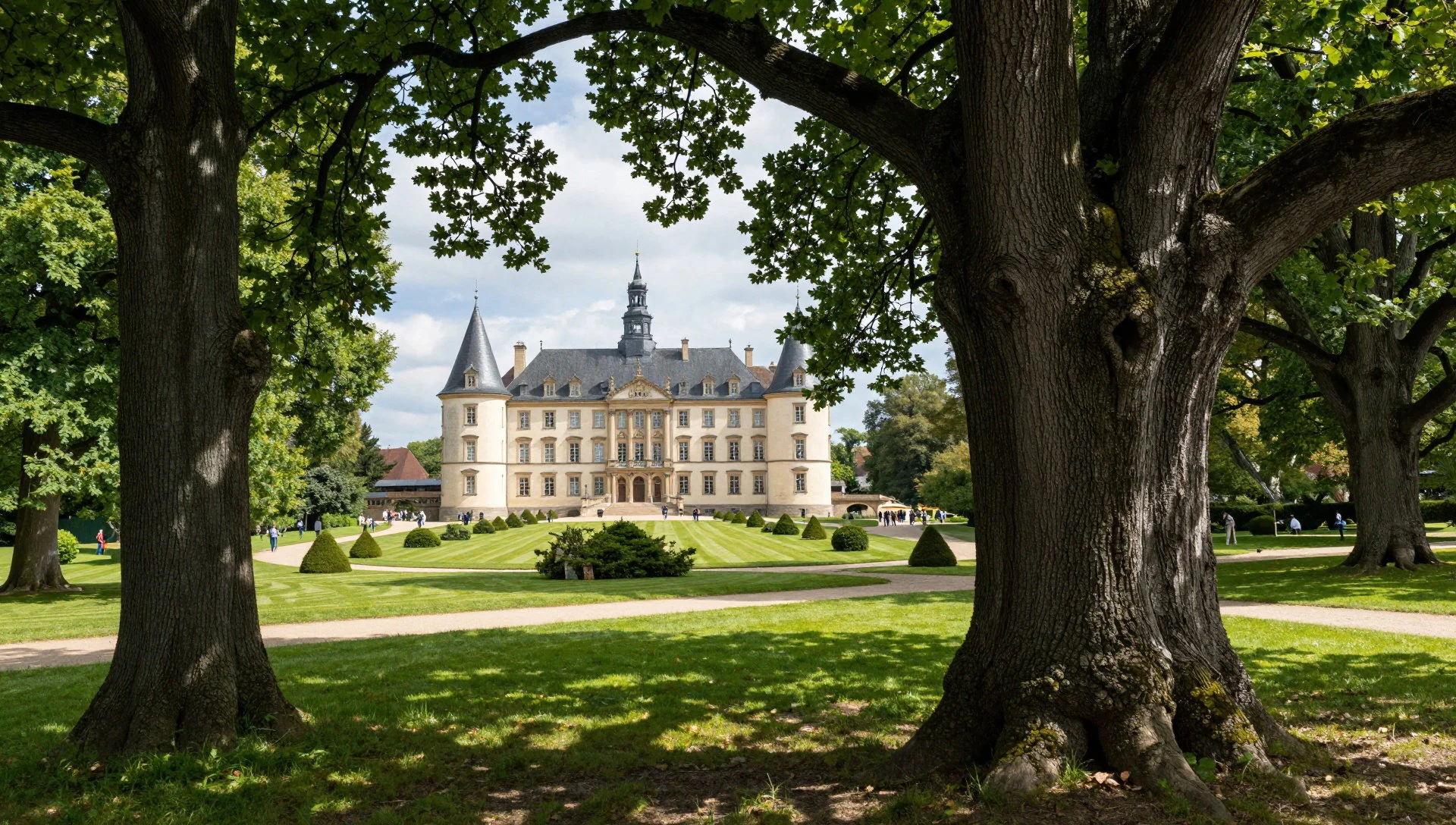
- Englische Brücke (English Bridge) — Neisse crossing zone in Muskau Park
The English Bridge is one of those features that turns a landscape plan into a photo-worthy moment without feeling overdone. Walk up to it for a river-and-trees perspective, then keep going: the bridge is a checkpoint that also changes the route’s mood.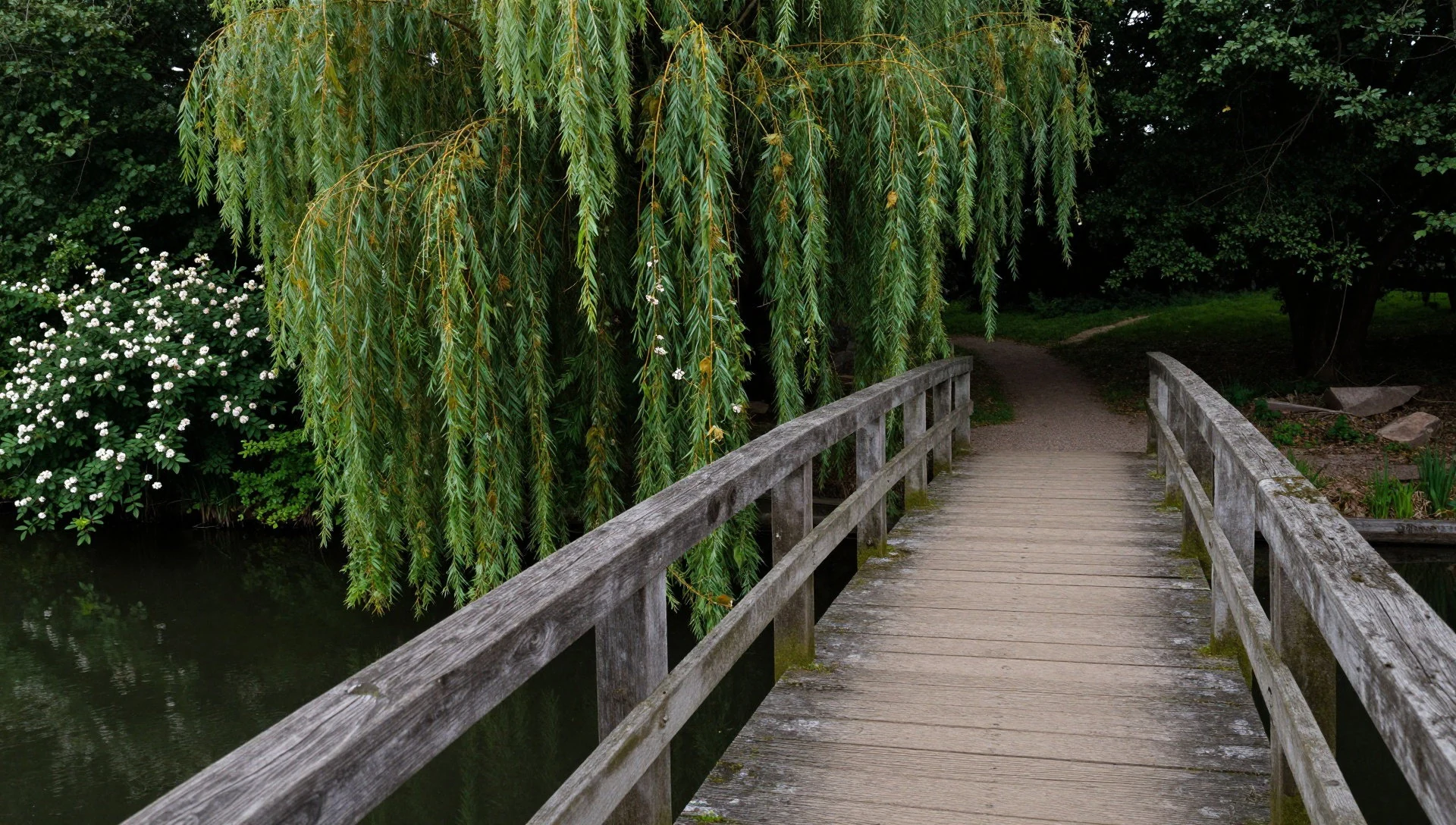
- Orangerie in the Schloss grounds — Near the Schloss Muskau grounds
The Orangerie adds a warmer, domestic note to the garden’s soft scenery, giving the park a “winter garden” feeling even when the season is outdoors-only. It’s a useful pause point to reset before heading back into open lawns and shaded stands of trees.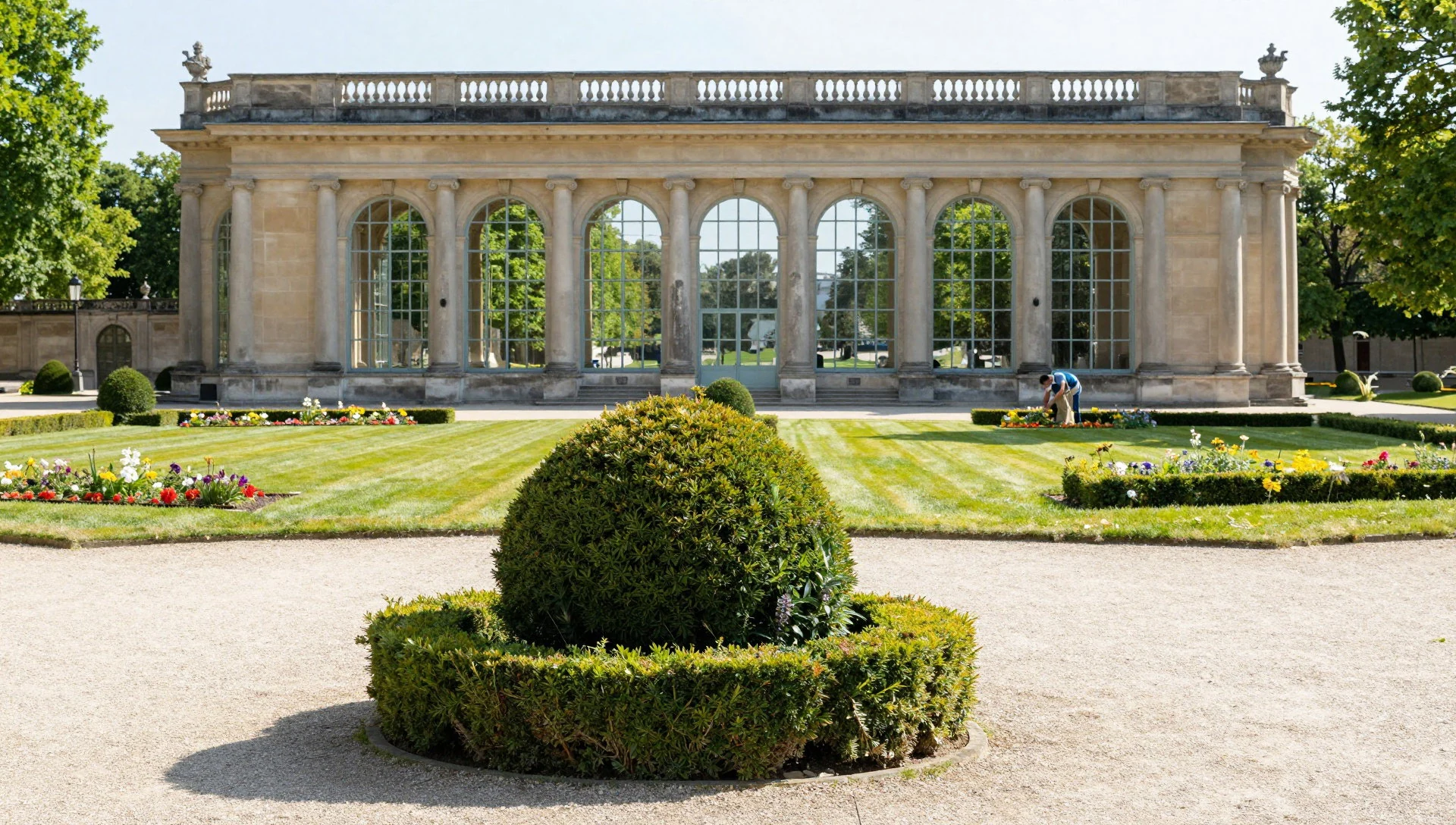
- Park Mużakowski woodland and longer loops — Park Mużakowski sections on the Polish side
Muskau Park in Poland (Park Mużakowski) is where the walking can feel most immersive: woodland edges, gentle slopes, and view-cuts that appear suddenly after turns. Go slowly here—paths are designed for gradual reveals rather than quick payoff.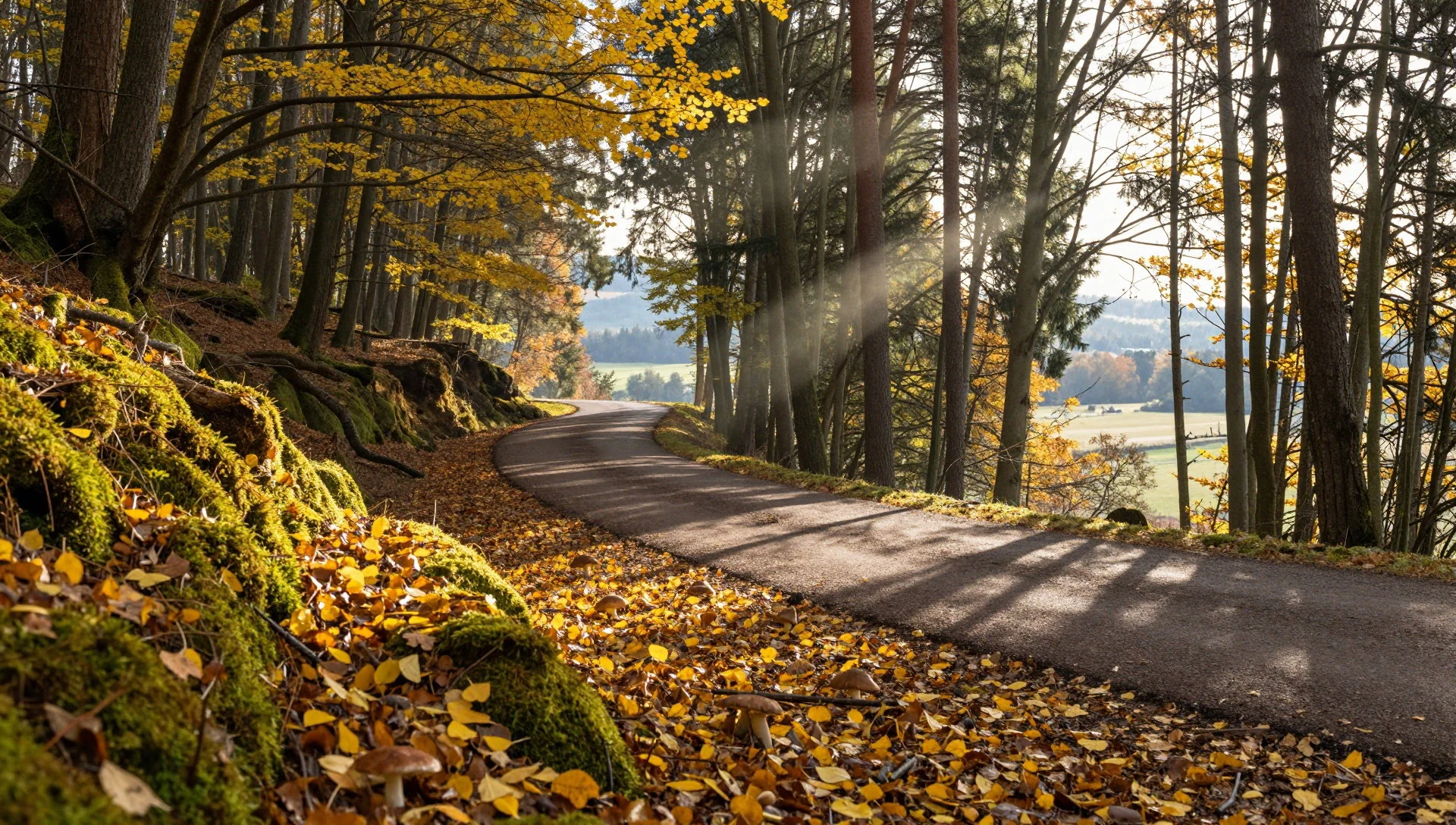
Culture
Muskau Park is UNESCO-listed, but the day-to-day experience is still that of a working landscape garden: grass kept trim, paths maintained, and focal points meant to be reached at walking speed. Because the park spans Germany and Poland, you’ll often notice small differences in signage and visitor habits depending on which side you’re on, yet the overall “designed nature” feel stays consistent.
This is also a place where quiet behaviour matters. Birds nest in the trees, and the whole setting invites lingering rather than volume. Stay on the paths when the ground is soft—wet grass and newly maintained edges can look durable but bruise easily.
If a bridge viewpoint gets busy, it’s better to step aside and wait for the rush to pass than to hold a route. And remember that the castle and garden structures are not backdrops only; they’re part of the park’s heritage story. Visitor etiquette: keep to marked paths, keep voices down on quiet stretches, and allow others room at bridge and castle viewpoints.
What to wear
At Muskau Park, clothing is about comfort and weather rather than style. Summers can feel warm and the park includes open lawns and river views, so breathable layers help. In cooler months like late autumn, bring a proper coat and something warm for hands, because wind can cut along the Neisse corridor.
Traditional dress here is not something most visitors will see as an everyday norm, and the park is focused on landscape walking rather than festivals. Most people dress like they’re going for a long countryside stroll: jeans or trekking trousers, a light rain jacket if forecasts look changeable, and a base layer that can handle temperature swings between shaded woods and exposed viewpoints.
For a visitor, the main “should” is footwear. Wear trainers or hiking shoes with decent grip—paths can include gravel and uneven ground, especially where the landscaping is maintained like an estate. If visiting castle areas, bring a layer you’re comfortable in around heritage interiors, and keep colours and quiet tones that fit a calm garden setting.
What to eat
- Hotel Mużakowski restaurant meal — Bad Muskau (Hotel Mużakowski)
Hotel Mużakowski is a dependable option for day-trippers, especially when the alternatives in town skew toward simpler fare. It’s a straightforward sit-down stop that makes timing an easy part of the park day.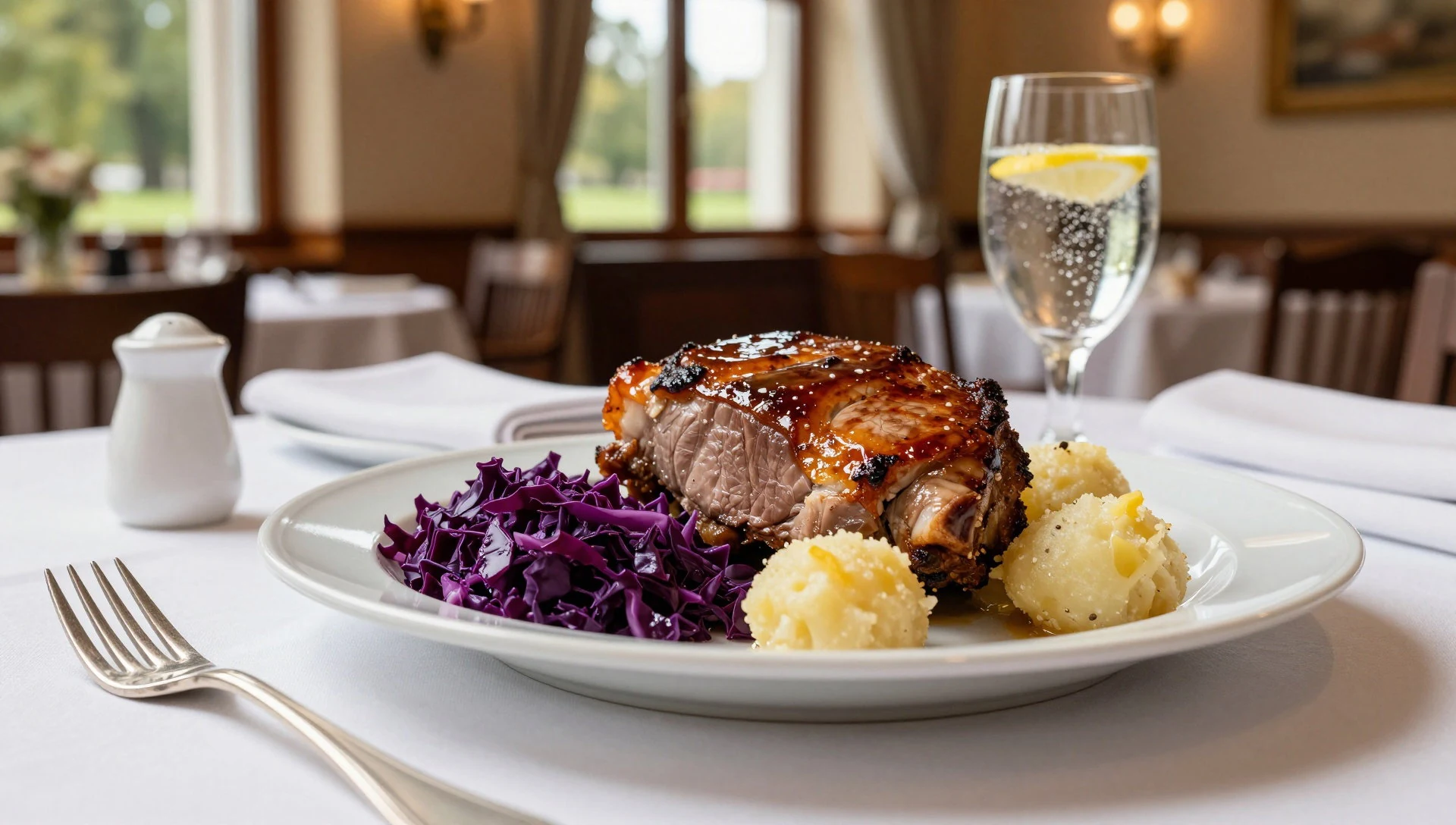
- Kebab or pizza casual bite in town — Town areas near the park
In and around Bad Muskau, casual quick meals are common—think kebap and pizza when energy runs low after a long loop. This is best for keeping a flexible schedule before returning to longer walking sections.
- Grab-and-go snacks during a walking loop — Visitor hubs and town convenience shops near the park
For park days, build in small snack breaks: pastries, sandwiches, or fruit you can carry. It’s an easy way to avoid turning the walk into a series of planned stops across open areas. - Coffee stop with a view — Cafés in Bad Muskau/Łęknica area
A short coffee break helps reset after bridge and castle viewpoints. Look for places that let you take a breather without rushing, especially on busier weekends when viewpoints can slow down walking pace.
Plan it
Best time. March–April for the park’s spring walkability, and late October–November when days are cooler for long loops; summer can be hot and the landscape includes open stretches.
How long. 2–3
Getting there. Fly into Wrocław, then continue onward to Bad Muskau by road; the park is reached from the nearest town area on the German–Polish side.
Budget. mid
Tips
- Start earlier in the day to catch calmer light around the castle and bridge views
- Split time between Germany and Poland sections so the loops feel varied rather than repetitive
- Carry water for open stretches near the Neisse and for woodland walking where shade can still be intermittent
- Check the park website ahead of the visit for current access and any restoration-related changes
- Keep some cash available for small purchases during town stops
Etiquette
- Stay on marked paths and avoid trampling grass edges around viewpoints
- Keep voices low in quieter woodland sections and don’t block bridge approaches for photos
- Respect any closure signs near castle works and restoration areas
Nearby
Sources
- Wikidata Q156308 (CC0)
- Wikipedia (Muskau Park) (CC BY-SA 4.0)
- Wikivoyage (Łęknica) (CC BY-SA 4.0)
- Photo photos/01-1024-2012-1-sept-5088.jpg (CC BY 3.0)
- Photo photos/02-park-von-muskau-in-knica-und-bad-muskau.jpg (CC BY-SA 2.0)
- Photo photos/03-das-neue-schloss-im-f-rst-p-ckler-park-2h1a1207wi.jpg (CC BY-SA 4.0)
- Photo photos/04-englische-br-cke.jpg (CC BY 3.0)
- Photo photos/05-orangerie-im-schlo-park-muskau-2.jpg (CC BY-SA 3.0 de)
- Photo photos/06-f-rst-p-ckler-park-in-bad-muskau-74.jpg (CC BY 3.0)
- Photo photos/07-park-muzakowski1.jpg (CC BY 3.0)
- Photo photos/08-park-muzakowski3.jpg (CC BY 3.0)


