Mũi Né
Mũi Né, Vietnam
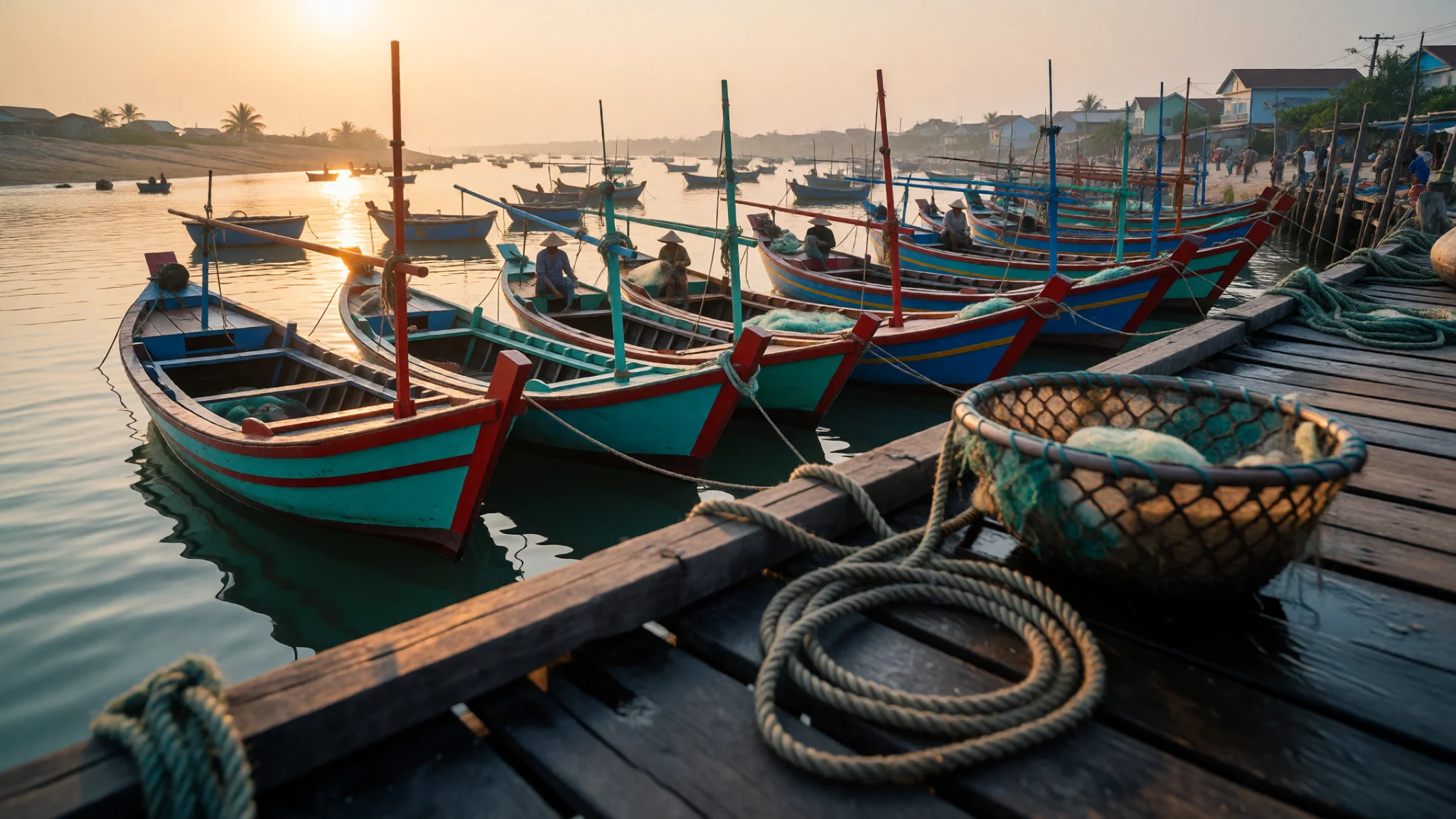
Mũi Né offers sweeping desert dunes, ancient Cham heritage, and lively coastal waters ideal for kitesurfing along the South China Sea.
The place
Mũi Né is a coastal fishing ward situated within Bình Thuận Province in Vietnam. Stretching along the shoreline alongside neighbouring wards of Phan Thiết, this coastal community has evolved into a popular seaside destination. The ward is characterized by two distinct beaches, Ganh Beach and Suoi Nuoc Beach, both dotted with resorts, local shops, and eateries. Further down the coast lies Rang Beach in Ham Tien ward, which often forms the primary resort hub for travellers exploring the area. Geographically positioned with the South China Sea bordering its eastern and southern boundaries, Mũi Né maintains a hot and dry climate for much of the year. The coastal road northeast of Phan Thiết winds over elevated terrain past ancient towers before dropping down into the expansive, sandy crescent of Mũi Né Bay. Once a quiet enclave focused entirely on traditional fishing, the area has seen considerable development over recent decades. Visitors arriving here encounter a striking landscape where towering sand dunes sit right against the tropical sea, creating a unique contrast between arid desert scenery and coastal wetlands. The local environment supports unique wildlife, such as butterfly lizards inhabiting the shifting sands. Beyond the resorts, everyday life continues much as it has for generations among the local fishing fleets anchored safely in the sheltered waters of the bay.
Its story
Mũi Né holds a distinct place in the administrative and cultural history of Bình Thuận province. During the Republic of Vietnam era, the settlement served as the district capital of Hải Long district. Following major political shifts in the country, the local governance underwent several reorganizations as administrative boundaries were redrawn across the region. In the late 1970s, local administrative committees dissolved older communal structures to establish Mũi Né town as a new district capital under provincial oversight. Further administrative reforms in the early 1980s divided the surrounding district into separate northern and southern territories, placing Mũi Né directly under the administration of Phan Thiết town and designating it as an official ward. Long before modern resort development altered its shoreline, the surrounding region was shaped by ancient civilisations, most notably the Champa kingdom. The historic remnants left behind on the coastal hills stand as enduring testaments to centuries of architectural and spiritual heritage. In the mid-1990s, the ward experienced a sudden surge in traveller interest when skywatchers and tourists gathered along the coast to observe a rare solar eclipse. That singular celestial event drew international attention to the quiet fishing settlement, sparking the initial wave of tourism investment that transformed the coastline into the accessible resort destination travellers see today.
What to see
- Poshanu Cham Tower — Phu Hai ward
Situated in Phu Hai ward, the Poshanu Cham Tower is a remarkable surviving relic of ancient Cham architecture built in the ancient era. Visitors can inspect the weathered red brick masonry and intricate structural details while enjoying elevated views looking out across the surrounding city and the distant coastline below.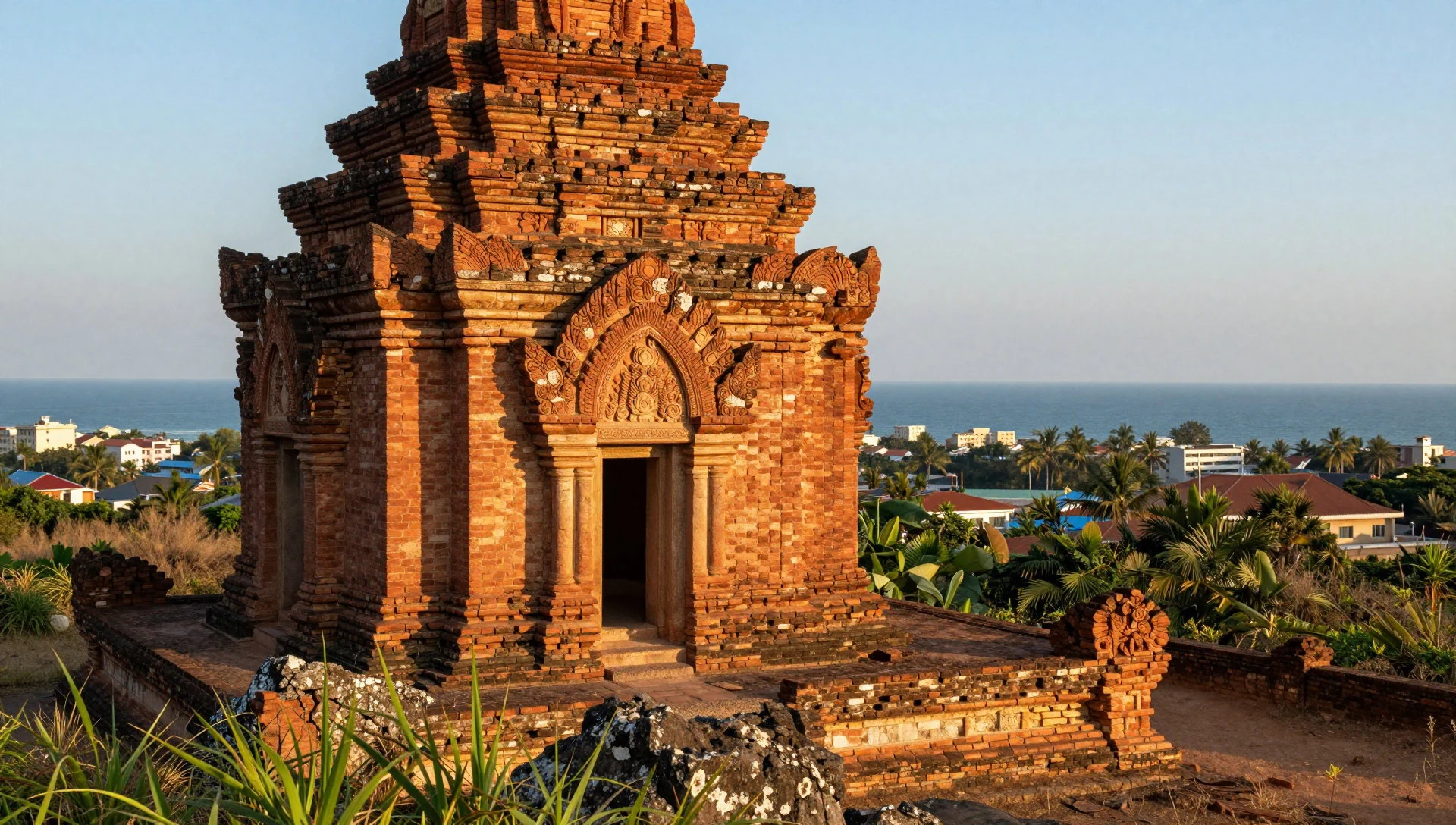
- Fishing Harbour — Mũi Né Bay
Located at the northeast end of Mũi Né Bay, the local fishing harbour offers a fascinating glimpse into everyday coastal routines. Hundreds of colourful wooden boats moor in the sheltered waters while local merchants sort the daily catch, creating a lively maritime scene that predates all modern tourism developments.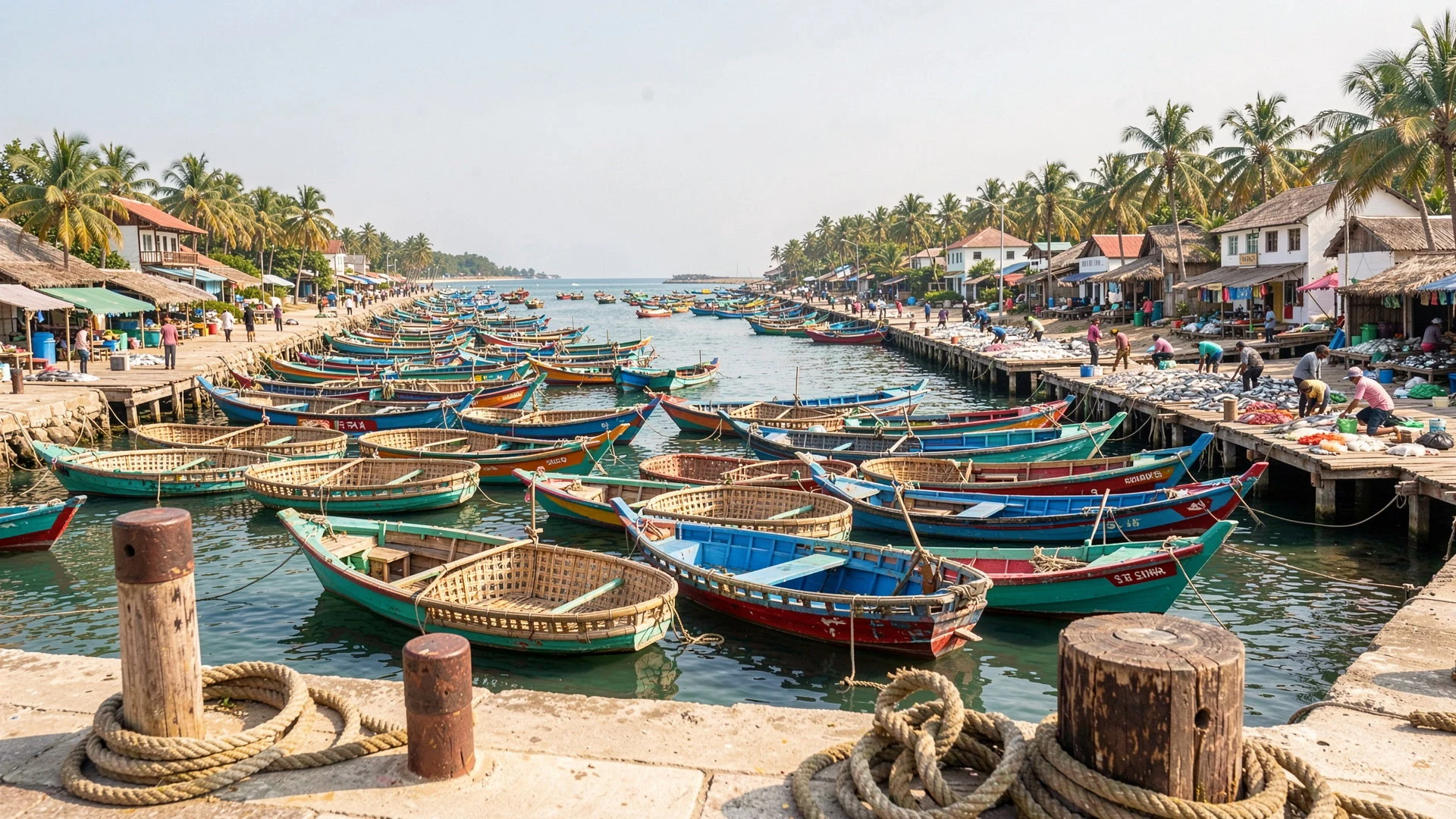
- Red Sand Dunes — North of Mũi Né Bay
Positioned just a short distance north of the coastal road near the northern end of Mũi Né Bay, the Red Sand Dunes present undulating expanses of rust-coloured sand. Travellers often climb the slopes to watch the shifting colours transform under the tropical sun or rent plastic sleds to glide down the warm slopes.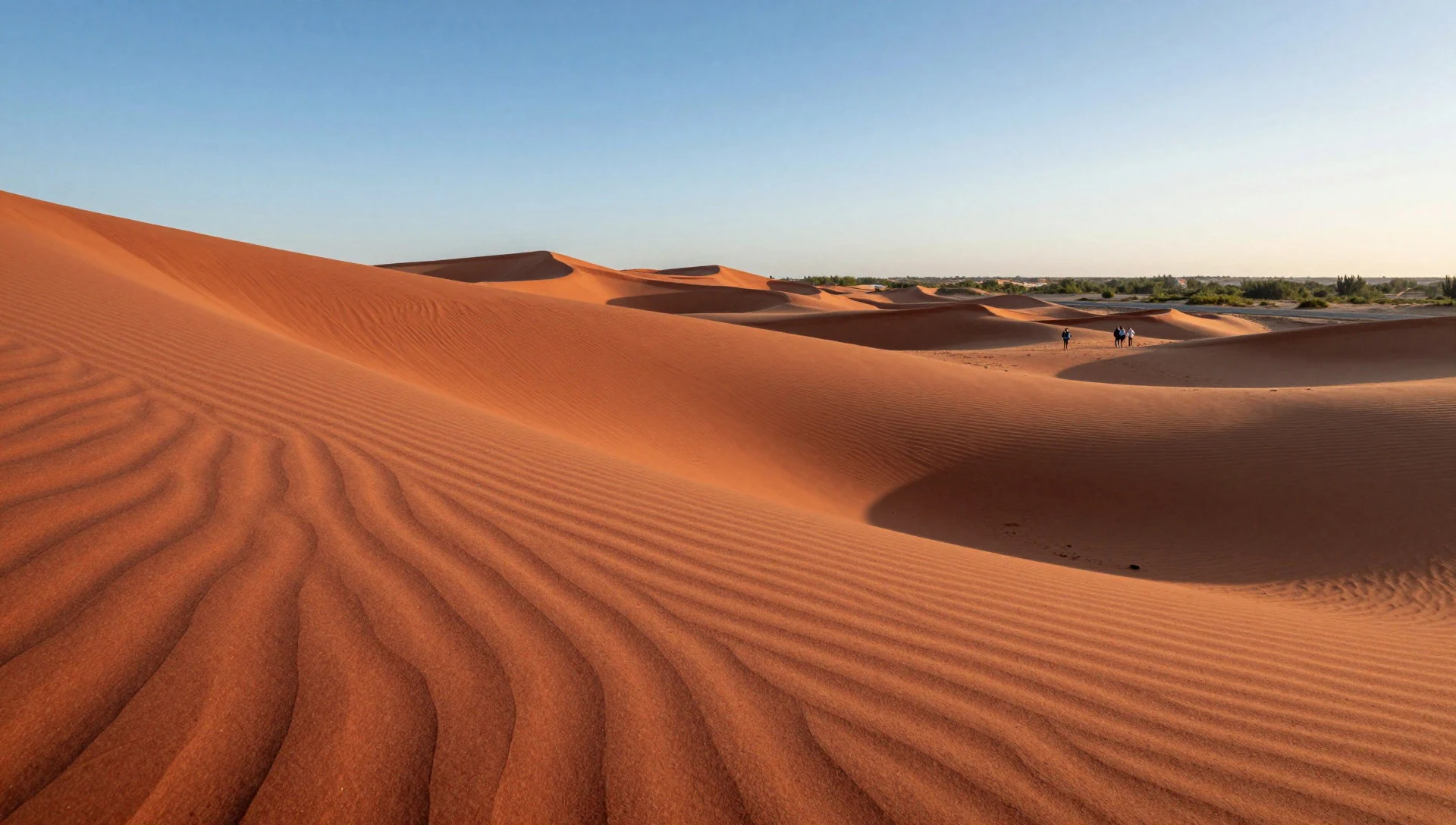
- White Sand Dunes — Northeast peninsula
Located further northeast away from the main resort strip, the White Sand Dunes stretch across a vast landscape reminiscent of a desert wilderness. Visitors can explore the expansive pale ridges on foot or ride all-terrain vehicles across the dramatic crests, taking in the serene freshwater lakes hidden between the dunes.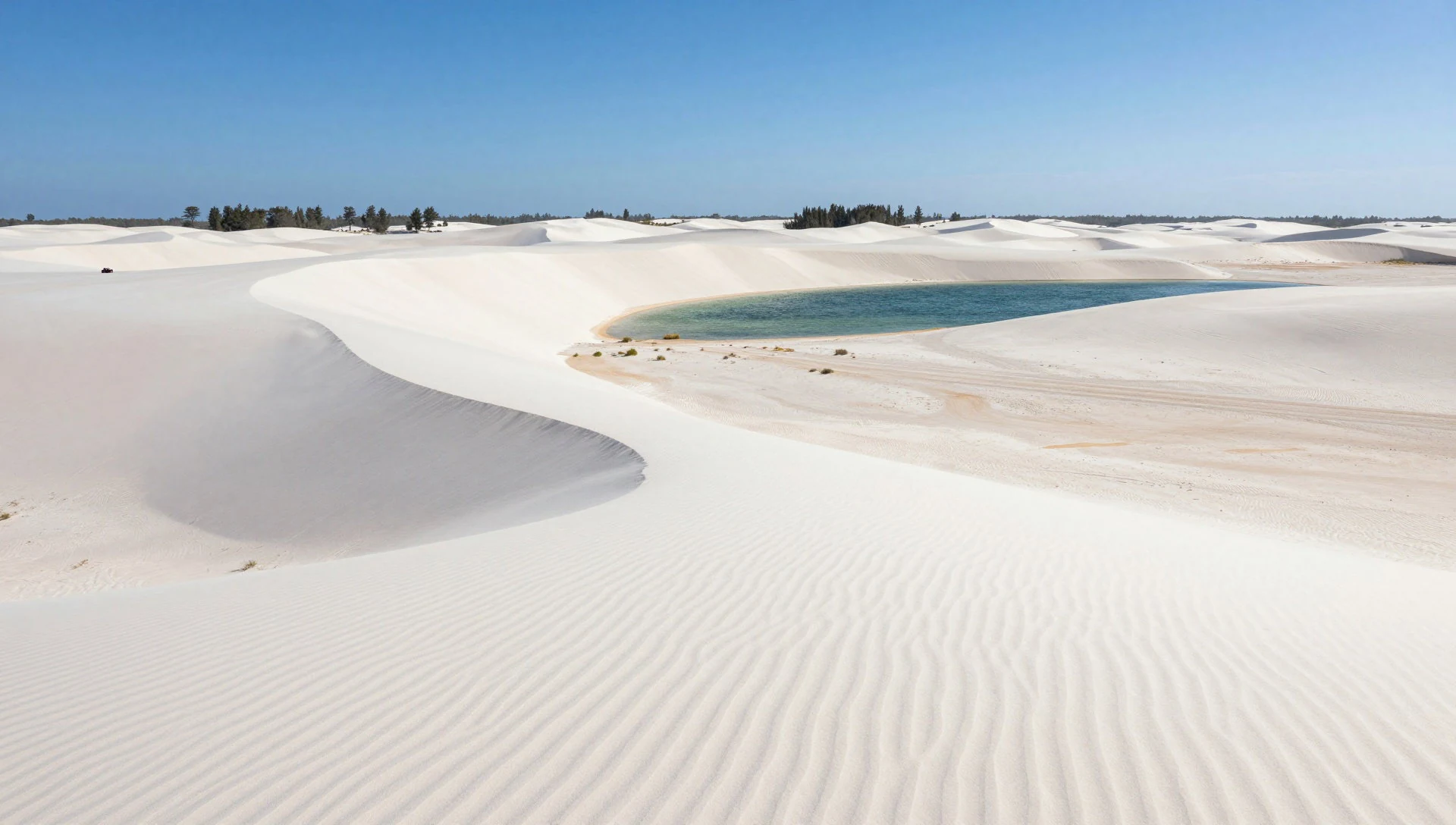
- Fairy Stream — Behind Mũi Né village
The Fairy Stream winds gently through a picturesque valley behind the coastal village, flanked by bamboo groves, lush greenery, and striking red clay cliffs. Walking barefoot along the shallow creek bed reveals fascinating natural rock formations and miniature canyon walls carved by flowing water over centuries of seasonal rains.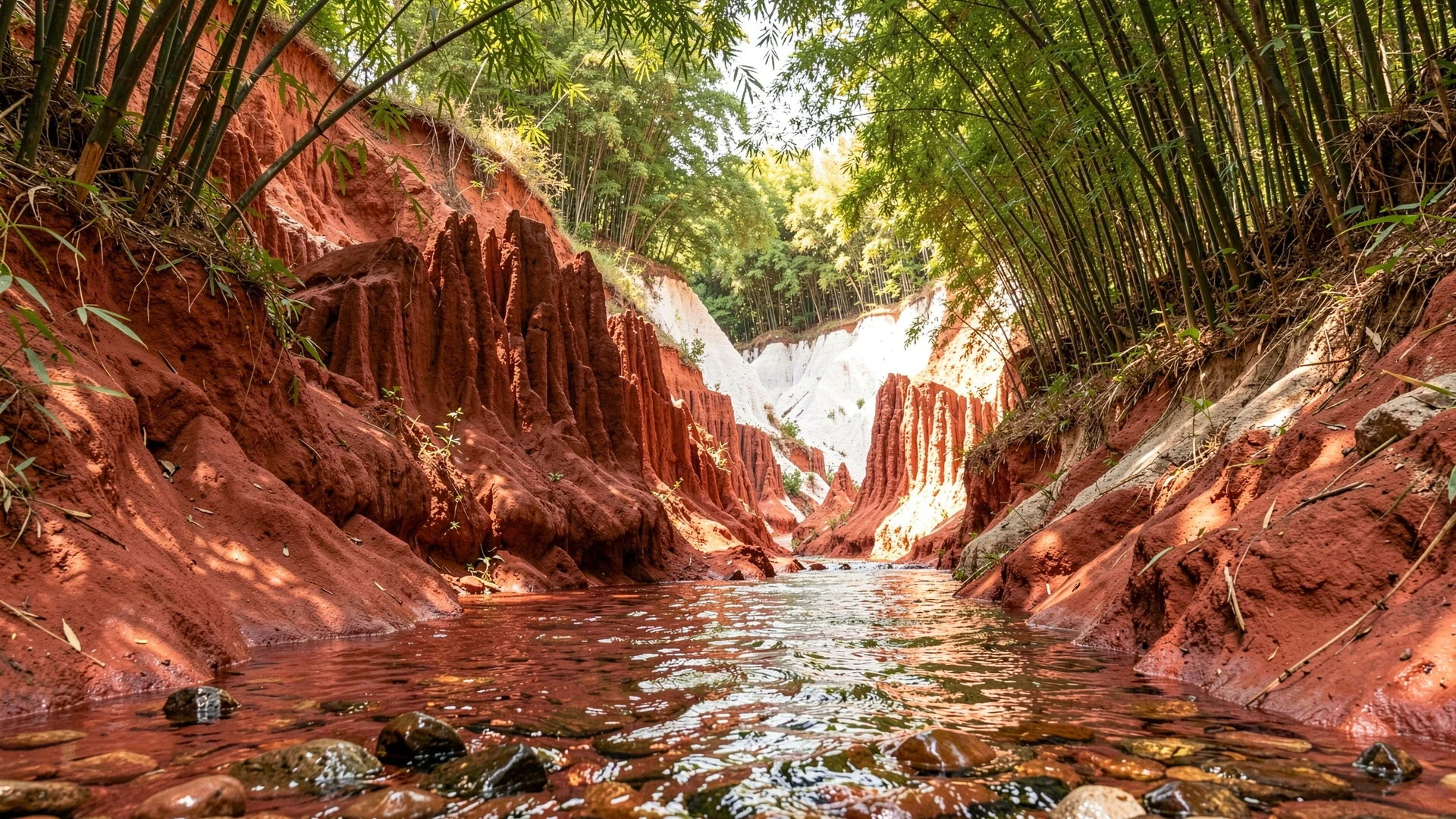
Culture
Mũi Né preserves a distinct coastal culture shaped by generations of families who have harvested the bounty of the South China Sea. Traditional livelihoods remain deeply tied to maritime trades, particularly the production of famous fermented fish sauce known locally as nước mắm, which is aged in large ceramic vats under the blazing sun. Alongside seafood, local culinary traditions feature unique regional ingredients, including the butterfly lizard found in the surrounding sand dunes, traditionally prepared in several distinct ways by local cooks. Community life blends ancient spiritual customs inherited from the historical Champa civilization with modern Vietnamese coastal traditions. Religious sites and local shrines receive regular offerings from residents seeking safe voyages for their fishing fleets and prosperity for their households. Visitors should dress modestly and cover shoulders and knees when visiting local temples or historic Cham towers out of respect for active places of worship.
What to wear
Mũi Né residents generally dress in practical, lightweight clothing suited for a hot and humid coastal environment. Traditional everyday attire for working in the sun includes conical leaf hats and long-sleeved garments designed to protect skin from the intense tropical rays. In the modern resort areas, casual western wear such as shorts, cotton t-shirts, and sandals dominates daily life. Visitors walking around Mũi Né should pack breathable fabrics like linen and cotton to stay comfortable during warm daytime excursions. When exploring local markets, residential neighbourhoods, or sacred heritage sites outside the beach resorts, modesty is appreciated, so travellers should avoid wearing swimwear away from the sand. Sturdy footwear is recommended if you plan to venture onto the hot sand dunes or walk along the uneven paths of the Fairy Stream.
What to eat
- Barbecue Seafood — Bo Ke Street
Local eateries grill fresh catches straight from the ocean over open charcoal flames, offering a wide selection of prawns, squid, and fish served with aromatic herbs and spicy dipping sauces.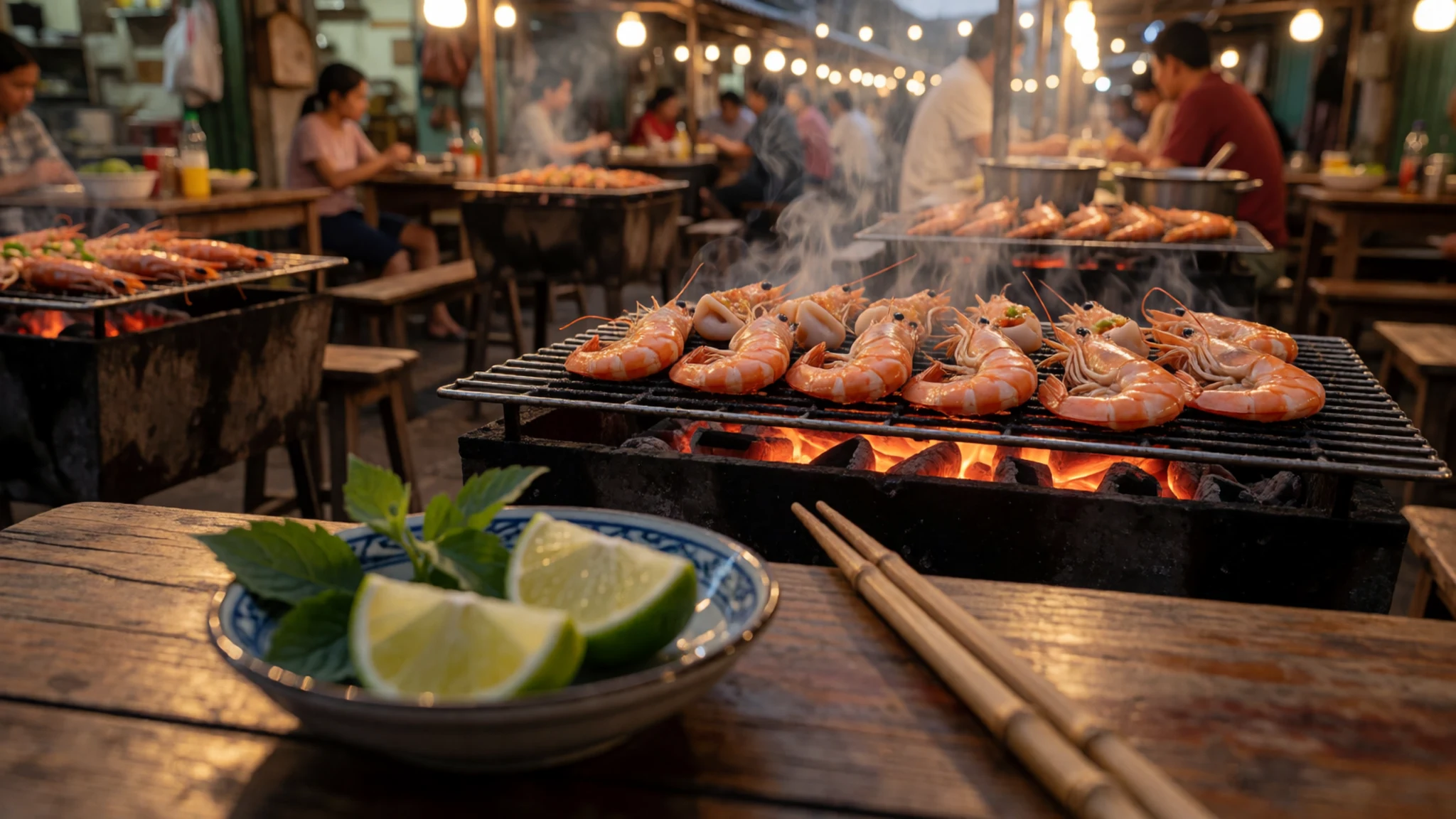
- Western Cafe Fare — Nguyen Dinh Chieu resort strip
Casual farmhouse cafes serve comfort food, comforting breakfasts, and international dishes around the clock for travellers seeking a familiar taste of home.
- Seafood Specialities — Oceanfront restaurants outside the main tourist zone
Coastal dining establishments specializing in fresh marine fare prepare classic Vietnamese dishes flavoured with authentic local fish sauce produced nearby. - Market Refreshments — Mũi Né Market
Local vendors at the community market offer refreshing drinks, tropical fruits, and simple regional snacks prepared daily for local shoppers.
Plan it
Best time. December to April offers the most pleasant conditions, characterized by warm, dry weather and steady coastal breezes ideal for outdoor exploration.
How long. 2–3
Getting there. Most travellers arrive via open tour buses or trains from Ho Chi Minh City to Phan Thiết, followed by a short local bus or taxi ride to the Mũi Né resort strip.
Budget. mid
Tips
- Book open tour bus tickets in advance during holiday periods
- Visit the sand dunes early in the morning to avoid intense midday heat
- Carry local currency in cash for small market purchases and local transport
- Drink bottled water and stay hydrated throughout warm afternoons
Etiquette
- Remove footwear before entering local homes or sacred shrine areas
- Cover shoulders and knees when visiting historical religious sites
- Ask permission before photographing local residents working in the harbour
Nearby
Sources
- Wikidata Q1317125 (CC0)
- Wikipedia Mũi Né (CC-BY-SA 4.0)
- Wikivoyage Mui Ne (CC-BY-SA 4.0)