Ho Chi Minh City
Ho Chi Minh City, Vietnam
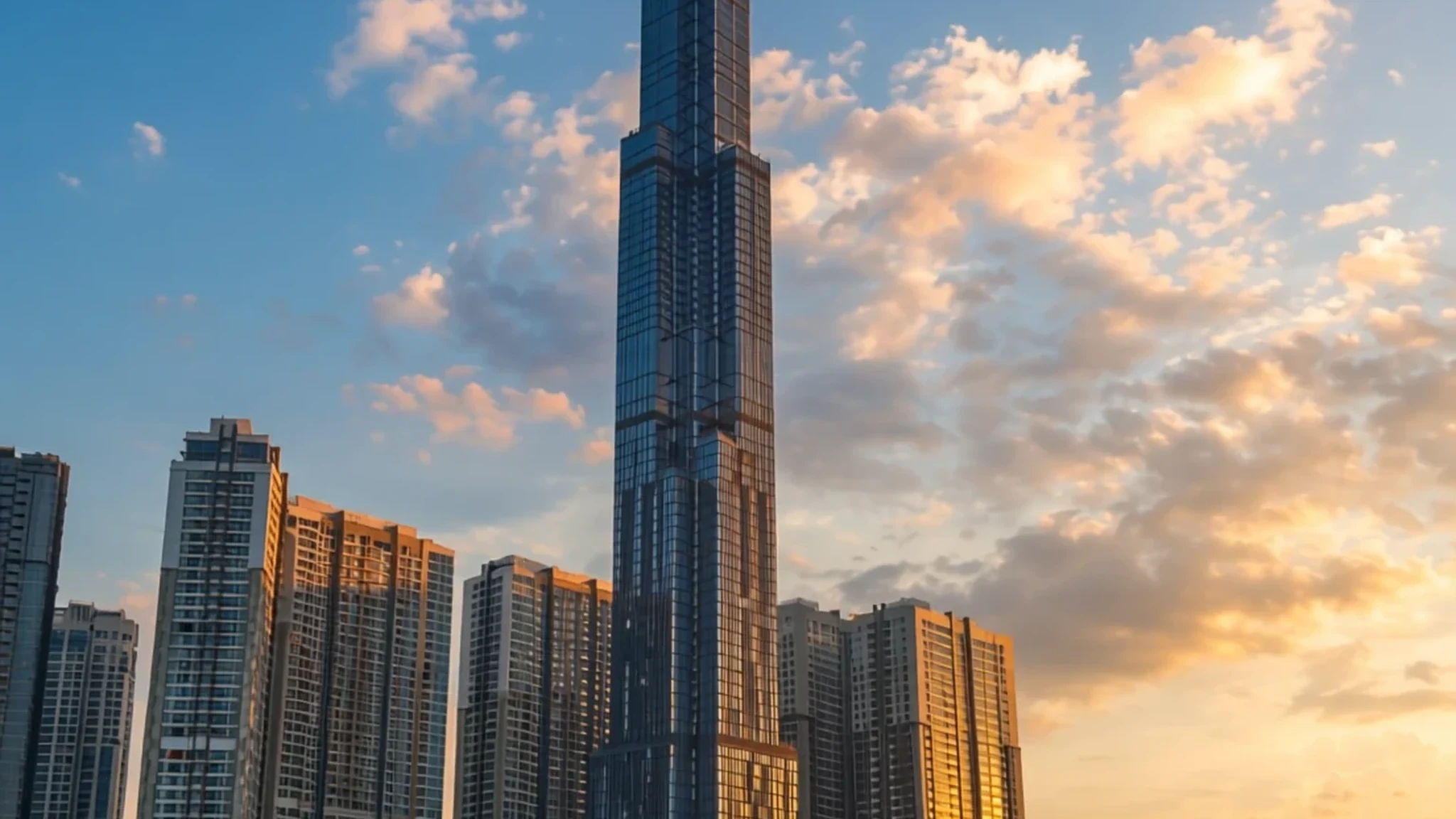
Ho Chi Minh City is Vietnam's biggest city, a fast, humid, money-minded place where colonial avenues, temples and street-food stalls share the same blocks.
The place
Ho Chi Minh City, still called Saigon by many people, is the most populous city in Vietnam, with about 14 million residents. Its streets are cut by rivers and canals, the largest of which is the Saigon River, and much of daily life happens along the water or in the lanes branching off the main roads. The city is the country's leading financial centre, and its port and airport make it the main gateway for visitors arriving in Vietnam by air. Expect a lot of motorbikes, a lot of noise and a heat that rarely lets up, even when the rain arrives in the afternoons.
The centre mixes French colonial buildings with glass towers. Among the landmarks people head for are the Independence Palace, the Bitexco Financial Tower, the Landmark 81 tower, the War Remnants Museum and Bến Thành Market. Neighbourhood life is most visible in the narrow alleys, where small cafés spill onto the pavement. After dark the streets of Phạm Ngũ Lão and Bùi Viện fill with bars and food stalls.
Once the main avenues are left behind, the pace slows. Markets open early, and the best time to see the city at work is before the midday heat. Locals set their rhythm by scooters rather than timetables, and that rhythm is the easiest way to understand the place.
Its story
Ho Chi Minh City grew out of a string of small settlements on the Saigon River, and its early history carries traces of Funan, Champa and Khmer rule before Vietnamese control took hold. A Funan temple, founded in the 4th century AD, stood on the spot now occupied by the Phụng Sơn Buddhist temple. In the 11th century the Champa founded a settlement there called Baigaur. After a Khmer conquest around 1145 it became Prey Nokor, a town that grew from a fishing village and the forest edge.
The area changed hands through marriage and diplomacy as much as through war. In the seventeenth century a Vietnamese princess married a Cambodian king, and his gift of the town to the Nguyễn lords gave them a foothold in the delta. In 1679, a lord of the Nguyễn family granted permission for refugees fleeing the Qing empire's rule in China to make their homes in the delta towns, Saigon included. Their presence brought in more traders and skilled artisans. In 1698 Nguyễn Hữu Cảnh was sent from the court at Huế to set up Vietnamese administration, which cut the area's ties with Cambodia.
The town later became the southern seat of Nguyễn power in the lords' final years, before the dynasty took the throne in 1802. The present municipality took its current shape in 1976, when the old city and its surrounding provinces were brought together. The city's museums and monuments now tell several overlapping chapters of this long story, from ancient settlement to the modern metropolis of about 14 million people.
What to see
- People's Committee Hall — Central Ho Chi Minh City
Built as the Hôtel de Ville, this cream and yellow French colonial building is especially striking when it is floodlit at night. The hall itself is not open to visitors, so the outside is the thing to look at. The statue of Uncle Ho in front of it is a favourite spot for photographs, and the area is busy in the evening.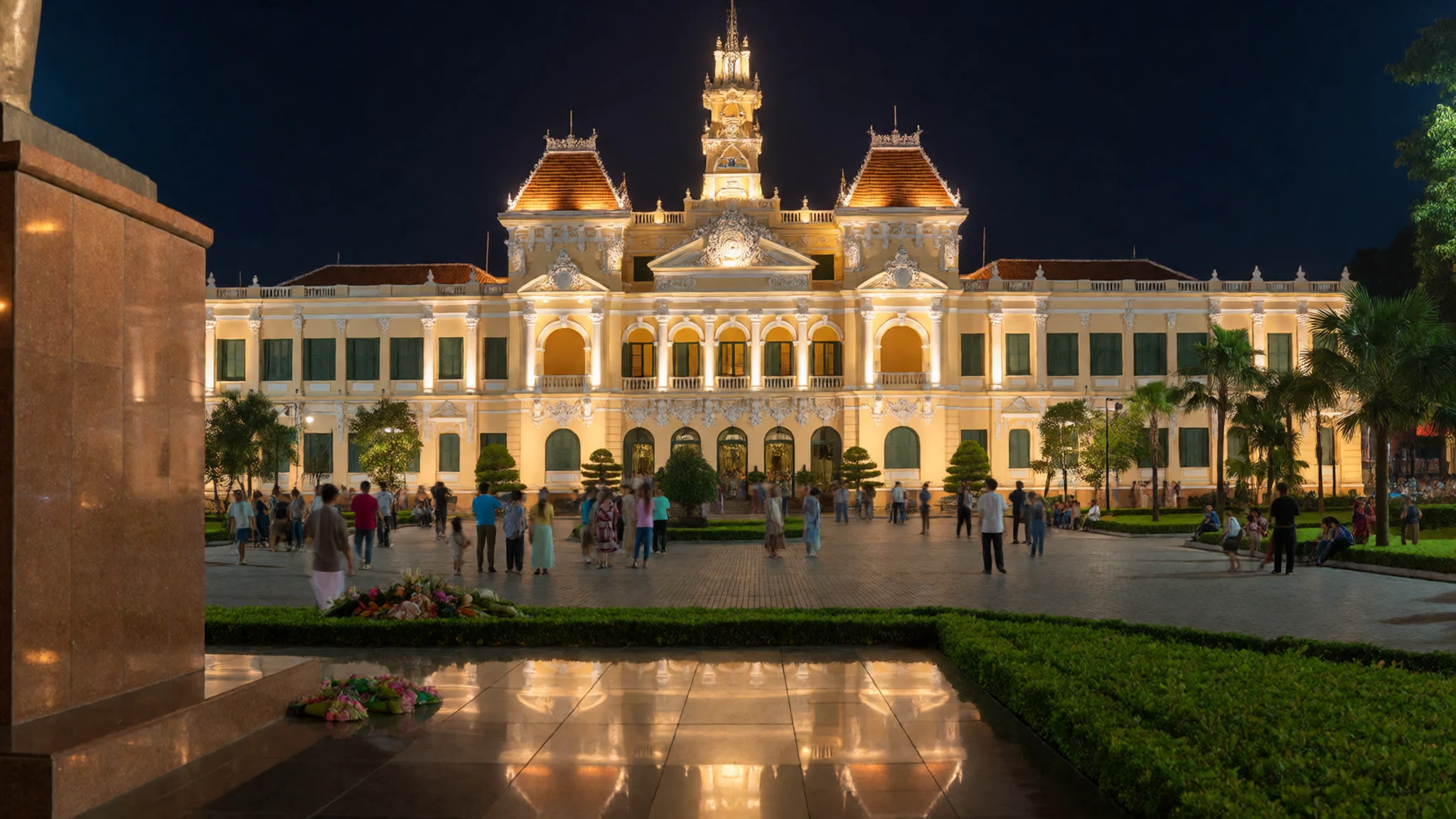
- Independence Palace — Central Ho Chi Minh City
This was South Vietnam's presidential palace, and it has been restored as a time capsule, left largely as it was when Saigon fell to the North. The rooms, the furniture and the communications rooms in the basement give a close look at the political life of the period. Go in the morning, when the rooms are cooler and the queues are shorter.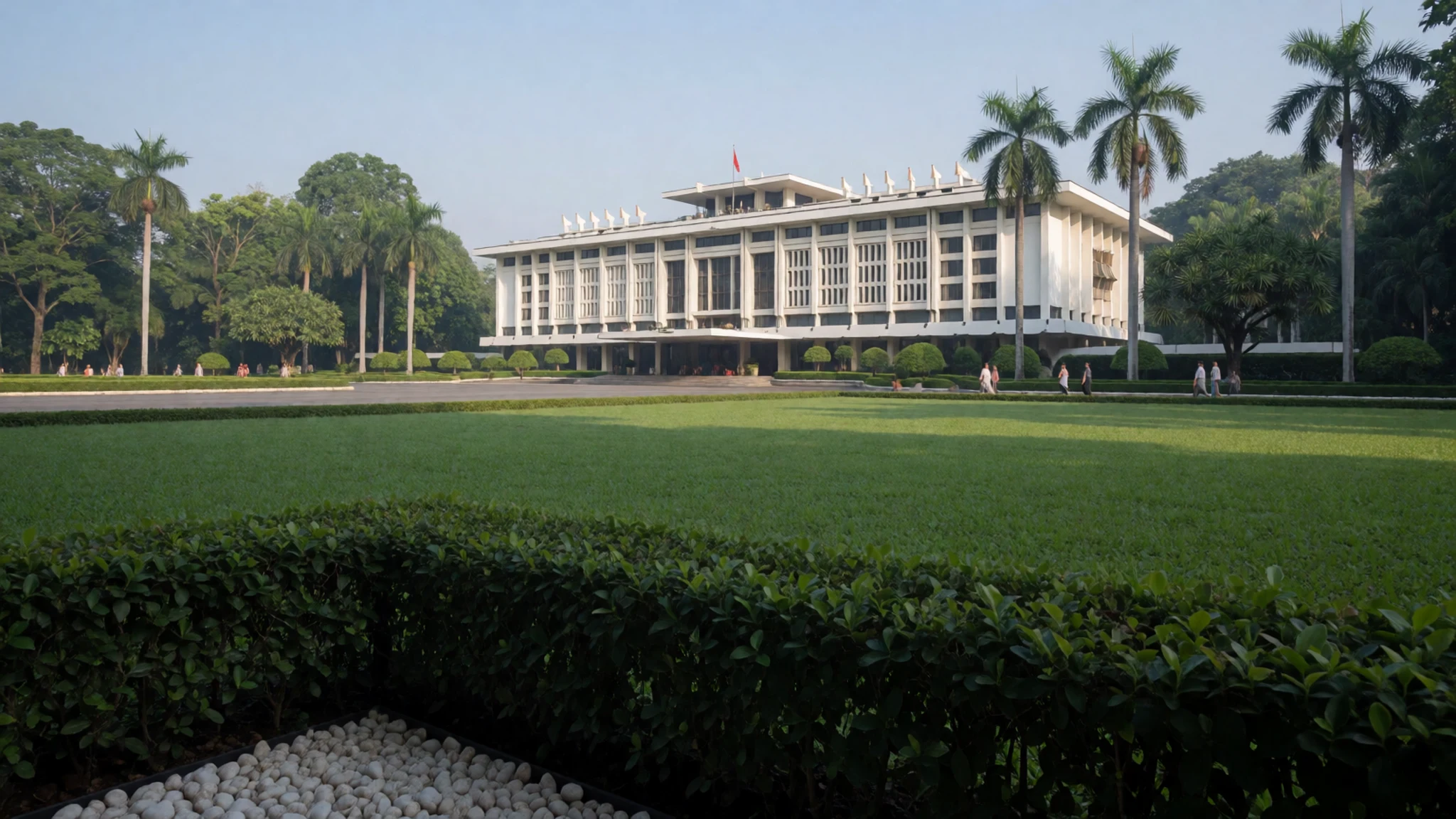
- War Remnants Museum — Central Ho Chi Minh City
The museum presents the war from the Vietnamese side, with photographs, weapons and displays on its civilian cost. Many visitors find it heavy going, and it is best visited with time to take a break. It opened quickly after the war ended, and it still draws large crowds, especially from tour groups.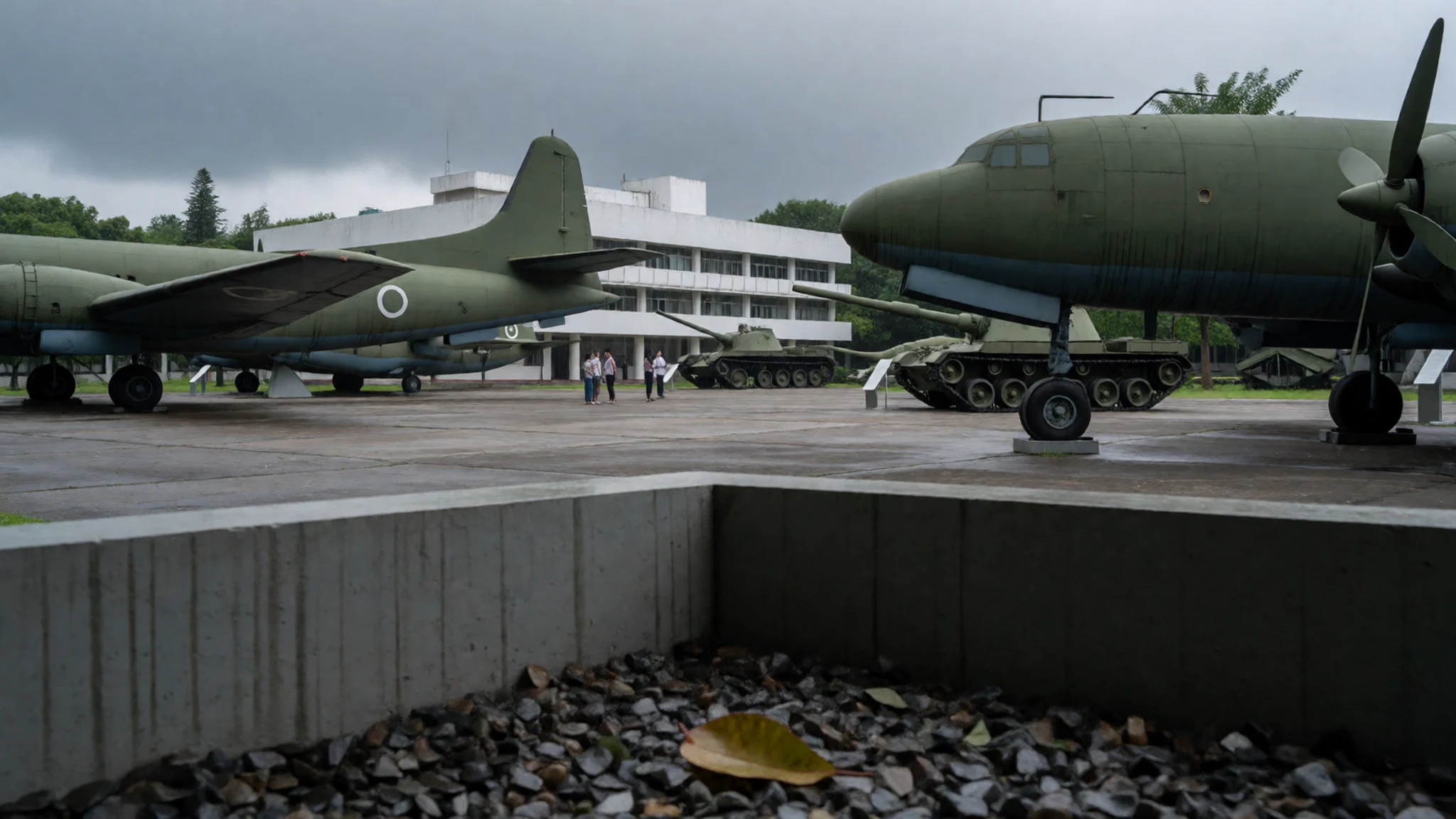
- Ho Chi Minh Museum — Central Ho Chi Minh City
Housed in a French colonial-era building, the museum traces the city's history from prehistory to the present. It also has exhibits on local culture and traditions, which make a useful counterpoint to the war-focused sites. Spend an hour here before heading out to the rest of the city's historic sights.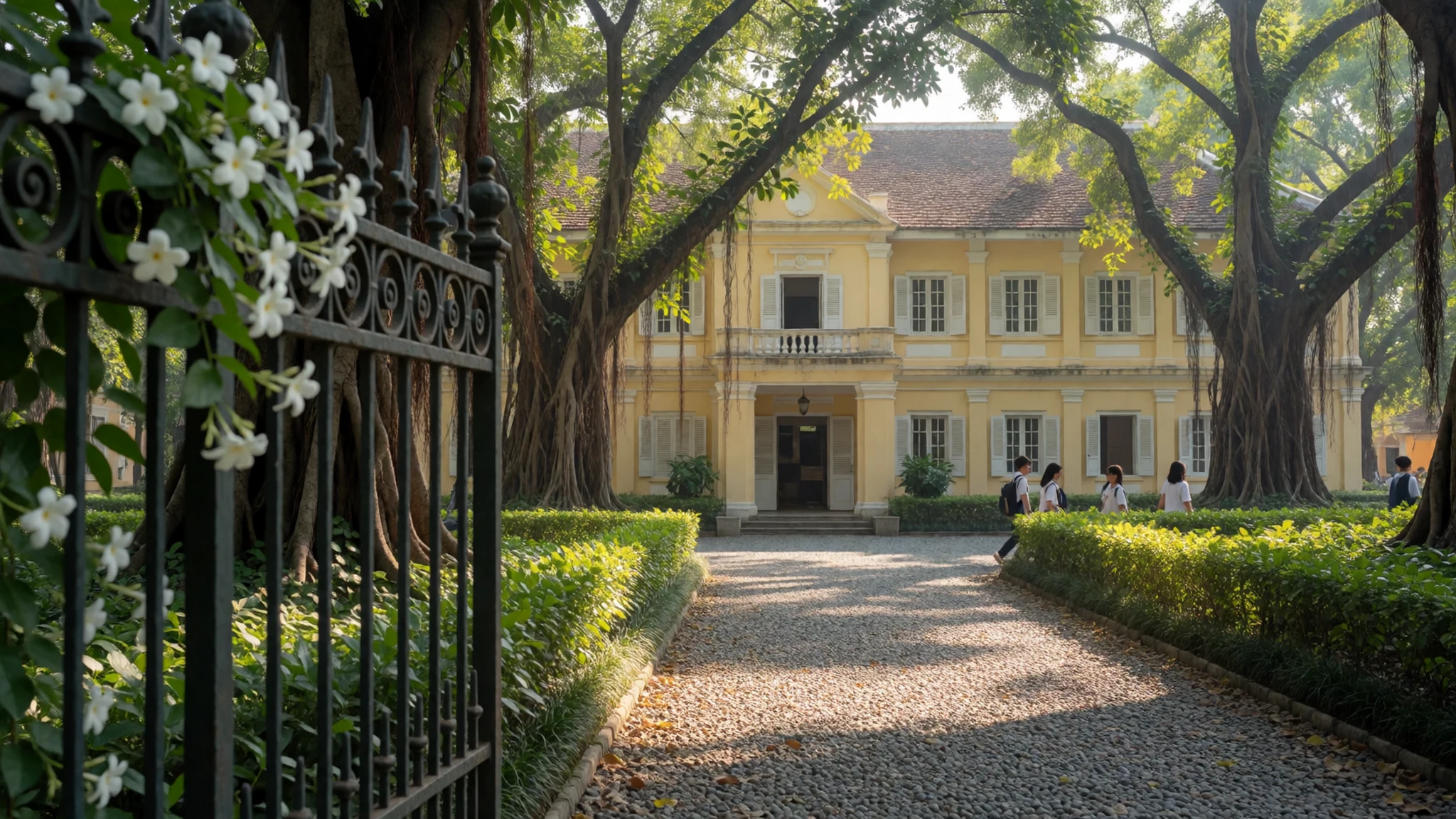
Culture
Ho Chi Minh City is a city of museums, galleries and performance venues as well as street life. The Museum of Fine Arts, the History Museum, the Opera House and the Southern Women's Museum sit alongside the War Remnants Museum, and the city's art scene mixes traditional and contemporary work. Creative life here feels less formal than in many Vietnamese cities, with galleries in converted houses and small studios tucked into side streets.
Food is social in a way that shapes daily routines. Roadside restaurants, coffee shops and food stalls are where people meet, talk and watch the street, and a long coffee on a plastic stool is a normal part of the afternoon. The city is often ranked among the best in the world for street food, and the stalls offer a good window onto everyday life.
Sport is popular too. Football is played across the city on pitches large and small, and the city's largest stadium, Thống Nhất, hosts matches and public events. Avoid walking past temples without slowing down, and always ask before photographing people at prayer or at their stalls.
What to wear
Traditional dress in Ho Chi Minh City is the áo dài, a long fitted silk tunic worn over trousers. Its side panels and close-fitting waist follow the wearer's figure, and it is usually made from silk or lighter silk blends, with embroidery reserved for special occasions. Women still wear it for weddings, festivals, school ceremonies and studio portraits. The conical nón lá hat, woven from palm leaf, remains a familiar sight in the countryside and at some older food stalls.
Day-to-day dress is shaped by heat and traffic. Most people wear light cotton shirts, T-shirts, shorts or loose trousers, and almost everyone rides a motorbike in a helmet with a long-sleeved sun guard or jacket to keep off the sun. Office workers often wear tailored clothes, and young people follow global fashion closely in the malls and boutiques of the central districts.
What a visitor should wear comes down to climate and customs. Loose, breathable cotton or linen works best, along with a hat, sunglasses and sunscreen, since the midday sun is fierce. Cover your shoulders and knees for pagodas, temples and churches, and carry a light scarf to drape over your shoulders when needed. Pick footwear that can cope with uneven pavements and rain-soaked streets; closed sandals or light trainers are far more practical than heels. Bring a light layer too, because the air-conditioned museums and restaurants can feel cold after the street.
What to eat
- Phở bò (beef noodle soup) — Neighbourhood noodle shops and the stalls around Bến Thành Market
Phở is the dish most people associate with Vietnam, and bowls here usually arrive with a generous plate of fresh herbs. Beef broth simmers for hours with warm spices, and rice noodles and thin slices of beef are added to order. Squeeze in lime, add chilli and bean sprouts to taste, and season gradually.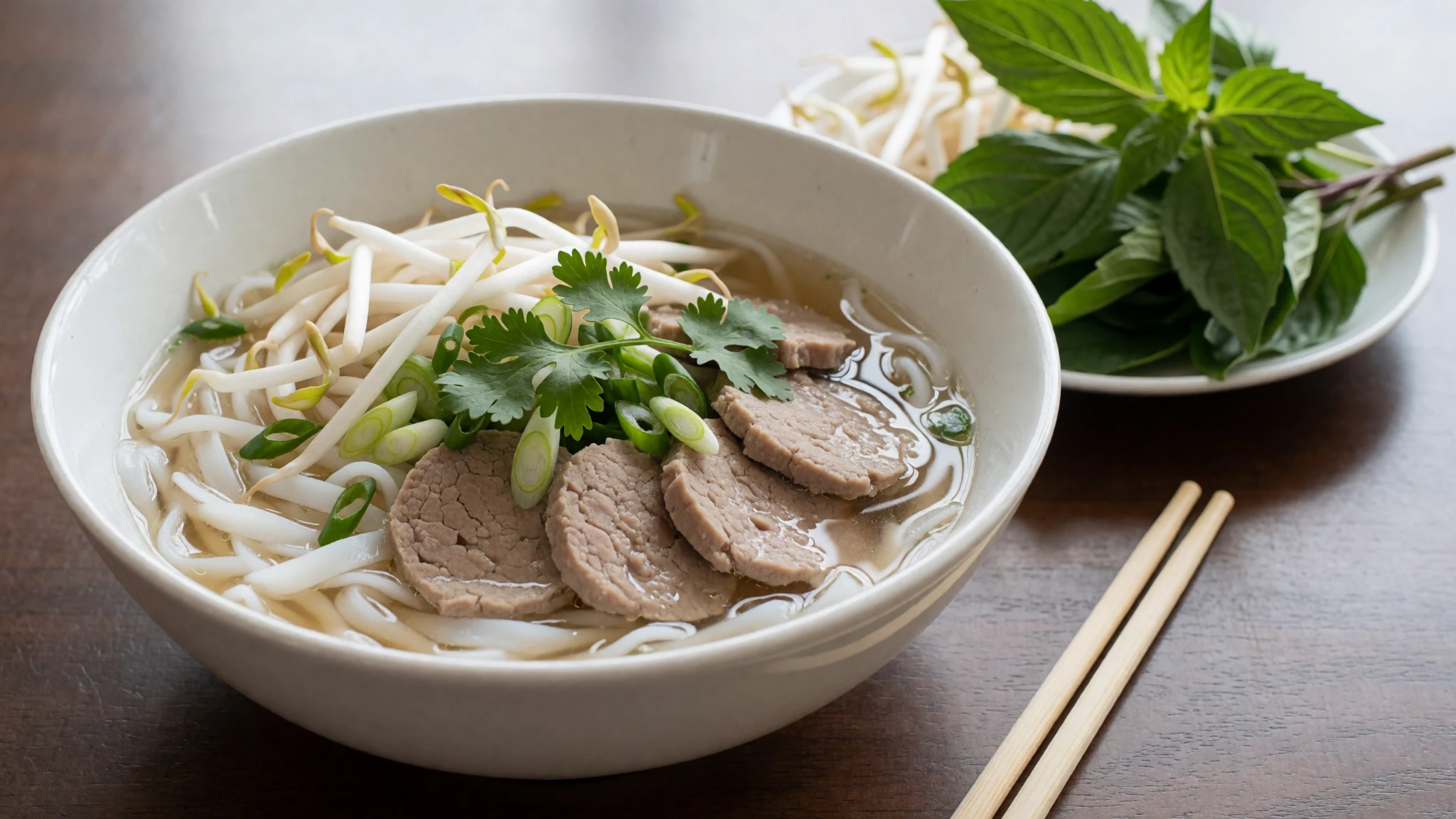
- Bánh mì — Bakery counters and sandwich stalls on the side streets
A short French-style baguette, crisp outside and soft inside, filled with pickled carrot and daikon, coriander, chilli, pâté and grilled pork, cold cuts or egg. The sandwich is a legacy of the French period and remains a cheap, filling lunch. Popular shops can have queues at lunchtime, so join the line and see what locals order.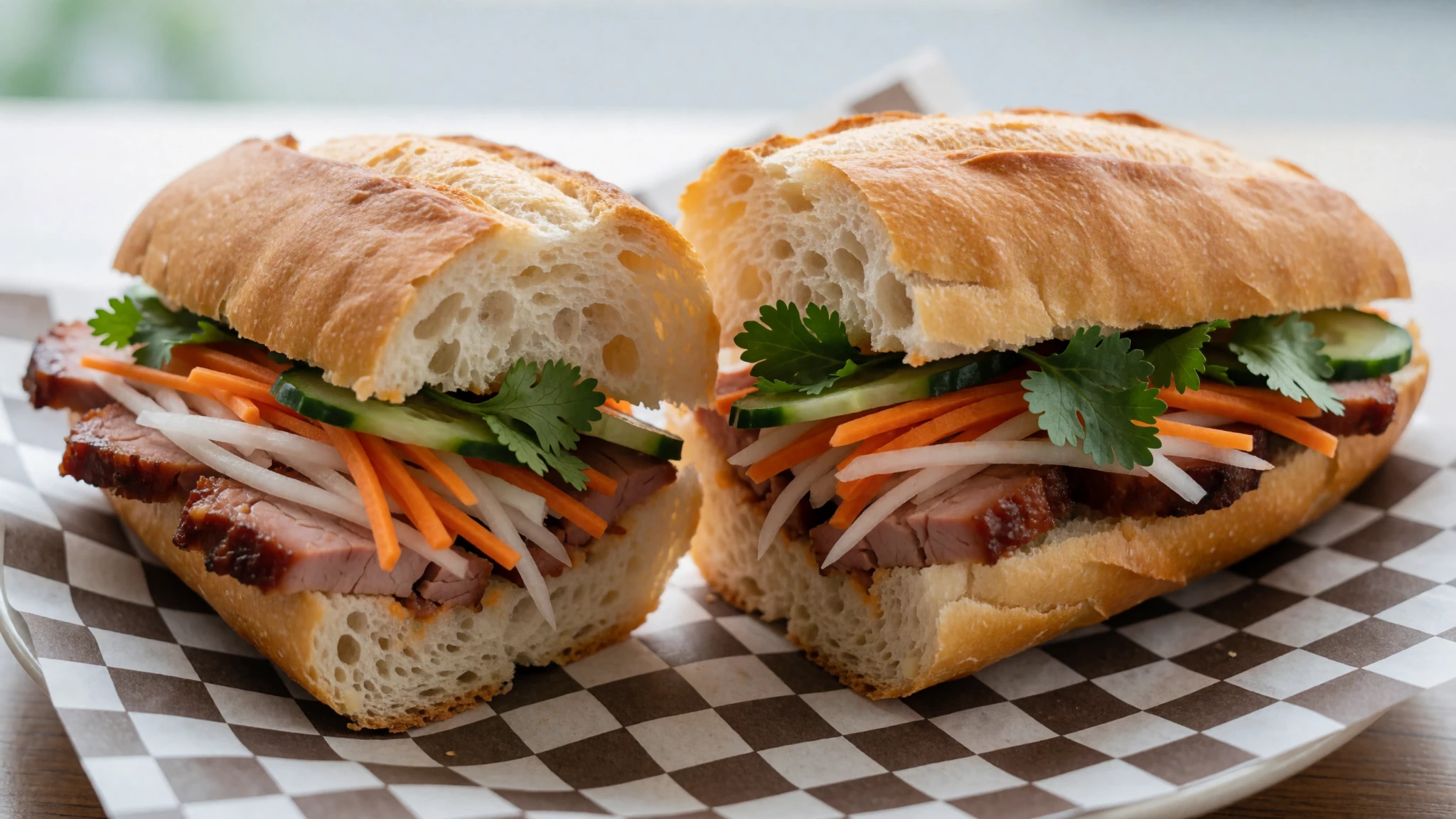
- Cơm tấm (broken rice) — Simple family eateries in the older neighbourhoods
Broken rice is a southern staple, made with grains that split during milling and served with grilled pork chop, shredded pork skin, pickles and a fried egg. It is an everyday lunch rather than a special meal. The best plates come from small family eateries where the grill is in plain view.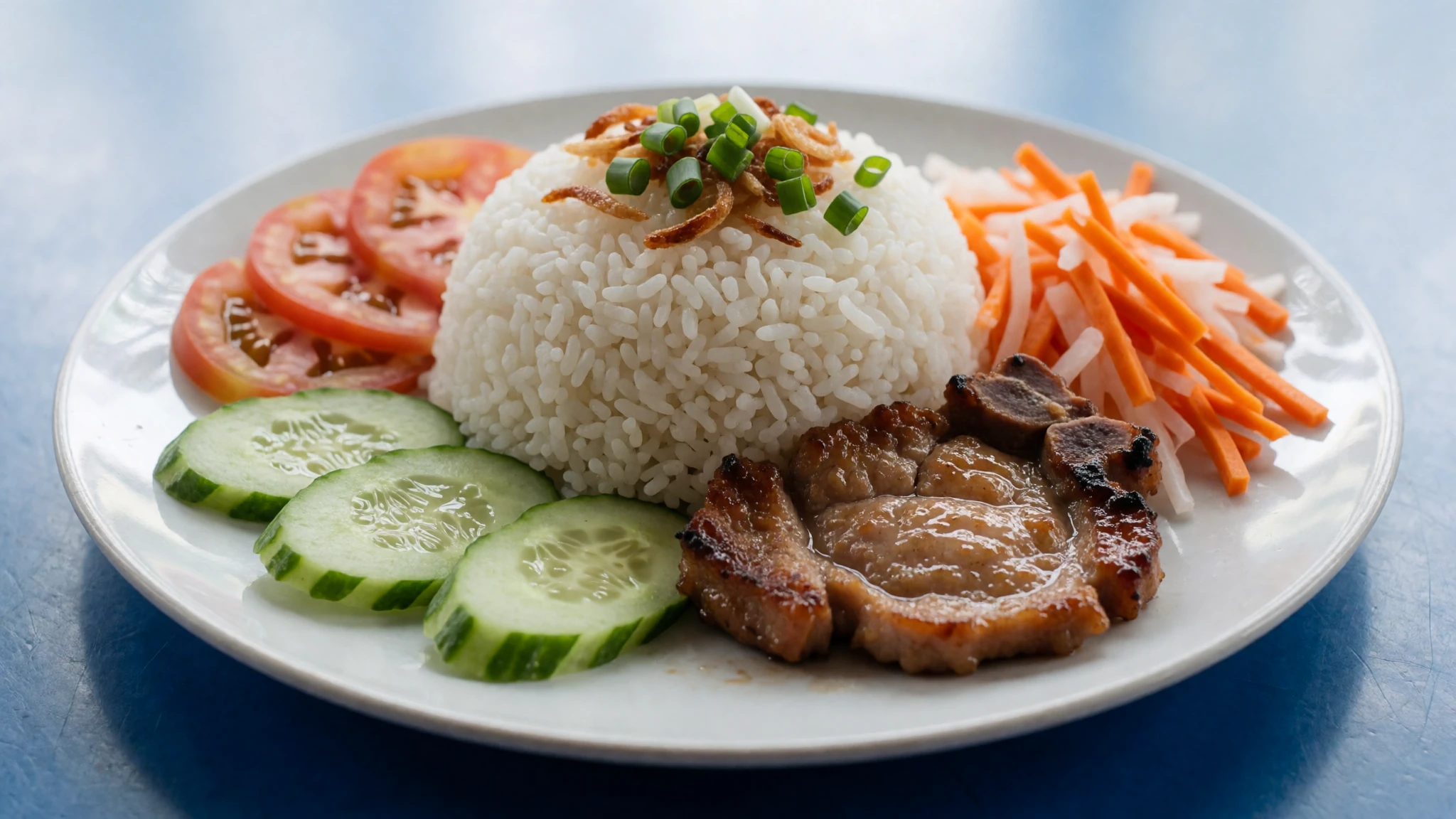
- Cà phê sữa đá (iced milk coffee) — Pavement cafés and coffee stalls across the centre
Strong dark coffee dripped slowly through a small metal filter into a glass of condensed milk and ice. It is sweet, dense and bracing, and it is one of the easiest ways to slow down in the city. Take a plastic stool on the pavement and watch the traffic while the coffee drips. - Fresh and dried tropical fruit — Bến Thành Market, the most visitor-friendly of the city's markets
The market halls sell a wide range of fresh tropical fruit, along with dried fruit, grains and spices in bags. Stallholders usually offer a taste, so try a few things before buying. Stalls are busiest in the morning, when the produce is at its freshest.
Plan it
Best time. December to March is the drier season and the most comfortable time, though heat and humidity are constant year-round. June to October brings the heaviest rain, usually in the afternoon, with May and November also wet and flooding on some streets.
How long. 2–3
Getting there. Tân Sơn Nhất International Airport handles most arrivals, and the city centre is a short ride away by taxi or ride-hailing app. City buses are cheaper but slower with heavy luggage. Trains from Hanoi run along the Reunification line, but the journey is so long that most visitors fly.
Budget. low
Tips
- Agree the fare or confirm the meter before setting off from the airport
- Visit the big museums early, before the afternoon heat and tour groups arrive
- Carry small notes for market stalls and street food; cards are accepted mainly in larger places
- Drink bottled or filtered water and carry a refillable bottle in the heat
- Check the city's official site for opening times and current entry arrangements before you go
Etiquette
- Remove your shoes before entering a pagoda, and cover shoulders and knees at temples
- Ask before photographing people, especially at food stalls and during religious ceremonies
- Cross roads at a steady, predictable pace, because drivers expect you to keep moving
Nearby
Sources
- Wikidata Q1854 (CC0)
- Wikipedia, Ho Chi Minh City (rev 1382698320) (CC BY-SA 4.0)
- Wikivoyage, Ho Chi Minh City (rev 5407642) (CC BY-SA 4.0)
- Skyline of Ho Chi Minh City, Pimnl (CC0 1.0)
- Ho Chi Minh City Hall, Steffen Schmitz (CC BY-SA 4.0)
- Independence Palace, Balon Greyjoy (CC0 1.0)
- Notre Dame cathedral, Kevin1243 (CC BY-SA 2.0)
- Landmark 81, Lê Minh Phát (CC BY 2.5)
- Ben Thanh Market, Chelsea Marie Hicks (CC BY 2.5)
- Thu Dau Mot six-way intersection, Nhoxleminhtien (CC BY 4.0)
- Vung Tau coastline from Bạch Dinh, Hoangvantoanajc (CC BY 3.0)


