Montagne de Kaw
Montagne de Kaw, France
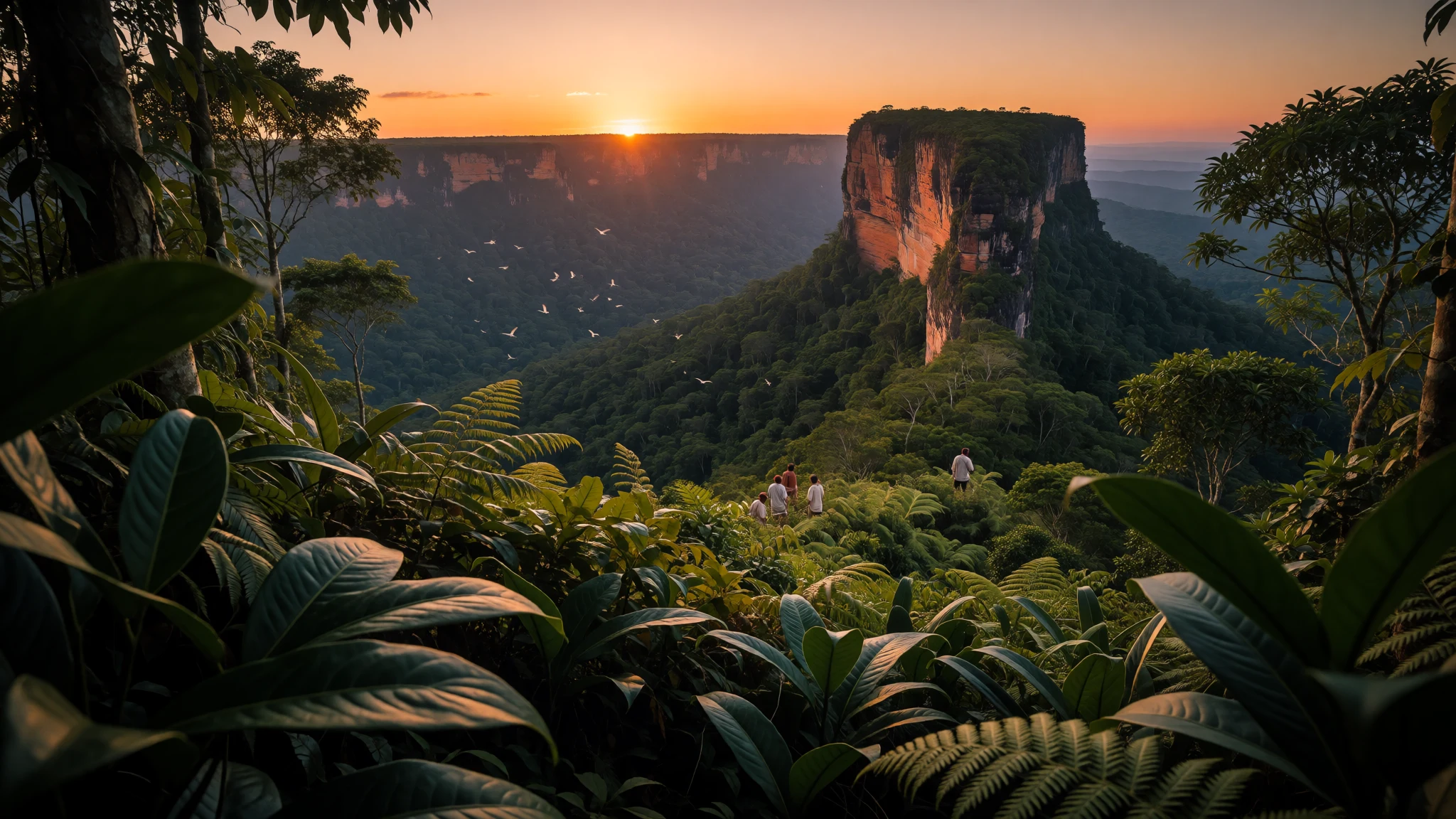
Montagne de Kaw is a narrow tepui topped with laterite, a rainforest-backed hike that feels both remote and historically layered.
The place
Montagne de Kaw sits in the commune of Roura in French Guiana, and it’s the kind of place that doesn’t look “mountainous” until you’re up close. The mountain is a narrow tepui—basically a flat-topped, steep-sided outcrop—with a laterite top, rising to about 330 m. That shape matters because it shapes the experience: you’re climbing through humid green until the terrain changes character, and the views start to open out across forest.
French Guiana itself is tropical, hot and humid for much of the year, with heavy rainfall and little seasonal temperature change. So even if the mountain isn’t huge on a map, weather and humidity do a lot of the work. Expect mist, dripping leaves, muddy patches and the sort of sticky warmth that makes every movement feel slower than you planned.
Before French colonial rule, the area was inhabited by several Indigenous peoples, and the broader Kaw region still feels like it belongs to the rainforest rather than to travel checklists. Later, French Guiana became known for penal settlements, and that colonial history still hovers over the coast and the routes travellers take to get around.
Practicalities are straightforward but add up: to reach Kaw-area experiences you’ll usually be travelling from the coast, often via Kourou or Cayenne, and you’ll want a plan for wet weather and insect protection. There’s no point arriving expecting big-city comfort—this is a rainforest destination where the “cost” is mainly sweat, patience and timing, not ticket prices. When you go, the reward is simple: stepping away from the coast into a thick, living landscape where the mountain rises like a stubborn island within the forest.
Its story
A trip to Montagne de Kaw feels like it’s stitched together from three different stories: rainforest travel, colonial-era routes, and modern-day science.
First, it’s the rainforest. French Guiana is mostly unsettled wilderness covered in Amazon Rainforest ecosystems, with coastal plains giving way to hills and plateaus. Even though Montagne de Kaw is the headline, the real “plot” starts earlier—on the approach and in the way the vegetation changes. Inland, you’re moving through lowland growth that can feel like an endless green wall, then encountering river trips in a pirougue or guided walks that trade speed for closeness.
Second, it’s history. Many visitors base themselves around Cayenne and Kourou, and from there the old penal-colony story is hard to ignore. The islands of Îles du salut and the Kourou area are remembered through the popular nickname “Devil’s Island”—even if the details are more complex than the myth. You don’t need to chase re-enactment style tours to feel how routes here were shaped by past power.
Third, it’s the future. The Guiana Space Centre near Kourou launches communication satellites, and it’s the sort of contrast that makes Kaw feel even more grounded: rockets rising from a place with deep rainforest roots.
In the middle of all that, the mountain itself stays stubbornly practical. It’s about climbing, rain-proofing your day, and using the early light when it appears. In French Guiana, conditions can flip quickly, and the best “story” you can tell at the end is often the simplest one: you went inland, you respected the place, and you came away with the kind of quiet, green memory that doesn’t need embellishment.
What to see
- Montagne de Kaw (tepui viewpoints and laterite top) — Roura area
Montagne de Kaw is a narrow tepui with a laterite top, around 330 m high. The best moments are usually when the rainforest light breaks through—on clearer patches—so build flexibility for rain and mist.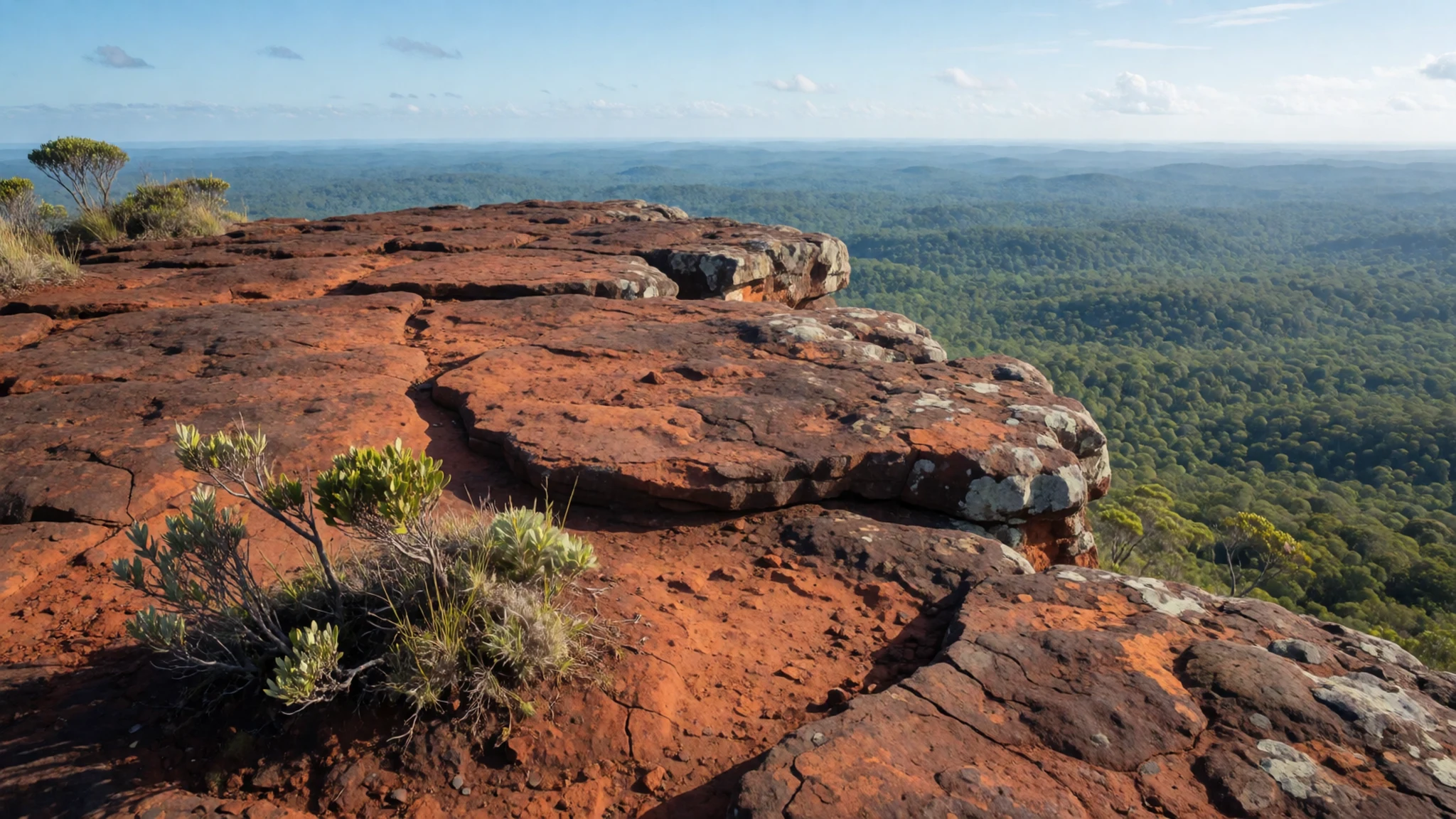
- Tresór Nature Reserve (Kaw ecosystem) — Kaw ecosystem near Cayenne
The Tresór Nature Reserve covers a huge area of the Kaw ecosystem, reached via about a 2-hour drive from Cayenne. It’s a good reference point for how wetland and forest connect here.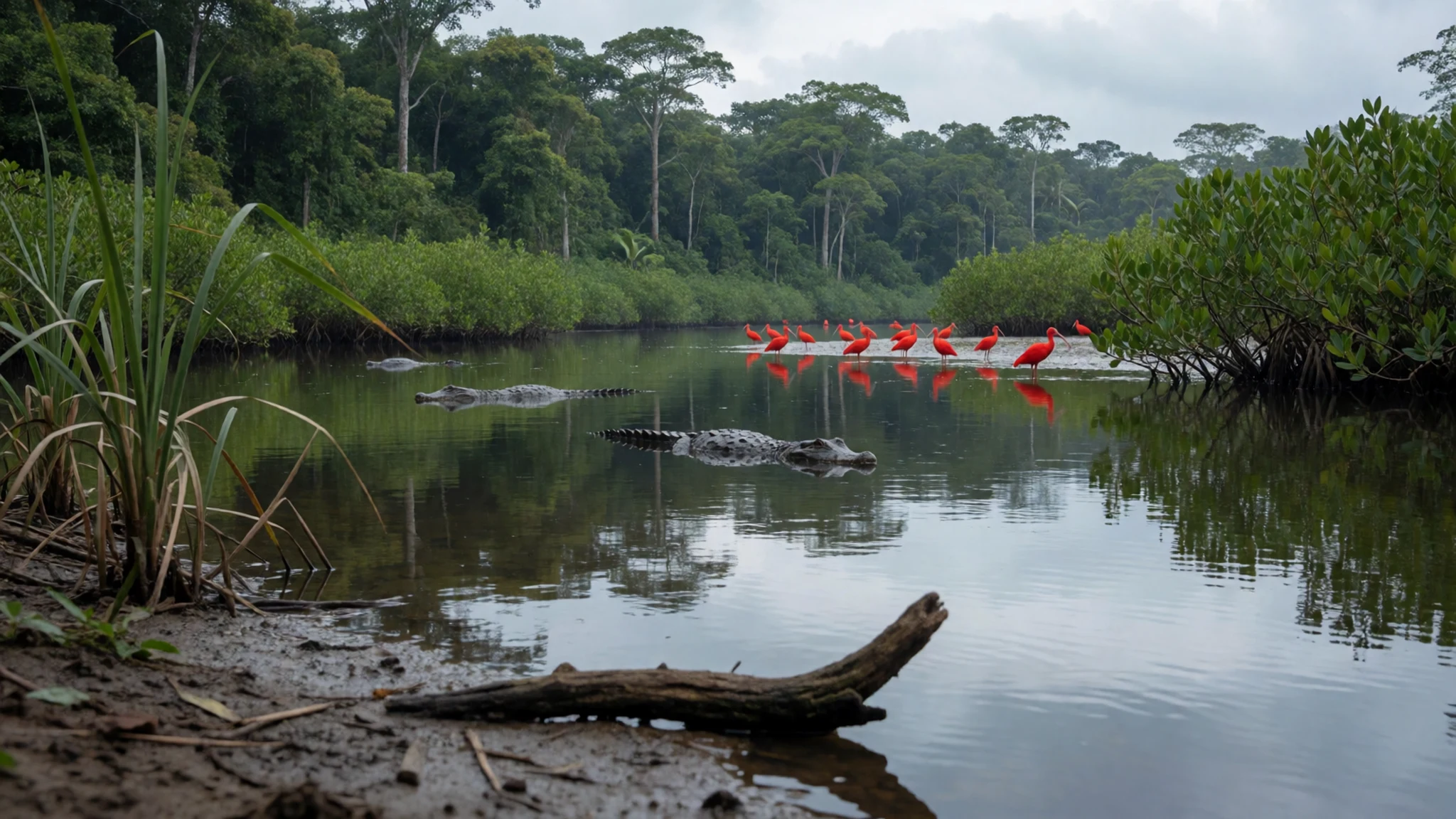
- Guiana Space Centre (launches and free tours) — Kourou
Near Kourou, the space centre runs a free tour twice a day and you can visit a museum. If you’re lucky with timing, checking the rocket launch schedule can turn a normal day into something noticeably different.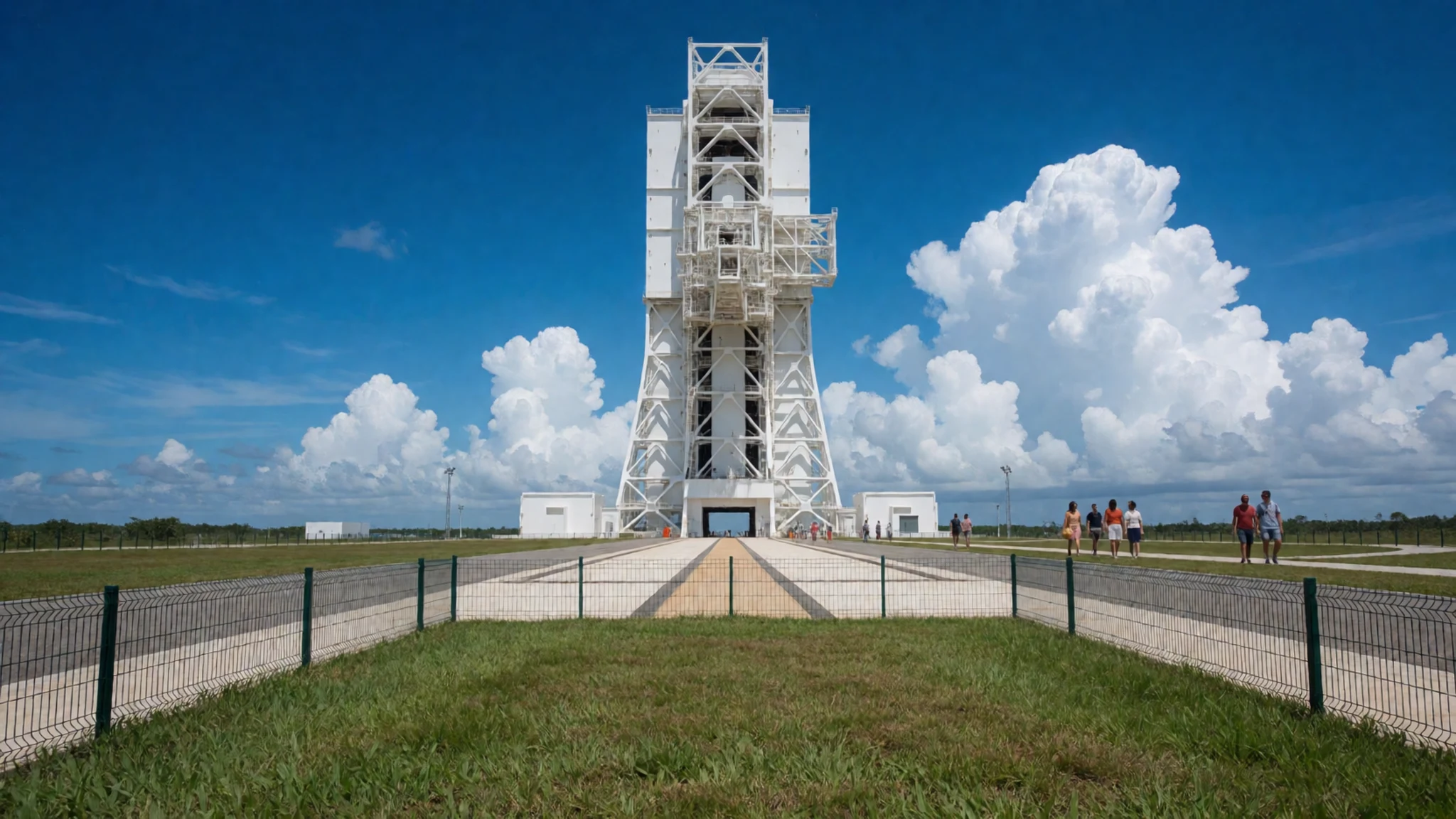
- Cayenne markets and Place Victor Schoelcher — Cayenne
Cayenne’s main market is around Place Victor Schoelcher, handy for local handicrafts and everyday food. It’s also where you can see tropical produce, spices and snacks from different culinary influences in French Guiana.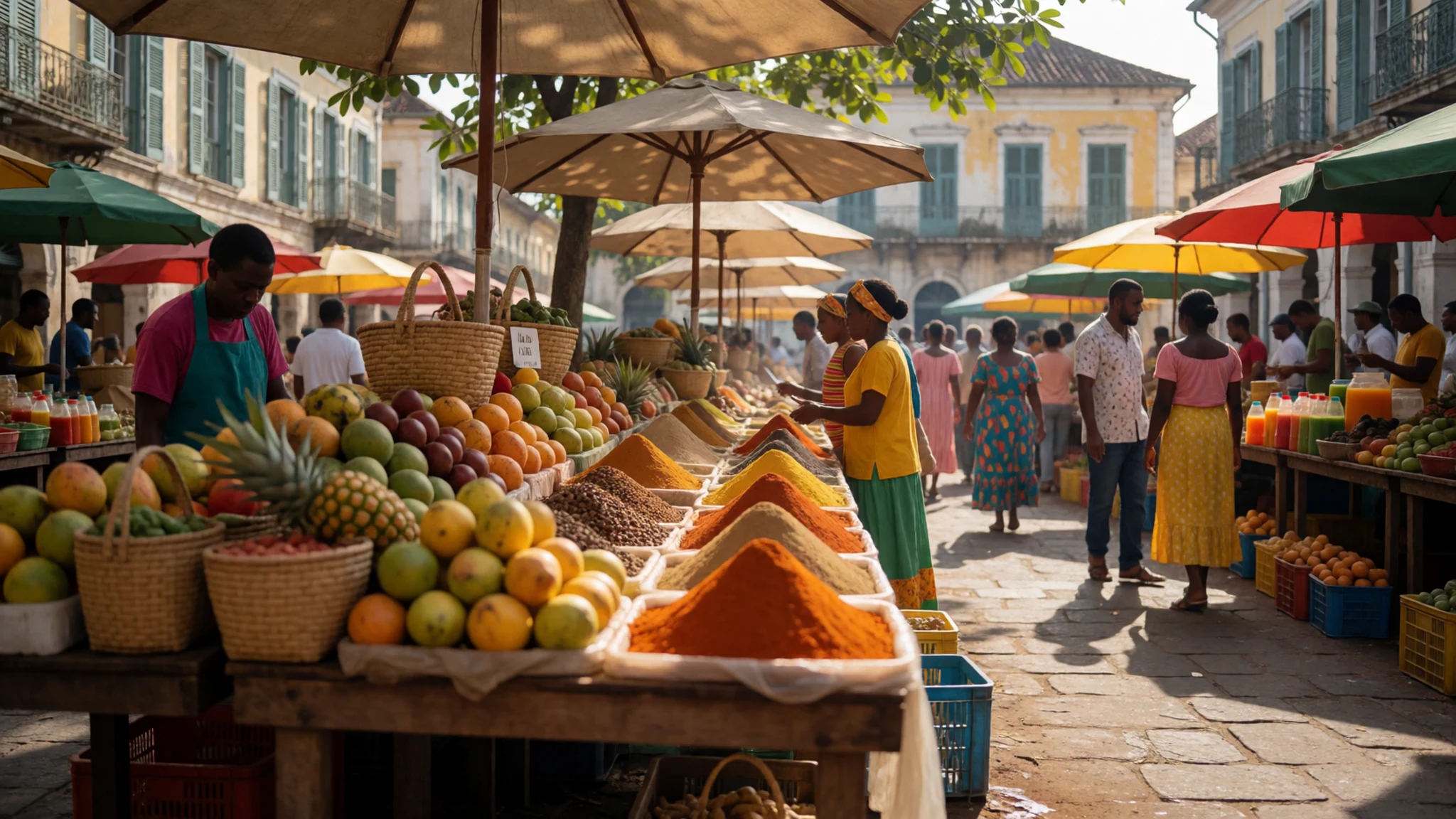
- Montabo Trail (rainforest edge walk) — Outskirts of Cayenne
If you want rainforest without committing to far travel, the Montabo Trail on the Cayenne outskirts passes through preserved rainforest and a mangrove swamp. It’s a calmer way to learn what “local forest” means.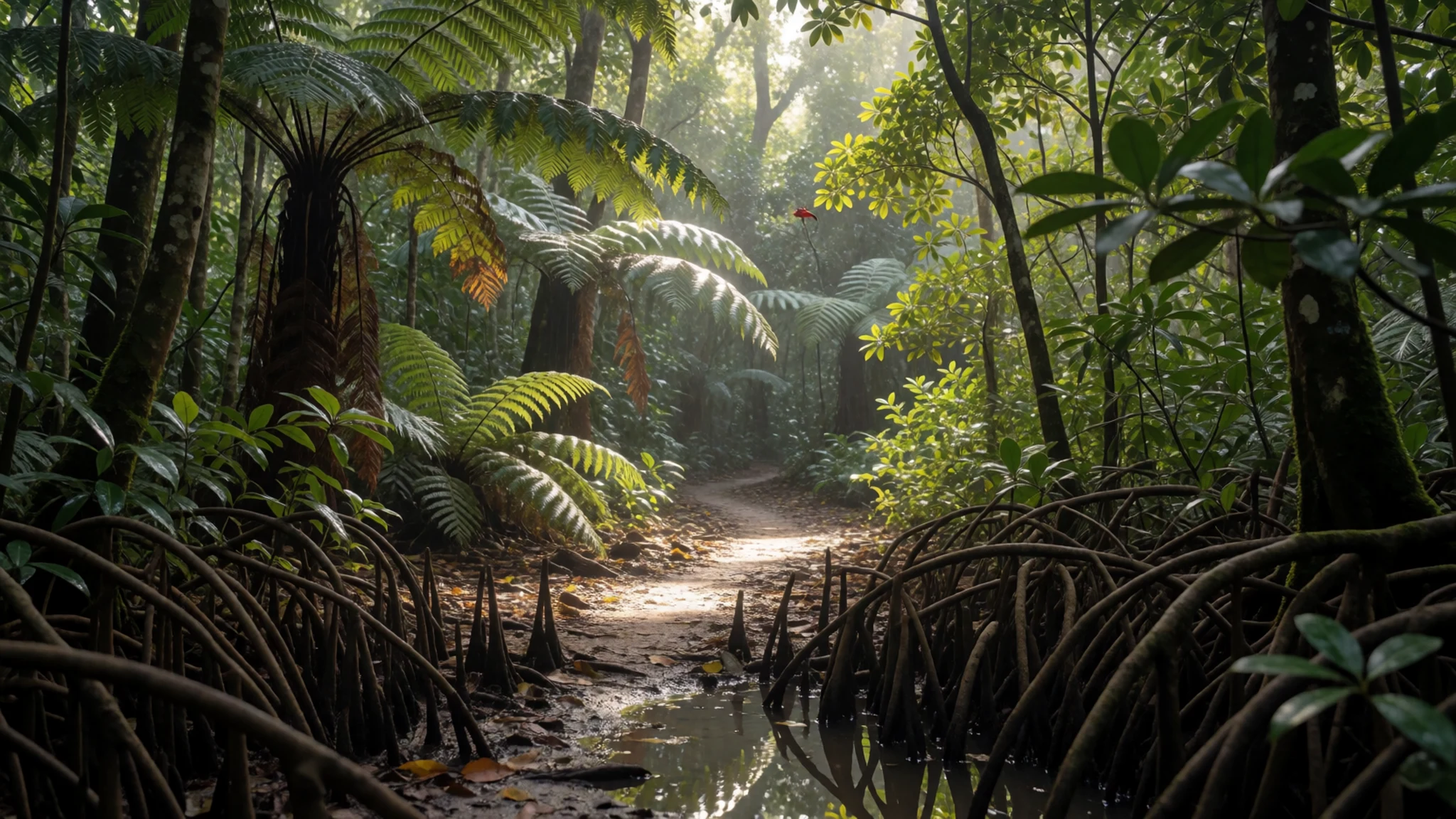
Culture
French Guiana’s culture is often described as Creole and it’s tightly rooted in everyday life, even though the region also remains part of France in terms of identity and administration. People in French Guiana can be proud of being French, and there’s a clear “don’t dismiss us” line: insinuating that mainland France isn’t really “France” is likely to land badly. If you’re talking about the mainland, use the local distinction—metropolitan or mainland France (“métropole”).
In conversation, locals are generally happy to answer questions about culture, history and religion. That friendliness helps when travel plans get messy, like in hot, wet weather when days shift around. Still, there’s one subject that deserves extra caution: slavery is sensitive and best avoided unless someone brings it up themselves.
Practically, respect the fact that this is a place where rainforest nature and history share the same landscape. When you’re visiting viewpoints or doing guided walks, keep noise down and avoid litter, because there isn’t much “amenity infrastructure” to clean up after thoughtless behaviour. If you’re moving between towns and rural trails, accept that customs are also about pace—people here don’t treat time like it’s a queue.
Visitor etiquette: keep your questions respectful around sensitive history topics, and avoid bringing up slavery unless invited.
What to wear
In Montagne de Kaw and across French Guiana, dress starts with the climate: tropical and consistently hot and humid, with heavy rainfall common through much of the year. That means lightweight clothing that you don’t mind getting wet, plus a rain layer that you can pull on quickly. Footwear matters because trails and approaches can become muddy; breathable trainers with good grip are usually more useful than sandals.
Traditional dress in the region is often tied to Creole culture and is most visible during carnival. People wear masks and traditional dresses during the festivities, and the street celebrations can run into the night. Textiles and styling vary by group and performance, but the key idea is that outfits are meant for dancing and visibility.
Day-to-day, most locals and visitors dress for heat and practical movement: T-shirts or light shirts, shorts or breathable trousers, and cover-ups for sun and rain. If you plan to visit religious or community spaces, choose modest coverage—especially avoiding overly revealing outfits.
For a visitor outfit: pack a quick-dry top, long-sleeve layer for insects, a compact waterproof jacket, and socks that won’t turn unpleasantly quickly. A hat helps when showers surprise you. If you’re doing boat trips or rainforest walks, bring clothes you’re comfortable re-wearing because drying time can be slow.
What to eat
- Bouillon d’Awara (awara fruit broth) — Local restaurants and Creole eateries in Cayenne
Bouillon d’Awara is a broth based on awara fruit, a local ingredient associated with French Guiana’s Creole cooking. Look for it in regional eateries and on menus that highlight local fruit and flavour profiles.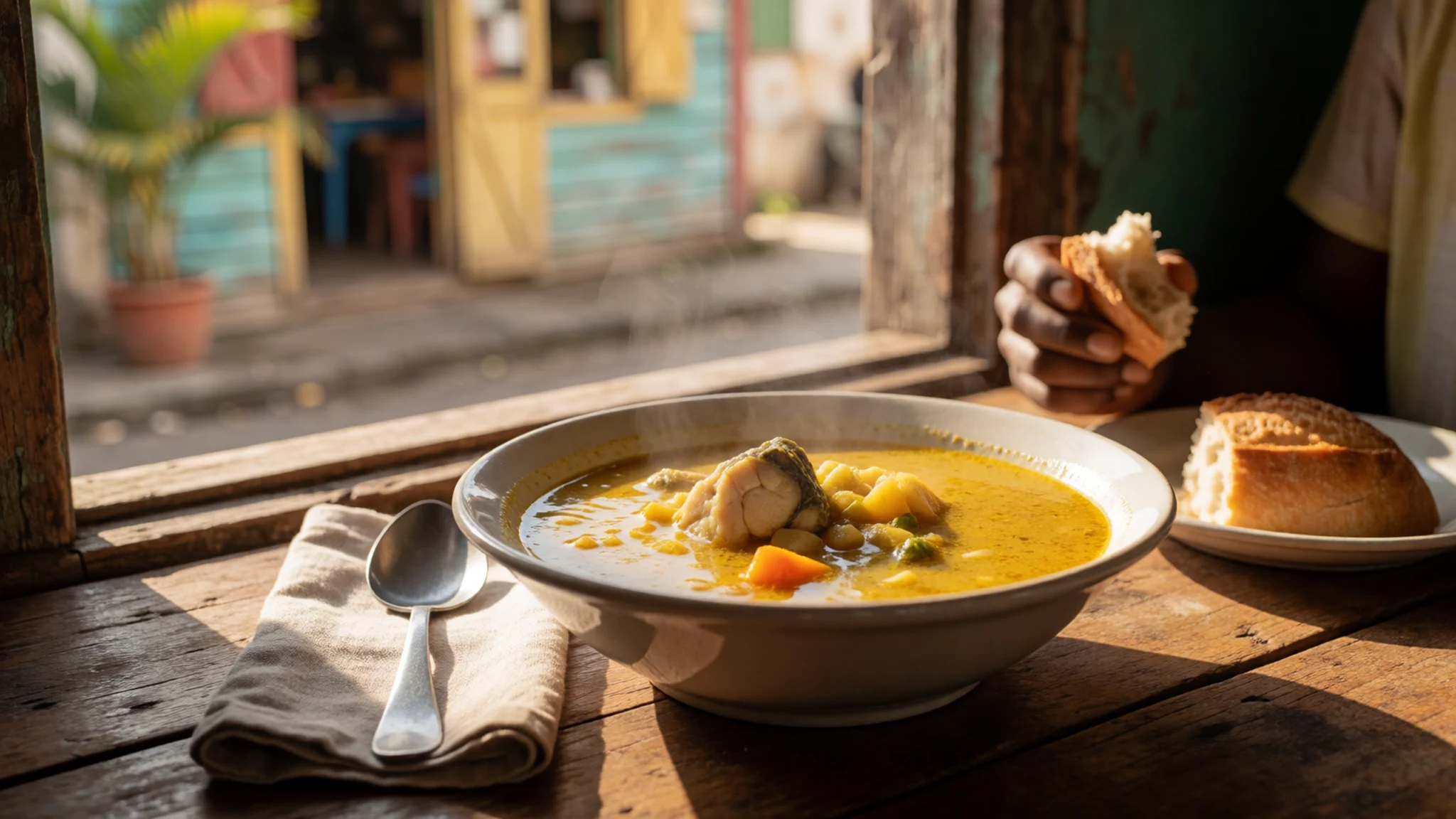
- Colombo (Creole pork or chicken) — Everyday lunch spots and family-run restaurants
Colombo is a Creole dish made with pork or chicken, typically served with rice. It’s usually seasoned heavily, so if you’re sensitive to spice, ask for it milder.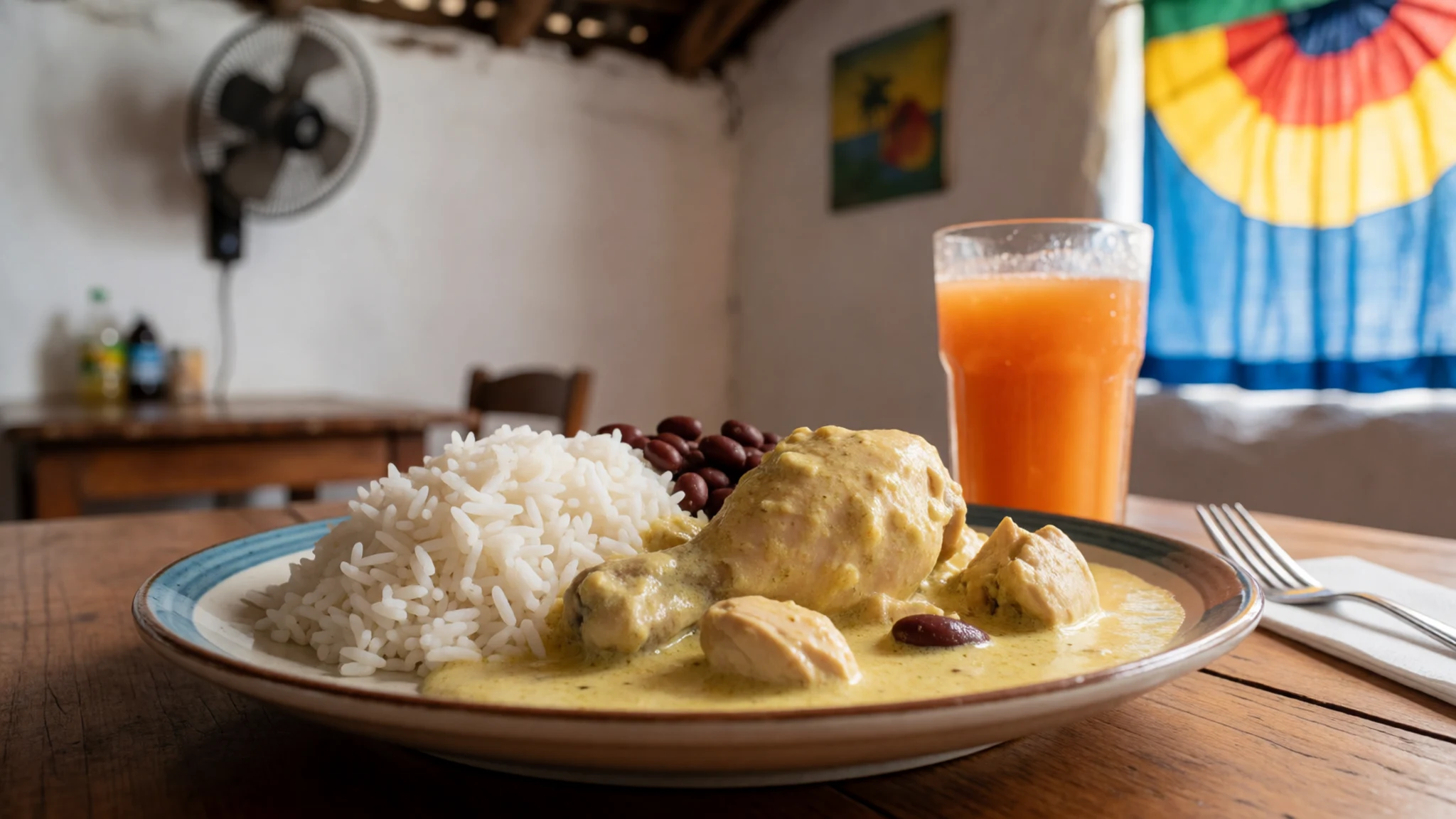
- Red beans with seafood or game — Guyanese-style plates in markets and local dining rooms
Red beans show up alongside rice and can be served with game or fish. It’s a filling, flavour-forward combination that matches the region’s tendency toward robust spices. - Kalou / Kalalou (fish with spinach and okra) — Creole restaurants and menus featuring fish dishes
Kalou (or Kalalou) is a fish dish with spinach and okra, bringing a vegetable-rich texture to the meal. It’s the sort of dish that’s comforting in rainy weather. - Pimentade (peppered and lemon-seasoned fish in tomato sauce) — Local eateries serving Guyanese specialities
Pimentade is fish prepared with lemon-seasoned flavours and tomato sauce. Expect heat and tang, and treat it as a “spice test” unless you’ve asked how spicy it’s going to be. - Wassaï juice (acaï), cold — Market stalls and juice counters in Cayenne
Wassaï (acaï) juice is served cold and made from the pulp of the wassaï palm, soaked, kneaded and filtered before mixing. It’s commonly enjoyed by itself and sometimes with food.
Plan it
Best time. March–April and October–November for calmer travel mood, since French Guiana is tropical with hot, humid conditions and heavy rainfall most of the year. Aim for the drier-feeling periods when you can.
How long. 3–4
Getting there. Fly into Félix Eboué Airport (CAY) just outside Cayenne, then travel by road to the Kaw area (for many Kaw-region plans, this is typically via Cayenne and Roura). If you’re combining sights, base yourself around Cayenne or Kourou and do longer inland legs from there.
Budget. mid
Tips
- Plan around heavy rain: pack a quick waterproof layer and accept that visibility can change quickly on hikes.
- If you’re working in Kourou, check the rocket launch schedule for any special timing around the Guiana Space Centre.
- Keep your daily route flexible—humid conditions can slow hikes more than expected.
- Carry small cash for local markets and day-to-day purchases.
- Bring insect protection for rainforest walks and river trips.
Etiquette
- Follow any local guidance on where not to go in protected areas and stick to marked routes with a guide.
- If you’re discussing French identity, be careful with language about “metropolitan/mainland” France.
- Handle sensitive history topics thoughtfully; avoid pushing into slavery-related conversations unless invited.
Nearby
Sources
- Wikidata Q3322277 (CC0)
- Wikipedia (rev 1369306044) (CC BY-SA 4.0)
- Wikivoyage (rev 5383674) (CC BY-SA 4.0)
- Photo photos/01-mt-kaw.jpg (CC BY 3.0)
