Mohenjo-daro
Mohenjo-daro, Pakistan
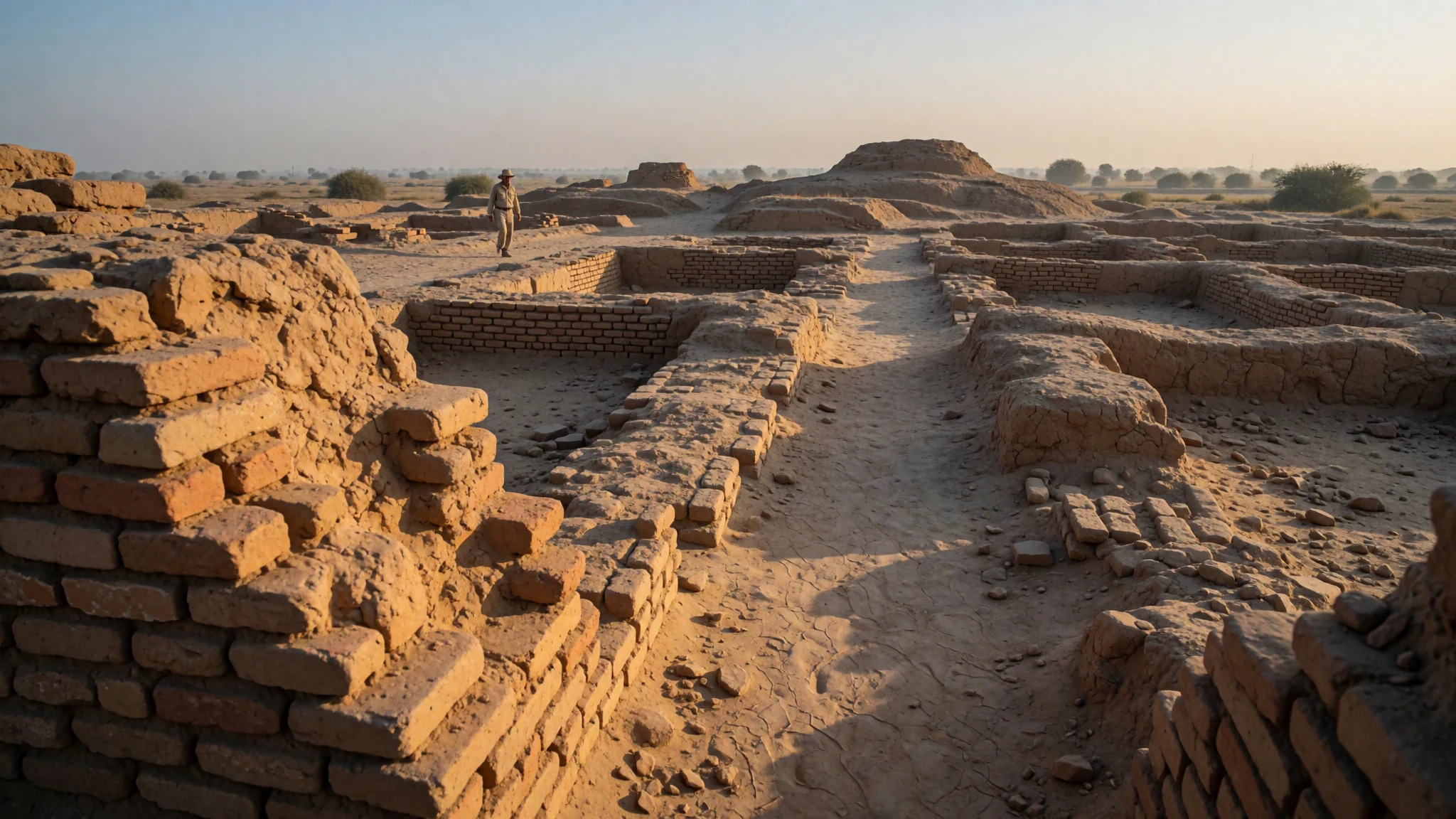
Walk through the remarkably planned brick streets of one of the world's earliest Bronze Age cities, preserved on the Indus flood plain.
The place
Mohenjo-daro sits quietly upon a Pleistocene ridge within the wide alluvial flood plain of the lower Indus river, located in the Larkana District of Sindh, Pakistan. Sprawled across a vast desert landscape, the archaeological site represents one of the most astonishing achievements in ancient urban planning. Visitors stepping onto the grounds encounter a stark, silent expanse of baked red and mud bricks that once formed a thriving metropolis contemporaneous with the early empires of ancient Egypt and Mesopotamia. The physical layout is sharply divided into two distinct zones: a higher western citadel mound containing monumental public architecture and administrative structures, and a lower eastern residential settlement where grid-patterned streets once channelled daily life. The surrounding climate is fierce and arid, casting a stark, bleached light over the ancient walls, broken only by scattered scrub and the occasional tamarisk tree. Though threatened by environmental erosion and the relentless desert heat, the ruins retain an immense, solemn gravity. Walking the dusty tracks between the walls reveals a sophisticated ancient drainage network and multi-roomed dwellings that speak of a remarkably egalitarian yet orderly urban society. It is a remote and profound destination, offering travellers a rare glimpse into the foundational chapters of human settlement.
Its story
Mohenjo-daro was established around the middle of the third millennium BCE, growing into a towering urban centre of the Indus Valley Civilisation, which is also frequently called the Harappan Civilisation. Over centuries of prosperity, the inhabitants of this metropolis mastered sophisticated civil engineering, constructing multi-storey houses equipped with indoor plumbing, rubbish chutes, and covered street-level drains that remain a marvel of ancient sanitation. The city served as a vital administrative, economic, and cultural hub within a vast network that stretched across modern Pakistan and North India. Trade seals carved with intricate animal motifs and undeciphered scripts bear witness to active commercial links with distant regions. Yet, by the early centuries of the second millennium BCE, the great riverine cities of the Indus began to experience a profound transformation. Without the drama of sudden destruction, economic networks frayed, climate patterns shifted, and the urban centres were gradually abandoned by their populations, leaving the silent brickwork to be reclaimed by wind and sand. Centuries later, long after the ancient civilisation had vanished from living memory, a towering Buddhist stupa was erected atop the abandoned citadel mound during the Kushan era. Modern rediscovery of the site in the nineteen-twenties opened a window into this lost Bronze Age world, leading to its recognition as a protected world heritage landmark.
What to see
- The Buddhist Stupa
Perched high on the western citadel mound, this prominent structure dominates the skyline. Built centuries after the ancient city fell, during the Kushan Empire period, it serves as a striking vertical landmark that can be spotted from a great distance across the flat plains.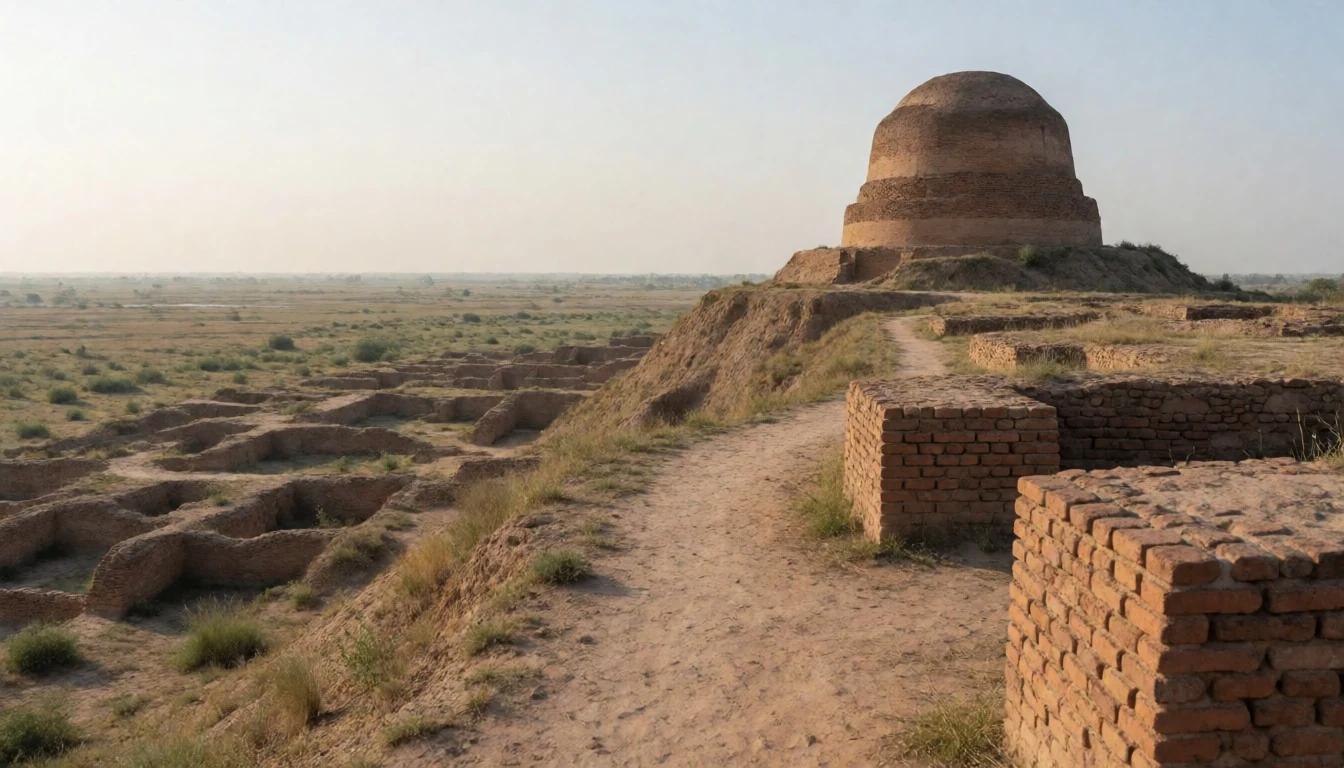
- The Great Bath
Considered the most famous feature of the site, this sunken rectangular pool is impeccably waterproofed with bitumen and fine brickwork. It lies at the heart of the higher settlement and was likely used for ritual cleansing or communal gatherings by the ancient elite.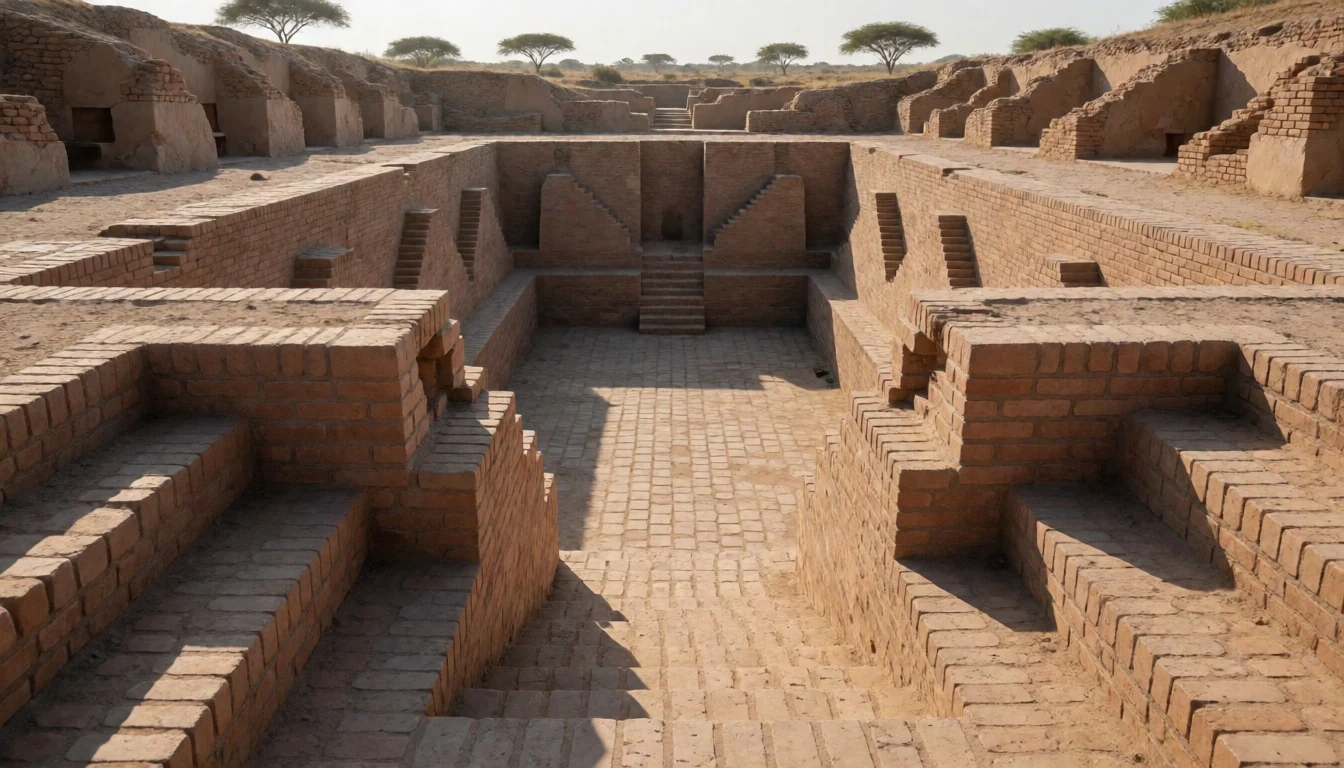
- The Great Hall
Identified by early excavators as a massive granary, this large building features ventilation channels designed to keep stored grain cool and dry, alongside what appears to be an elevated loading platform for carts hauling agricultural produce from the river plains.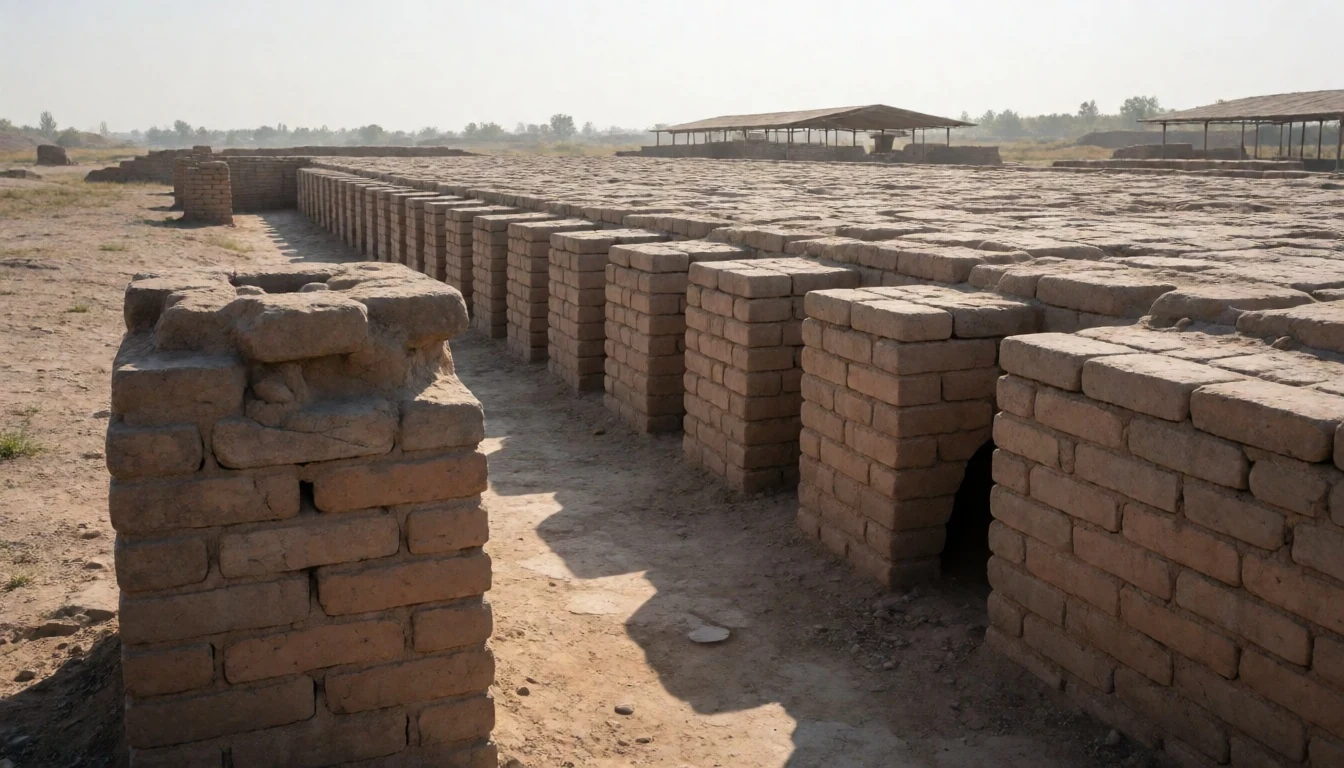
- Assembly Hall
Marked by sturdy brick pillars arranged across an open floor plan, this sizeable chamber is thought to have functioned as a public meeting place, council chamber, or gathering space for civic leaders and citizens to discuss community matters.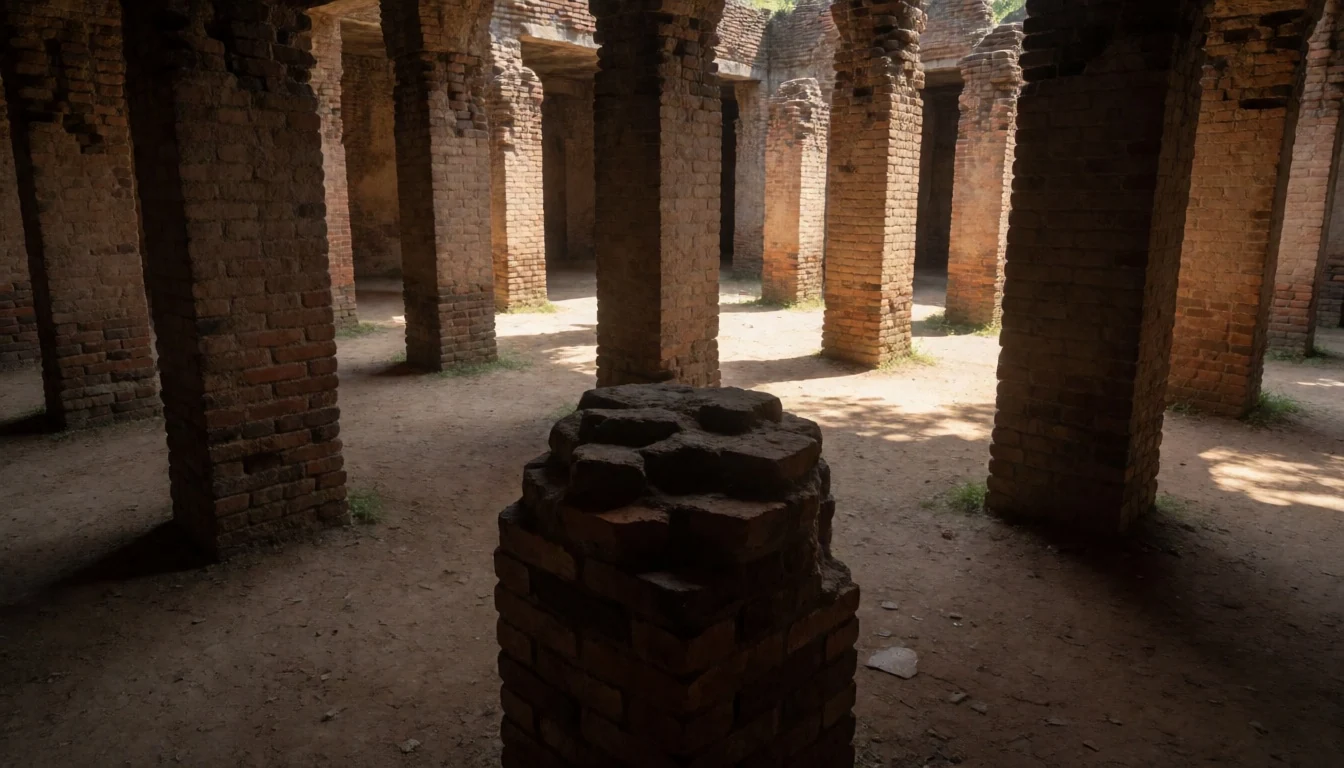
- Mohenjo-daro Archaeology Museum
Situated near the complex entrance, this museum houses an invaluable collection of artefacts unearthed during excavations, including terracotta toys, kitchen utensils, personal ornaments, stone sculptures, and the famous engraved steatite seals of the Indus civilisation.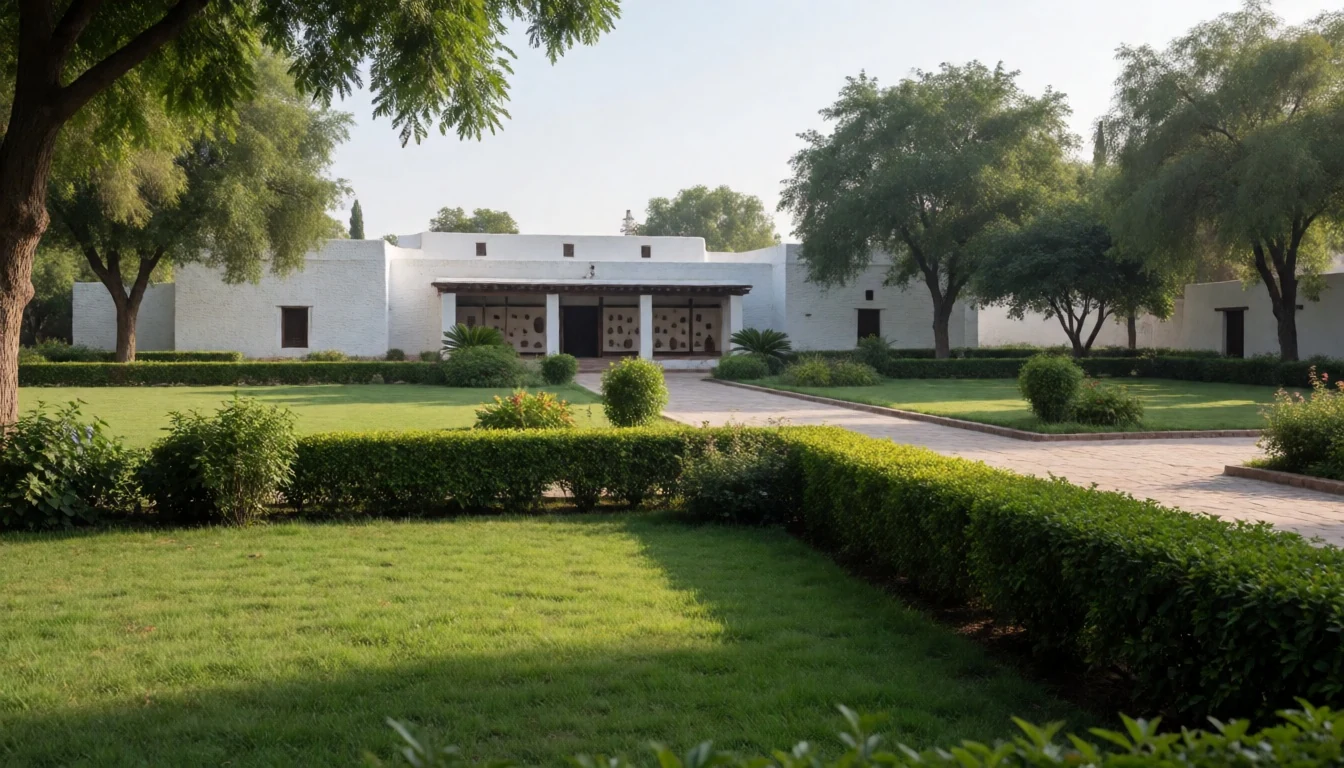
Culture
The cultural landscape around Mohenjo-daro is deeply rooted in rural Sindh, where traditional hospitality, agrarian rhythms, and regional folk customs define daily life. Visitors encountering local residents in nearby towns like Larkana and Dokri will find a society steeped in traditional Sindhi traditions, where textiles, handicrafts, and local music reflect centuries of cross-cultural exchange along the Indus river valley. Traditional Sindhi ajrak block-printed shawls and caps are widely worn by elders, embodying local pride and identity. People here are generally welcoming to curious travellers, though life moves at a traditional, unhurried pace that contrasts sharply with Pakistan's bustling metropolitan hubs. Because the archaeological site is located in a conservative rural district, visitors should be mindful of local cultural norms. Always dress modestly, ensuring shoulders and knees are covered, and seek polite permission before photographing local residents, particularly women and families visiting the ruins. Dress modestly with shoulders and knees covered when exploring the ruins and surrounding villages.
What to wear
Traditional attire across rural Sindh reflects practicality in extreme heat alongside rich textile traditions. Local men commonly wear loose cotton shalwar kameez paired with traditional Sindhi caps and wrapped ajrak stoles featuring deep crimson and indigo geometric block prints made from natural dyes. Women wear vibrant embroidered shalwar kameez or long skirts, often complemented by draped dupattas that serve as head coverings or sunshades. In everyday urban and semi-rural settings, lightweight cotton garments remain the standard choice for locals coping with intense temperatures. For travellers visiting Mohenjo-daro, practical utility is paramount. Lightweight, breathable cotton or linen clothing in pale, neutral colours is essential to reflect the fierce desert sun. Sturdy, closed-toe walking shoes or boots are vital for navigating the uneven, dusty brick pathways and rough ground of the ruins. A wide-brimmed hat, sunglasses, and a cotton scarf or shemagh are indispensable accessories to protect against blowing dust and scorching glare during outdoor exploration.
What to eat
- Site Rest-House Cafeteria — Archaeological rest-house compound
Located within the archaeological rest-house compound, this simple canteen welcomes any visitor looking for a hot meal, simple local dishes, and fresh tea without needing an overnight reservation.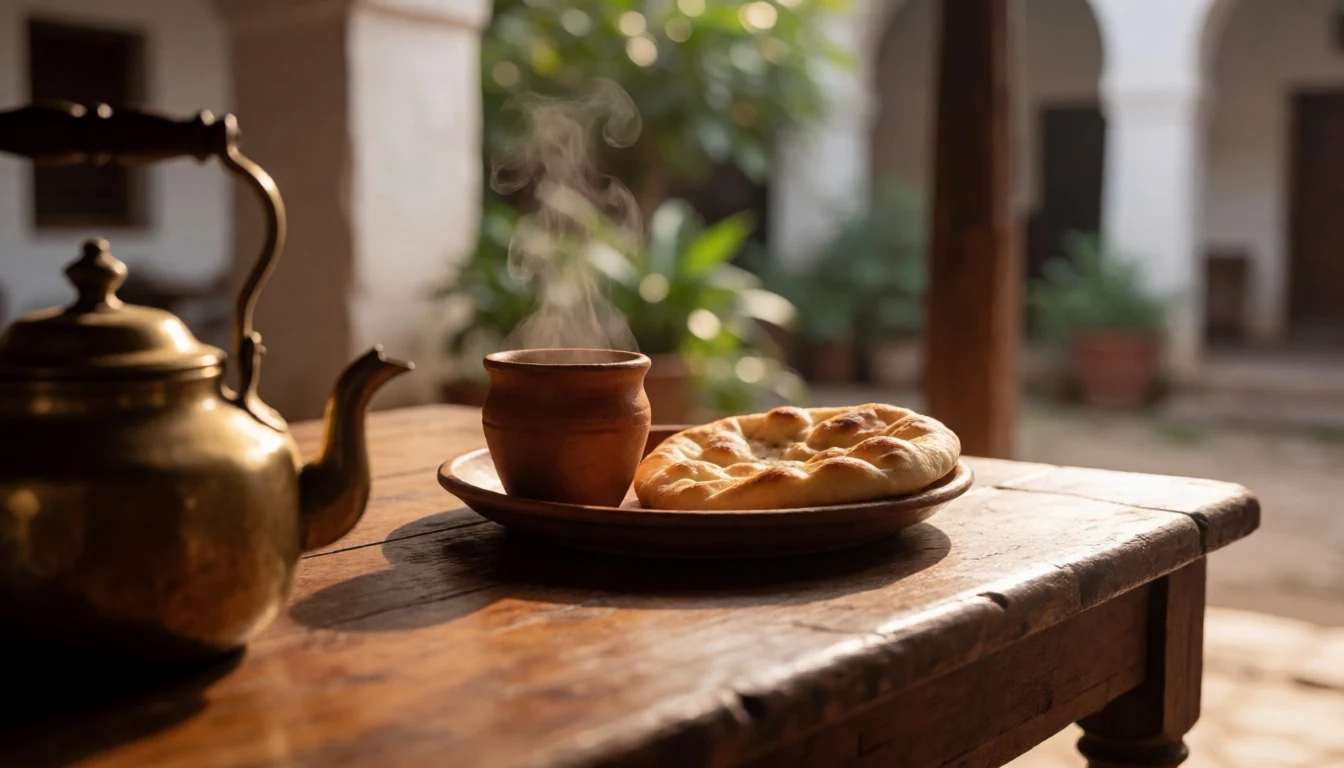
- Complex Open-Air Canteen — Near the site museum
Found near the museum building, this shaded outdoor spot offers a chance to rest on grassy lawns while enjoying bottled water, chilled soft drinks, and packaged light snacks after walking the ruins.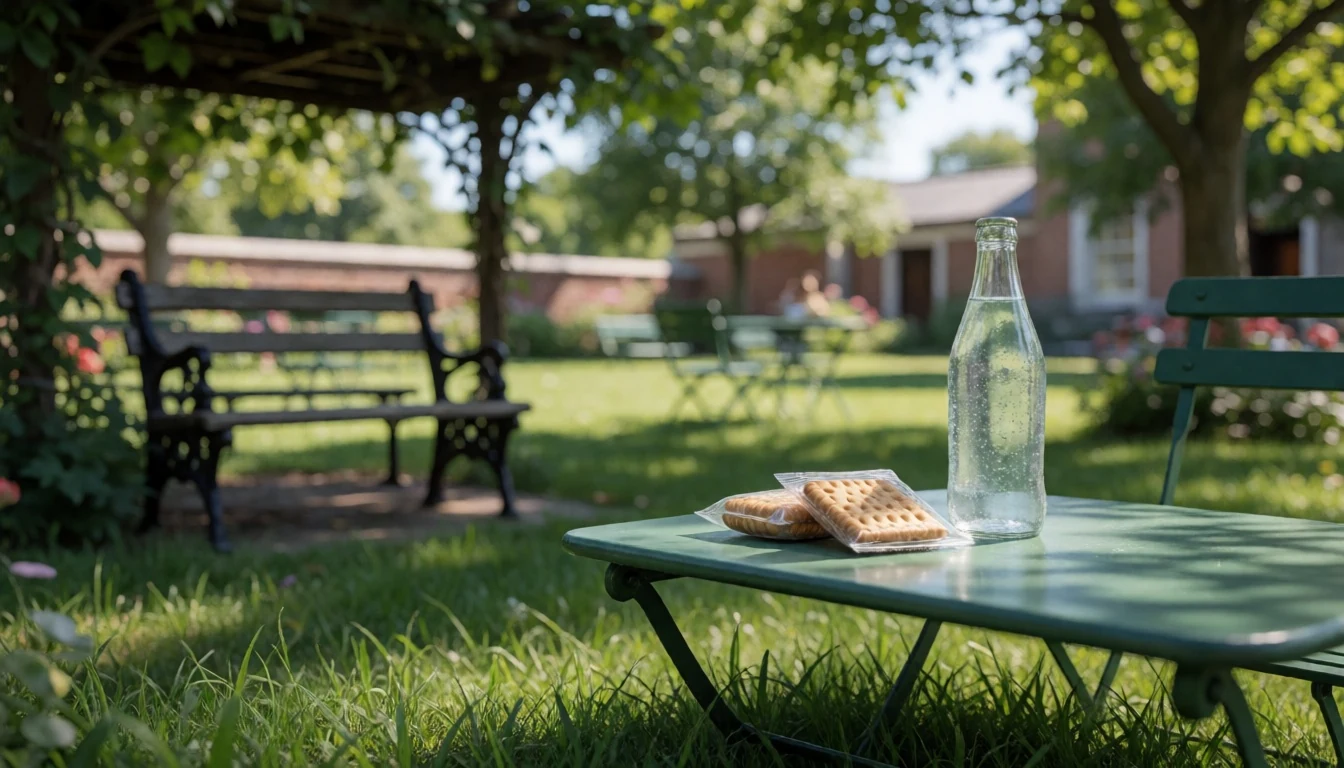
- Packaged Snacks and Cold Drinks — Throughout the archaeological complex
Wandering hawkers stationed around the archaeological paths sell bottled water, carbonated beverages, and simple packaged biscuits to help travellers maintain hydration. - Traditional Sindhi Thali — Local eateries in Larkana
In nearby Larkana town or local roadside eateries, hearty regional meals featuring spiced lentils, vegetable curries, flatbreads, and river fish provide an authentic taste of local home-style cooking.
Plan it
Best time. Visit between October and March to avoid the punishing summer heat, when daytime temperatures are mild and suitable for long outdoor walking.
How long. 1–2
Getting there. Fly from Karachi to Mohenjo-daro airport on scheduled domestic flights, or take the train to Dokri railway station and complete the final leg by road.
Budget. mid
Tips
- Arrive early in the morning before the sun reaches its peak intensity.
- Carry ample bottled water and electrolyte solutions to combat dehydration.
- Wear sturdy walking shoes suitable for rough, uneven brick surfaces.
- Hire a knowledgeable local site guide at the entrance to fully appreciate the complex layout.
Etiquette
- Dress modestly with shoulders and knees covered out of respect for local rural customs.
- Ask permission before taking photographs of local visitors and residents.
Nearby
Sources
- Wikidata Q5725 (CC0)
- Wikipedia (rev 1376909925) (CC-BY-SA 4.0)
- Wikivoyage (rev 5411320) (CC-BY-SA 4.0)