Golden Temple
Golden Temple, India
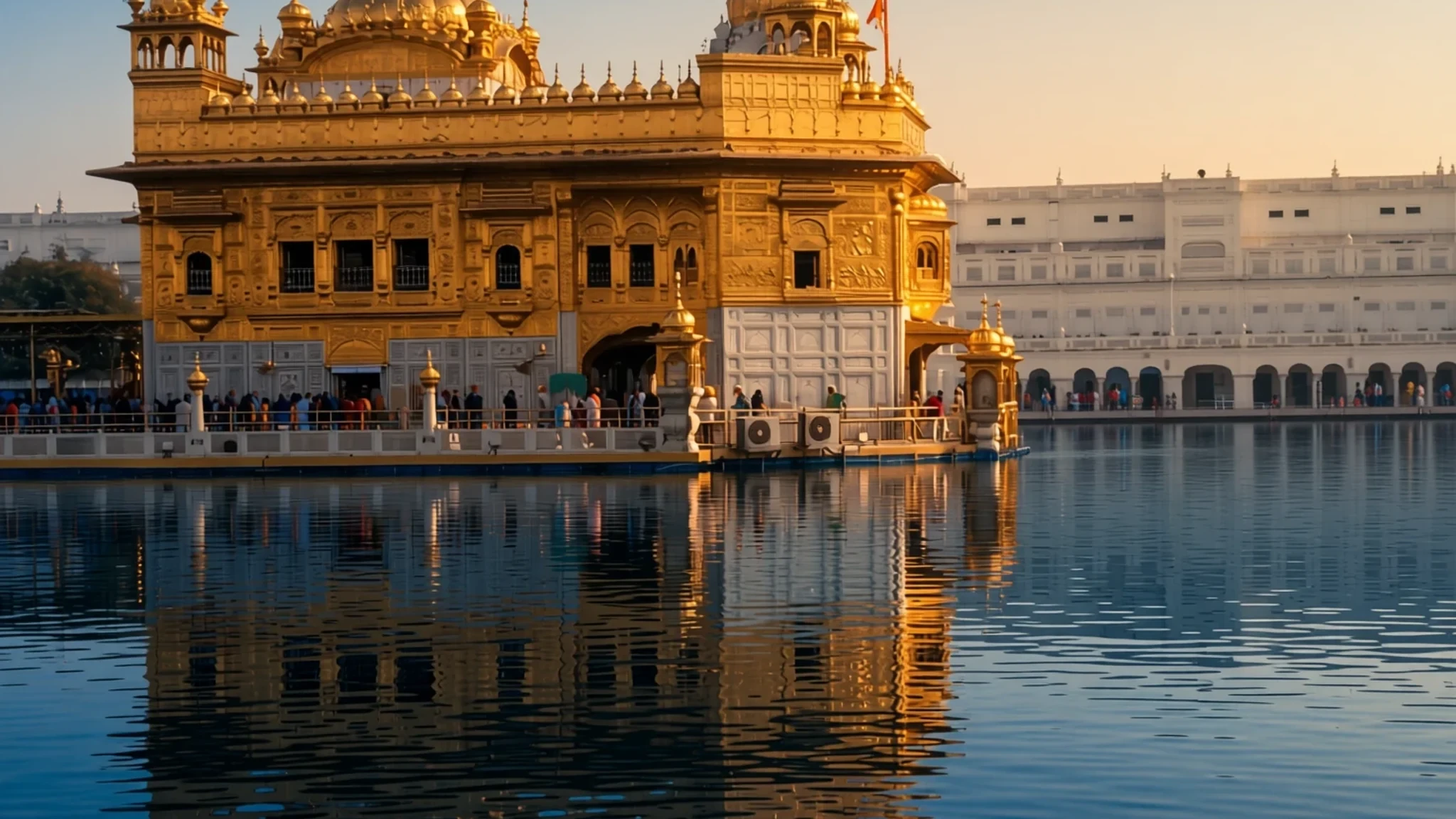
Visit the Golden Temple to experience a profound sanctuary of radical hospitality, shimmering architecture, and daily community service.
The place
The Golden Temple, known formally as Harmandir Sahib, stands in Amritsar, Punjab, India, as the pre-eminent spiritual core of Sikhism. Built upon a legacy of devotion, the complex centres around the Amrit Sarovar, a holy pool whose waters lap against the marble pathways and the gleaming sanctum sanctorum. Around this central pool, a collection of administrative and community buildings forms a living city within a city. Among these stands the Akal Takht, representing a primary seat of religious authority within the faith, alongside offices, a museum, and the immense community kitchen. Every day, countless people arrive at the Golden Temple to offer prayers, listen to continuous hymns, and partake in the shared life of the shrine. The layout encourages continuous movement, with pilgrims and travellers circulating clockwise around the water, pausing to absorb the quiet focus of those seated along the marble edge. Sunlight catches the gold-leafed copper plates of the upper storeys, casting a warm glow across the courtyards and reflecting endlessly in the pool below. Beyond the immediate enclosure, the surrounding streets pulse with local commerce, yet stepping through the gateways instantly hushes the outside noise, replacing it with the rhythmic cadence of devotional music and the gentle murmur of thousands of gathered voices sharing space without distinction of rank or background.
Its story
Reconstructing the history of the Golden Temple relies heavily on hagiographical Sikh literature, including the sakhi, mahima, gurbilas, and panth prakash genres, due to the scarcity of neutral contemporary records and the partial nature of surviving Persian accounts. These traditional Sikh texts lean toward the reverential, shaped by poets who prioritised theological meaning over dry chronicles. Mythological accounts trace the origins of the place far back into antiquity, linking the location to earlier religious traditions and legendary figures. One Puranic-style tradition describes the pool as an amrit kund, or reservoir of nectar, while other folklore connects the ground to ancient epics, suggesting that sacred rites were performed here long before the formal establishment of the gurdwara. Physical development of the site began when the fourth Sikh Guru, Guru Ram Das, completed excavation of the holy pool. Guru Arjan, the fifth Sikh Guru, subsequently shaped the architectural layout and oversaw the construction phases. In the early seventeenth century, Guru Arjan placed a copy of the Adi Granth inside the shrine, anchoring its spiritual identity. Over subsequent centuries, rulers, artists, and devotees contributed to the embellishment of the complex, covering the exterior in gilded metalwork and refining the marble causeways. Through periods of turbulence and rebuilding, the shrine retained its central role as an enduring symbol of resilience, egalitarian devotion, and spiritual refuge for all who approach its gates.
What to see
- Jallianwala Bagh — Near the Golden Temple complex
At Jallianwala Bagh in Amritsar, a public garden now commemorates a tragic colonial-era event where armed troops fired upon an unarmed assembly. Bullet marks remain visible on the old brick walls, preserved within a quiet memorial space that invites reflection on India's struggle for freedom.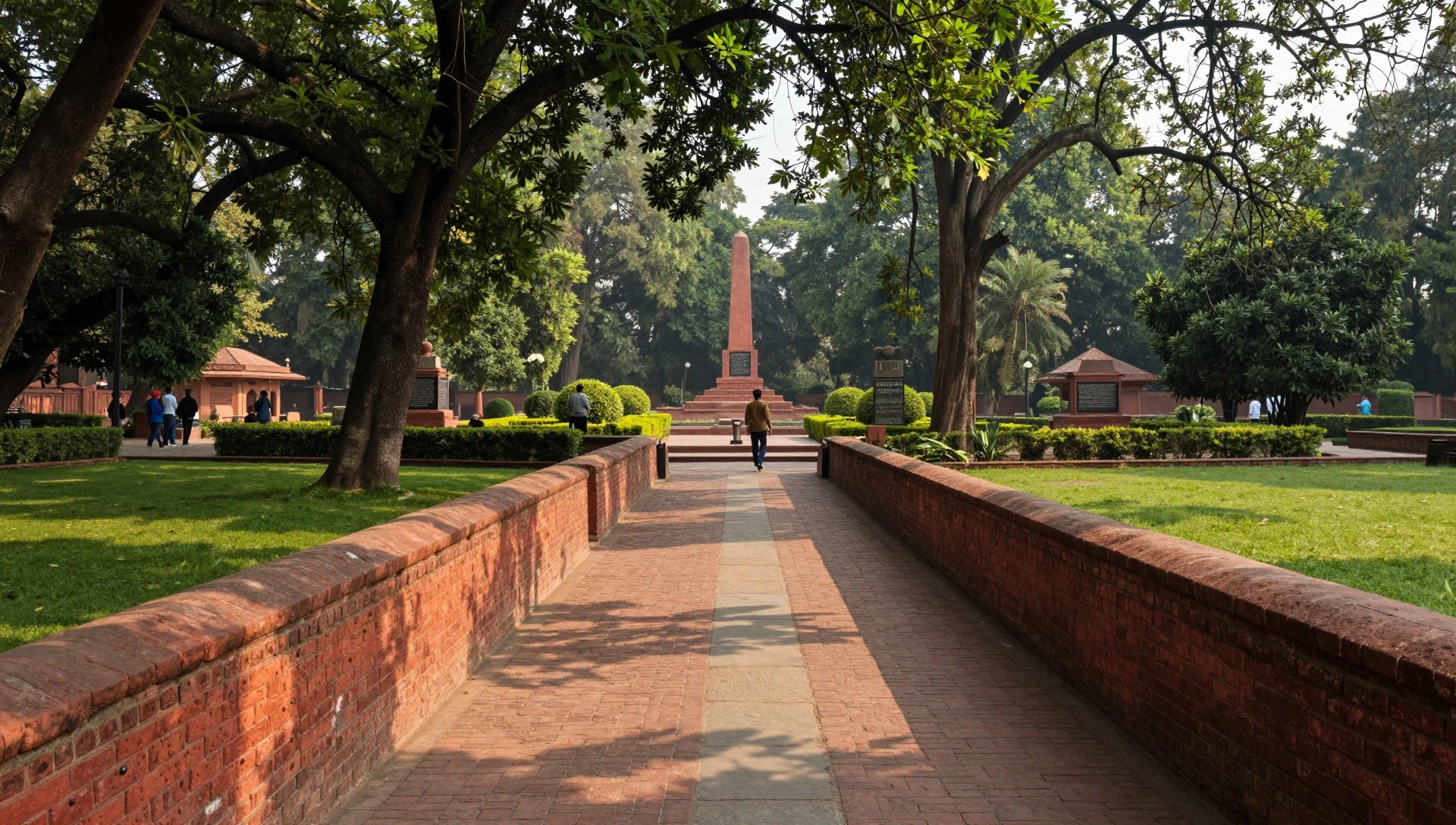
- Gobindgarh Fort — Northwest of the old city
Gobindgarh Fort stands as a substantial military structure established in the eighteenth century, constructed using traditional bricks and lime mortar. Once fortified with numerous cannons, the complex has transitioned into a cultural destination featuring museums, historical exhibits, and regular performances.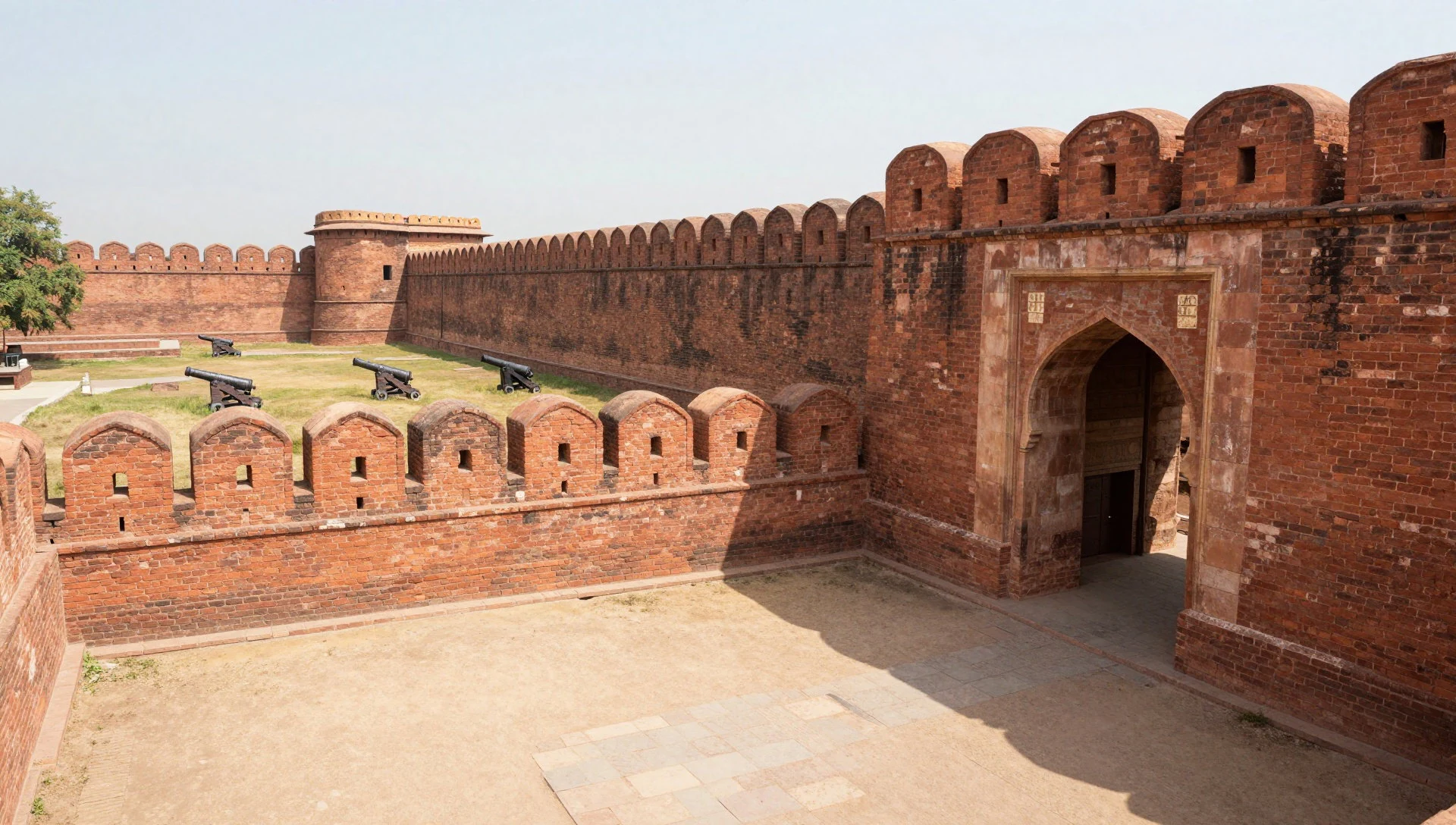
- Ram Bagh — Central Amritsar
Ram Bagh provides a leafy green retreat named in honour of the founder of Amritsar. Featuring manicured lawns and historic structures, the garden area preserves the memory of the city's early days and offers a peaceful alternative to the bustling commercial alleys outside.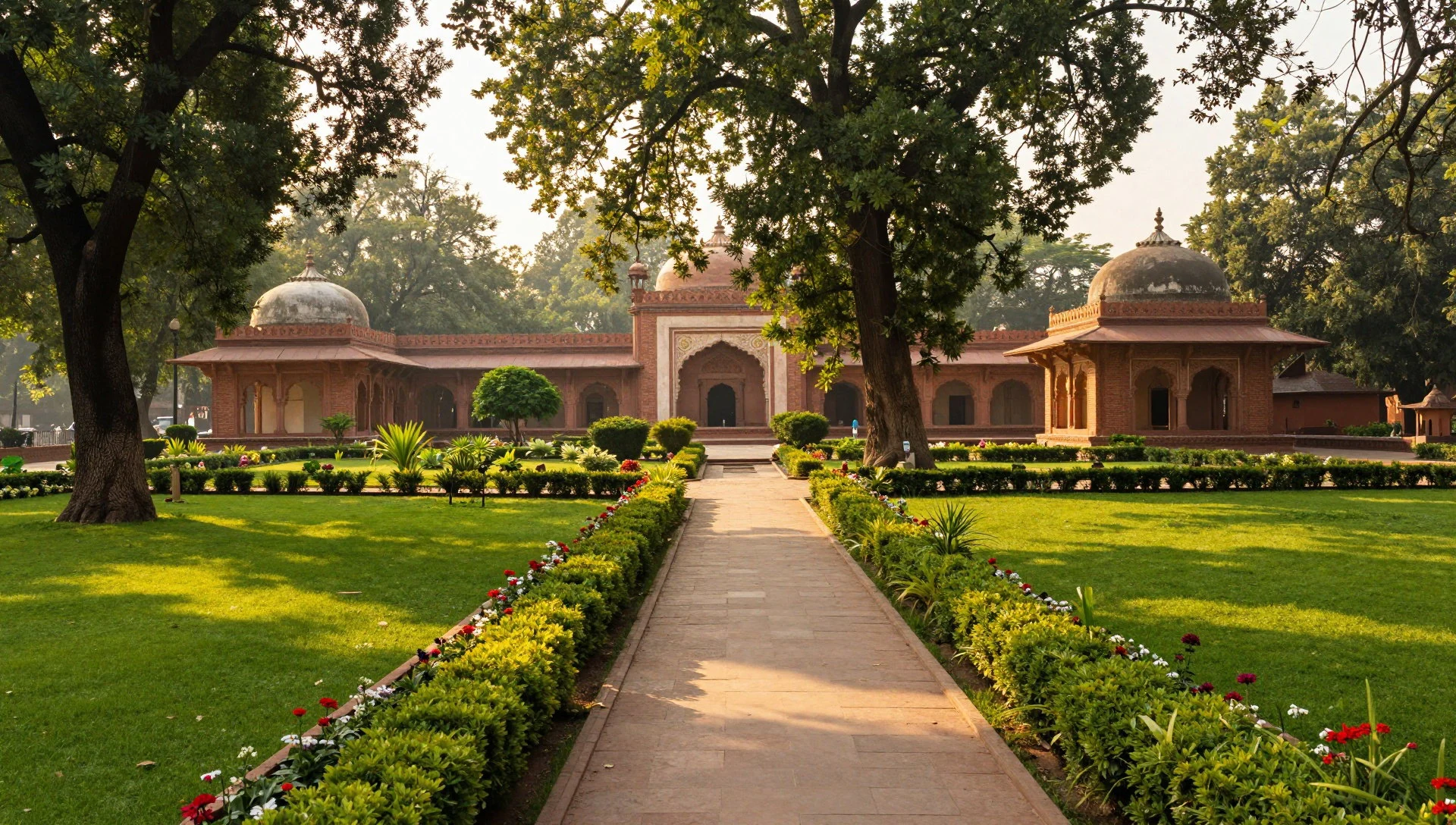
- Maharaja Ranjit Singh Museum — Inside Ram Bagh garden
Housed within the historic grounds of Ram Bagh, the Maharaja Ranjit Singh Museum displays artifacts, weaponry, and paintings connected to the Sikh Empire. Visitors can examine regional history through royal portraits, manuscripts, and traditional attire preserved from the nineteenth century.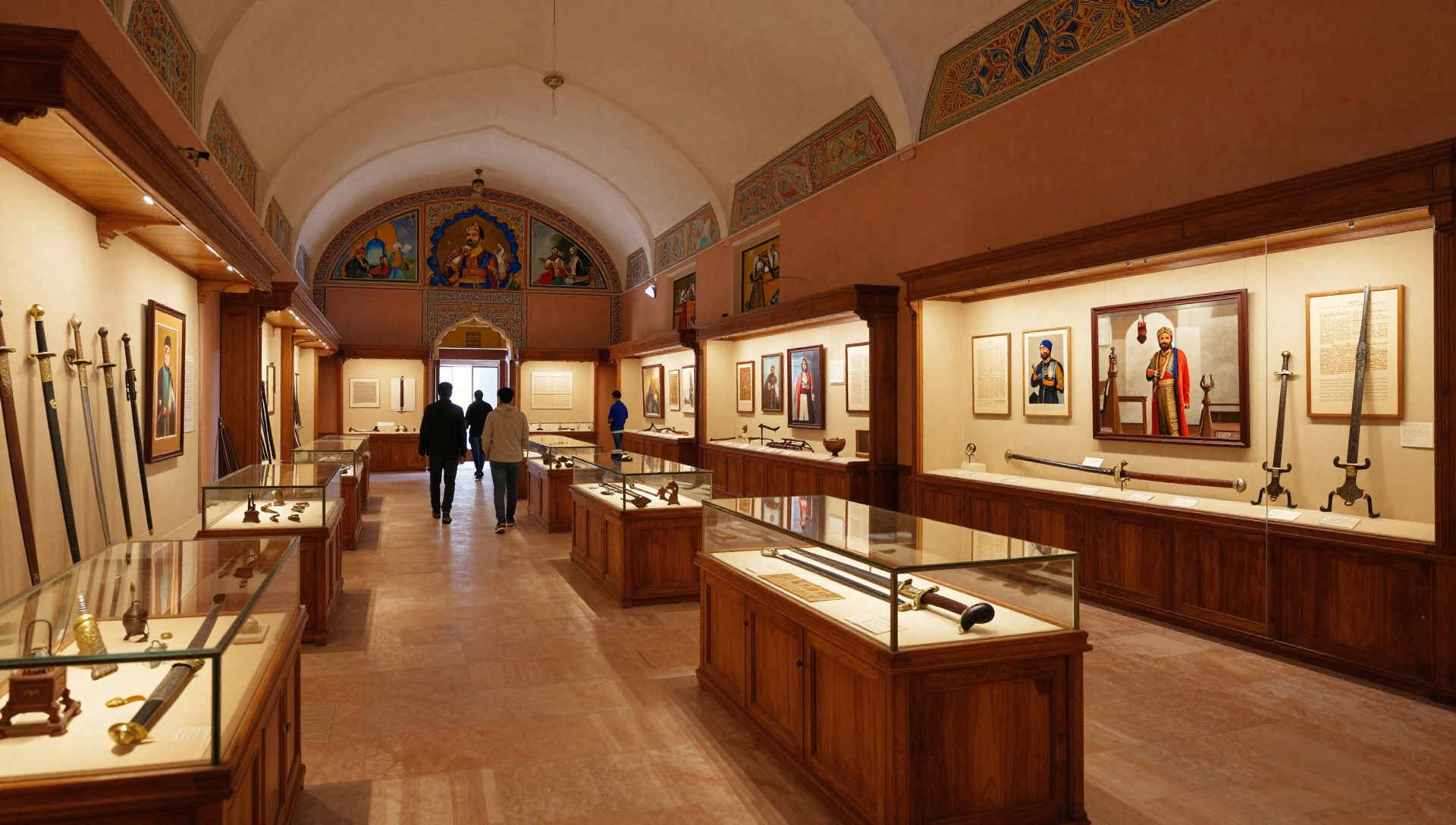
- Statue of Netaji — Civil Lines area
The Statue of Netaji honours Subhas Chandra Bose, a prominent figure in the Indian independence movement. Situated in a public square, the monument serves as a landmark for travellers navigating the urban pathways between the historic gardens and the central temple zone.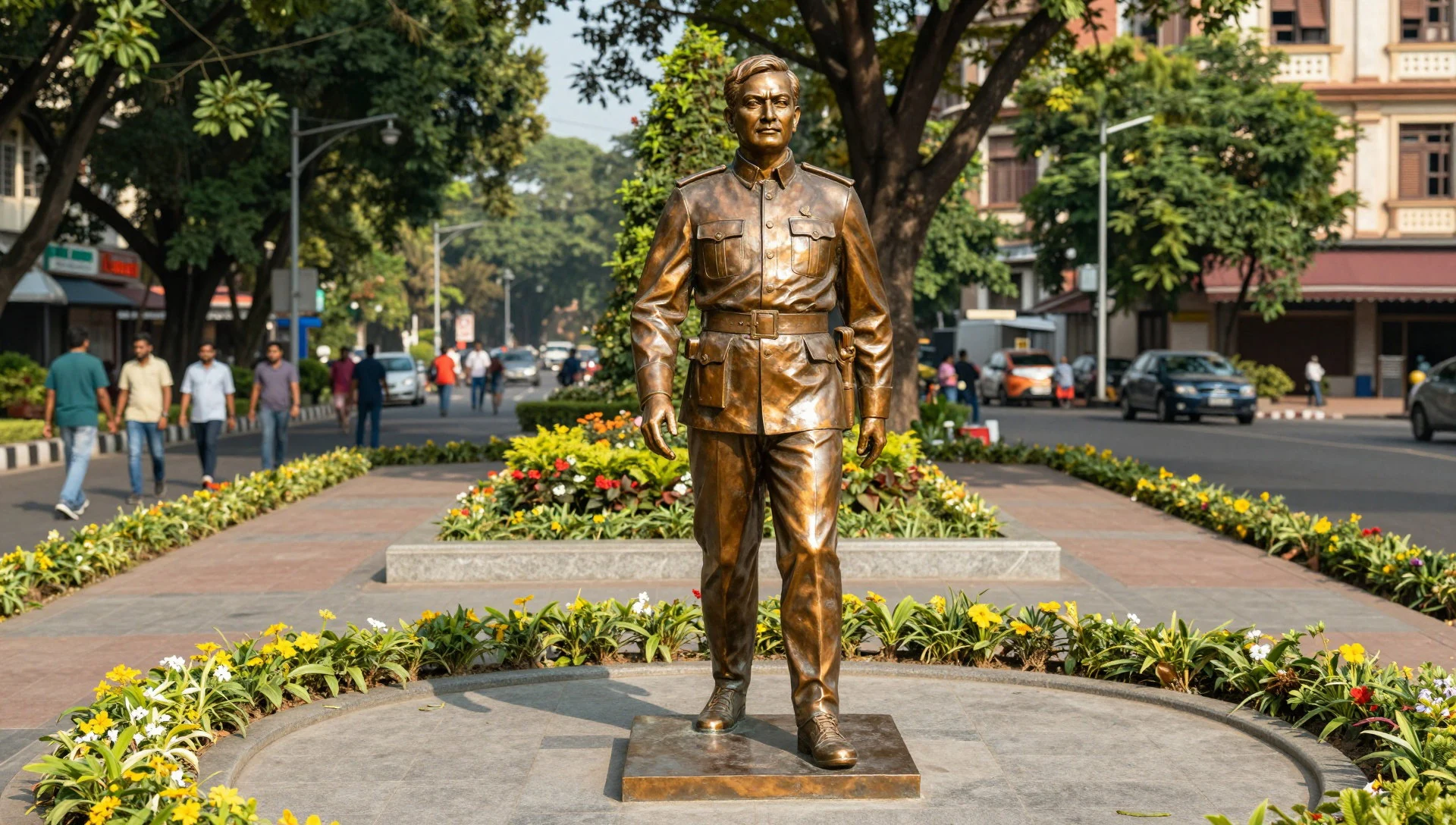
Culture
Culture around the Golden Temple is deeply rooted in Sikh values of equality, community service, and humility. Visitors experience an atmosphere where millions of meals are served daily without charge through the langar, breaking down social barriers as people sit side by side on the floor. Traditional Punjabi hospitality permeates every interaction, and volunteers work continuously to maintain the cleanliness of the marble courtyards and assist pilgrims. Respect for spiritual traditions governs daily life here, and behaviour within the precinct remains orderly and reflective. Dress codes are strictly observed across all visitors regardless of background, ensuring the sacred character of the site is maintained at all times. Both men and women must cover their heads with a scarf or cloth before stepping onto the temple grounds. Remove your shoes and socks at the designated depository and wash your feet in the flowing water channel before entering the complex.
What to wear
Fashion in Amritsar reflects a blend of traditional Punjabi attire and contemporary styles worn across northern India. Traditional dress for men often includes the kurta pajama, frequently paired with a turban that signifies faith and identity, while women traditionally wear the salwar kameez, a tunic paired with trousers and a flowing dupatta scarf. Textiles tend to be cotton for everyday comfort against the regional heat, while silks and heavier embroidered fabrics appear during festivals and ceremonies. Today, younger generations in the city readily adopt western casual wear such as jeans, shirts, and trousers for daily life, though traditional garments remain standard for family gatherings and religious observances. Visitors to the Golden Temple should choose modest attire that covers shoulders and knees, avoiding tight or revealing clothing. Because everyone must cover their head inside the shrine, carrying a light cotton scarf is practical, though simple headcoverings are also provided free of charge at the temple entrances.
What to eat
- Golden Temple Community Kitchen — Inside the Golden Temple complex
Experience the world's largest free community kitchen, serving simple vegetarian meals to all visitors regardless of background. Volunteers hand out plates and spoons near the entrance before guiding guests to sit in long rows on the hall floor.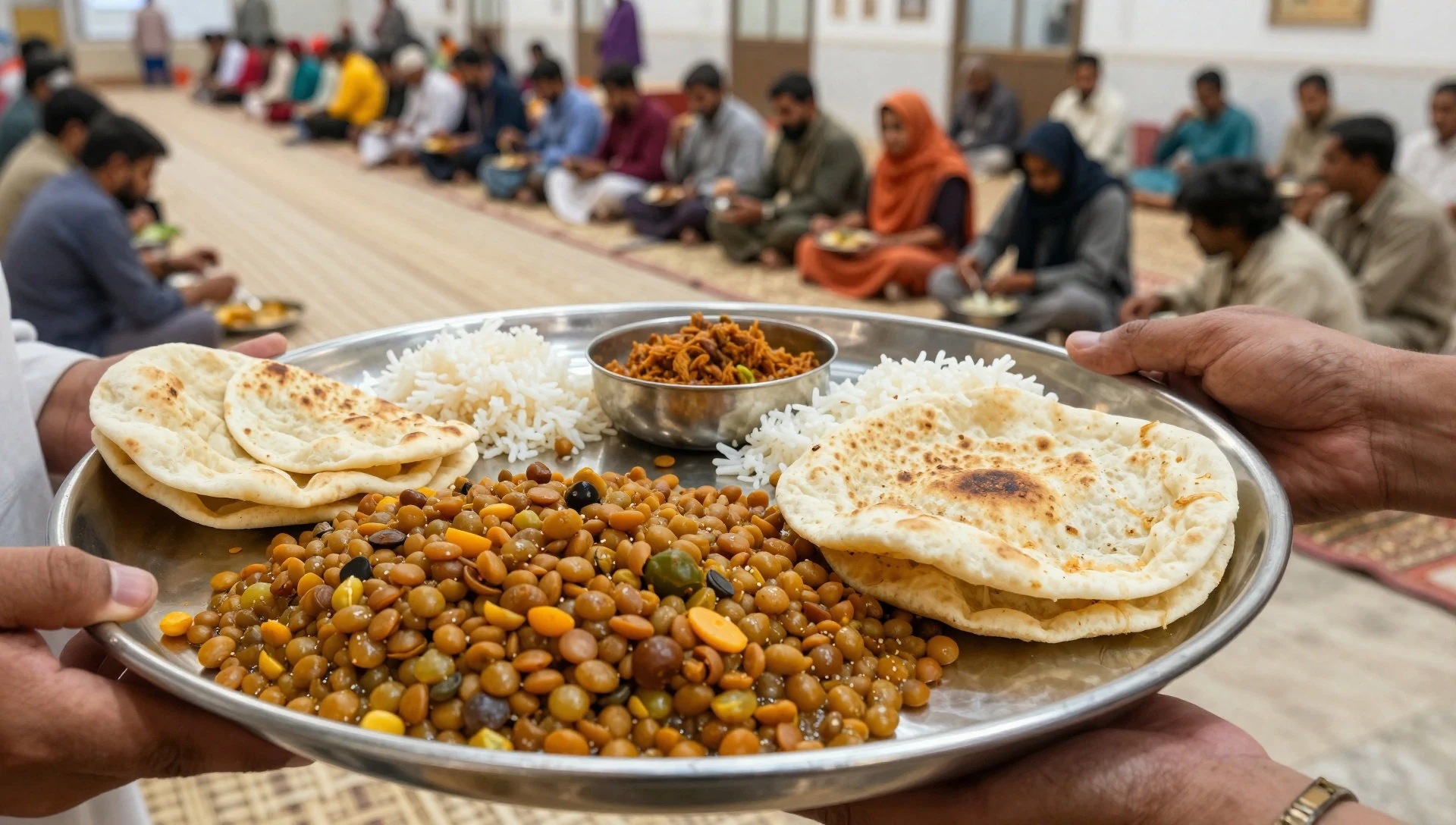
- Kesar da Dhaba — In the narrow lanes near Chowk Passian
A legendary eatery known for rich Punjabi dishes prepared with pure ghee. Their slow-cooked daal makhni is widely celebrated and draws diners from across the region.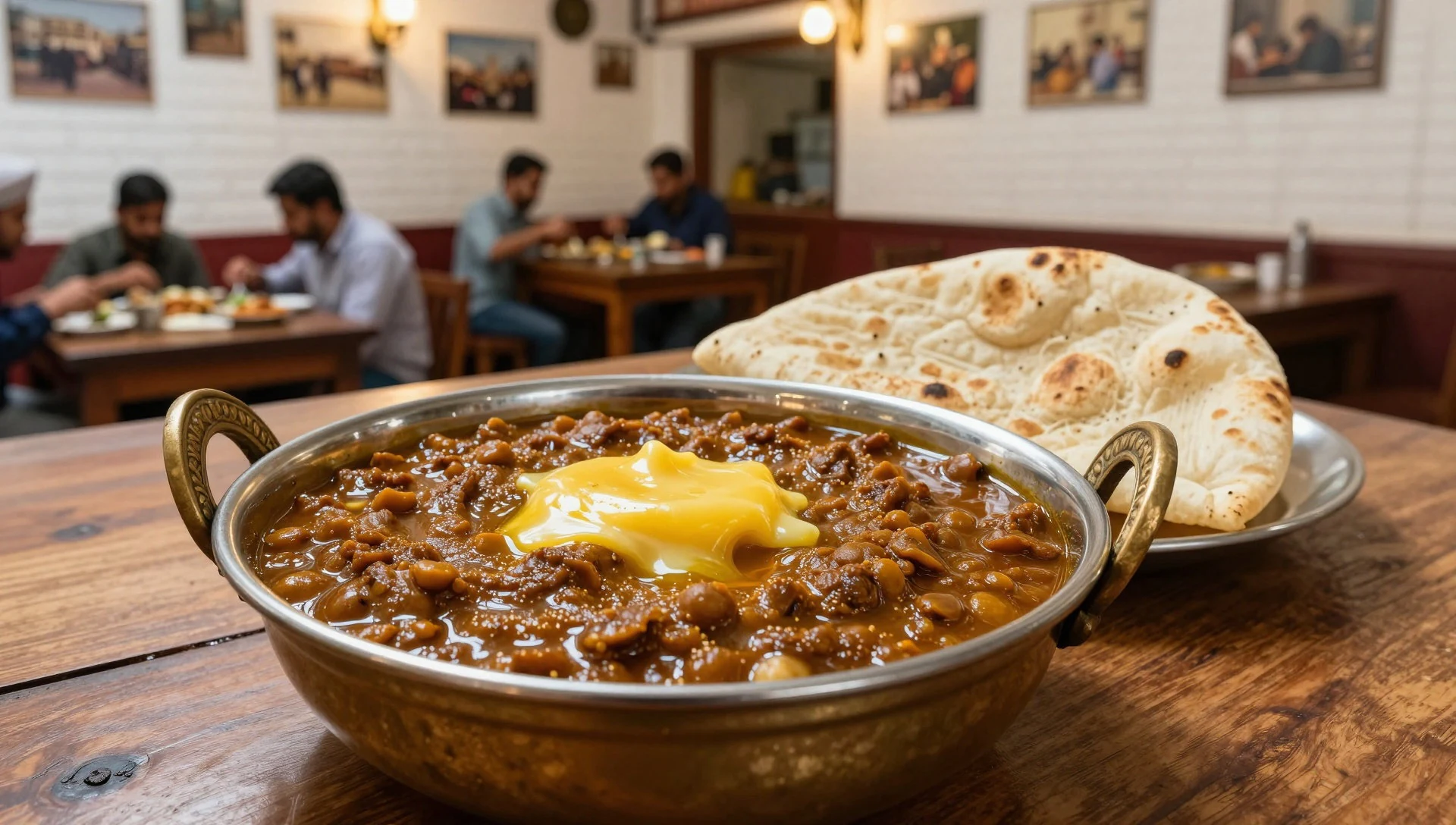
- Bharavan ka Dhaba — Near the town hall area
A popular local institution serving traditional vegetarian Punjabi food at accessible prices. It is an ideal spot to try stuffed parathas and creamy lassi after exploring the old city. - Bubby Dhaba — Steps away from the main temple entrance
Located just metres from the main entrance of the holy shrine, this small eatery offers authentic, comforting Punjabi meals in an unpretentious setting. - Charming Chicken — Majithia Road area
Established in the mid-twentieth century, this family restaurant is well-known for its spiced butter chicken and freshly baked naan served without alcohol.
Plan it
Best time. October to March offers the most comfortable weather, avoiding the intense summer heat of the plains.
How long. 2–3
Getting there. Fly into New Delhi and take a connecting flight or train to Amritsar, or arrive via international flights directly into Amritsar airport.
Budget. low
Tips
- Arrive early in the morning or late at night for a quieter, more contemplative atmosphere around the holy pool
- Keep your head covered at all times while within the gurdwara complex boundaries
- Carry small denominations of cash for local transport and market purchases
- Drink bottled water and stay hydrated, especially during the warmer months
Etiquette
- Remove your shoes and wash your feet before stepping onto the temple premises
- Refrain from smoking, consuming alcohol, or spitting anywhere near the shrine precinct
- Ask permission before photographing individuals worshipping closely within the courtyards
Nearby
Sources
- Wikidata Q180422 (CC0)
- Wikipedia (CC BY-SA 4.0)
- Wikivoyage (CC BY-SA 4.0)