Mitchell Falls
Mitchell Falls, Australia
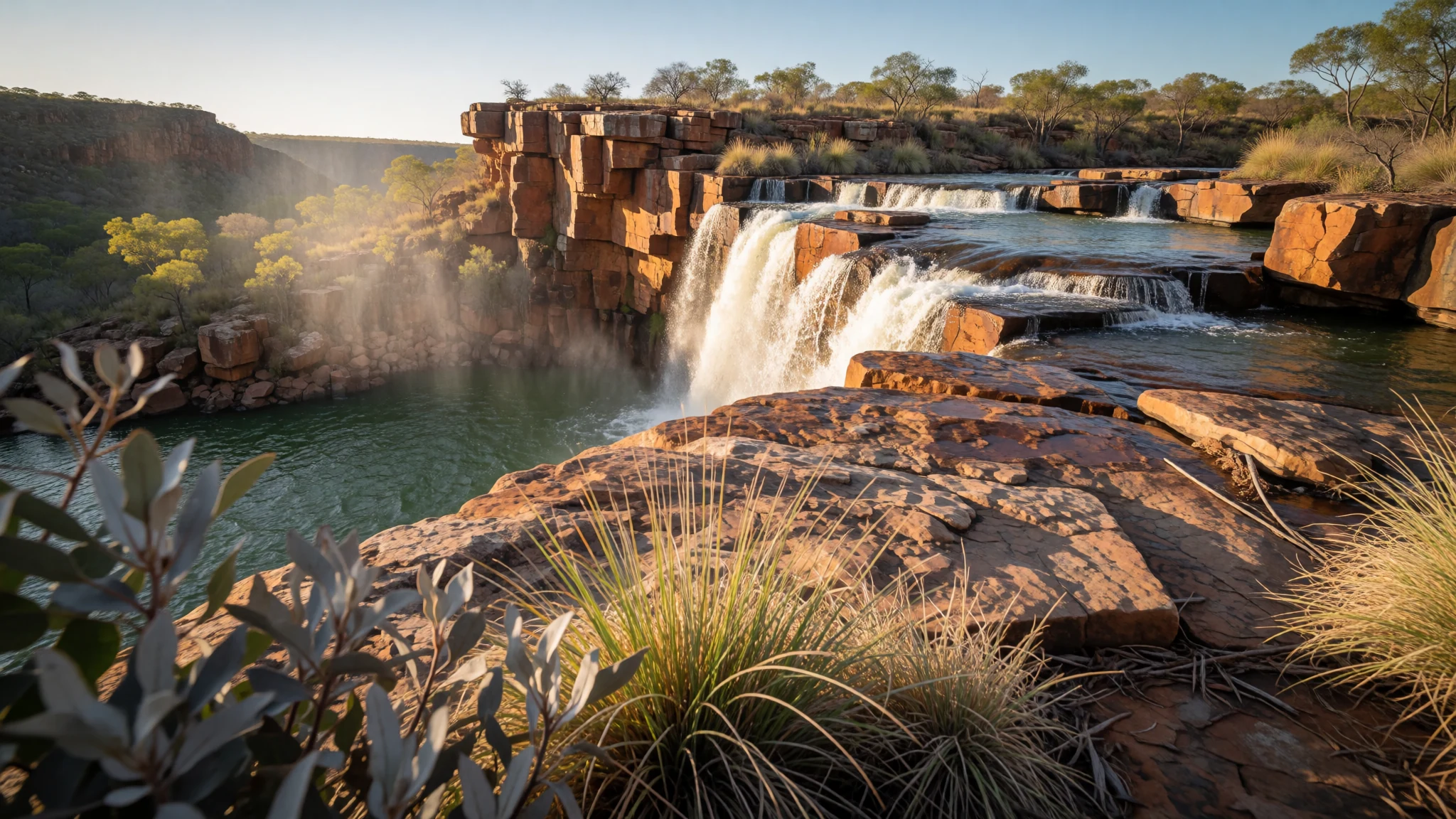
Journey to Mitchell Falls to witness a tiered, multi-step desert cascade plunging over iron-rich sandstone cliffs in the remote Kimberley.
The place
Mitchell Falls sits deep within the Mitchell River National Park, nestled in the rugged and isolated Kimberley region of Western Australia. The landscape here is defined by an ancient plateau composed primarily of King Leopold sandstone. Over immense stretches of time, flowing water has carved deep gullies, precipitous gorges, and dramatic escarpments into the stone. Because the rock contains high concentrations of iron oxides, the entire canyon walls and cliff faces glow with a rich, rust-orange hue that contrasts sharply with the surrounding greenery and the deep emerald pools below. The waterfall itself is a striking multi-tiered cascade, dropping in four distinct stages before the river continues its northward journey through a narrow, winding gorge. Surrounding this dramatic water feature is an expansive wilderness of sparse vegetation, rocky outcrops, and untouched bushland. Reaching the site requires traversing unsealed tracks that demand careful planning and respect for the harsh environment. Despite the considerable journey involved in getting here, the reward is an encounter with one of Australia's most impressive and remote natural spectacles, far removed from any urban centre. The vast distances and sheer isolation typical of this territory mean that visitors often share the space with little more than the sounds of rushing water and native wildlife.
Its story
At Mitchell Falls, the physical landscape is inseparable from an ancient human heritage. The traditional custodians of this sacred land are the Wunambal Gaambera people, whose connection to the river and the surrounding plateau spans many millennia. For generations beyond count, Indigenous custodians have cared for these country estates, passing down intricate knowledge of the seasonal changes, sacred sites, and Dreaming stories that animate every gorge and pool. Rock art sites hidden throughout the region bear silent witness to this unbroken occupation, recording spiritual beliefs and interactions with native fauna. In more recent times, the region has attracted adventurous travellers seeking to experience the raw, untamed nature of Australia's far north. Yet the history of Mitchell Falls remains anchored in the stewardship of its original owners, whose cultural landscape was shaped long before modern maps existed. Discussions surrounding land rights, traditional custodianship, and conservation continue to shape how visitors experience the Kimberley. When travellers walk these ancient tracks or gaze down at the tiered cascades, they are moving through a living cultural landscape where every stone and stream holds profound significance. Respecting this heritage is essential for anyone who makes the long overland or aerial trek into this remote corner of Western Australia, ensuring that the stories of the land remain honored and protected for future generations to come.
What to see
- Mitchell River National Park Gorge — Mitchell River National Park
Explore the rugged gorge systems carved by the Mitchell River as it flows past the falls. The towering sandstone walls reveal millions of years of geological history, displaying striking orange bands and supporting resilient pockets of monsoon forest clinging to the damp cliff bases.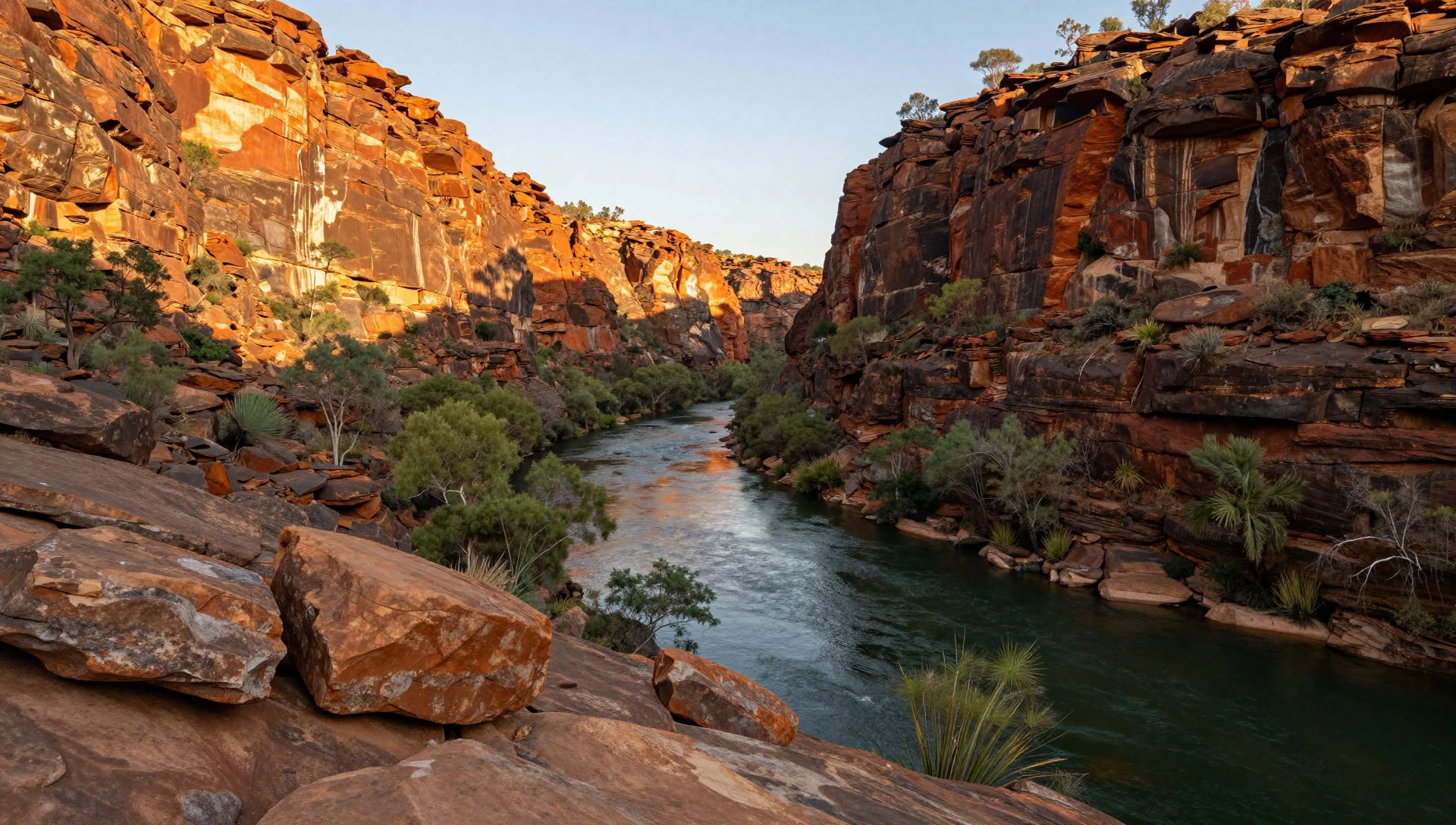
- Ningaloo Reef — Coral Bay coast
Situated along the coast near Coral Bay, this world-class marine sanctuary offers pristine coral gardens relatively unspoilt by mass tourism. Snorkellers and divers here enjoy exceptional opportunities to swim alongside majestic marine life, including seasonal visits from gentle whale sharks in turquoise waters.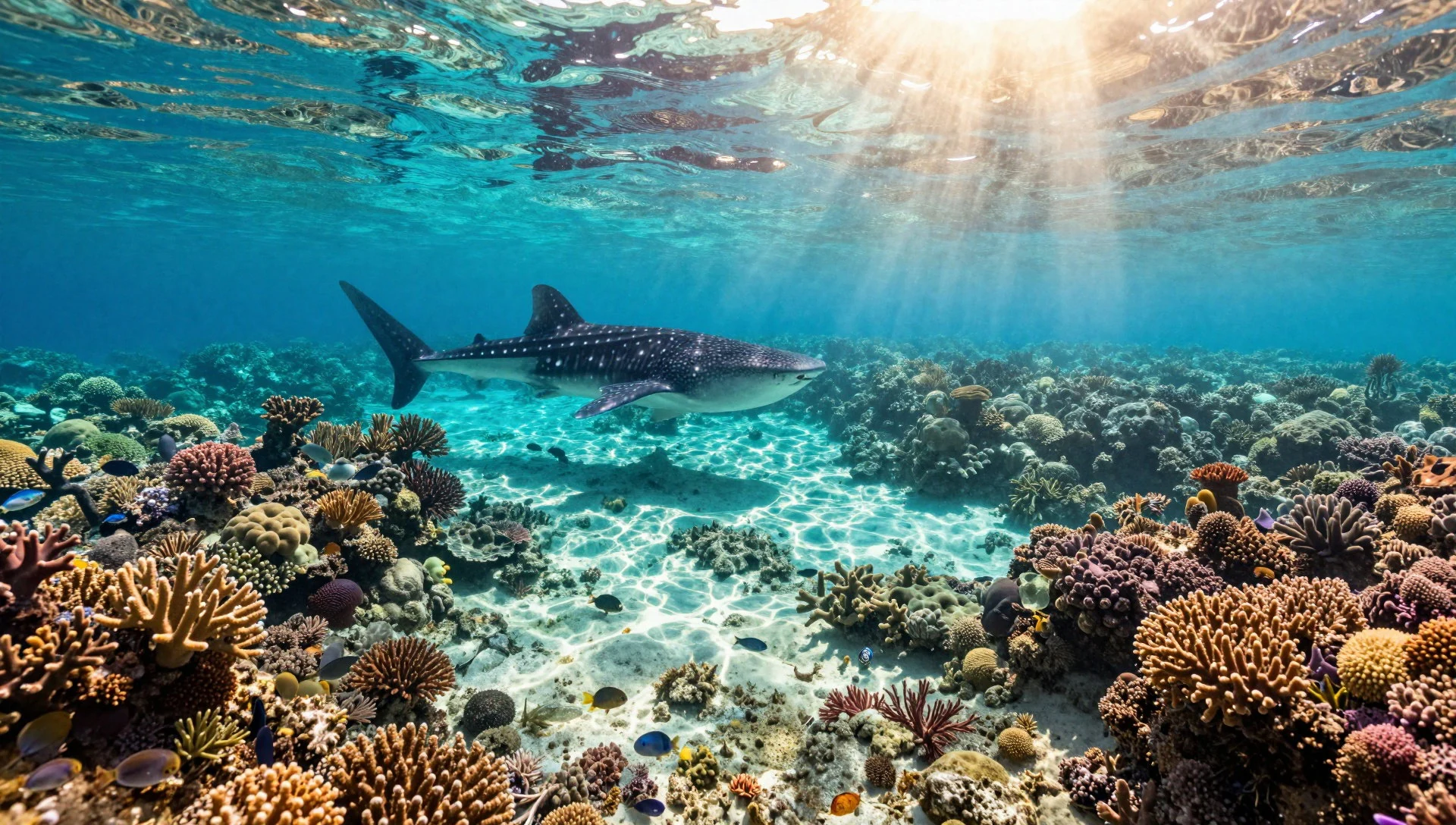
- Rottnest Island Caves — Offshore from Perth
Located just off the coast near Perth, this protected island reserve features fascinating underwater caves and limestone formations. Visitors can explore the rugged coastline, cycle past salt lakes, and discover hidden coves carved by the relentless motion of the Indian Ocean tides.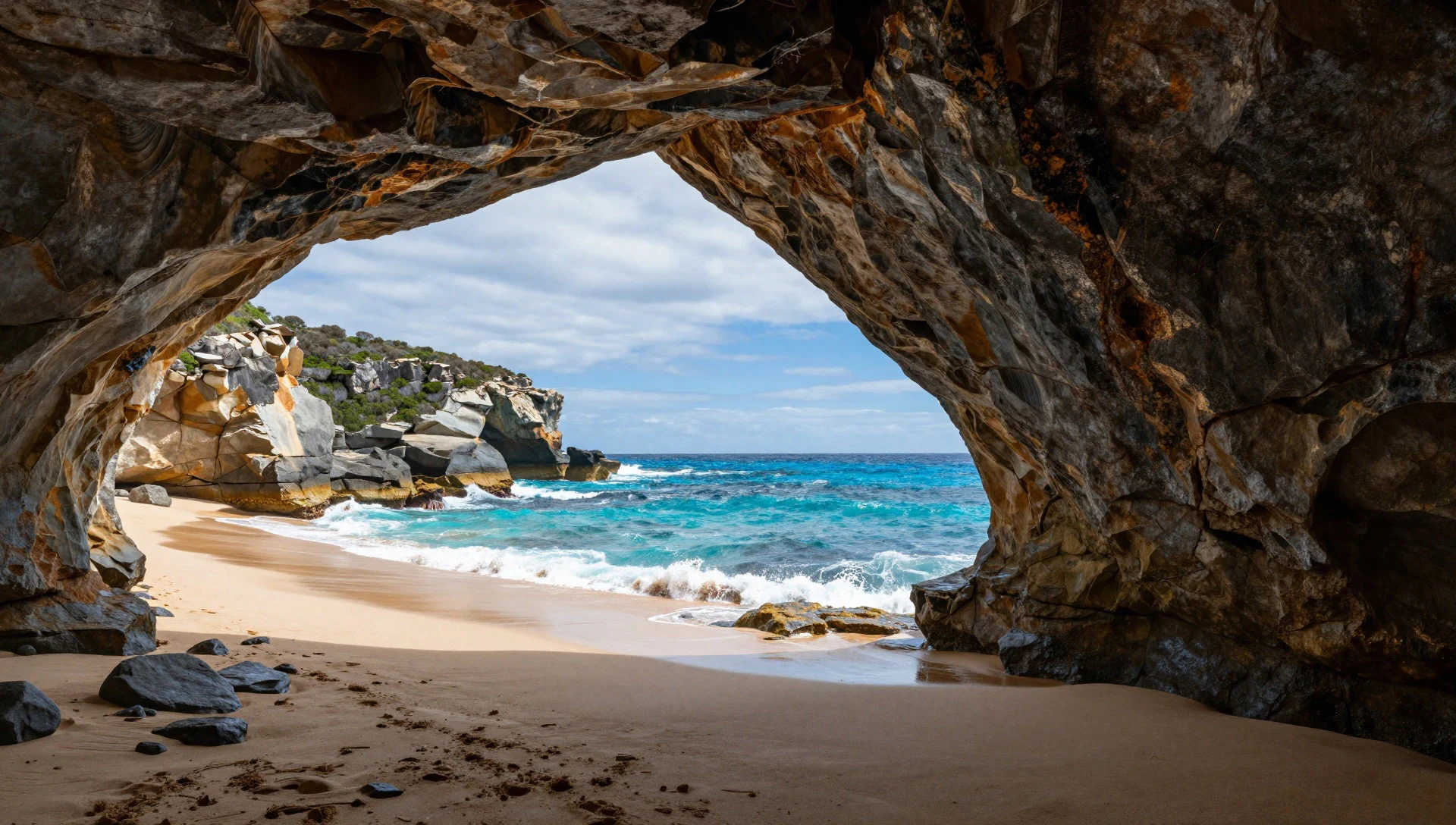
- Cable Beach — Broome
Find iconic white sands and warm tropical waters along this famous coastal stretch in Broome. The massive tides sweep the shore clean every single day, creating a vast reflective expanse. Note that swimming here is restricted during the warmer months due to marine stingers.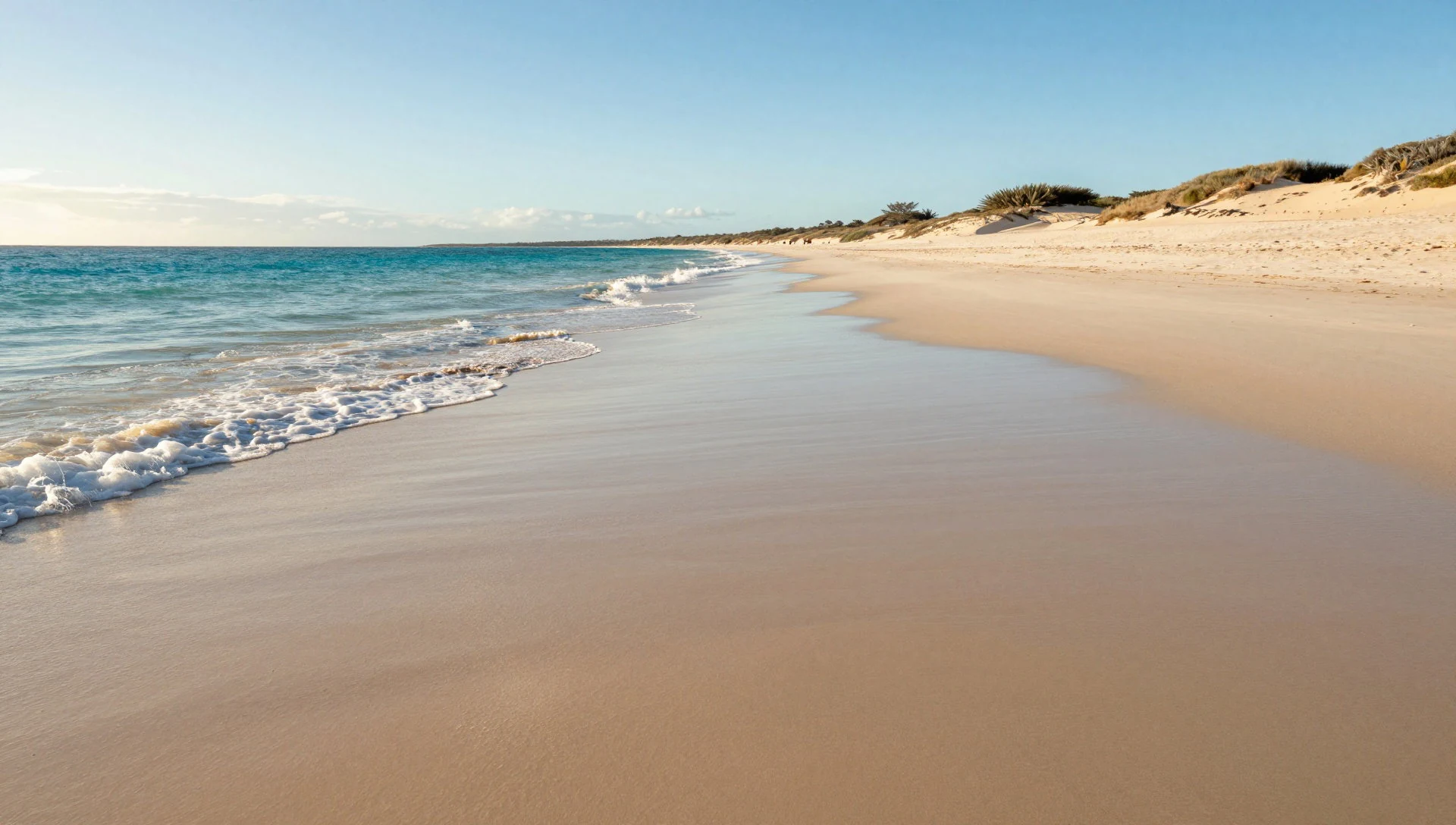
- Lake Argyle — Kununurra area
Discover one of the country's largest artificial inland water bodies near Kununurra. Surrounded by weathered red hills, the sprawling lake is home to thousands of freshwater crocodiles and offers tranquil boat cruises across a vast expanse of shimmering blue water framed by ancient ranges.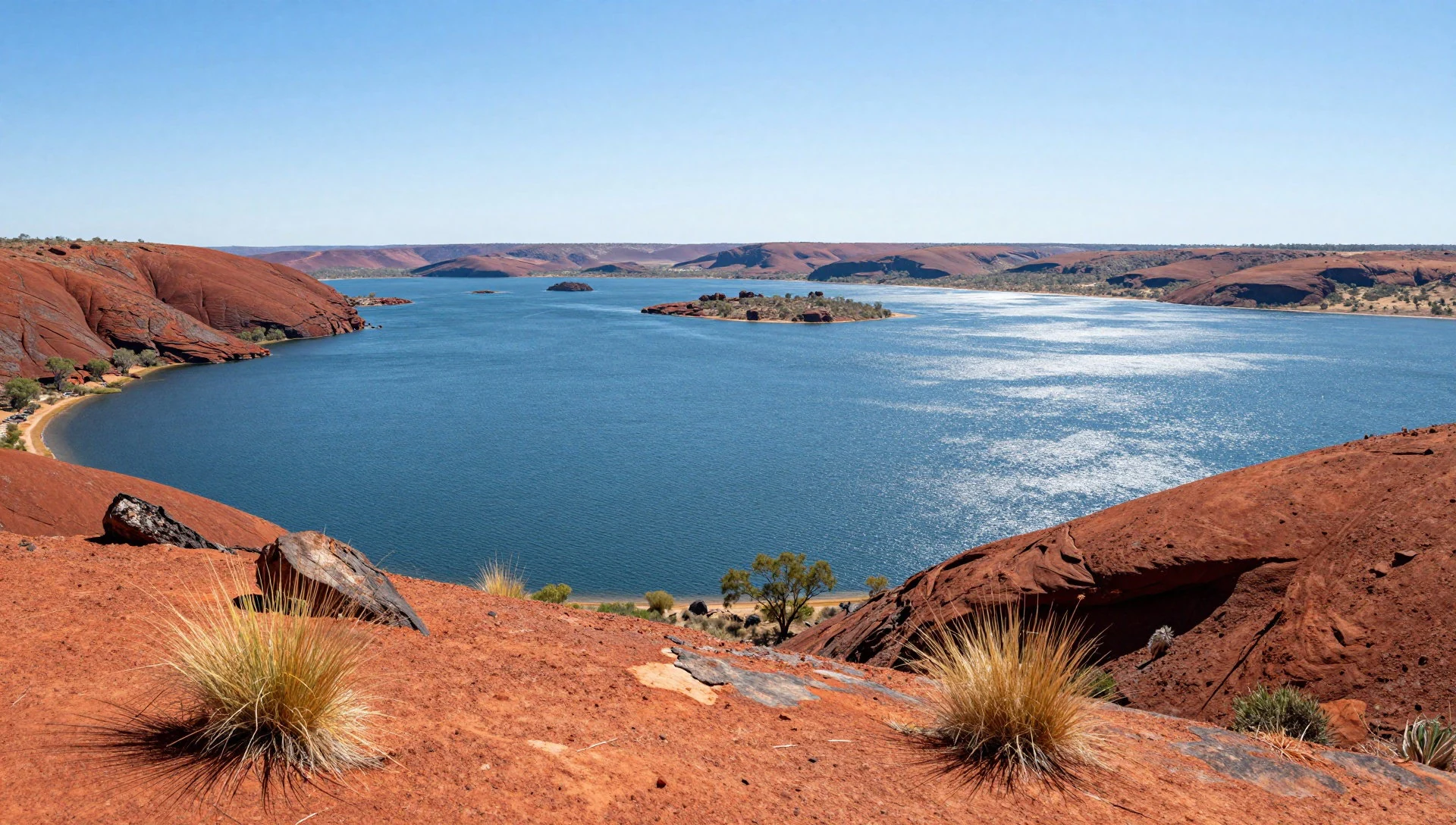
Culture
Culture around Mitchell Falls and the wider Kimberley is deeply intertwined with Indigenous custodianship and the realities of remote outback life. Traditional owners maintain a powerful spiritual relationship with the land, managing country through ancient knowledge systems that govern fire, water, and wildlife. In contrast, modern regional towns and pastoral stations reflect a pioneering spirit forged in extreme isolation, where communities rely on self-reliance and mutual assistance. Contemporary discussions across Western Australia frequently centre on balancing resource extraction with the preservation of sacred Indigenous sites and fragile ecosystems. Visitors travelling through these remote areas encounter a welcoming outback hospitality, tempered by a profound awareness of nature's power. Travellers should always seek permission or guidance when accessing culturally sensitive areas, respecting that many rocky outcrops and waterholes carry sacred law that must not be disturbed or photographed without proper consultation.
What to wear
Outback style around Mitchell Falls is entirely practical, driven by the intense tropical heat, rugged terrain, and glaring sun. Traditional attire among the Wunambal Gaambera people historically utilized natural materials and body adornment suited to the tropical north, whilst contemporary locals and outback workers opt for durable, sun-protective clothing. For visitors navigating the rocky trails and dusty red tracks leading to the waterfall, proper gear is essential. Essential wear includes lightweight, breathable long-sleeve shirts and trousers to protect against sunburn and spinifex grass, sturdy and well-worn hiking boots with good ankle support for the uneven sandstone surfaces, and a wide-brimmed hat. Polarised sunglasses are crucial against the fierce glare bouncing off the iron-rich rocks, and a sturdy daypack carrying ample water is mandatory. In regional settlements and coastal towns, casual resort wear is standard, but modest clothing that covers shoulders and knees is appreciated when visiting remote Indigenous communities or culturally sensitive areas.
What to eat
- Outback Roadhouse Burgers — Remote outback roadhouses
Hearty, substantial hot meals served at remote roadhouses scattered along major outback routes. These roadside stops provide classic beef burgers, toasted sandwiches, and comforting hot fare designed to fuel travellers tackling the vast distances between distant settlements.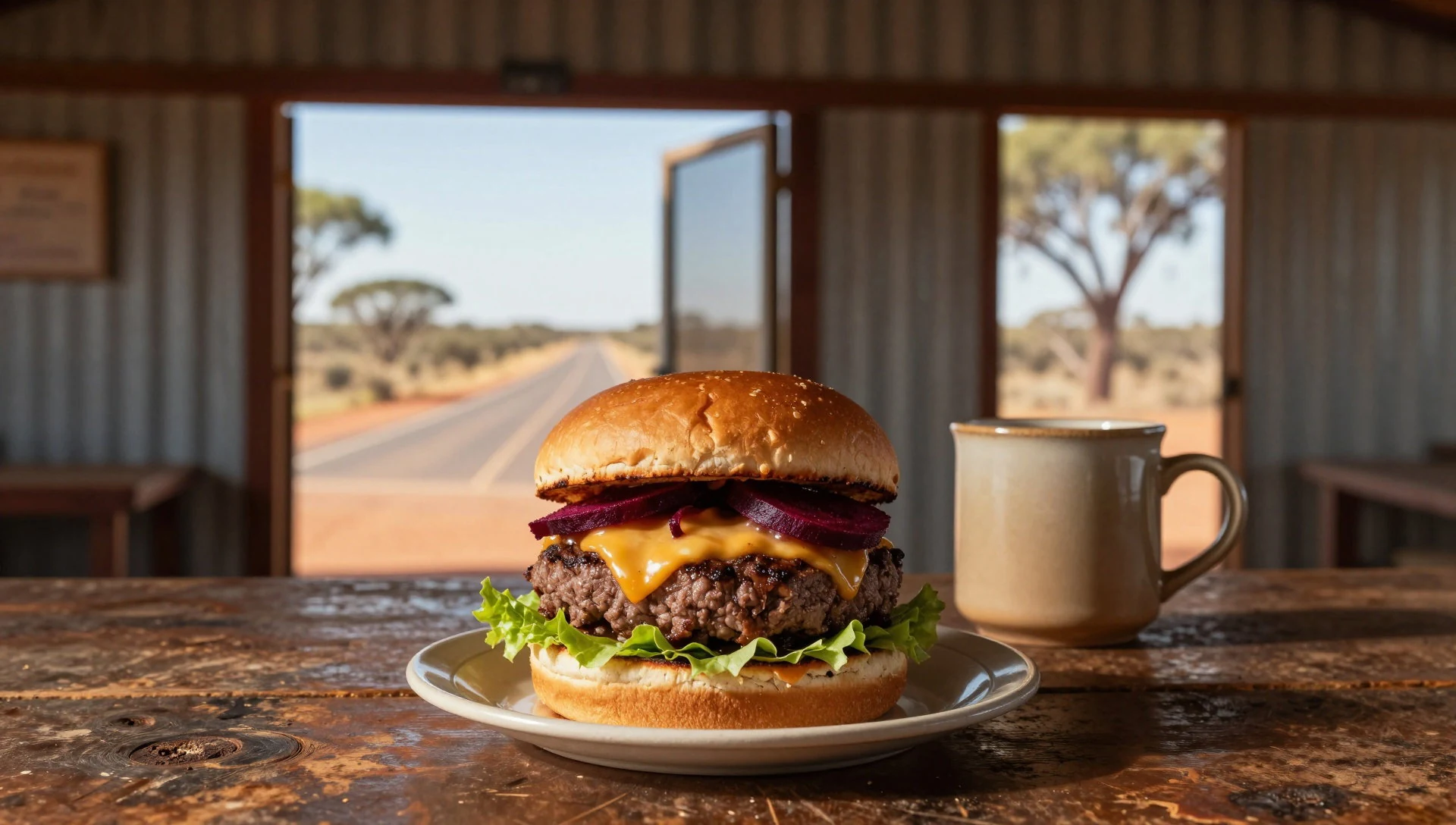
- Freshwater Marron — South-western waterways and local farms
A prized native freshwater crustacean found in the waterways and dams of the state's south. Featuring delicate, sweet meat quite distinct from saltwater species, it is traditionally caught with a simple trap and boiled up fresh over an open campfire.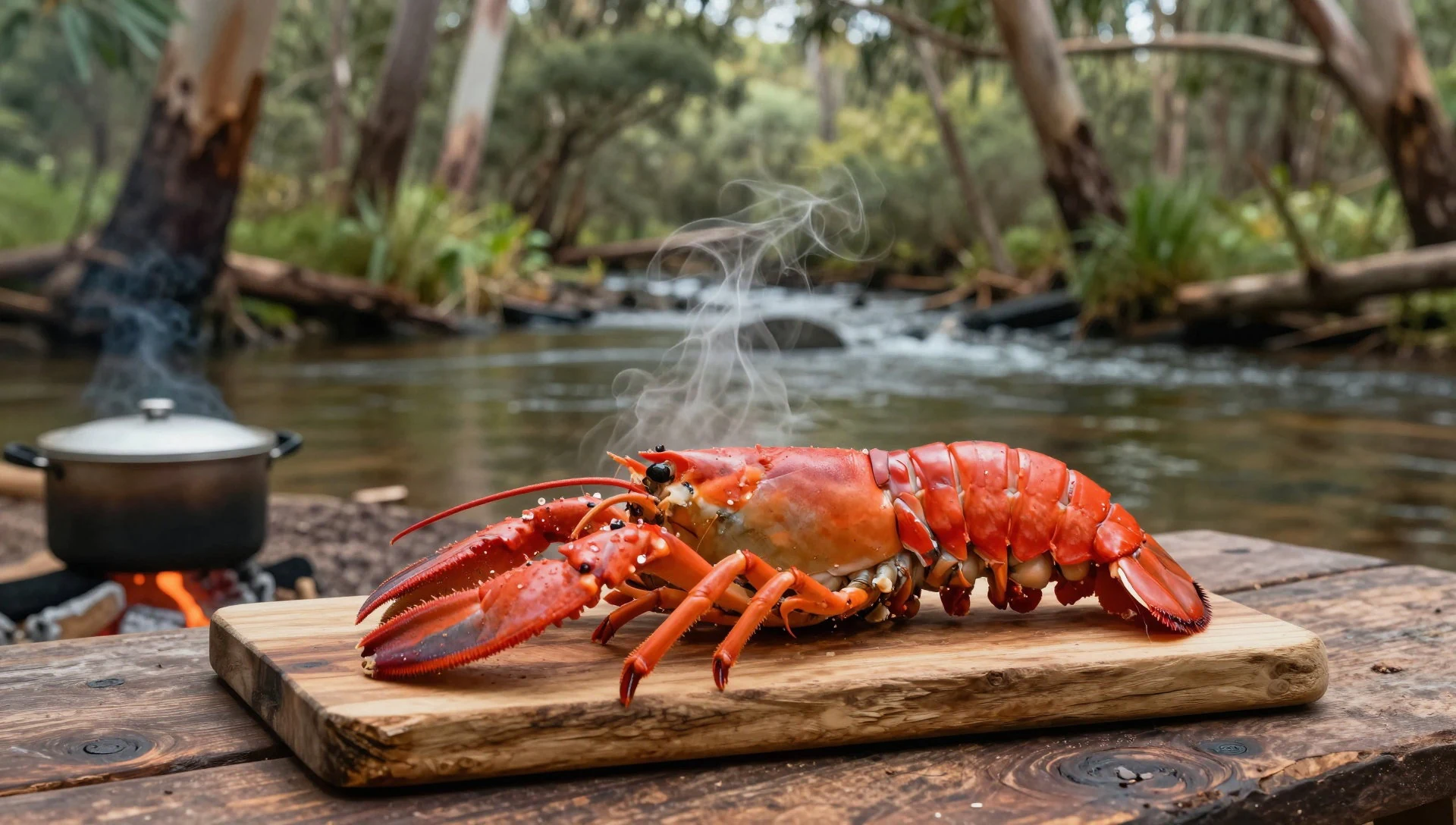
- Manjimup Black Truffles — Speciality markets and upscale restaurants
An opulent subterranean fungus cultivated in the cooler southern agricultural districts. Highly sought after by upscale dining establishments, these aromatic truffles exhibit a rich, earthy flavour profile that takes centre stage during regional winter harvest celebrations. - Regional Asian-Influenced Café Fare — Town and city eateries
Fresh, vibrant dishes blending local Australian produce with Southeast Asian culinary traditions, commonly found in metropolitan eateries and larger regional centres. Expect skillfully prepared noodle dishes, fragrant curries, and modern brunch plates featuring native ingredients. - Country Pub Grill — Rural pubs and country hotels
Traditional evening meals served in classic rural watering holes across regional townships. Menus typically feature classic grilled steaks, golden schnitzels, and fresh catches served alongside simple vegetable sides in a relaxed, welcoming social atmosphere.
Plan it
Best time. May to September during the dry season, when unsealed access tracks are passable and daytime temperatures are cooler; avoid the wet summer months when monsoonal rains render roads impassable.
How long. 2–3
Getting there. Fly into Perth or Broome, then hire a robust four-wheel-drive vehicle or book a scenic bush flight to access the remote Kimberley tracks leading toward the Mitchell River plateau.
Budget. high
Tips
- Check local road conditions with authorities before attempting unsealed tracks
- Inform a trusted contact of your travel itinerary and expected return time
- Carry emergency communication gear such as a satellite messenger
- Pack substantial reserves of drinking water and vehicle recovery equipment
Etiquette
- Always seek guidance before entering culturally sensitive Indigenous lands
- Never disturb rock art sites or natural rock formations
- Take all rubbish with you to preserve the pristine wilderness
Nearby
Sources
- Wikidata Q21886475 (CC0)
- Wikipedia Mitchell Falls (CC BY-SA 4.0)
- Wikivoyage Western Australia (CC BY-SA 4.0)
- Wikimedia Commons Photo (CC BY 3.0)
