Miletus
Miletus, Turkey
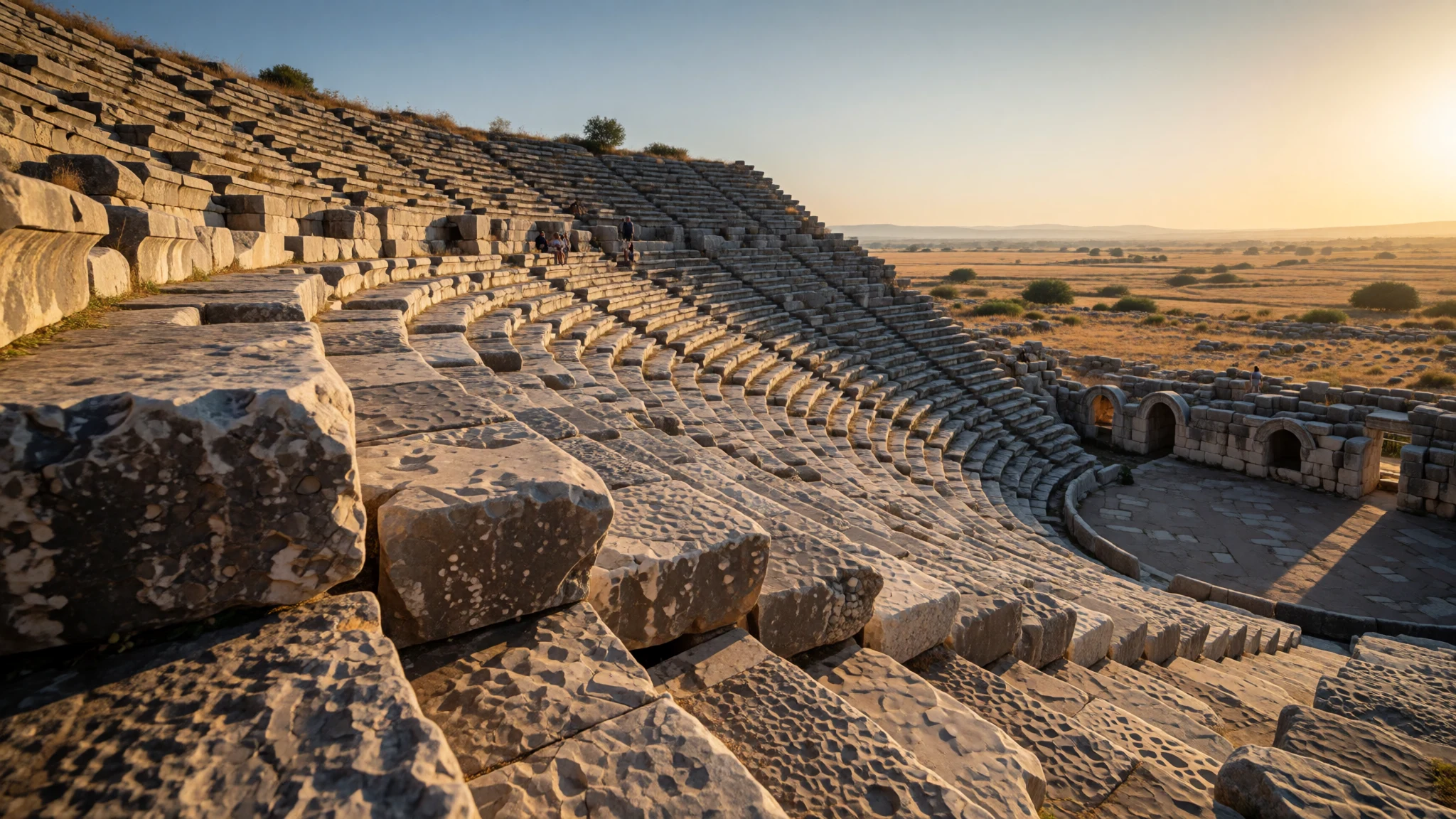
Walk among the massive limestone tiers of a grand ancient theatre and trace the roots of early philosophy where Ionia met the sea.
The place
Miletus sits quietly on present-day Turkey's western coast, close to where the Maeander River meets the sea. Once an extraordinarily wealthy maritime power, the ancient city was renowned throughout antiquity for its extensive network of colonies and its central role in Mediterranean trade. Today, the ruins stand amid flat alluvial plains that were once sea inlets, telling a poignant story of how shifting river silt gradually marooned a mighty harbour city inland. Visitors wander through massive stone structures, including a colossal theatre carved into the hillside, crumbling council chambers, and paved processional ways that once hummed with merchants, sailors, and philosophers. The archaeological site is remarkably peaceful compared to the bustling tourist hubs further down the coast, allowing travellers to explore stone foundations and mosaic remnants at their own pace under the warm Anatolian sun. The surrounding countryside remains largely agricultural, dotted with olive groves and grazing sheep, preserving a rural quietude that has characterised the delta for centuries. Whether you arrive to study the geometric street planning or simply to watch the afternoon light fall across ancient limestone, Miletus offers a profound encounter with the classical world without the overwhelming crowds found at larger Turkish archaeological destinations. It is a landscape where geography and history are deeply intertwined, inviting quiet contemplation of empires, trade routes, and the patient reshaping of the coastline by natural forces over millennia.
Its story
The story of Miletus stretches back far beyond the classical Greek era, with archaeology indicating that surrounding islands were inhabited by Neolithic populations long before the rise of the polis. During the Middle Bronze Age, the settlement fell under strong Aegean influences, eventually receiving a powerful cultural impulse from the Minoan civilisation around the beginning of the second millennium BCE. According to foundation legends, this era marked an influx of settlers from Crete who helped transform the coastal outpost into a thriving maritime hub. As centuries passed, Miletus grew into a dominant city-state, founding dozens of colonies across the Black Sea and the eastern Mediterranean. It also became an intellectual cradle, earning fame as the home of the Milesian school of philosophy, where pioneering thinkers such as Thales, Anaximander, and Anaximenes sought rational explanations for the natural world. Prosperity continued through periods of Persian control, Alexander the Great's conquest, and later Roman administration, each era leaving distinctive architectural layers upon the town plan. However, the very river that nurtured its trade ultimately sealed its fate. The Maeander River relentlessly deposited silt into the gulf, choking the harbours and cutting Miletus off from the sea it had mastered for centuries. By the Byzantine period and the later rule of the Mentese beyliks, the great port had shrunk into a minor settlement, eventually abandoned to the silent marshes and agricultural fields that visitors see today.
What to see
- The Theatre of Miletus — Main archaeological zone
Dominating the archaeological site, this enormous structure once held thousands of spectators for dramatic performances and civic assemblies. Originally built in the Greek era and later expanded by the Romans, its upper tiers offer sweeping views across the ancient alluvial plains.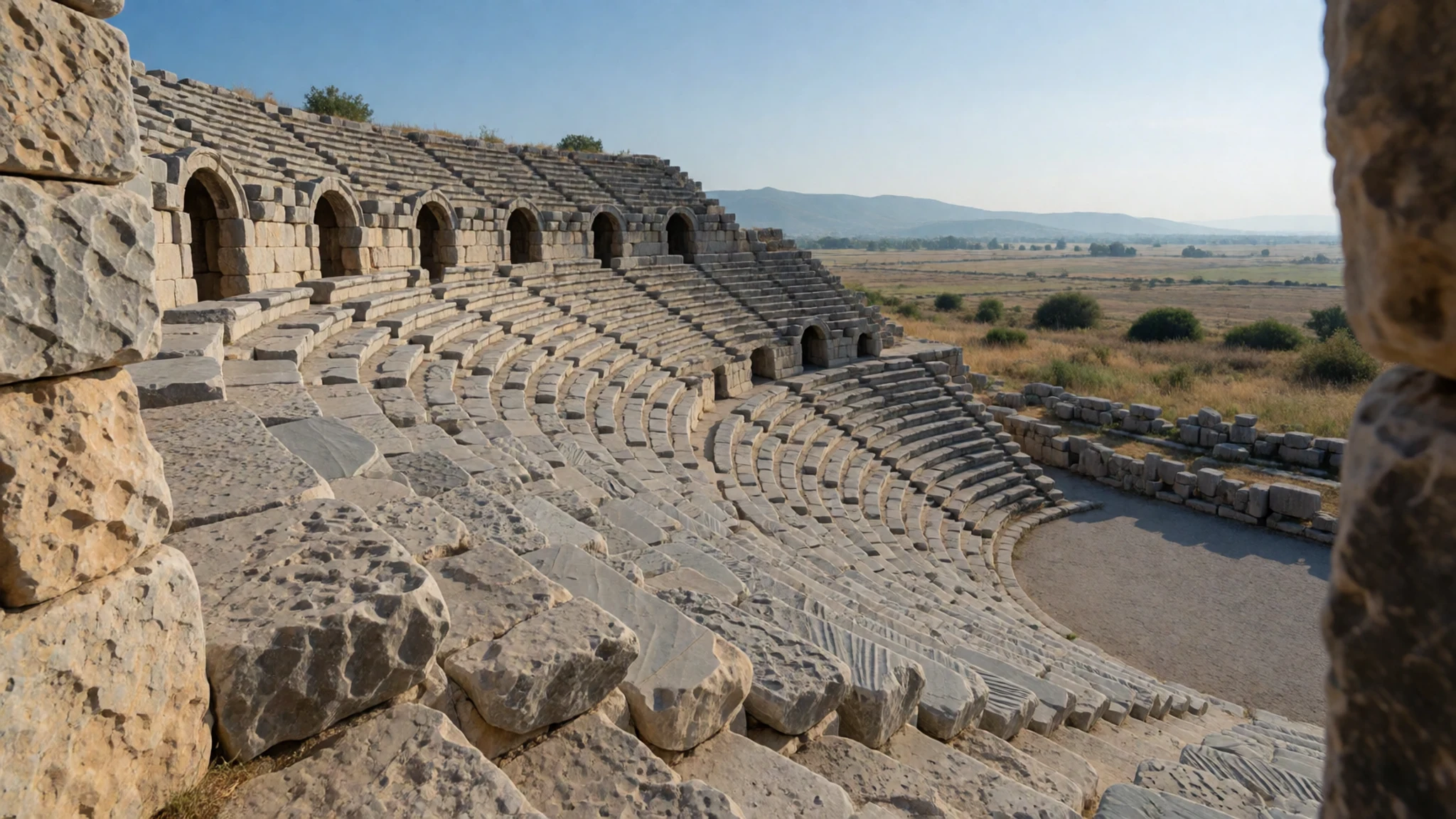
- Didyma Temple of Apollo — Didyma
Located a short distance south of the main settlement, this colossal sanctuary was once home to a legendary oracle second only to Delphi. Enormous marble columns still stand proudly toward the sky, hinting at the immense scale of ancient religious devotion.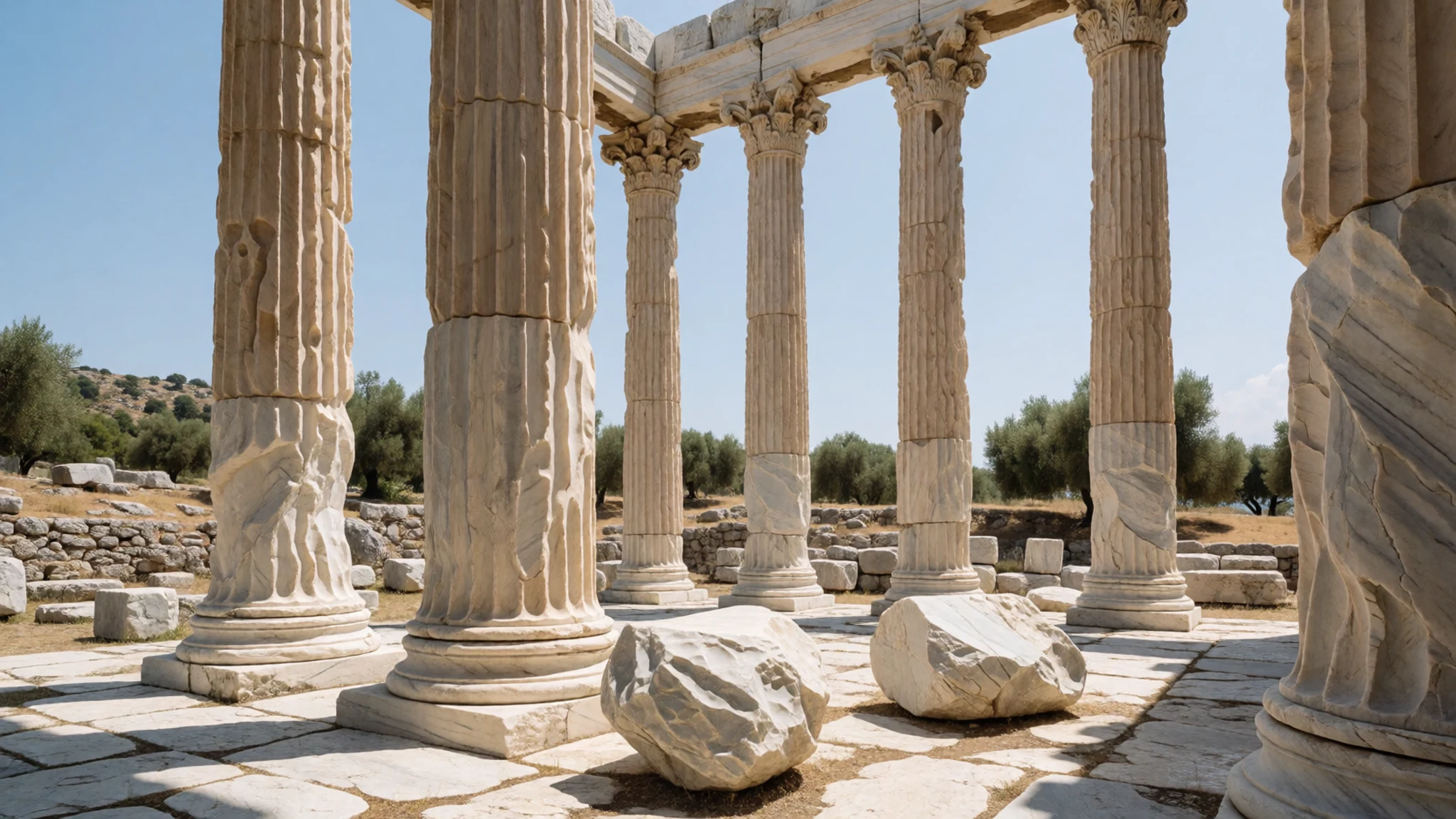
- The Sacred Way — Between Miletus and Didyma
This historic processional route once connected Miletus to the grand sanctuary at Didyma. Walking sections of the ancient path reveals scattered stone markers and remnants of the monuments that once lined the way for pilgrims and ritual processions.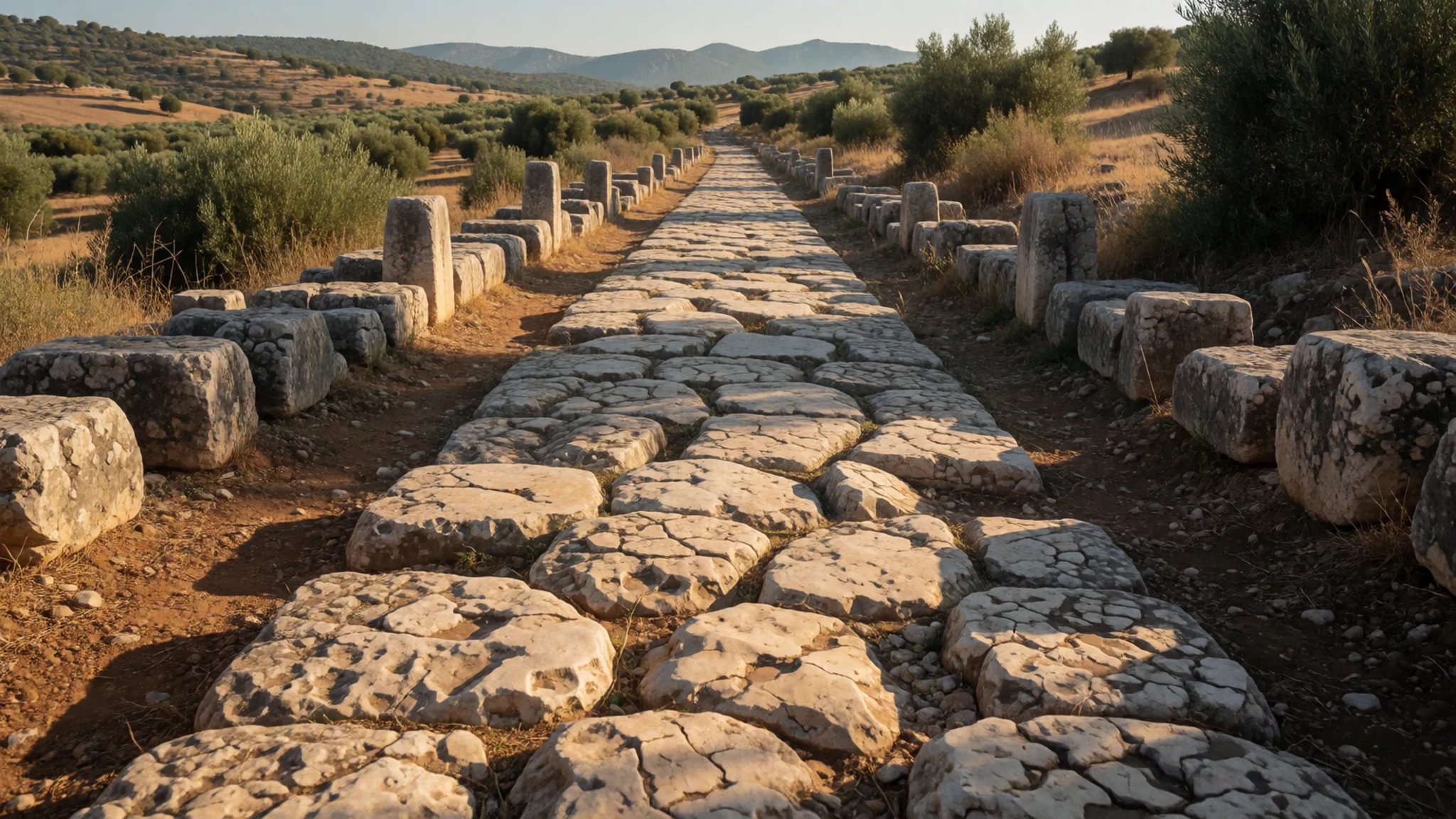
- Priene — North of the Maeander plain
Perched dramatically on a steep hillside overlooking the vanished delta, this remarkably preserved ancient city showcases a textbook example of a classical grid layout. Its terrace streets and temple ruins offer insight into Hellenistic urban design.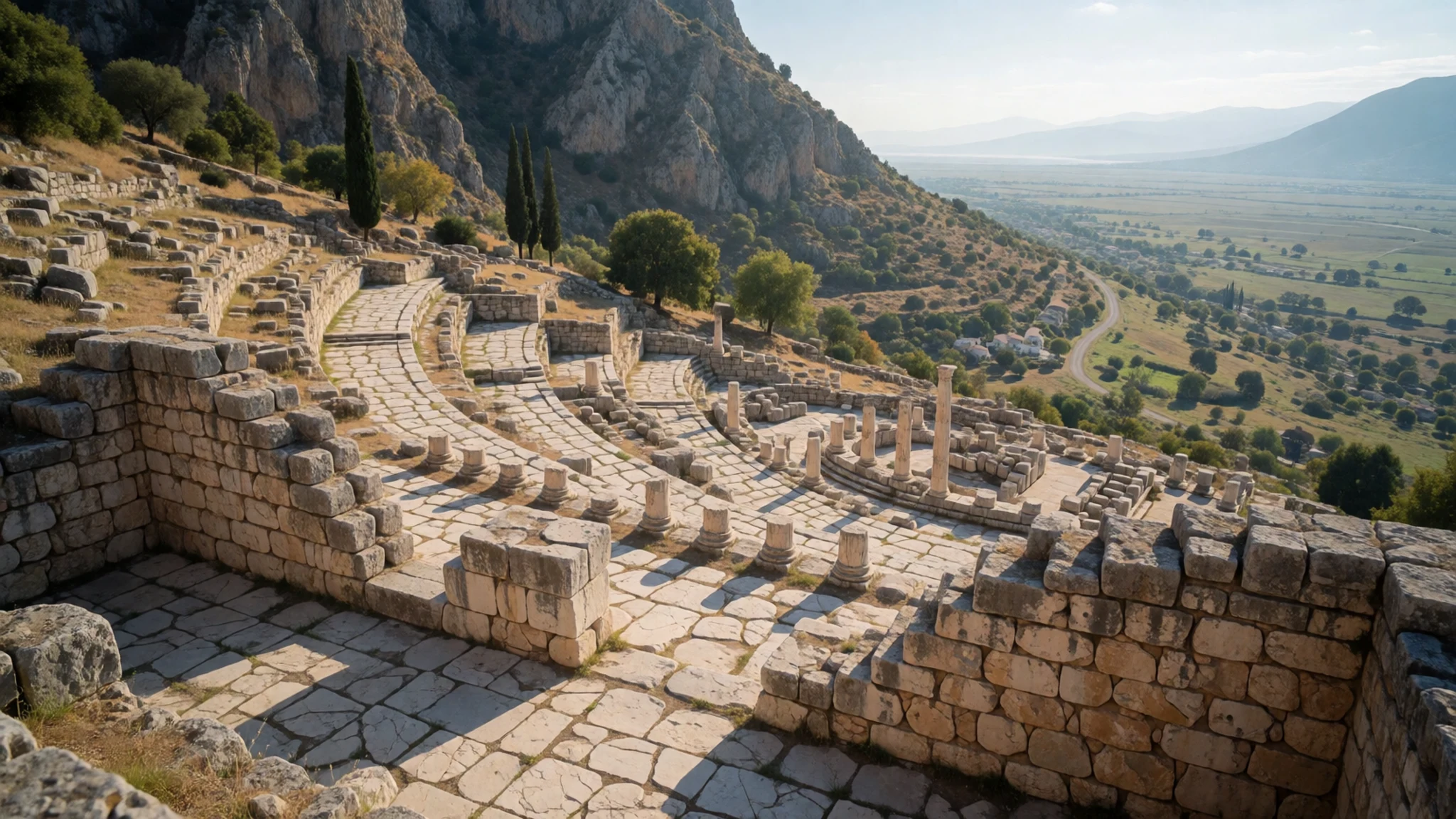
- The Faustina Baths — Southern sector of Miletus
Built by Roman nobility, these ancient bathhouses feature carved stone pools, dressing rooms, and remnants of heating systems. Stone lion statues recovered from the complex stand near the entrance, reflecting the classic artistic style of the imperial period.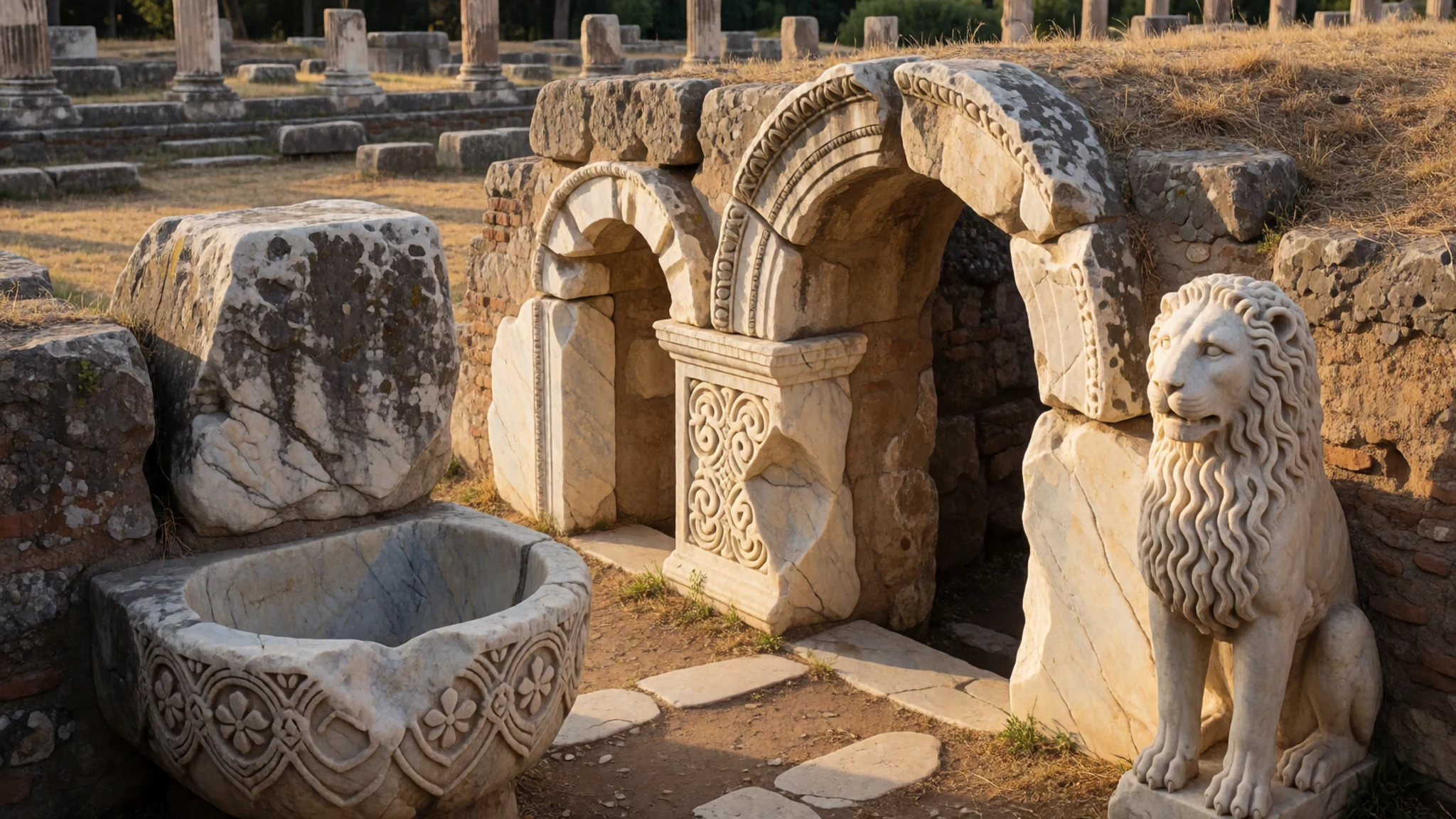
Culture
The cultural identity of Miletus was forged at a crossroads where Greek maritime ambition met Anatolian traditions, later absorbing Persian and Roman influences over successive centuries. In antiquity, the city was defined by its grand civic festivals, athletic games, and the monumental religious processions that wound their way along the Sacred Way to the oracle at Didyma. Today, the local culture in the surrounding towns reflects a traditional Aegean way of life centred around agriculture, olive cultivation, and hospitality towards travellers exploring the region's historical treasures. Traditional crafts, family-run tea houses, and weekly local markets remain central to daily routines in nearby settlements like Didim and Milas. Residents are generally warm and welcoming, proud of their deep historical heritage and eager to share recommendations for local eateries. When visiting active mosques or sacred rural shrines in the surrounding countryside, remember to dress modestly with shoulders and knees covered, and remove your shoes before stepping onto carpets inside prayer spaces.
What to wear
Miletus and its surrounding towns experience a warm Mediterranean climate, dictating practical clothing choices for daily life and travel. Traditional regional attire in western Anatolia historically featured layered woven textiles, embroidered vests, and headscarves, though modern locals in nearby towns now wear contemporary Western-style clothing for everyday work and social life. Visitors exploring the open-air ruins of Miletus should prioritise comfort and sun protection. Lightweight, breathable fabrics such as cotton and linen are essential during the warmer months when the Anatolian sun beats down intensely on the exposed marble stones and dusty paths. Sturdy walking shoes or trainers with good grip are necessary, as the archaeological terrain involves uneven stone blocks, steep theatre steps, and gravel tracks. Bring a sun hat, sunglasses, and plenty of sunscreen, as shade is scarce across much of the ancient site. If you plan to visit local towns or rural mosques after exploring the ruins, carry a lightweight scarf or extra layer to ensure modest coverage of shoulders and knees.
What to eat
- Aegean Meze Plates — Altınkum beach dining strip
A colourful spread of small dishes featuring grilled aubergine, stuffed vine leaves, herbed yoghurt, and fresh white cheese, served with warm flatbread in seaside eateries.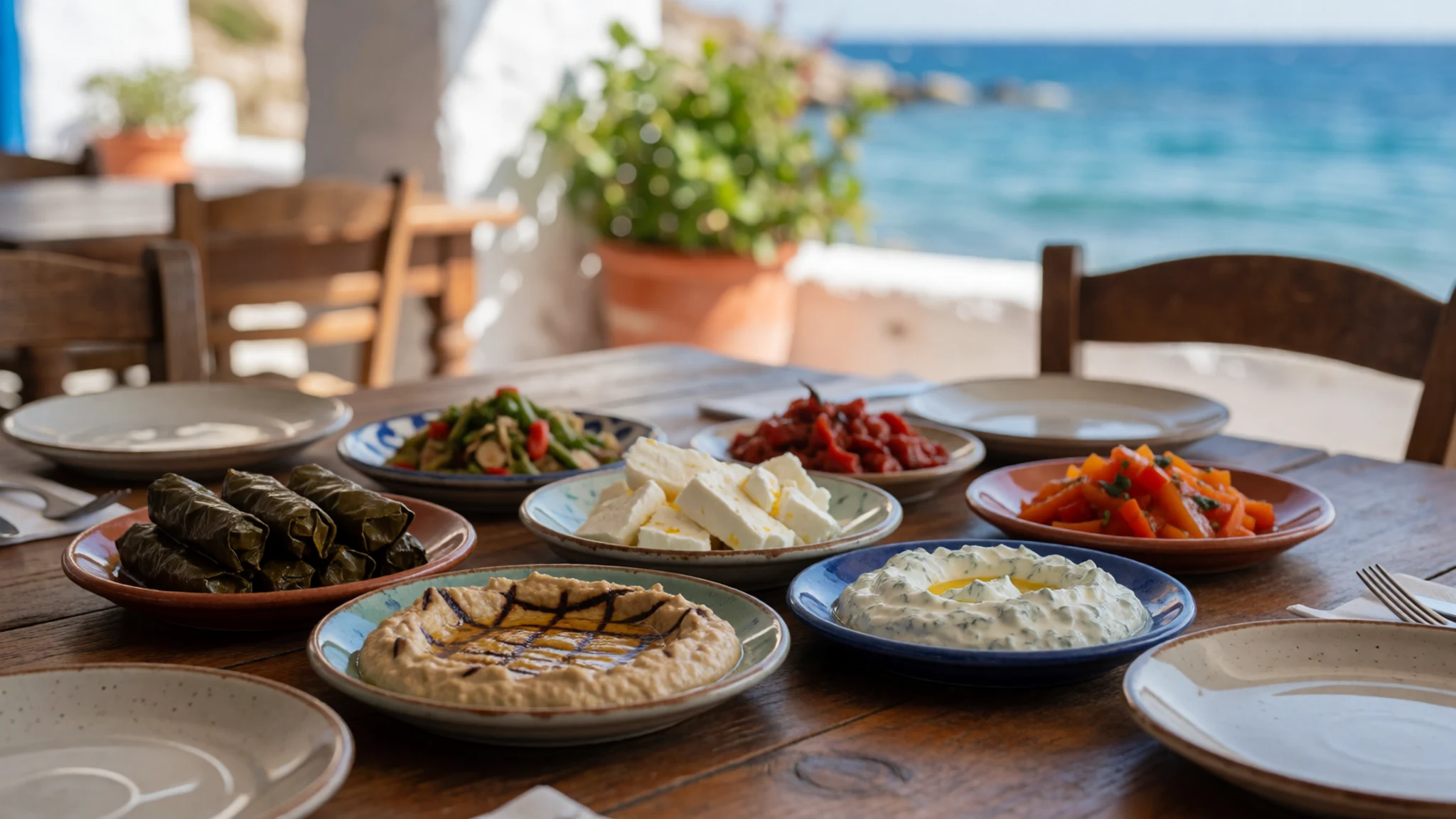
- Fresh Grilled Catch — Beachfront restaurants in Didim
Locally sourced sea bream or bass seasoned simply with olive oil, lemon, and oregano, grilled over coals and served alongside crisp seasonal salads.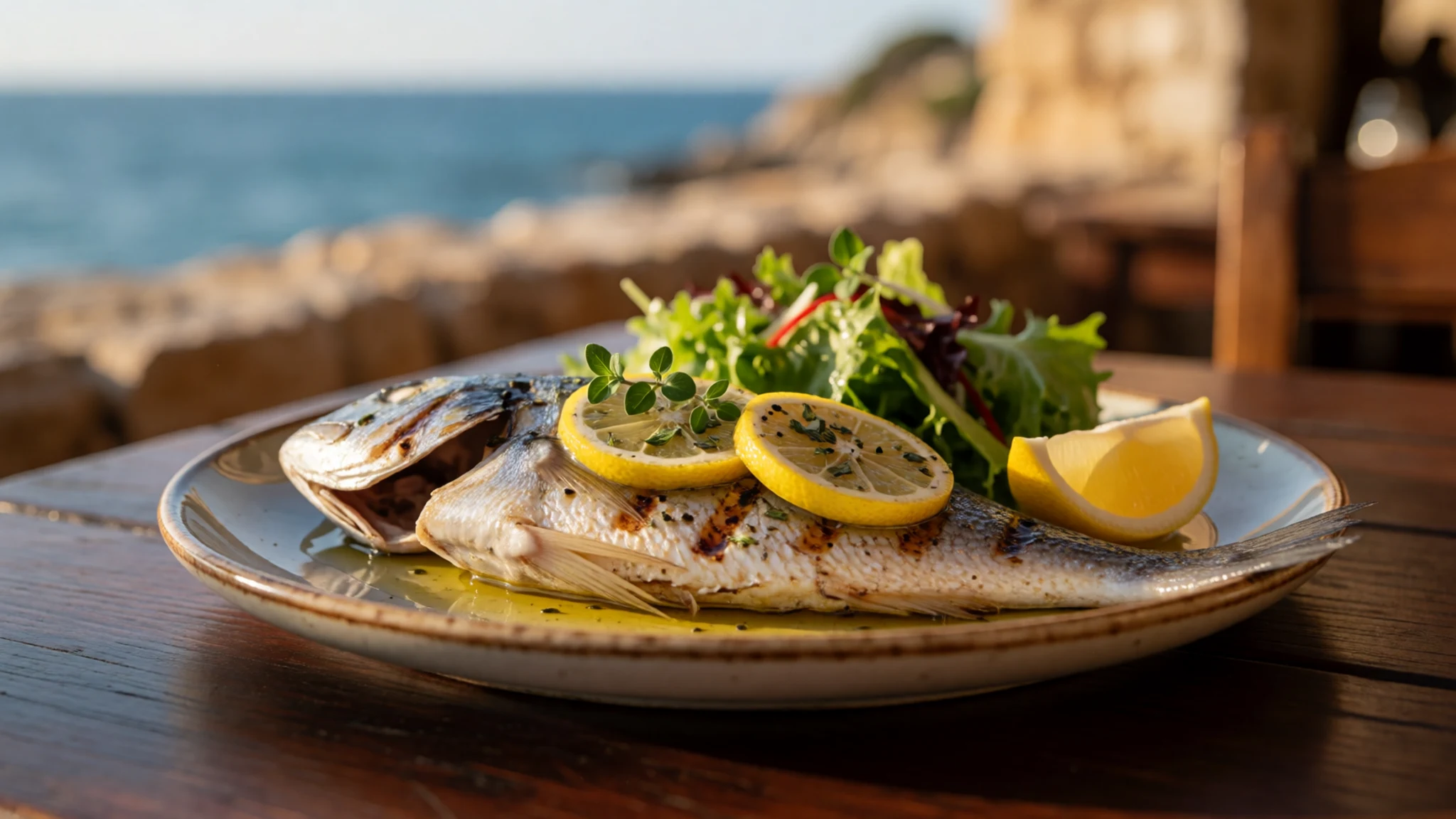
- Pide — Local bakeries and town eateries
Traditional boat-shaped flatbreads baked in stone ovens, topped with minced lamb, spiced sausage, or melted cheese and fresh herbs. - Olive Oil Zeytinyağlılar — Traditional kitchen restaurants
Vegetables and pulses simmered slowly in rich local olive oil, served cold as a refreshing starter during warm afternoons.
Plan it
Best time. March to April offers pleasant spring weather and blooming wildflowers across the ruins, while late October to November brings mild autumn temperatures ideal for walking without intense summer heat.
How long. 2
Getting there. Fly into Milas-Bodrum Airport, then take a regional bus or hire a car for the remaining drive north towards Miletus and Didim.
Budget. mid
Tips
- Arrive early in the morning during summer to avoid the scorching midday heat across the open ruins
- Purchase a Museum Pass online or at major regional sites if you plan to visit Priene and Didyma as well
- Carry cash for smaller village shops, local markets, and rural transport
- Wear sturdy footwear with good grip for exploring uneven stone steps and ancient theatre tiers
- Bring your own bottled water, as amenities directly at the archaeological site are limited
Etiquette
- Dress modestly with shoulders and knees covered when visiting local towns or religious sites
- Remove your shoes before stepping onto carpets inside mosques
- Ask permission before photographing local residents in rural villages
Nearby
Sources
- Wikidata Q169460 (CC0)
- Wikipedia (rev 1376640211) (CC BY-SA 4.0)
- Wikivoyage (rev 5401079) (CC BY-SA 4.0)
- Photo photos/01-the-theater-of-miletus.jpg (CC BY-SA 2.0)
