Mesa Verde National Park
Mesa Verde National Park, United States
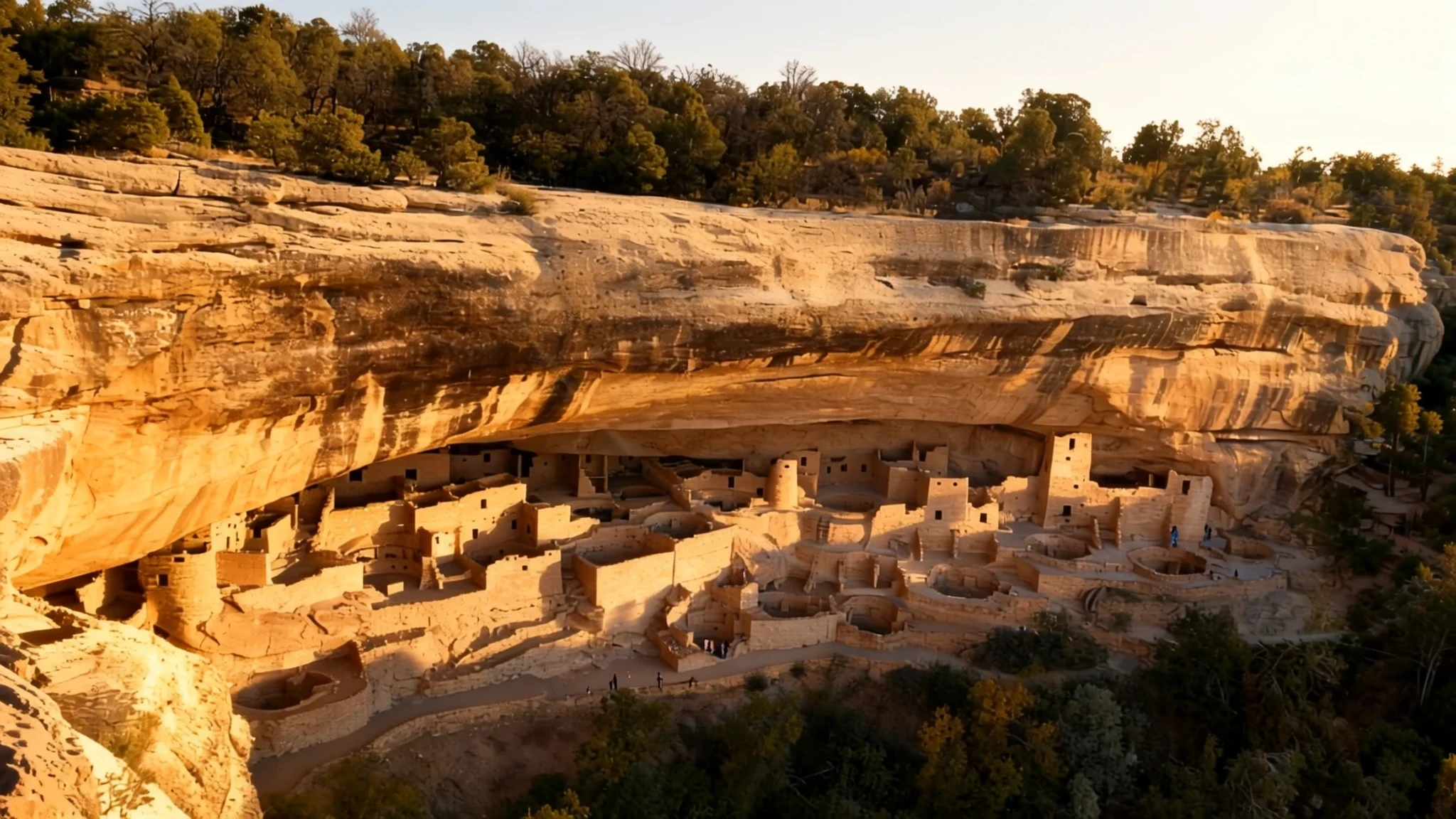
Explore Mesa Verde to walk among extraordinary cliff dwellings and ancient stone villages built into sandstone canyons by the Ancestral Puebloans.
The place
Mesa Verde National Park protects an extraordinary collection of stone architecture and ancient heritage tucked away in the high country of the American Southwest. Set within Montezuma County, the park preserves a sprawling landscape marked by deep canyons and flat-topped plateaus that catch the changing desert light. The name itself translates from Spanish as green table, reflecting the juniper and pinyon pine forests that blanket the mesa tops above the arid valleys.
The terrain is defined by dramatic geological features where water has carved wide alcoves into the golden sandstone over millennia. Within these natural recesses, generations of indigenous master builders raised multi-storey stone towers, subterranean ceremonial chambers, and complex residential blocks that remain remarkably intact. Walking through these high-altitude canyons feels like stepping into a vast, silent museum without walls, where every ridge and overlook reveals centuries of human habitation.
Visitors arrive to find an environment that demands respect for its scale and climate. The air is dry and thin, carrying the scent of pine and baked earth across the vistas. Summer days can be baking under clear skies, while evening temperatures drop sharply as the sun dips behind the distant desert horizons. The park balances heavy seasonal interest with periods of quiet solitude, particularly along the winding roads that lead away from the main museum districts towards the quieter mesa fringes. It is a landscape that encourages slow observation, requiring travellers to pause and consider how communities once thrived in such a demanding yet protective natural stronghold.
Its story
Human history on the mesa stretches back long before the famous stone villages appeared in the cliffs. The earliest inhabitants were nomadic groups who moved through the region seasonally, utilizing simple rock shelters and leaving behind distinctive projectile points that trace connections across surrounding desert basins and mountain valleys. Over generations, these hunting groups transitioned into semi-permanent residents who began to domesticate wild plants and experiment with cultivating maize and squash.
By the early centuries of the common era, distinct cultural traditions took root across the mesas. Populations grew as agricultural techniques improved, supported by winter snowfall and summer rains that fed the soil. Families built subterranean pit houses on the flat mesa tops, gradually refining their masonry skills and communal organization. Around the turn of the twelfth century, a profound shift occurred. Communities moved from the open mesa tops down into the steep sandstone alcoves carved into the canyon walls, constructing the massive cliff dwellings that define the park today.
These alcove settlements offered brilliant ecological advantages. In winter, the low angle of the sun warmed the dark stone walls, while warm breezes drifted up from the valley below. In summer, the high overhead sun cast cooling shadows over the domestic quarters. Despite this ingenuity, the region was eventually depopulated as prolonged environmental pressures and changing social structures led communities to migrate south toward the Rio Grande and Little Colorado River basins. Today, modern Pueblo people maintain deep spiritual and ancestral ties to the mesa, viewing the stone settlements not as ruins, but as the enduring legacy of their forebears.
What to see
- Cliff Palace — Cliff Palace Loop Road
Descend into the largest and most famous cliff dwelling in the park on a ranger-guided tour. You will navigate steep ladders and stone steps to explore multi-storey residential blocks and ancient kivas tucked deep inside a massive sandstone alcove.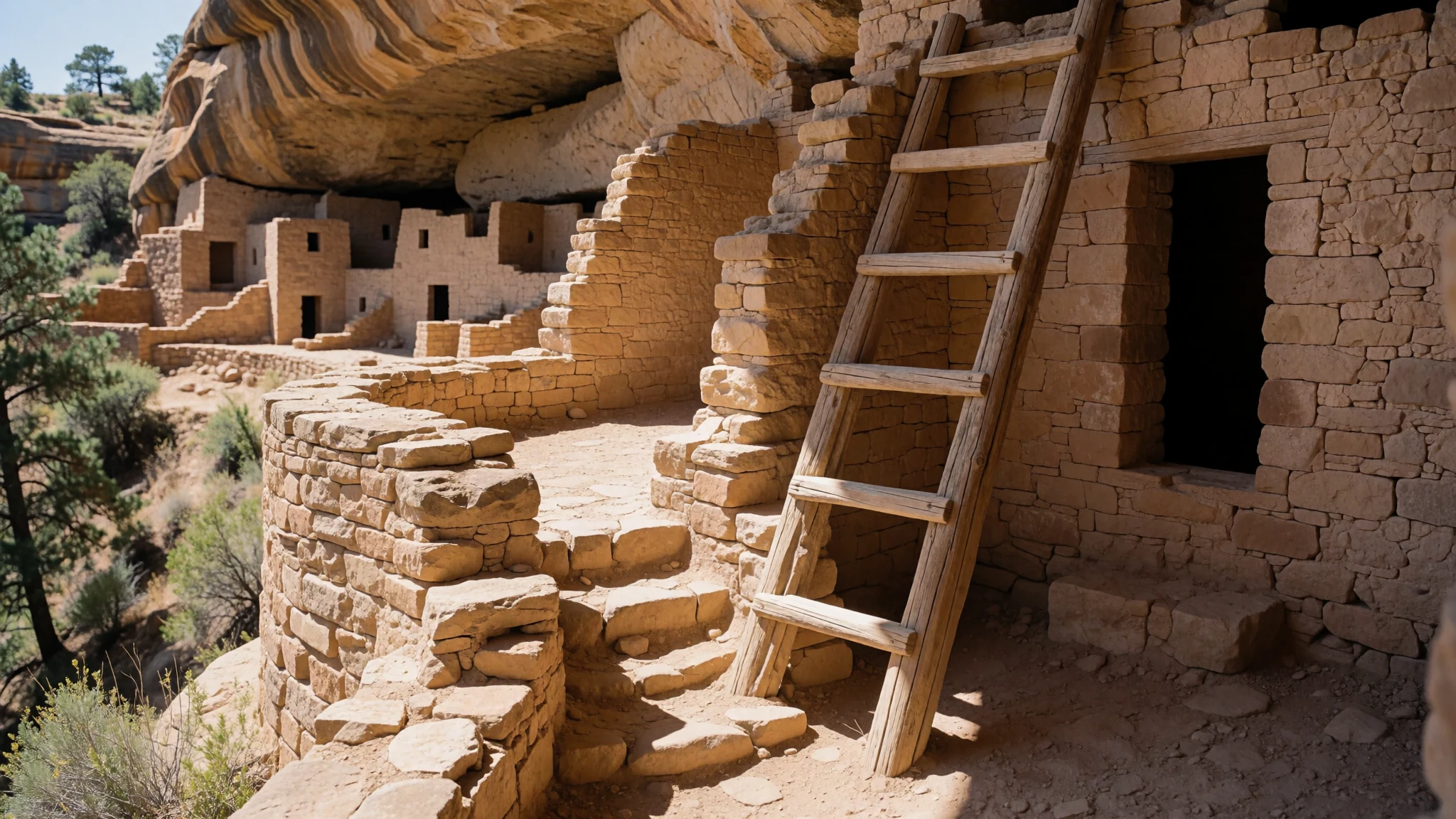
- Chapin Mesa Archeological Museum — Chapin Mesa
Start your journey here to view extensive exhibits detailing the daily life and material culture of the Ancestral Puebloans. The museum displays authentic pottery, woven baskets, and detailed dioramas illustrating how communities farmed and built their villages.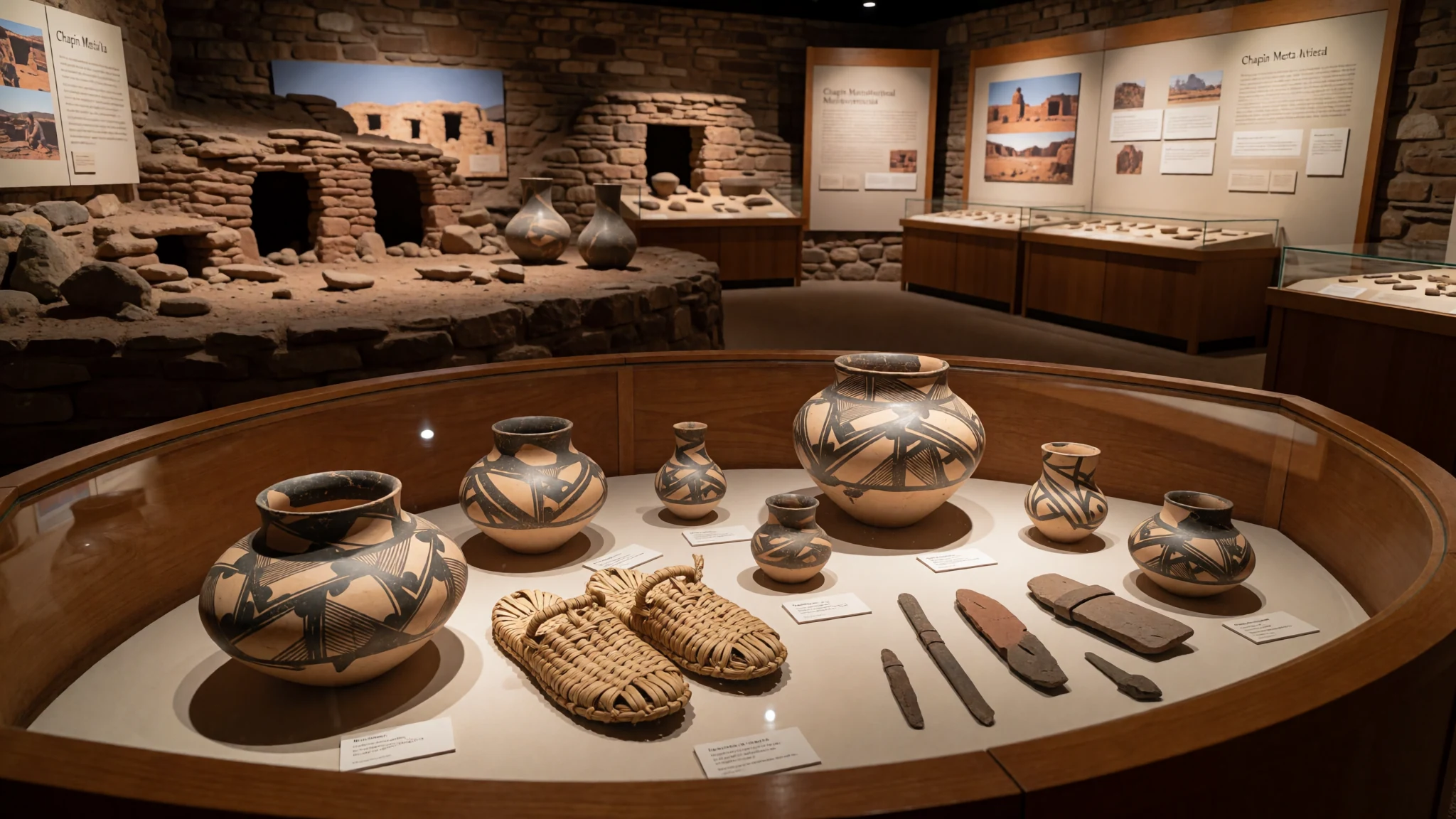
- Spruce Tree House — Chapin Mesa
Follow the walking trail descending into Spruce Tree Canyon to observe one of the park's best-preserved alcove settlements up close. The site features numerous rooms and ceremonial chambers constructed beneath a dramatic natural rock overhang.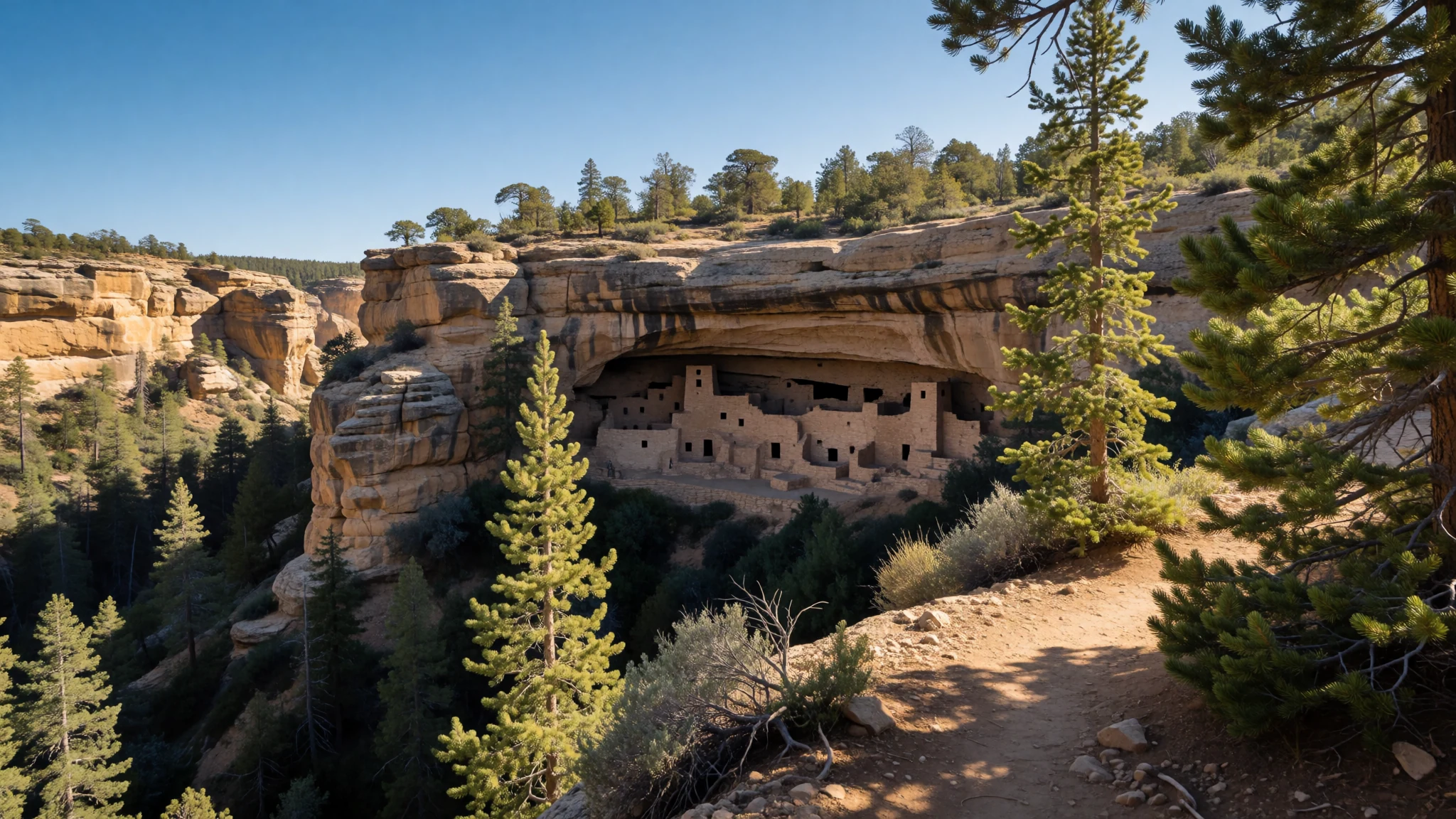
- Mesa Top Loop Road — Chapin Mesa
Drive this scenic route to access short, paved paths leading to excavated mesa-top pit houses, early pueblos, and spectacular canyon overlooks where you can spot multiple ancient stone settlements from a single vantage point.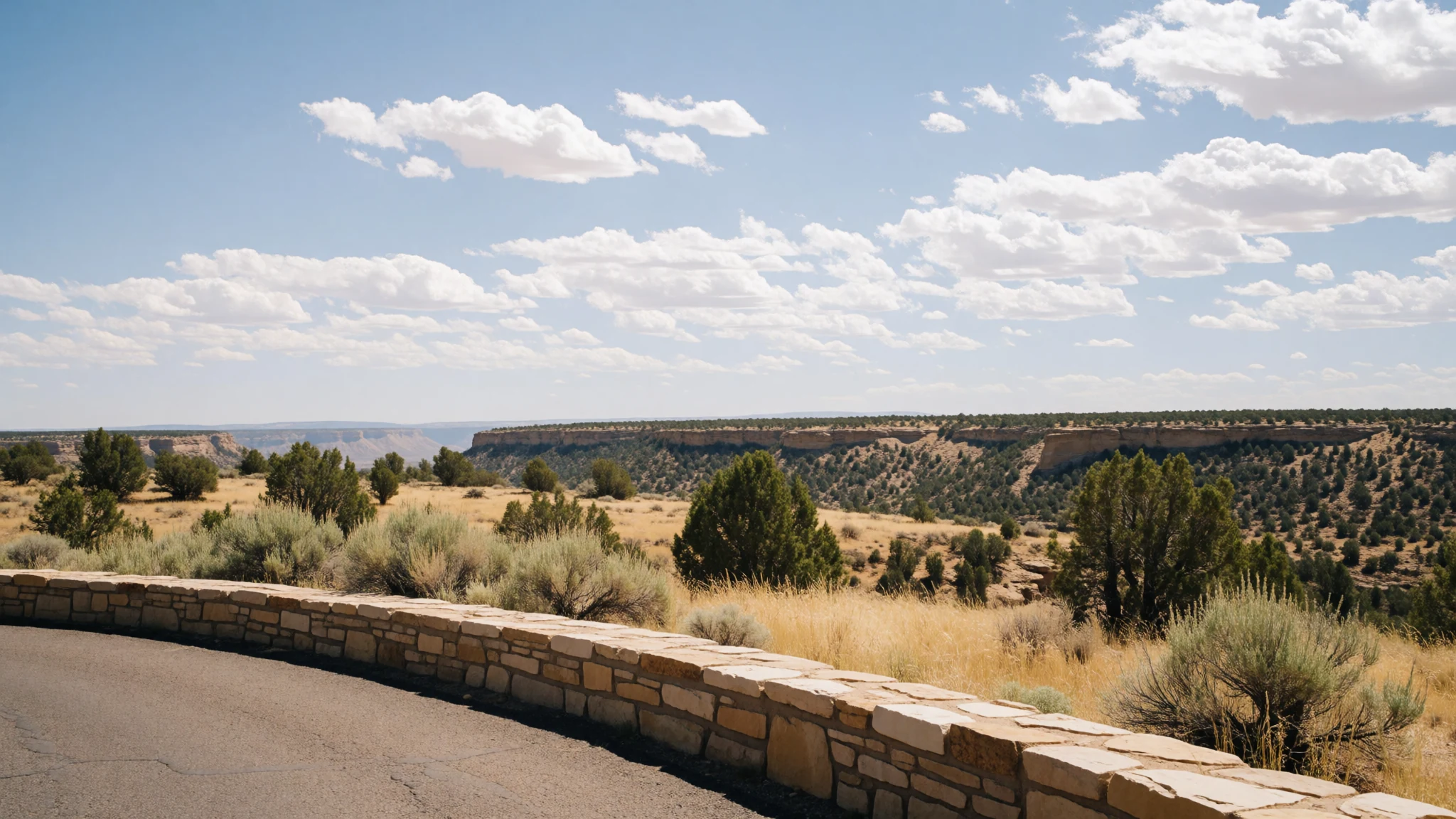
- Step House — Wetherill Mesa
Hike down a rugged trail into a secluded alcove to explore a site showcasing two distinct eras of habitation side by side. A resident park ranger is on hand to answer questions about the pit houses and later masonry structures.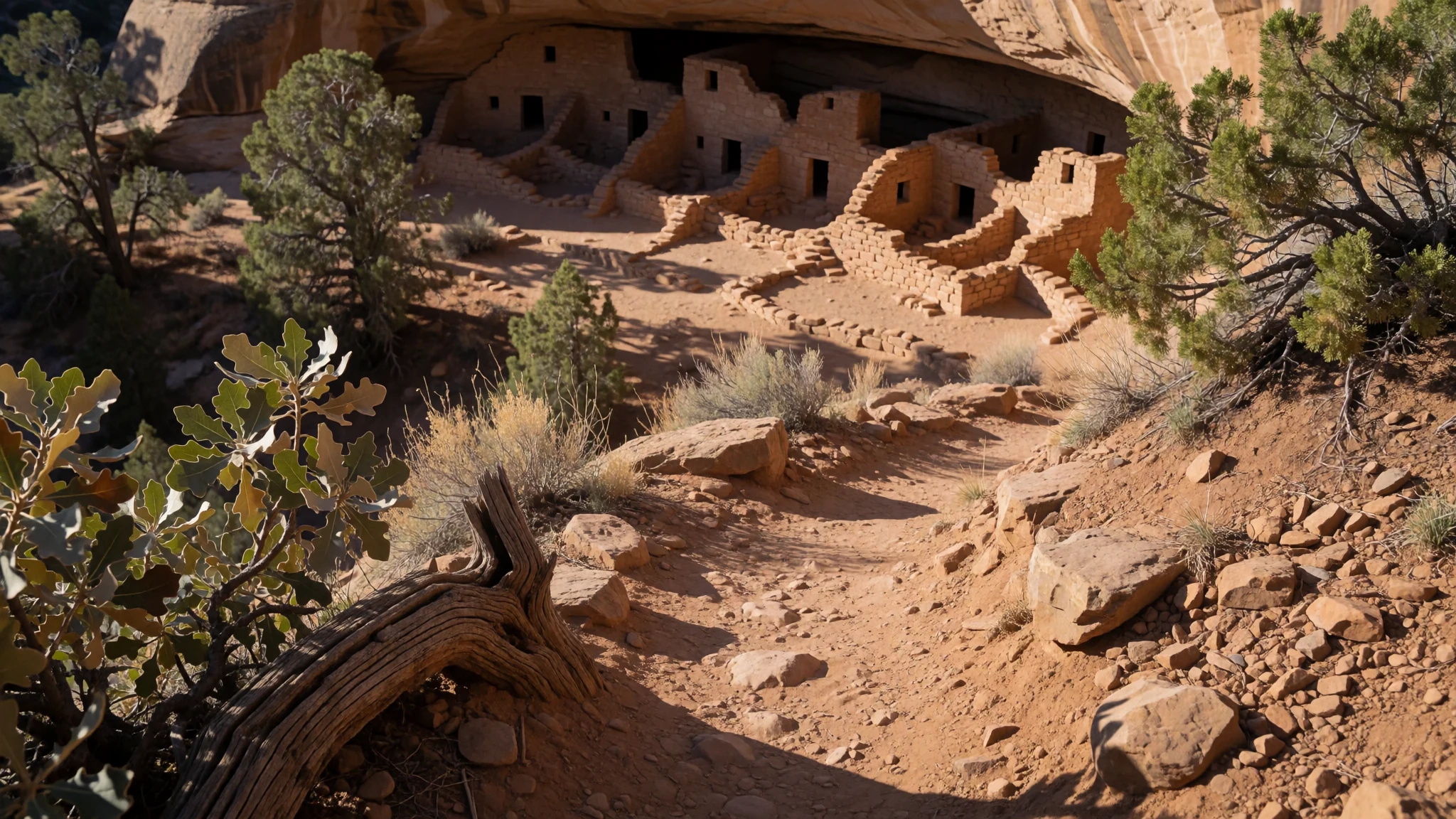
Culture
The cultural heritage of Mesa Verde is preserved through the living traditions of modern Pueblo and Native American communities whose ancestors shaped this landscape. While the ancient stone dwellings are silent today, they remain sacred ancestral homelands imbued with deep spiritual significance. Traditional practices are honoured through respectful stewardship, storytelling, and an ongoing connection to the surrounding desert ecosystem. Visitors often feel a profound sense of reverence when walking among the kivas and alcoves, recognising the site as a monument to human resilience and ingenuity in a challenging environment. Always treat all archaeological structures, petroglyphs, and artifacts with utmost respect by staying on designated trails and never touching ancient masonry.
What to wear
Modern visitors to Mesa Verde dress primarily for comfort, sun protection, and outdoor activity. The desert climate demands practical clothing such as lightweight trousers, breathable shirts, and sturdy walking shoes or hiking boots with reliable grip for uneven stone steps and ladders. Because the park sits at a high elevation, ultraviolet radiation is intense throughout the day, making wide-brimmed hats, sunglasses, and high-factor sunscreen essential accessories for any outdoor excursion. Even during warmer months, evenings on the mesa can turn remarkably cool, so packing a fleece jacket or windproof layer is advisable. Traditional attire is not worn as daily dress by visitors, but modern regional fashion draws heavily on Southwestern influences, including durable denim, leather accessories, and handcrafted silver or turquoise jewellery created by local artisans.
What to eat
- Far View Terrace Café — Far View district
A casual cafeteria setting offering a diverse menu ranging from standard burgers and pizzas to Southwestern-inspired dishes and regional Native American flavours for hungry travellers.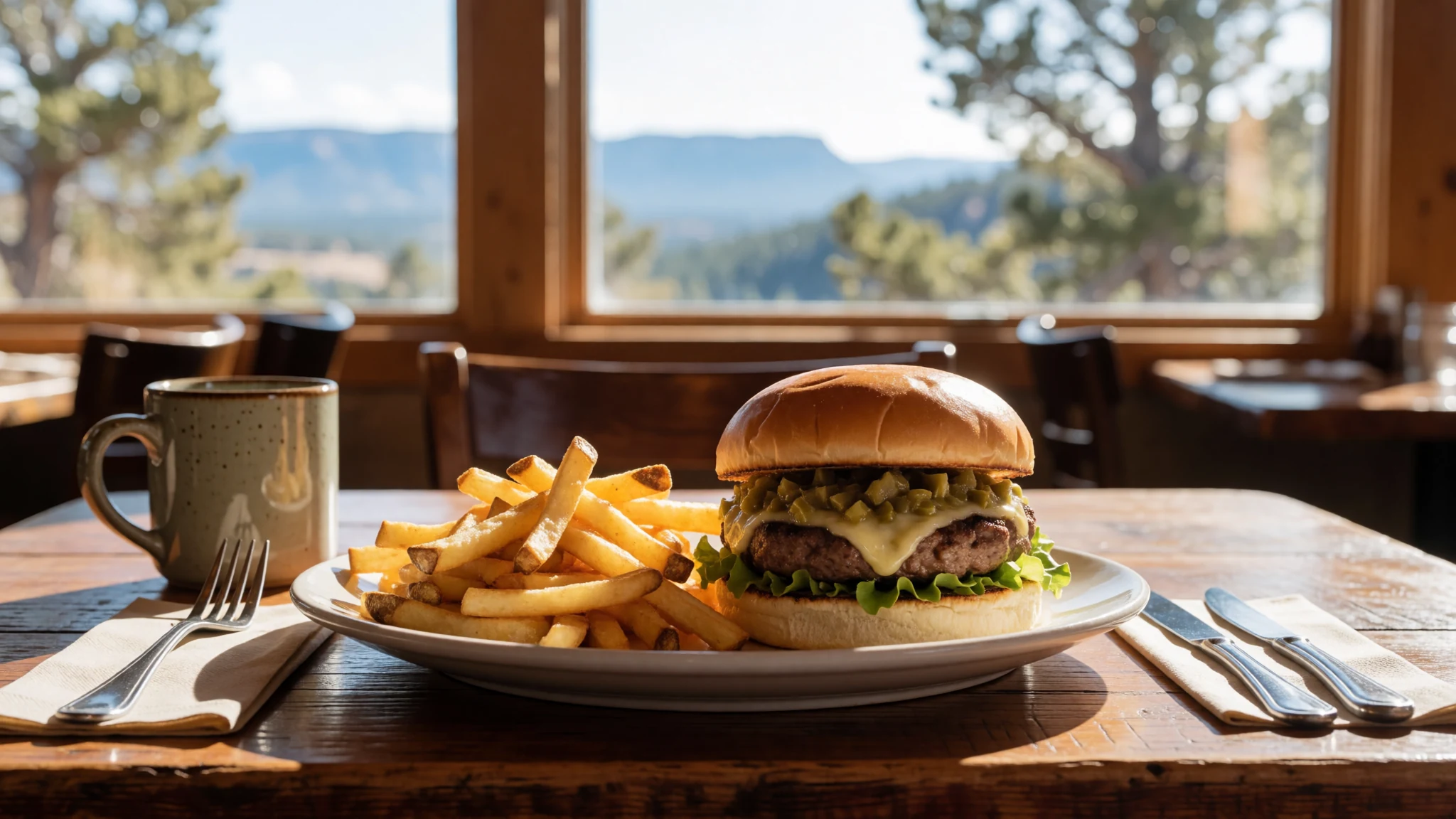
- Spruce Tree Terrace Café — Chapin Mesa
A convenient spot near the museum district where visitors can grab quick, simple lunches including classic burgers, fresh sandwiches, and crisp salads after exploring the canyon trails.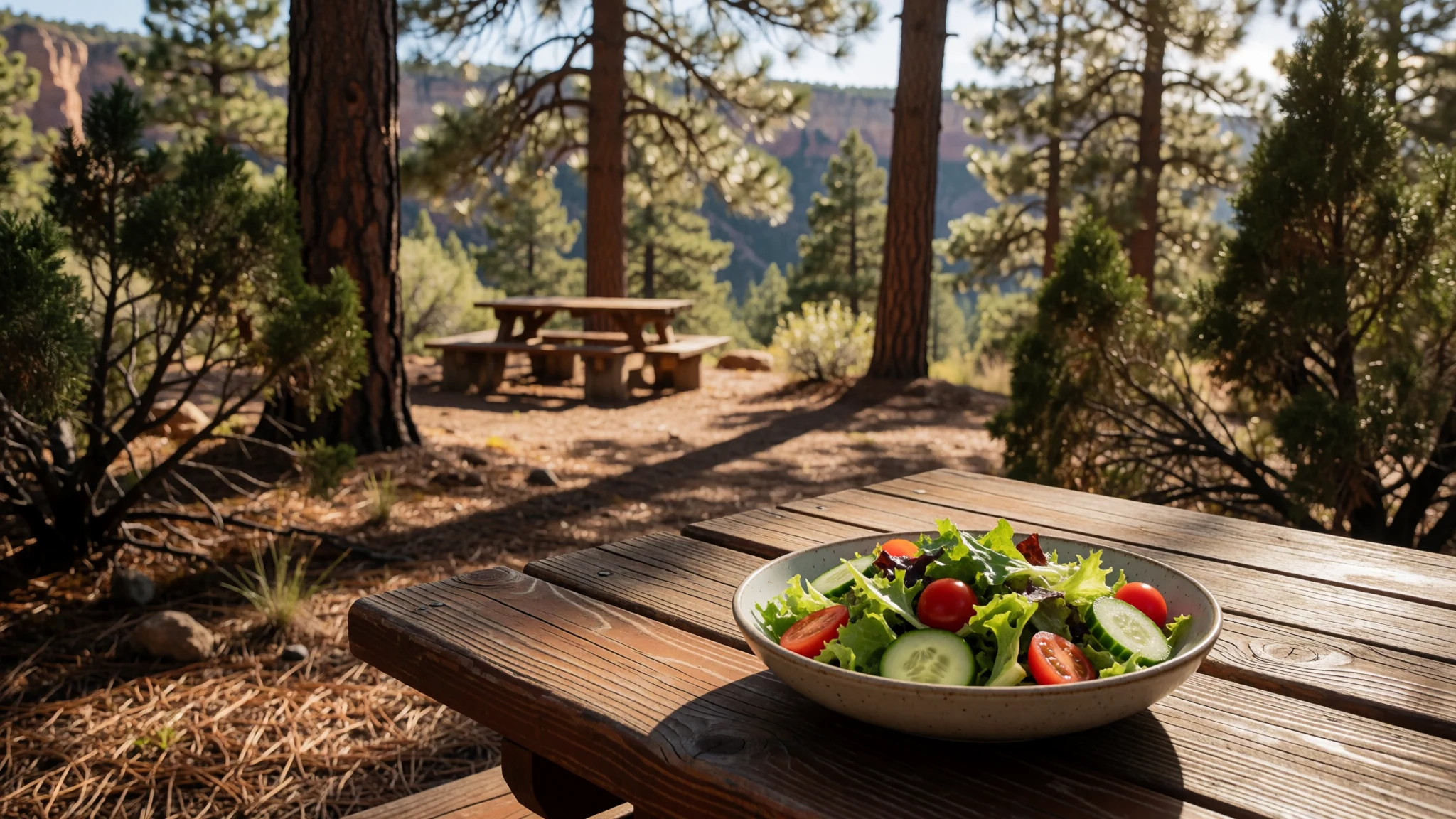
- The Metate Room — Far View Lodge
An unexpectedly sophisticated dining venue situated within the lodge, offering a refined menu paired with an extensive wine list for an elevated evening meal. - Knife Edge Cafe — Park entrance area
A welcoming seasonal eatery open during the warmer summer months, perfect for starting the morning with a hearty breakfast before heading out to the park trails.
Plan it
Best time. May through September offers warm days and access to most park roads and ranger-guided tours, though the Wetherill Mesa road opens only from Memorial Day to Labor Day, and July is the hottest month while the heaviest rain arrives in late summer.
How long. 2–3
Getting there. Driving is the primary way to arrive via US Highway 160. The nearest regional airports are located in Cortez and Durango, requiring a rental car for the final drive.
Budget. mid
Tips
- Ensure your vehicle brakes and fuel levels are checked before tackling the steep, winding park approach road.
- Carry plenty of drinking water with you at all times due to the dry desert air and high elevation.
- Book ranger-guided cliff dwelling tours well in advance during peak summer months.
- Start your driving loop early in the morning to beat the midday heat and afternoon crowds.
- Wear sturdy footwear with good grip for climbing ladders and uneven stone steps.
Etiquette
- Stay strictly on designated trails and never climb on ancient walls or touch fragile masonry.
- Respect the sacred nature of the site by maintaining a quiet, reflective tone around ancestral dwellings.
Nearby
Sources
- Wikidata Q237128 (CC0)
- Wikipedia (CC BY-SA 4.0)
- Wikivoyage (CC BY-SA 4.0)